





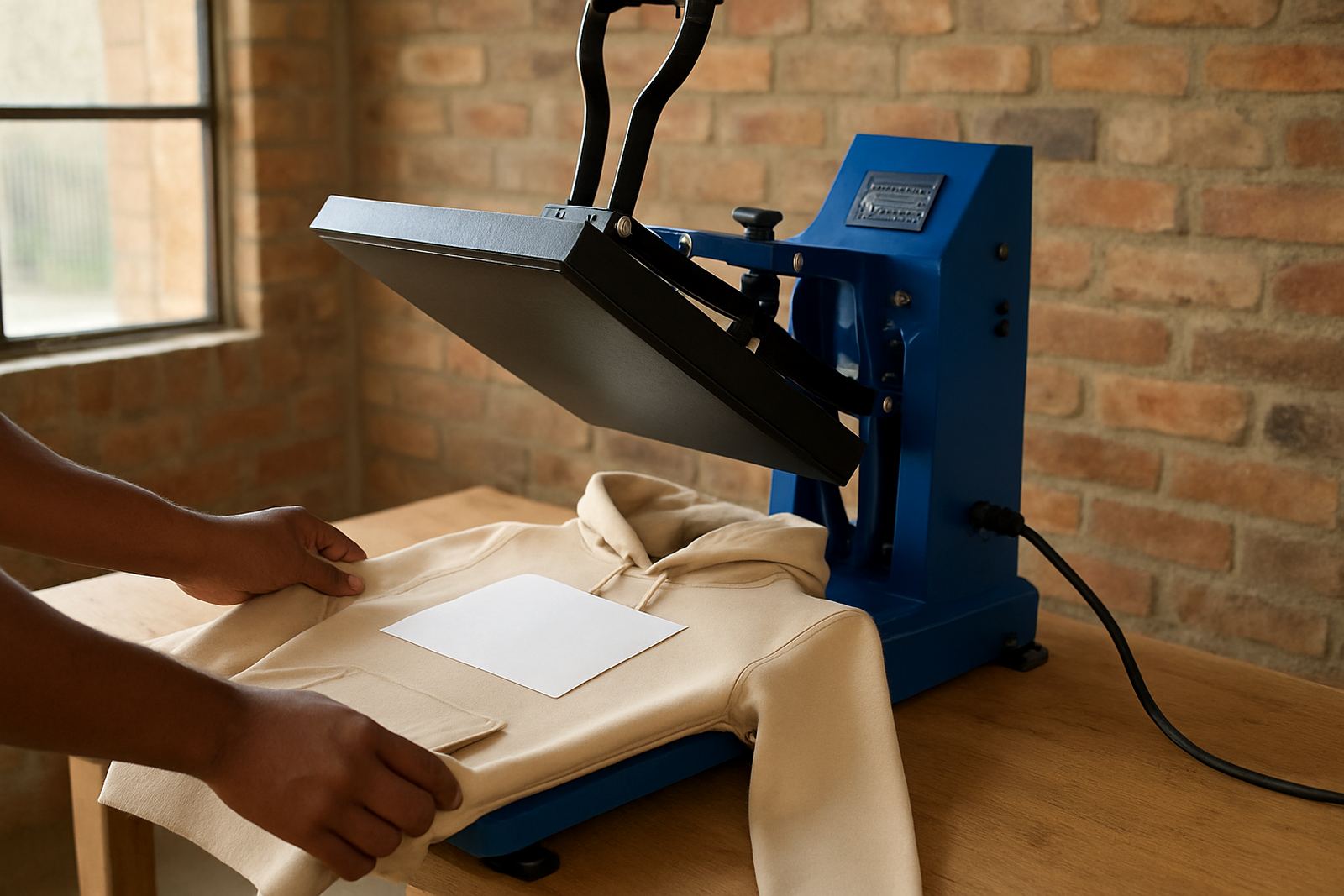
What You Will Find in the Press Room Journal
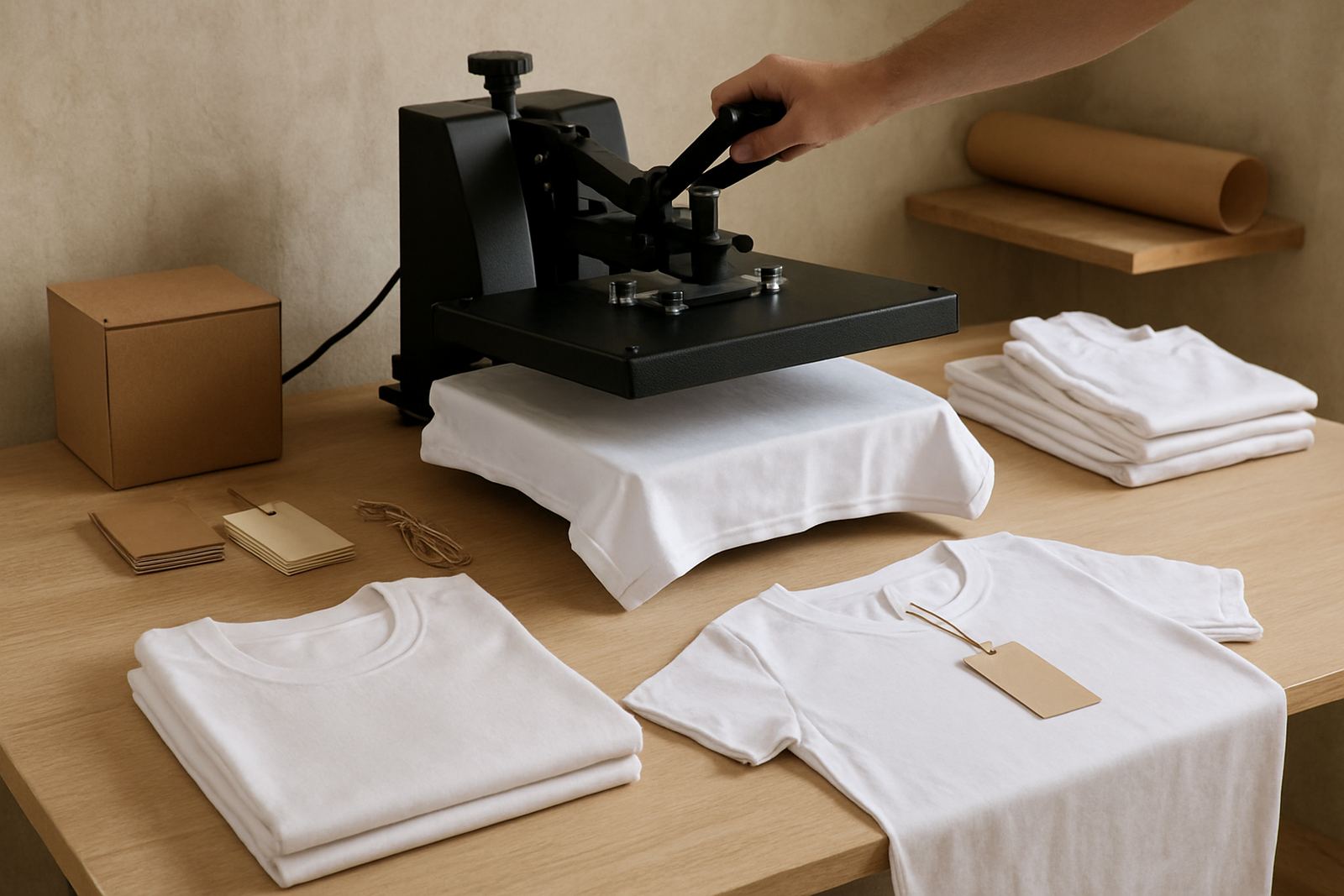
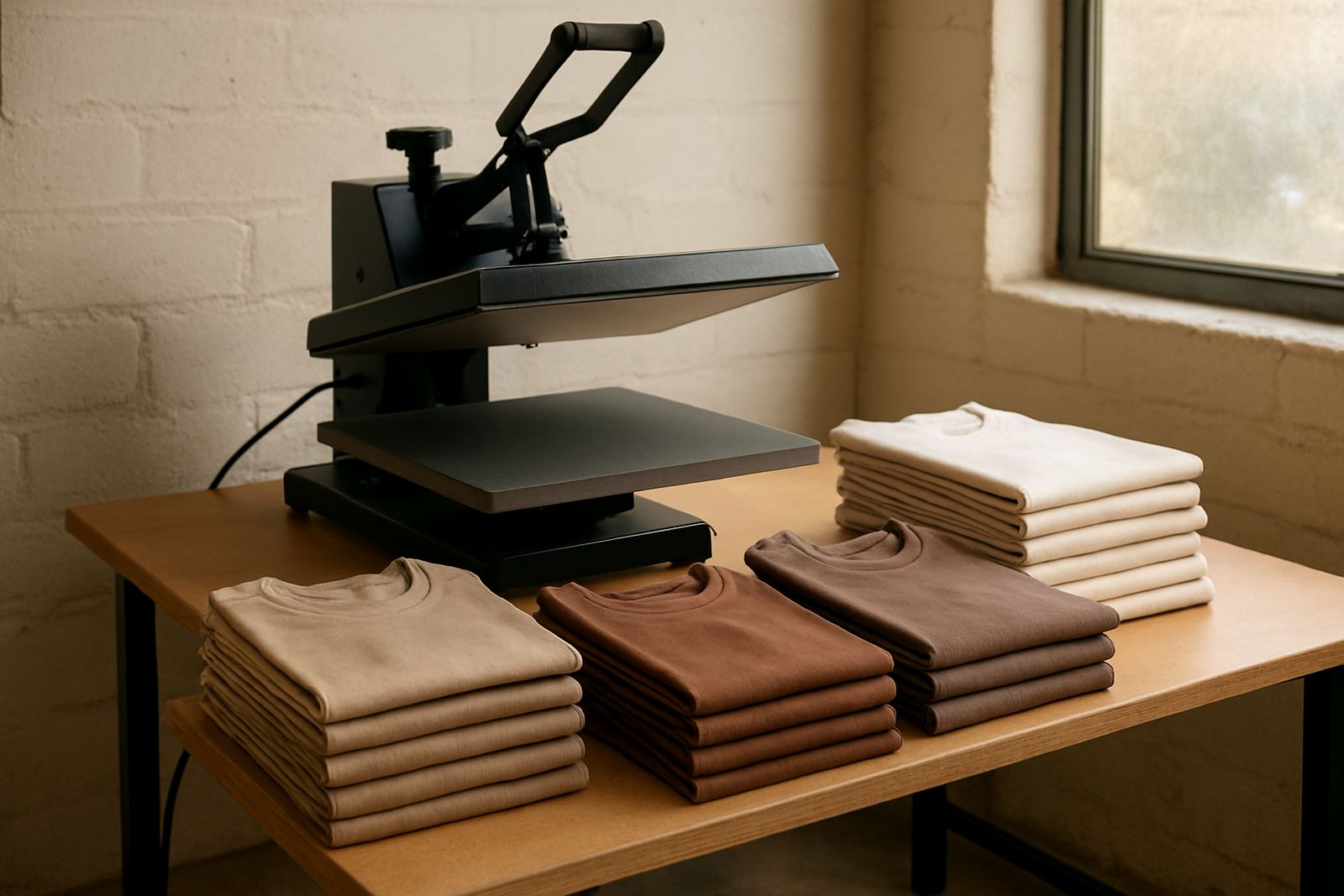
This journal brings together hands-on notes for people pressing T-shirts, transfers and other flat goods in South Africa. You will find clear guidance on machine setup, pressure control, temperature checks, operator habits and the business realities that matter when the orders start stacking up.
For Midrand, Johannesburg, Pretoria and beyond, the advice considers courier deliveries, power cuts, workshop space and the way humidity or winter dry air can change results. If you are choosing your first press or trying to get more consistent output from the one you have, the journal helps you narrow the field before you spend money.
How to Choose the Right Article for Your Shop
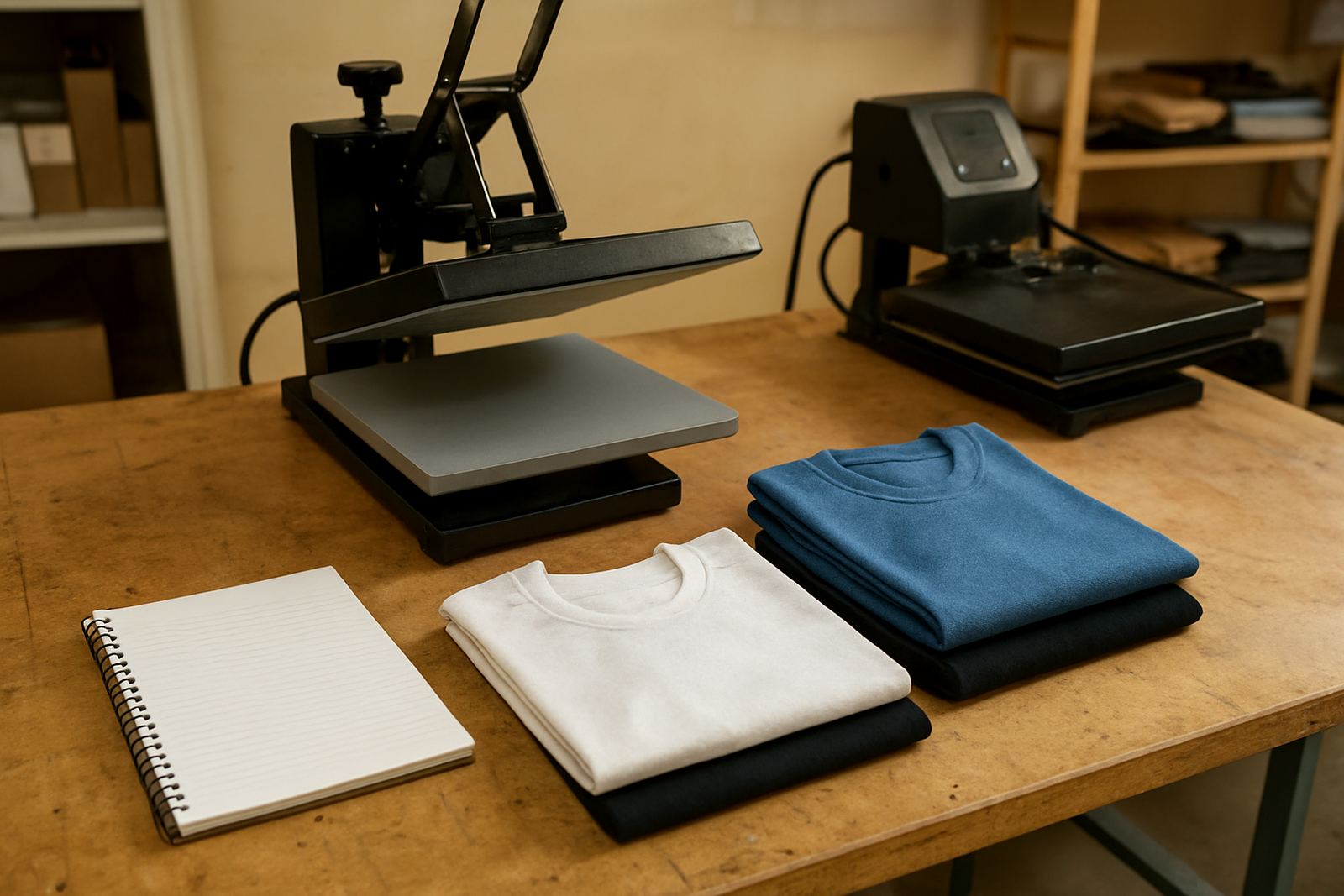
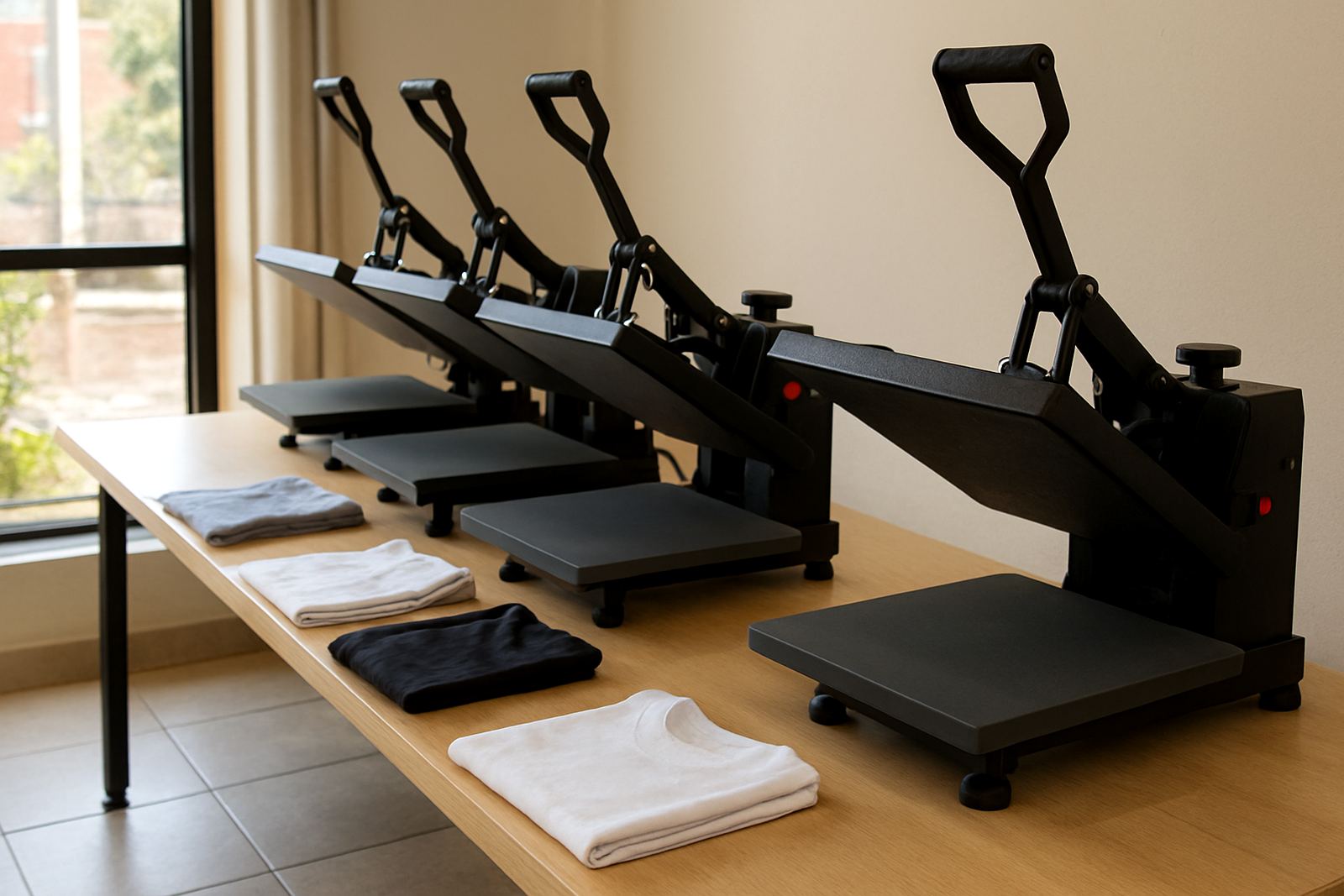
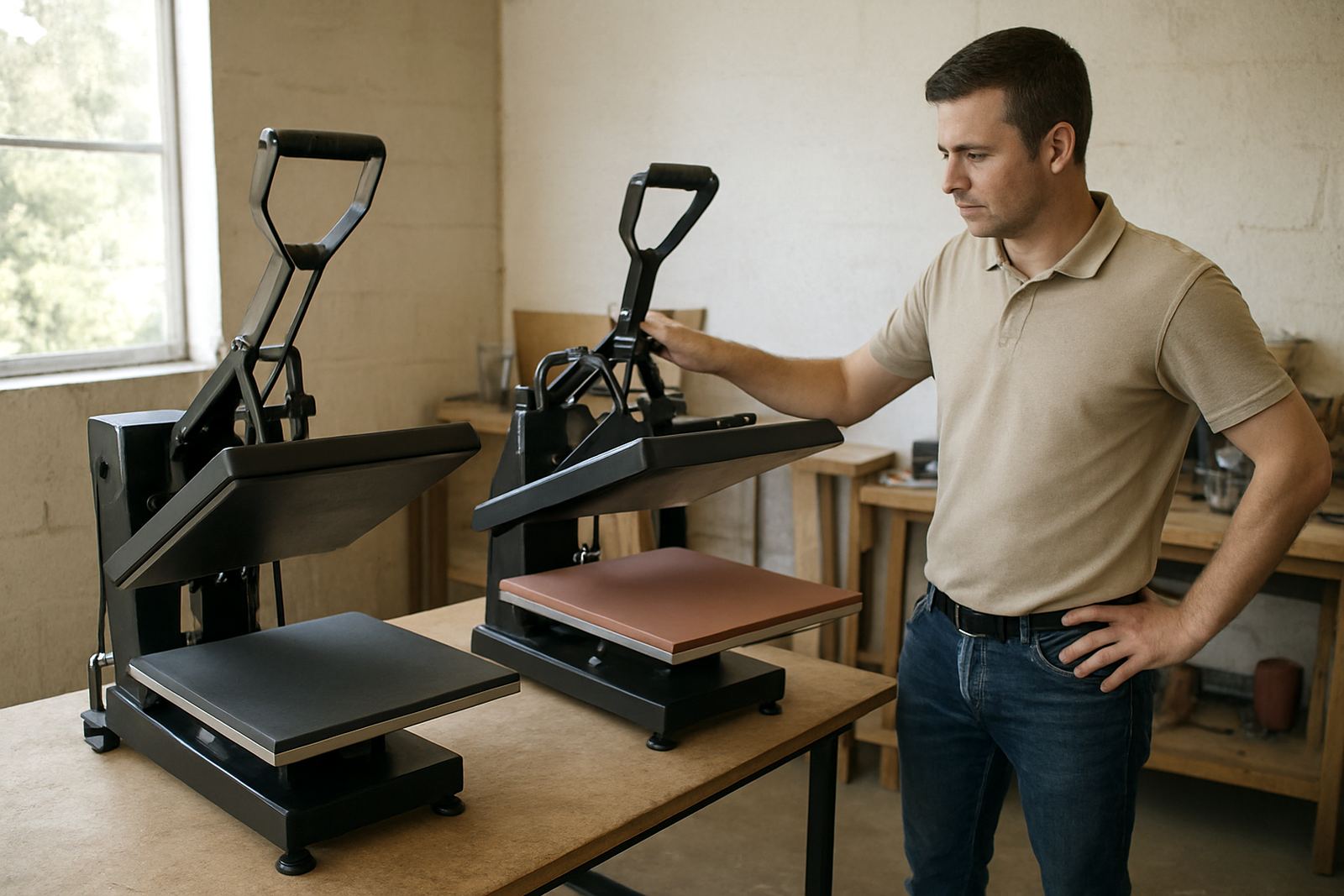
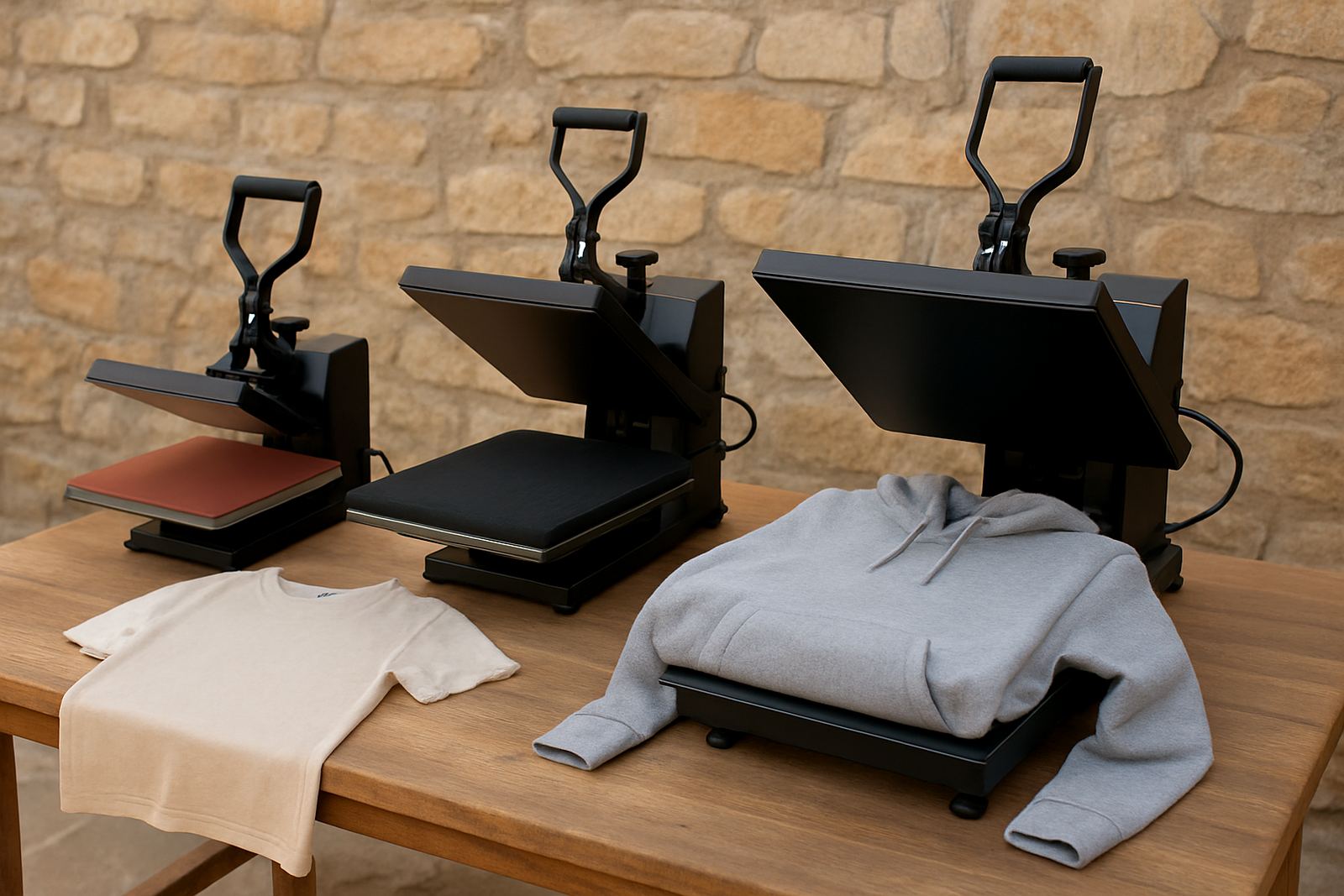
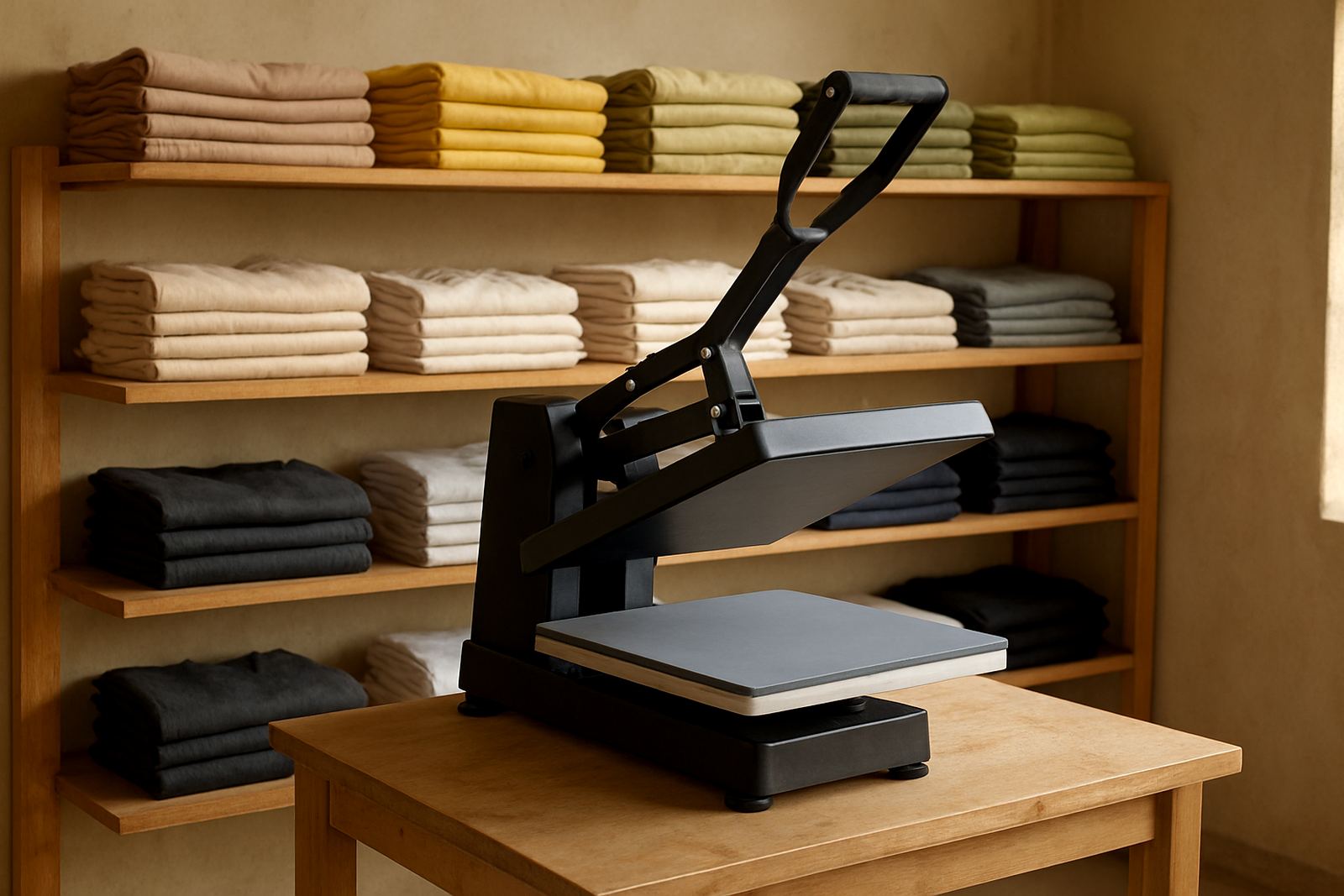
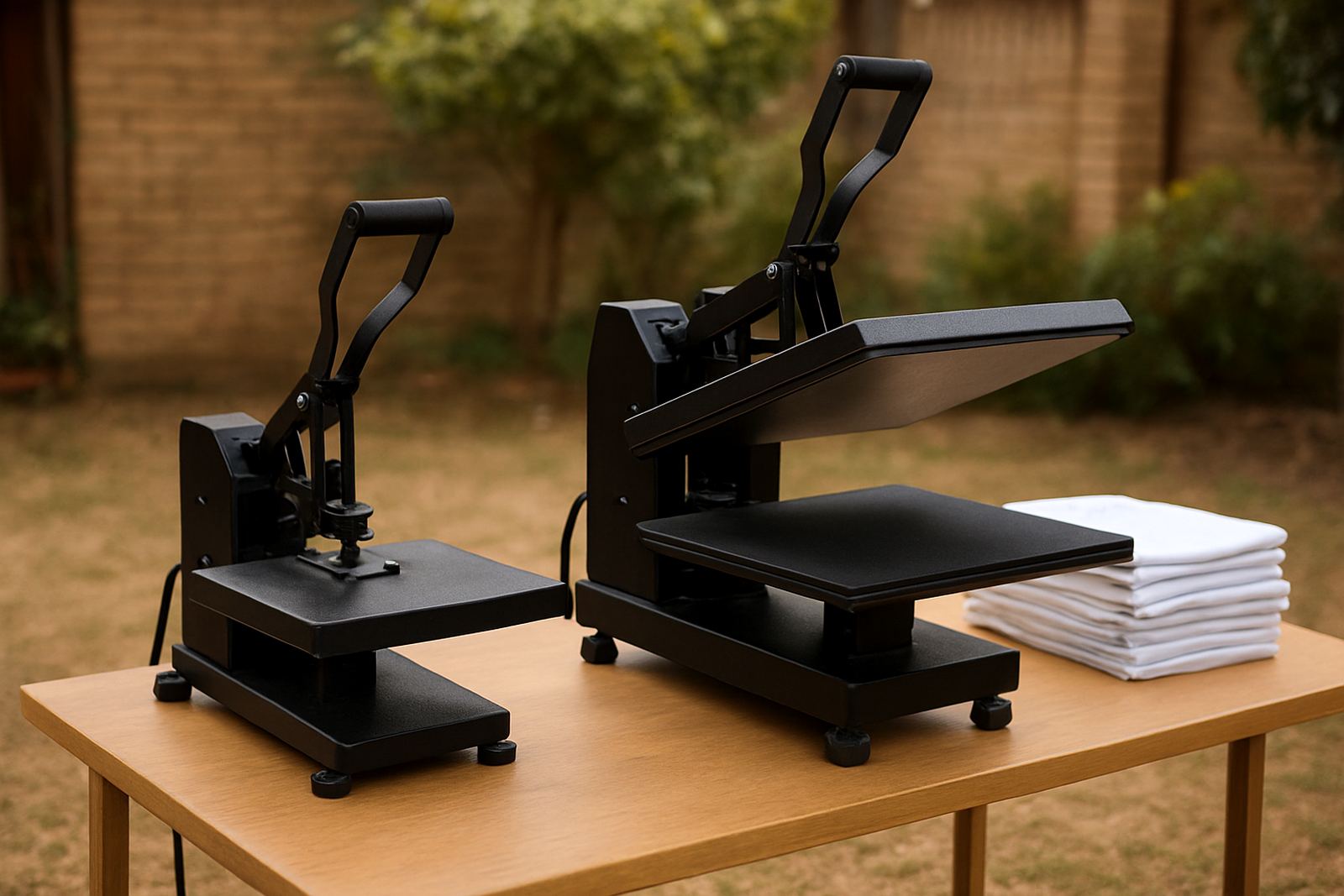
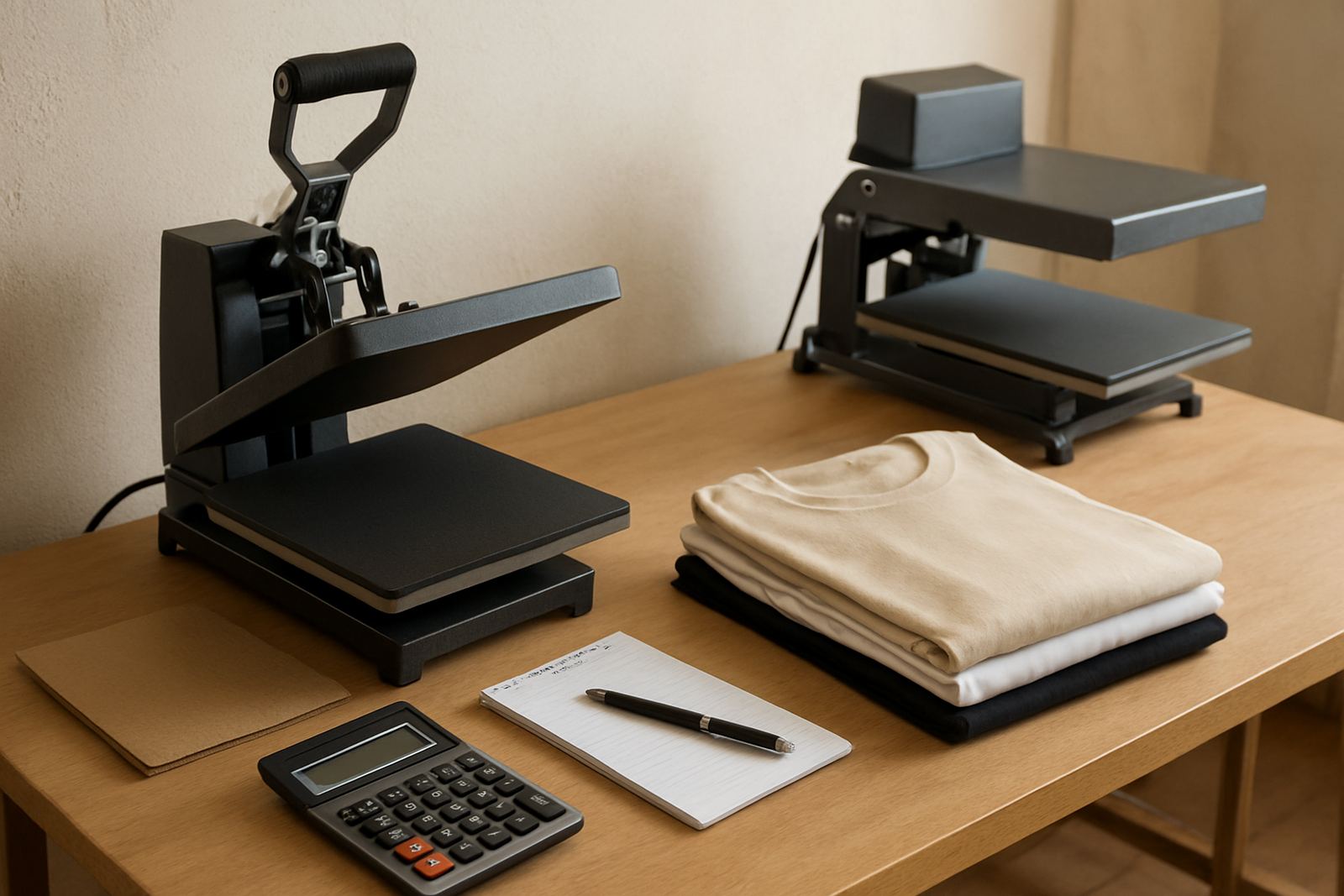
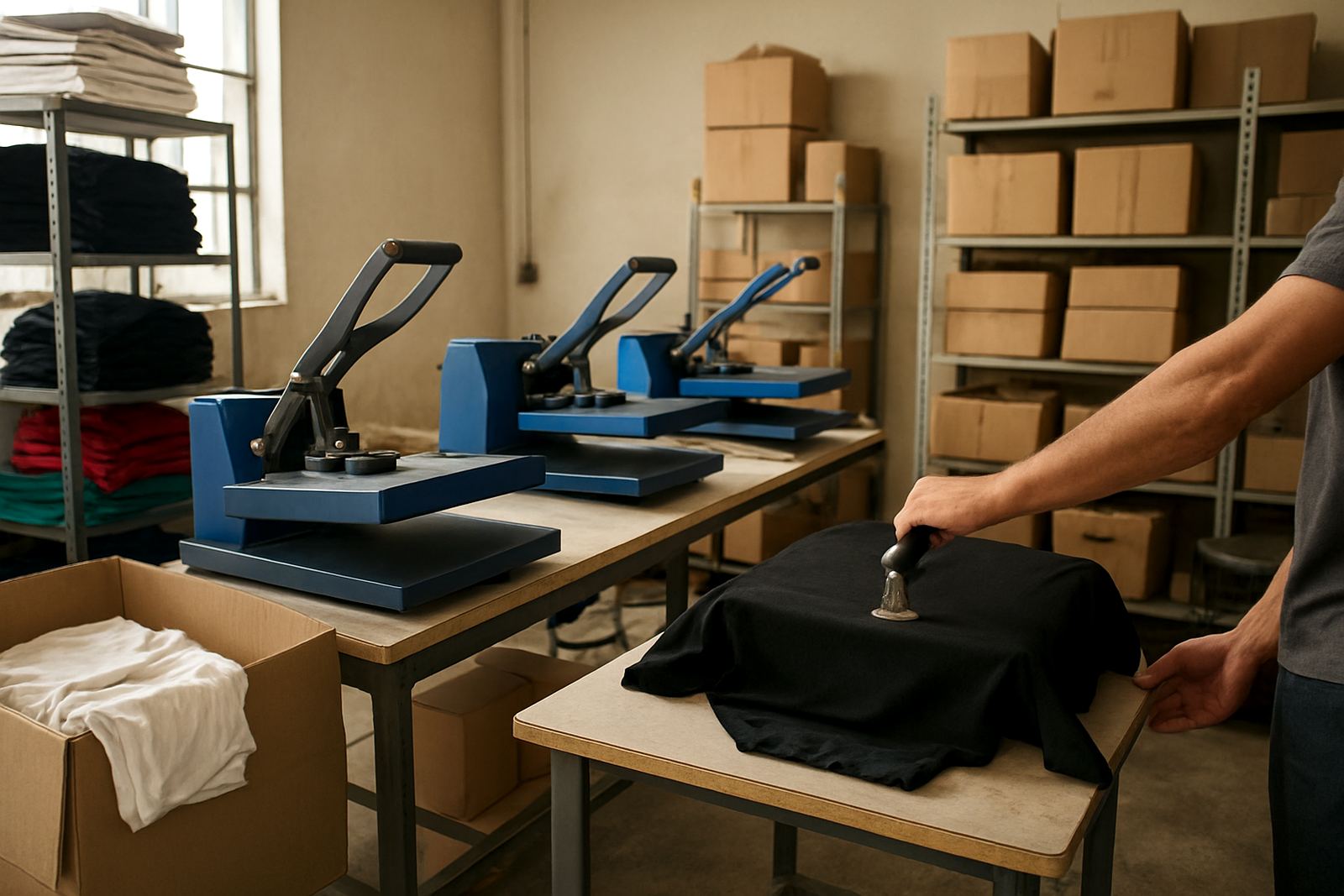
Not every press room has the same demands. A hobby setup working on a few shirts over a weekend needs different advice from a busy shop doing school orders, workwear and small runs for local brands. Start with the article that matches your volume, your transfer type and your operator experience.
- New to flat heat presses: focus on setup, pressure and first-run checks.
- Running a small shop: look for workflow, pre-press habits and repeatability.
- Fixing uneven results: read temperature, pressure and platen care notes.
- Managing downtime: check support, spares and loan unit guidance.
If you work in Durban or Cape Town, moisture and coastal air can affect storage and covering wear, so choose articles that deal with maintenance as well as pressing. If you are inland, look for tips on handling dry conditions and long operating hours during load-shedding. That small step can save a lot of wasted transfer film and time.
Setup Choices That Affect Press Quality
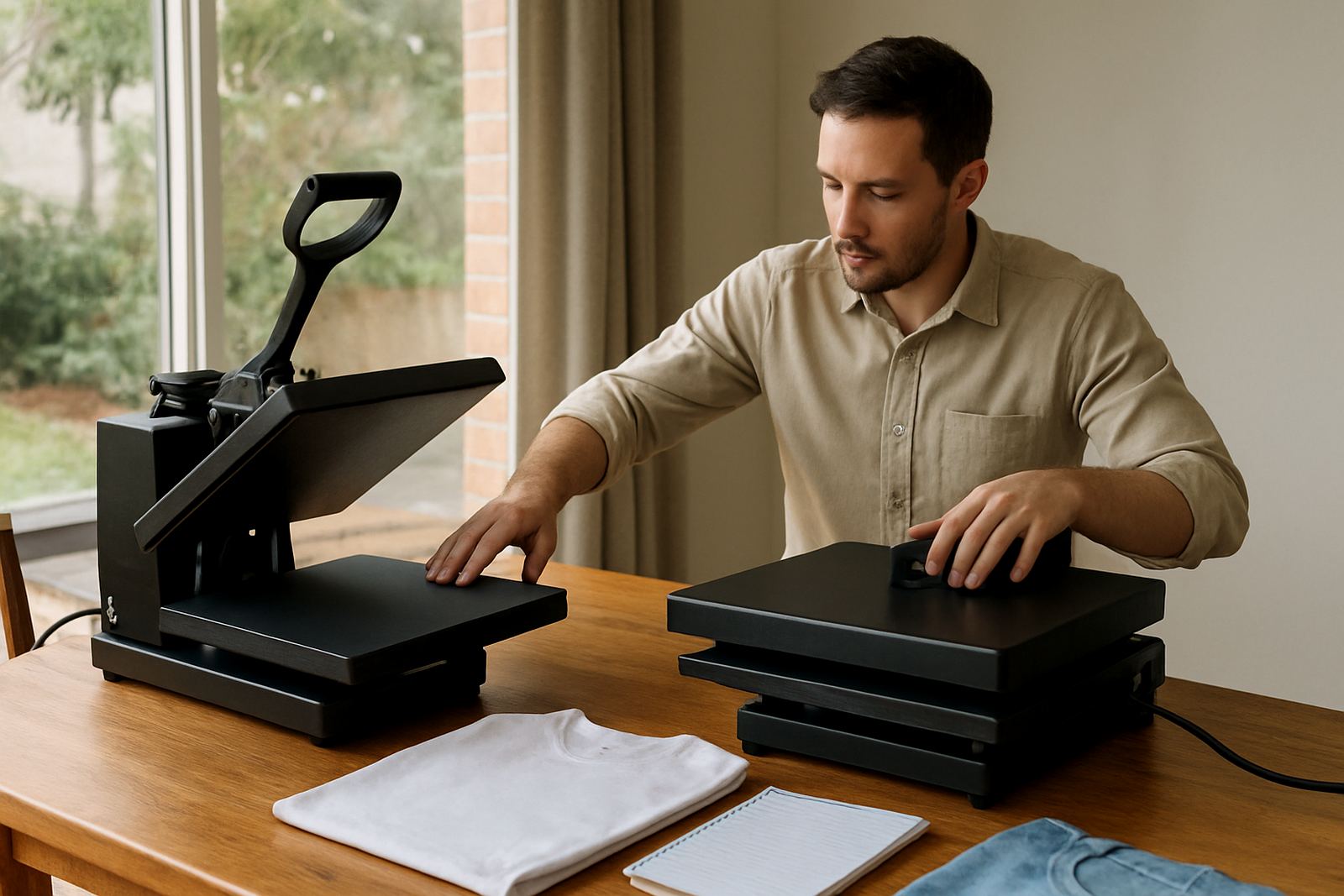
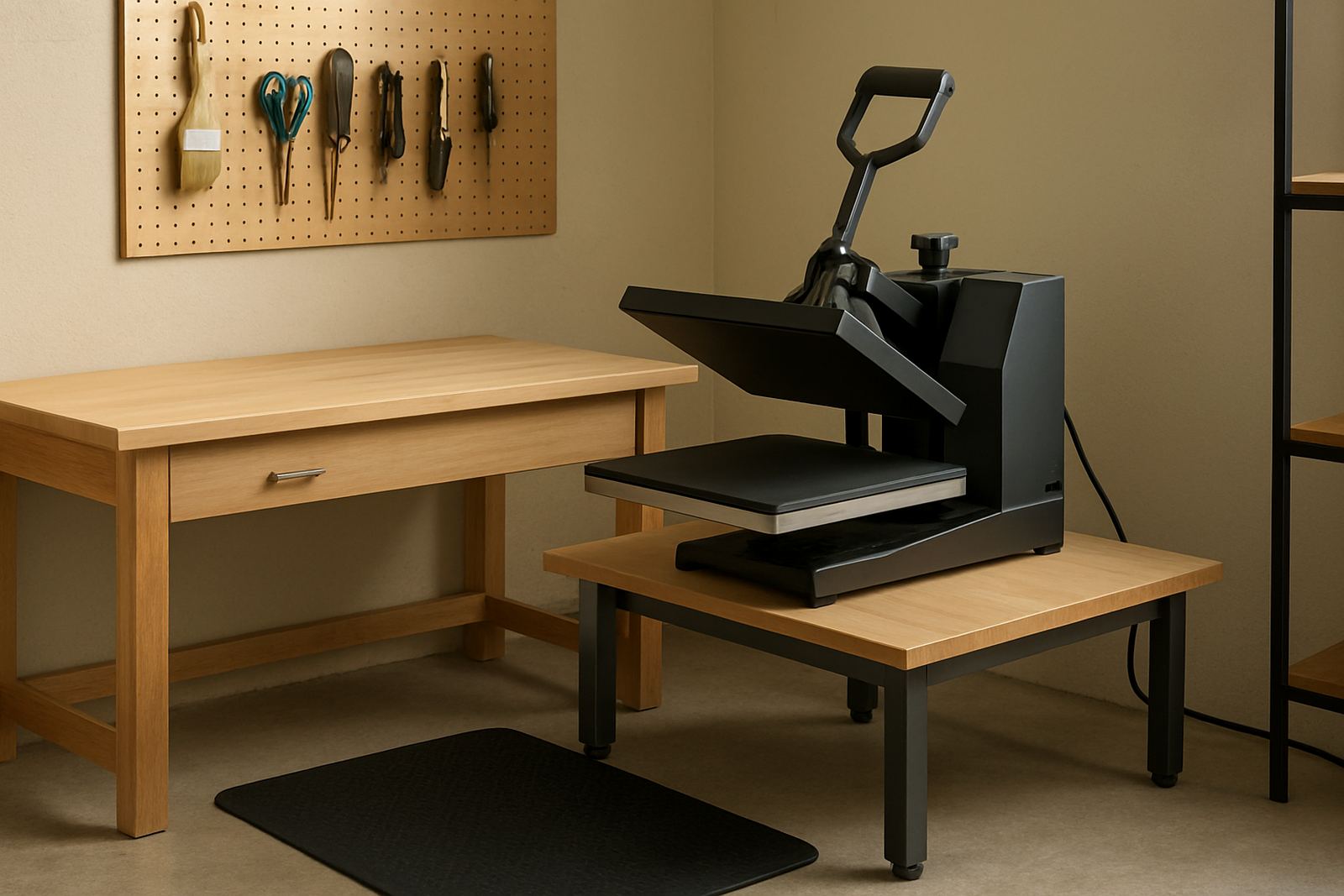
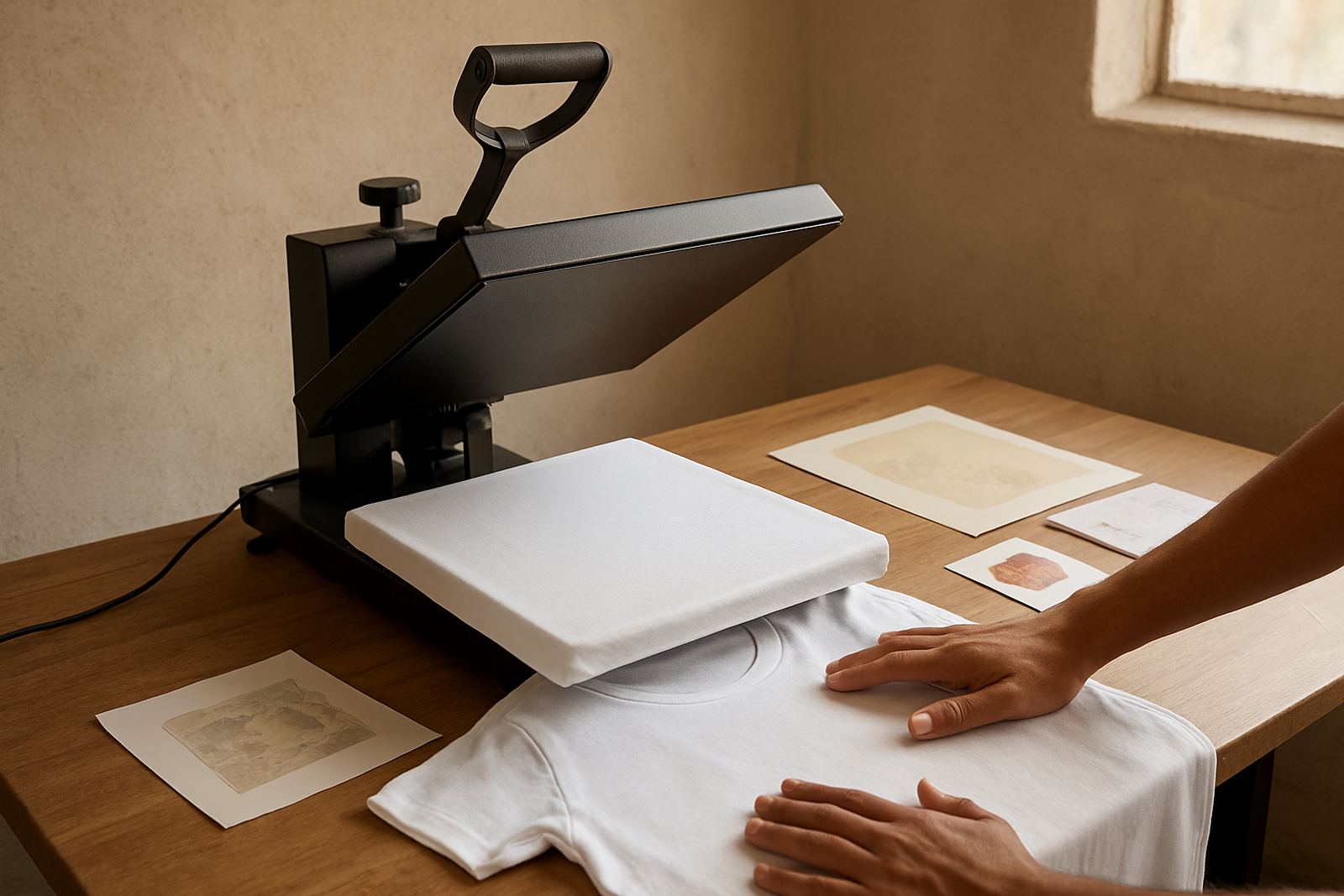
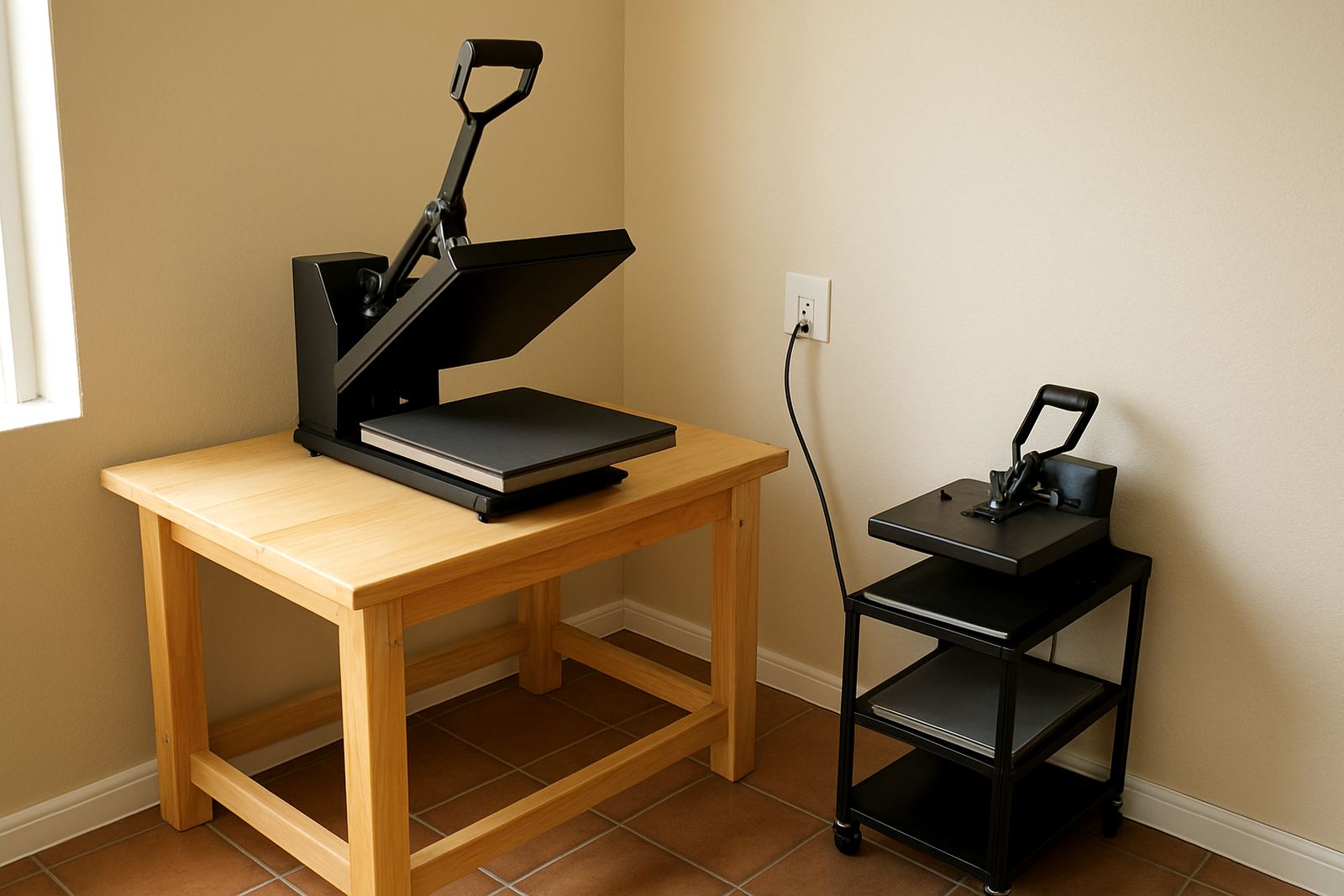
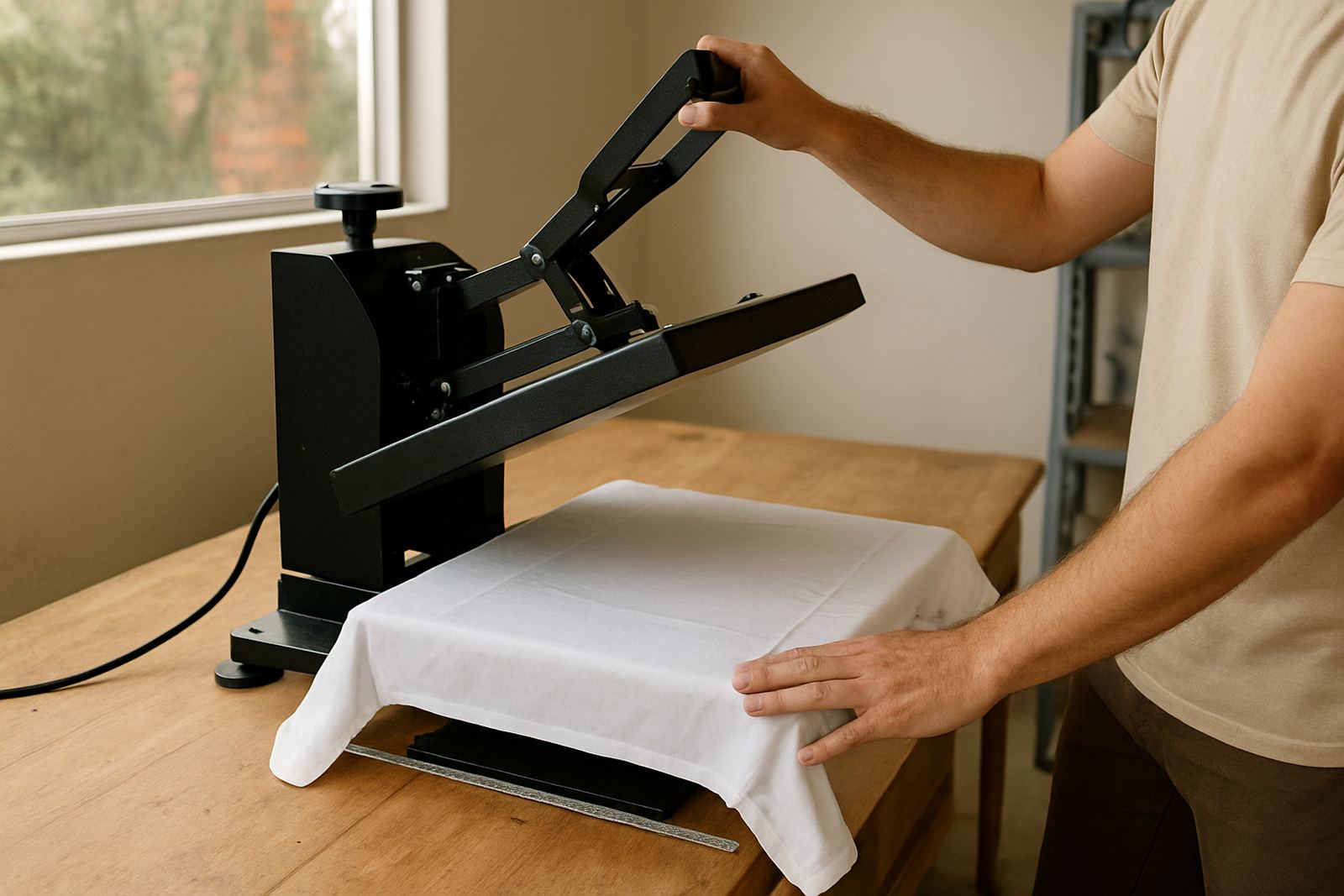
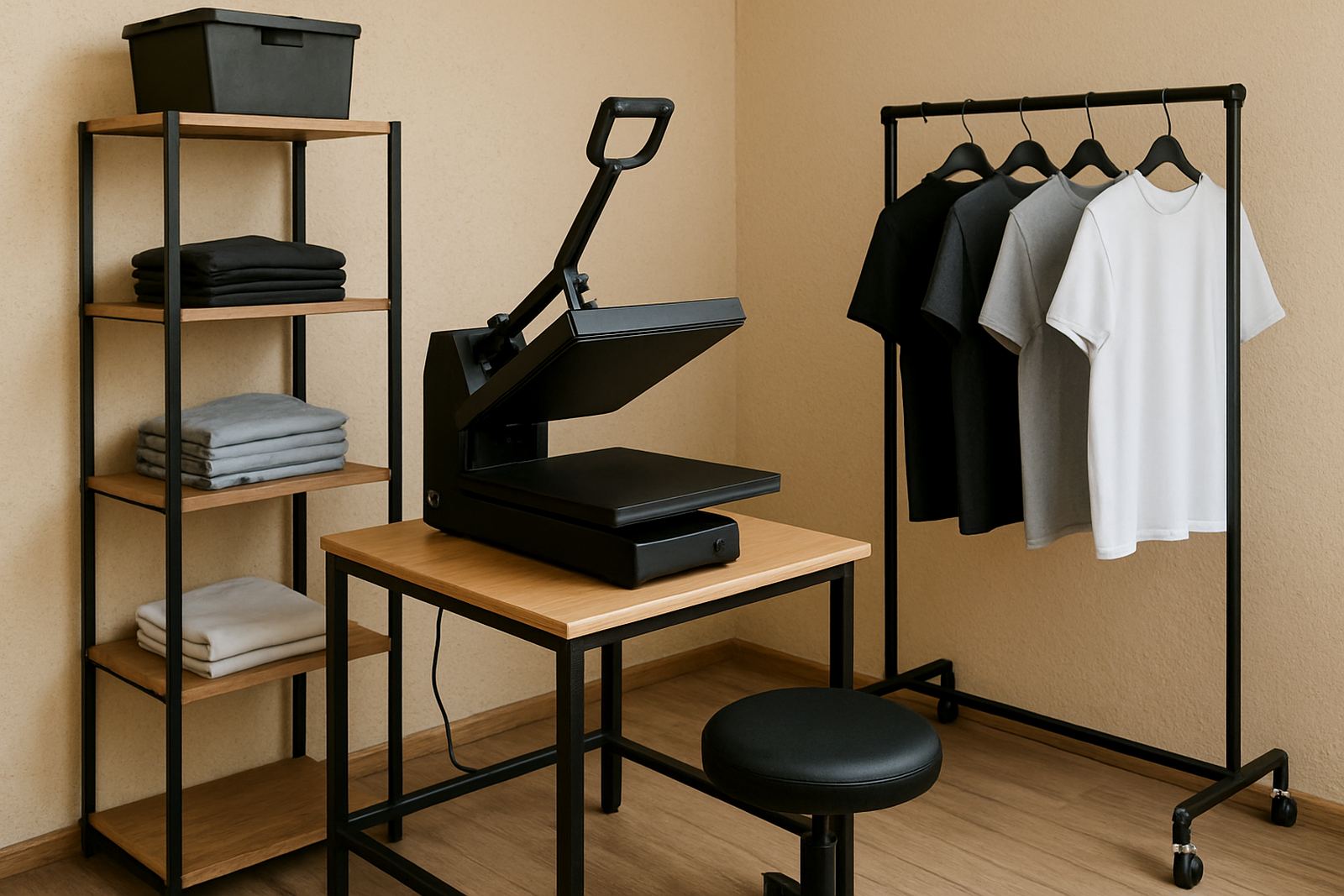
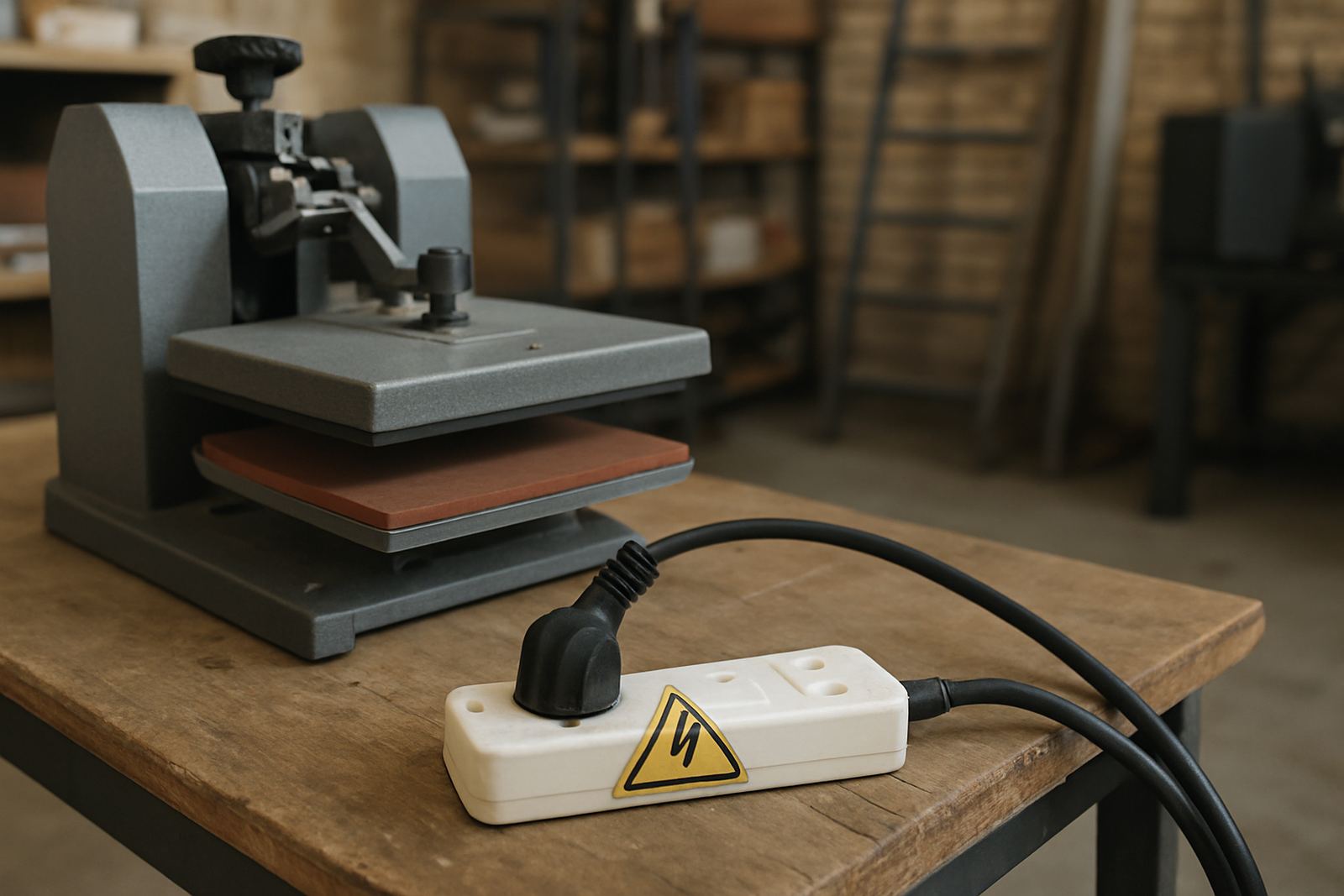
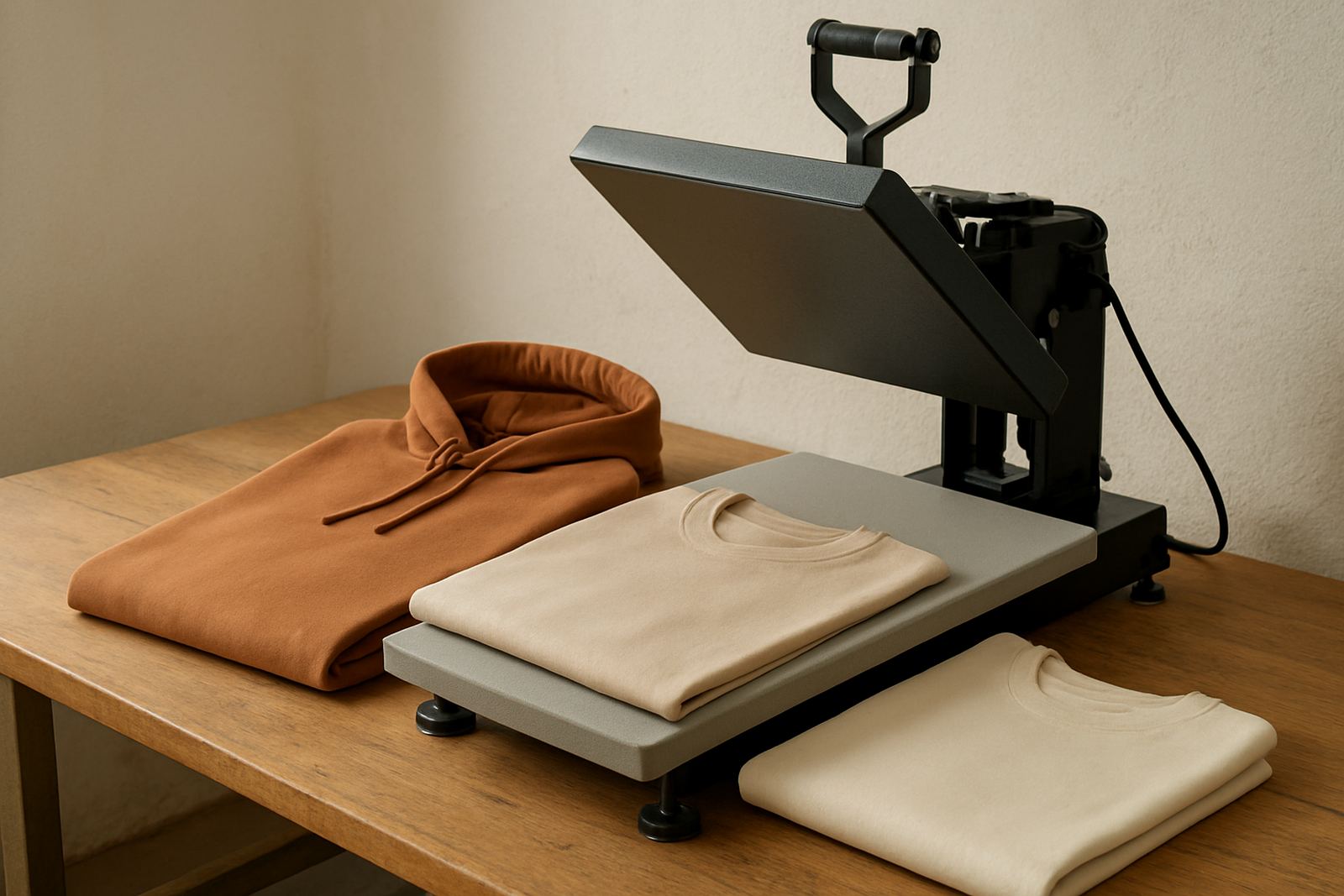
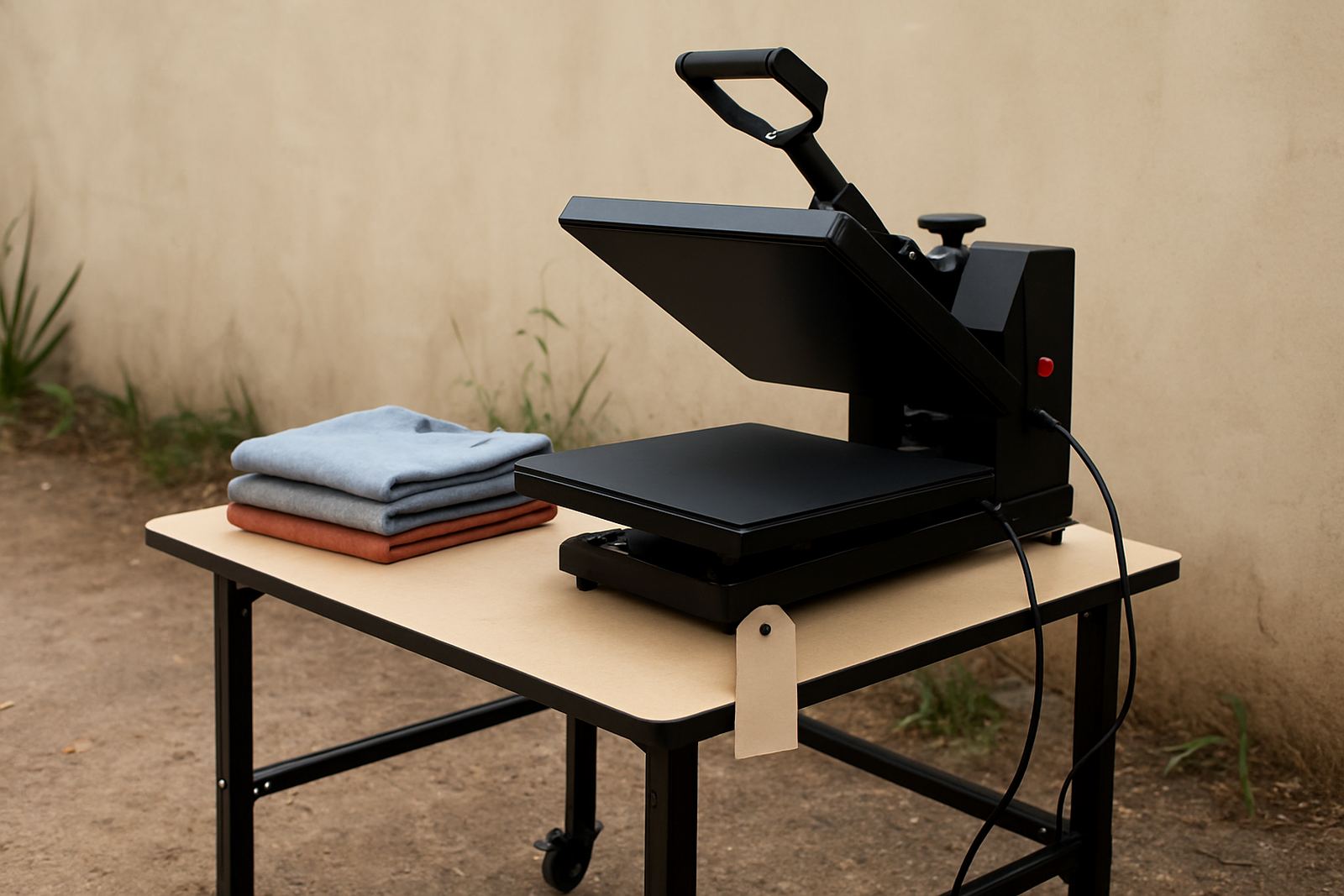
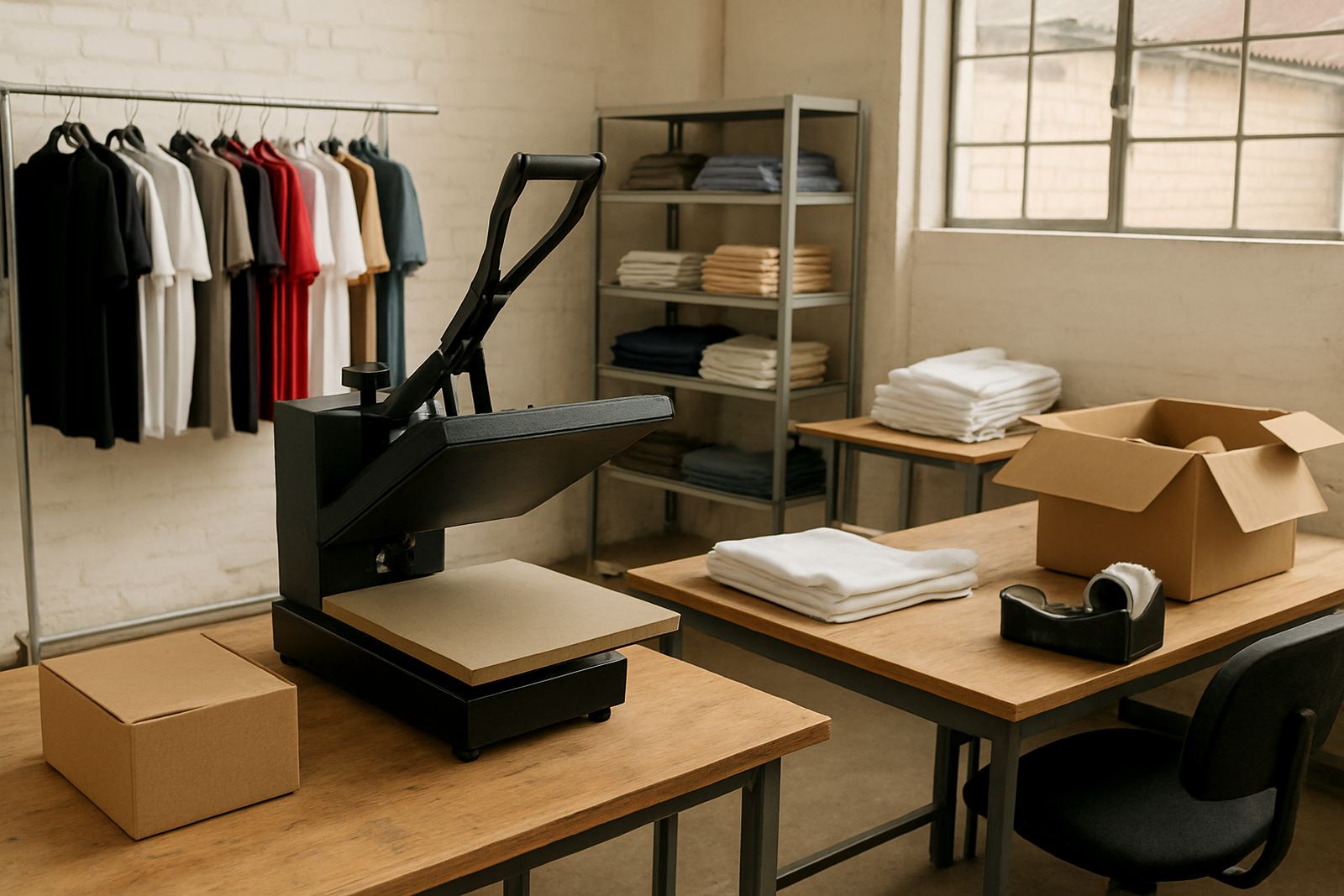
Good pressing starts before the garment goes onto the platen. The journal covers machine placement, bench height, power planning and the sort of workspace layout that helps operators move quickly without getting in each other's way. It also looks at the right pressure for different fabrics, because a press that feels fine on cotton may need adjustment when you move to blends or thicker items.
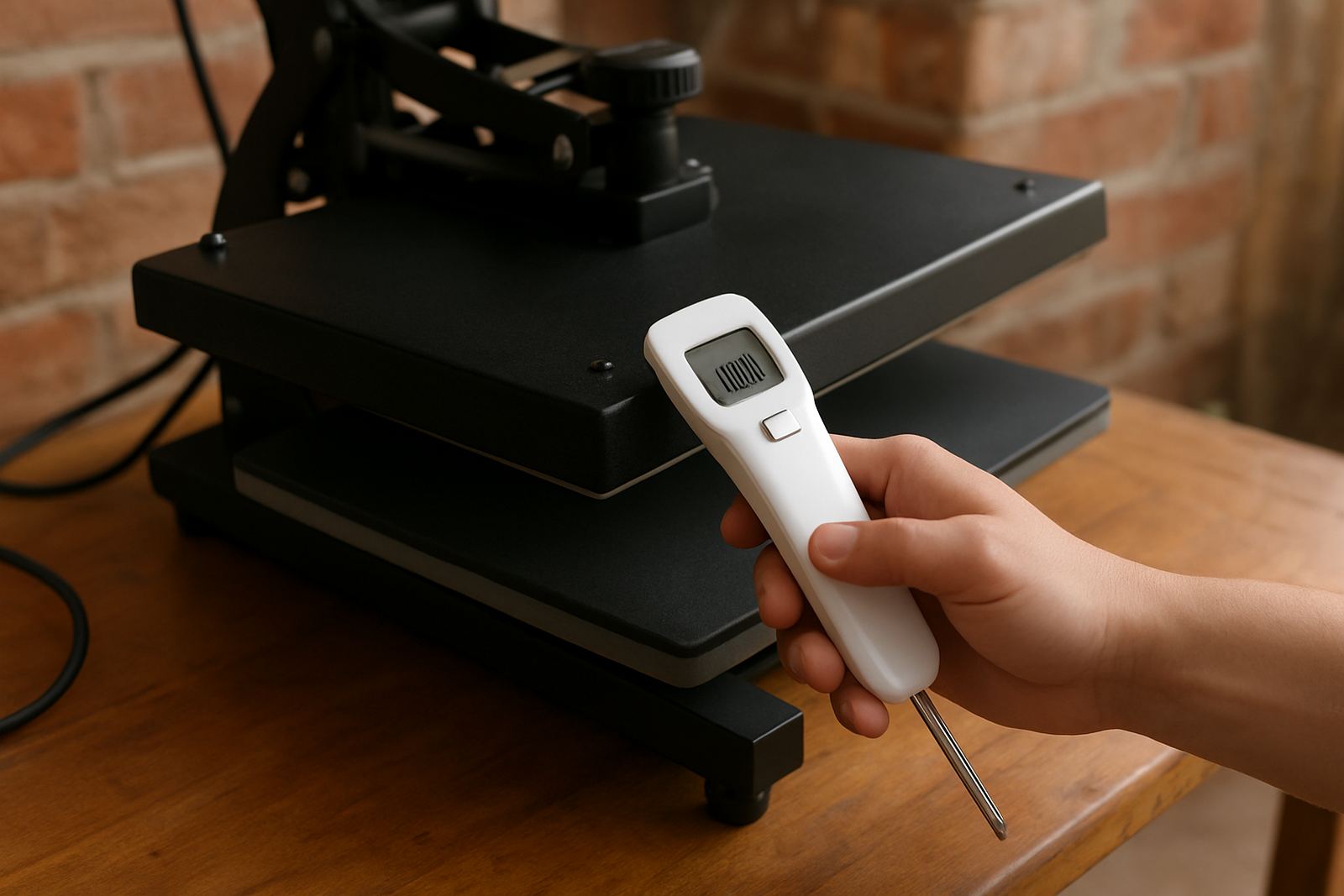
Articles here also deal with practical checks many shops skip. Are the temperature readings stable across the plate? Is the silicone pad still even? Is the controller matching what the platen actually feels like? These are the details that change a press from guesswork to repeatable output.
- Check temperature at more than one point across the platen.
- Keep a written record of pressure settings for common jobs.
- Test small samples before running a full order.
- Replace worn covers before they start marking garments.
Workflow Habits That Help Small Shops Keep Moving
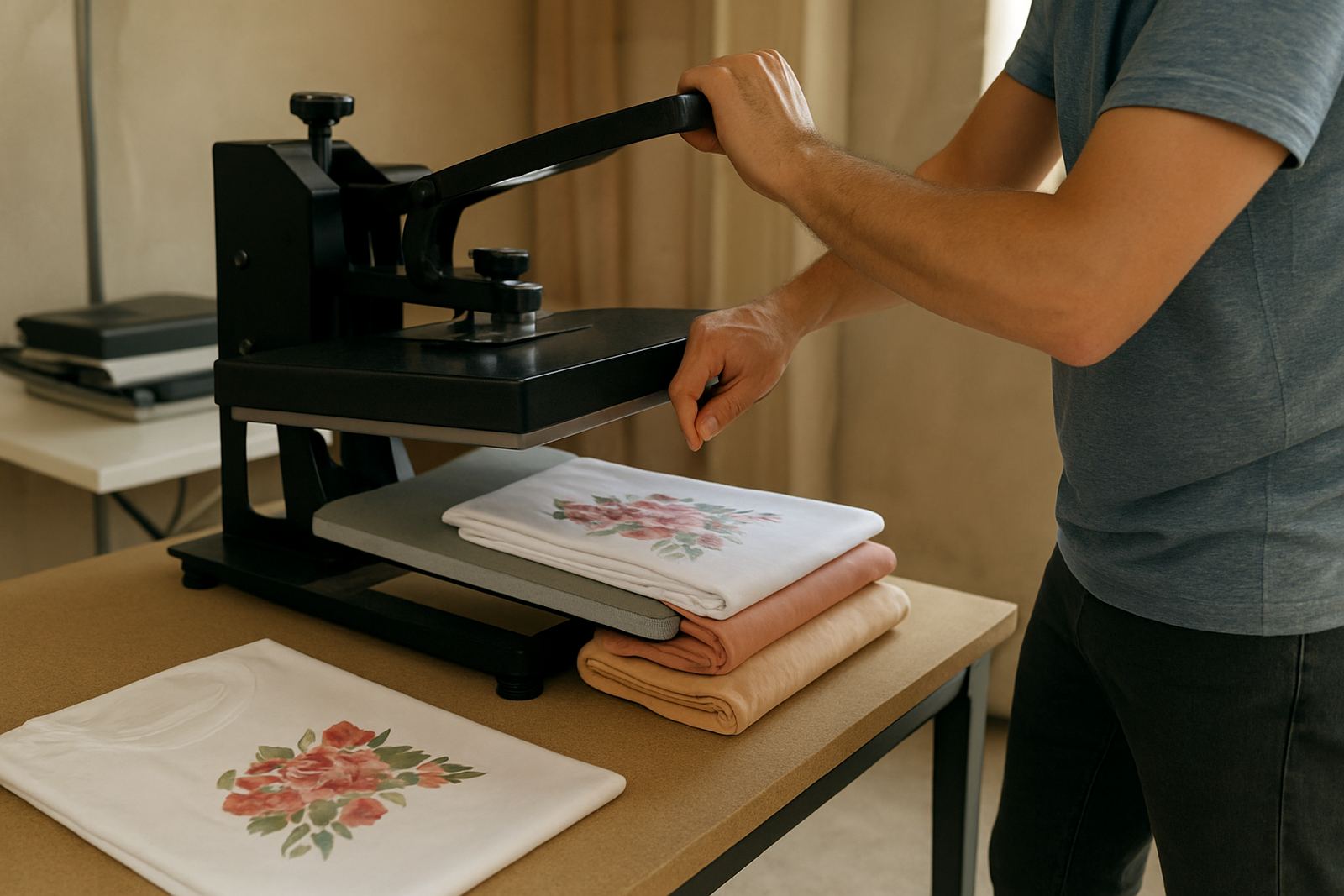
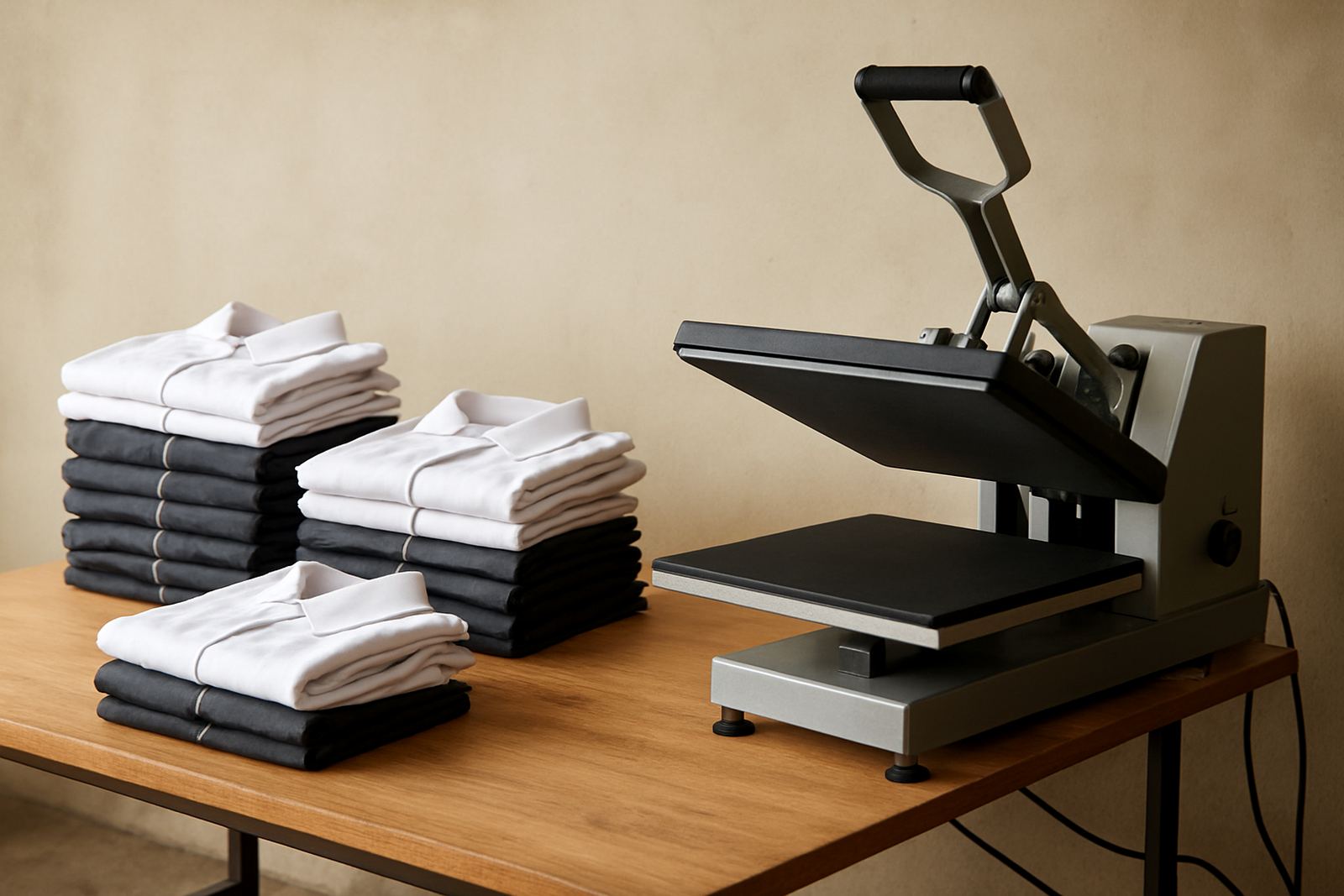
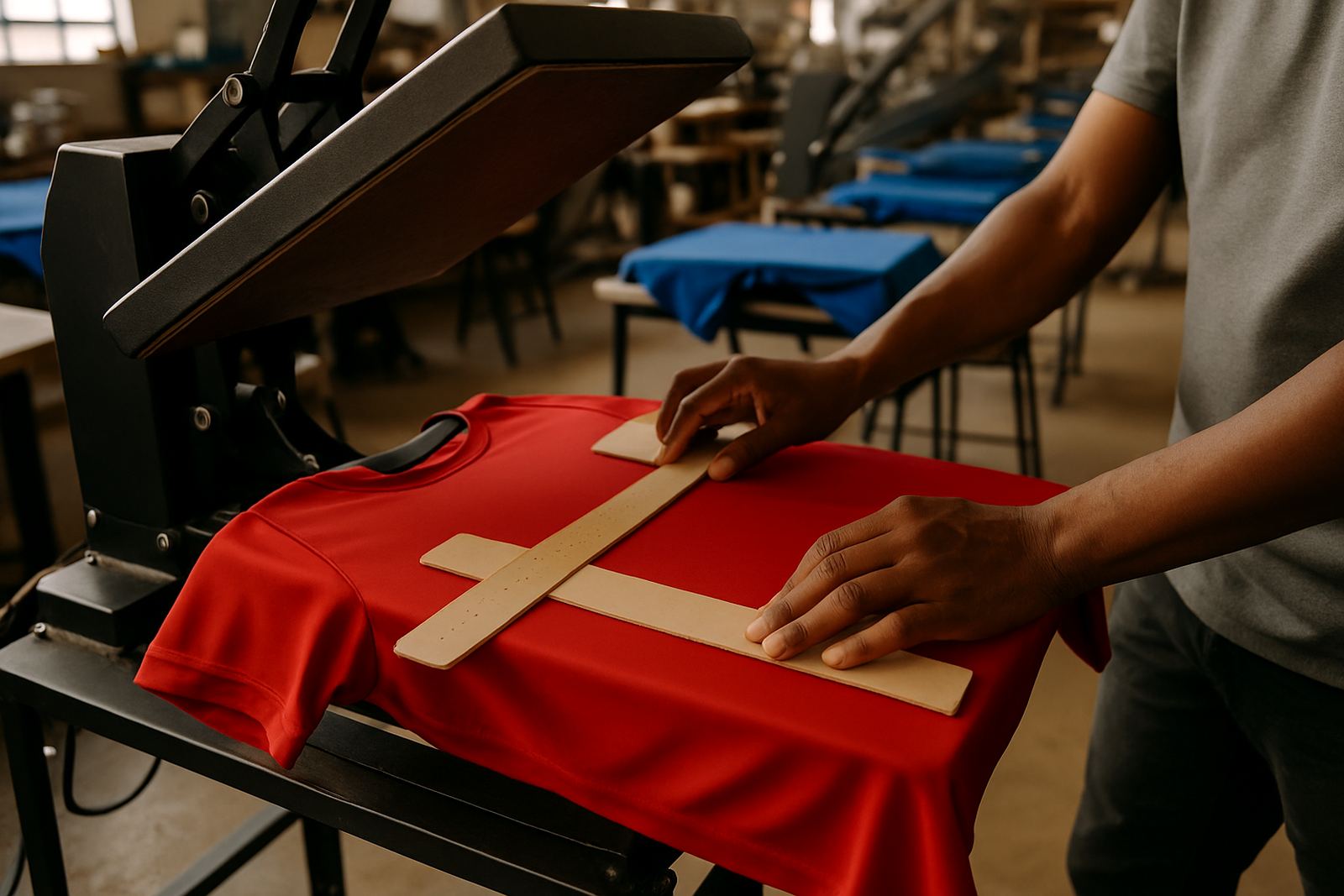
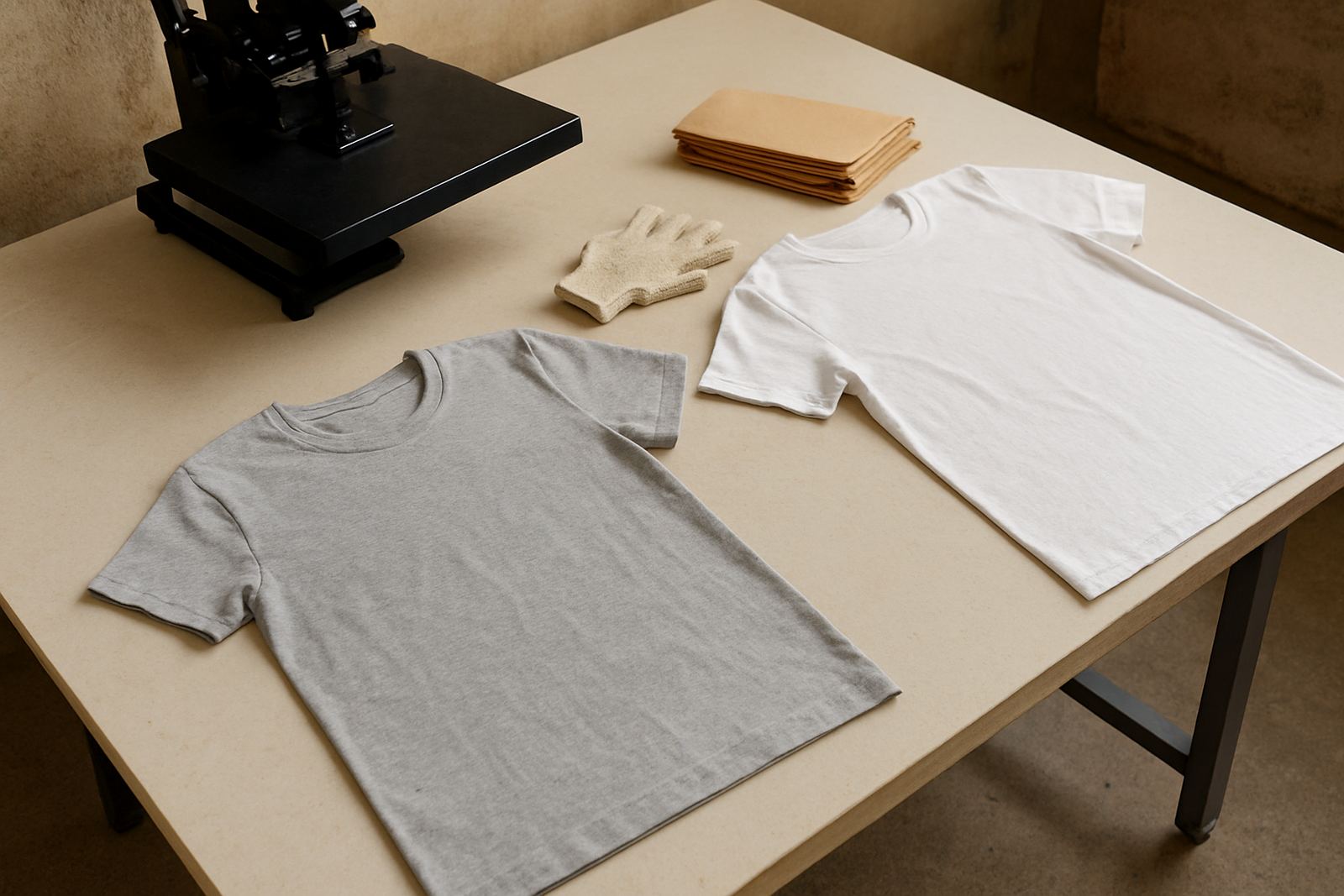
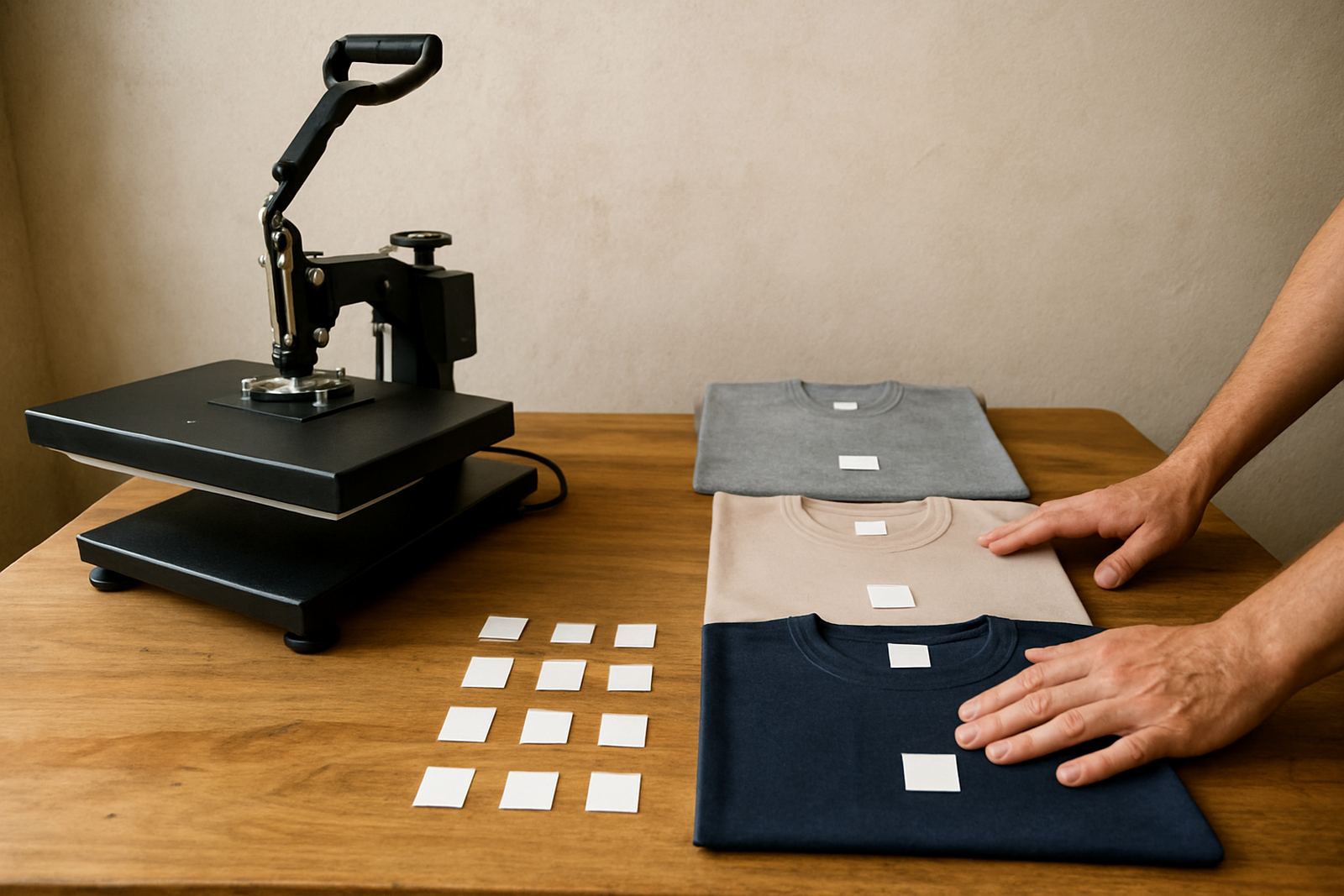
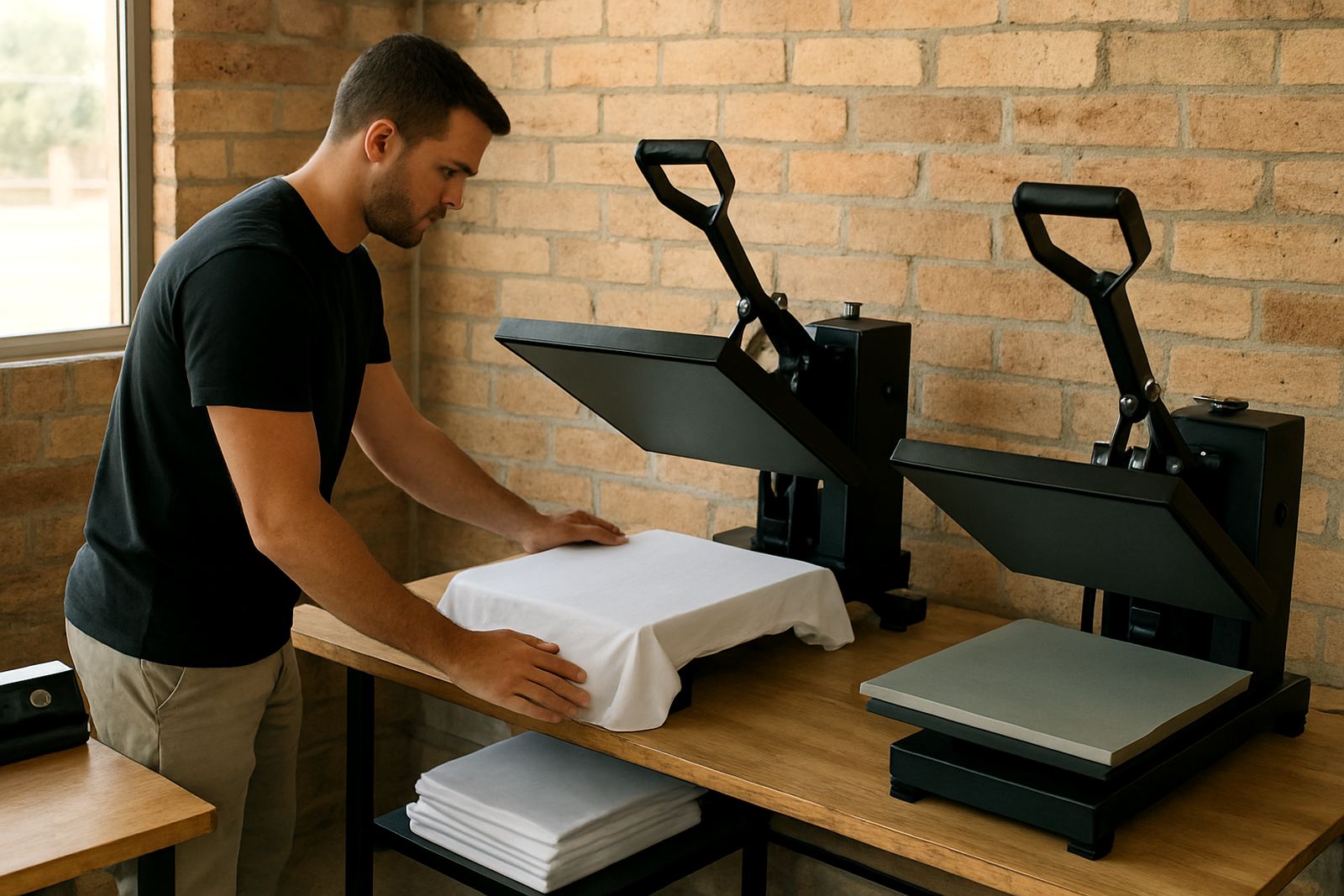
Fast work is not the same as rushed work. The journal shares habits that help operators stay consistent, especially in small South African shops where one machine may carry the whole day. That includes pre-heating routines, queue planning, shirt staging and how to handle repeat orders without mixing settings.
You will also find notes on managing interruptions. When the power drops, the phones ring or a courier arrives mid run, a simple process keeps the workshop calmer and reduces mistakes. It sounds basic, but clear habits make a real difference when the team is busy and the deadlines are tight.
Transfer Results and Troubleshooting Notes
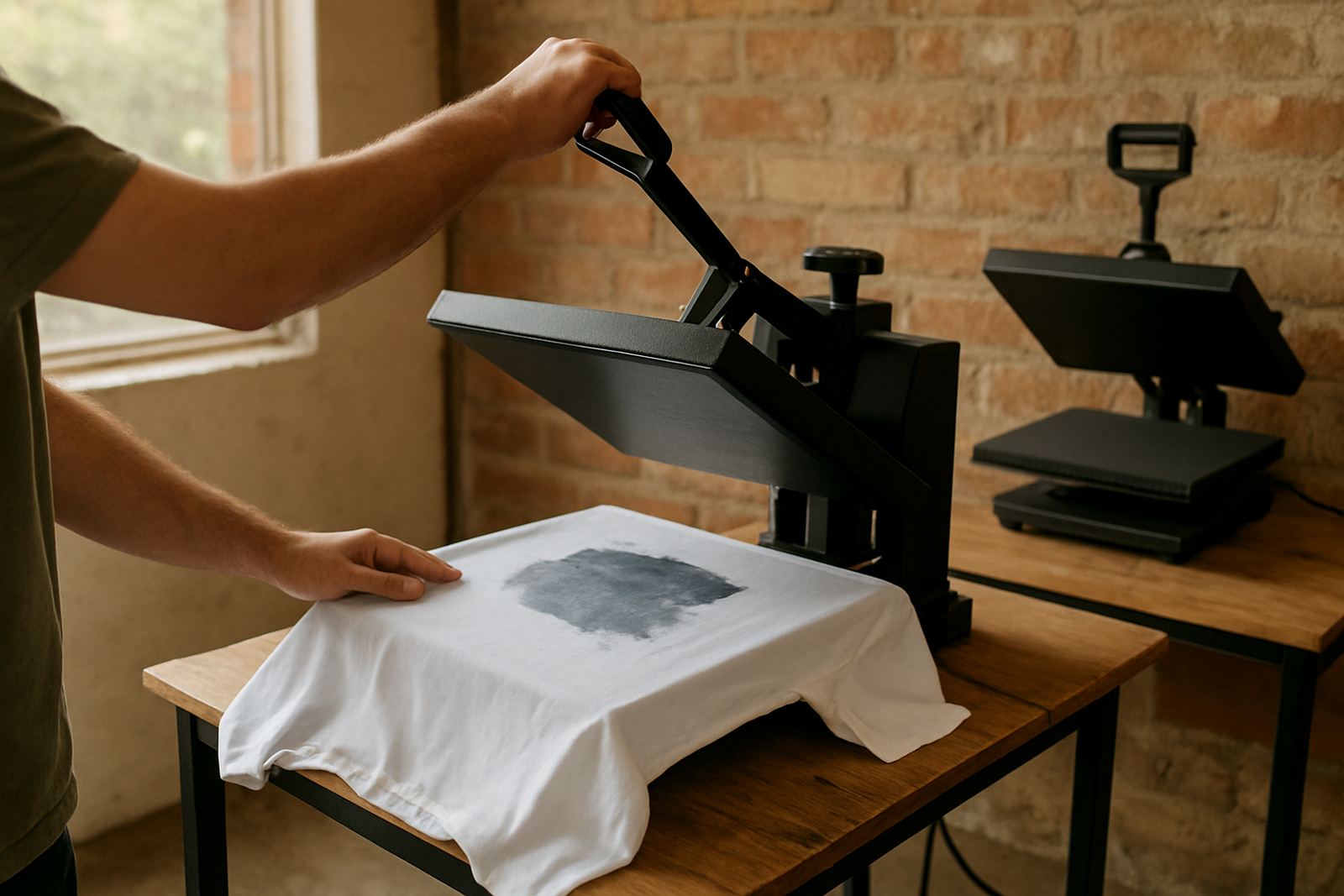
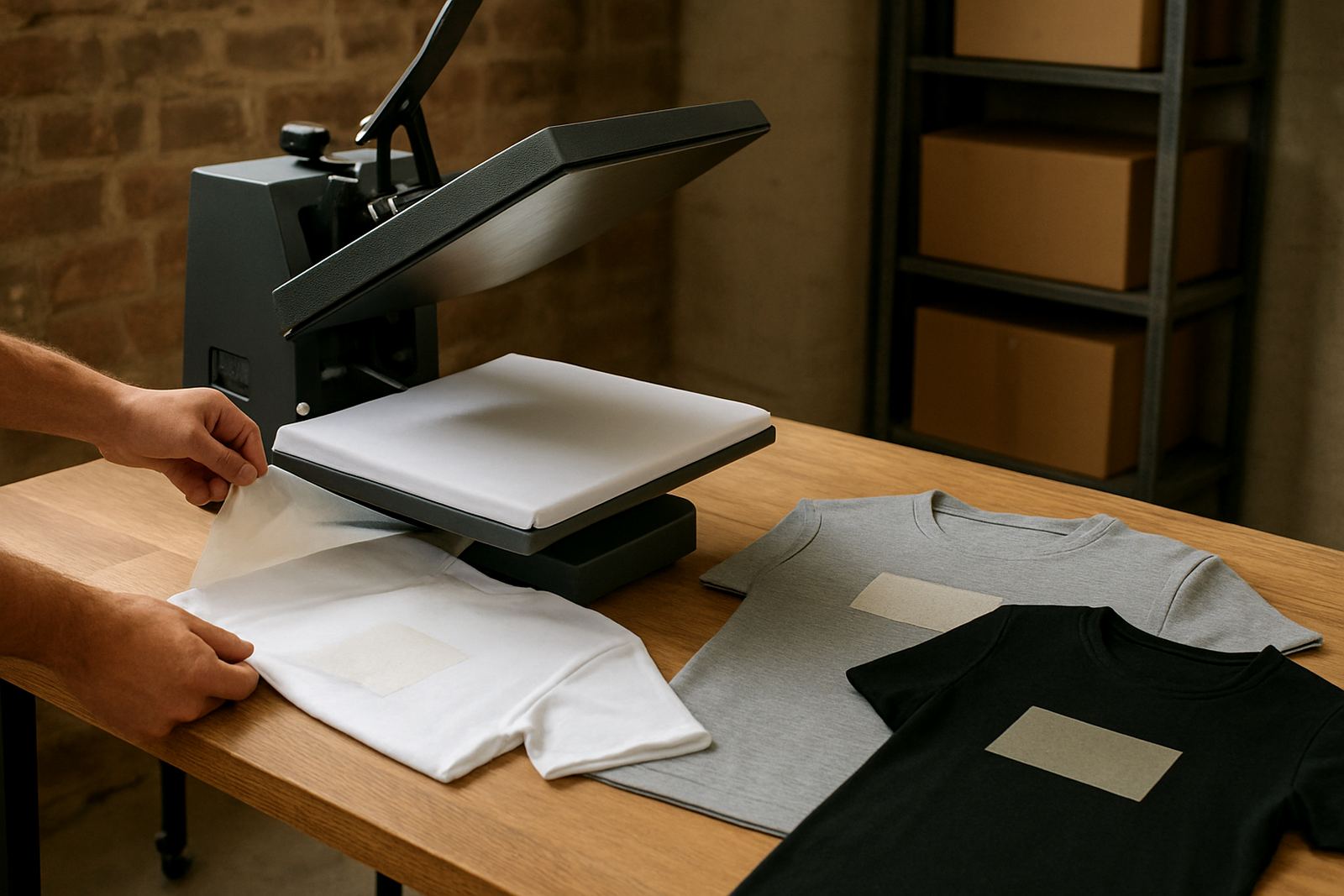
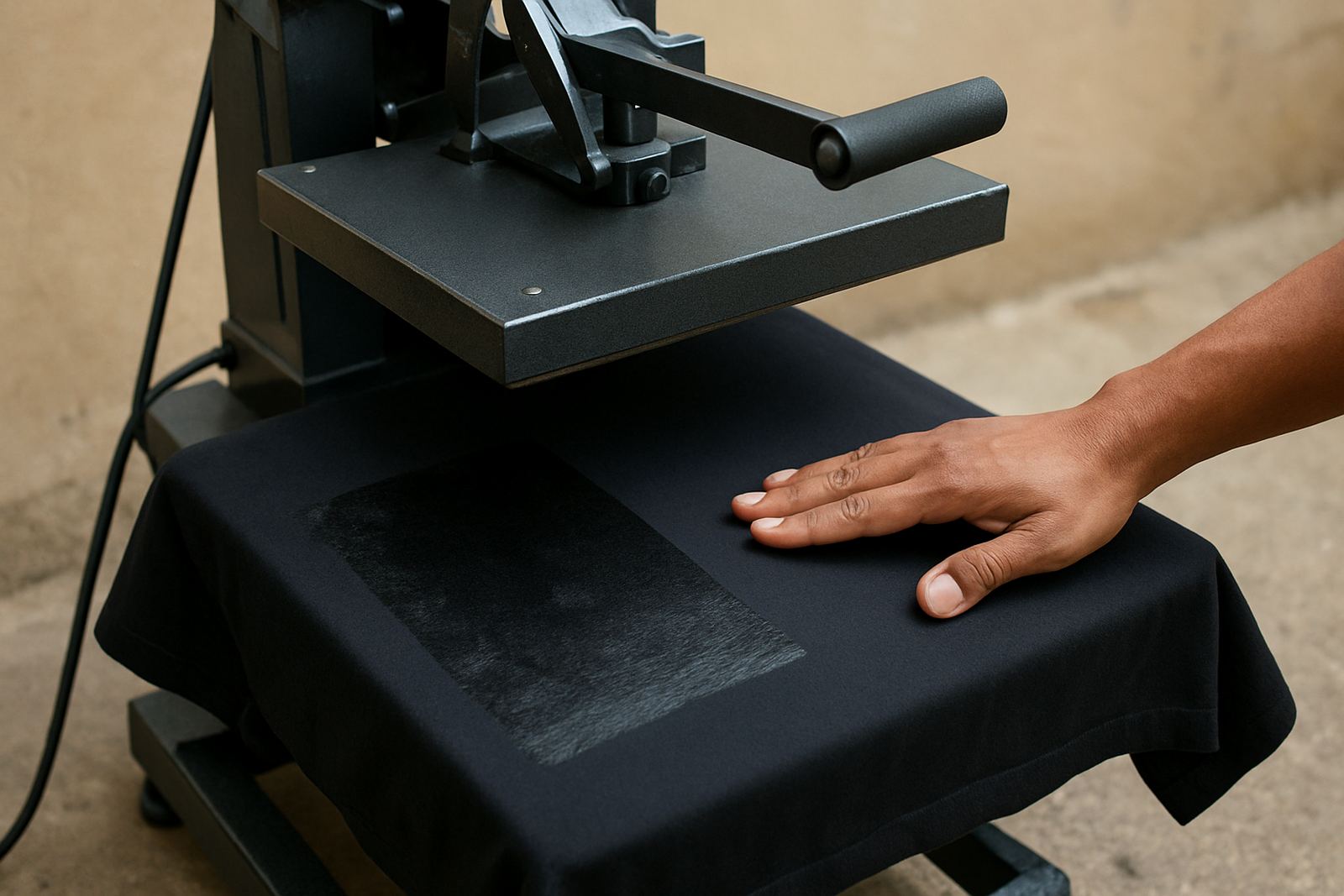
If transfers are lifting, ghosting, cracking or leaving marks, the cause is usually mechanical or procedural rather than mysterious. The journal covers the usual culprits: temperature that is too low or too high, pressure that is uneven, poor pre-pressing, a tired cover or a controller that is drifting out of range.
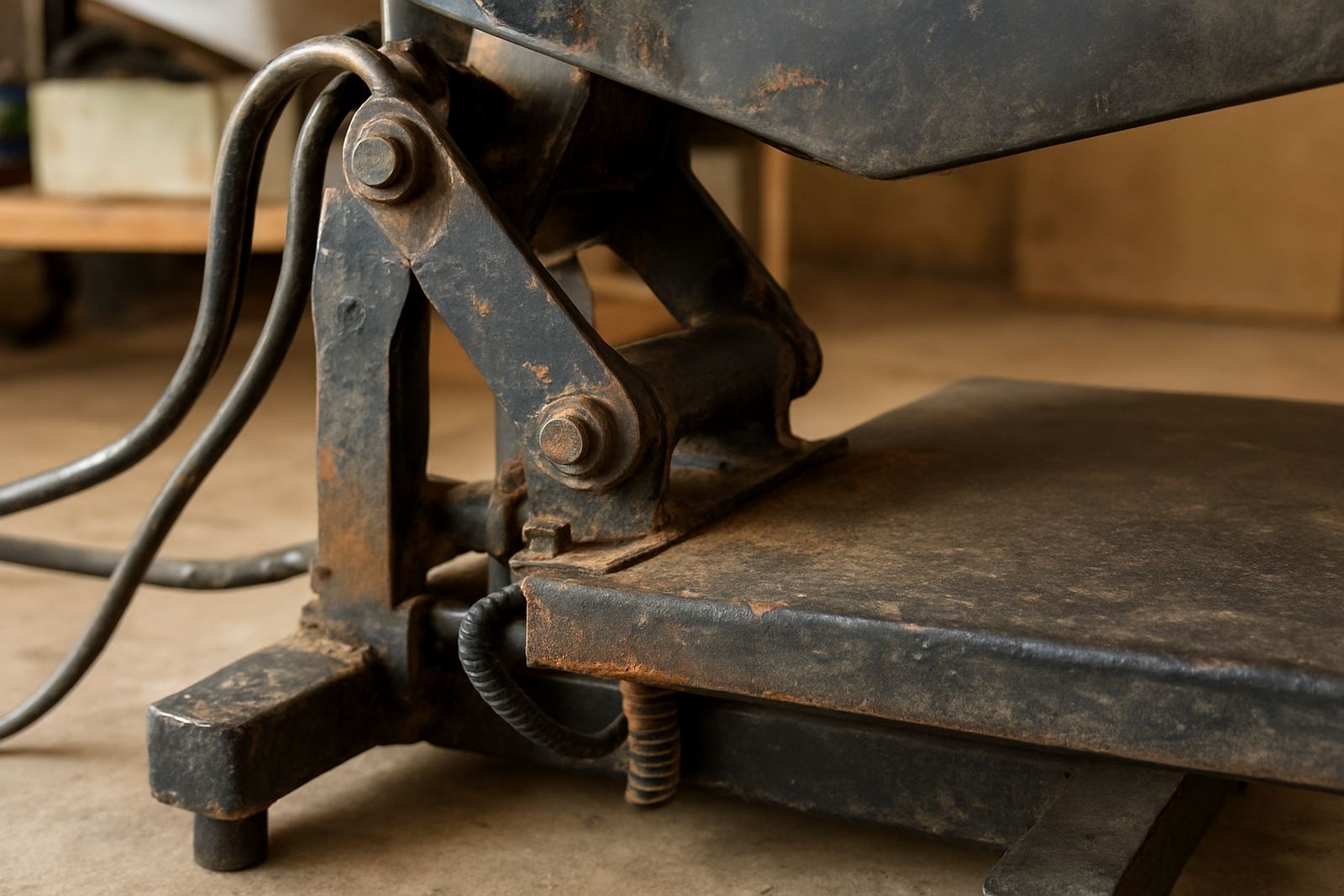
We also look at the signs that tell you when to stop and check the machine before the problem gets worse. A slight colour shift, uneven release or a new sound from the press can point to a fault long before it becomes a full breakdown. Catching it early is cheaper than replacing damaged stock or reworking a batch.
- Wipe down platens regularly so glue and lint do not build up.
- Watch for hot and cold spots during long runs.
- Match transfer instructions to the fabric type, not just the artwork.
- Keep a spare covering and basic consumables on hand.
Support for South African Press Rooms
The journal also reflects the realities of working in South Africa. Shops in Midrand, the East Rand and West Rand may need quick support and spare parts. Customers in Durban, Cape Town and Bloemfontein may need courier supply and clear instructions so they can keep working while a part is in transit.
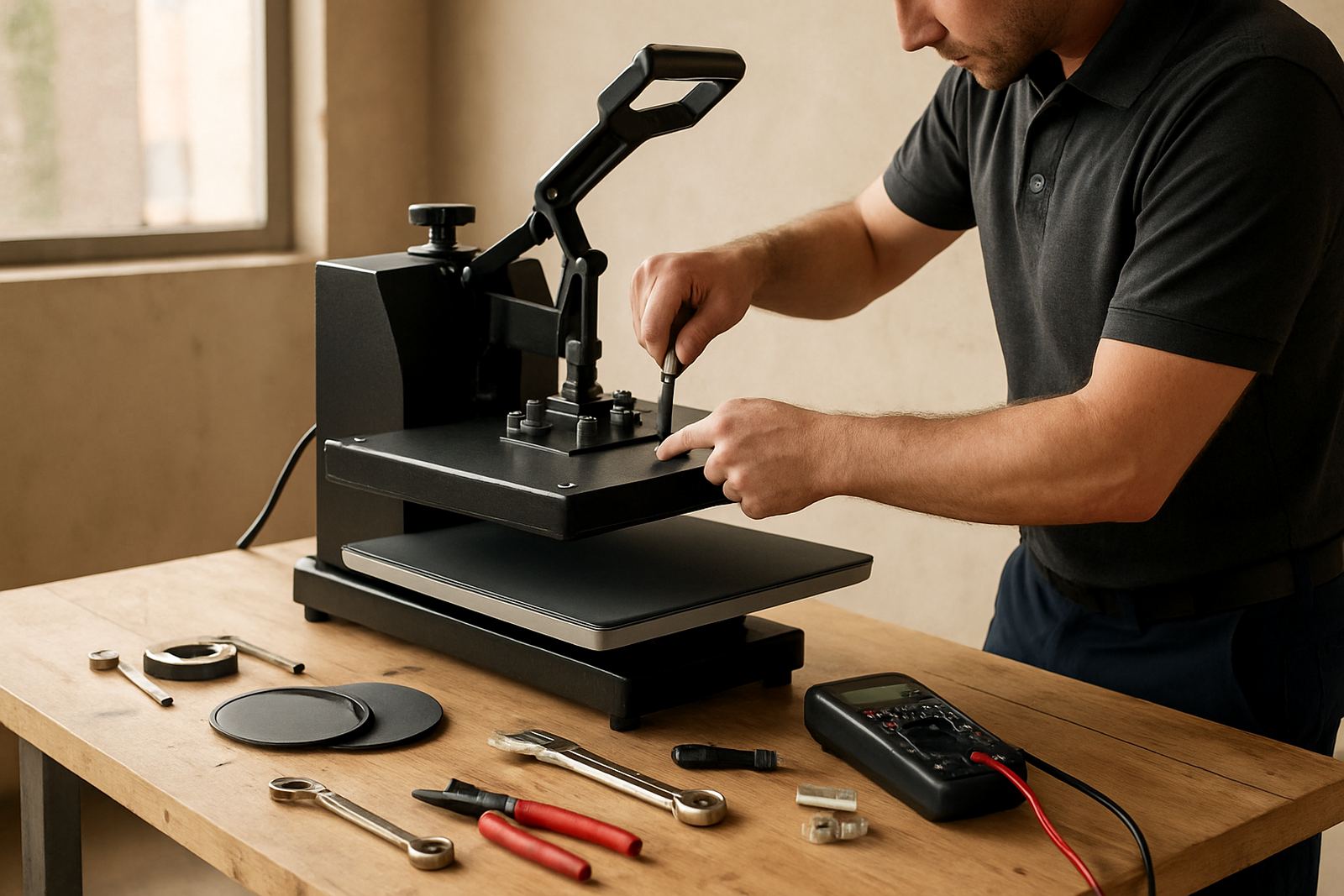
Where a machine needs attention, topics here connect back to practical support such as new press setup, operator training, temperature checks, pressure adjustments, element replacements, controller repairs and preventive servicing. There is no drama in that, just the sort of steady support that keeps a press room earning its keep. And if a loan unit is needed while repairs are underway, the journal explains how that kind of backup helps reduce downtime.
Start Here When You Need the Basics First
If you are not sure where to begin, start with the basics and move outward. A press room gets better when the fundamentals are in place, then the operator can build speed and confidence from there. That is what this journal is for: practical reading that helps you choose well, set up properly and keep pressing with fewer surprises.
Use the articles as a guide before buying, while training new staff or when a job is not quite right and you need a clear next step. The right advice at the right time often saves a whole afternoon, and sometimes a full order too.