


How to choose a flat heat press for your work
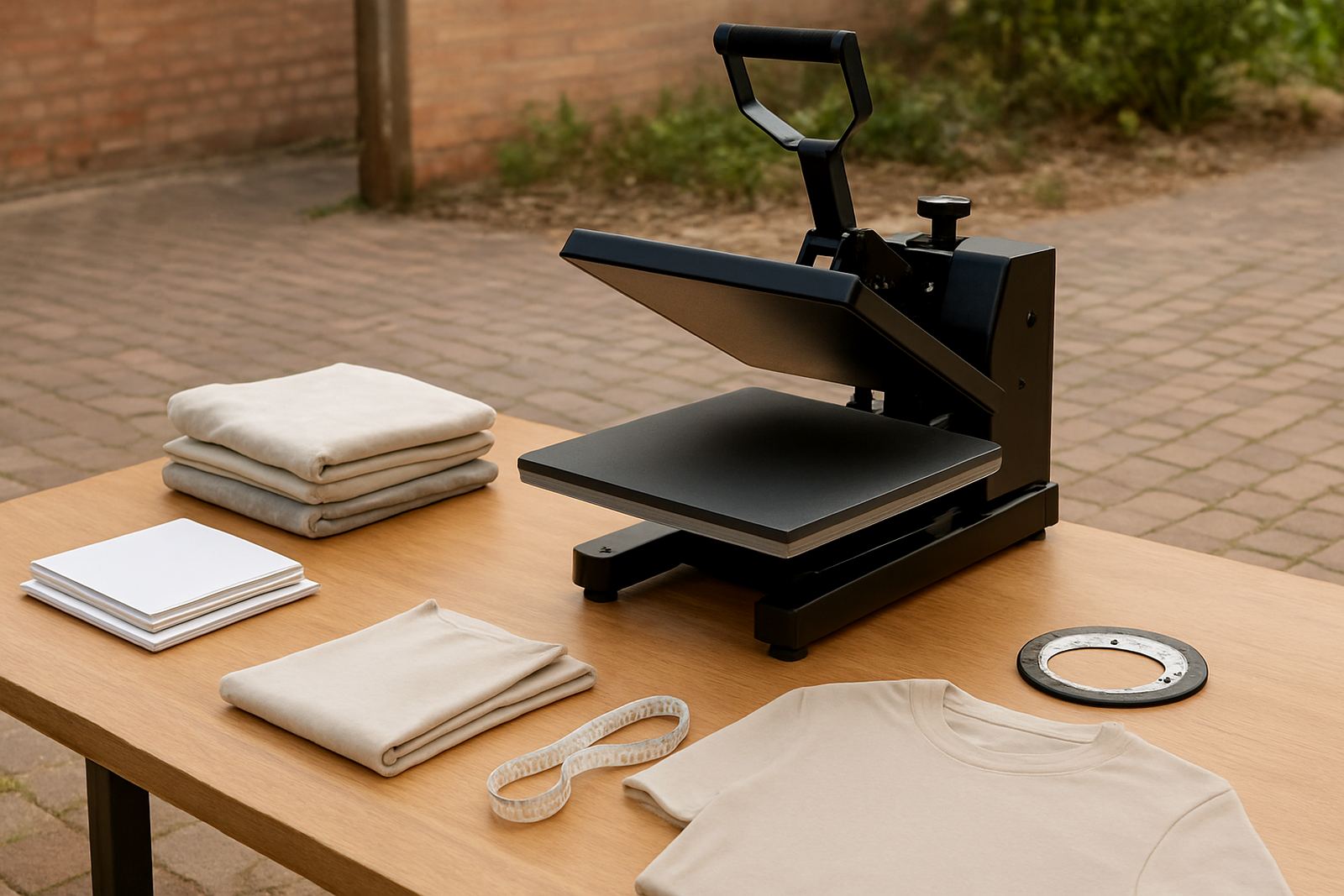
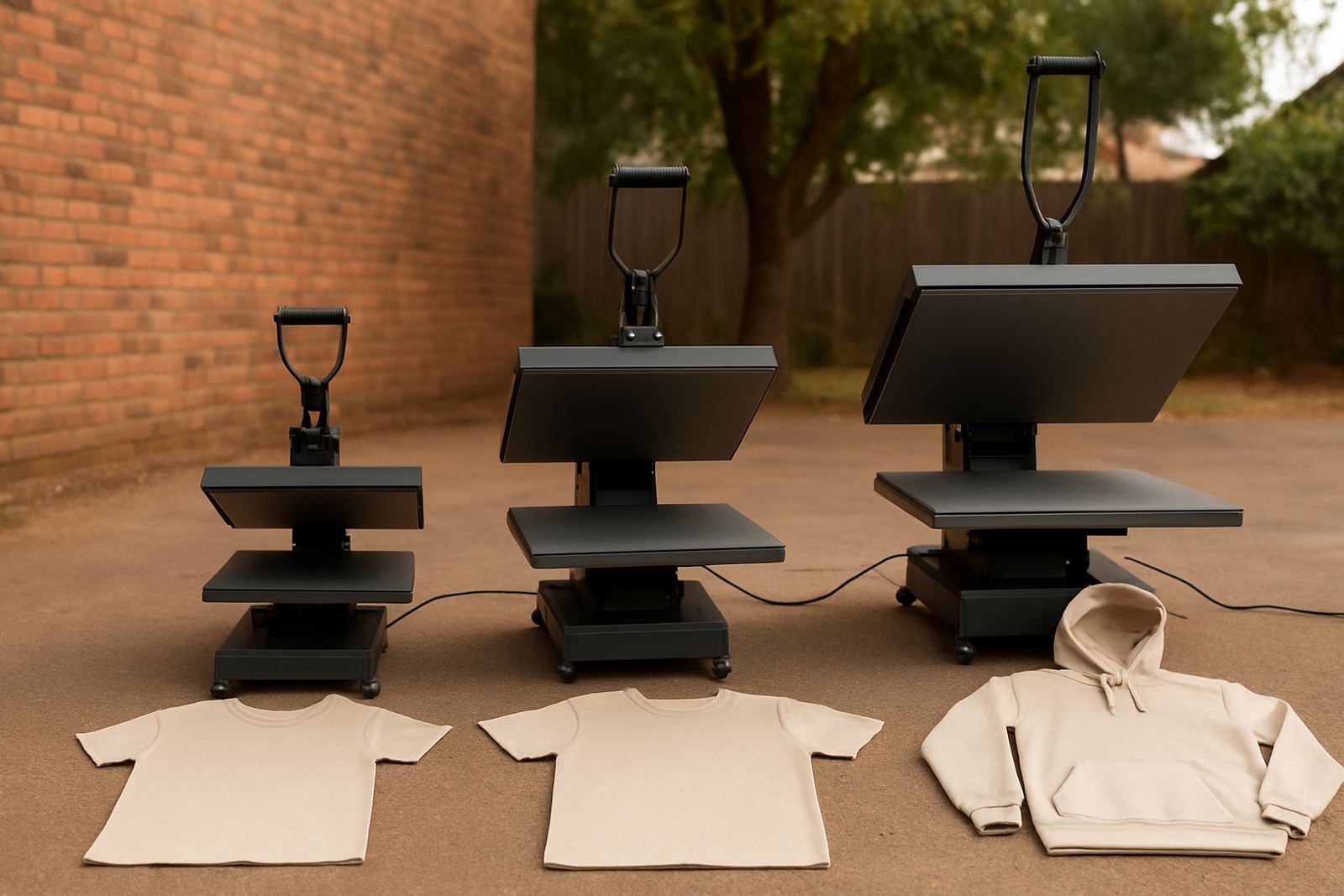
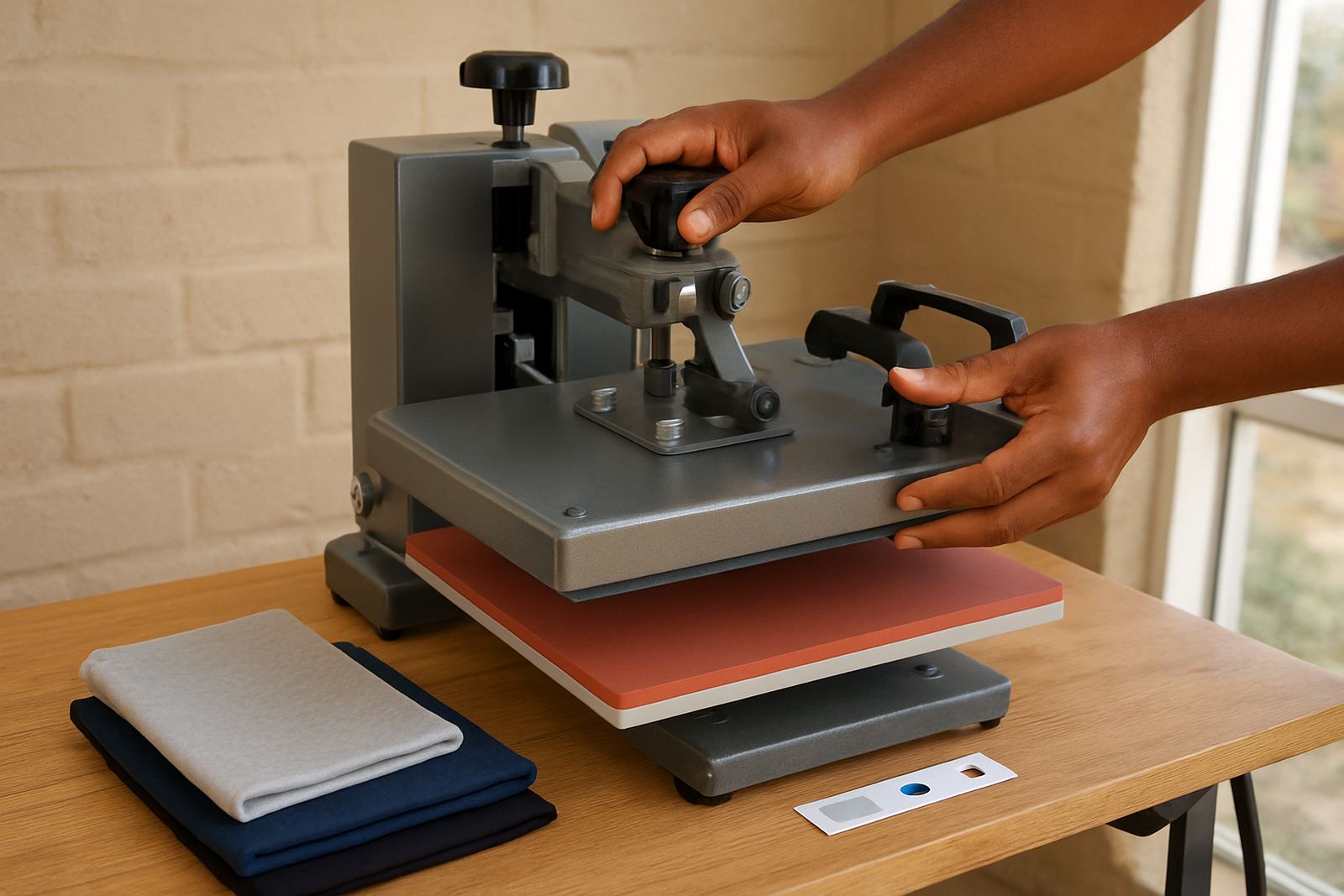
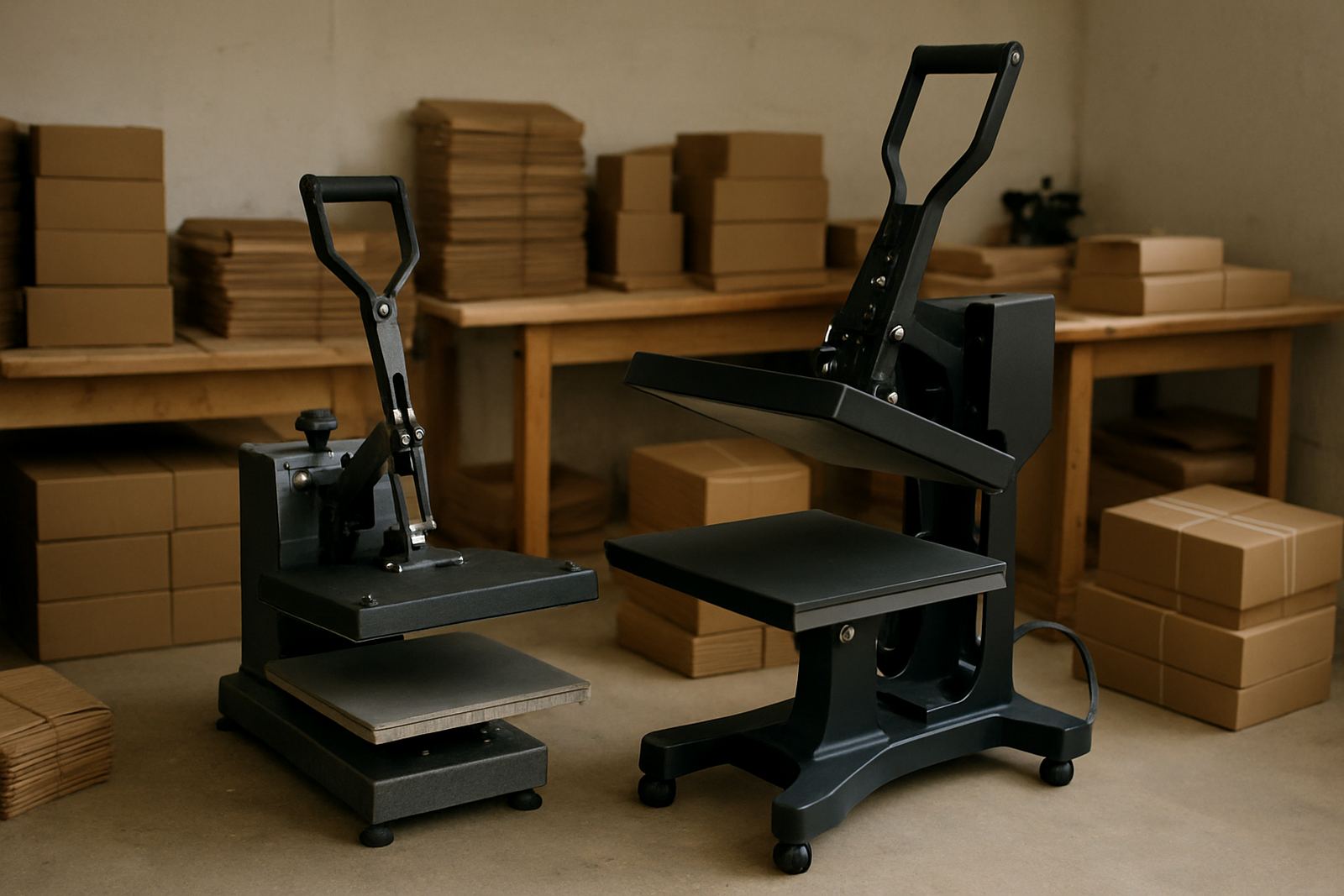
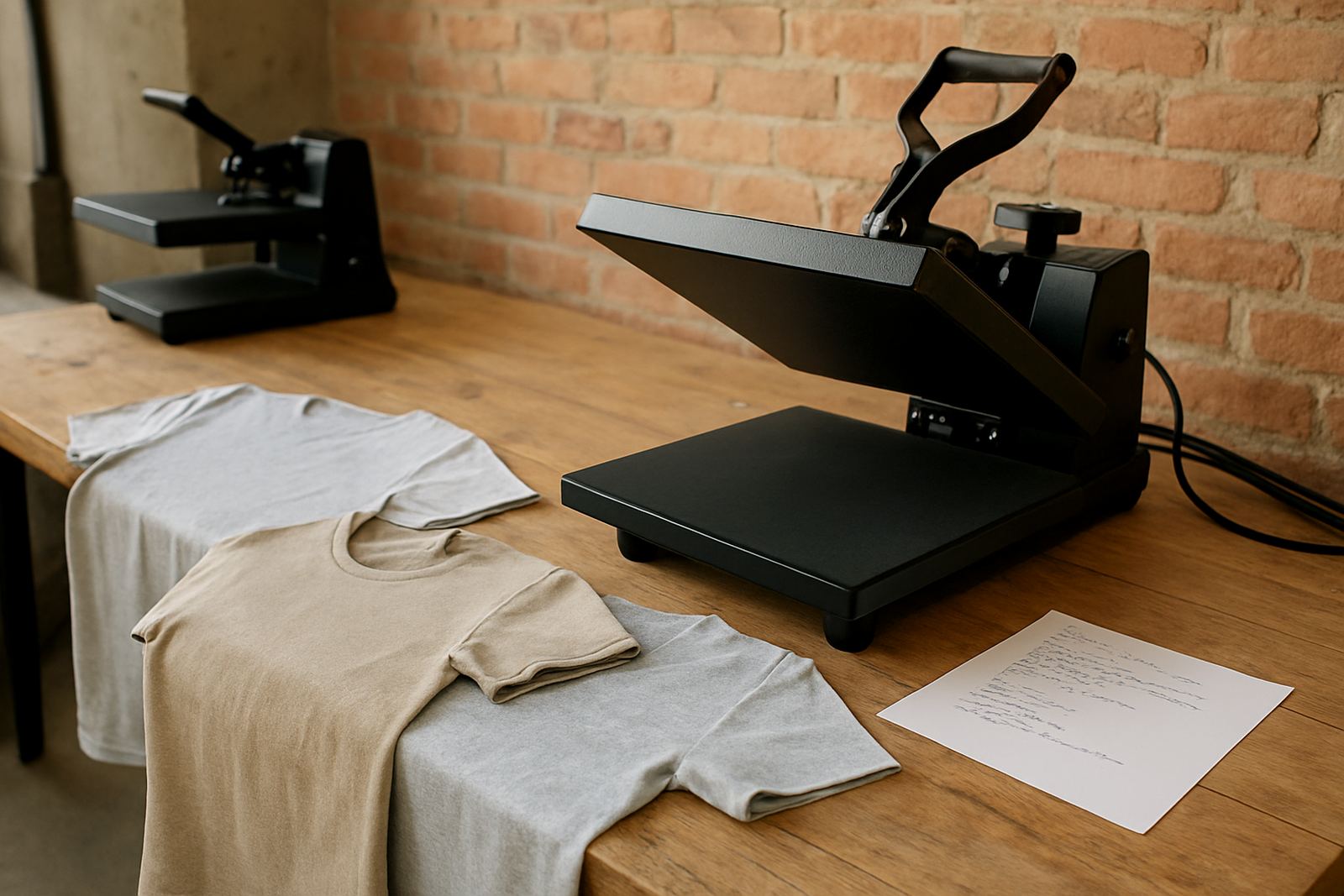
Start with the products you print most often. A small side business doing club shirts and school tops may do fine with a compact manual press, while a shop handling bulk runs, mixed garments and repeat transfers usually needs a larger platen and more consistent pressure control. If you press hoodies, workwear, tote bags and heat transfer vinyl, check that the lower platen and frame give you enough working space.
Also think about your power supply, room space and daily output. In many South African workshops the press shares a plug point with cutters, compressors and dryers, so it helps to know the current draw and how the machine behaves during load-shedding or on a generator. In humid coastal areas, pads and covers need a bit more care, and in dusty inland shops temperature checks should be part of routine use.
- Choose platen size for your biggest regular garment, not the smallest.
- Match the machine to your output, from hobby use to shop-floor production.
- Ask whether you need manual, semi-automatic or pneumatic pressure.
- Check footprint, weight and access for stairs, narrow doors or upstairs rooms.
What to know before your first setup
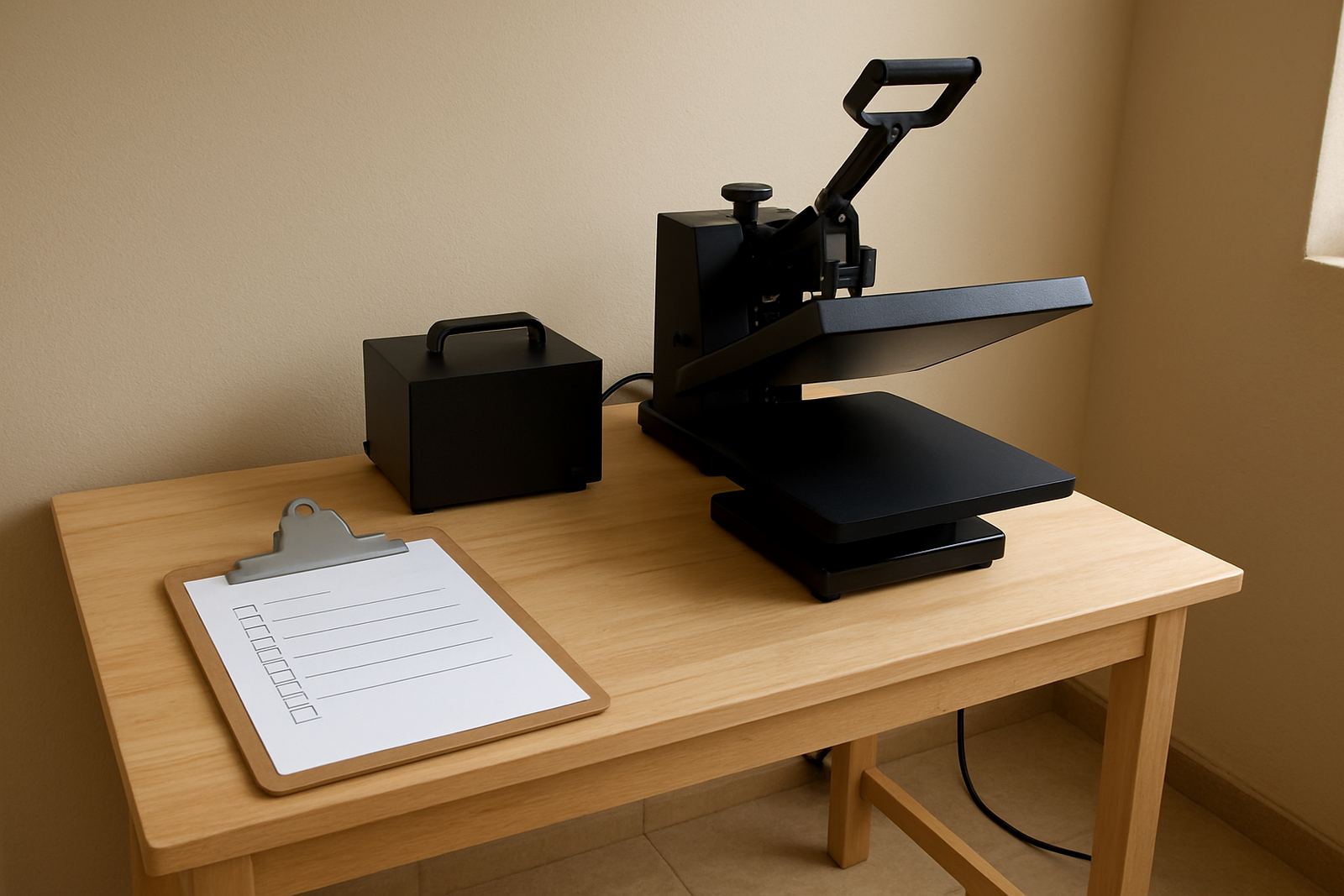
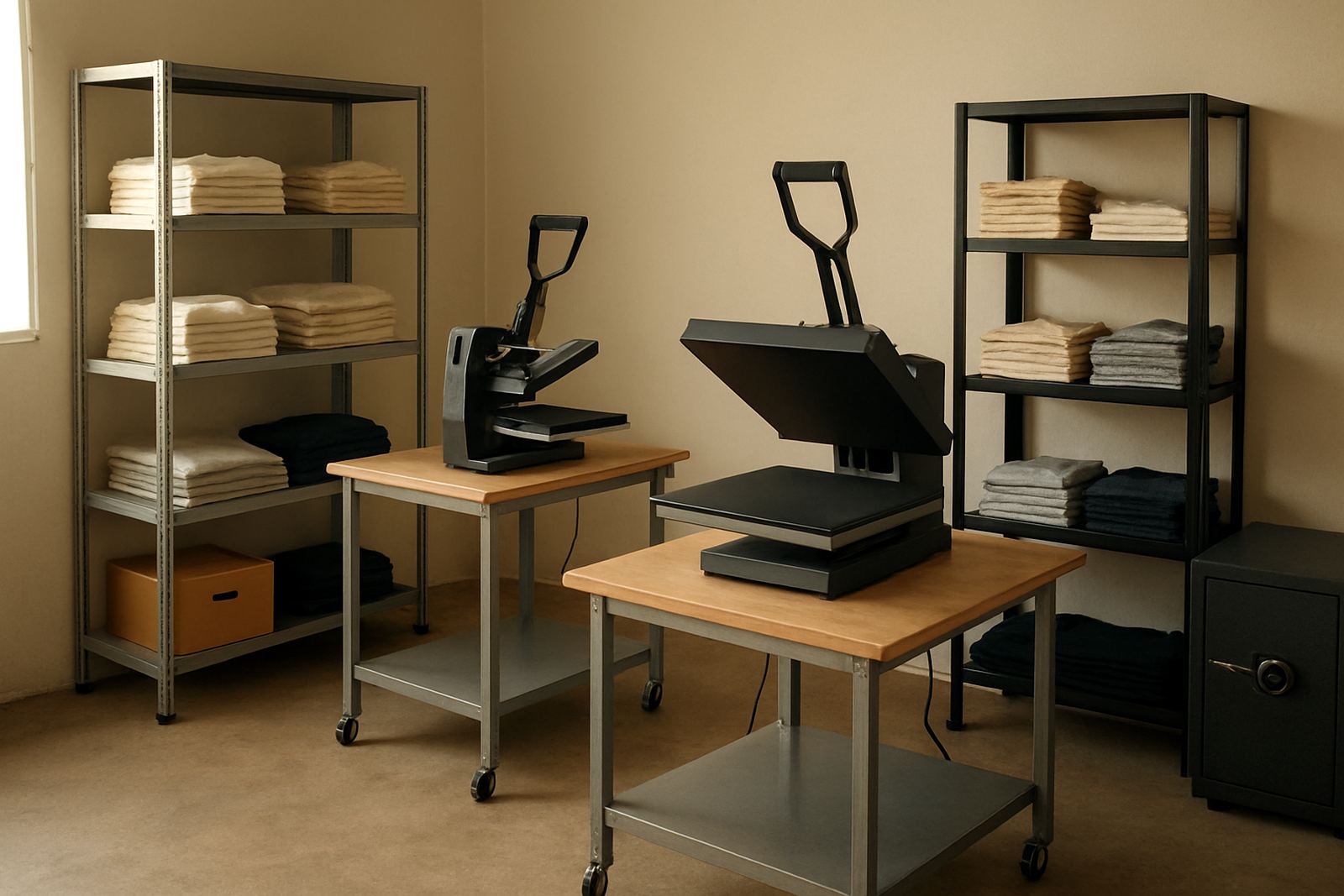
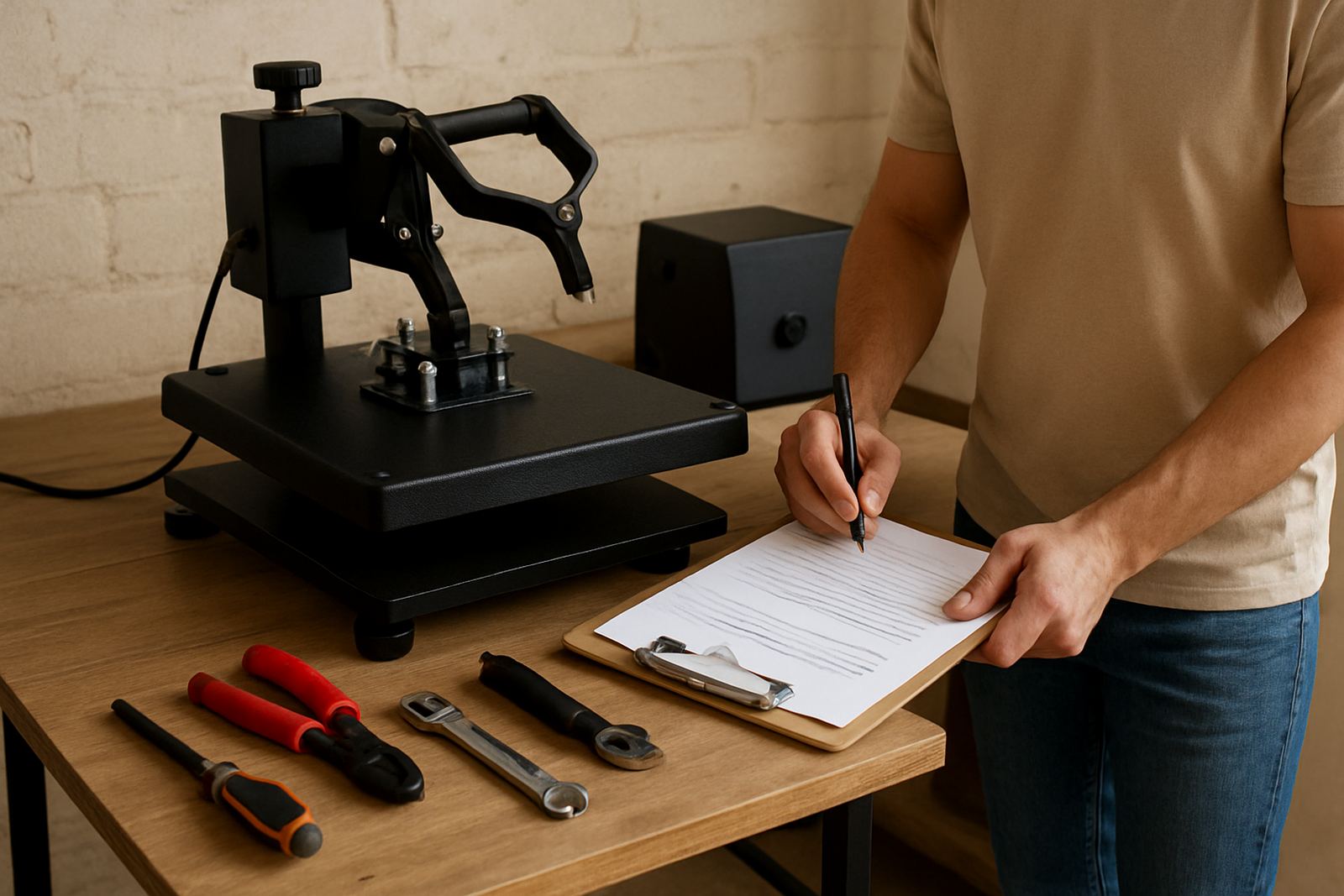
A good first setup is about more than switching the machine on. The press needs to sit level, the table or stand must support its weight, and the operator should have enough space to load garments without rushing. On delivery in Gauteng or by courier nationwide, it is worth planning where the unit will stand before it arrives, especially if there is a loading bay, roller door or workshop mezzanine.
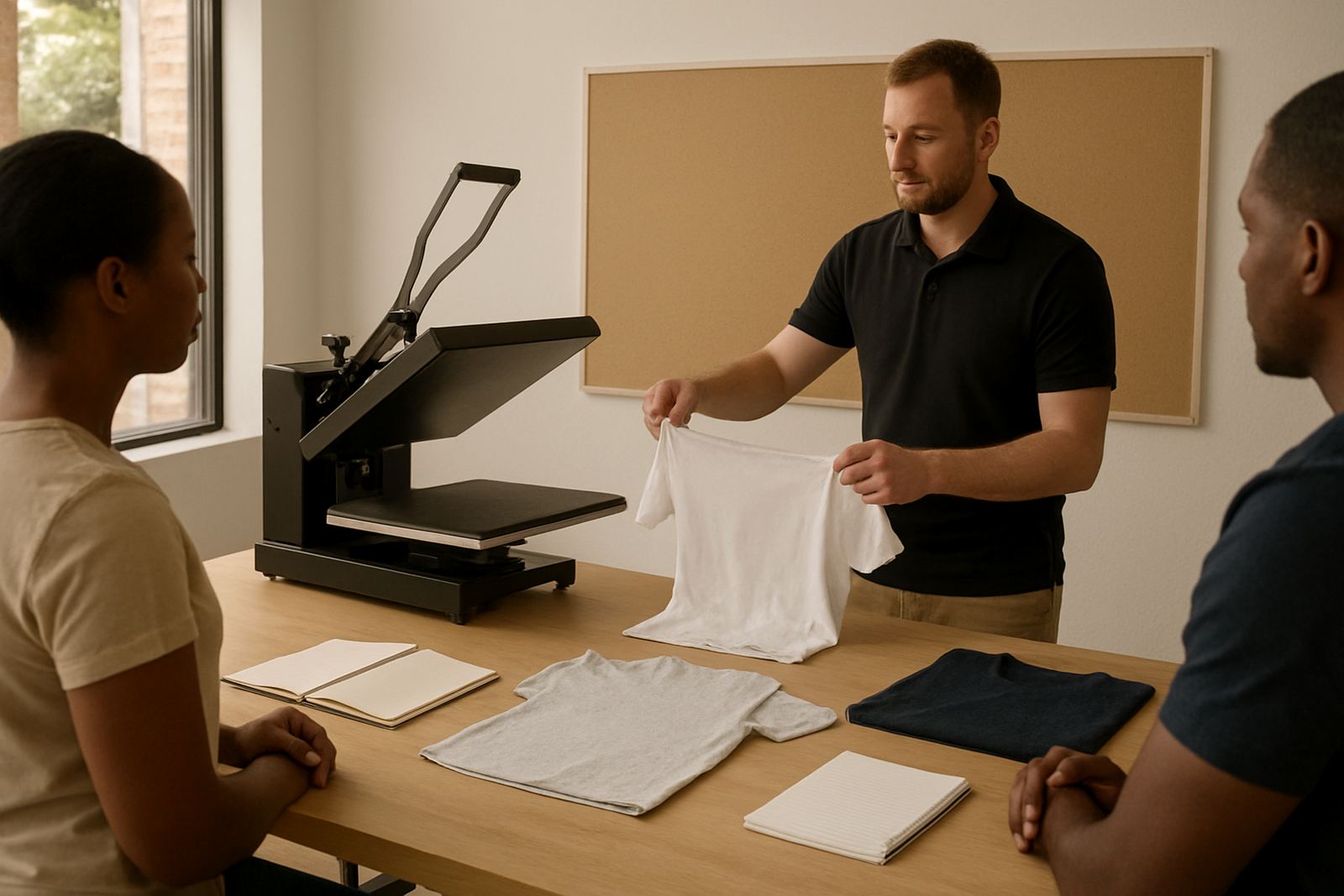
Temperature settings, dwell time and pressure need to be tested with your own transfer materials. The settings used on one garment may not suit another, and changes in cotton, polycotton or coated fabrics can affect the finish. Small adjustments at setup save a lot of waste later, and a short training session helps new operators get the feel of the machine quickly.
- Confirm power point location and cable reach before installation.
- Keep a clean bench, spare cover cloths and test garments nearby.
- Record the settings that work for each transfer type.
- Check that the heat platen closes square and the pressure feels even across the bed.
Common problems and what they usually mean
When transfers lift, crack or look patchy, the cause is often simple. It may be low pressure, the wrong temperature, a worn cover, uneven garment thickness or a controller that is reading off. Some issues are operator related and some point to worn parts, so it helps to note exactly what happened during the job, including fabric type, pressing time and whether the unit had been idle for long periods.
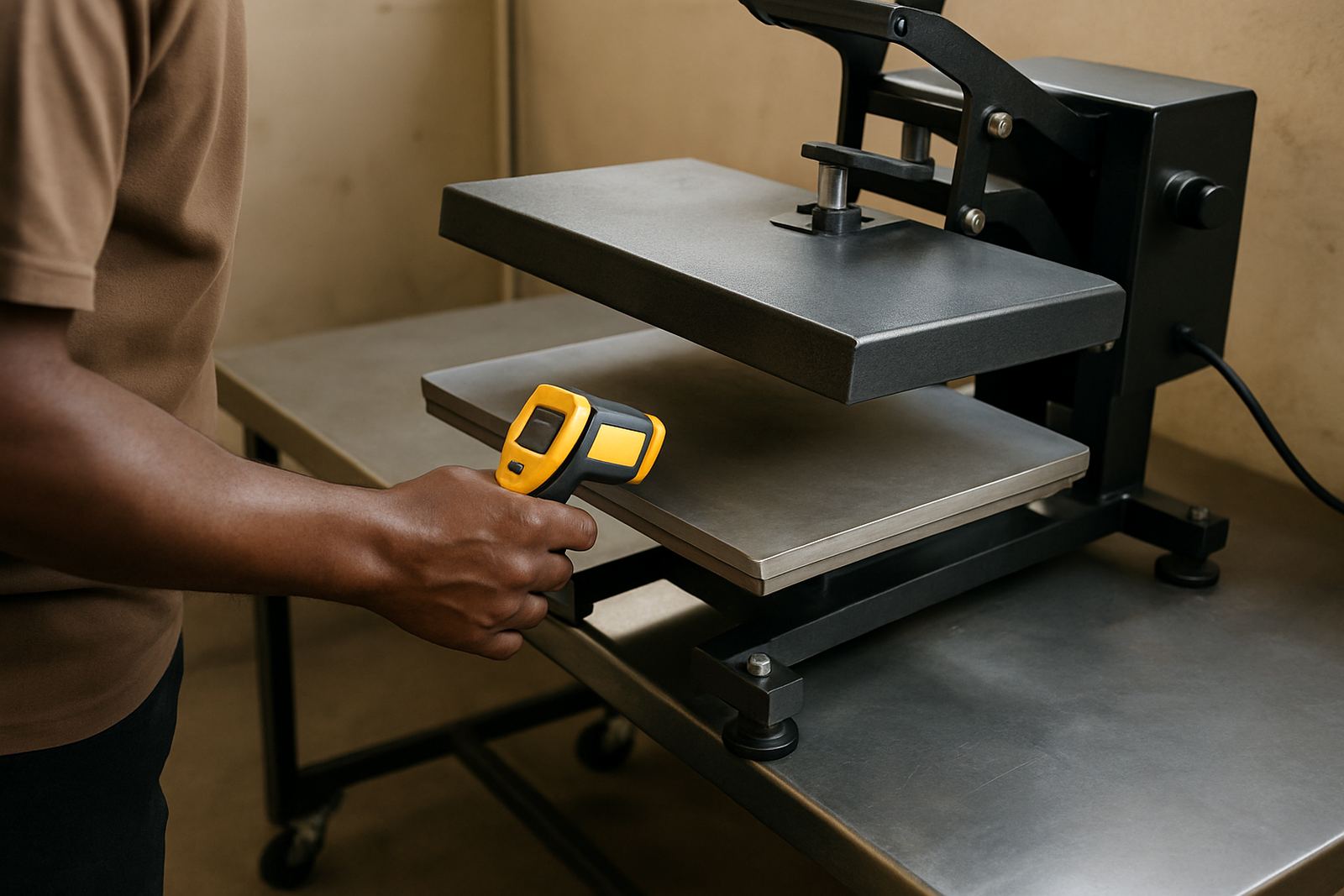
If the heat comes up slowly, overshoots, or the press feels uneven from one side to the other, a temperature check and inspection of the heating element or controller may be needed. Machines used daily in busy print shops can also need pressure adjustment or pad replacement sooner than expected. Minor faults are often sorted quicker when the problem is described clearly from the start.
- Transfers not bonding properly: check time, heat and pressure together.
- Marks on garments: inspect the cover and platen surface.
- Uneven finish: test the pressure across the full bed.
- Unstable readings: ask for controller and element testing.
Servicing that keeps production moving
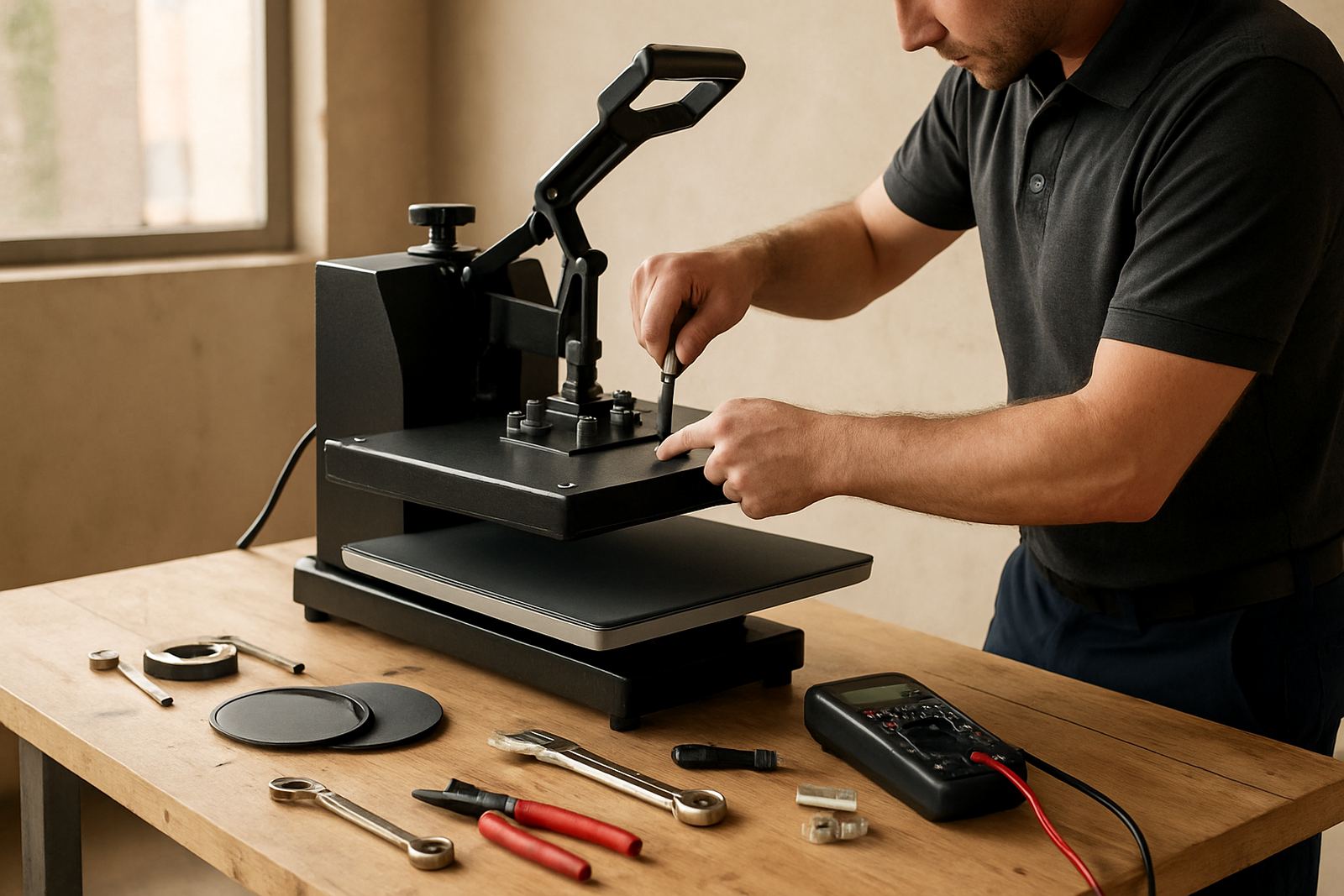
Preventive servicing is cheaper than stopping a run halfway through a rush order. Regular checks on temperature, pressure, pad condition and electrical controls help a press stay predictable, which matters when you are producing shirts for a school, a rugby club or a corporate event. In a busy shop, a small fault can waste a full batch before anyone notices.
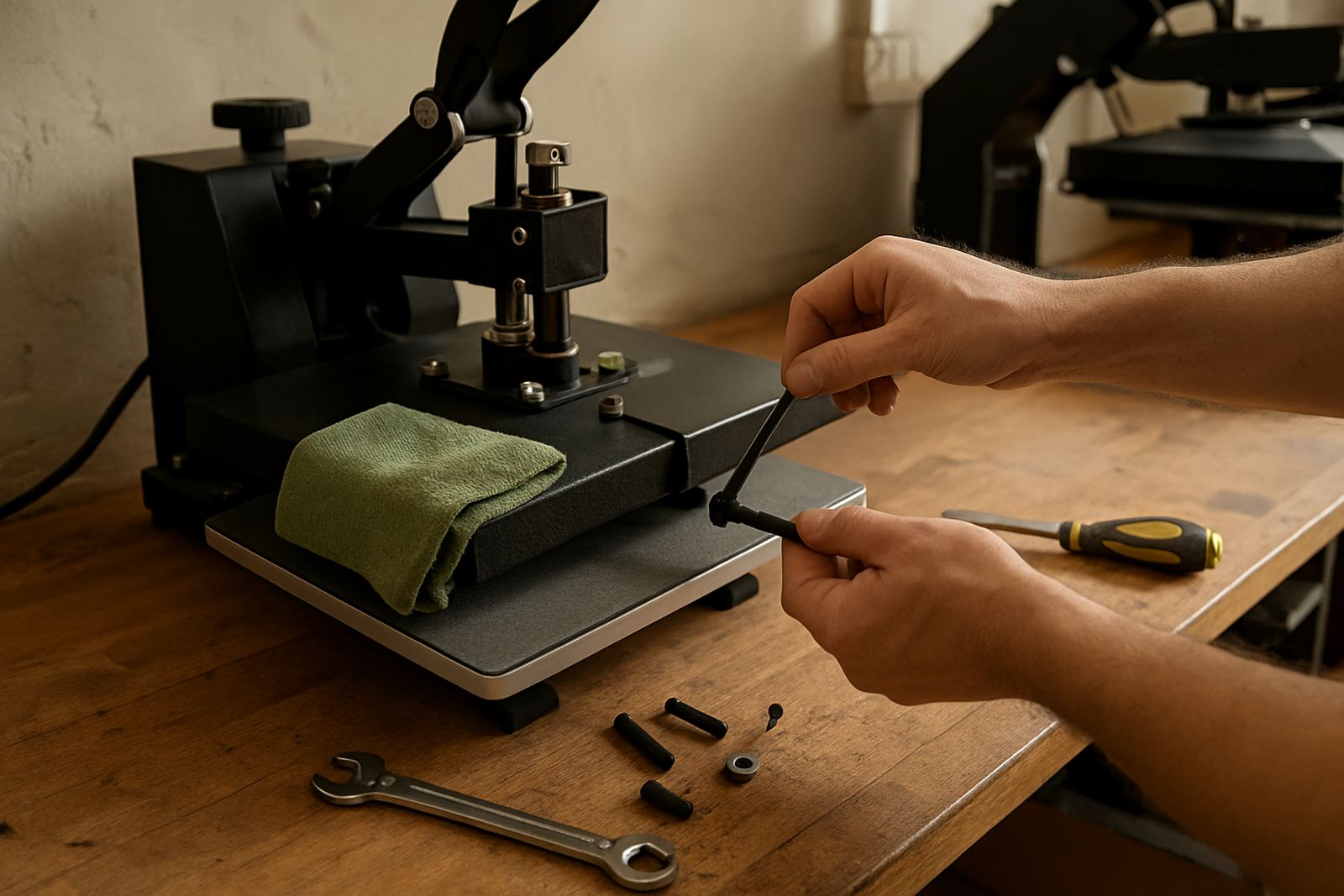
Our workshop and field support covers spare parts, repairs and loan unit support where needed. That includes controller repairs, element replacements, pad and covering work, and pneumatic line service on air-assisted units. For many decorators, a planned check every few months is enough to keep the machine honest and reduce emergency callouts.
- Book FlatPress servicing for your print shop before schoolwear or teamwear season puts the machine under strain.
- Keep spare covers and the most common wear parts on hand.
- Ask for pressure adjustment if garments are pressing differently than they used to.
- Use the same operator notes for each job so faults are easier to spot.
Buying for a home setup, studio or print shop
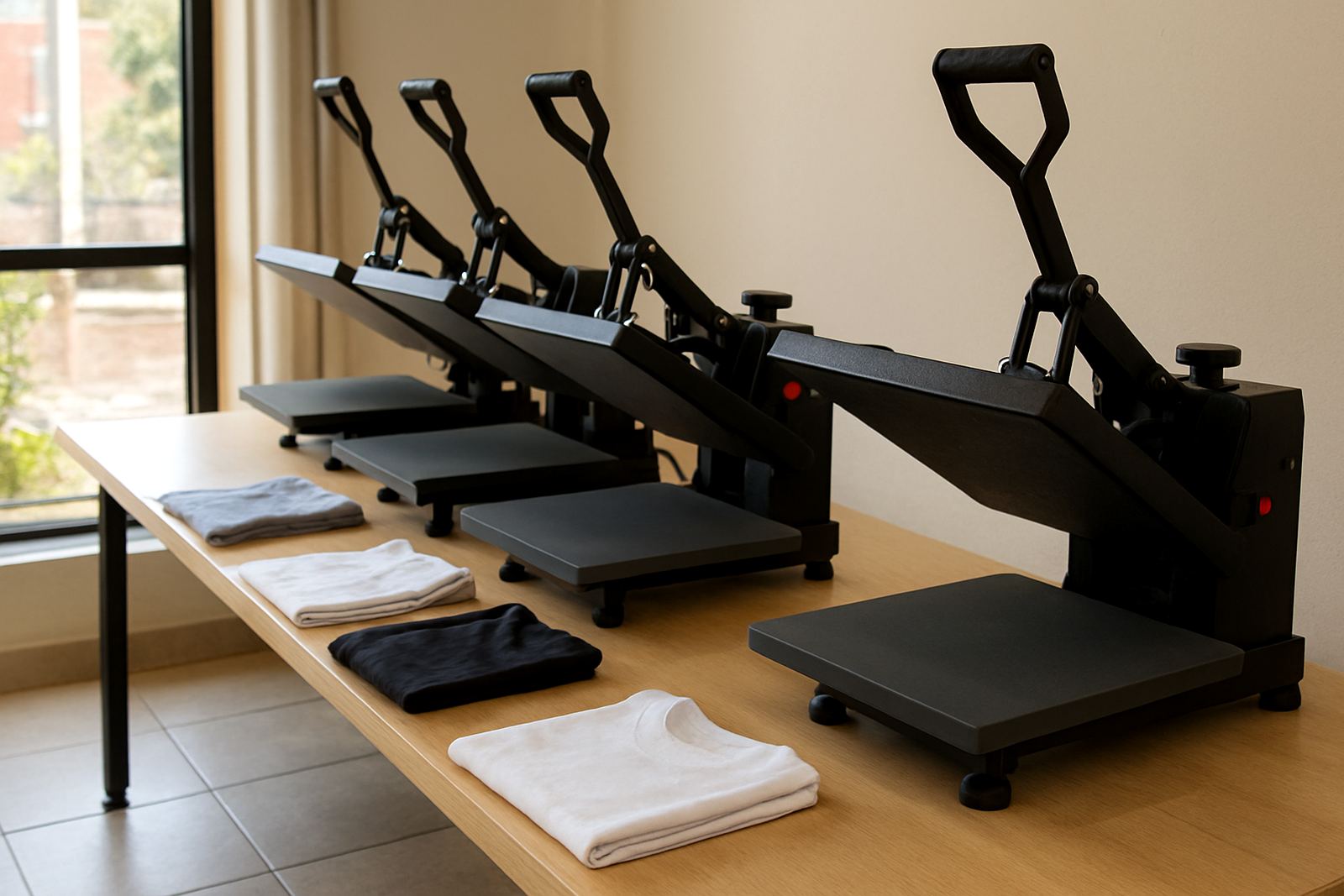
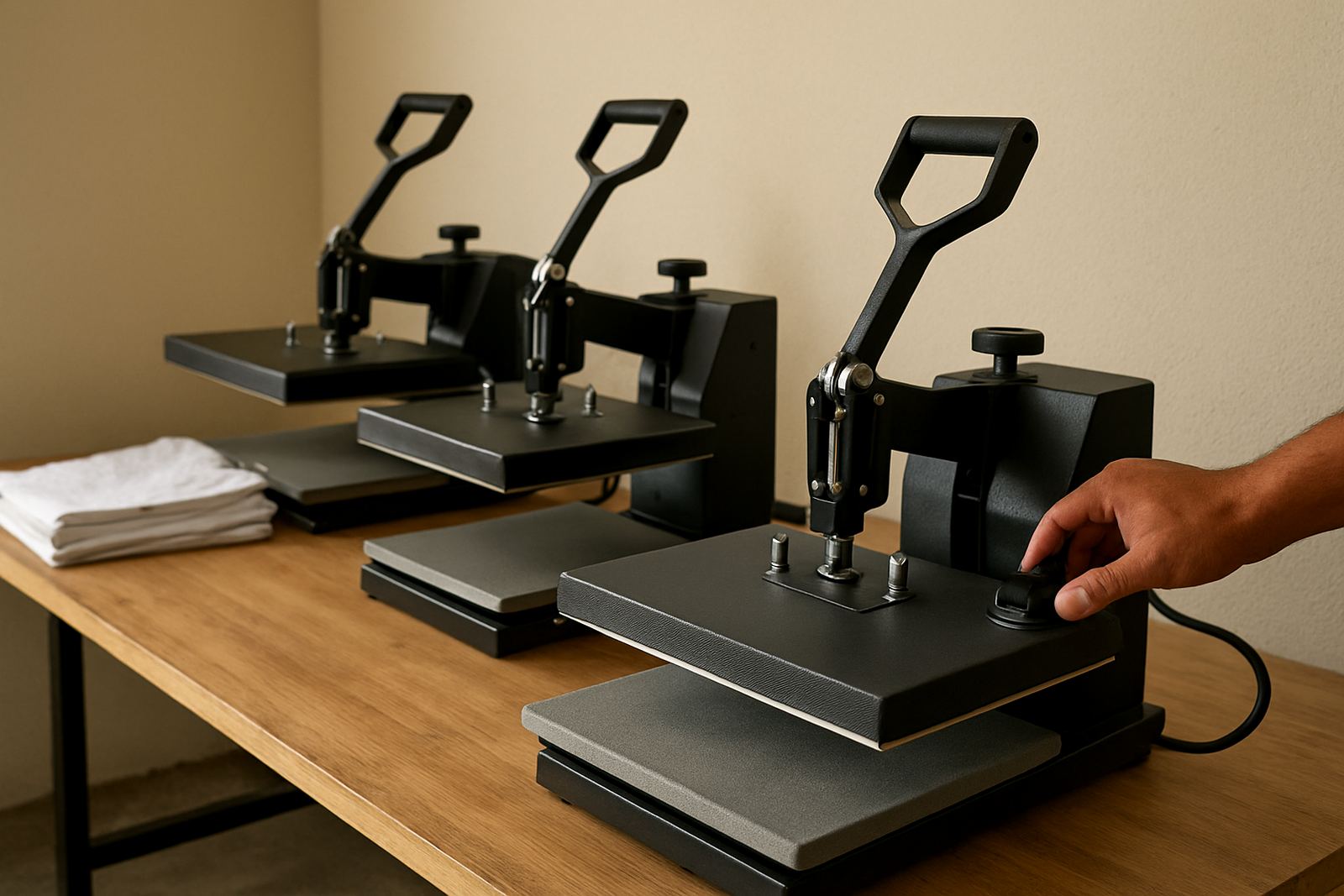
Hobby users, home studios and established print shops all want different things from a press. If you are starting out, a simpler machine with clear controls and basic support may be enough. If you already run several jobs a day, you may need better repeatability, stronger build quality and faster turnaround on spares. The right choice is the one that fits your workflow, not the one with features you will never use.
Think about future volume too. A press that feels big enough on day one can become limiting once you start taking on larger orders or more transfer types. It is worth planning for growth now, so you do not outgrow the machine after six months and have to rethink the whole setup all over again. That saves time and a fair bit of money.
- For low volume, prioritise ease of use and simple training.
- For regular production, prioritise consistency and parts support.
- For growth, allow extra platen size and better pressure control.
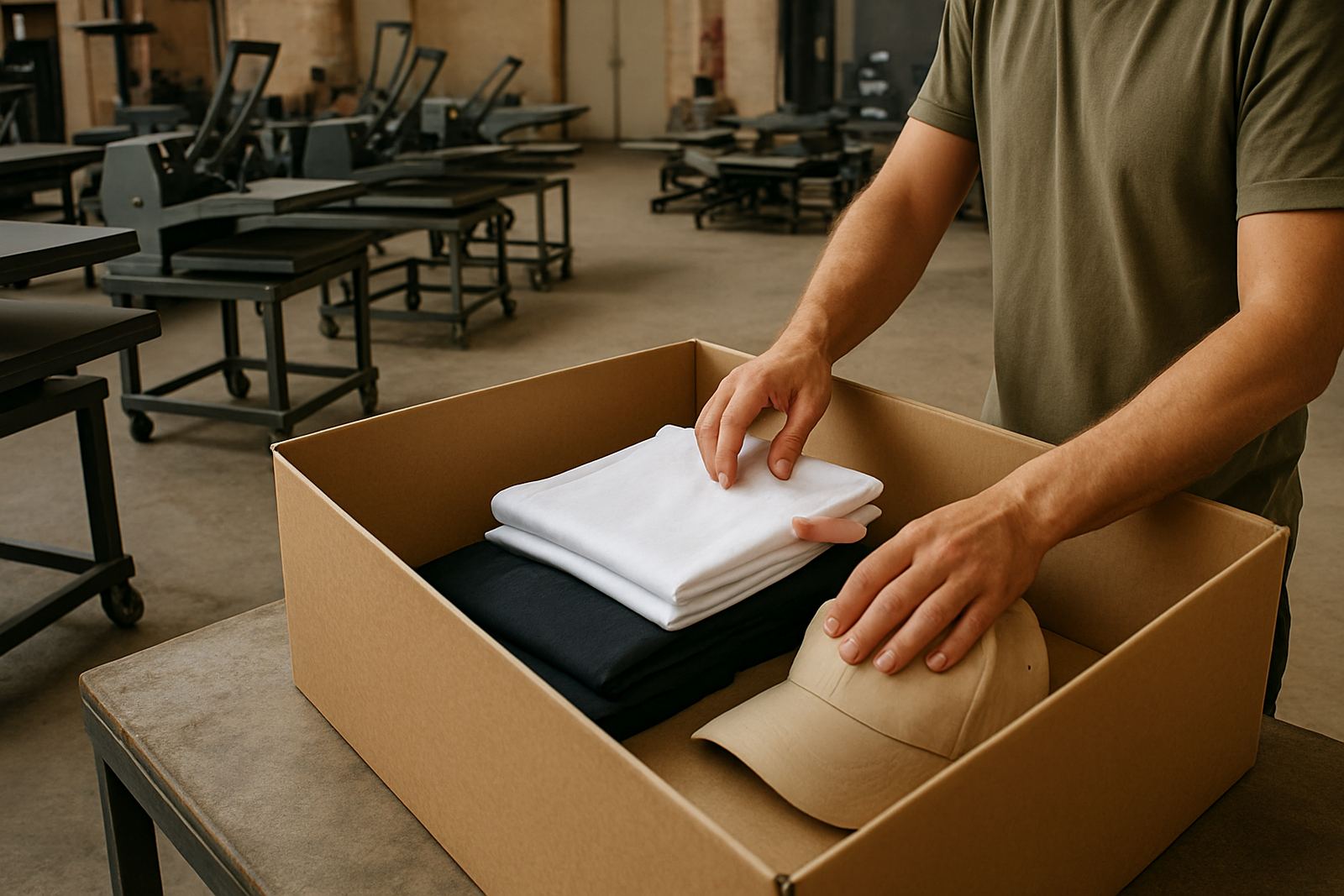
- For courier delivery, check access to the receiving point and storage space.
Where our guides help after the sale
The day-to-day realities of South African decorating work call for practical heat press advice. Common questions after installation range from first heat-up to ongoing care, so you can keep printing without guessing. If you are working from Midrand, the East Rand, the West Rand or further afield, the same practical approach applies.
FlatPress supports small garment decorators, hobbyists and professional print shops with new press setup, operator training, phone tech support and workshop repairs. When you need help choosing settings, replacing a worn part or checking a fault, use the enquiry form on our contact page and we will take it from there.