

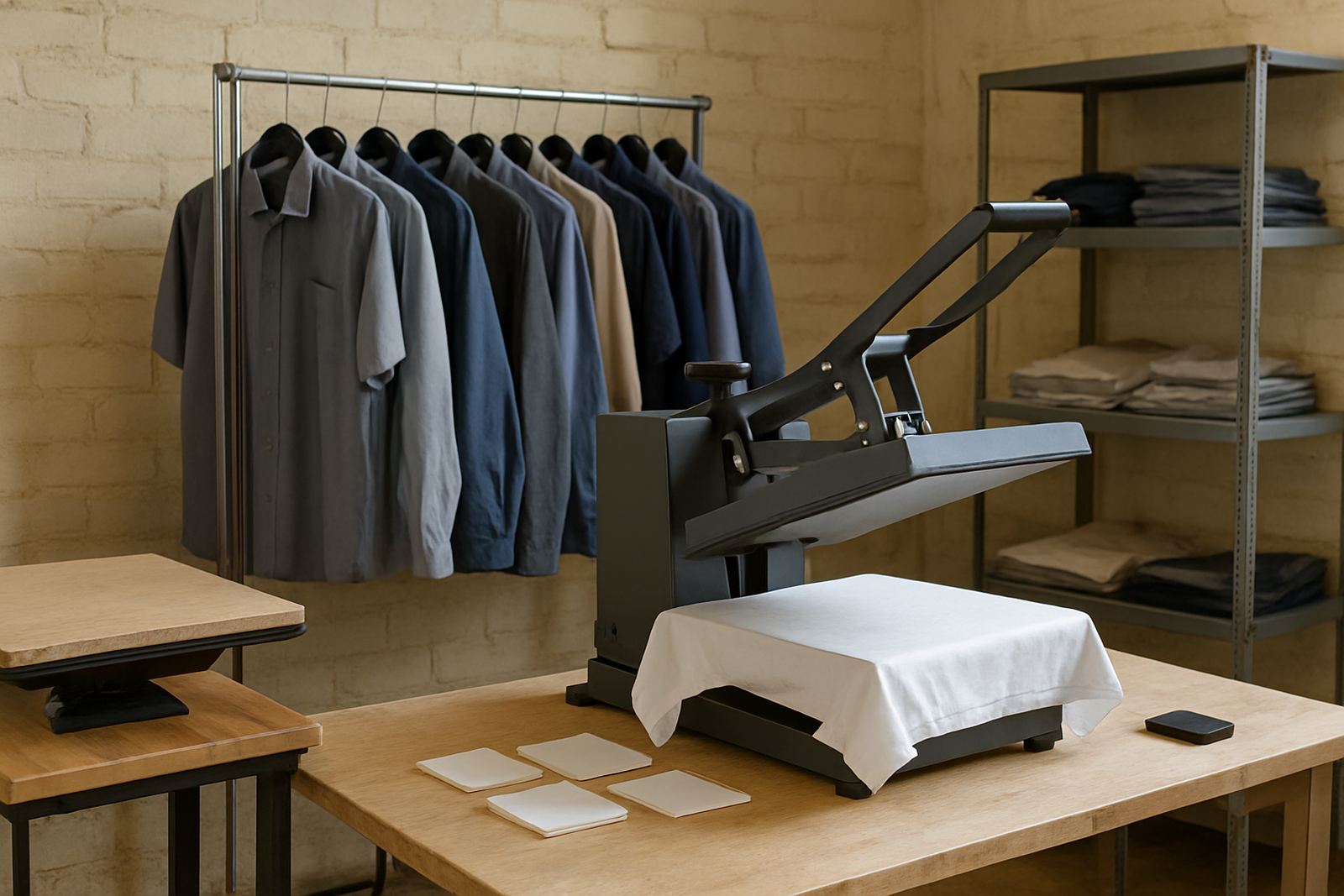

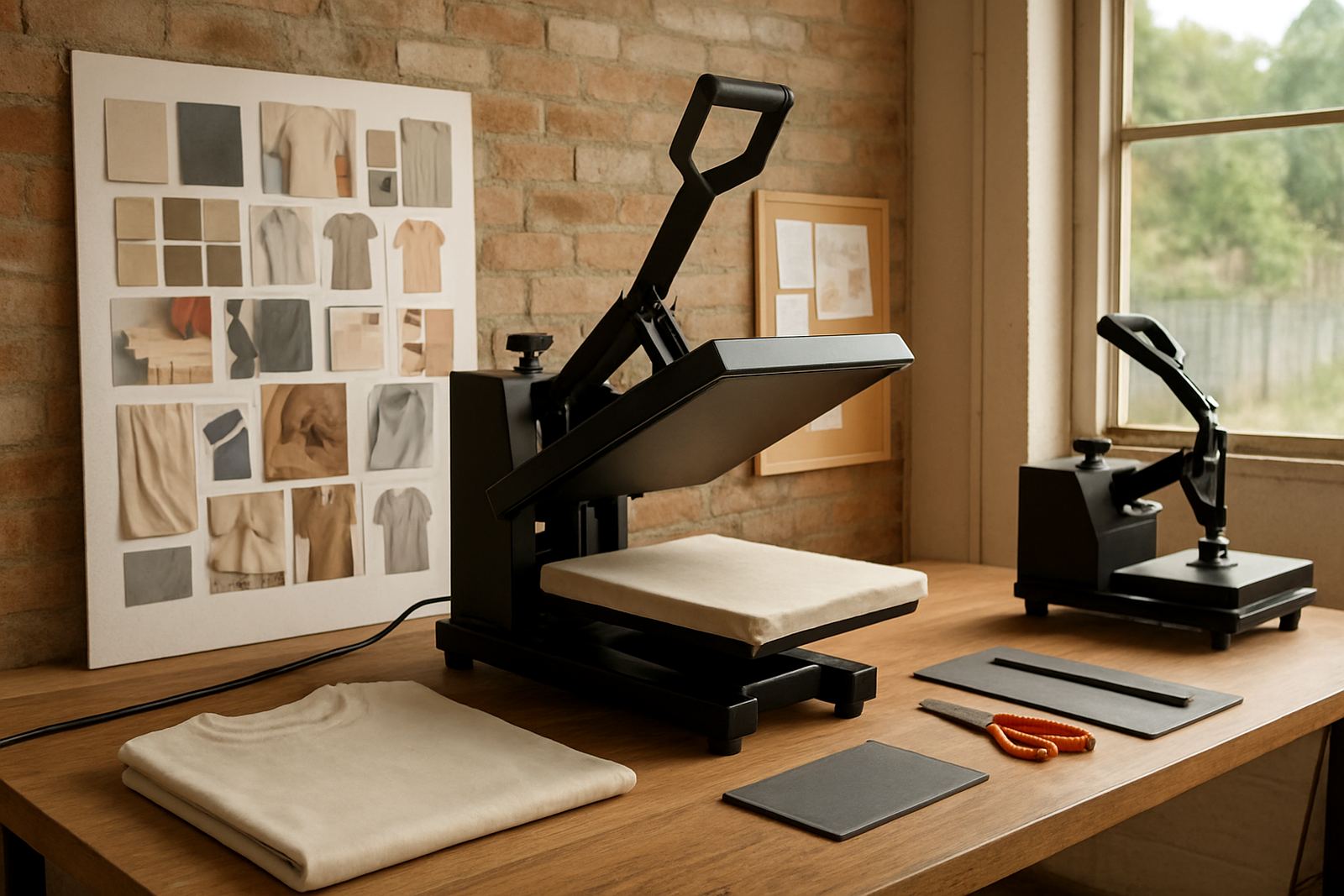
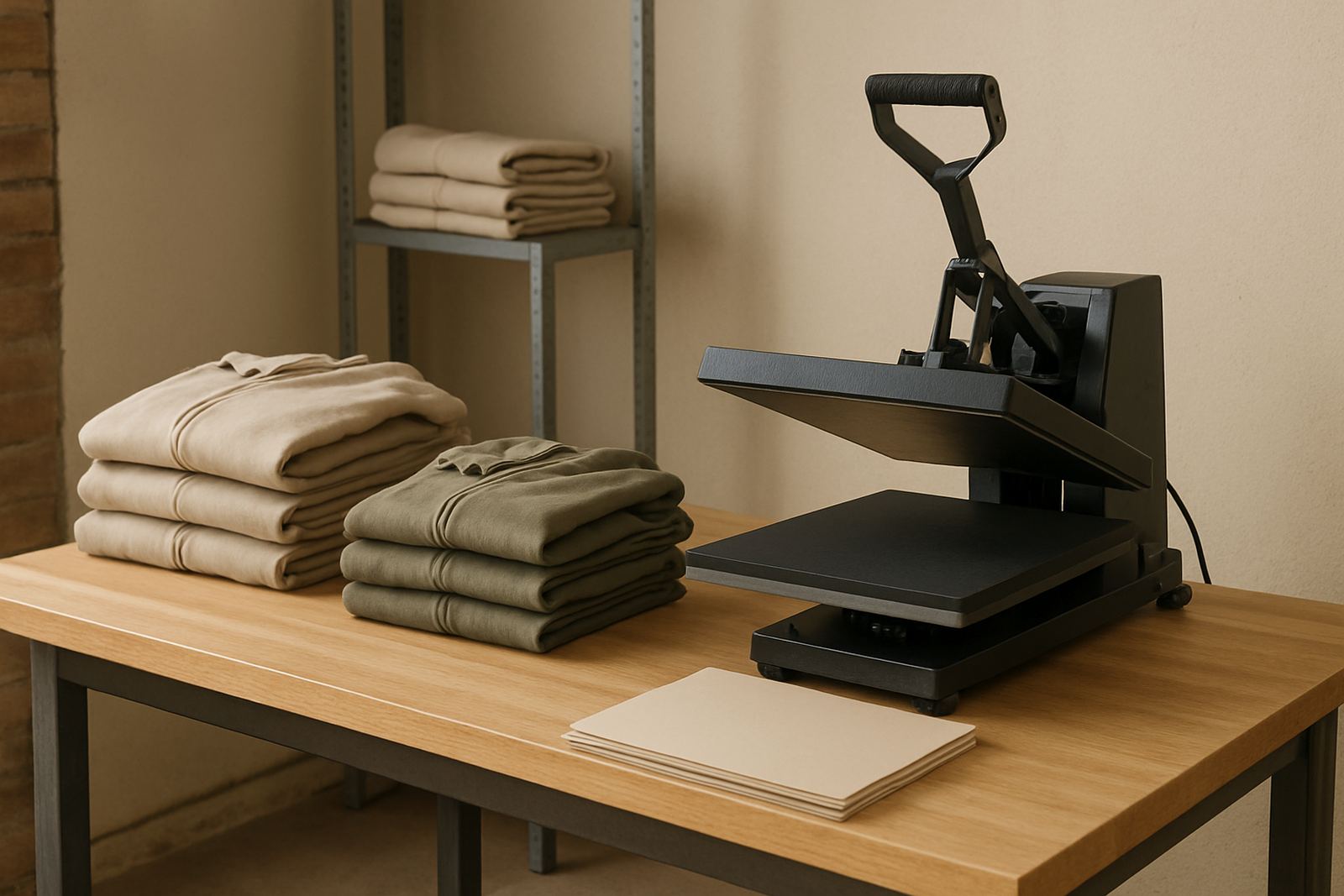
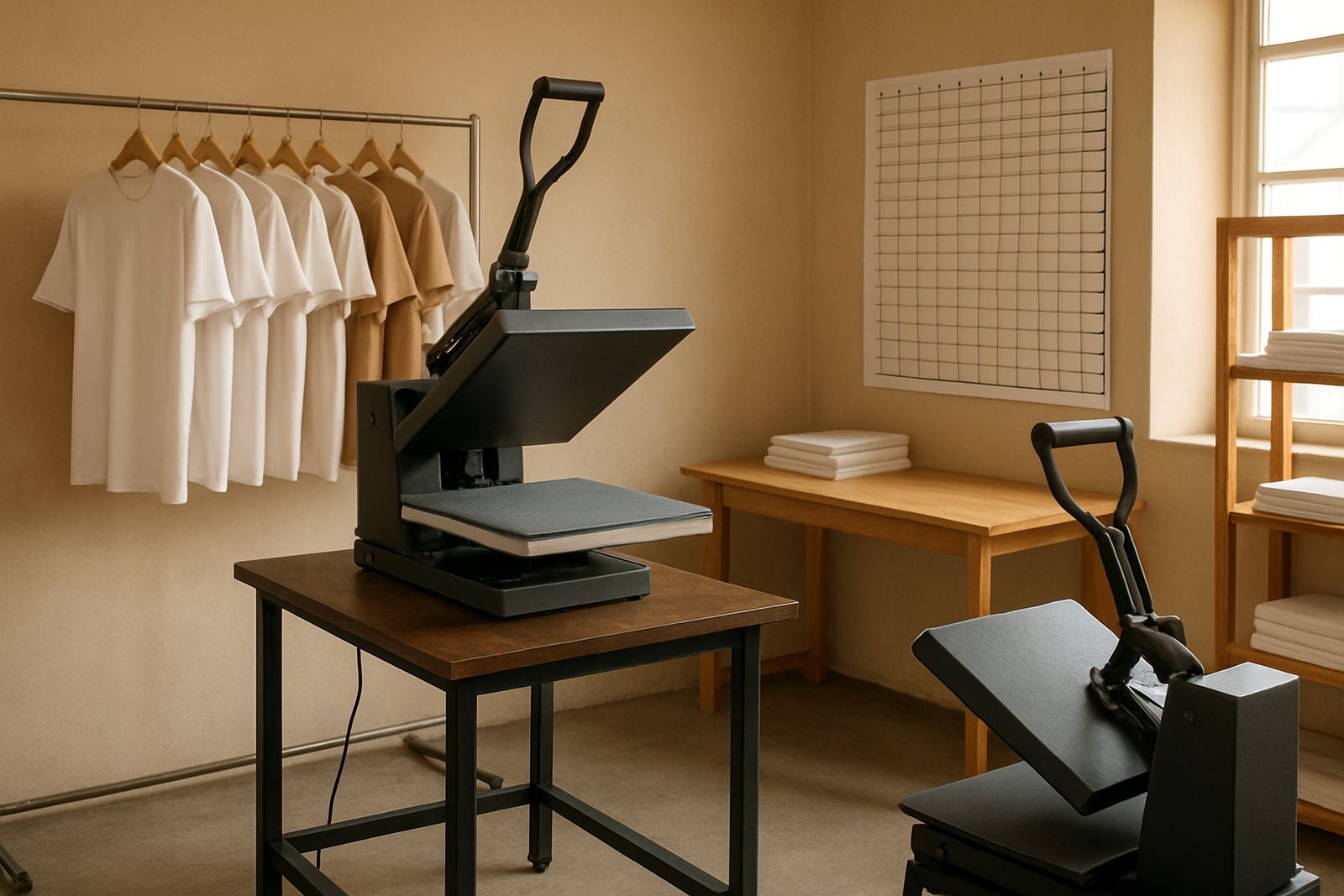
How to read these setup examples
Not every customer needs the same flat heat press, and that is usually where the best setup starts. A hobby user doing 10 shirts on weekends needs different guidance to a print shop running transfers all day, so these examples help you match the machine, the setup and the support to your actual workload.
Look at the production volume, the garment type and whether the user needed training, a quick repair or a full workflow change. That makes it easier to choose the right service path before you place an order or book an installation.
First-time press users starting in small spaces
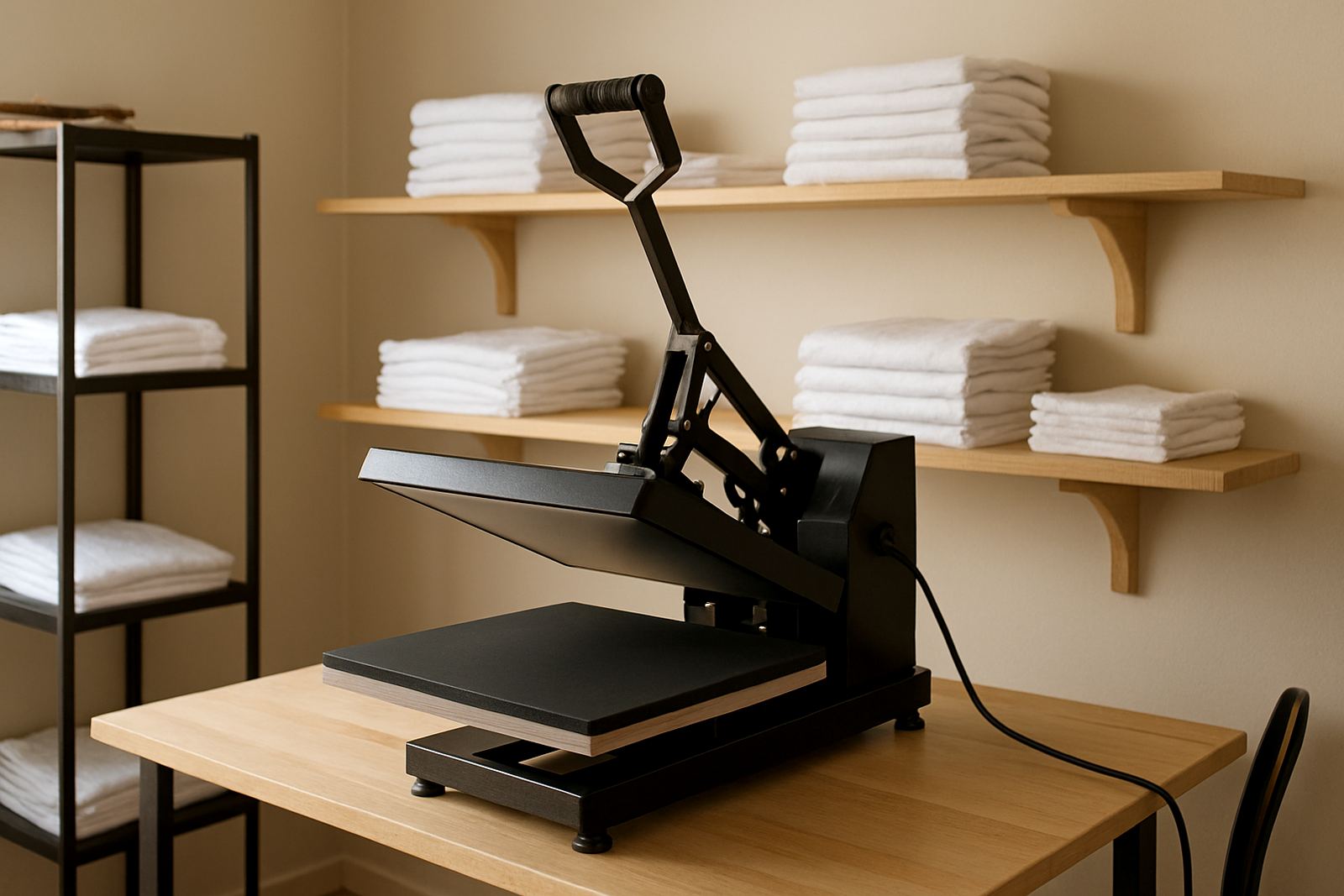
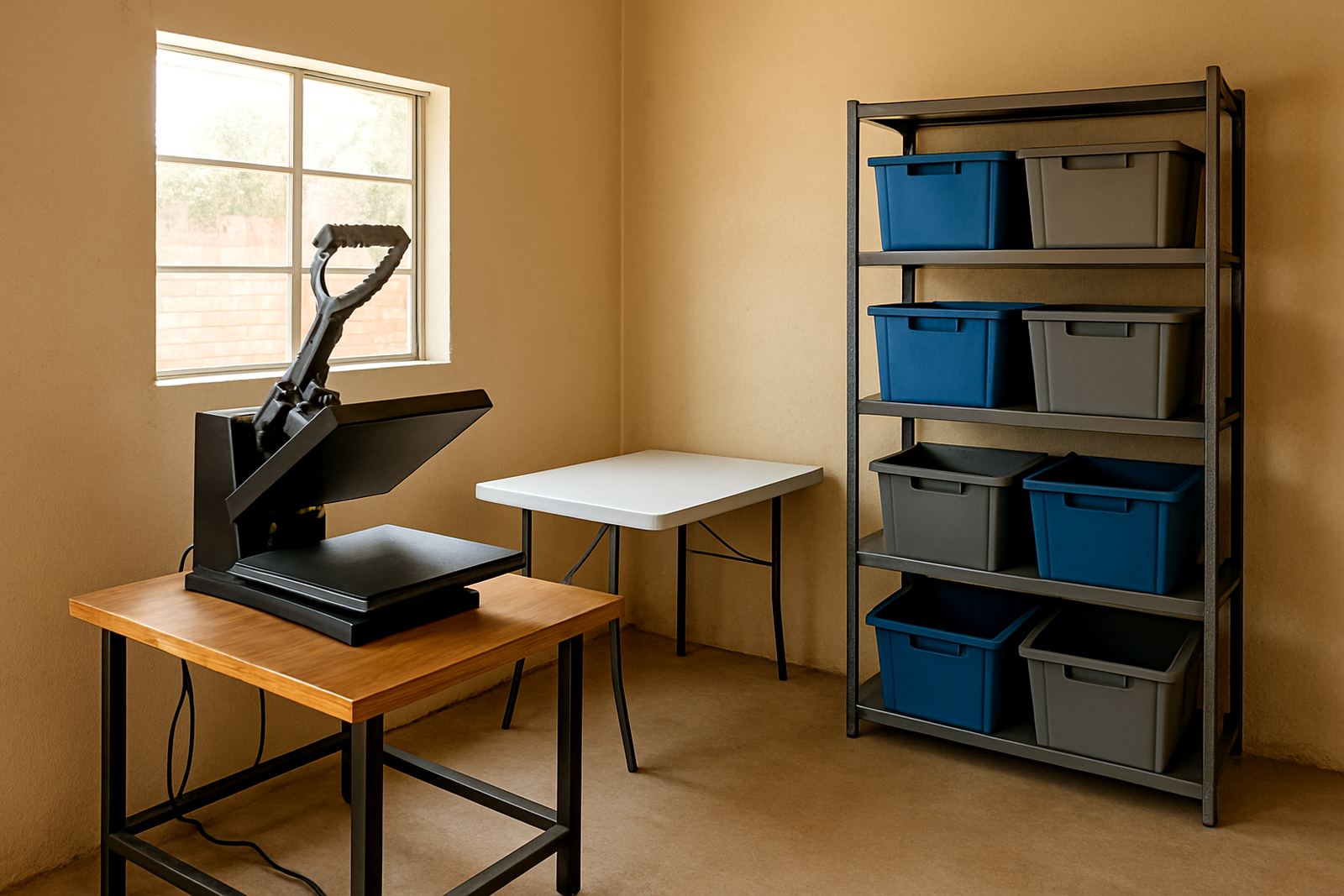
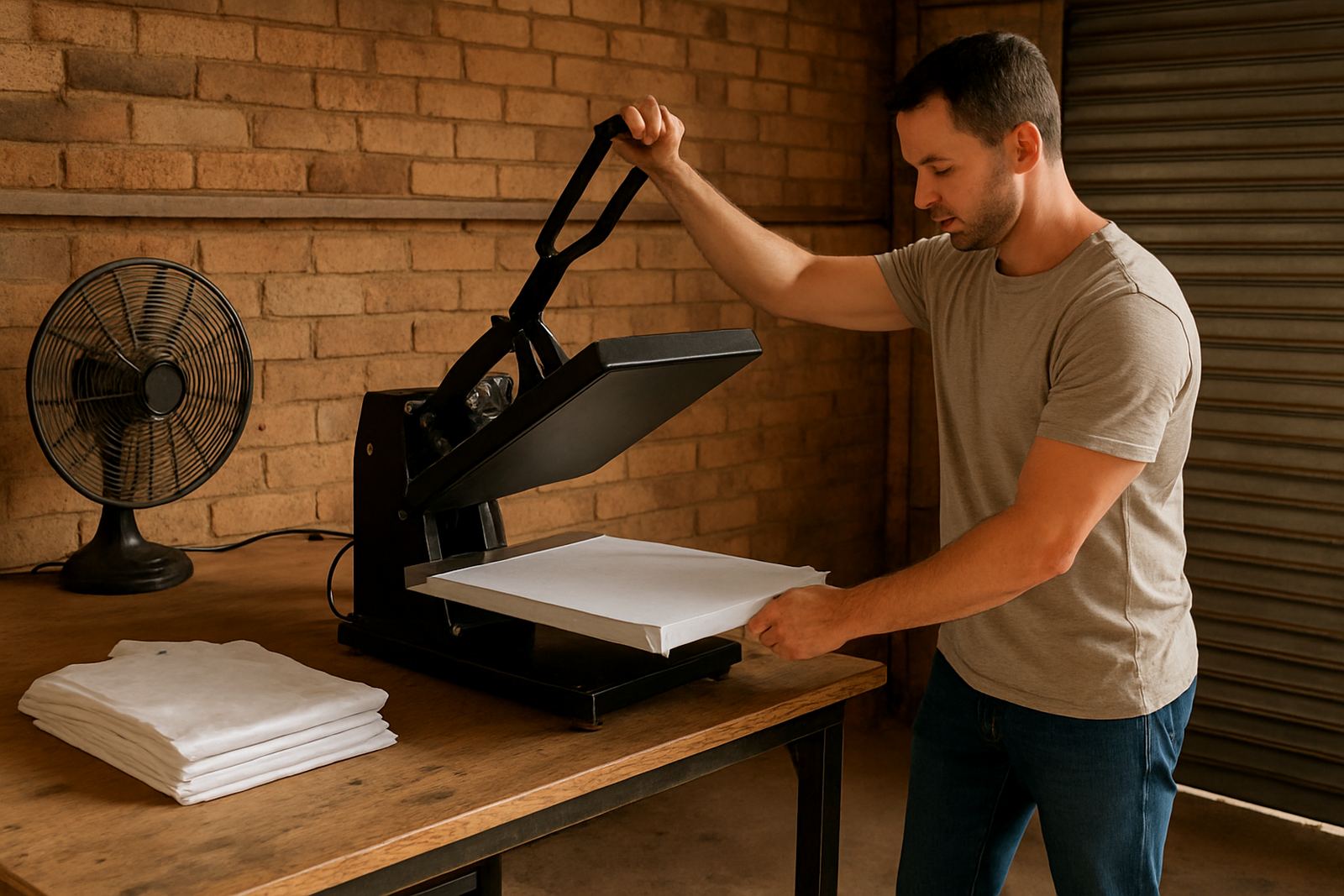
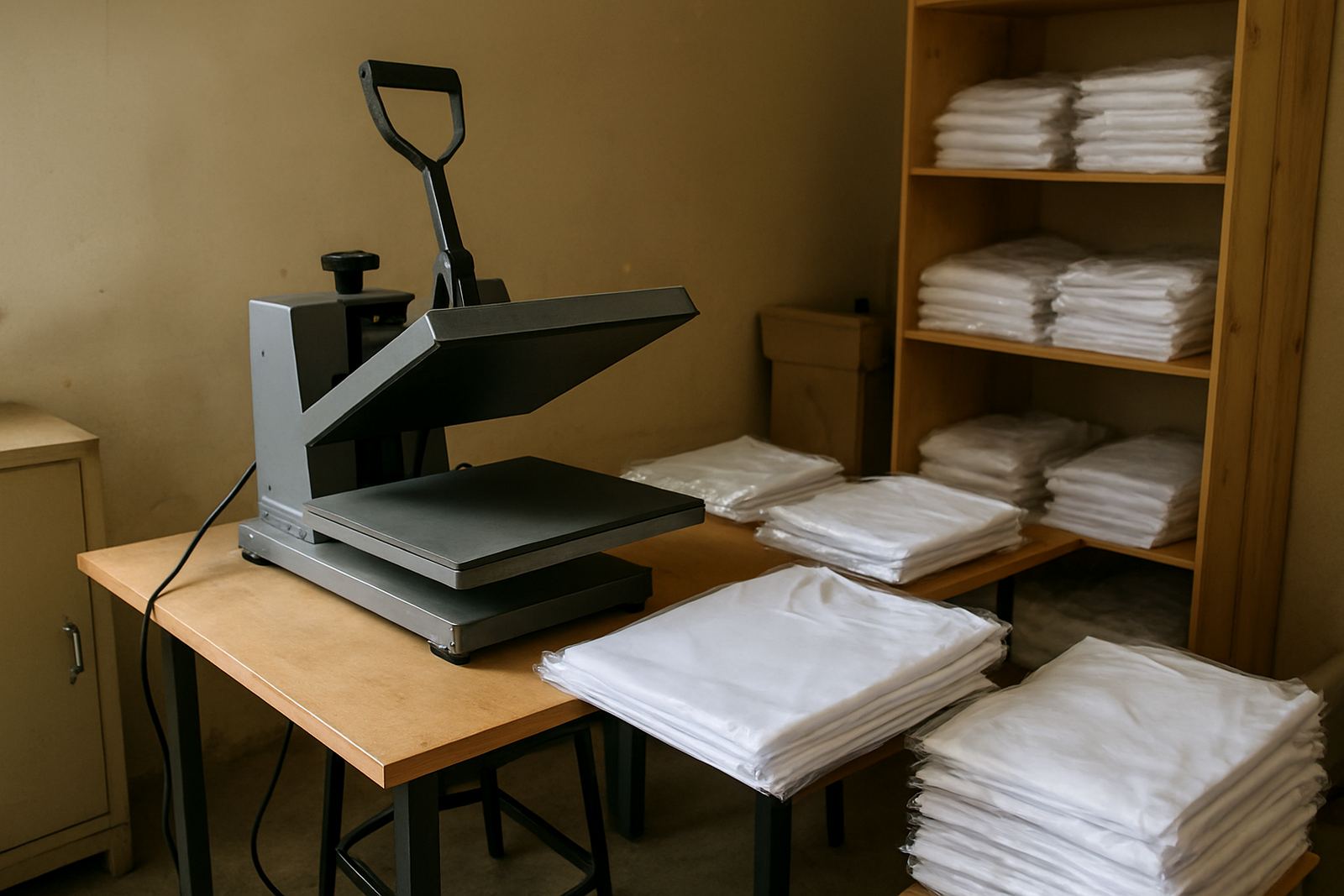
We often work with people setting up in spare rooms, garages or a small corner of a retail unit in Midrand, Pretoria or the East Rand. They usually need clear temperature settings, a solid base, and simple instructions on how to avoid scorching, ghosting or uneven pressure on light and dark cotton shirts.
- Machine placement that suits the room and the power point
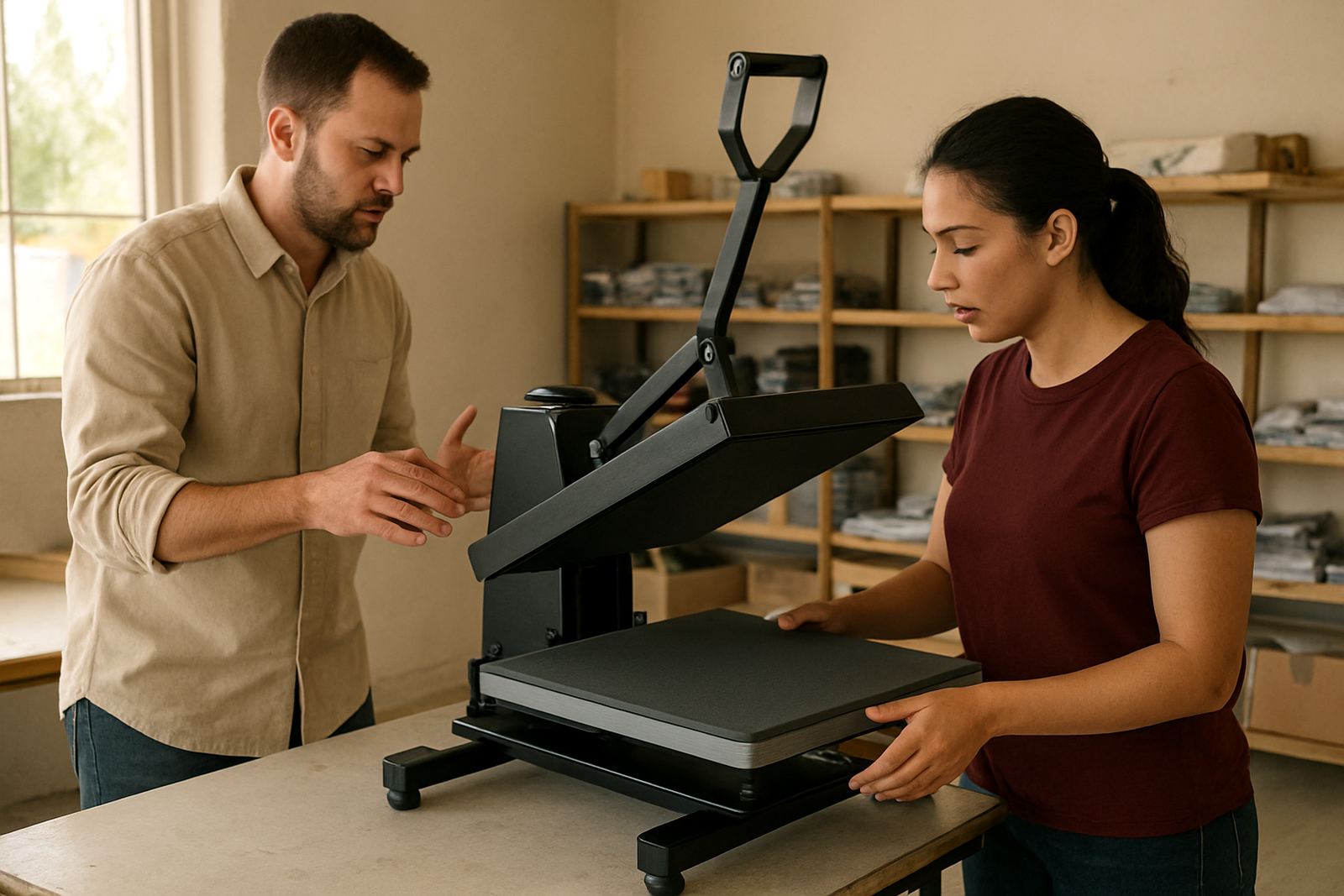
- Basic operator training for time, temperature and pressure
- Starter checks on pads, covers and controller readings
- Advice on handling load-shedding without losing production time
A proper start-up session saves a lot of trial and error, especially when someone is new to transfers and just wants consistent results from day one.
Busy print shops needing faster turnaround
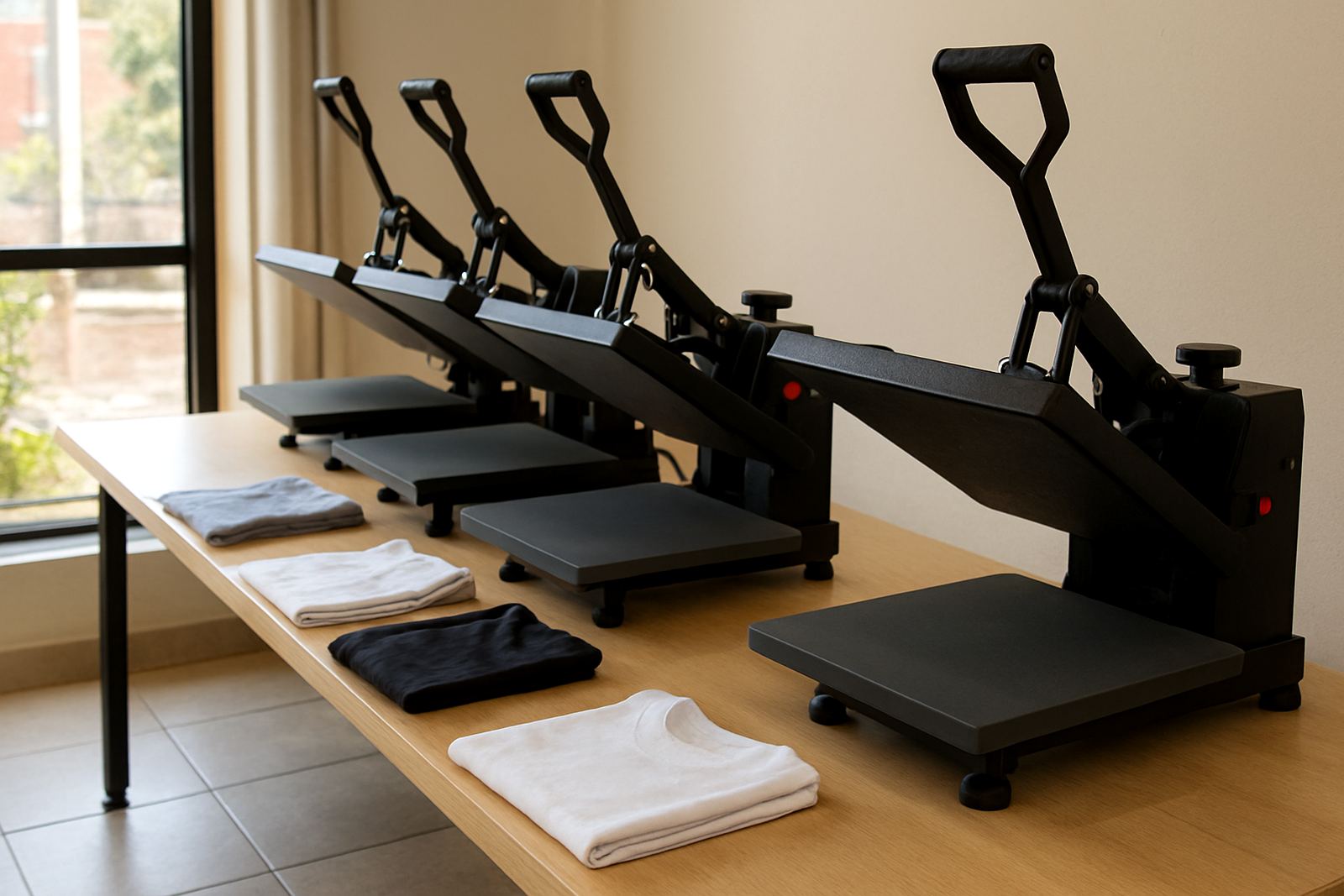
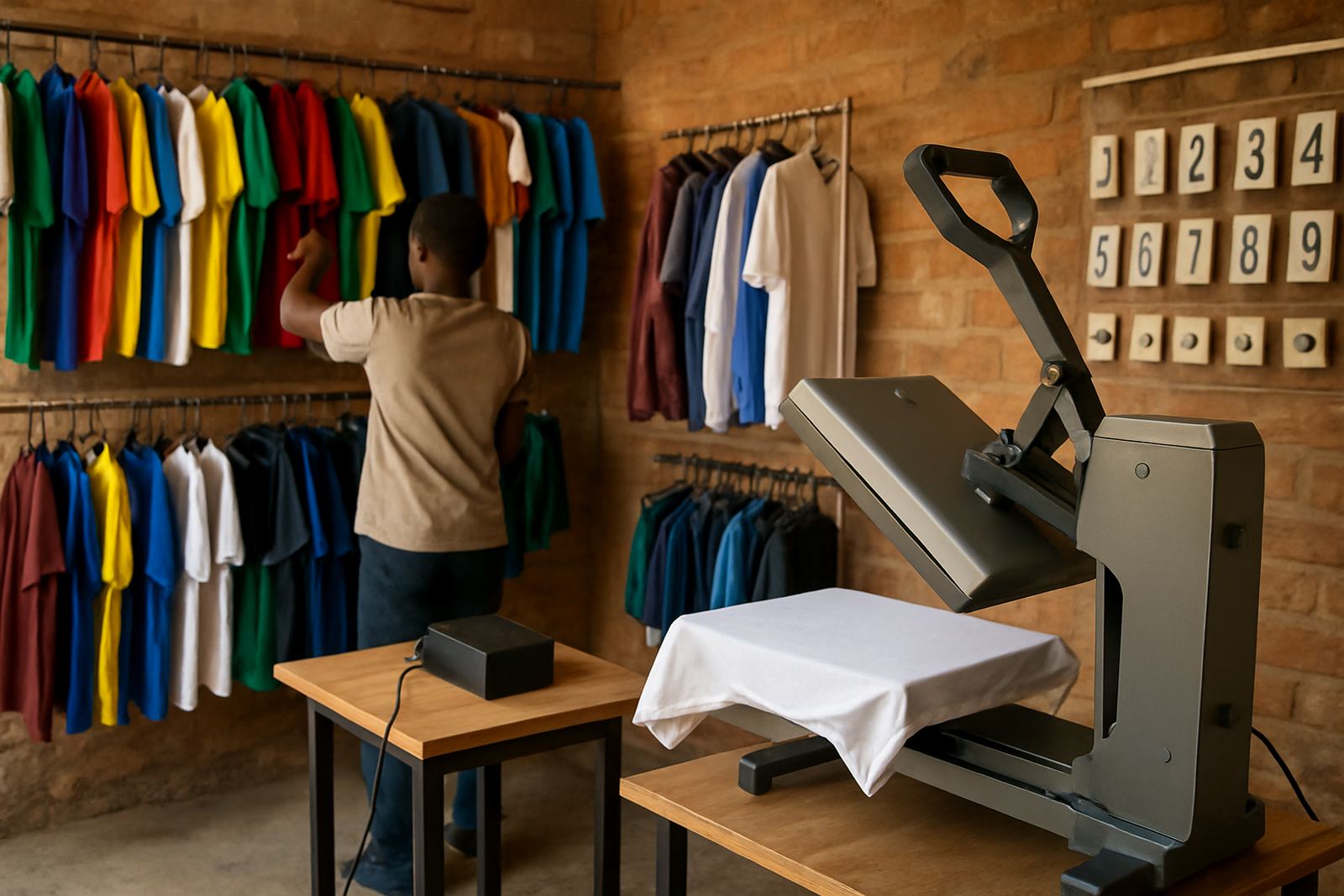
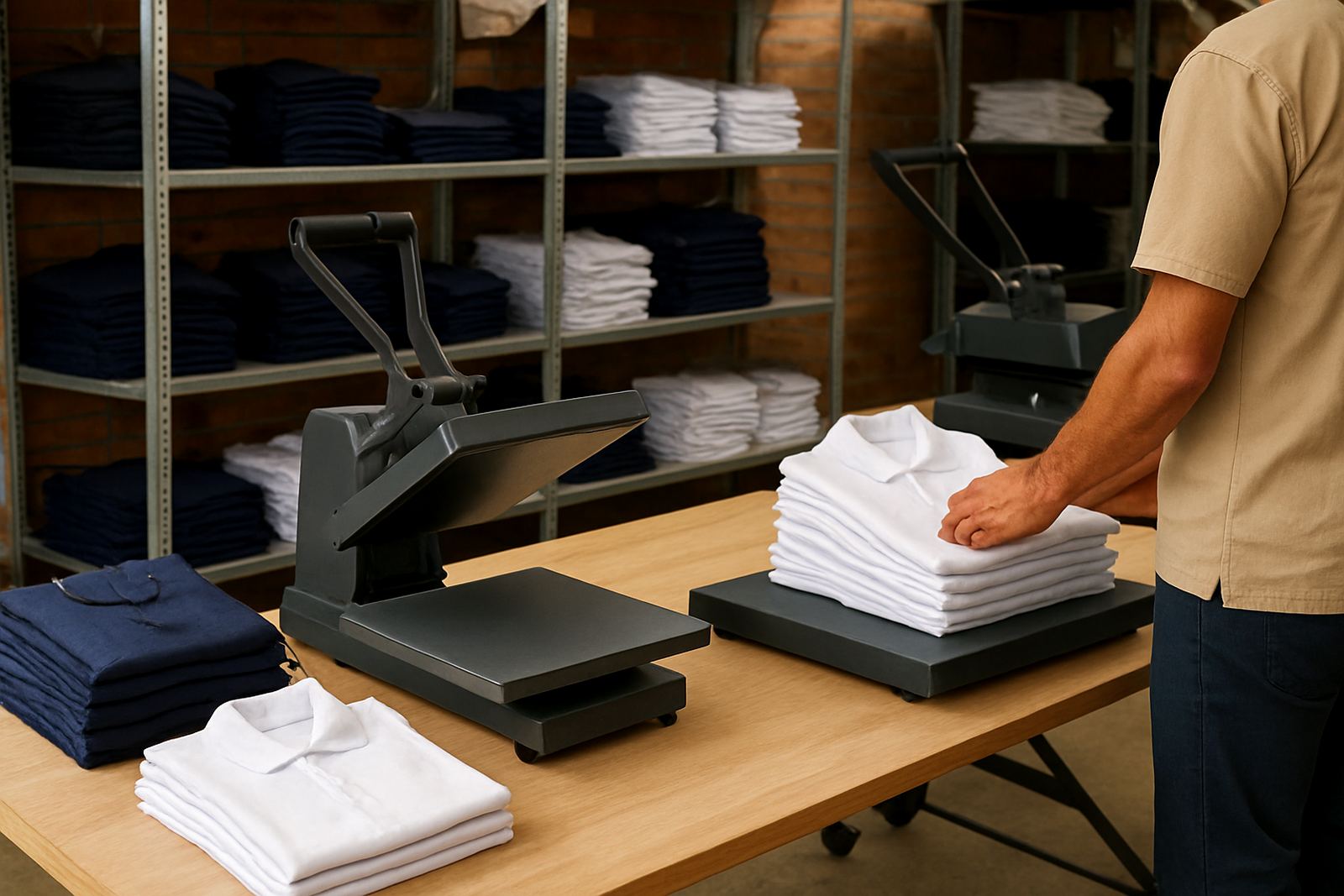
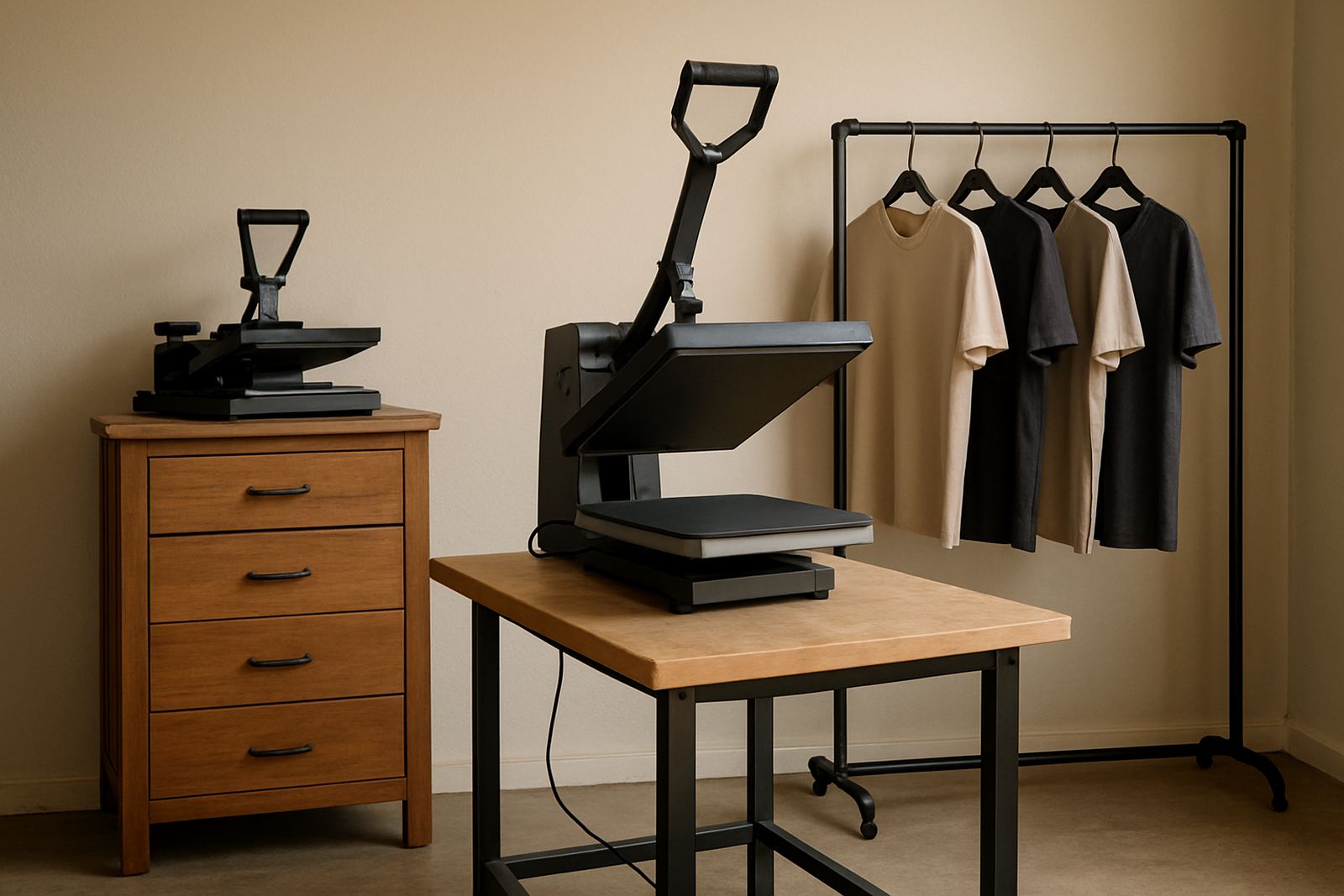
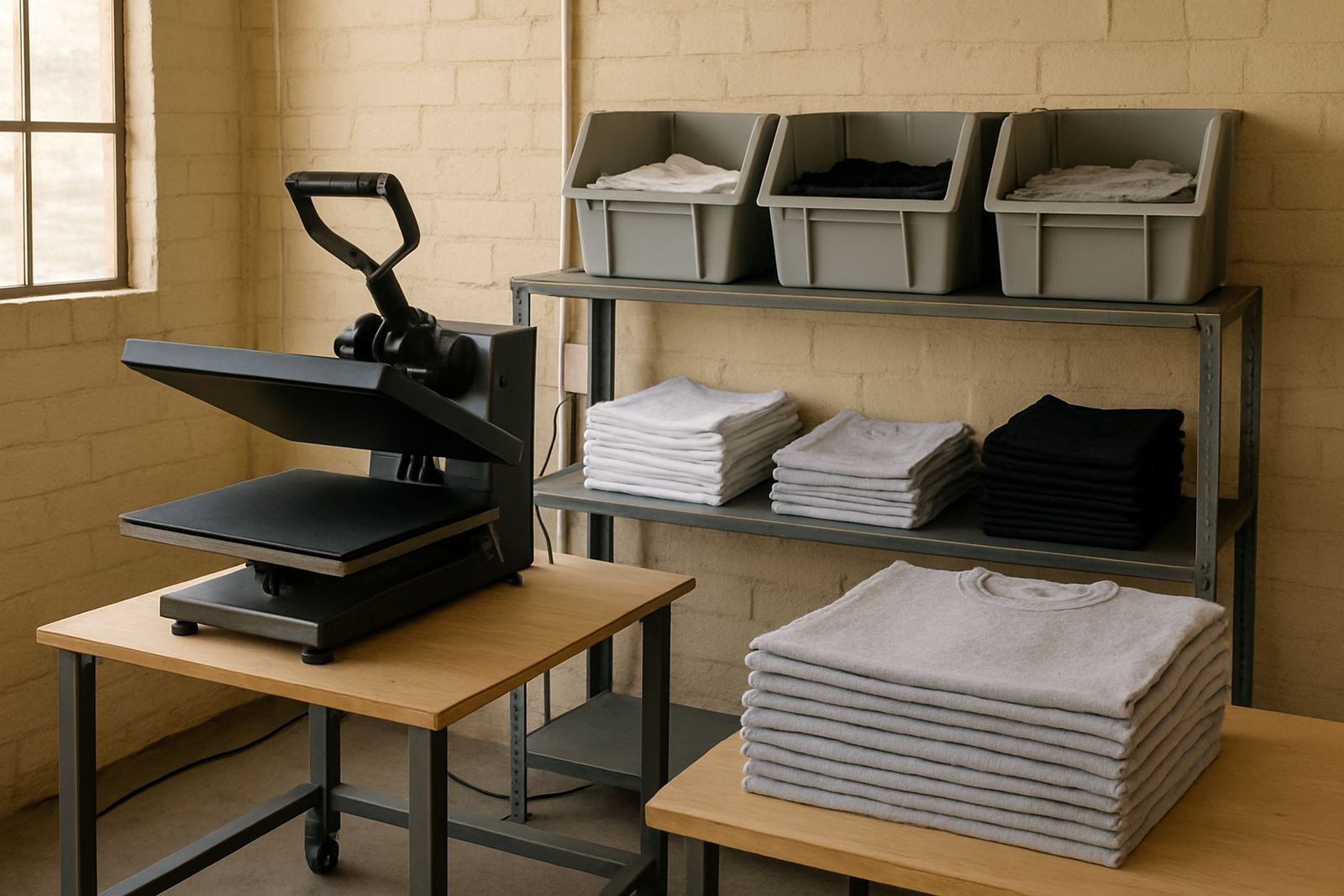
In Johannesburg, Durban and Cape Town, many customers come to us once the press becomes part of a daily workflow. At that point the issue is not only getting the machine running, but keeping it accurate through long shifts and back-to-back orders. A small drift in temperature or pressure can show up quickly on a busy production floor.
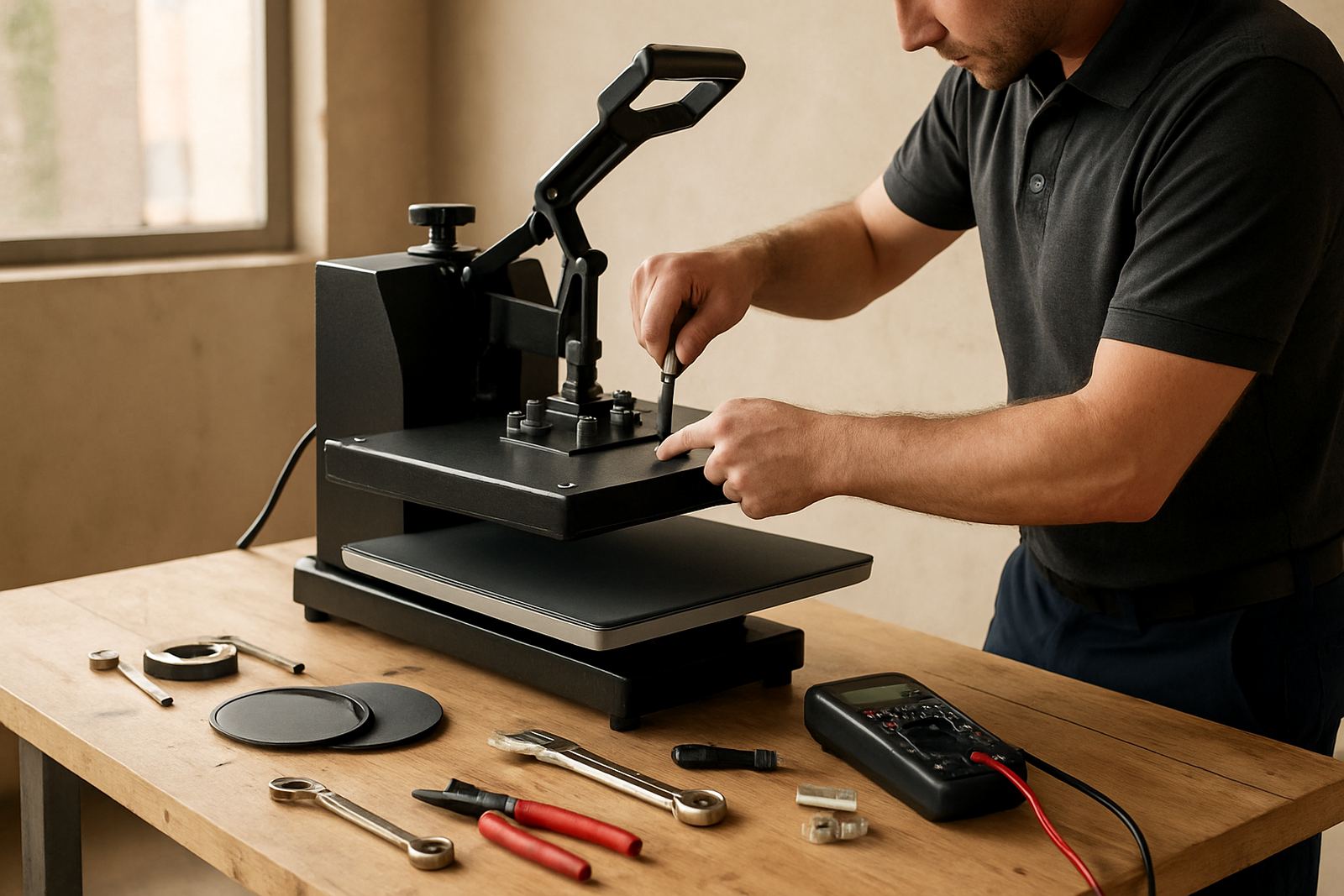
For those setups we focus on repeatability, spare parts on hand and practical operator routines. That may include checking the heating element, confirming pressure across the platen and showing the team how to spot wear before it becomes a stoppage.
- Pre-use checks before the first job of the day
- Temperature checks with a simple log sheet
- Pressure adjustments for thicker garments and transfer papers
- Preventive servicing to reduce downtime
Coastal and inland conditions call for different care
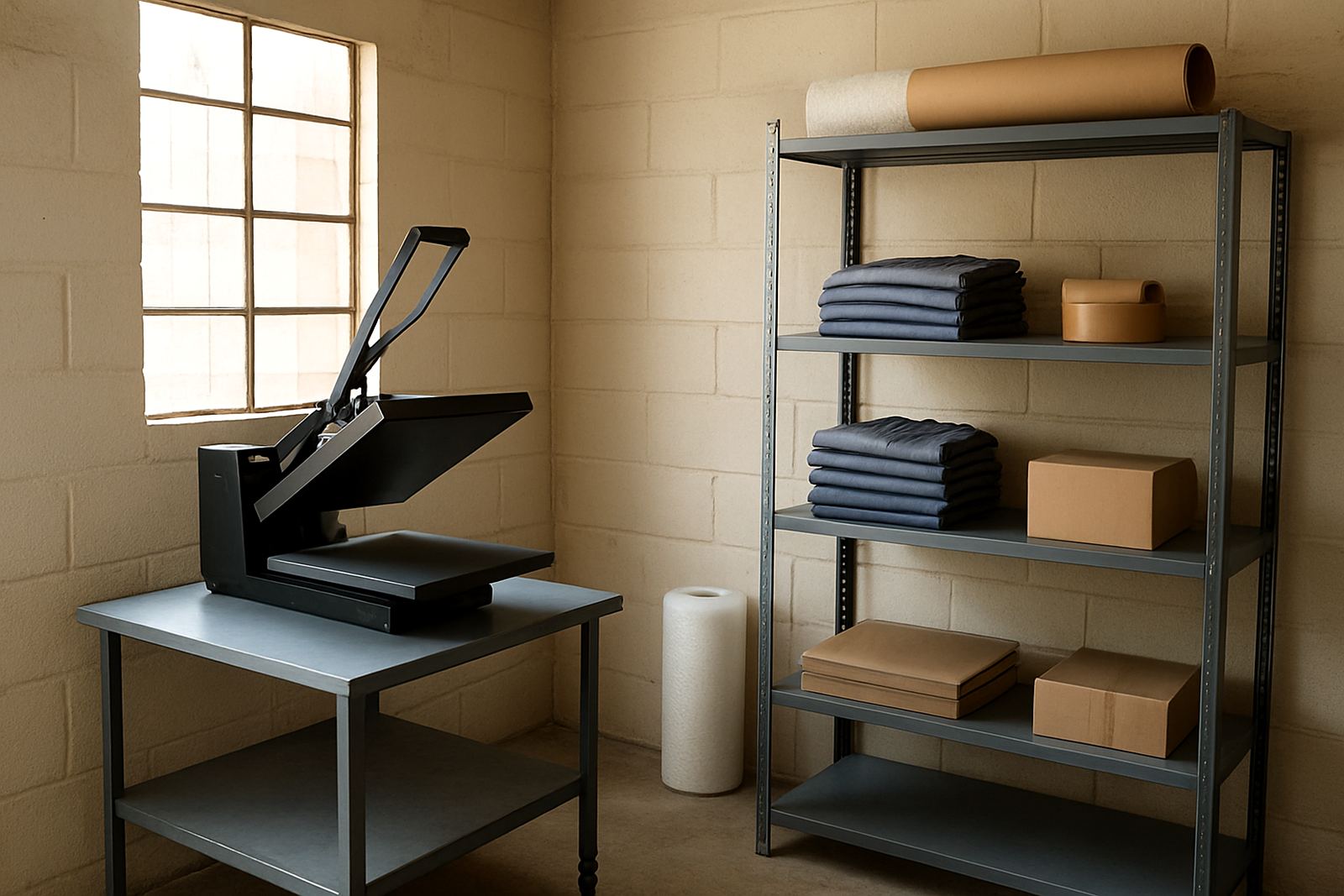
Conditions matter. A machine running in Durban faces coastal humidity and salt in the air, while a unit in Bloemfontein or parts of Gauteng may deal more with dust and dry heat. These differences affect covers, pads, connectors and how often a unit should be inspected.
That is why some customers ask for a once-off setup while others book follow-up support after the machine has settled into daily use. We can also guide users on safe storage during long power cuts, and on keeping the platen surfaces clean so transfers stay neat and predictable.
Training that matches the operator, not just the machine
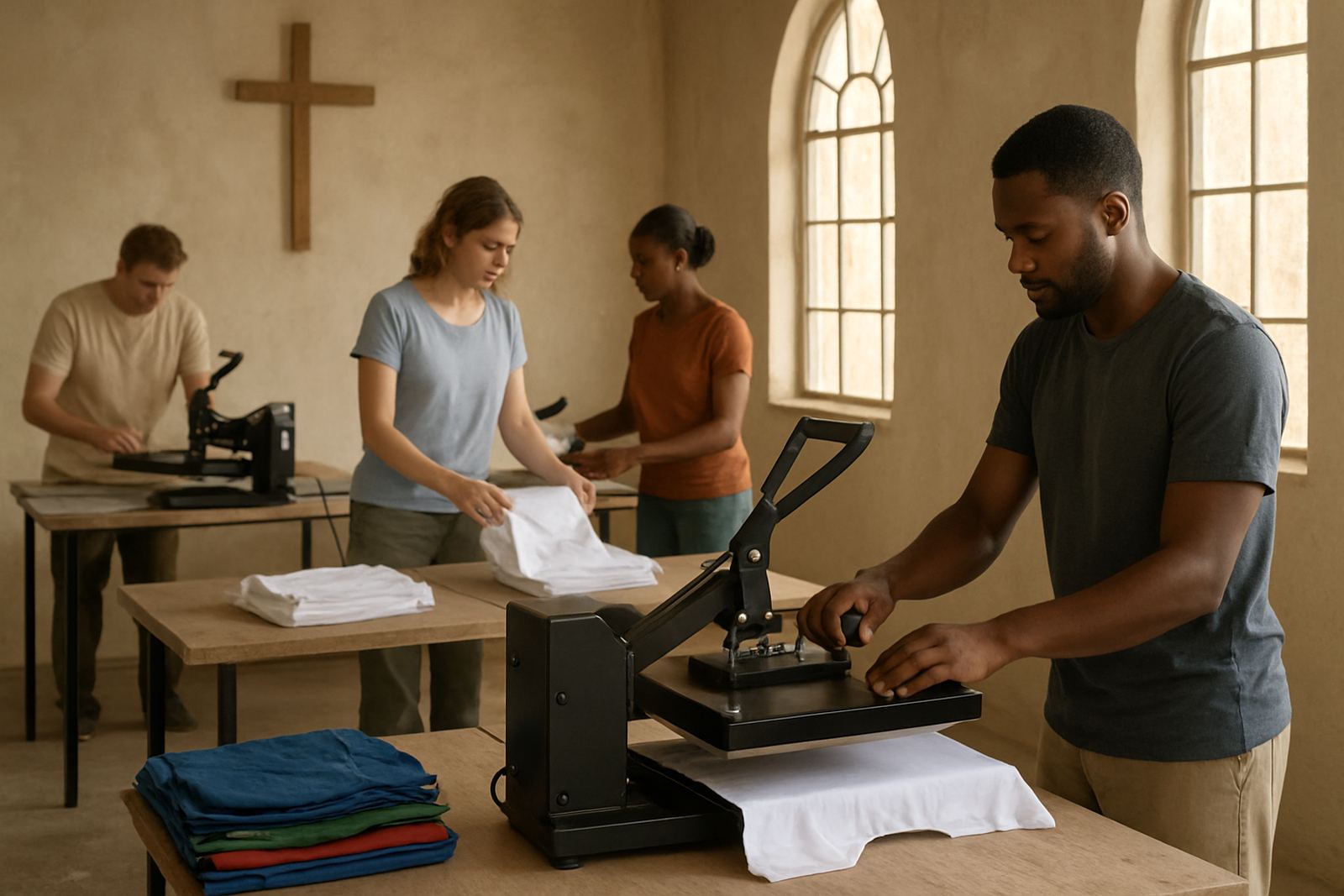
Good setup work includes training the person who will actually use the press. A machine can be mechanically sound but still produce poor results if the operator rushes the dwell time or uses the wrong pressure for a transfer. We keep the training practical, short where it needs to be, and focused on the work the customer does most often.
Training is especially useful when a business has more than one operator. Different shifts, different habits and different levels of experience can all affect output, so we make sure the process is simple enough to repeat without guesswork.
- Intro training for new owners and hobby users
- Refresher sessions for expanding print teams
- Fault spotting so operators know when to call for support
- Basic care routines that protect the press and the artwork
How support continues after the first installation
Once a press is set up, customers often need follow-up help with spares, element replacements, controller repairs or pressure changes after months of use. That is part of normal ownership, especially where the machine is running every day and the workshop is trying to keep orders moving through load-shedding and tight deadlines.
Our Midrand base supports customers across Gauteng and nationwide by courier, with phone support for quick checks and workshop attention when a part needs repair. If a unit goes down, a loan unit can sometimes help keep production moving while the main machine is being sorted.
Choosing the right setup path for your workshop
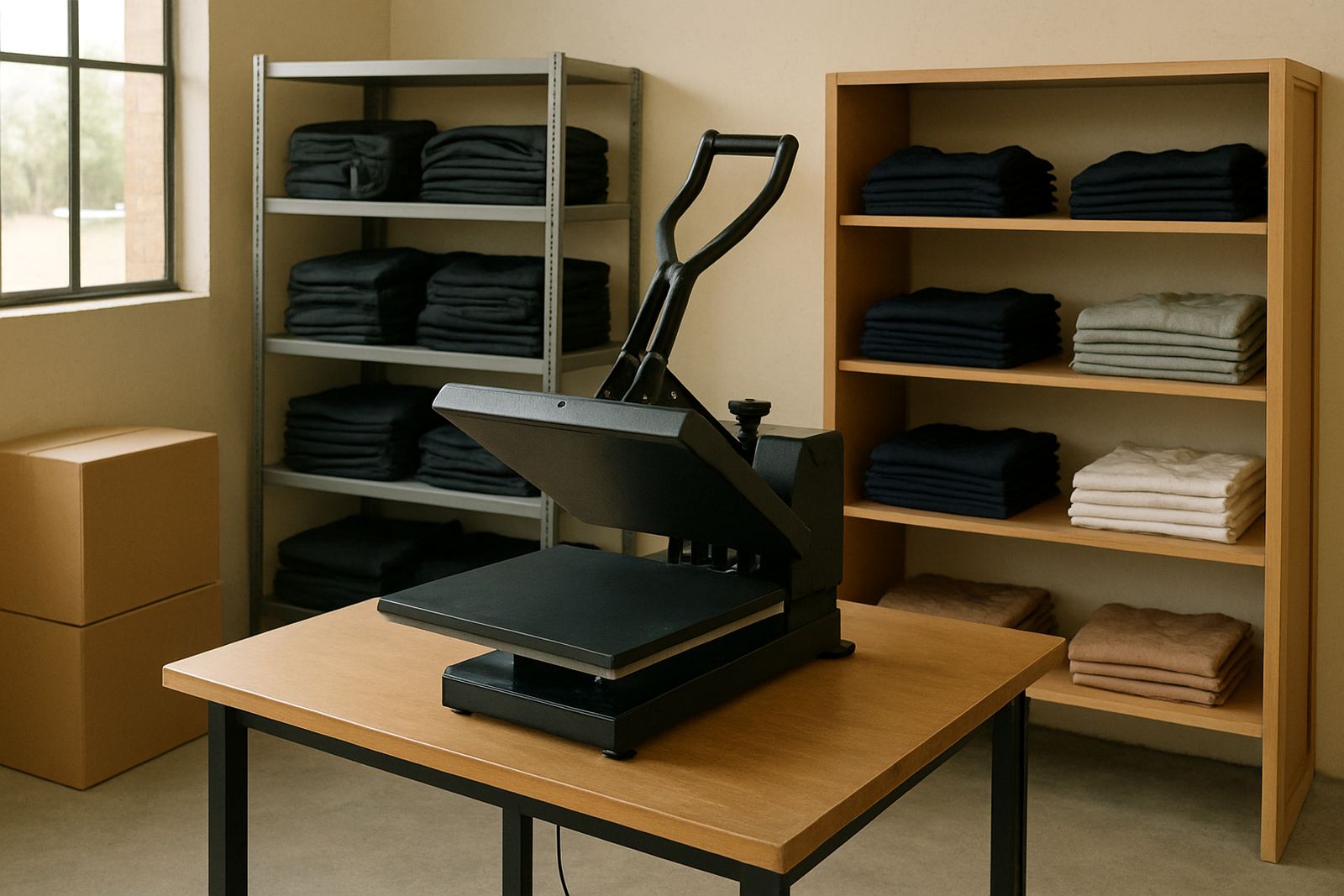
If you are unsure which route fits your operation, start with the kind of work you do most often. A small home user needs guidance on space and power, while a growing shop may need a full setup visit, training and a spares plan. The best setup is the one that matches your volumes, your staff and the way your business actually runs.
Compare options before you make a decision by looking at common installation and support situations. You can see what may suit your own workshop in Johannesburg, Pretoria, Midrand or further afield.