

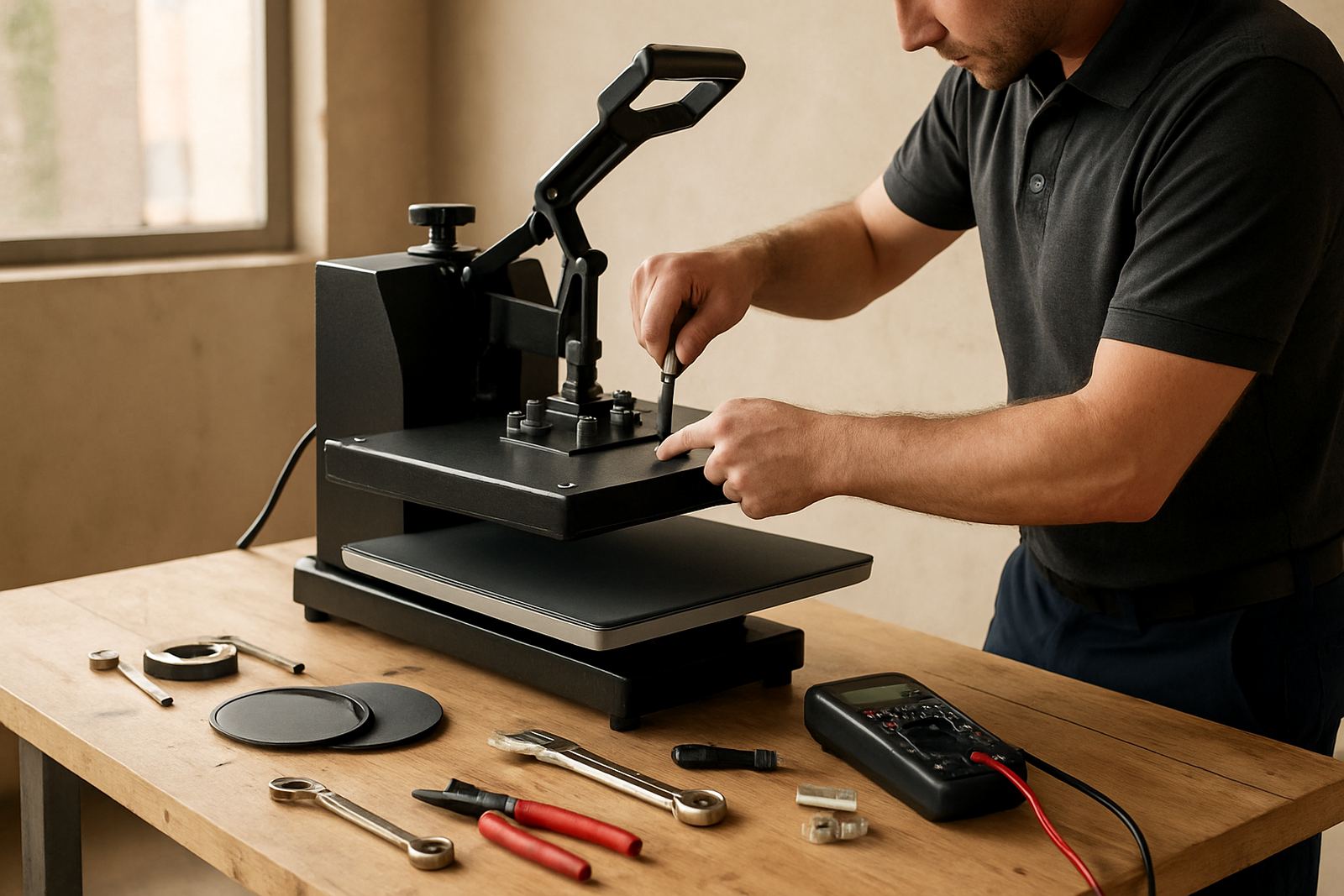
Why scorch marks show up on T-shirts
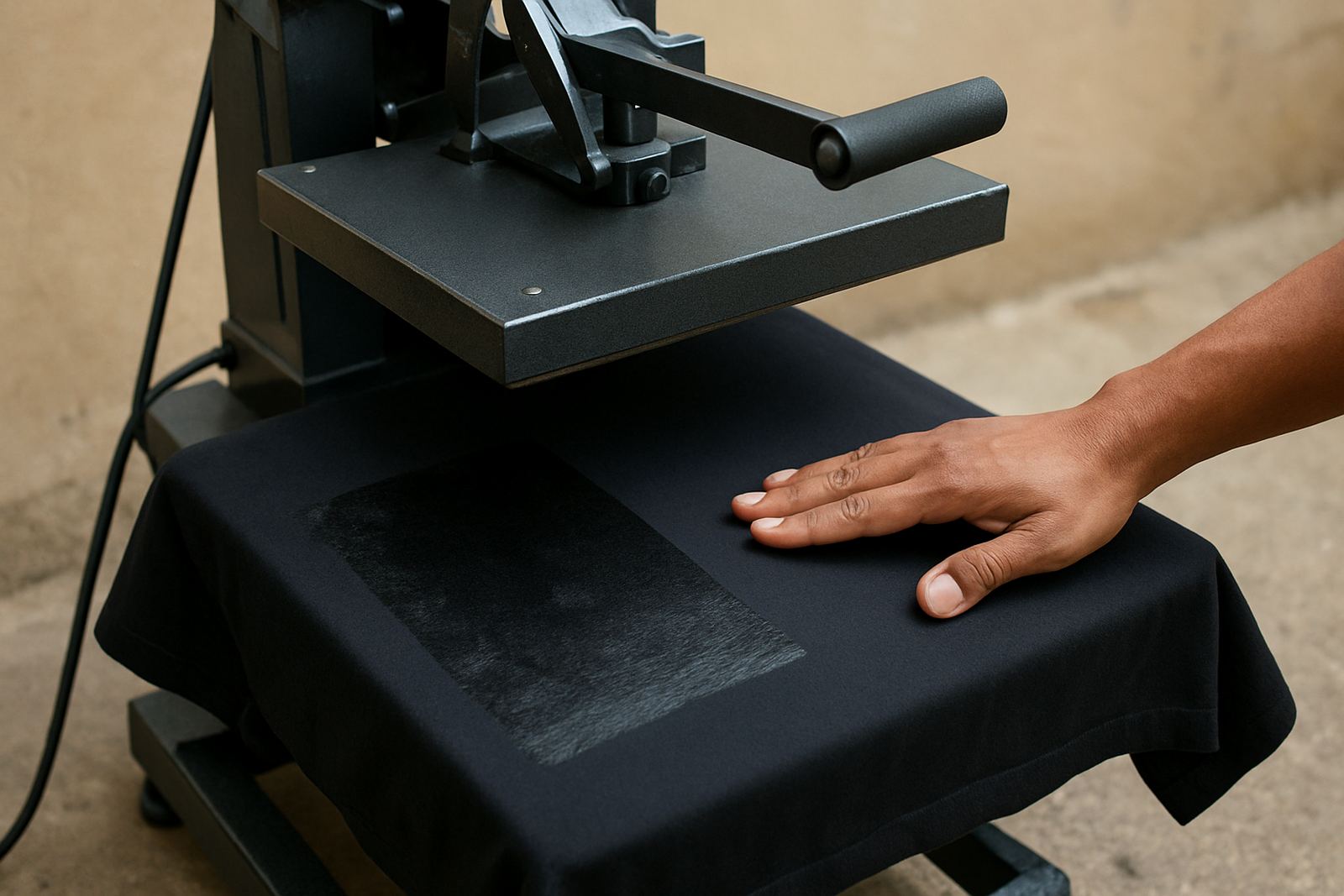
Scorch marks happen when the fibres of a garment are exposed to too much heat for too long, or when the pressure is too hard for the fabric type. On cotton, you may see a brown patch or a dull shine. On blends and synthetic materials, the problem can look worse because the surface melts or hardens faster. In South Africa, this often shows up in small print shops that are rushing jobs during load-shedding windows, when operators are trying to finish a batch before the power cuts again.
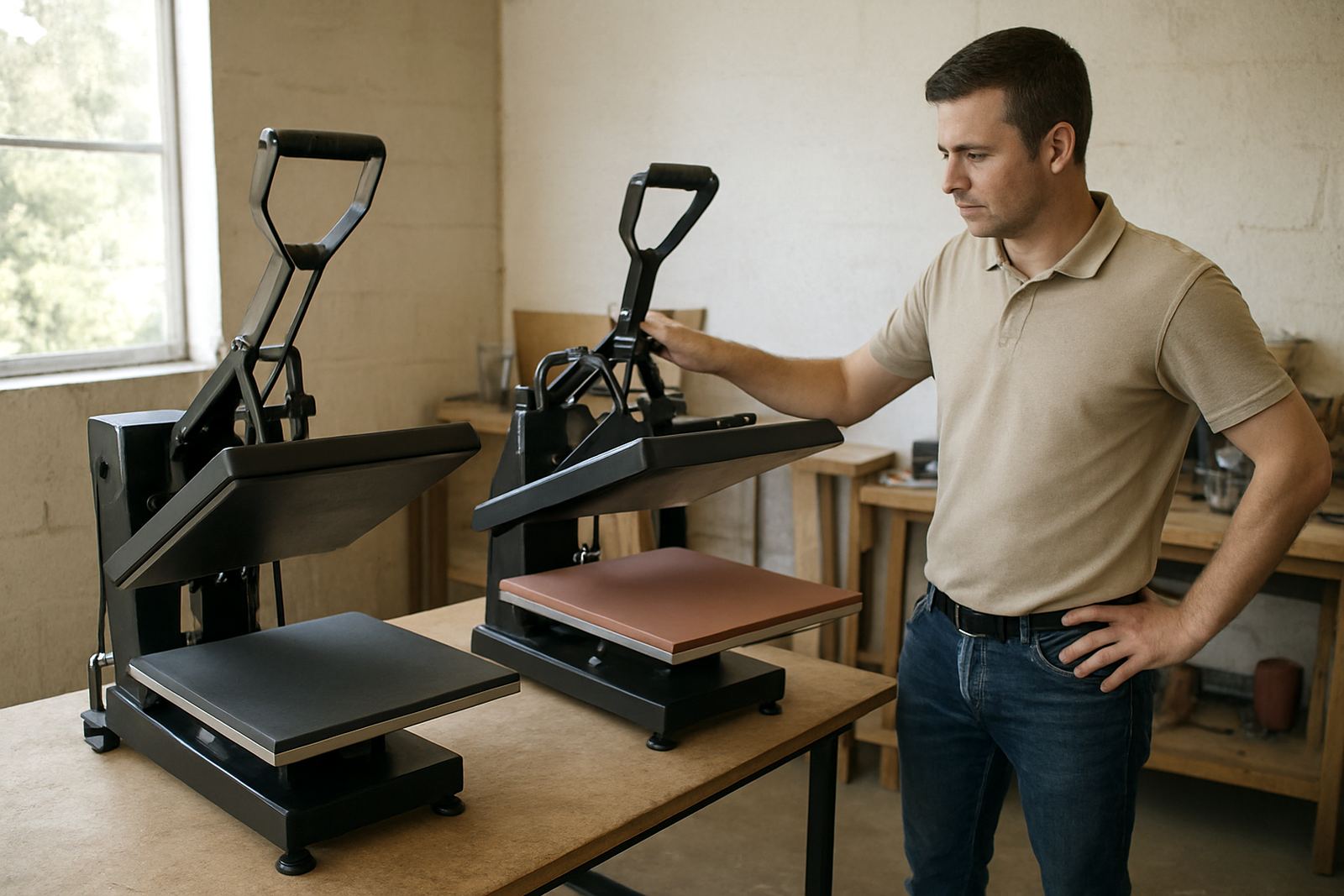
The mistake is not always the heat setting itself. A press can be set correctly and still mark garments if the lower platen is worn, the cover is dirty, or the machine is sitting slightly uneven. A heat press should close squarely and evenly, with pressure spread across the full surface. If one side bites harder than the other, scorching can happen on one corner before the rest of the shirt is even ready.
Heat, dwell time and pressure work together
Most scorch damage comes from a combination of three things: temperature, time and pressure. People often focus only on temperature, but that is only one part of the problem. A transfer that needs 12 seconds at a given setting can still scorch a shirt if the operator leaves it down for 15 seconds or turns the pressure up too high. On lighter fabrics the damage can happen fast, sometimes in a single extra second.
- Too much heat can dry out or discolour fibres.
- Too much dwell time can create shiny patches even at the correct setting.
- Too much pressure can flatten the weave and leave a permanent mark.
- Too little pre-pressing can trap moisture and cause uneven heating.
Moisture is another factor many people miss. A damp garment may steam under the platen, then the fibres suddenly dry out and mark unevenly. That is common in Durban and other coastal areas where humidity stays high for much of the year. If shirts are stored in a warm storeroom or brought in from a delivery box in the heat, give them time to settle before pressing.
Fabric type changes the risk
Not every shirt can take the same treatment. Heavy cotton usually tolerates more heat than thin polycotton, while some polyester items can glaze or show heat marks with very little warning. Dark fabrics often hide mild shine at first, but once the surface is affected it usually shows more clearly after washing. Brushed fleece, performance wear and lightweight fashion tees need extra care because the surface finish can be damaged quickly.
Before a full production run, test one garment from the same batch. Check the label, but also feel the fabric. A soft, open weave behaves differently from a compact knit. If the shirt already feels delicate, use a lower setting and reduce pressure where possible. This is especially important for schools, event wear and workwear orders where one bad press can affect a whole stack, not just a single top.
- Test new fabric batches before you press the full order.
- Keep a note of settings for each garment type.
- Separate cotton, polycotton and performance wear jobs.
- Watch for shine on dark, smooth fabrics after the first press.
Surface problems on the press itself
A heat press is only as even as the surface under the garment. If the platen cover is thin, worn or marked, heat may transfer unevenly. That can leave a rectangle, a shadow or a patch of shine on the shirt where the machine touched harder than it should have. A silicone pad that has gone soft or compressed over time can also cause hot spots and pressure faults.
We see this often when a press has been used hard in a busy shop without a proper service. Operators think the problem is the transfer paper or the vinyl, but the real issue is usually mechanical. A crooked frame, damaged element or poor pressure adjustment can make the machine behave unpredictably. On a job in Johannesburg South, one shop kept losing garments to corner marks until the platen alignment was checked and the cover was replaced. After that, the marks stopped. Simple fix, but it took a while to find.
Before blaming the material, inspect the machine:
- Check that the platen sits level and closes evenly.
- Look for worn covers, shiny patches or cuts on the pad.
- Make sure the pressure adjustment is set for the fabric thickness.
- Confirm the controller is reading temperature accurately.
How to prevent shine and scorching before the first press
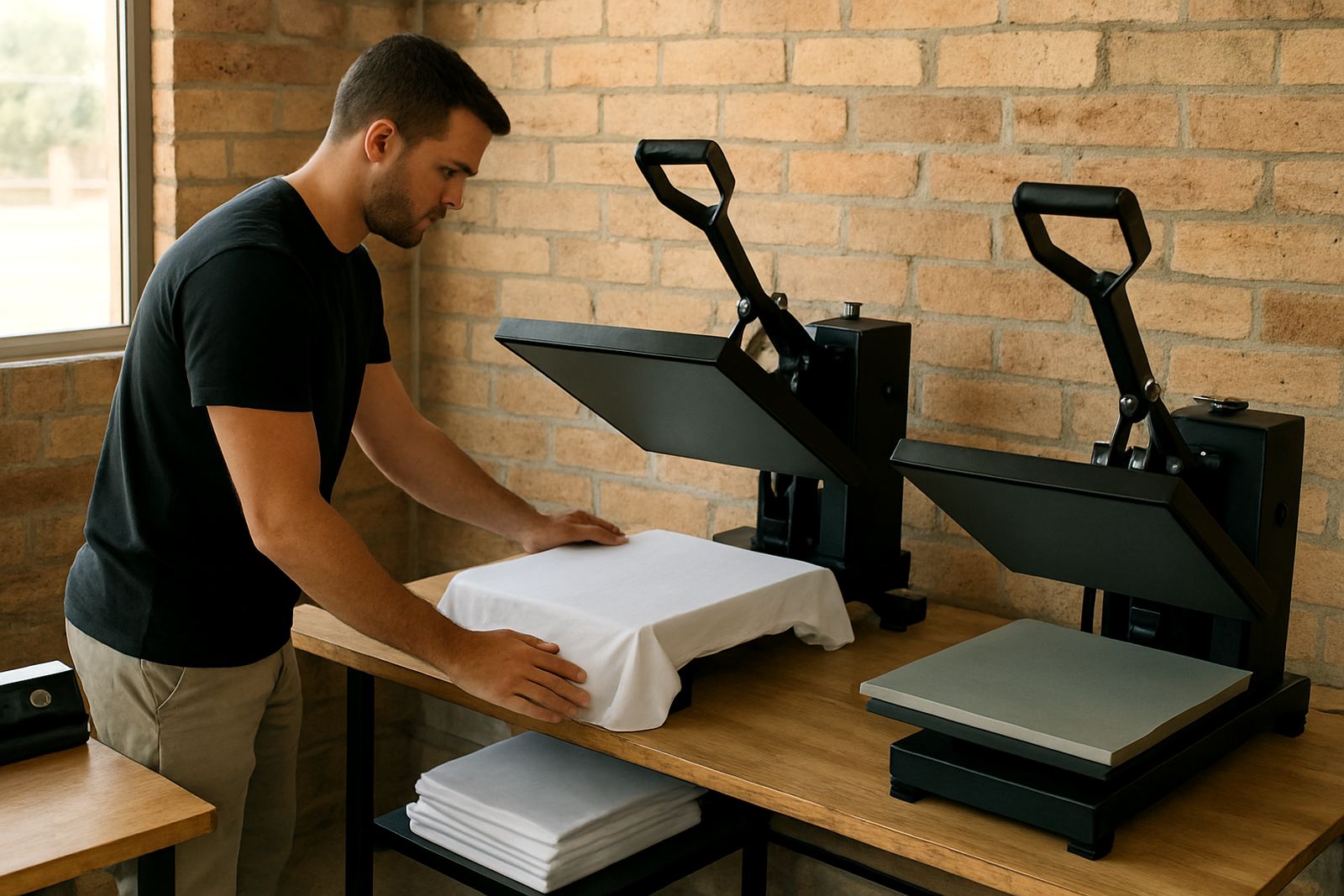
Prevention starts with setup and routine checks. A flat heat press should be warmed up fully before production, then tested with a sample garment or scrap fabric. If the reading on the controller does not match the actual platen temperature, adjust it before the first order goes through. An inaccurate controller can make a job look fine on Monday and fail by Wednesday, which is frustrating when you are working through a rush.
Training matters here as much as equipment. The operator must know how to judge pressure, not just press a button and hope for the best. A quick pre-press can remove moisture and creases, but it should be brief. Too long and you are already starting the scorch process before the transfer even goes on. If the artwork needs a second press after the transfer, keep it short and protect the garment with a suitable cover sheet.
Practical habits that help:
- Use a thermometer or calibration check when the machine has not been serviced recently.
- Keep a log of settings for each fabric type and transfer method.
- Replace tired covers and pads before they fail in production.
- Allow garments to cool between steps where the process calls for it.
When to stop and service the press
If scorch marks keep appearing even after you reduce heat and time, the press may need servicing. Repeated marks on the same side of the garment usually point to uneven pressure, a faulty element or a controller problem. If the machine takes too long to heat up, overshoots the target temperature or gives inconsistent results from one shirt to the next, it is time for a proper check.
For small shops in Midrand, Pretoria, Johannesburg, the East Rand or the West Rand, this can save a lot of wasted stock. For larger teams shipping work nationwide, it can save the entire day. We often see operators try to work around the fault by lowering the temperature too much, but that just creates under-cured transfers and more rework. A press should be set properly, not guessed at all day.
If you are not sure whether the issue is user error or machine wear, get the press checked before the next batch. A short diagnosis can pick up controller faults, damaged elements, pressure problems or a worn pad before they cause more spoilage. That is a lot cheaper than replacing a stack of shirts.
A local example from a busy Midrand print shop
A small garment decorator in Midrand called after a run of polyester tees started coming out with shiny patches across the chest. The team thought the transfer film was faulty. After checking the machine, we found the pressure had been set too tight for the fabric and the platen cover was already compressed in the centre. The operator was also leaving each shirt under heat a few seconds too long because the shop was trying to catch up after a power interruption.
Once the pressure was reset, the cover replaced and the team trained on a quicker press cycle, the marks stopped. The shop kept the same artwork, the same garment supplier and the same production target, but the results improved straight away. That is usually how scorch issues go. The fix is rarely one single thing. It is normally a mix of settings, surface condition and operator routine. Get those three right and most scorch problems stay gone.