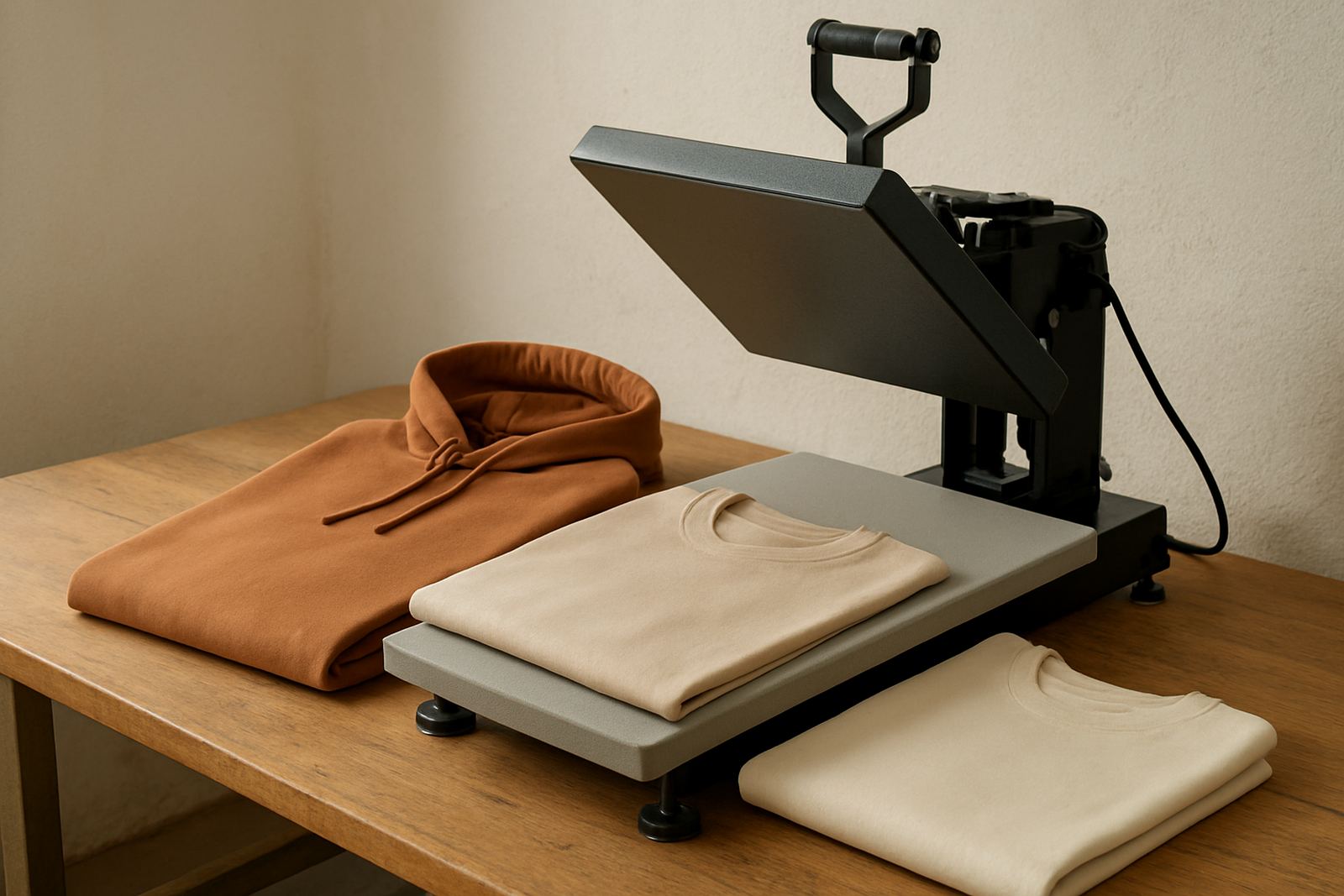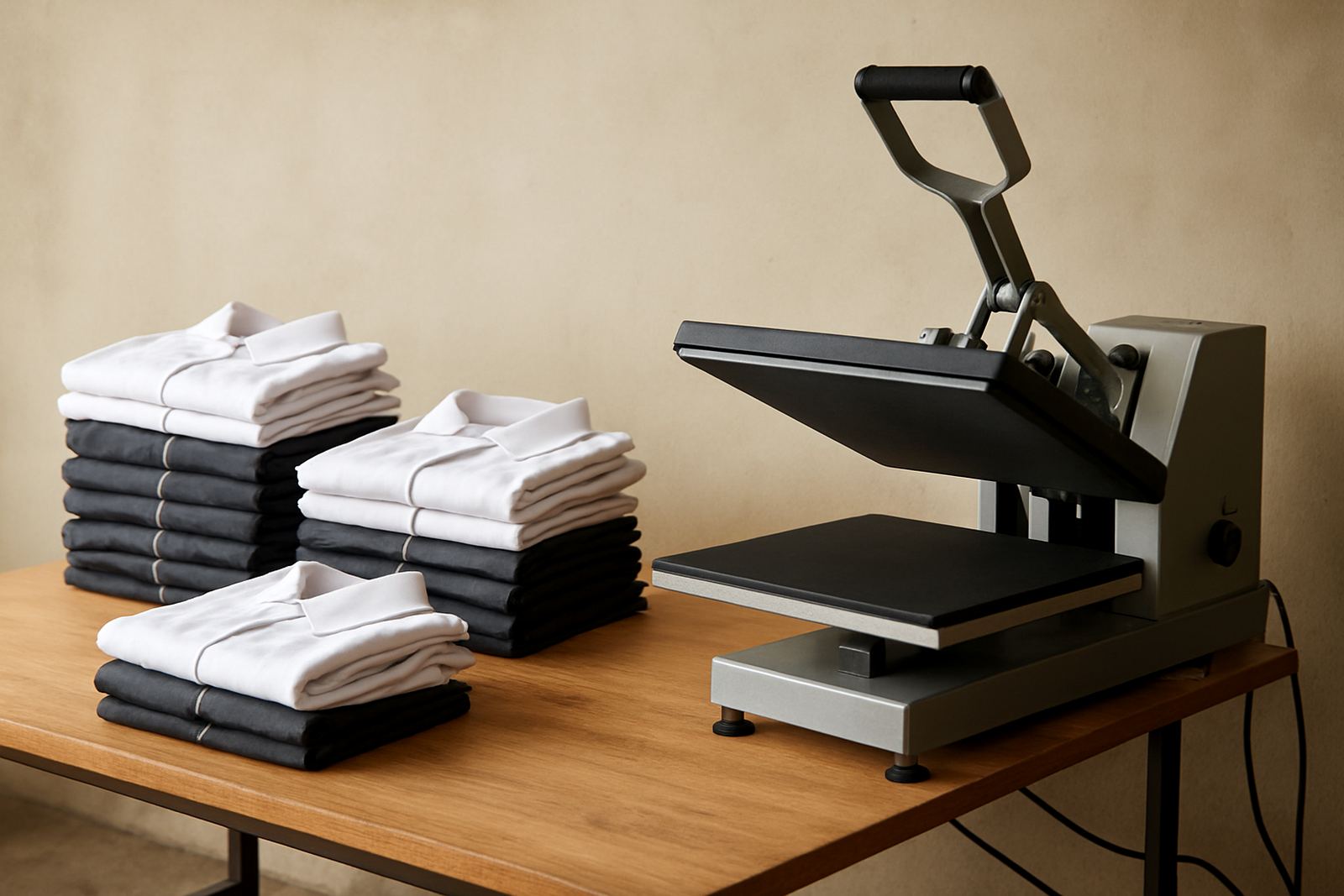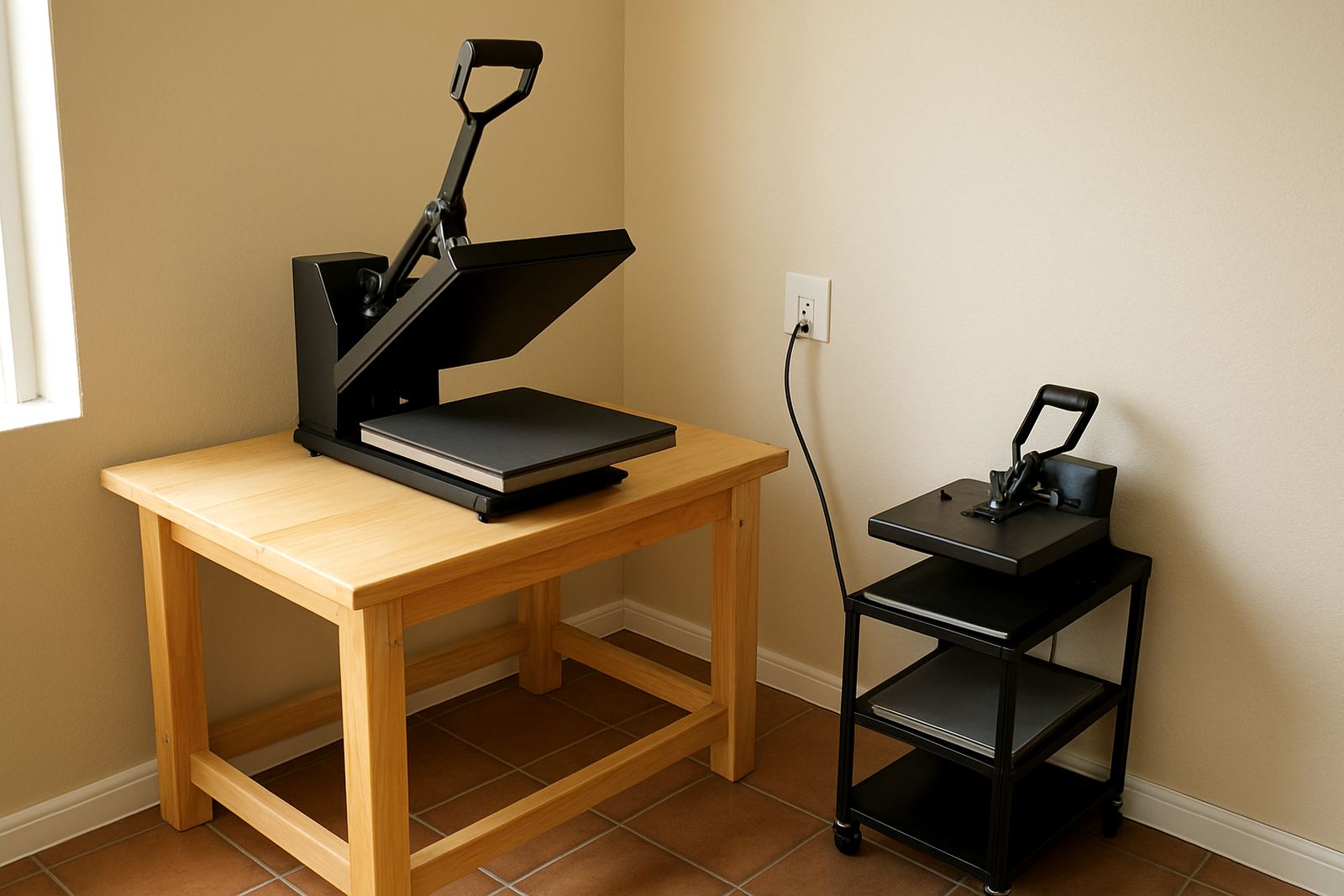

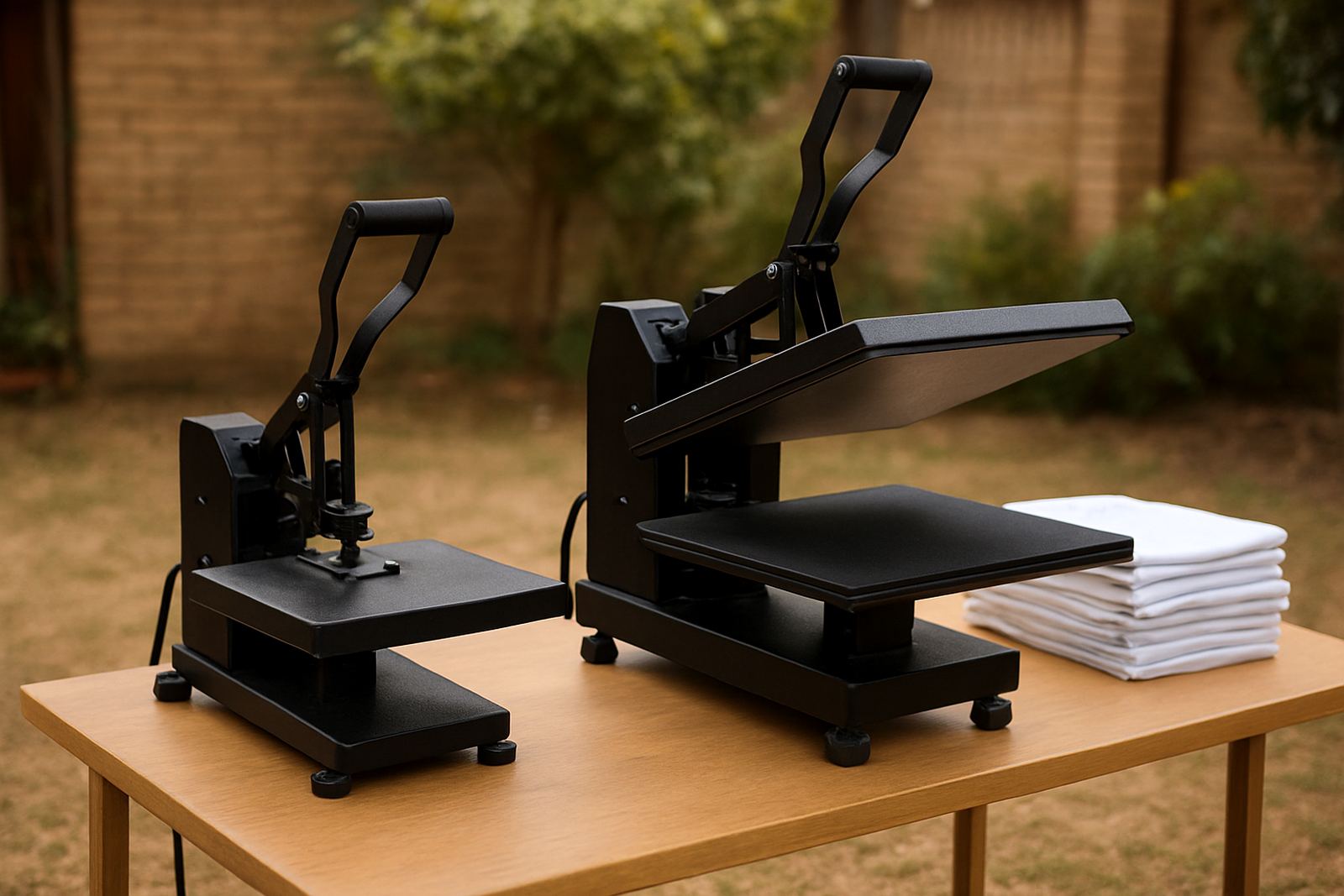
When the press starts costing you repeat work
The first sign is usually not a complete breakdown, it is inconsistency. If one shirt comes out right and the next one needs a second press, your machine is no longer giving you the control your work depends on. Small garment decorators often put up with this longer than they should, especially when orders are still manageable and every rand matters. But once you are pressing the same transfer twice, cleaning up lifting edges or replacing spoiled blanks, the machine is already affecting margin.
In a busy shop, a small temperature drift or uneven pressure can turn into a full batch problem. That matters whether you are doing 20 school shirts in Randburg or 200 event tees for a client in Midrand. If you are seeing more rework, more complaints or more time spent checking each press, the machine is telling you something.
- Transfers lifting after cooling
- Prints that look dull or patchy on one side
- More operator judgement needed just to get a consistent result
- Extra passes to make a print bond properly
Production growth changes the kind of heat press you need
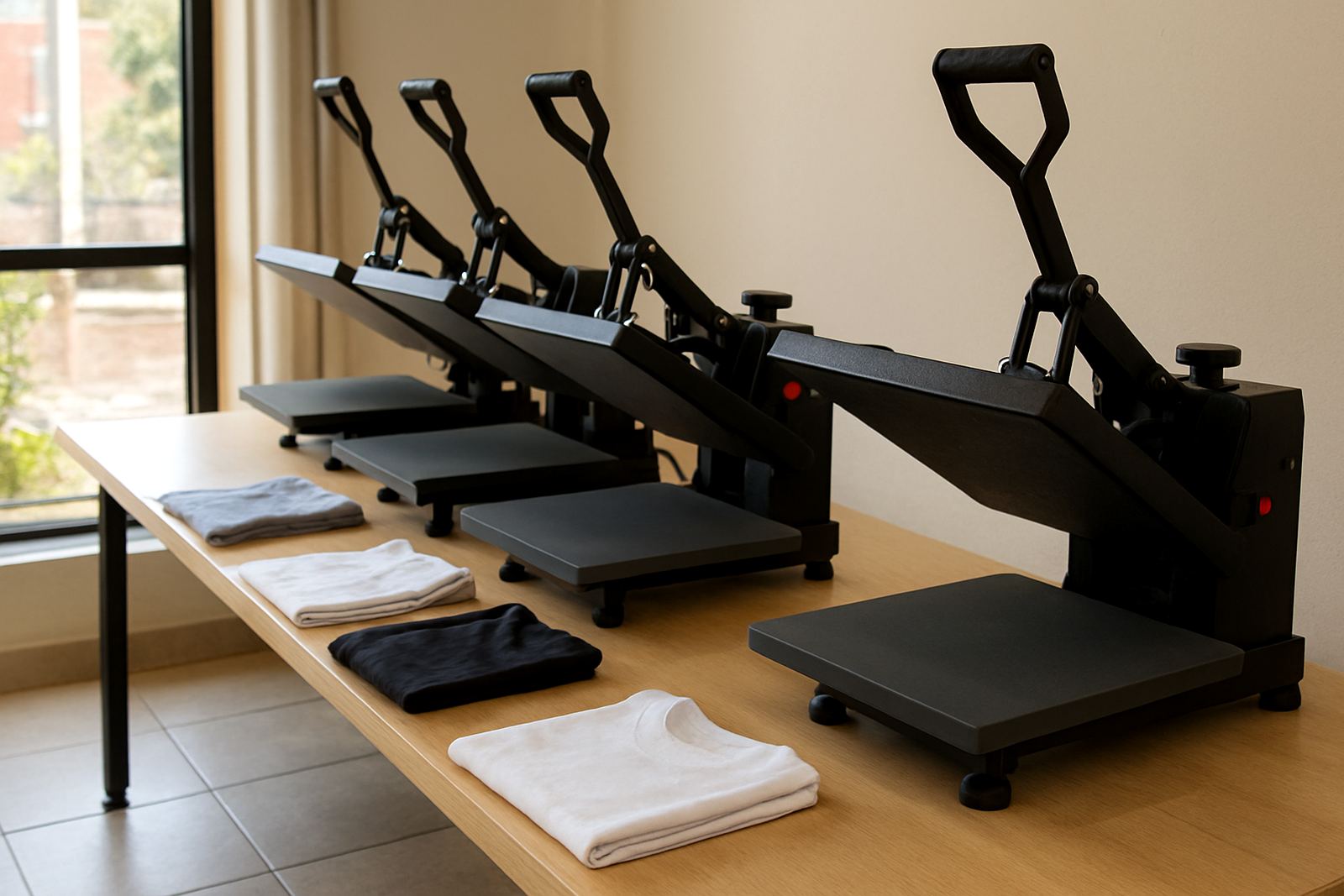
A press that suited weekend orders or a small home setup may become the bottleneck once you start taking repeat corporate work, schoolwear or retail orders. Growth does not always mean buying a bigger machine on day one, but it does mean matching equipment to actual output. If your current unit is taking too long to cycle, has a small platen that forces awkward placement, or slows down longer runs, your turnaround suffers.
For many shops, the real problem is not capacity alone. It is consistency under load. A machine that behaves well on a few items can struggle when it is run hard through the day, especially in workshops where load shedding, fluctuating power and heat build-up in the room all play a part. In coastal areas like Durban and Cape Town, humidity can also affect the way materials respond, so a press with better temperature control and more even pressure becomes worth the investment.
- Orders are waiting because the press is the slowest station
- You are turning down bigger jobs because current output is too limited
- Operators need to babysit the machine through the day
- Heat recovery between cycles is poor
Warning signs that repair work is no longer enough
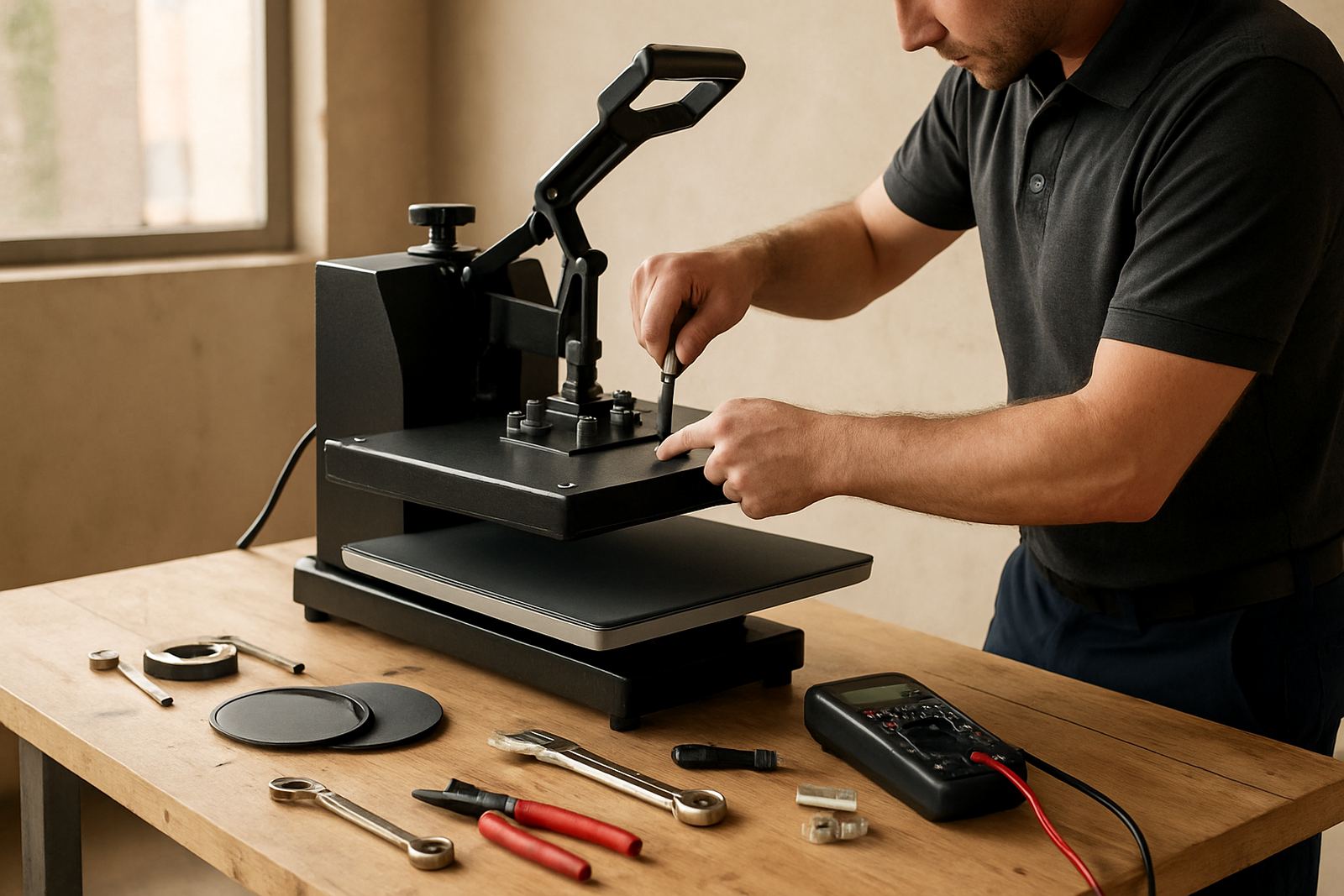
There is a point where replacing a element, controller or pad covering makes sense, and a point where those fixes only buy short-term relief. If the frame is out of alignment, the pressure mechanism is tired, or the heat distribution keeps changing after servicing, the machine may be nearing the end of practical use. A good technician can usually tell whether a unit still has value or whether the repair bill is chasing the same fault in circles.
Look closely at the pattern of faults. One controller issue is a repair. Repeated temperature swings, uneven corners and pressure that keeps drifting are a different matter. If your workshop is in Pretoria, Bloemfontein or the East Rand and you are often waiting for parts or calling for emergency help, downtime is already affecting delivery dates.
- Temperature checks keep showing inconsistent readings
- Pressure needs constant adjustment to keep working
- The press has had multiple repairs in a short period
- Operators are avoiding certain jobs because the machine is difficult to use
If training and servicing cannot solve the problem
Sometimes the machine is not the only issue. Poor setup, wrong pressure settings, rushed operator habits and neglected servicing can make a good press perform badly. That is why it is sensible to rule out simple causes first. New operator training, temperature checks, pressure adjustments and preventive servicing can restore a lot of machines to useful service, and that should be done before anyone starts shopping for a replacement.
But if your team has already been trained, the press has been serviced properly and the same faults keep returning, you may be dealing with equipment that has reached its limit. At that stage, the better question is not whether the machine can still switch on, but whether it can still support reliable work for the next 12 to 24 months. A machine that cannot keep up with your current process becomes a risk to every order that passes through it.
- Operators still struggle after refresher training
- Preventive servicing no longer improves output
- Pressure settings drift during the day
- Temperature control is stable one week and off the next
A practical local example from a growing print shop
A small decorator in Midrand might start with a basic manual press for personal gifts and a few club shirts each month. Then a local school, a church group and two corporate clients place recurring orders. Suddenly the same machine is running most days, and the owner is losing time on each batch because the platen size is too small and pressure is uneven on thicker garments. The work is there, but the equipment is slowing everything down.
In a case like that, upgrading is not about buying more than you need. It is about matching the press to the jobs you already have. A more suitable unit can reduce wasted stock, cut cycle times and give the operator better control on transfers and T-shirt work. The result is fewer rejects and less stress when deadlines stack up.
If you are working from a home garage in Pretoria West, a shared workshop in the East Rand or a growing unit in Durban, the question is the same: does the current press still help you earn money efficiently, or is it holding the business back?
How to decide whether to upgrade now or hold off
Before replacing a machine, weigh the repair history, your current order volume and the type of work you now take on. If the press is reliable, parts are available and servicing keeps it in shape, holding off may make sense. If the machine is costing you more in time, rejects and delays than a newer setup would cost over the same period, an upgrade is the sensible move.
It also helps to think beyond the machine itself. A proper upgrade should include setup, operator training, support for the first few jobs and access to spares when something needs attention. That is what keeps production steady after the sale and not just on the day the unit arrives.
- Compare repair spend with likely downtime over the next year
- Check whether your current press still suits your order mix
- Ask if a service visit could solve the issue before upgrading
- Plan for training and support with the new machine
When a press is no longer matching your production needs, the warning signs are usually plain enough. The sooner you act, the less stock you lose and the easier it is to keep customers happy.
What to do before your next busy season
If your shop is heading into schoolwear season, year-end promos or a stretch of corporate work, do not wait for a failure during the rush. Book a check while the pressure is still manageable. A technician can assess temperature stability, pressure consistency and worn parts, then advise whether the unit still has life left or whether an upgrade will save time and money.
For many South African print shops, the best time to upgrade is before the machine becomes a crisis. That way you can plan the change, train the operator properly and keep orders moving with less disruption. It is a practical decision, not a flashy one, and it usually pays for itself in fewer mistakes and better throughput.