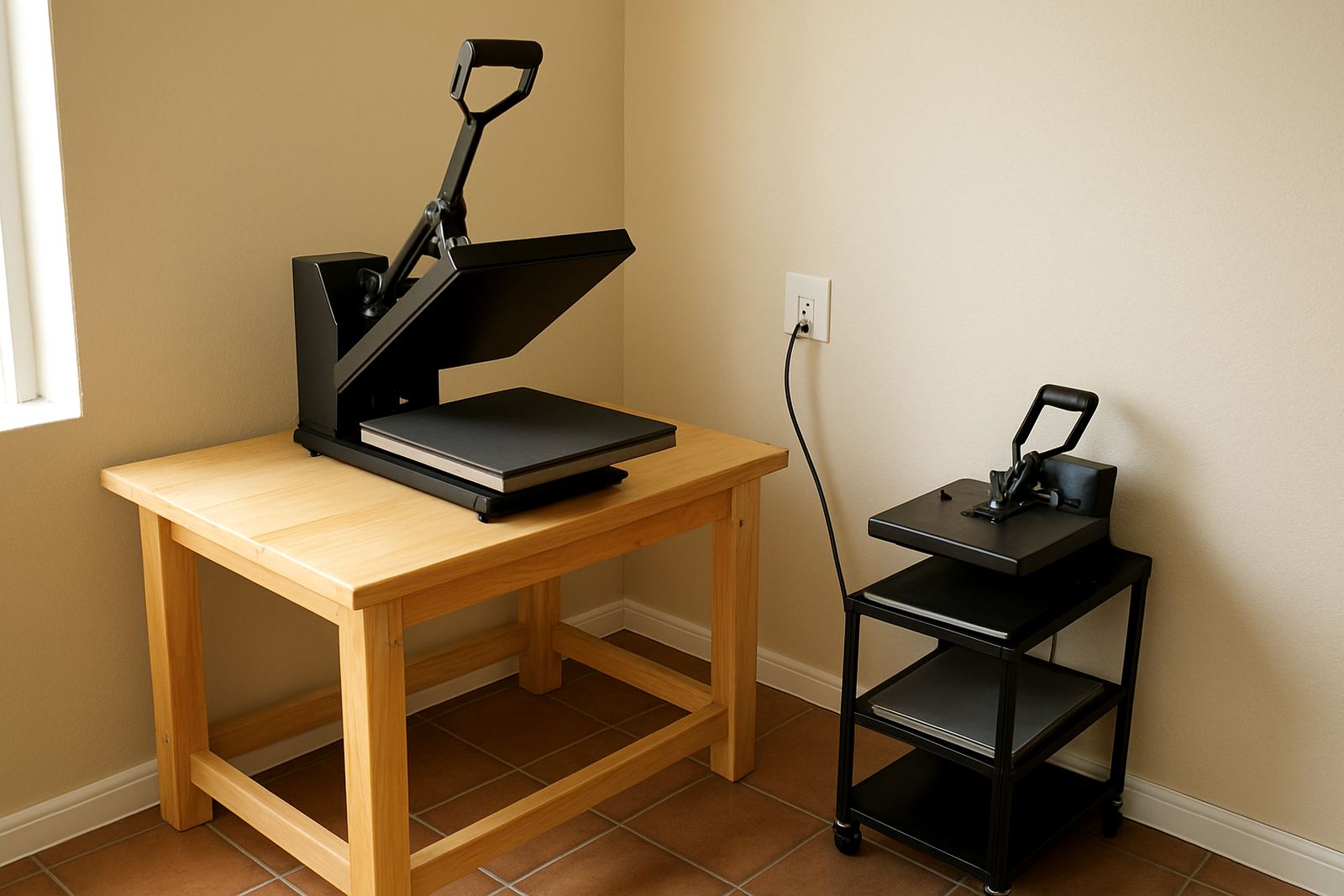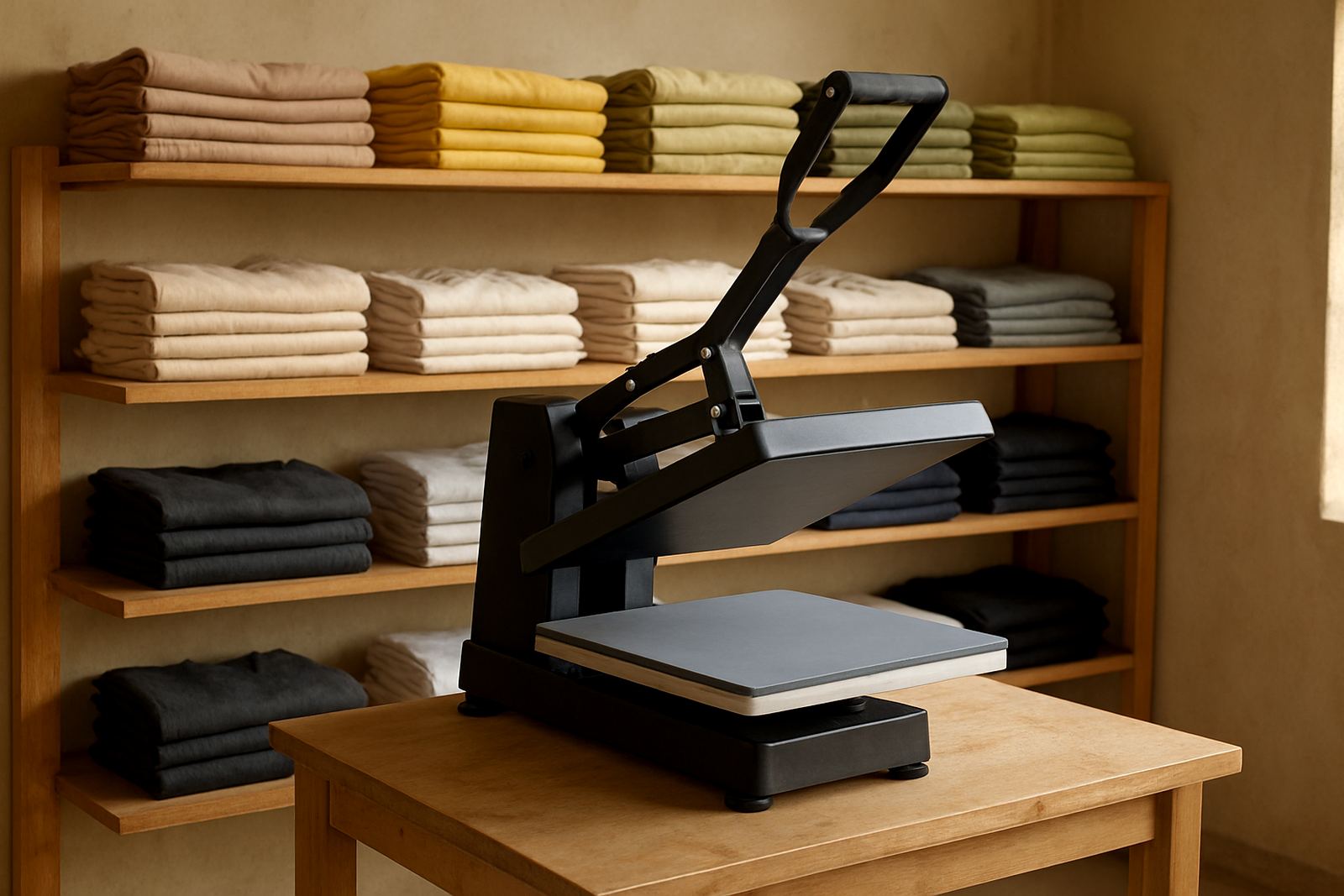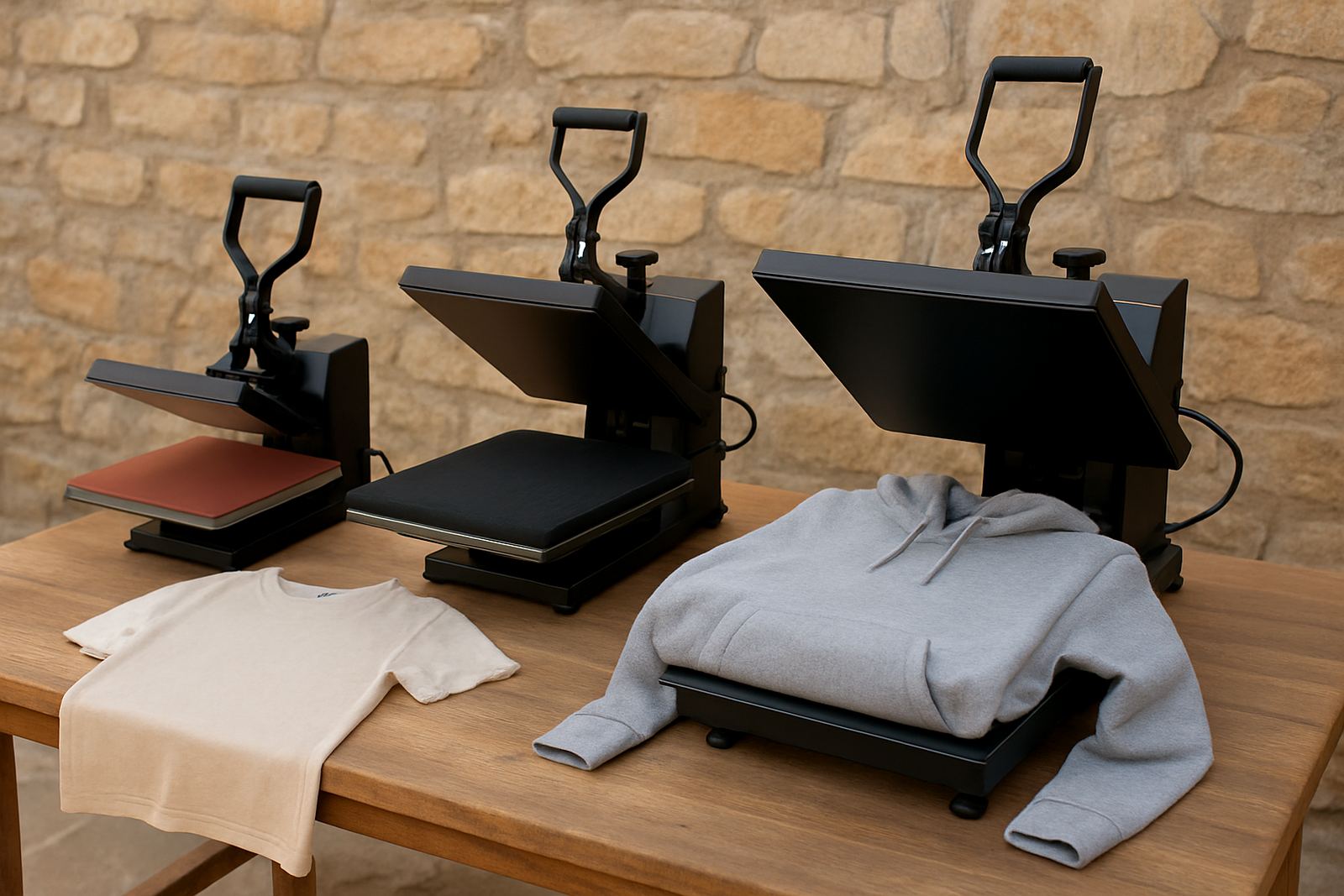

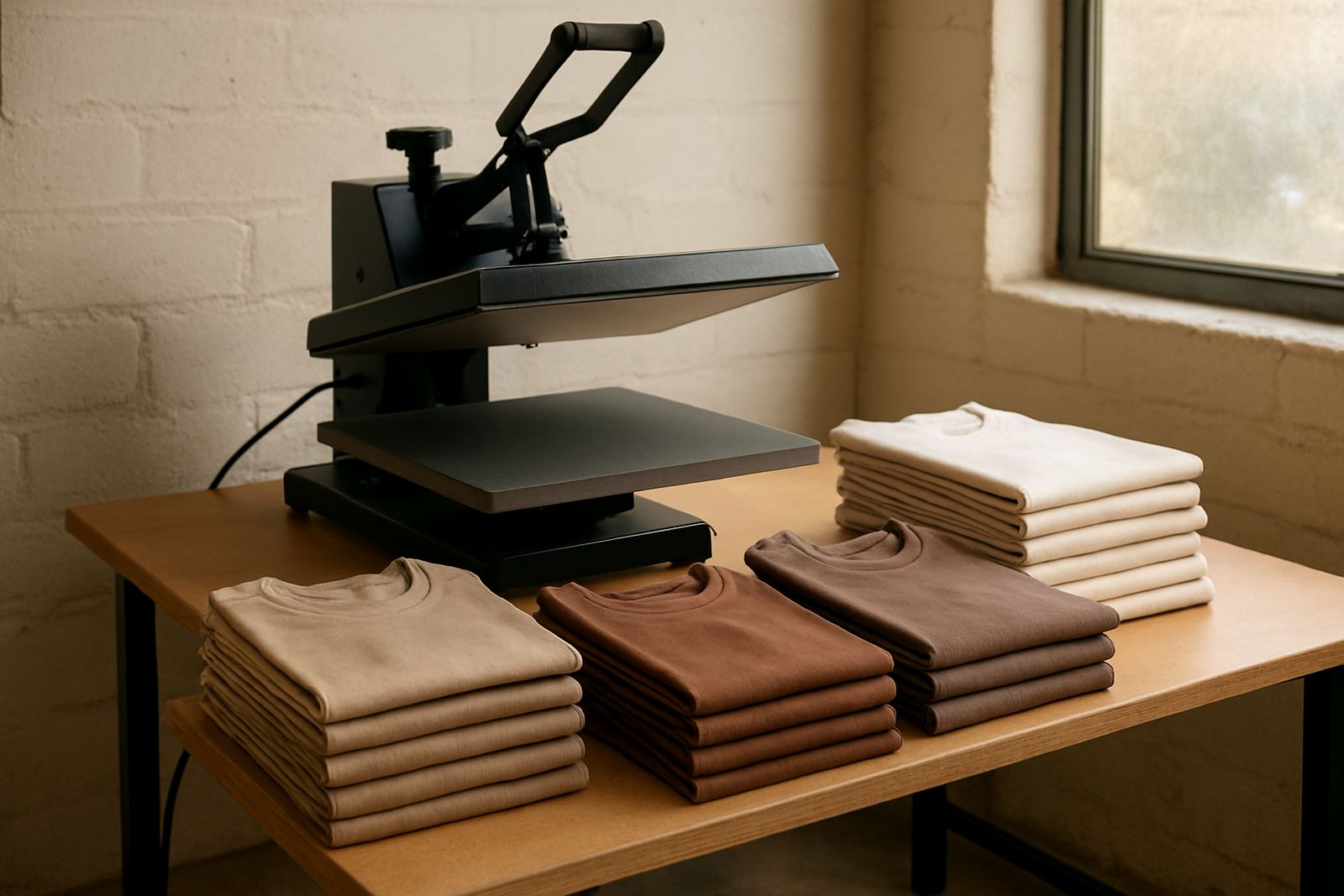
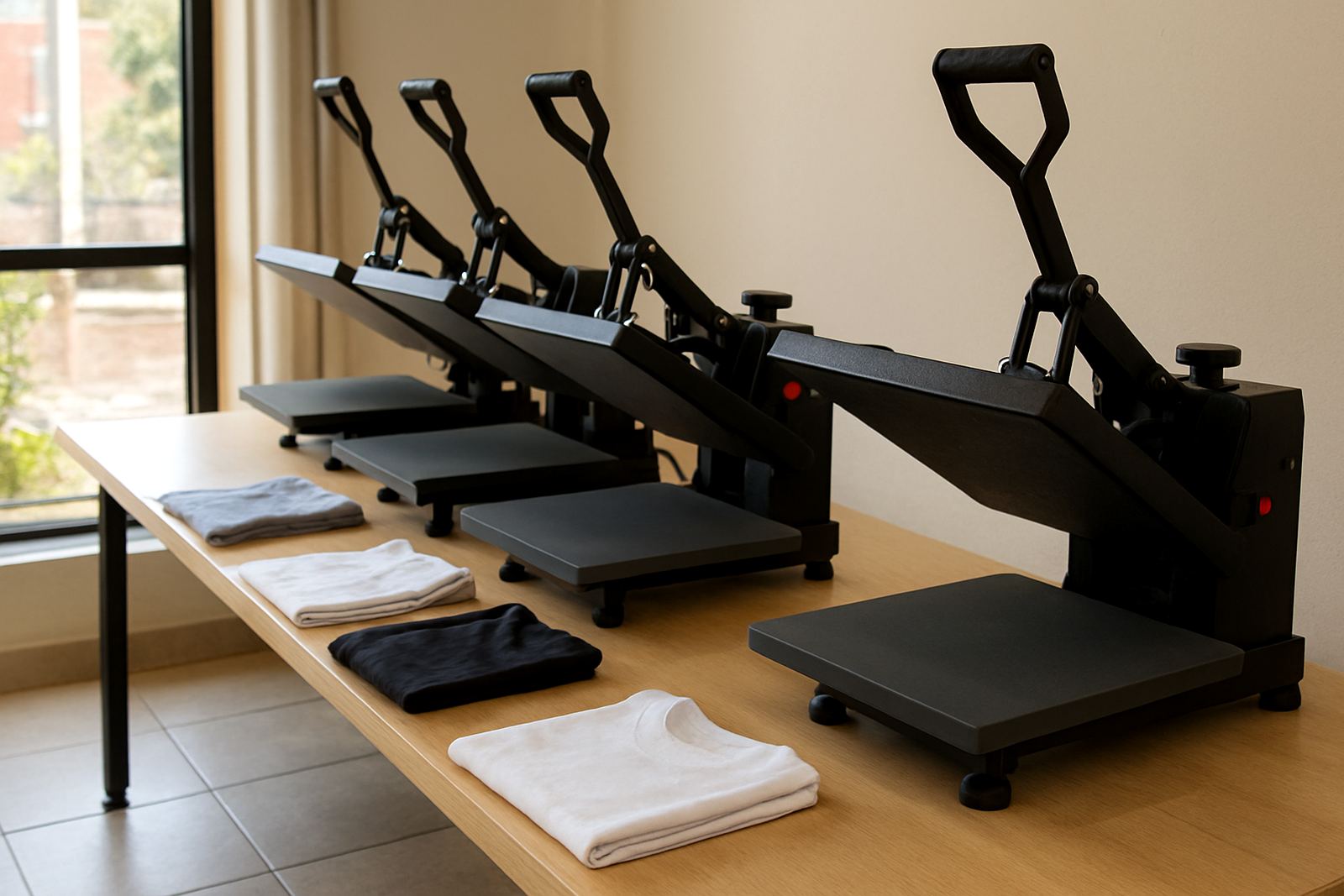
Why batching makes a real difference on the floor
Batching is simple: group jobs that need the same temperature, pressure, transfer type and garment colour, then run them together before moving to the next set. On a flat heat press that might mean doing all cotton T shirts for one run, then switching to polyester blends, then moving to caps or tote bags if your setup allows it. The less you change settings the less chance there is of missing a detail and reworking a garment later.
For a small shop in Midrand or Boksburg, that can mean the difference between finishing a 40 piece order before knock off and pushing it into the next day. It also helps when load-shedding hits, because you are not wasting powered-up time on constant adjustments. If you only have one machine, batching keeps the rhythm steady and makes it easier to plan around inverter use or generator fuel.
Sort orders before the press gets hot
Before switching on, lay out every order and sort it into pressable groups. Use tables, racks or clean boxes so you can separate sizes, colours and transfer types. This is especially useful when there are mixed orders coming in from schools, stokvel T shirt drives or local resellers who need short runs in different sizes.
Good batching starts with a simple check list:
- Garment type and fabric content
- Transfer method and cure temp
- Required pressure setting
- Colour groups, especially light and dark garments
- Any special placement notes for chest, back or sleeve prints
Once the stack is sorted, label each pile so nobody has to ask which job comes next. That saves time and cuts mistakes when more than one person is working the press station.
Match materials to the same press settings
Some jobs can be run together with almost no adjustment, while others need a proper reset. A cotton run with the same transfer sheet and the same size artwork is far quicker than jumping between a thick hoodie, a thin poly shirt and a tote bag in the same hour. If you batch by material, you reduce the number of test presses and keep the heat plate working at a stable point.
Stable settings matter because repeated changes can throw off both temperature and pressure. If the plate is running 8 to 10 degrees off target, or the pressure knob has shifted, the first few garments may look fine and then the rest start giving lifting edges or uneven finish. That is where temperature checks and pressure adjustments pay for themselves, especially in hotter inland areas and humid coastal conditions where operators are already fighting the weather.
A practical rule is to keep one production run to one setting whenever you can. If two jobs are close but not identical, do not force them together just to save two minutes. Those two minutes can become twenty if you end up redoing prints.
Plan the sequence around the shop, not just the order slip
Many print shops lose time because the sequence on paper does not match the sequence on the floor. Put the easiest stable runs first, then the jobs that need more careful placement. If your press is at the back of the room and the cutting table is near the front, plan the flow so finished garments do not cross paths with unpressed stock. That keeps the area tidy and avoids mix ups.
In a busy Johannesburg or Pretoria shop, the best batching plan often follows the actual movement of staff, not the invoice order. If one person is stripping backing sheets, one is pressing and one is packing, split the work so each person stays in one zone. This cuts wasted steps and keeps the operator focused on the plate, not on searching for the next size.
It also helps to run the same placement style together. Chest prints, then back prints, then sleeve prints. When the ruler marks and platen positioning stay the same, operators build speed without losing accuracy.
A Midrand example from a mixed weekday order
A Midrand decorator gets a 60 piece order on Monday morning: 24 cotton T shirts for a corporate team, 18 polyester sports tops for a local club, 12 hoodies for staff and 6 tote bags for a community event. If the shop tackles the jobs in the order they arrived, the press settings change all day and the team keeps stopping to check temperature and pressure. That is slow and tiring.
With batching, the shop can group the 24 cotton shirts first, then move to the hoodies if the transfer allows the same setting, then finish with the sports tops and tote bags as separate runs. The operator now makes three or four proper changes instead of ten or twelve small ones. Over the week, that means less wear on the controller, fewer bad pulls and less frustration when deadlines are tight.
For shops supplying Sandton, Centurion, Kempton Park and further out by courier, this approach also helps with dispatch timing. Clean batch planning gives you a clearer finish time so parcels can leave before the afternoon collection, not after it has gone.
Keep the press healthy so batching stays fast
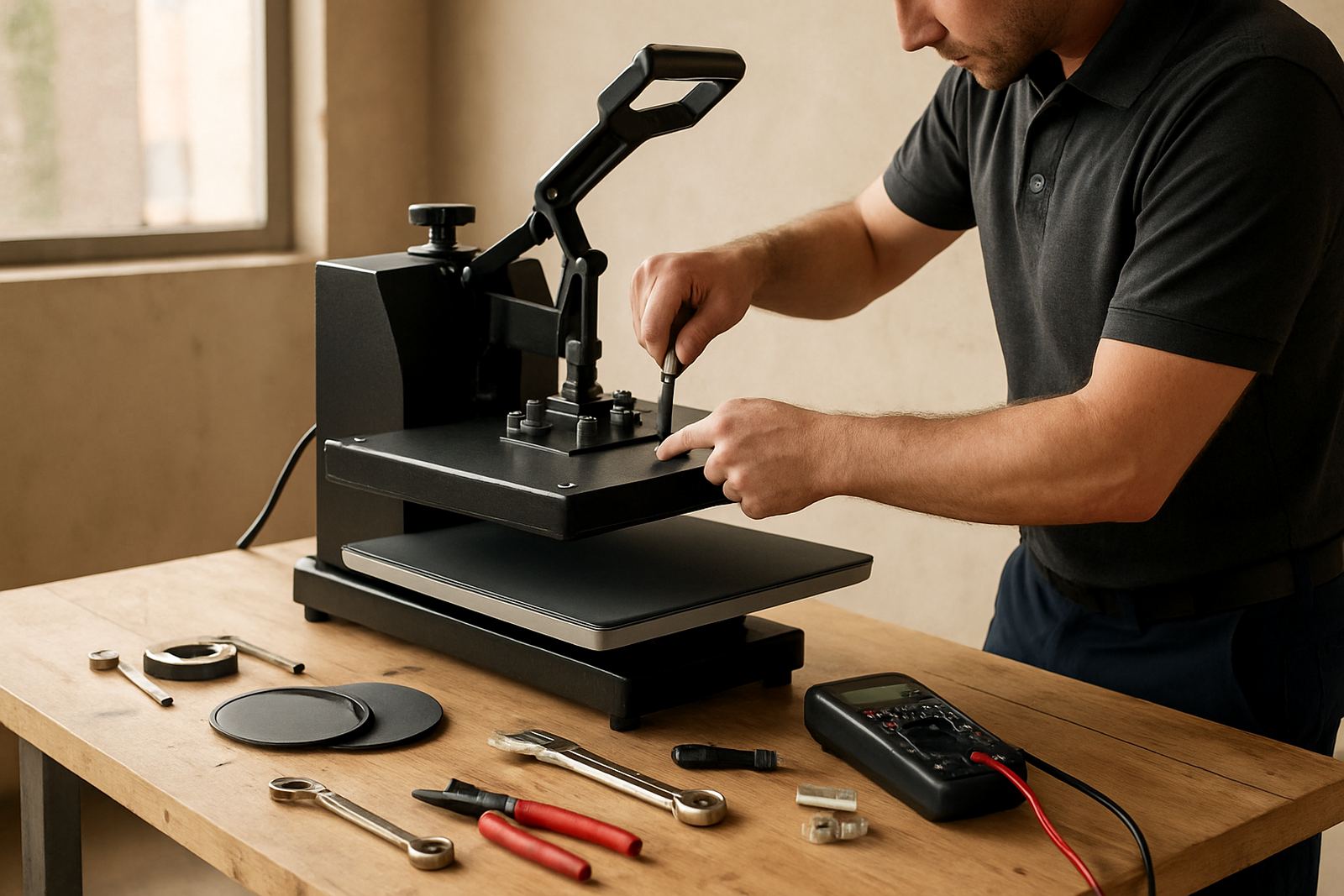
Batching only works well when the machine is holding steady. A worn pad, damaged covering or loose heating element can slow the operator down because they start second guessing every press. If the job takes longer because the plate closes unevenly, batching loses its edge.
Useful servicing steps include:
- Check platen temperature across the surface, not just in one spot
- Inspect the pad for flat spots and glazing
- Test controller accuracy when jobs begin to drift
- Replace tired coverings before they affect pressure consistency
- Keep spare elements and common parts on hand for quicker turnaround
For shops in Durban and other coastal areas, humidity can change how certain transfers behave, especially in the early morning. A small setup check before a batch starts can prevent lifting edges or patchy adhesion later in the day.
Training the team to batch without losing control
Batching is not only about speed. It is about giving each operator a repeatable routine that keeps quality high. New staff should learn how to read a job ticket, sort garments, confirm the press setting and spot the signs of a tired pad or drifting controller. A short training session can save far more time than it takes to run through the process.
Good training also means knowing when not to batch. If one job has urgent artwork approval, a special placement or a new transfer type that has not been tested yet, it may be better to run it separately. The aim is better output not just faster output. When the team knows the reason behind the sequence they work with more confidence and fewer mistakes.
For many South African print shops, the best batching habit is simple: prepare the whole day before the first press cycle begins, then keep the machine working on similar jobs until the run is done. That way the press does what it does best, and the team spends less time adjusting and more time producing.