

Start With The Full Garment Path, Not Just The Machine
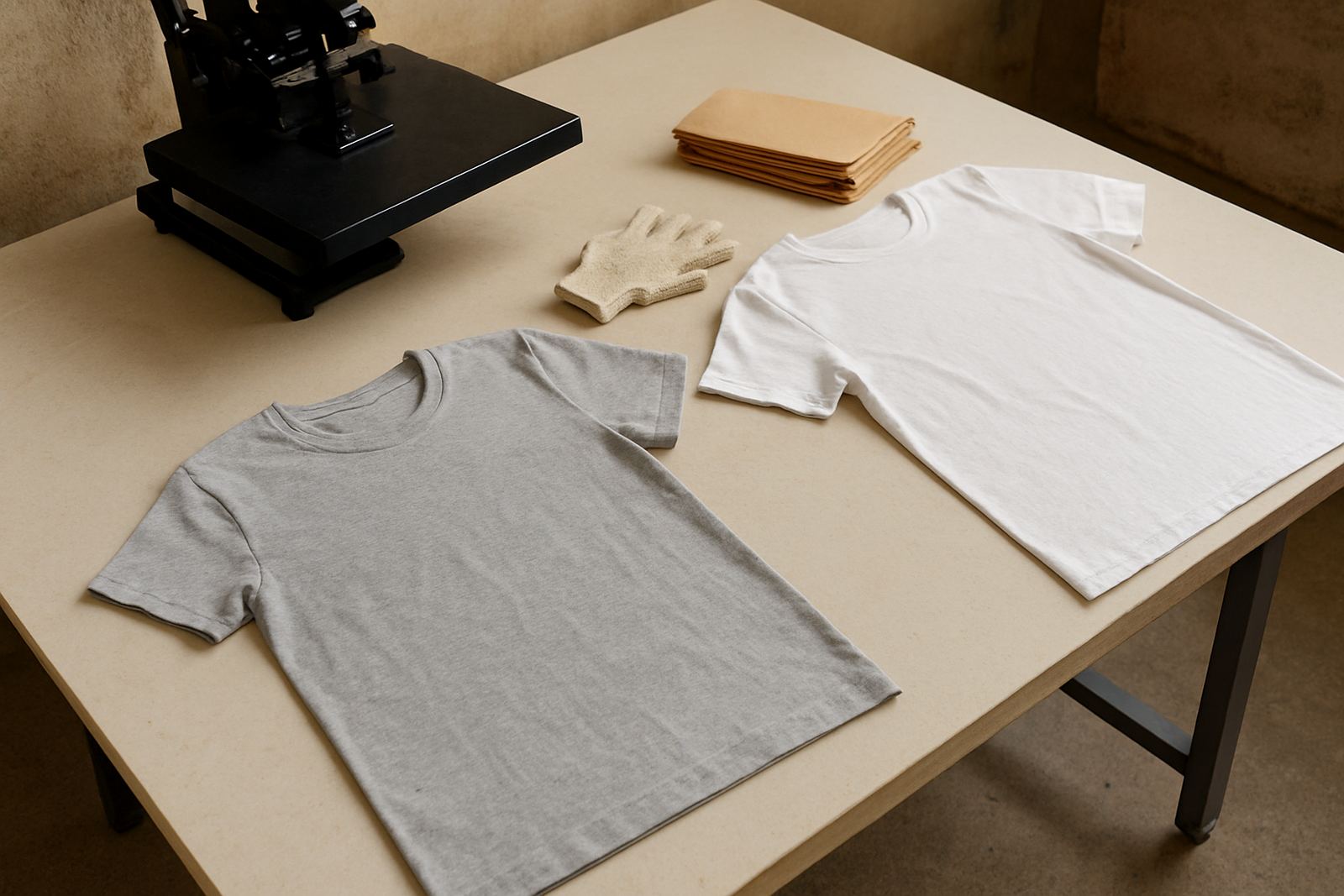
Before you bolt a press down, work out where every shirt, transfer, stack of blanks and finished order will live. The press itself only takes up one part of the bay. The real space issue is the flow around it, from incoming garments to pressing, cooling, folding and packing. If operators have to turn sideways for every item, or keep walking around a corner for stock, the whole line slows down.
A sensible layout keeps the press close to the next step in the process. For example, a table for pre-press checks and a rack for finished items should be within easy reach but not close enough to catch heat. In a small shop in Midrand, the difference between a neat U-shaped flow and a crowded corner setup can be ten extra steps per garment. That adds up fast when you are doing school orders, sports clubs and small corporate runs on the same day.
- Keep blanks, transfers and finished garments in separate zones.
- Leave space for a cart or basket so work does not pile on the floor.
- Make sure the operator can step back fully without bumping a wall or shelf.
Leave Safe Clearance For Heat, Cables And Sore Backs
Flat presses get hot. That sounds obvious, but many setups still place them too close to walls, curtains, paper stacks or loose boxes. You need clear space around the platen so the operator can work safely and so the machine can open fully without hitting anything. If the press has a swing or pull-out lower platen, give that movement room as well.
Cable routing matters too. A lead draped across a walkway is a trip risk and a damaged cable can stop production at the worst time. In places where load-shedding is part of the week, shops often move presses near plugs and backups, but that should never mean stuffing the machine into a tight corner. Use the right socket position, keep cables secured, and avoid running leads under rugs or loose mats.
- Check that the press opens fully without touching shelves, walls or stacked boxes.
- Keep heat-sensitive items away from the operator area.
- Use cable ties, hooks or trunking so power leads stay off the floor.
- Give enough room to lift, place and remove garments without twisting the body.
Match The Position To The Operator, Not The Other Way Around
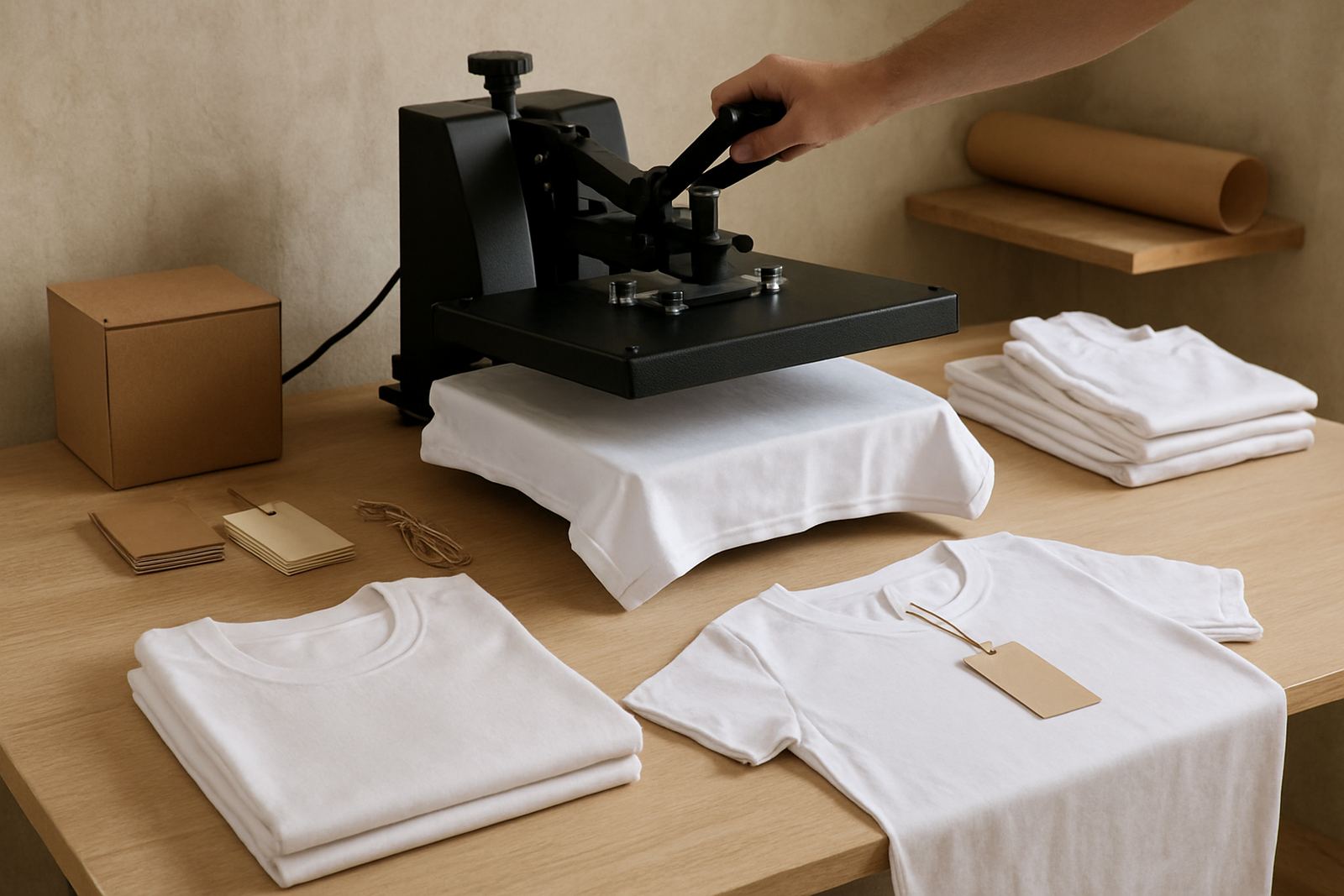
Operator fatigue is not just about long hours. It also comes from poor placement, especially where the press is too high, too low or awkwardly turned away from the main work table. A press that forces someone to lean forward all day will show it in shoulders, wrists and lower backs. Over time, that affects speed and consistency.
The best height is one where the operator can place garments without lifting shoulders or bending deeply. In some shops, the press sits on a sturdy stand with room for a stool nearby during longer runs. In others, especially with smaller spaces, it works better at the edge of a bench so one side remains open for loading. The key is to let the operator move naturally and repeat the same motion without strain.
During operator training, we often see the same issue: a machine is technically installed correctly but set in a way that makes the job harder than it needs to be. Small changes in placement can reduce fatigue more than people expect, especially on busy days with repeat runs and quick turnarounds.
Plan For Ventilation, Humidity And Daily Cleaning
South African conditions affect how a print bay should be arranged. In Durban or other coastal areas, humidity can make garment storage and transfer handling less predictable. In hot inland spaces, heat builds up quickly around a press. If the area is cramped, the operator ends up working in a warmer, stuffier spot and that affects concentration as well as comfort.
Put the press where air can move through the room and where cleaning is straightforward. Fluff, lint, transfer film scraps and adhesive dust should not gather around the base of the machine. A layout that allows quick sweeping or vacuuming saves time and keeps the area safer. If your shop gets a lot of packaging offcuts, try to keep them away from the pressing zone, because a cluttered floor is a bad habit that creeps in fast.
- Avoid placing the press directly under a dripping aircon or roof leak.
- Keep the floor around the machine clear for sweeping and inspections.
- Store garments in dry, organised stacks, especially in coastal towns.
- Make sure vents and windows do not blow loose papers into the work area.
Use The Room To Separate Clean Work From Hot Work
A well placed press supports order. Clean garments should not be mixed with dirty return stock, and finished pieces should not sit beside unpressed blanks for long. The layout should help the operator understand what is ready, what is waiting and what still needs a quality check. That saves arguments later when a box of shirts is half done and nobody can tell what stage it is at.
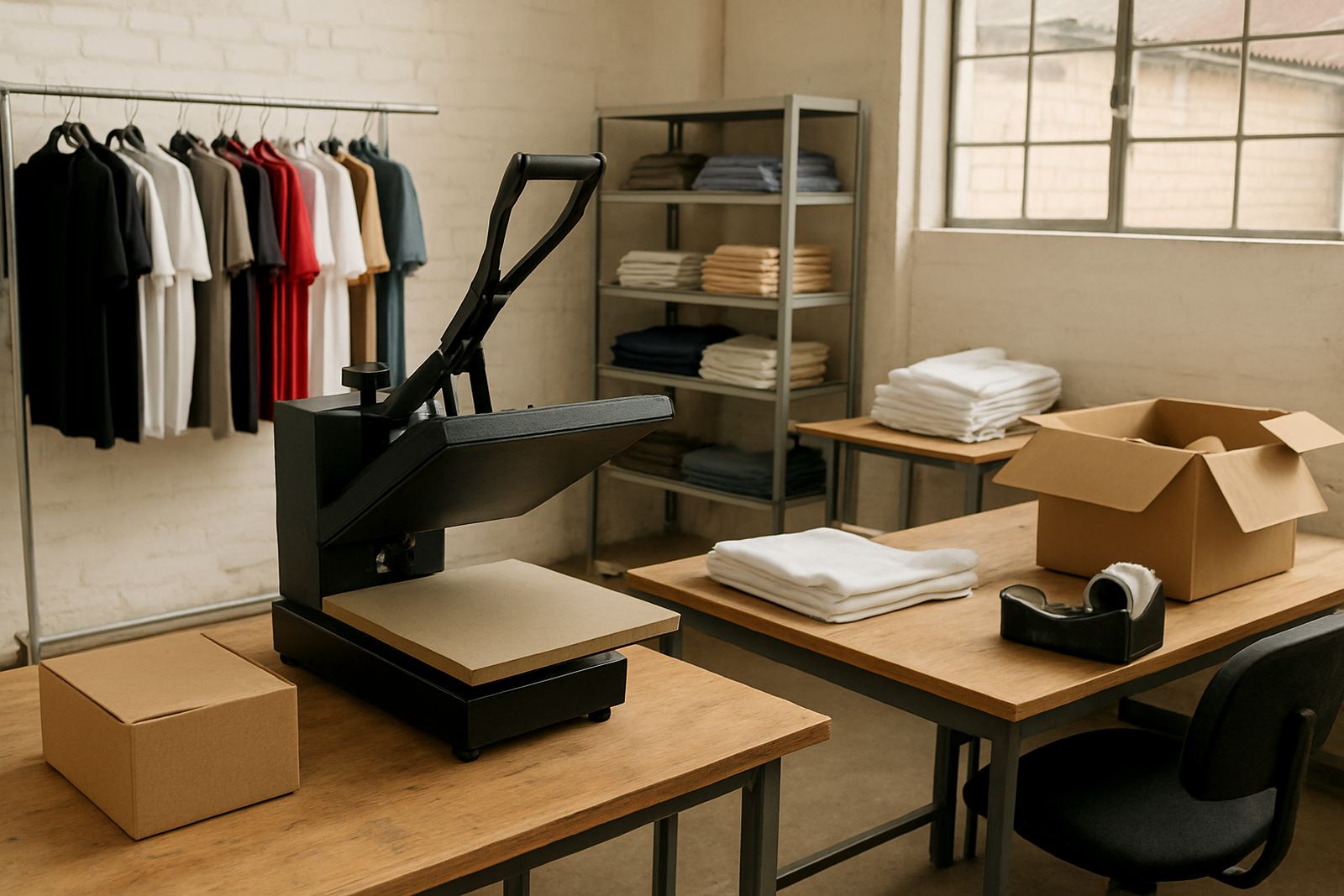
If space allows, create a simple sequence: receiving, pre-check, pressing, cooling and packing. The press sits in the middle of that flow, not in a spot where people have to cross each other every few minutes. Even a modest room in Pretoria or Bloemfontein can work well if the path is logical. The trick is to stop using the press area as general storage. Once cartons start living there, the process becomes messy and mistakes increase.
- Use clearly marked shelves or tables for each stage of the job.
- Keep rejects and rework separate from approved stock.
- Do not store chemicals, cleaning fluids or loose tools next to the press.
A Midrand Example: Smaller Changes, Better Output
A small garment decorator in Midrand recently moved a flat press away from a back wall and closer to the packing table. The machine had been working fine, but the operator was walking extra steps for every batch and turning awkwardly to lay out T-shirts. After the shift, the workflow felt calmer. Finished garments moved straight to packing, the floor stayed clearer and the operator was less tired by late afternoon.
That kind of improvement does not always need new equipment. Sometimes it is just about where the machine sits, how the tables line up and whether the operator has room to work properly. A few hours of planning can save a lot of daily frustration. We have seen shops in Johannesburg, Cape Town and even smaller towns in between make better use of the same floor area simply by changing the placement of one press and one rack.
If you are setting up a new room or moving an existing machine, think about the full day’s movement, not only the moment the press closes. A good position should protect the operator, support the job flow and leave room for maintenance when it is needed.