Start with one product that can move fast
If you are building a small brand, the mistake is often trying to launch with too many items at once. One strong T-shirt, one hoodie, or one tote bag line is usually enough to get cash moving. With a flat heat press, you can produce short runs as orders come in, which keeps your risk low and your cash tied up in stock to a minimum.
That matters in South Africa where rent, transport and electricity can shift the numbers quickly. A small label in Midrand or Soweto does not need to guess what will sell. You can test a design at 10 or 20 pieces, see what moves at markets, on Instagram, or through your own store, then repeat the winner. Heat pressing gives you that flexibility without waiting for big minimums.
- Start with one core garment colour and 2 or 3 print sizes.
- Keep your first artwork simple so application is quick and neat.
- Track which sizes sell first, not just which design looks good.
- Use blank garments that are easy to source again, locally or by courier.
Why heat pressing suits lean operations
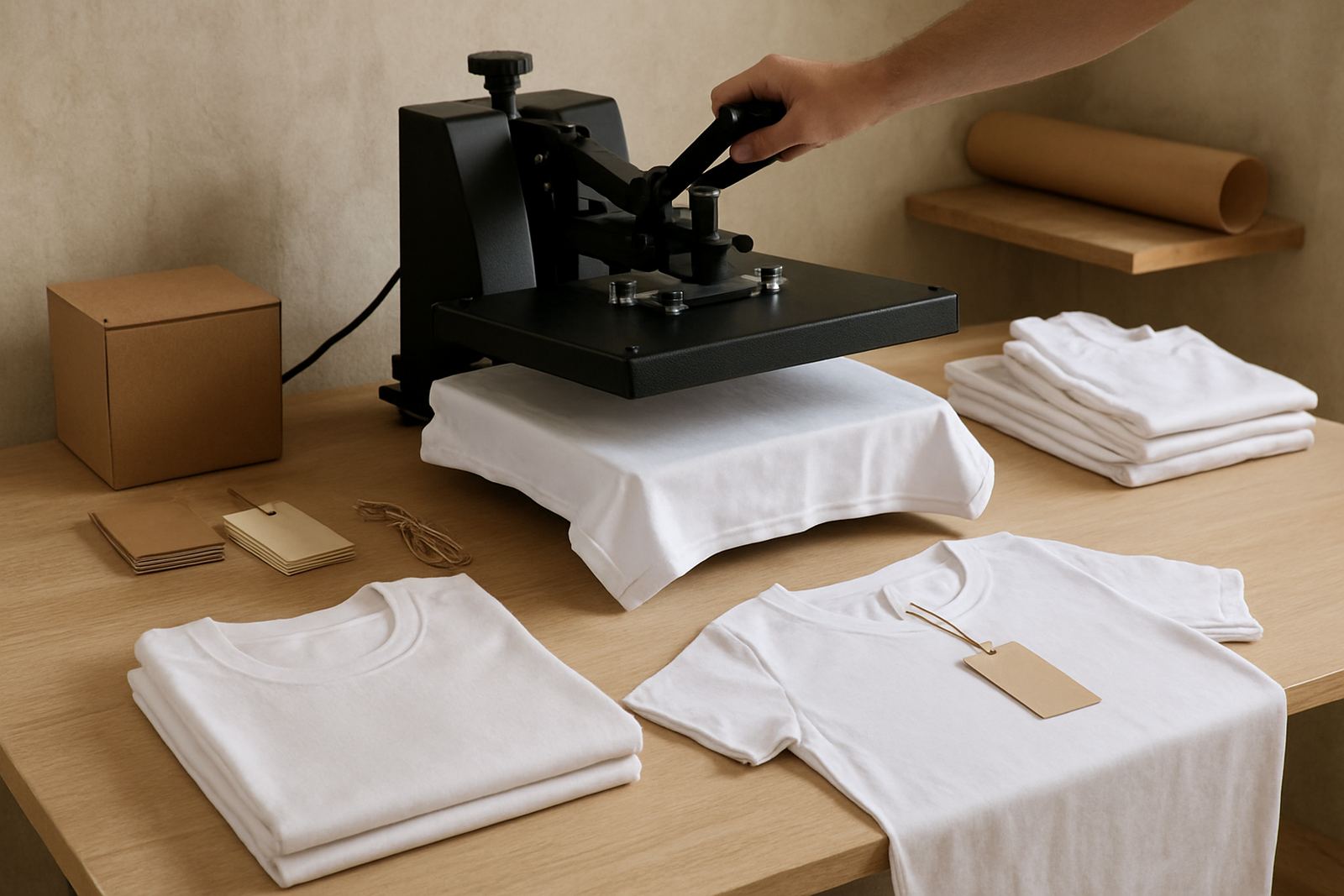
For many small labels, screen printing is too much too soon. The setup takes time, space and volume. Direct to garment can work well, but it needs more care, more maintenance and the maths only works on certain orders. A flat heat press sits in the middle. It is practical for names, numbers, logos, transfers and short-run merch, and it lets you react fast when a customer wants 12 shirts for a school event or 25 tees for a launch weekend.
The other advantage is control. You can print a sample, check the placement, and press the next garment once you are happy. If a customer wants a change in wording, you are not stuck with a full batch. For a small brand, that kind of control is worth a lot because one unhappy order can wipe out profit on the whole job.
- Good for short runs and one-off custom orders.
- Easy to adjust for different garment sizes and layouts.
- Useful for adding names, numbers and event details.
- Works well for brands that sell through markets, pop-up shops and online.
Plan your merch around margins, not just style
A design can look sharp and still lose money if you do not cost it properly. Before you press anything, work out garment cost, transfer cost, labour time, courier if needed, and a fair mark-up. Small brands often forget the less obvious costs, like wasted blanks from test runs, packaging, and the time spent chasing suppliers. Those costs add up fast.
It helps to set a few fixed price bands. For example, one price for a plain front print, another for front and back, and another for names or personalisation. That makes quoting easier and keeps your pricing clean. If you need to replace a heating element, clean the press pad, or reset pressure, that should also be part of your operating plan. Otherwise the machine looks cheap at first then starts eating into your margin.
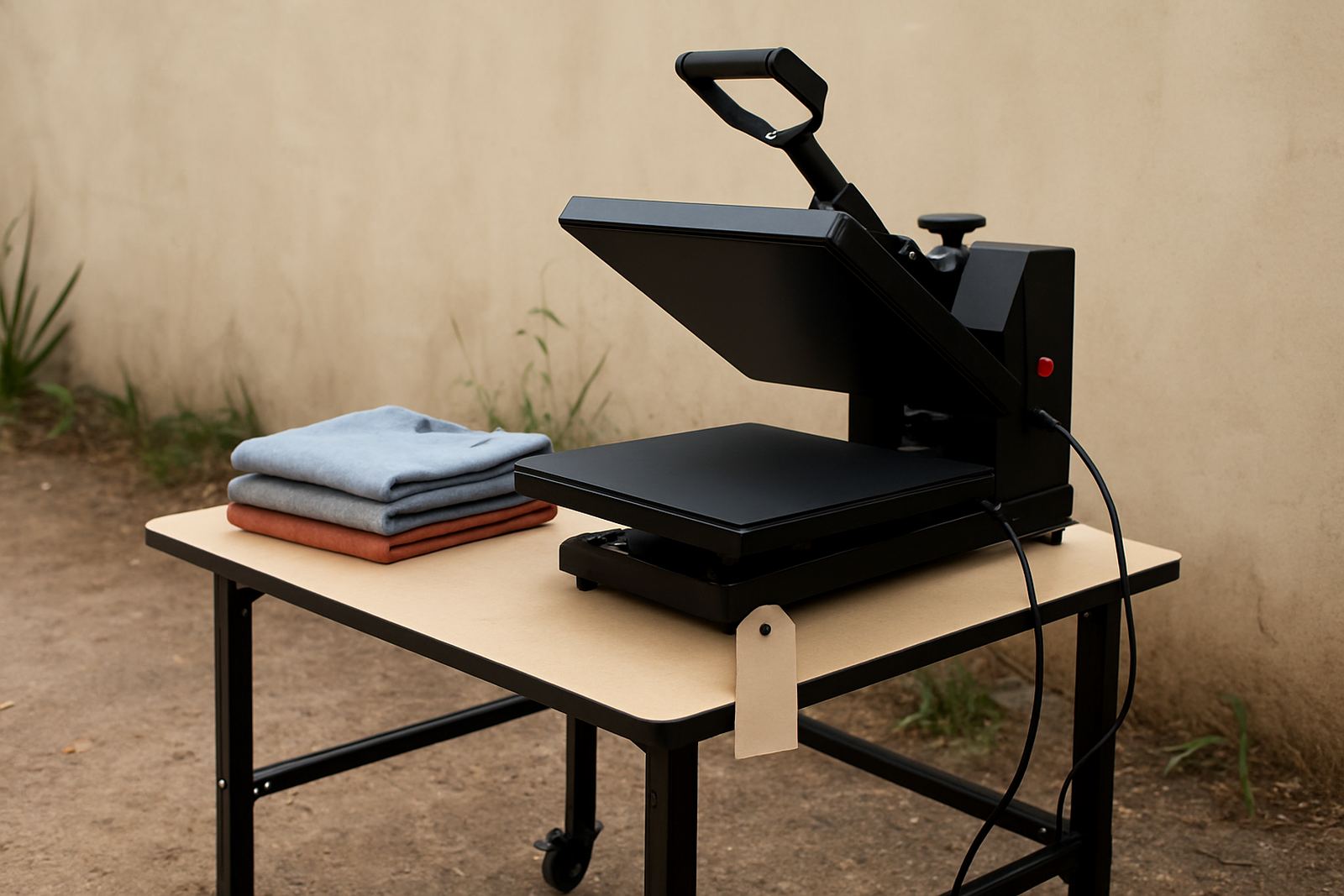
In Gauteng, many small clothing labels work from home, shared studios or small shops. Space is tight, so your machine choice should suit the room you have. A reliable flat press with consistent heat and pressure can do a lot of work in a very small footprint. Keep your stock neat, your sizes labelled, and your press area clear so each job moves with less fuss.
Use a simple workflow that keeps orders moving
Once orders start coming in, speed depends on process. The less time you spend searching for blanks, checking artwork or guessing settings, the better your day runs. A small brand should have a repeatable way to move from enquiry to finished item. The system does not need to be elaborate, only repeatable.
Here is a workable order flow for most small labels:
- Confirm garment type, colour, size range and quantity.
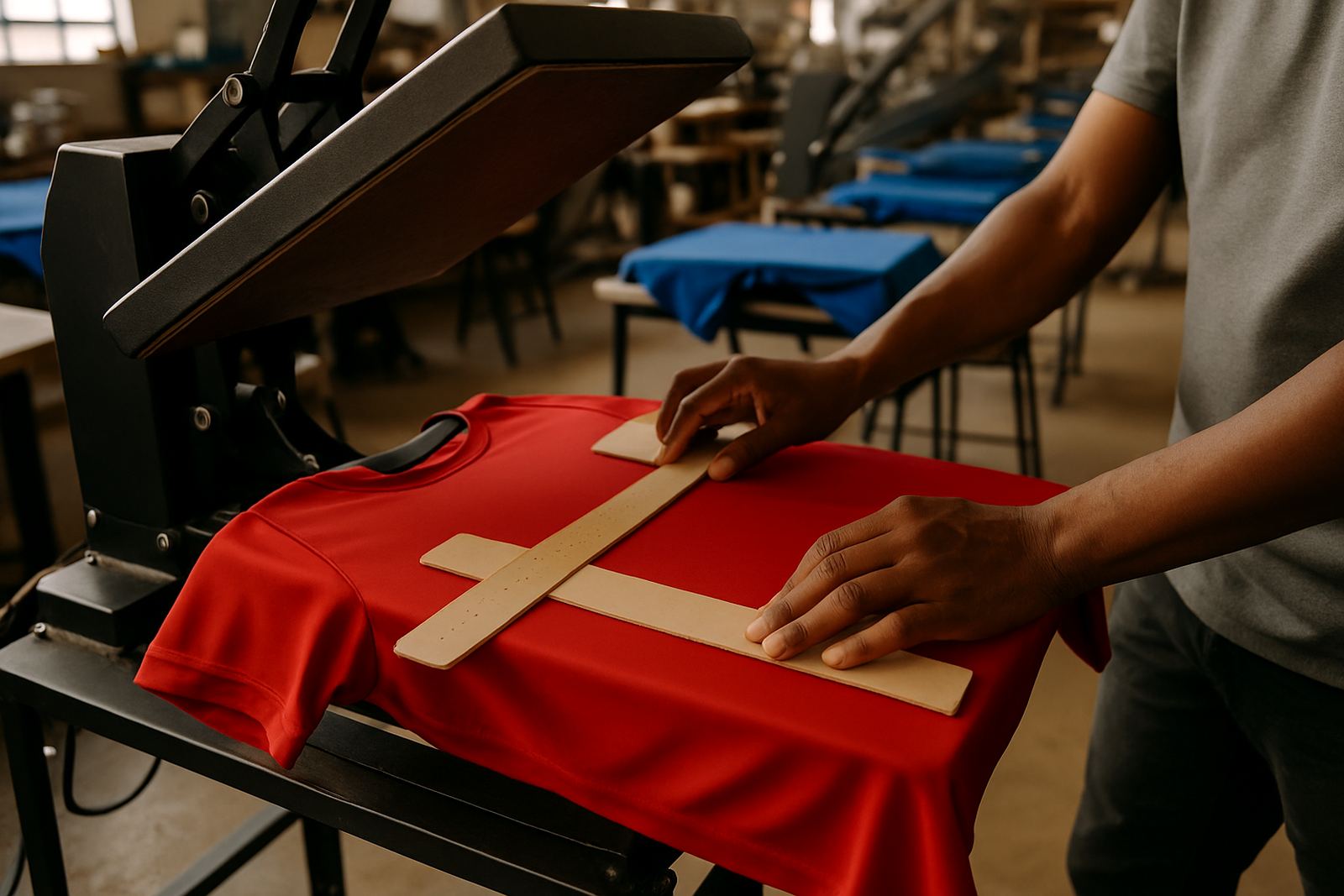
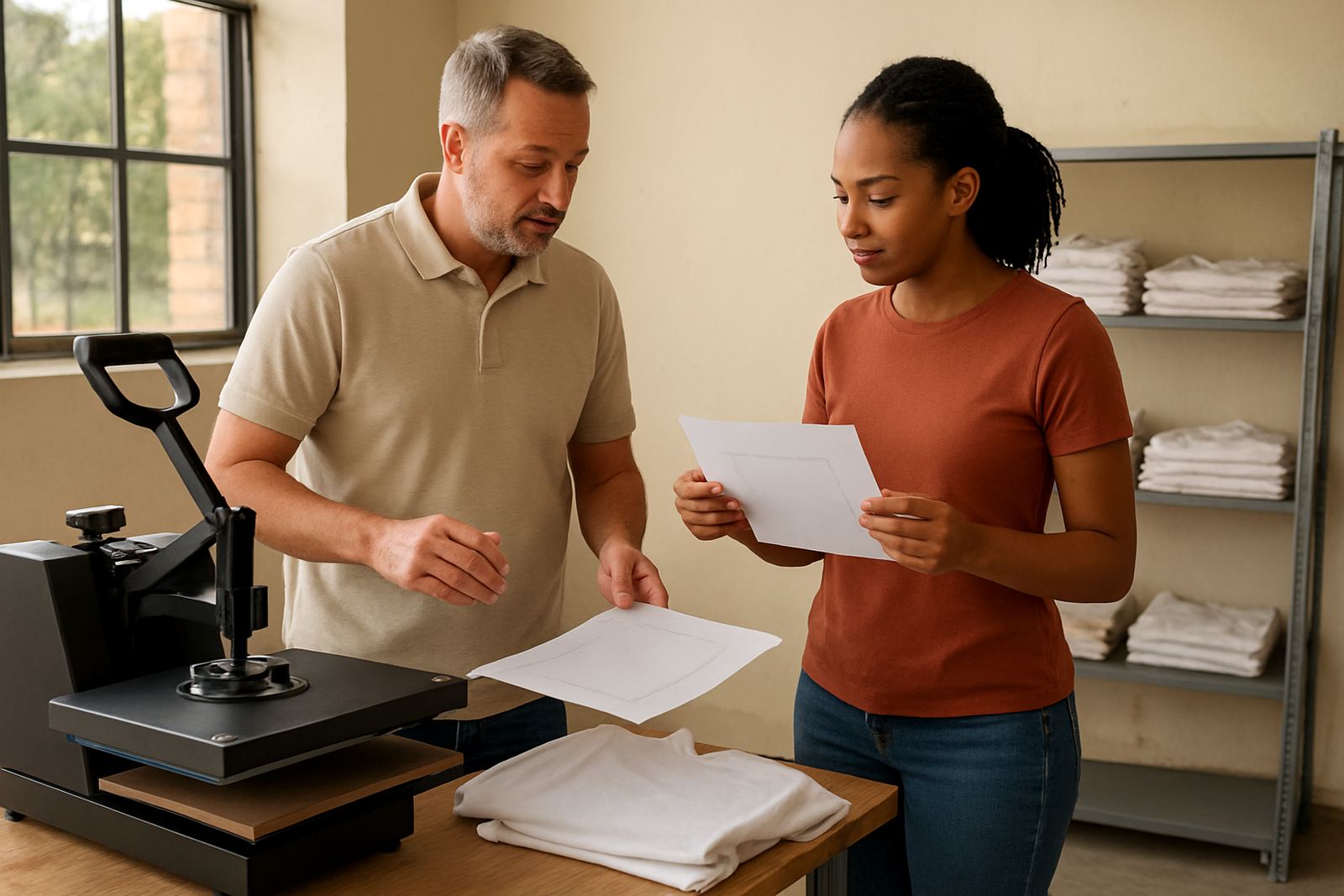
- Check the transfer size, placement and artwork spelling.
- Pre-press the garment if needed to remove moisture and creases.
- Set temperature, time and pressure for the transfer type.
- Press one sample first, then inspect the finish before running the batch.
- Pack and label each order clearly so collection or courier handover is easy.
This kind of routine matters even more in humid coastal areas like Durban or in winter when garments can hold moisture. A quick pre-press can save you from poor adhesion, shiny marks or lifting edges. It also helps when load-shedding interrupts the day, because you can pick up again without wondering where you left off.
A local example from market table to repeat orders
A small label in Pretoria might start with 15 printed tees for a weekend market. The first run tests the design, the second run covers a small online order, and the third comes from a local sports club wanting the same look with names on the back. That is how many brands grow, not through one big launch but through several smaller, well managed jobs.
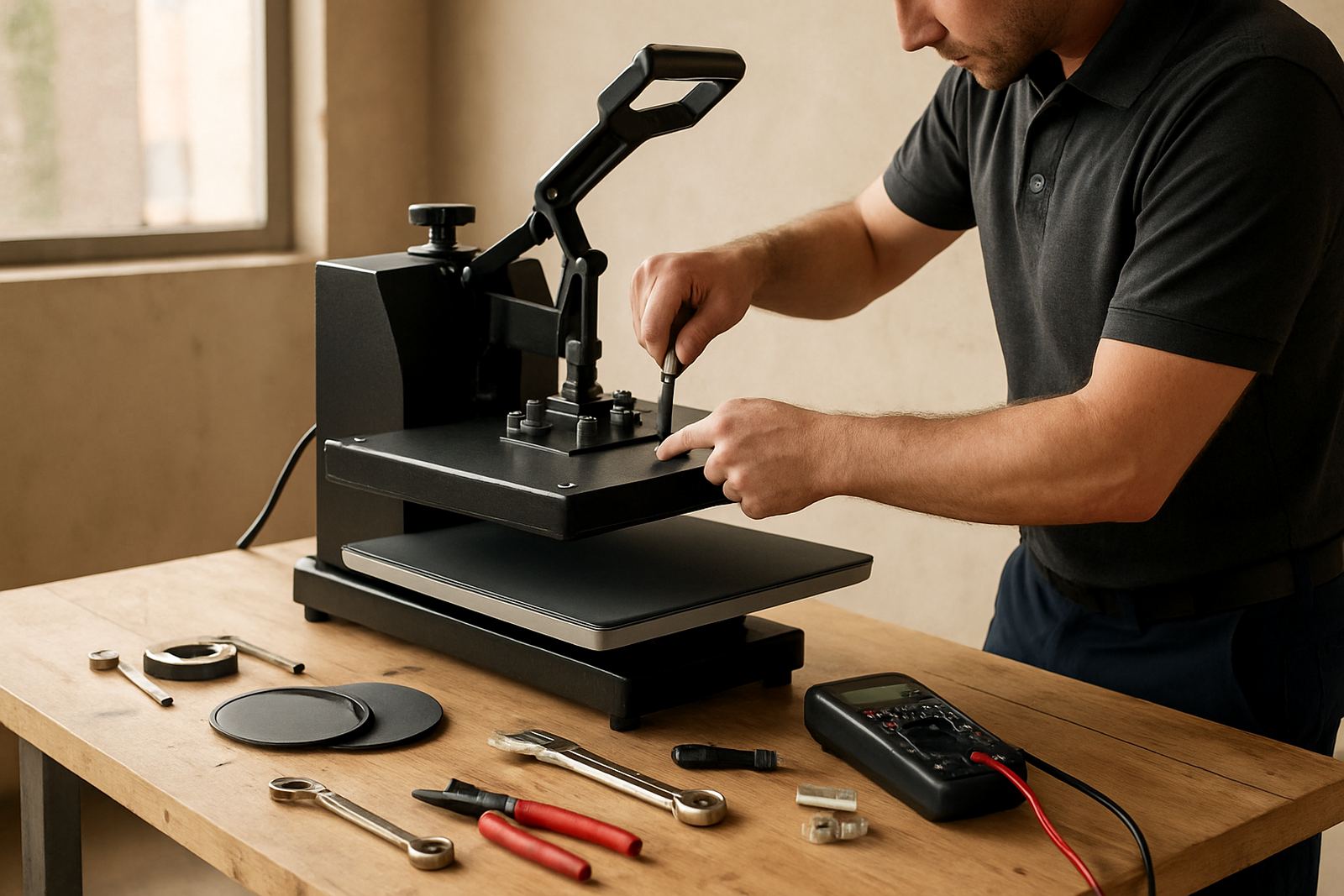
We have seen this pattern often enough to know the pressure points. The first machine is usually working hard, sometimes too hard, and the owner only notices trouble when the platen no longer heats evenly or the pressure feels off on one side. A preventative service, a new pad covering, or a controller repair can save the whole workflow. If a brand is printing every week, those checks should be part of the plan, not something done only after a breakdown.
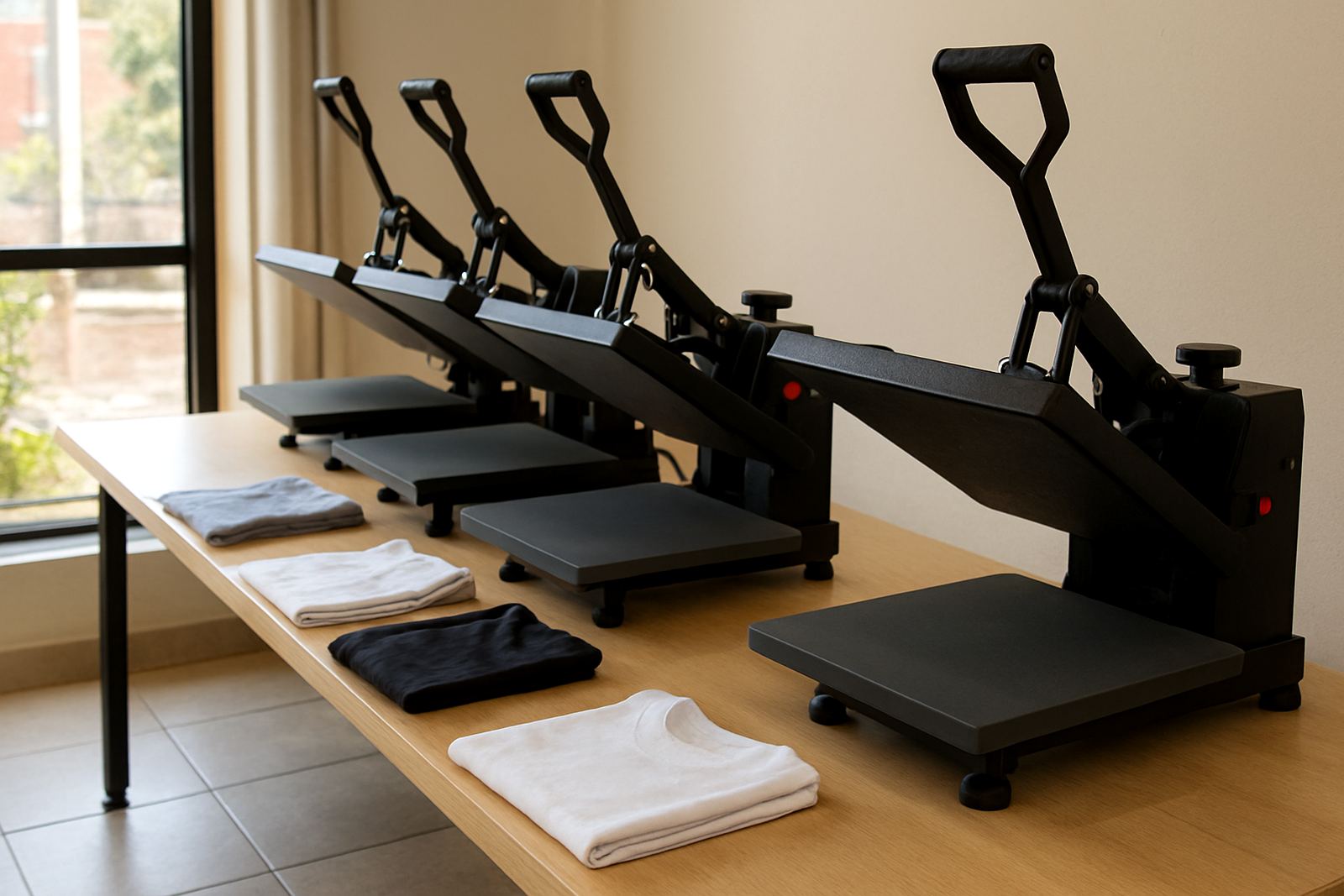
For a growing label in East Rand or Bloemfontein, it also makes sense to keep a small stock of spares and a back-up plan for busy periods. When a press is down, orders do not wait. Loan unit support and phone tech support can help keep work moving while the machine is being sorted in the workshop or on site.
Scale carefully so quality stays under control
Growth is good, but only if the finish stays consistent. Once your order count rises, start recording the settings that work best for each transfer and garment type. Keep a simple log of temperature, time and pressure. That way if a different operator steps in, or you take on a larger batch, you are not starting from scratch.
It also helps to train anyone helping on the press. A short session on placement, safety, moisture control and how to judge a proper press can prevent a lot of wastage. Many small brands lose money not because the machine is bad, but because the process changes from one person to the next. Keep it plain, keep it written down, and check the results often.
When you are ready to expand, do it in steps. Add one more product line, one more sales channel, or one more press before adding too many new variables at once. That is the safer way to move from hobby orders to a proper small business. It is slower, yes, but it keeps the numbers honest and the work repeatable.
Keep your press in shape before busy season hits
A heat press that is looked after will give cleaner work and fewer surprises. Before a busy month, check the temperature reading, inspect the silicone pad, test the pressure across the platen and look for wiring wear or controller issues. If the press is not holding heat properly, your transfers will show it. If the pressure is uneven, you will see it in the corners first.
For small brands, especially those supplying schools, events or retail drops, that sort of maintenance is not optional. It protects your turnaround time and your reputation. Whether you are in Midrand, Johannesburg, Durban, Cape Town or a smaller town serviced by courier, having support for setup, servicing and spares means you can focus on selling and not panic every time the machine acts up.
That is the real advantage of using a flat press for merch. It lets a small label start lean, learn the numbers, and grow in a measured way without tying up too much cash or space.