
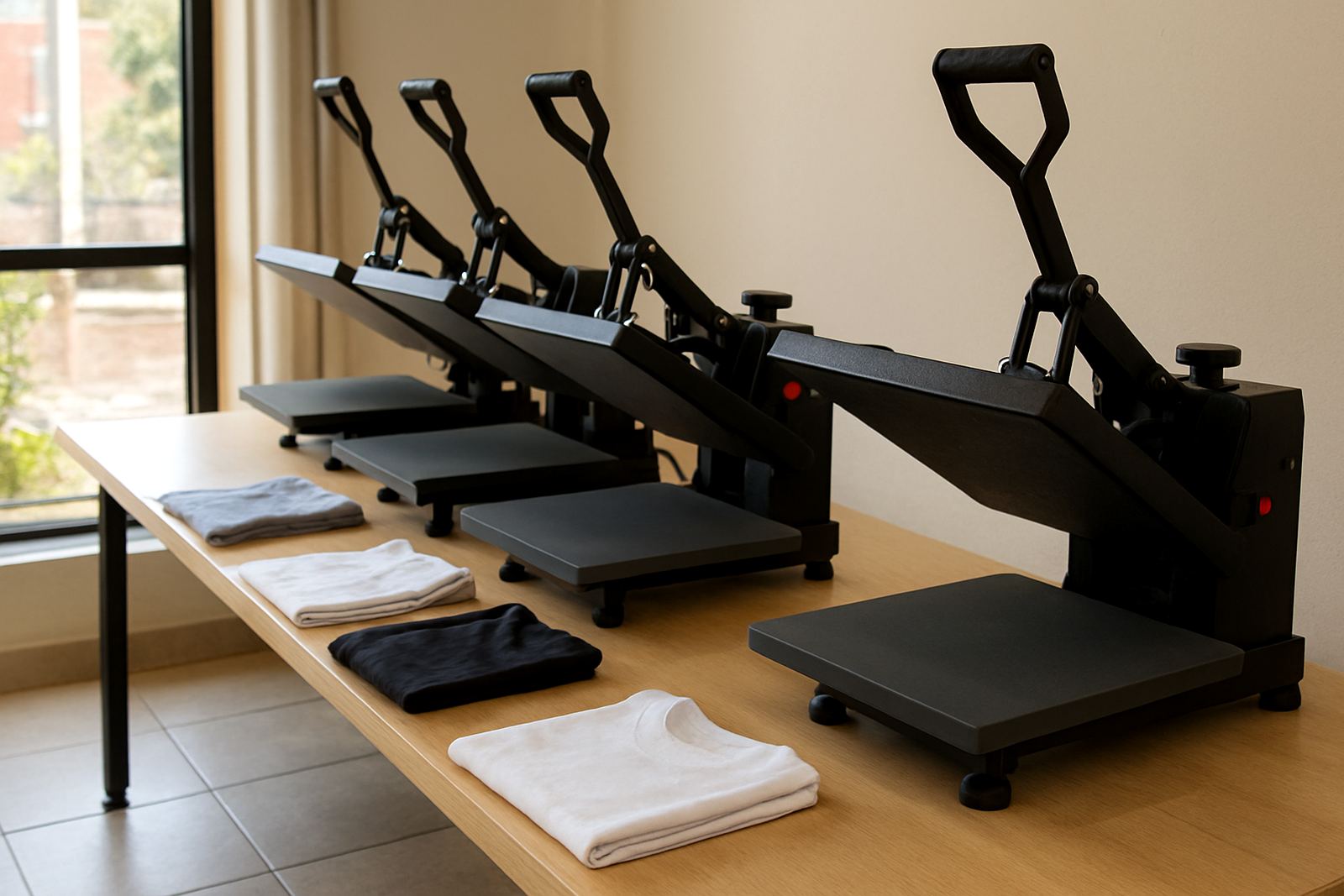
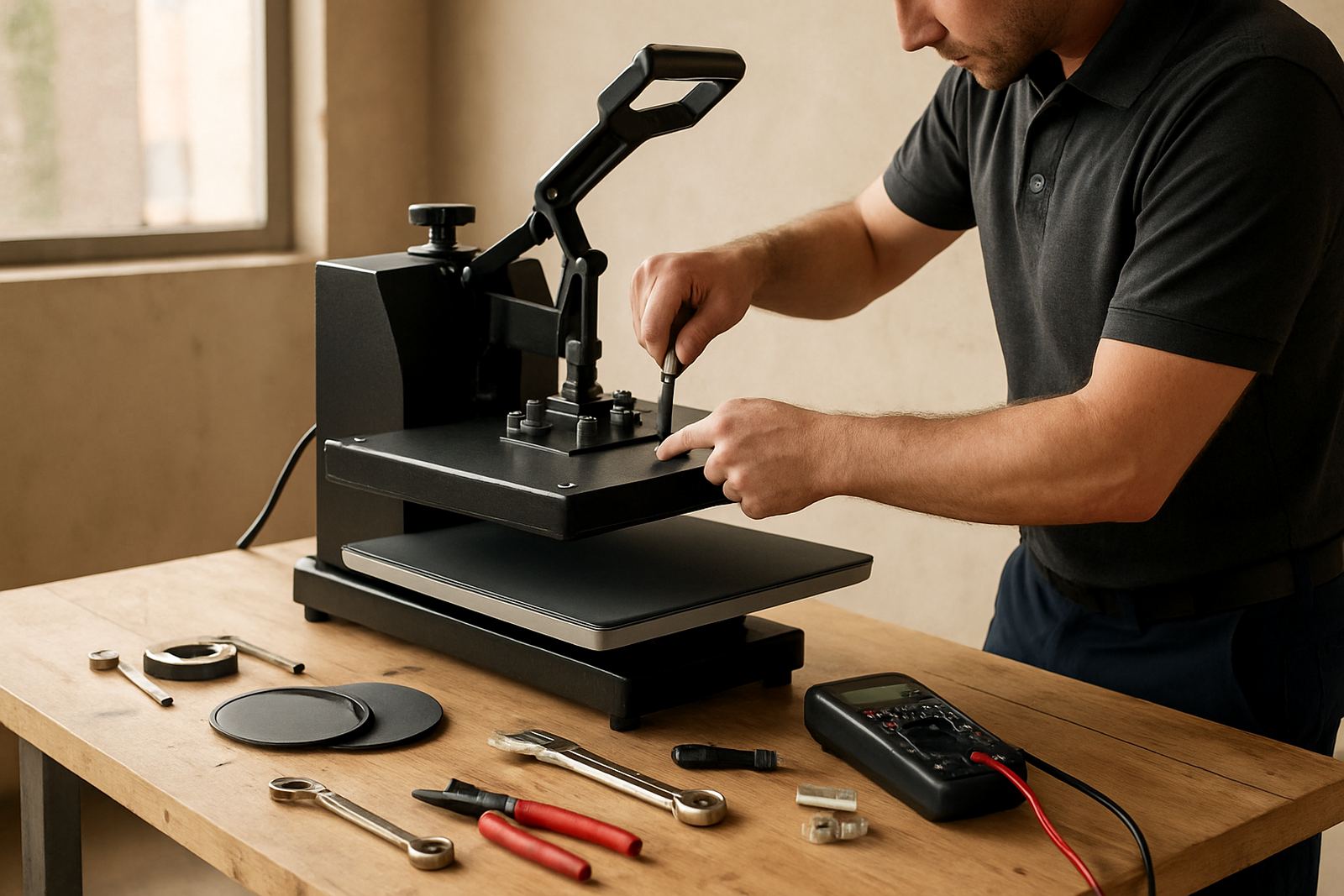
Why the lower pad matters on every press cycle
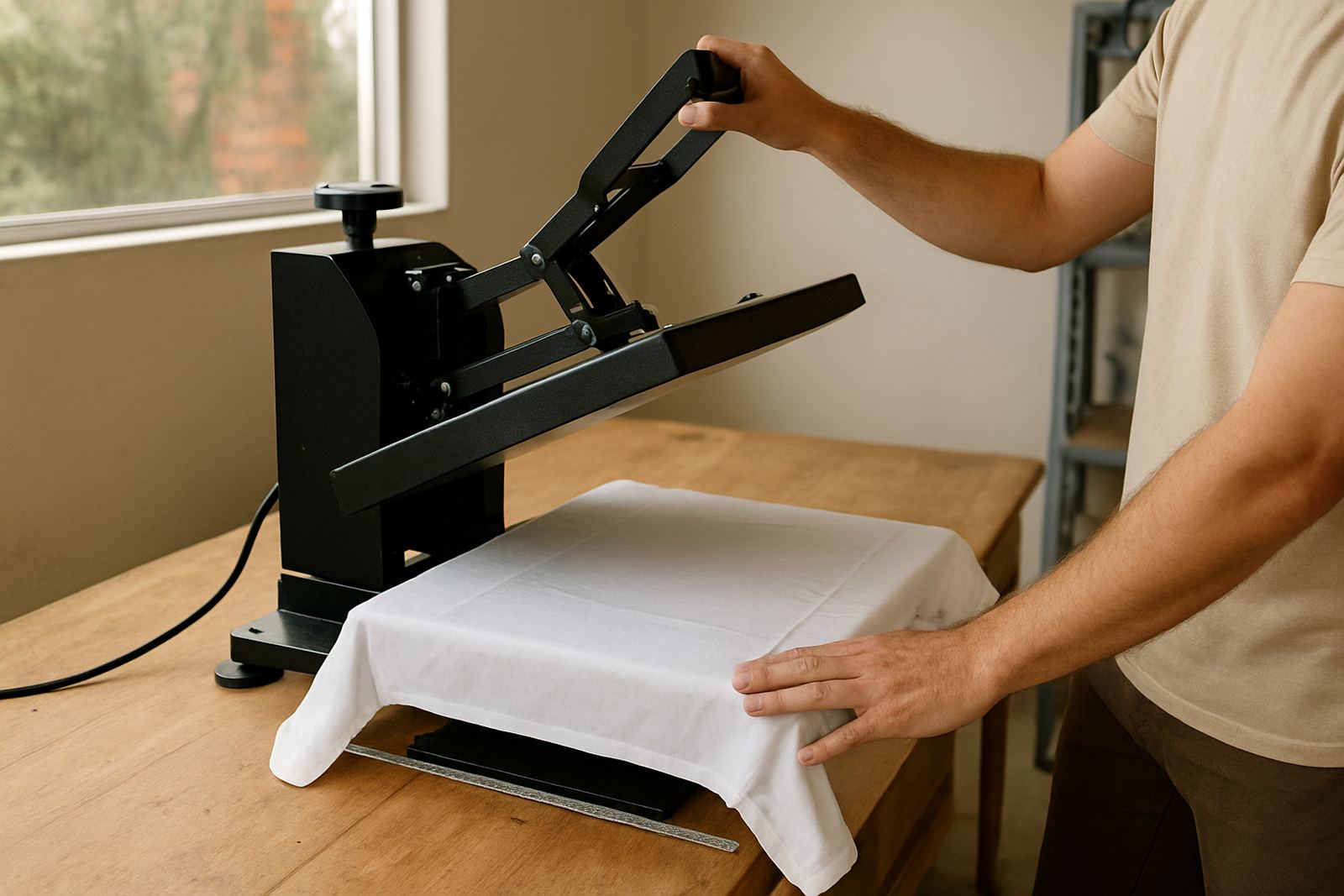
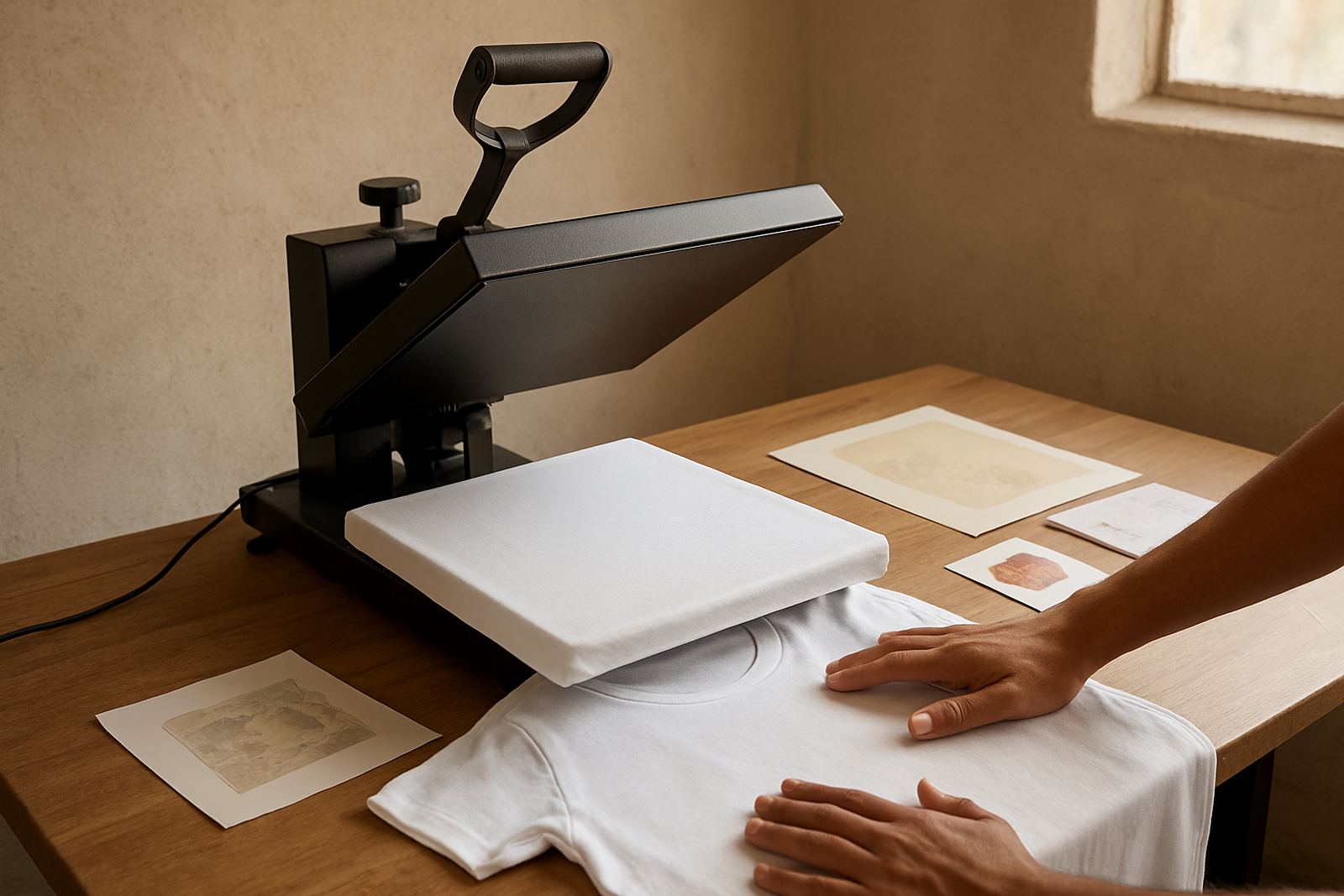
The lower pad gives the platen a flat, even support under the garment. When it is in good condition, pressure spreads properly across the full print area and the transfer bonds at the same rate from corner to corner. When the pad is tired, uneven or contaminated, the press may still close, but the result changes: edges lift, one side appears lighter, and small marks can show through on thin fabric.
On many jobs the lower pad is blamed last, because the heat plate gets all the attention. Yet the pad is the surface that takes constant abuse from shirt seams, zips, dust, glue residue and pressure over time. In a busy Midrand workshop doing short runs for corporates and school orders, that wear adds up fast. A flat press that feels normal at the handle can still be pressing on a pad that has gone soft in the middle, or harder on one edge than the other.
The lower pad also affects how easy it is to position garments. If it shifts, bows, or has a worn covering, operators start compensating with extra pressure and longer dwell times. That often creates more problems than it solves, especially on thinner fabrics and stretch garments.
Signs the pad is no longer doing its job
You do not need special tools to notice many lower pad problems. Most signs show up in the print, the feel of the machine, or the way the garment sits on the platen. If you catch these early, you can usually prevent damage to transfers and reduce unnecessary strain on the press frame.
- Transfers look darker in one area and pale in another.
- Pressure feels tighter than usual even though the setting has not changed.
- Garments leave a visible ridge where seams, pockets or zips sit.
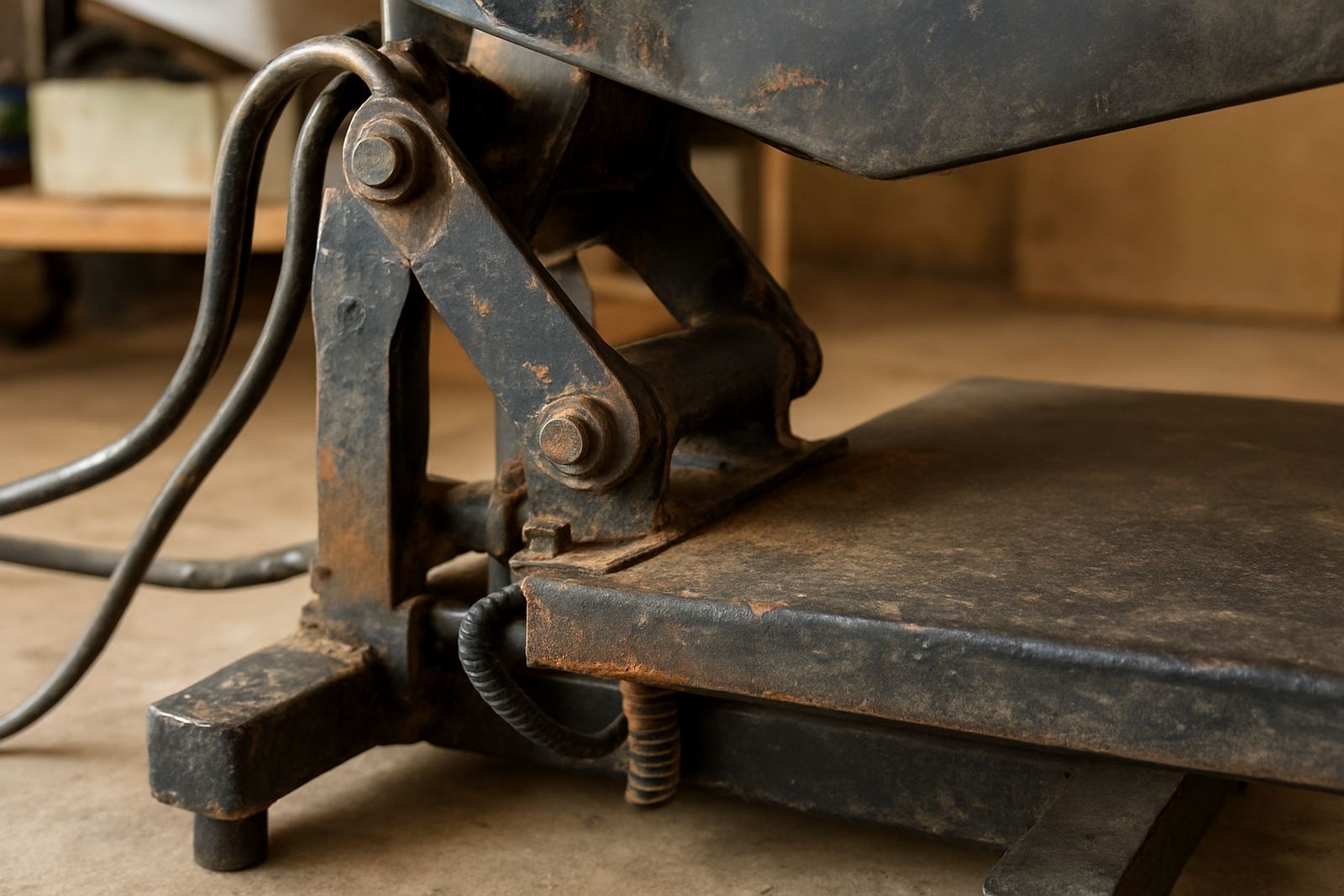
- The cover is shiny, glazed, torn or marked with adhesive build-up.
- Heat marks are appearing on the back of light coloured garments.
- The pad springs back unevenly after a press cycle.
If a pad has been over-compressed for months, it can lose its recovery and stay slightly depressed in the middle. That creates a hollow under the shirt, so the centre gets less contact than the outer edges. In some shops the operator keeps turning up the pressure, which can crush fabric fibres and make the transfer harder to peel cleanly. It is better to inspect the pad than keep chasing a setting that no longer means the same thing.
How to keep the pad flat and clean between jobs
Good pad care is mostly about routine. A quick wipe is not enough if your shop handles a mix of light tees, heavy cotton, hoodies and transfer paper. The goal is to stop residue from building up and to keep the surface consistent from one job to the next.
- Brush off lint and dust at the start of the day and after large runs.
- Wipe adhesive residue before it hardens into a glossy patch.
- Check that covers sit snugly and do not bunch at the corners.
- Keep scissors, blades and sharp tools away from the pad surface.
- Do not leave shirts folded, wet or still warm on the platen for long periods.
If the covering feels rough or starts to burn through, replace it before it damages the lower pad underneath. A worn cover can also trap dirt that scratches prints on fine detail work. In coastal areas like Durban, humidity can make covers hold moisture and grime for longer, so a clean dry storage space matters. In winter in Gauteng, dust from open doors and yard traffic can settle on the pad and leave tiny marks that show up on solid colour transfers.
A small habit helps a lot: once a week, remove the covering and inspect the pad underneath for dents, stains and soft spots. That takes only a few minutes, and it can save you from a full day of poor output.
Pressure, temperature and the lower pad work together
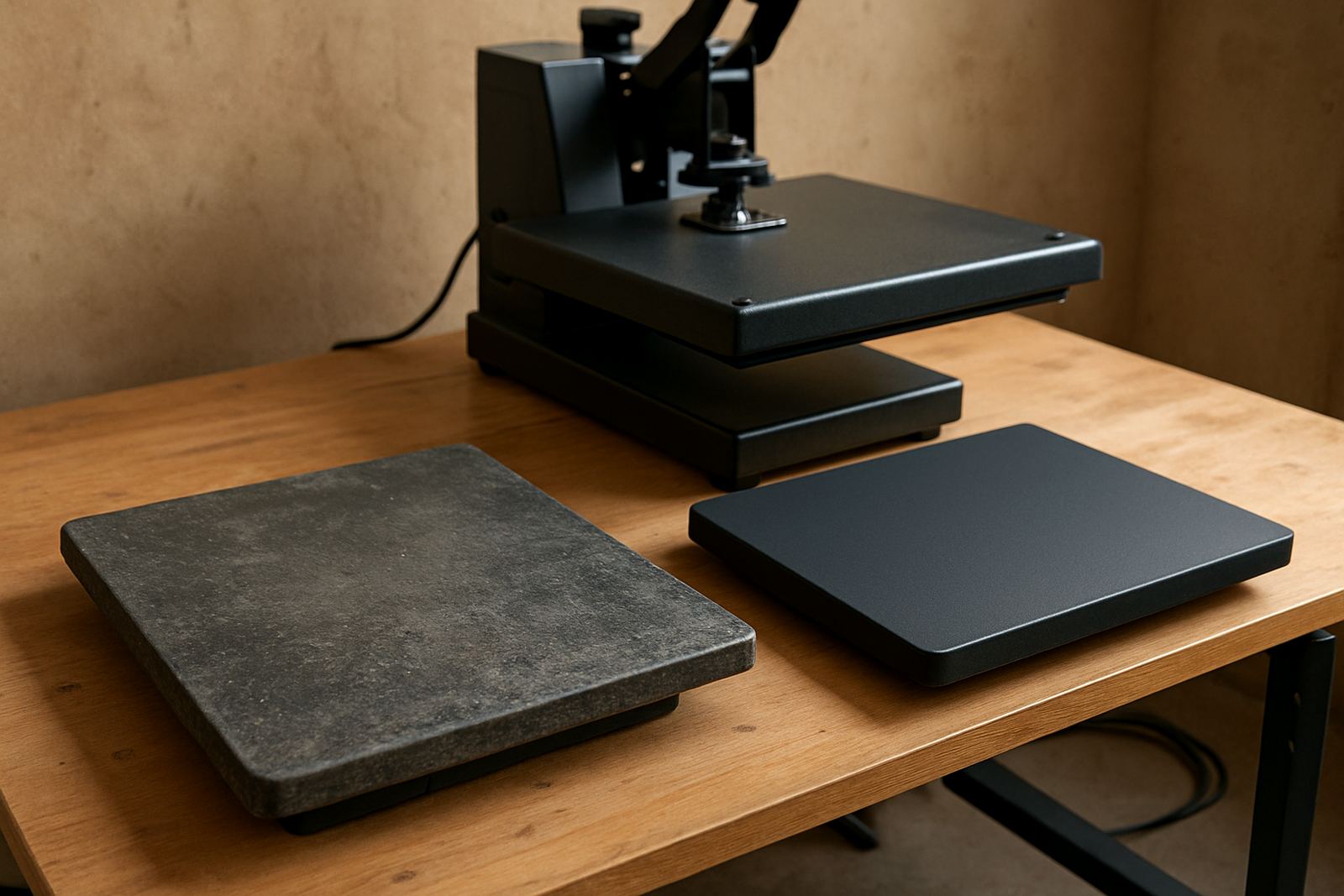
Many operators think of pressure as a separate setting, but the lower pad changes how that pressure behaves. A soft pad compresses more, which can be useful for thicker garments, but too much softness causes loss of definition. A hard pad gives sharper contact on some jobs, yet it can create hot spots and show seam marks on delicate items. The right balance depends on the transfer type and fabric weight.
Temperature also plays a part. When heat rises, some pad materials soften slightly. That means a job pressed correctly in the morning can feel different after a few hours of continuous use. In a busy print shop in Pretoria or Johannesburg, where presses may run all day during peak season, it makes sense to check the first few samples after lunch as well as at the start of the shift.
To keep your settings consistent, watch for these practical points:
- Re-check pressure after replacing the pad cover.
- Test a sample when switching from light T-shirts to thicker hoodies.
- Confirm even contact across the full platen after any repair.
- Adjust for unusual seams, zip tracks and garment labels.
If the lower pad is uneven, the operator may think the controller is drifting or the heat is inconsistent, when in fact the base has changed. That is why regular temperature checks and pressure adjustments go hand in hand with pad care.
When to replace the pad or the covering
There is no fixed date for replacement because usage differs from one shop to another. A small hobby setup that does a few shirts a week will not wear a pad the same way a contract printer in Midrand or the East Rand will. Still, there are clear moments when replacement is the sensible choice instead of another patch-up.
Replace the covering when it becomes glazed, torn, stained through, or loose enough to wrinkle during pressing. Replace the lower pad when it has permanent dents, hard edges, burned areas or uneven thickness that cannot be corrected with a new cover. If the press keeps needing extra pressure to get the same result, the pad may have reached the point where more tweaking only hides the problem for a short while.
Before replacing anything, ask a technician to inspect the platen, the frame alignment and the pressure system. Sometimes the issue is not only the pad. A damaged heater plate, tired springs or a line fault on a pneumatic press can make the pad look guilty when it is only reacting to another fault. A proper check stops wasted money and reduces downtime, which matters when customer orders are due the same day.
A practical local example from a busy Midrand shop
A garment decorator in Midrand called after noticing faint outlines on the left side of several transfer jobs. The press was heating normally, the artwork was fine, and the operator had already tried longer dwell times. The lower pad looked acceptable at first glance, but a straight edge showed a slight dip in the centre and a harder patch near the front edge where seam-heavy garments had been pressed for months.
After replacing the covering and correcting the pad support, the same artwork pressed evenly again. The shop did not need to run hotter or squeeze harder. It simply needed the base restored to a proper flat surface. That one change reduced rejects on cotton tees and improved consistency on larger front prints. The client also changed the shift routine so the team checked the pad at the start of each week, which helped catch wear before it affected output again.
That is the real value of lower pad care. It is not a fancy maintenance task. It is basic control over quality. Whether you are working from a small room in Bloemfontein, a busy floor in Cape Town, or a production unit serving schools and events nationwide, the same rule applies: if the base is uneven, the transfer will show it.