
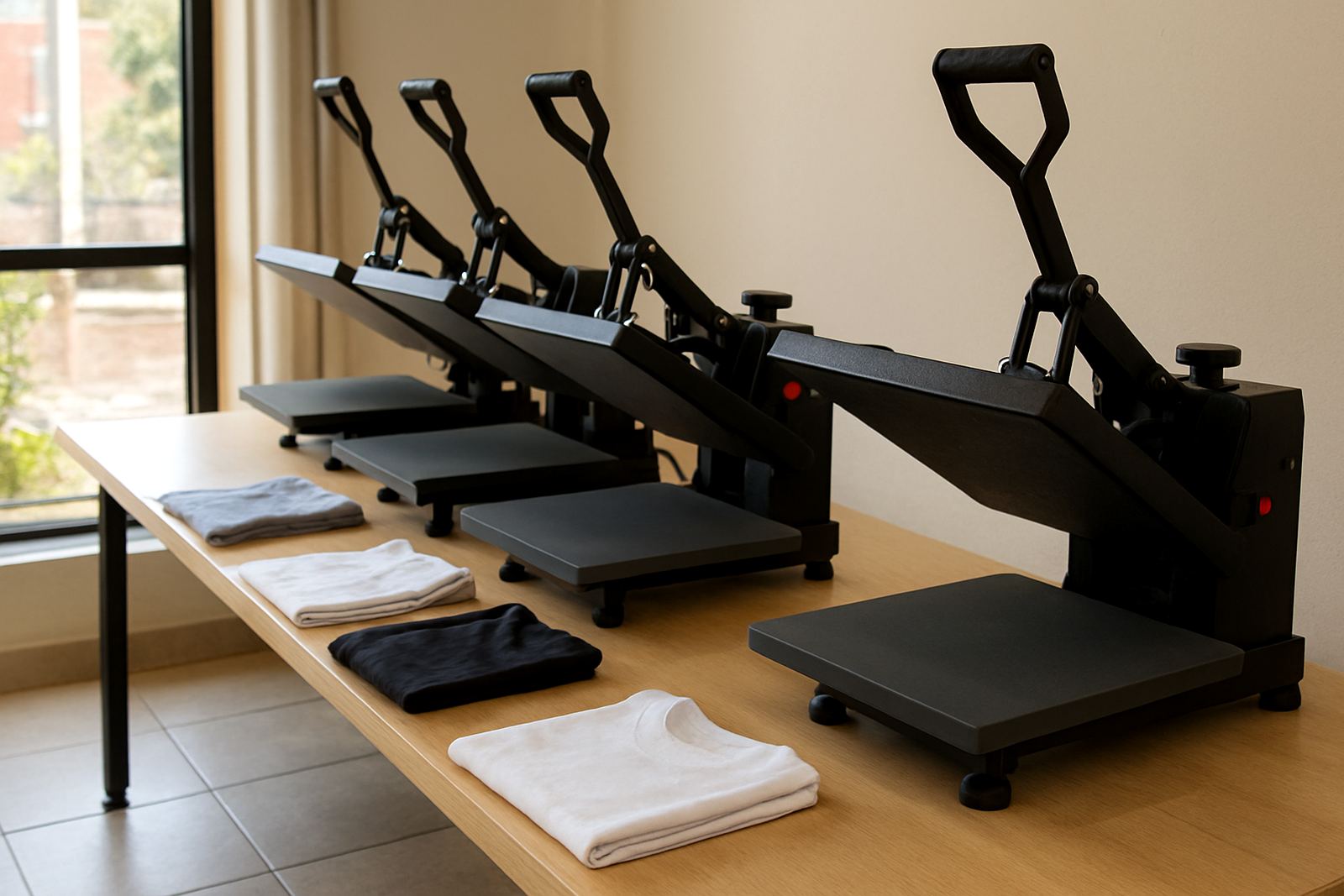
Why Thick Garments Need Different Pressing Pressure
Thin cotton tees and thick fleece tops do not behave the same under a flat heat press. A light summer shirt gives a fairly even contact surface, while a hoodie or brushed fleece can leave air gaps around seams, pockets and ribbing. Those gaps reduce heat transfer and can make a print look patchy even when the timer and temperature are correct.
Many decorators first notice the issue when a transfer lifts at the edges, or when the centre sticks but the sides look dull. The press is not always the problem. The garment thickness changes the way pressure reaches the print area, and if the pad is too soft or the garment is not supported properly, the platen presses unevenly.
In practical terms, a thicker garment usually needs a little more attention to pressure setting, pad condition and pre-pressing. On a busy shop floor in Midrand or Pretoria, that may be the difference between one clean application and three reworks before lunch.
Seams, Collars and Zips Create High Spots
Seams are one of the biggest causes of uneven contact because they create high spots. A collar, hoodie zip, side seam or shoulder join can hold part of the garment above the rest of the platen. That means the transfer area may not receive even force across the full surface.
When printing close to a collar or across a chest seam, it helps to think about where the press is landing first. If the garment is folded awkwardly or the neckline sits too high, the pressure will follow the thickest point instead of the print zone. The result is often a faint line, a spot that did not cure properly, or a transfer that starts to lift after washing.
- Keep seams and collars clear of the main press area where possible.
- Use a support pad that lets the thick areas sit level.
- Pre-press to flatten the garment and remove moisture.
- Check whether the print needs moving a few millimetres to avoid a ridge.
Even a small shift in placement can help. On thicker garments, 5 mm or 10 mm matters more than most people expect.
Fleece Changes the Way Heat Moves Through the Garment
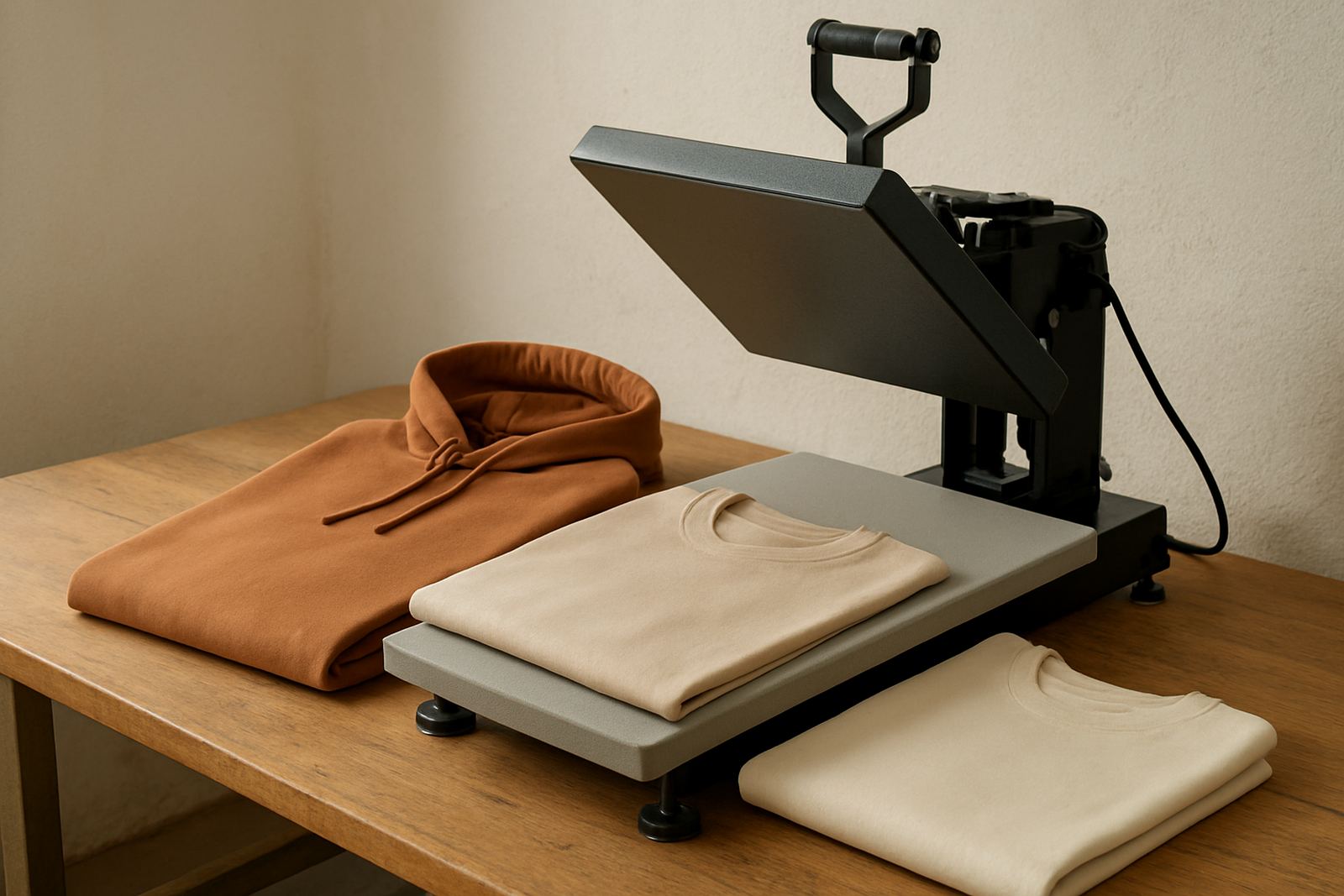
Fleece is popular in winter, especially in Johannesburg, Bloemfontein and the colder parts of the East Rand. It is warm and comfortable, but it also traps air. That air slows heat transfer, so the top surface of the print may feel ready while the lower fibres are still cooler.
This is why fleece often needs a more careful setup than a basic cotton tee. If the temperature is too low, the transfer may not bond fully. If the pressure is too light, the top fibres may not flatten enough. But if you overcompensate with too much heat, the garment can mark, shine or distort around the print.
For fleece and similar heavier fabrics, the goal is steady contact, clean support and a short, controlled press cycle. Let the material settle first, then press with a proper pad and check the result before moving into full production. That extra minute saves wasted stock, especially when you are doing schoolwear, teamwear or corporate orders.
Simple Setup Checks Before You Press
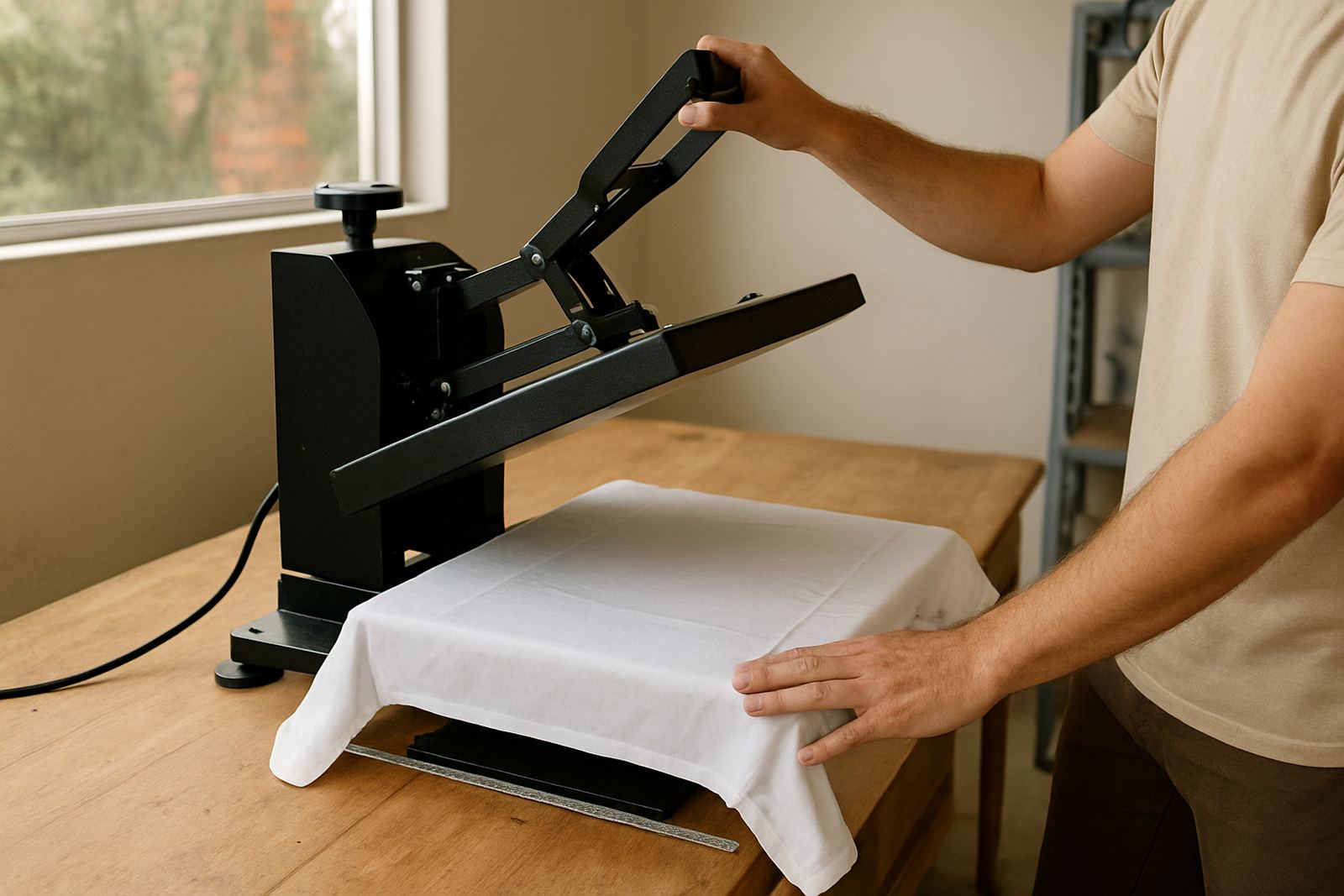
Most problems with thickness can be reduced before the handle comes down. A good operator checks the garment, the pad and the artwork placement before every run. This is especially important when you are moving between lightweight tees and thick hoodies in the same shift.
- Remove lint, loose fibres and labels that may create an imprint.
- Pre-press to remove moisture and flatten seams where possible.
- Use a pad that matches the garment weight and thickness.
- Test pressure on a sample garment before a full batch.
- Confirm the print area clears zips, buttons and pockets.
Load-shedding can also interrupt production and leave a machine sitting cold between jobs. When power returns, it is worth checking temperature recovery before the next garment goes in. A press that is still stabilising can give uneven results, especially on thicker fabric that already asks more from the machine.
If your press has started feeling inconsistent, it may need a temperature check or pressure adjustment rather than a full replacement. Sometimes a worn element, a tired covering or a loose pneumatic line is what causes the uneven finish.
Local Example From A Midrand Hoodie Run
A small print shop in Midrand recently moved from light tees to a winter hoodie order for a local sports club. The transfers were fine on cotton shirts, but on the fleece hoodies the edges kept lifting near the pocket line. The operator had the correct temperature, yet the garment was too thick at the pocket seam and the pad was not supporting the chest area evenly.
The fix was straightforward. The shop adjusted the pad, shifted the artwork slightly higher, and used a firmer support under the body of the hoodie. After that, the print sat flatter and the finish was more consistent across the batch. No major changes were needed, just better control of pressure contact.
That kind of issue shows up all over Gauteng, from workshop batches in Sandton to school orders in Pretoria. Thick garments are common, and if the machine setup is not matched to them, good materials can still give poor results.
When To Service The Press Instead Of Changing The Artwork
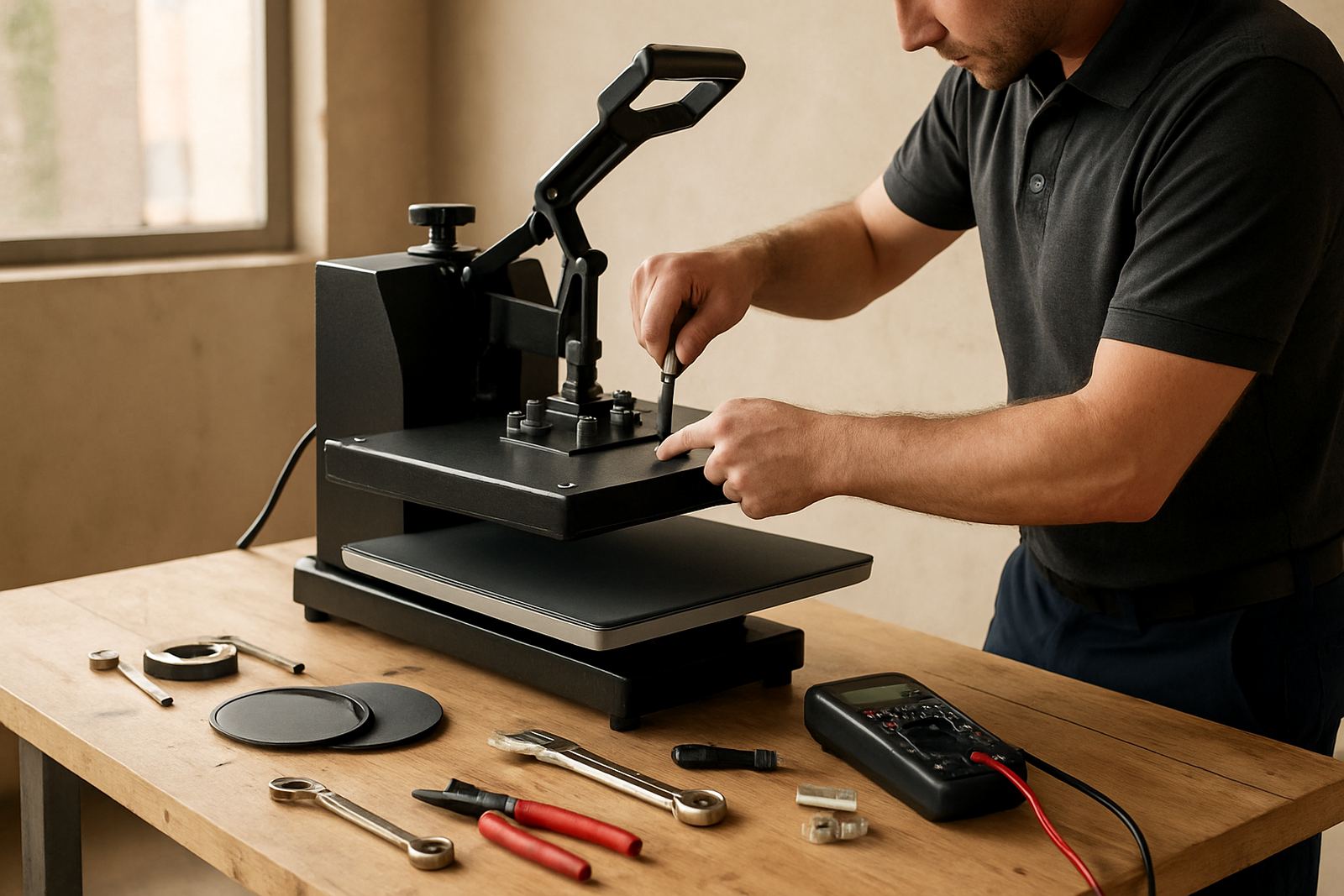
If garment thickness issues keep repeating, the press itself may need attention. A worn pad, uneven platen, drifting controller or damaged element can make thick garments harder to press than they should be. You may notice one side of the print is darker, one corner sticks less, or the pressure feels different from one job to the next.
That is when it makes sense to look beyond the artwork and inspect the machine. Preventive servicing helps keep the platen even, the temperature steady and the pressure repeatable. For shops doing daily production in Durban, Cape Town or the West Rand, that consistency matters because the garments coming through the door are rarely identical.
- Check for hot and cold spots across the platen.
- Replace worn pads and coverings before they affect finish.
- Test controller accuracy after long use or power interruptions.
- Book element or pressure repairs when the press no longer feels uniform.
A heat press should not need guessing. Once it is set correctly, thick garments should be manageable, not stressful.
Better Results Come From Matching Pressure To Fabric
The main lesson is simple: garment thickness changes how pressure works. Fleece, seams and collars do not just sit under the press, they shape the outcome. If you ignore them, the print can look fine on the outside but fail where the contact was weak.
For decorators and print shops, the best habit is to treat every fabric as its own job. Adjust the pad, check the high spots, test the pressure and confirm the press is recovering properly after each run. That small routine makes the difference between a one-off touch up and a batch that goes out clean the first time.
If you need setup help, operator training, spares or support for a flat heat press, use the enquiry form on our contact page. We assist small decorators, hobby users and production shops across Midrand, Johannesburg, Pretoria, Durban, Cape Town, Bloemfontein and nationwide by courier.