
Start With the Jobs That Usually Overflow
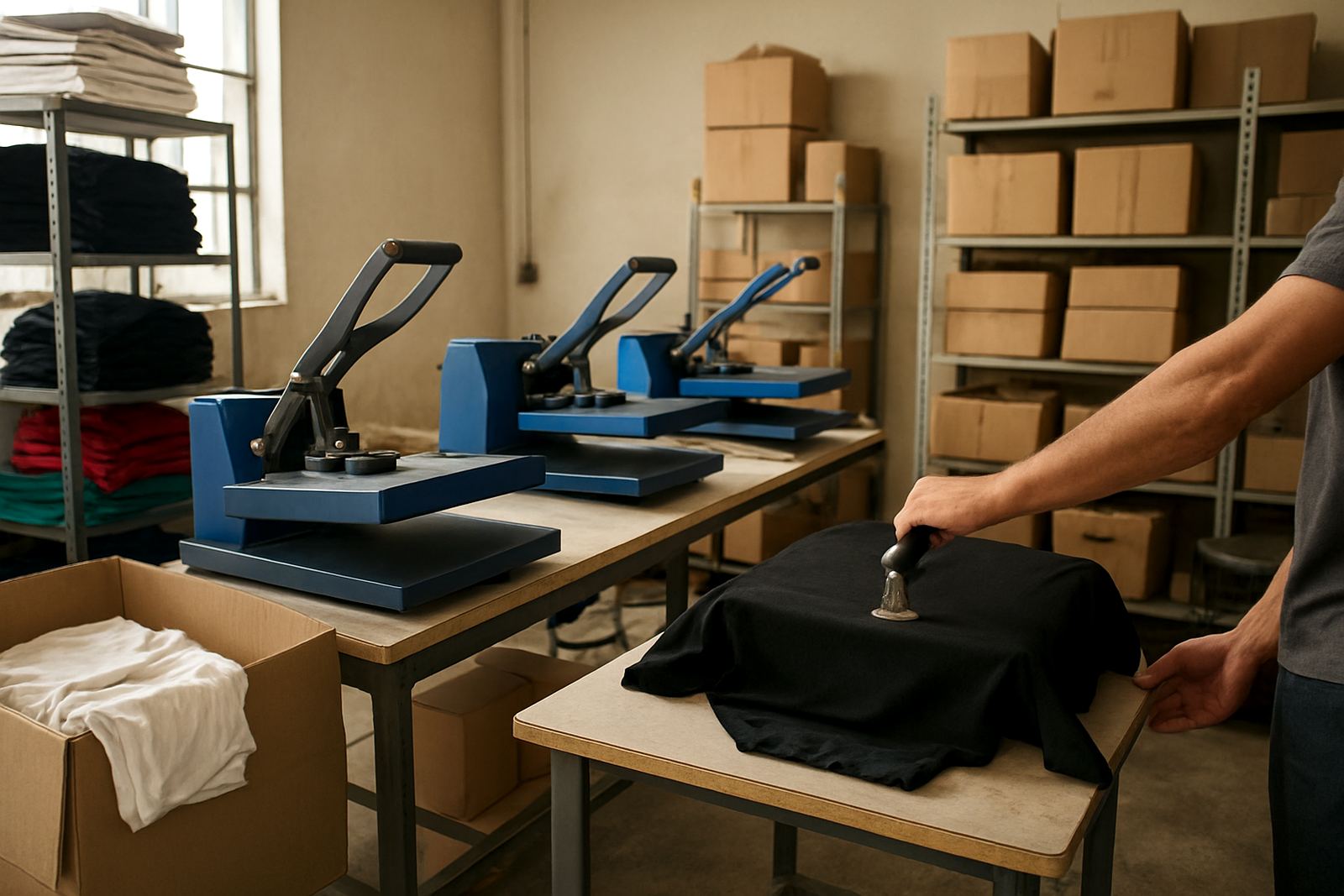
Peak season does not arrive with warning. In Gauteng it may be matric farewell shirts in August, then sports tournaments, then Christmas gifting work before the year ends. In Cape Town and Durban humidity can also change how transfers behave, while load-shedding can upset your rhythm if you are not prepared. The first step is to map your busiest periods and count the jobs you normally take on in a week, then compare that to what your press can handle in a day.
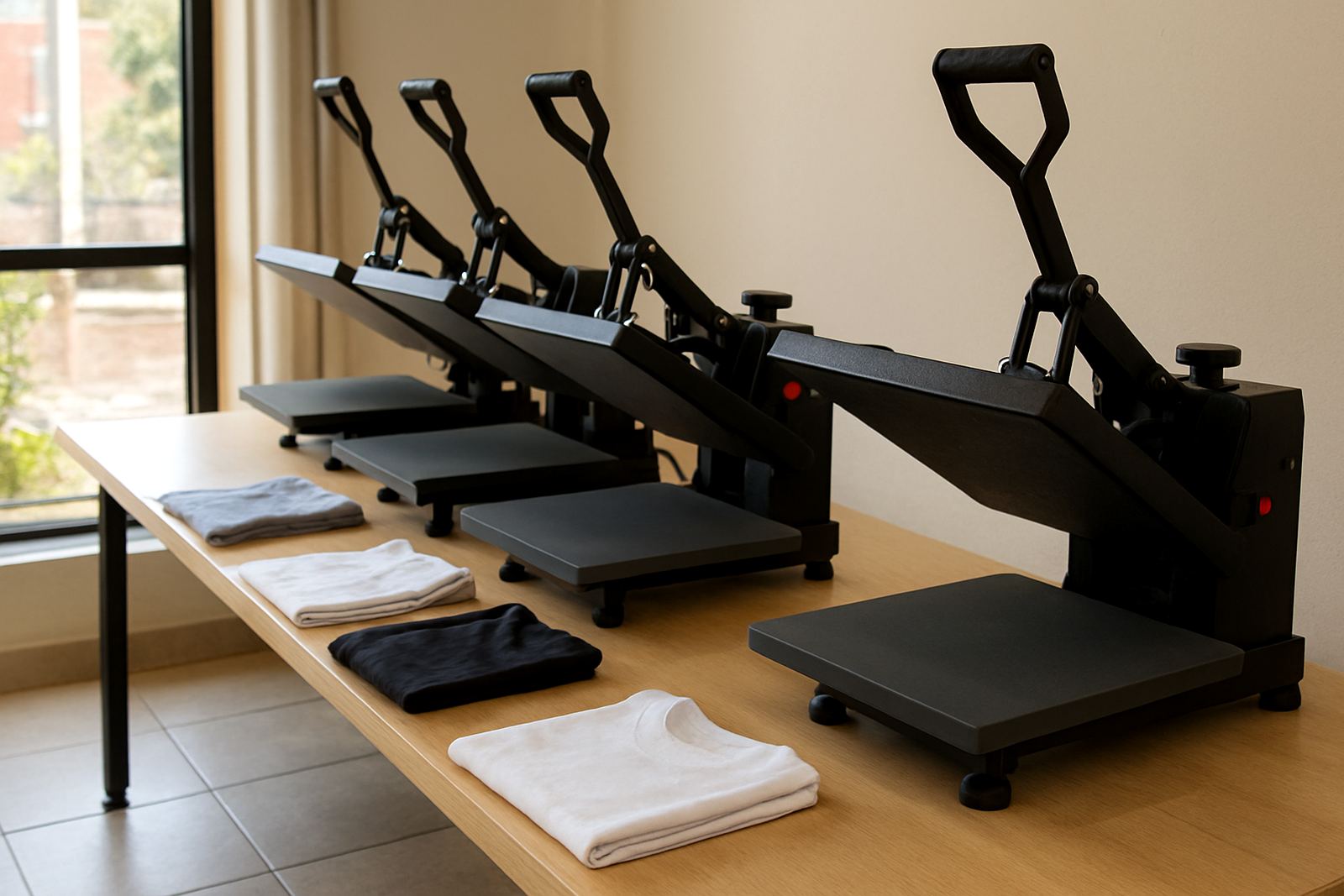
If you know your machine is already working close to its limit, do not wait for the rush to test it. A press that is fine for 30 shirts a day may struggle when the order suddenly jumps to 120 pieces with mixed sizes and different transfer types. Build a small buffer into your planning so you are not forcing one machine to do the work of two.
- List your busiest months and the types of garments you print most often.
- Check how many press cycles your team can complete in one shift.
- Allow extra time for sorting, pre-pressing and cooling, not just pressing.
Service the Press Before the Rush Starts
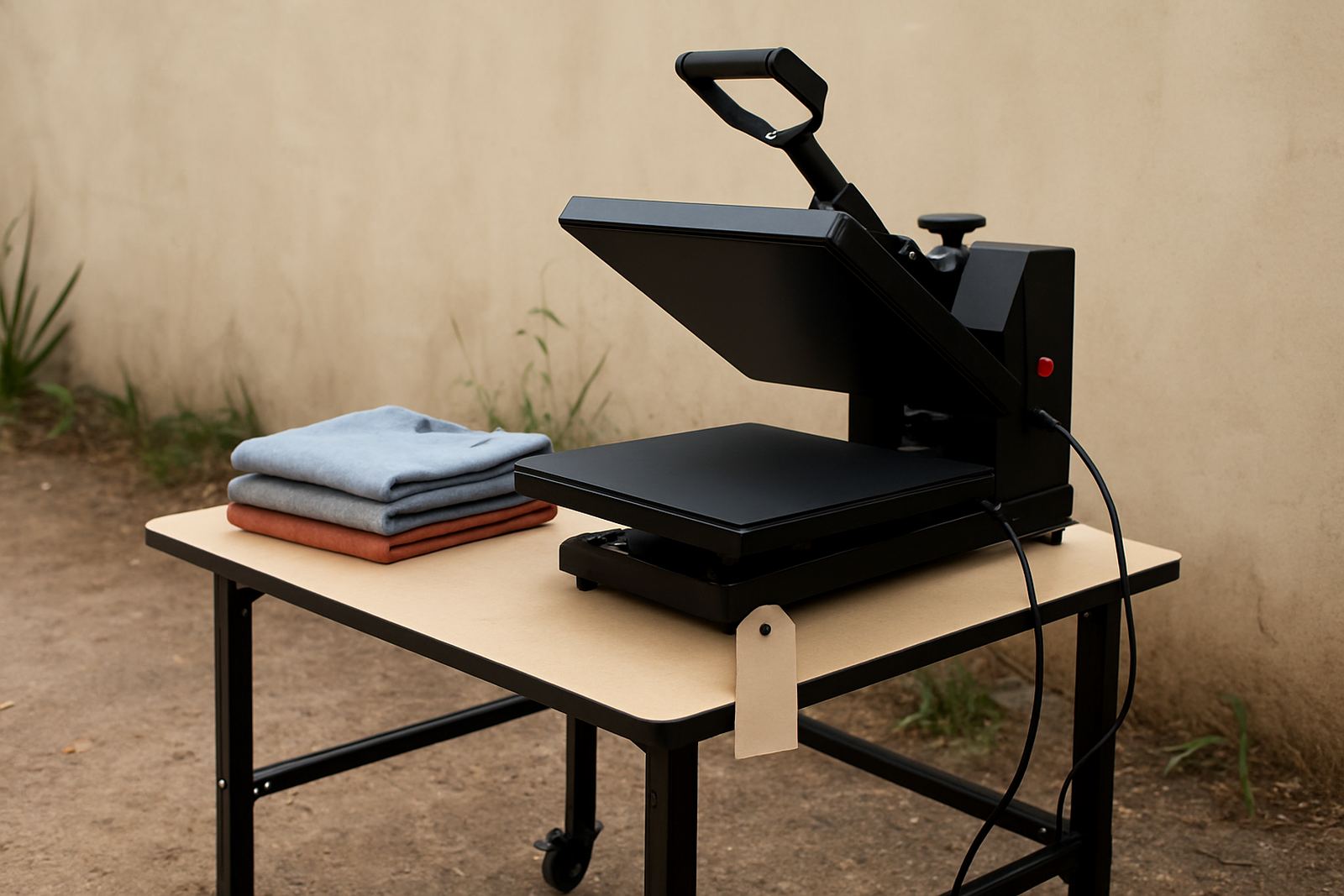
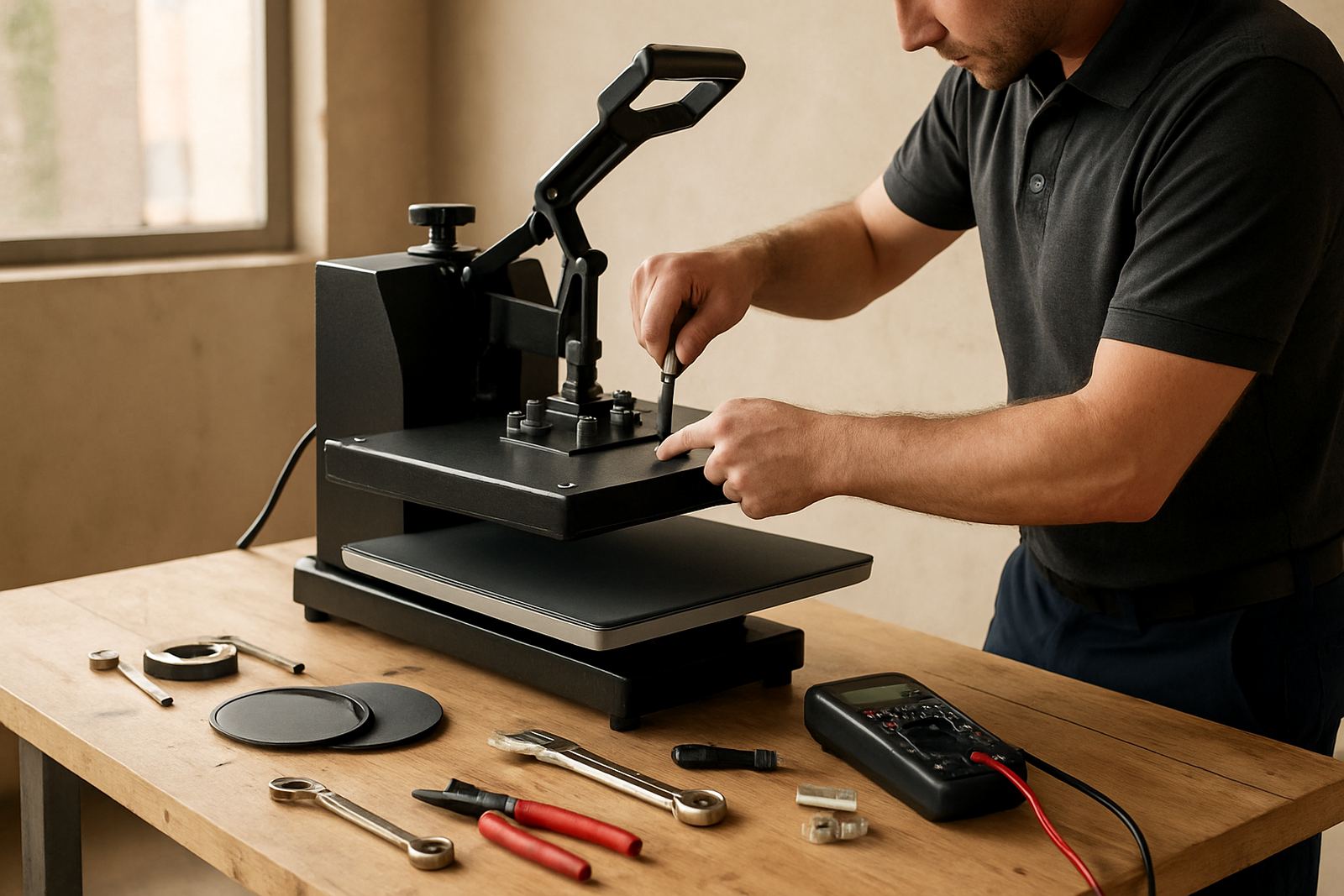
A flat heat press can lose consistency long before it stops working completely. Worn pads, uneven pressure, drifting temperatures and tired elements all show up first as quality complaints, not breakdowns. Before peak season, check temperature accuracy, pressure across the platen, the condition of the cover and whether the lower pad is still springy and level.
If the machine takes too long to recover between presses, or one side starts to leave a lighter print, that is the time to deal with it. Waiting until the week of the order often means longer downtime and rushed repairs. Preventive servicing is usually cheaper than trying to rescue a stack of late jobs.
- Test temperature stability at the start, middle and end of a busy run.
- Inspect the pad and cover for glazing, dents or heat spots.
- Replace worn elements, damaged controllers or weak pneumatic parts before they fail.
- Keep a record of the last service date and any fault history.
Train for Fast Turnaround, Not Just First-Time Use
Many print shops can get a good result when the order is small and the day is quiet. The problems start when different staff members take turns on the same machine during a rush. A press that is easy to use still needs clear settings, standard timings and a simple routine so the results stay consistent from job to job.
Operator training should cover more than the on and off switch. The team must know how to set the right temperature, how much pressure to use for different garments, what to do if a transfer lifts at the edge, and how to spot a fault before it spreads through a full batch. A few hours of practical training can save a weekend of rework.
- Write down your standard settings for each transfer type.
- Show every operator how to confirm pressure and platen alignment.
- Make one person responsible for final checks during busy periods.
Keep the Spare Parts You Actually Use on the Shelf
Peak season is the wrong time to discover that a small part has stopped the whole line. In many cases the machine does not need replacing, it just needs the right component on hand. Keep the parts that fail most often within reach, especially if courier lead times are longer during December or if you are working far from Midrand and need support to reach you nationwide.
A sensible spares box can save a day or more of lost production. It should match the press model and the way you use it. If you run long shifts, a spare controller or element may be more useful than some extras you never touch. The goal is not to overstock, just to keep the next fix close enough to stop the backlog from growing.
- Keep a spare cover, basic wiring consumables and the most common fast-moving parts.
- Label each item by machine size and type so there is no confusion under pressure.
- Store parts in a dry place if you work near the coast, especially in Durban or Cape Town.
Plan for Power Cuts and Time Pressure at the Same Time
Load-shedding changes the way a print shop must think. If the press is cold when the order is due, the whole workflow slips. That is why your backup plan should include power timing, job sequencing and a clear way to use available hours well. Do not start a long batch just before the supply is expected to go off unless you can finish and cool the work safely.
For shops in Johannesburg, Pretoria, the East Rand and West Rand, the best approach is often to load the day around the most reliable power windows. In smaller towns or busy commercial units with many tenants, be ready to switch from pressing to prep work when electricity is unavailable. That way the team stays productive even if the machine cannot run at that moment.
- Prep garments, sort sizes and stage transfers before pressing begins.
- Use a daily schedule that matches your available electricity hours.
- Keep a written plan for what happens if a job is interrupted mid-run.
Have a Backup Plan for the Day Something Slips
Even a well maintained heat press can have a bad day. A bad controller reading, uneven pressure or a worn pneumatic line can throw out production just when you need it most. The important thing is not to improvise wildly. Know who checks the fault, who decides whether to keep running, and when to call for support before the job stack gets out of hand.
A good backup plan uses short decisions. Can the fault be corrected on site with a pressure adjustment or temperature check, or does it need a replacement part? Is there a loan unit available while repairs are being done? Can the order be split so the urgent items go out first? Clear answers keep clients informed and protect the rest of the schedule. That kind of discipline matters whether you are in Midrand, Bloemfontein or working on courier supply to the coast.
One Pretoria decorator recently shifted from a single-machine rush to a simple peak-season routine: service the press two weeks early, keep one trained backup operator, and hold the most common spares on site. When a cover started to wear during a school order, the shop changed it the same afternoon instead of losing the whole weekend. That is the difference between a busy season and a broken one.
What to Do Two Weeks Before Your Busiest Period
The safest backup plan is one you put in place before the rush begins. Two weeks is usually enough time to service the press, confirm operator training, order missing spares and make sure your workflow makes sense. If you wait until the last few days, there is less room to fix mistakes and no cushion for delivery delays.
Use this short checklist before the season starts:
- Test the heat press at full working temperature for at least one normal shift.
- Confirm the team knows the settings for each garment and transfer type.
- Check that your most used spares are in stock.
- Arrange support for pressure adjustments, controller issues or loan unit needs if a fault appears.
- Keep the enquiry route handy so help can be requested quickly from the contact page.
When the orders come in hard and fast, the shops that cope best are the ones that planned for the pressure before it arrived. A clean machine, trained operator and spare parts on hand will always beat panic on a Friday afternoon.