
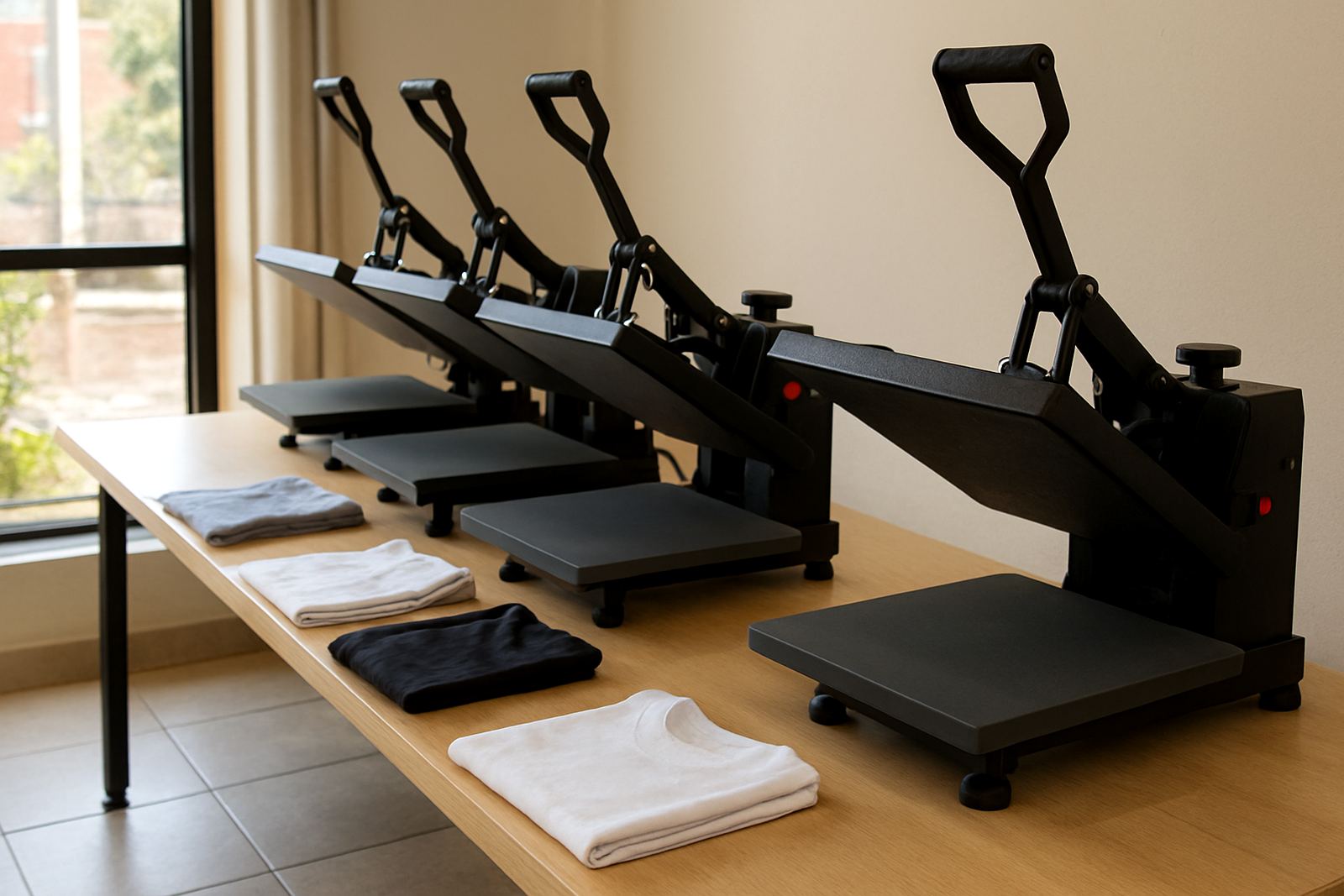
Start with the true cost of one pressed shirt
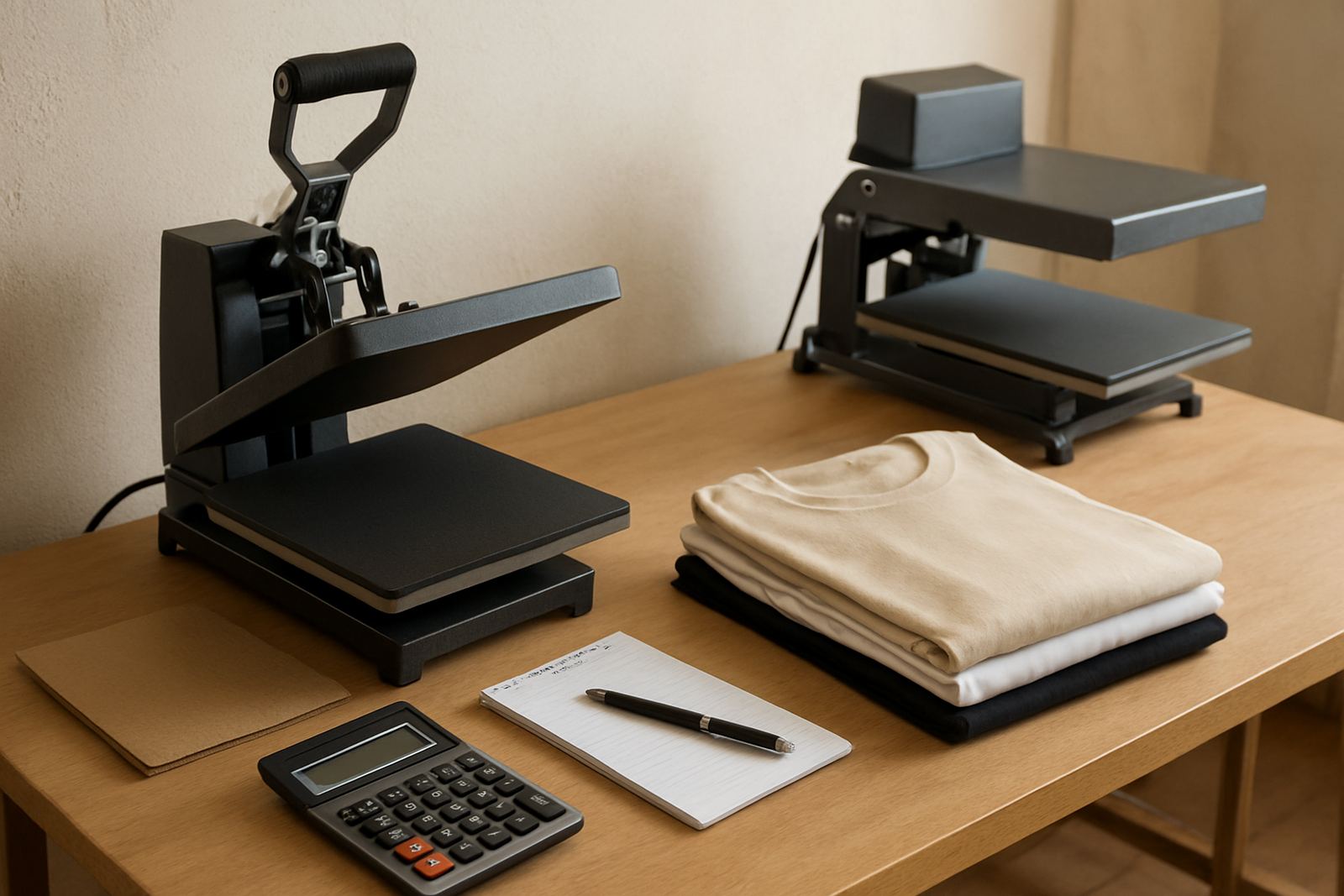
When you price a one-off or a short run, the shirt is only part of the story. You need the blank garment, the transfer, labour, electricity, packaging, and a little allowance for waste. If you leave out any of those items, the job may look profitable until month end, then the numbers tell a different story.
A simple start-up formula is this: garment cost plus transfer cost plus labour plus overhead allowance. For a small job, add a setup fee if artwork needs checking, alignment, or test pressing. That fee should cover the time it takes to load the press, sort the order, and confirm placement before the first shirt goes out the door.
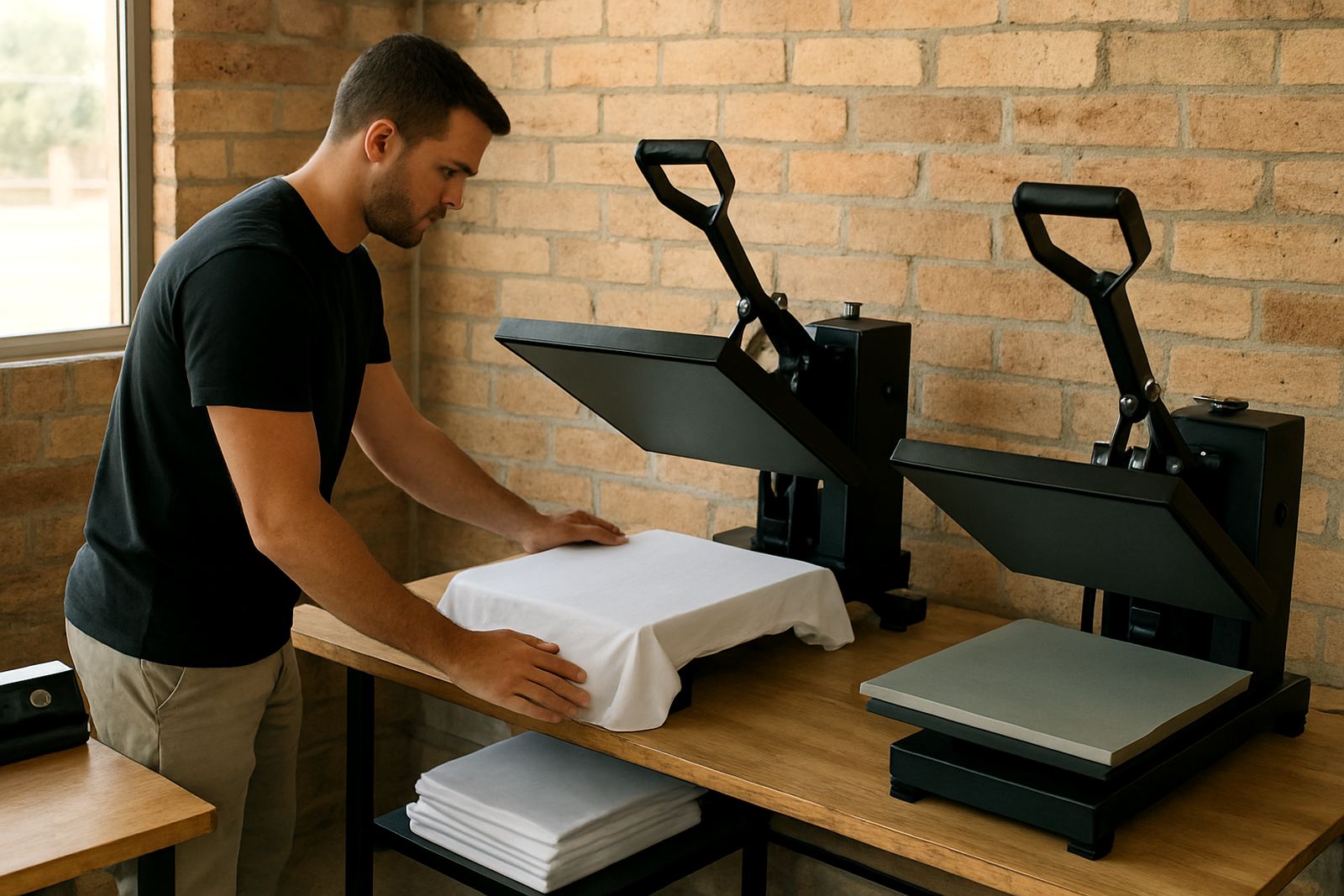
In Midrand, many small decorators begin with just a few orders a day. That is fine, but the pricing still has to carry the business through slow weeks, load-shedding, and the odd reprint caused by a shifted transfer or incorrect pressure. If your press is inconsistent, your pricing should include a buffer for rejects, because a cheap quote is not cheap if you have to redo half the order.
Build a pricing sheet that covers labour and overhead
Most small print shops undercharge because they only count the pressing time. A shirt may take two minutes under heat, but the full job includes phone calls, checking artwork, counting stock, setting temperature, testing pressure, and packing. If you are the owner, your time counts too.
A practical way to work it out is to set an hourly labour rate first. Then decide how many finished shirts you can realistically produce in an hour. This gives you a labour cost per shirt. Once that number is clear, add a fair overhead amount for rent, consumables, cleaning, maintenance, and machine downtime. Even a small heat press needs care, and if a controller or element starts acting up, your pricing must already have room for service costs.
- Allow for setup time on every new design or new garment type
- Include trimming, sorting and packing time where needed
- Add a small wastage factor for misprints and alignment errors
- Keep a separate allowance for servicing, pad covering and element wear
This kind of sheet helps when you compare a five-shirt job in Pretoria with a 40-shirt order going to Durban by courier. The handling time is different, and so is the risk. If you price both the same way, one of them is likely to run too tight.
Why small transfer runs need a setup fee
Short runs cost more per shirt because the setup is spread over fewer pieces. That is why a proper setup fee makes sense. It is not a penalty. It is a fair way to recover the time used to confirm size, colour, position and pressing settings. For a single custom shirt, the setup can take longer than the pressing itself.
Customers often understand this once it is explained plainly. They are paying for a finished item, not just for heat being applied. A setup fee also helps filter out jobs that are too small to be worth the trip or the admin. If you are servicing work across Johannesburg, Pretoria, East Rand, West Rand and the outer areas, the collection and delivery time can add up quickly.
For decorators just starting out, it helps to use a simple structure such as:
- Base garment price
- Transfer cost
- Setup fee for artwork and alignment
- Per-shirt pressing fee
- Extra charge for rush work or after-hours collection
That structure keeps quotes clear and helps you explain why a 3-shirt order is not priced like a 30-shirt order. It also gives you a cleaner way to track what each job is really earning.
Use your press condition to protect your margin
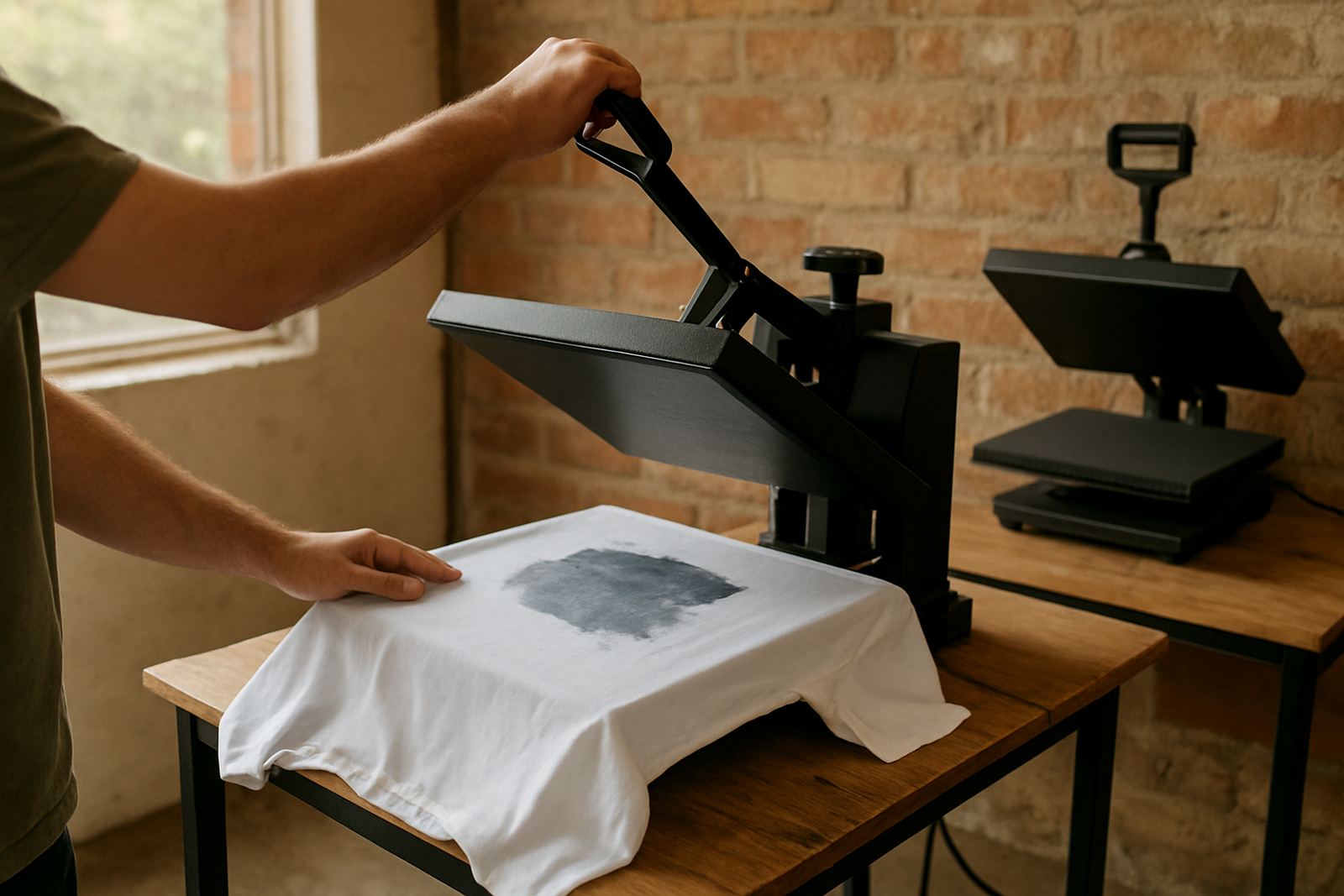
A heat press that is off by even a few degrees can cause fading, scorching or poor adhesion. Pressure that is too light can leave edges lifting, while pressure that is too heavy can flatten the garment and spoil the finish. Both problems cost money. If your machine is not holding temperature properly, your quote should not assume perfect output.
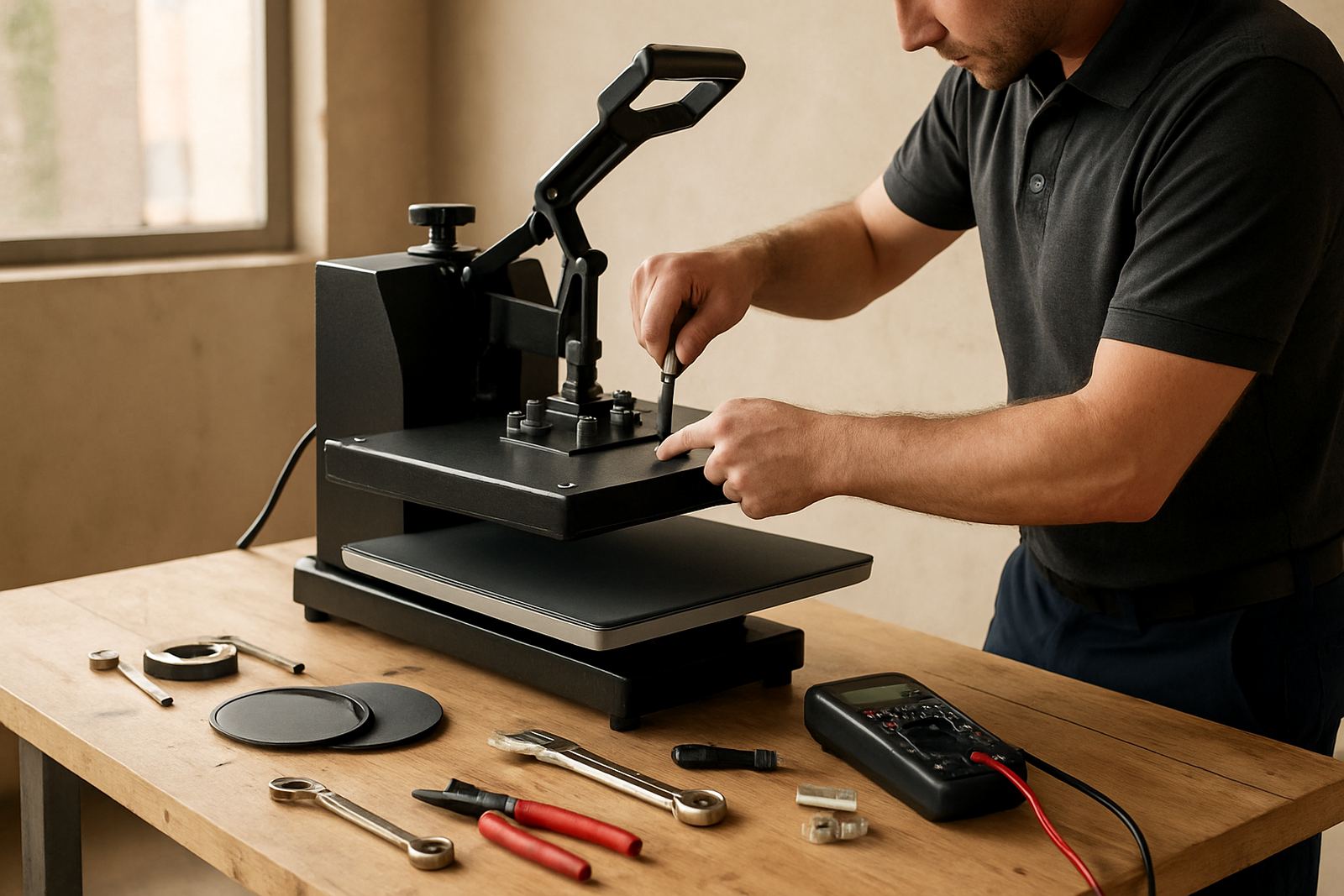
Regular checks make a real difference. A quick temperature check, pressure adjustment and pad inspection can save a run of shirts from being scrapped. In humid coastal conditions, such as Cape Town or Durban, pads and coverings can age differently from what you see in inland areas. If you are working in those places, keeping the machine clean and covered when idle matters more than people think.
For start-up shops, it is worth including a small maintenance reserve in every quote. That reserve can help pay for replacements, controller repairs, or a spare line part if you use pneumatic equipment. It is easier to set that money aside from the start than to try and find it when the machine is already down.
A Midrand example: pricing a small school order
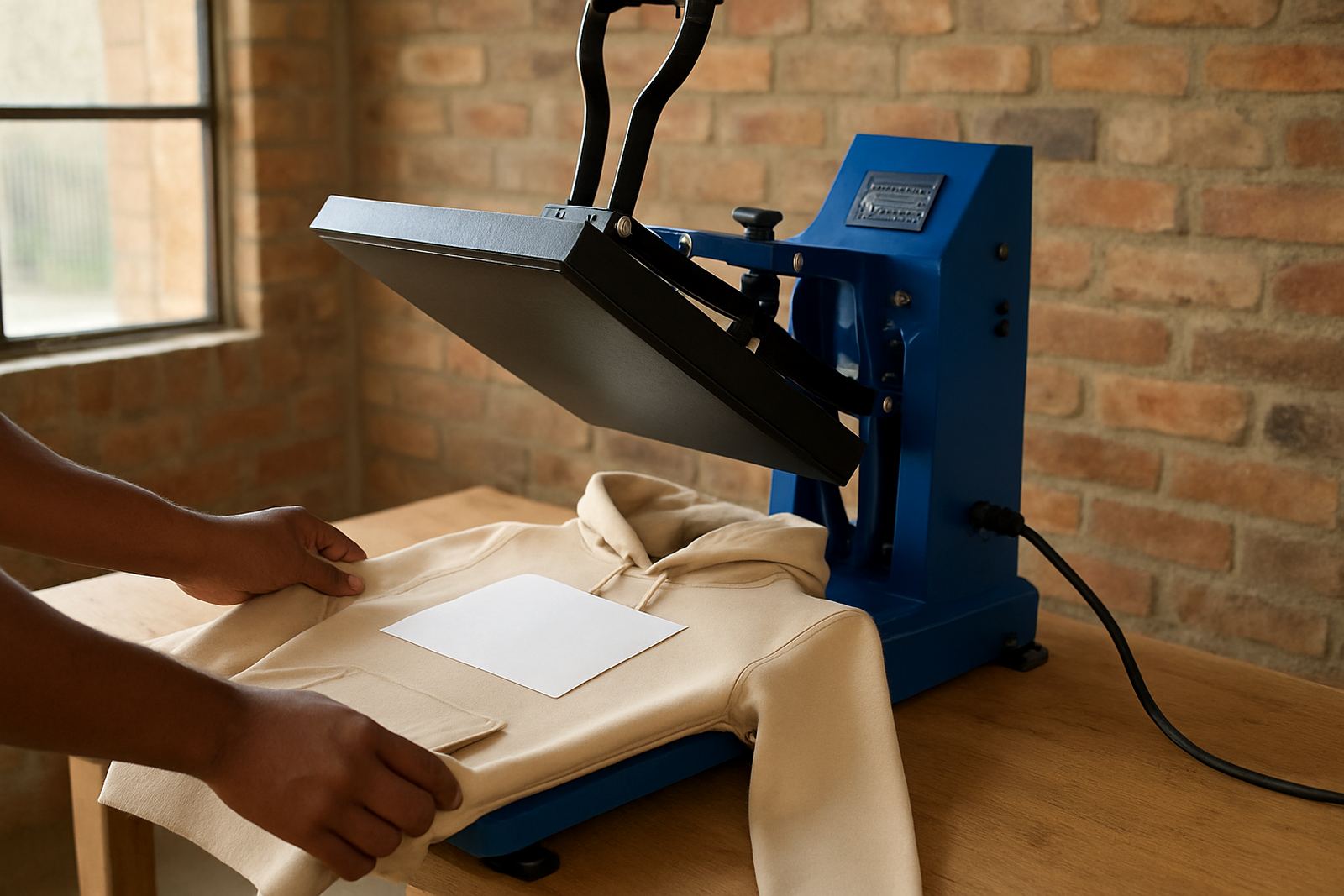
Picture a job for 12 shirts for a school event, collected in Midrand and delivered locally. The garments are plain cotton shirts, and each one needs the same small transfer on the chest. The run is not big, but it still needs care. You check the artwork, confirm the size, warm up the press, test one shirt, and then complete the batch.
If the blank shirt costs R65, the transfer costs R18, labour is priced at R20 per shirt, and you add a setup fee of R80, the calculation is already at R183 per shirt before overhead. If your overhead allowance is only R10 per shirt, the selling price becomes R193 each, or R2 316 for the order. That price can still be adjusted for packaging or urgent turnaround, but now you are quoting from real numbers instead of guessing.
That same order may look different if the client wants it rushed during a week of load-shedding. You may need to shift production time, plan around outages, and keep the workflow going with more careful scheduling. Those are genuine business costs in South Africa and they belong in your pricing, even for a small run.
Keep your price list simple enough to use every day
Good pricing is not about making the quote complicated. It is about making sure each small job pays for itself. A simple price list helps when customers ask for a price on a few shirts, a mixed size run, or a repeat order that needs a slight artwork change. If the system is too complicated, the quote gets delayed and you lose work.
Many decorators find it useful to keep three tiers:
- Single item and sample pricing
- Small run pricing for 2 to 20 pieces
- Repeat or bulk pricing for higher quantities
From there, adjust for special handling, extra colours, or a more difficult garment. The aim is not to quote every order from scratch. It is to have a fair base that protects your margin and still feels reasonable to the customer. That matters whether the work is staying in Gauteng or going out nationwide by courier.
The pricing habit that keeps a small shop alive
The best habit is to review every quote after the job is done. Compare what you charged with what you actually spent on time, materials and wear. If you were too low, adjust the next quote. If you were too high and lost the job, find out why. Over time, this gives you a price list that matches your real workshop, not a theory on paper.
Small-run transfer work can be profitable when the numbers are honest. Factor in the shirt, the transfer, the labour, the machine, and the realities of local production. Once you do that, your pricing stops being a guess and starts becoming a proper business tool.