
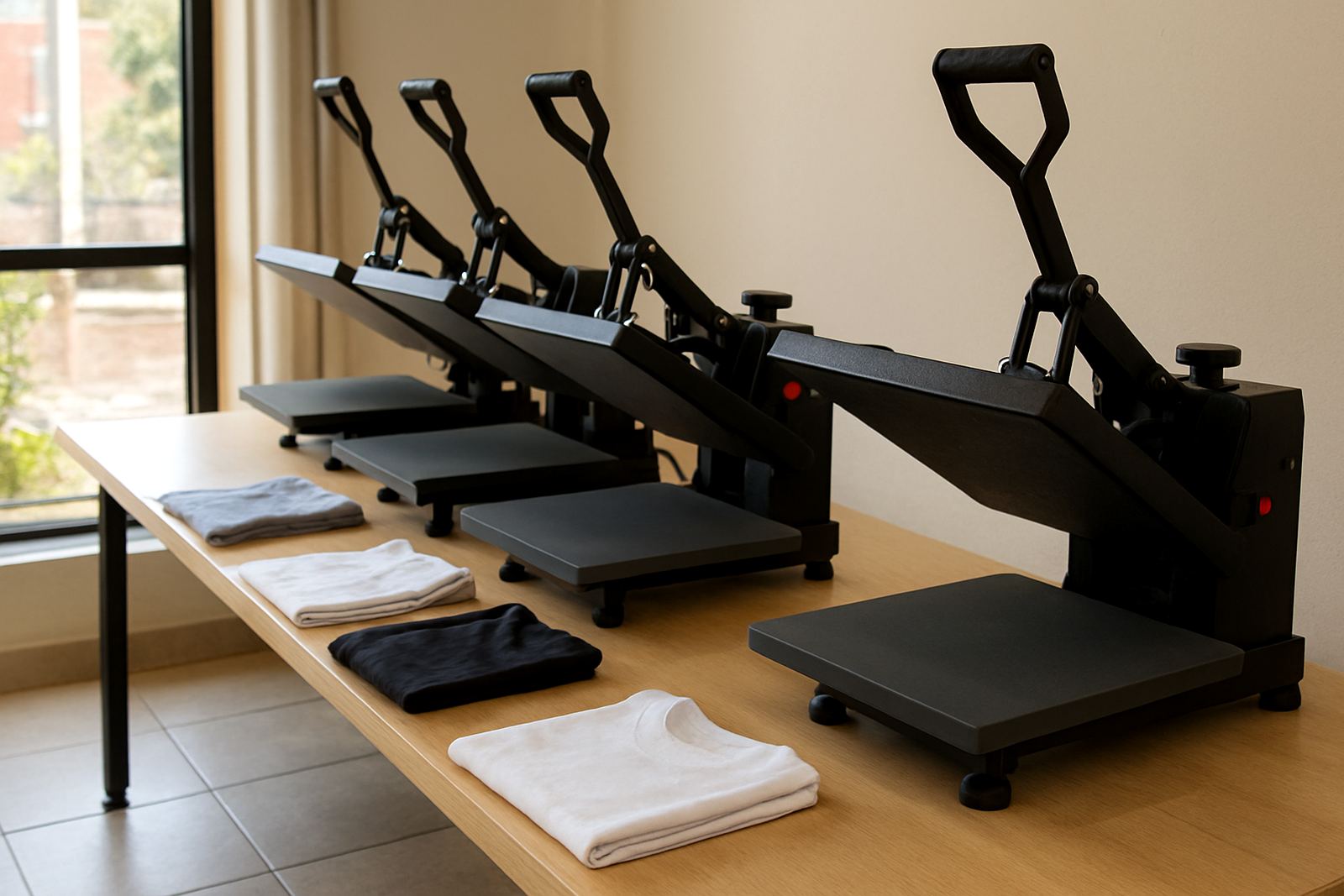
Start With A Repeatable Layout For Every Size
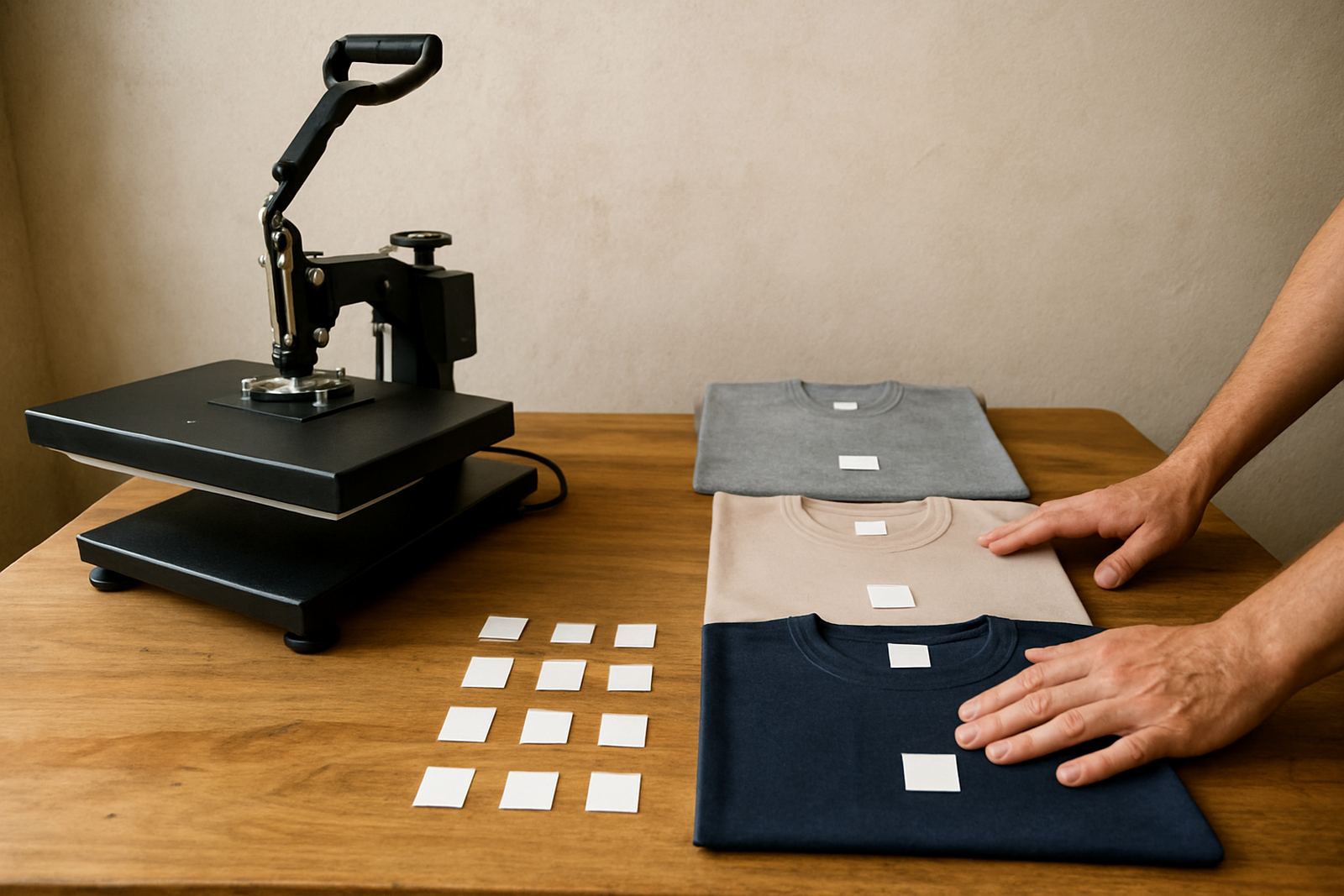
When you are doing names and numbers for schools, clubs, corporates or weekend leagues, the first win is consistency. A shirt in small and a shirt in 5XL should still look like they belong to the same set, which means the print position must be planned before the first garment goes under the press.
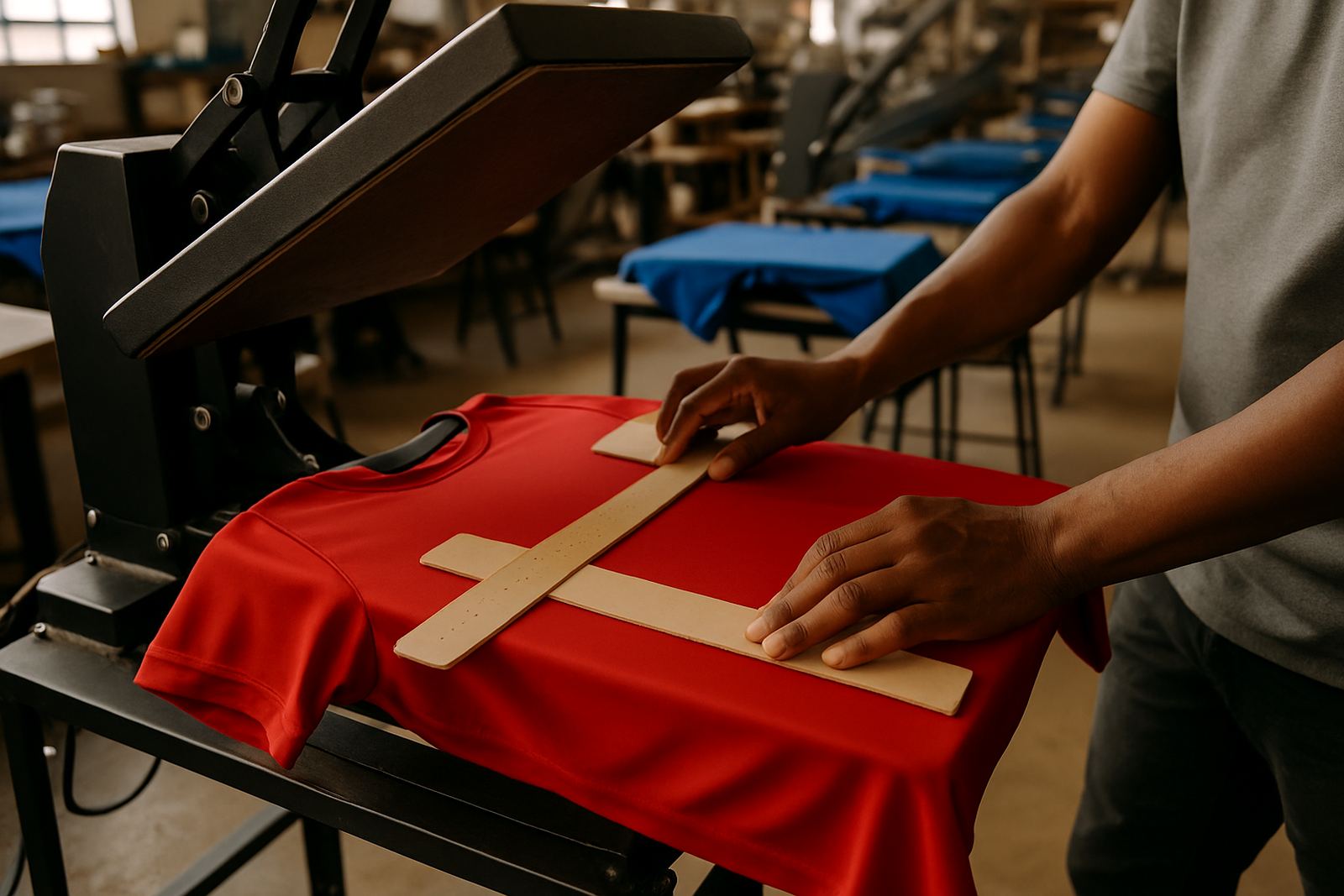
Use one master layout for the set, then adjust only where the garment size forces it. The centre line, neck point and number height should be marked and checked the same way on every shirt. That saves time, reduces arguments about placement and keeps the finished kit looking professional even when mixed sizes are packed together.
For South African jobs, this matters when teams are split across different venues or when a school order is being distributed after hours. If the layout is not repeatable, one operator may place the name too high and another too low, and the set will look untidy on the field.
Choose Sizes That Read Well At Match Distance
Player names and numbers are not meant to be admired from close range only. They must be readable from the sideline, the stand and across a dusty pitch in bright sun. That means size choices should be based on visibility first, then on style.
In practice, a small number may look neat on a sample shirt but disappear once it is stretched across a larger back panel. Short surnames can sit comfortably in a narrower block, while longer names need more careful spacing. The same goes for sponsor marks and squad numbers on training tops.
- Keep number height consistent across the whole order.
- Use enough spacing so letters do not crowd each other after pressing.
- Check how the layout looks on light and dark garments before production starts.
- Allow for different fabric stretch on polyester, polycotton and heavier cotton items.
On a windy Saturday in Potchefstroom or a humid afternoon in Durban, a clear number is worth more than a decorative one. Readability helps coaches, referees and support staff identify players quickly.
Match The Layout To The Garment Style
Not every shirt behaves the same under heat. Raglan sleeves, curved side panels, mesh inserts and seam-heavy sports tops all change how the transfer sits. If the garment has a shaped back panel, the name line may need to sit slightly lower or higher than a flat cotton tee would allow.
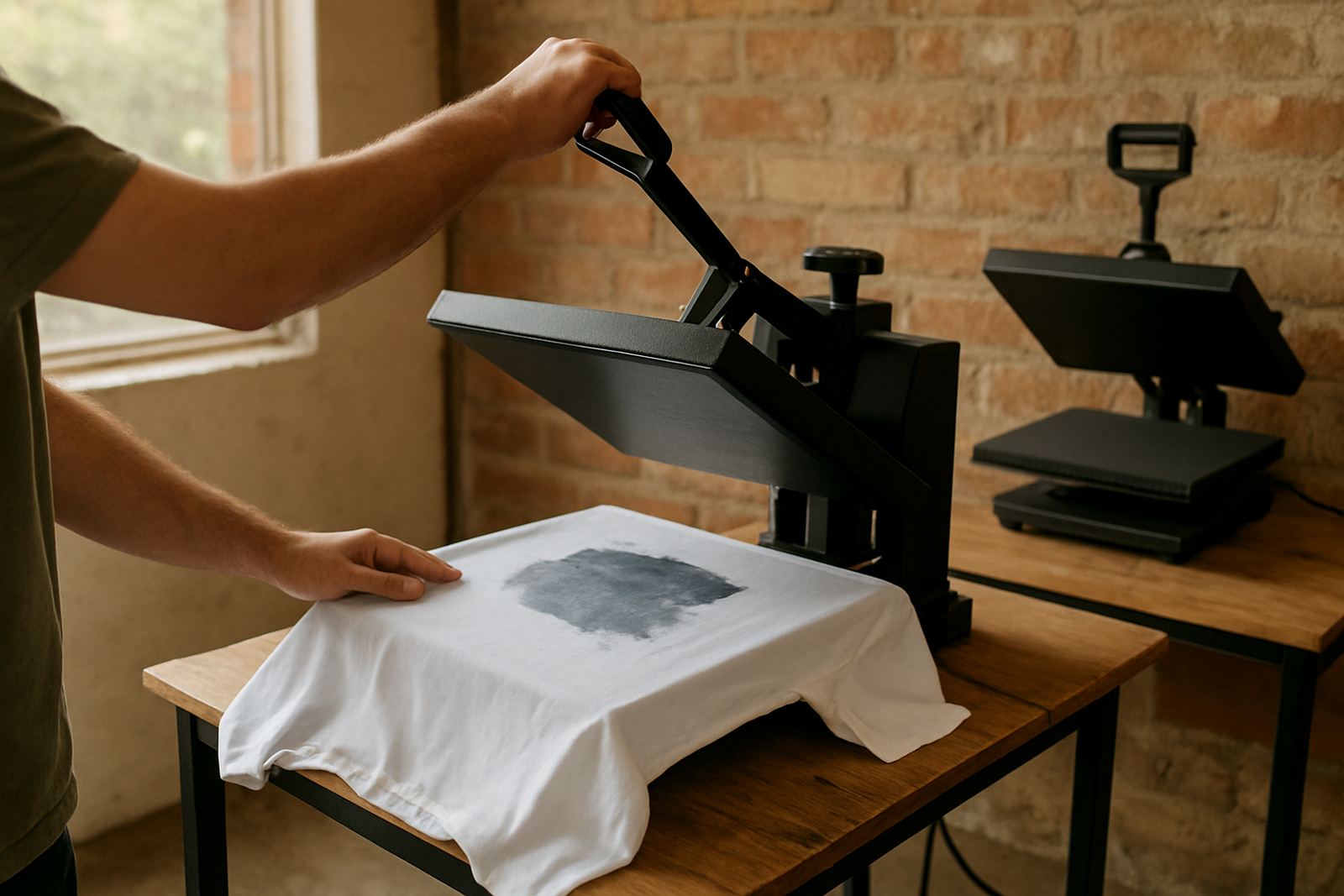
For local clubs and schools, this is where a proper setup makes a difference. A press can only do its job if the platen size, pressure and temperature suit the garment. If the pad is too soft or the shirt is folded around a seam, the transfer can lift at the edges or leave a patchy finish.
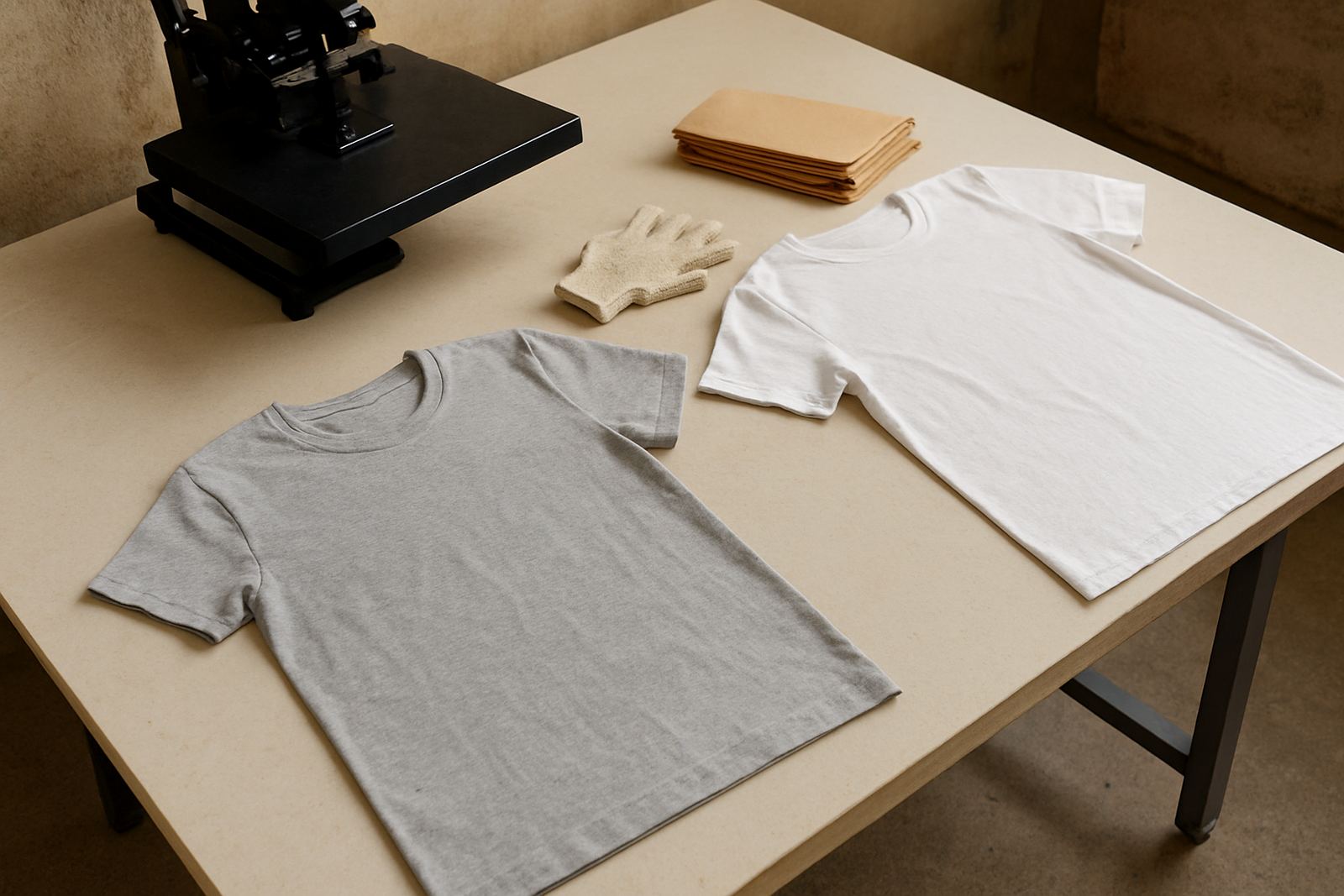
It is worth doing a quick test garment before running the full order. That small step helps you confirm that the layout looks right when the fabric is stretched and that the numbers are not sitting too close to a hem, collar or shoulder seam.
Keep Artwork Simple And Production Friendly
Sports kit works best when the artwork is built for speed and repeat use. Long scripts, thin outlines and overdone effects tend to slow production down and can create weak points during pressing and washing. For small runs and larger club orders alike, clean block lettering usually gives the best result.
Use a consistent font family, keep the stroke weight practical and avoid squeezing a long surname into a narrow space just to make the sheet look neat. If the order has multiple teams, age groups or sponsor variations, set up each version clearly so the workshop does not mix them up.
- Limit special effects if the order must be completed quickly.
- Keep transfer sheets labelled by team, size and player number.
- Store completed kits flat so the prints are not creased before delivery.
- Use a standard proof format for approvals to avoid rework.
This is especially useful for print shops in Gauteng handling last minute school sports and club replacement kits after a damaged batch or a postponed fixture.
Heat, Pressure And Fabric Care Decide The Finish
Even the best layout can fail if the press settings are off. Sports fabrics, especially polyester, can show press marks if the temperature is too high or the pressure is uneven. Too little heat and the transfer will not bond properly. Too much, and the garment may shine or distort around the print area.
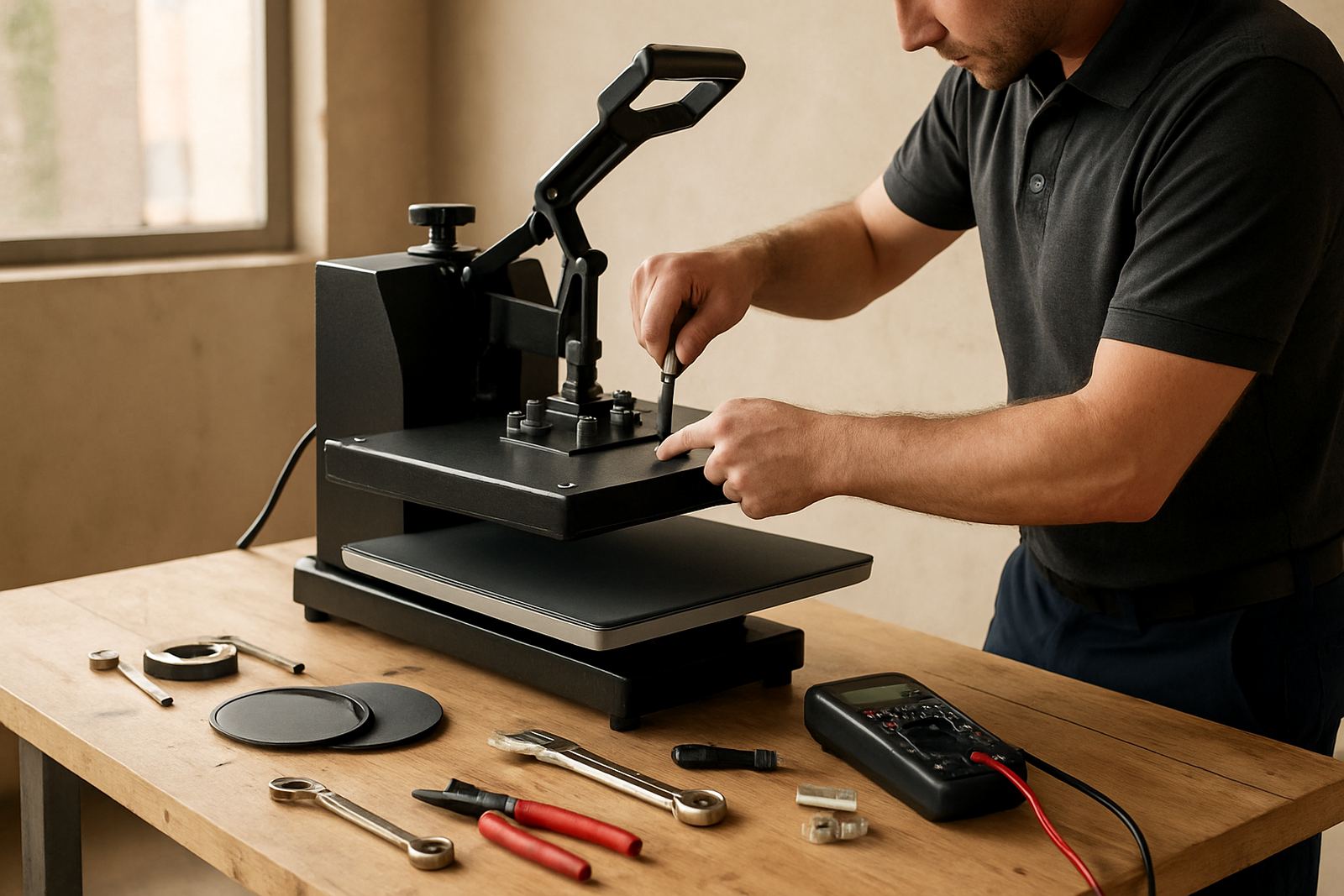
Flat heat presses need regular checks for temperature accuracy, even pressure and pad condition. A worn pad or loose element can make one side of the print bond well while the other side starts to lift after a few washes. In coastal areas like Durban, moisture in storage can also affect the way transfers behave, so keeping stock dry matters more than many people realise.
If your operation runs through load-shedding, allow for stable warm-up time and do not rush the first press after power returns. A quick temperature check saves a lot of grief later and keeps your names and numbers consistent across the order.
Plan Your Workflow For Clubs, Schools And Retail Orders
Good layout habits are not only about the artwork. They are also about how the job moves through the shop. A clean workflow helps when you are doing one-off player names, full squad kits or mixed retail runs for supporters. The more predictable the sequence, the less chance of crossing the wrong number with the wrong shirt.
A practical setup is to separate stock into three groups: garments to be pressed, garments awaiting approval and finished items ready for packing. That sounds simple, but it prevents mix-ups when several orders are moving at once. It also helps when the same team comes back mid-season for replacements after an injury or a new signing.
For businesses working from Midrand to Pretoria, Johannesburg, the East Rand or further by courier, this kind of order control makes handover smoother. It also helps when a club sends sizes from different suppliers and expects the final kit to look uniform.
Why Support Matters After The First Batch Goes Out
Sports names and numbers are rarely a once-off job. There are repeat seasons, late additions, damaged tops and urgent reprints before a tournament. That is why setup, training and practical support matter as much as the press itself.
When operators know how to adjust pressure, confirm temperature, replace elements and spot a worn pad, they work faster and make fewer mistakes. If a controller starts drifting or the press heat becomes uneven, the whole line suffers. Having spares and phone support on hand keeps the work moving and helps smaller garment decorators handle peak weeks without panic.
For shops in Bloemfontein, Cape Town or Durban, and for businesses around Gauteng, the goal is the same: produce kit that looks sharp, holds up in wash after wash, and can be repeated without guessing. That is what makes a names-and-numbers job worth paying for.