Start With the Jobs You Want to Print First
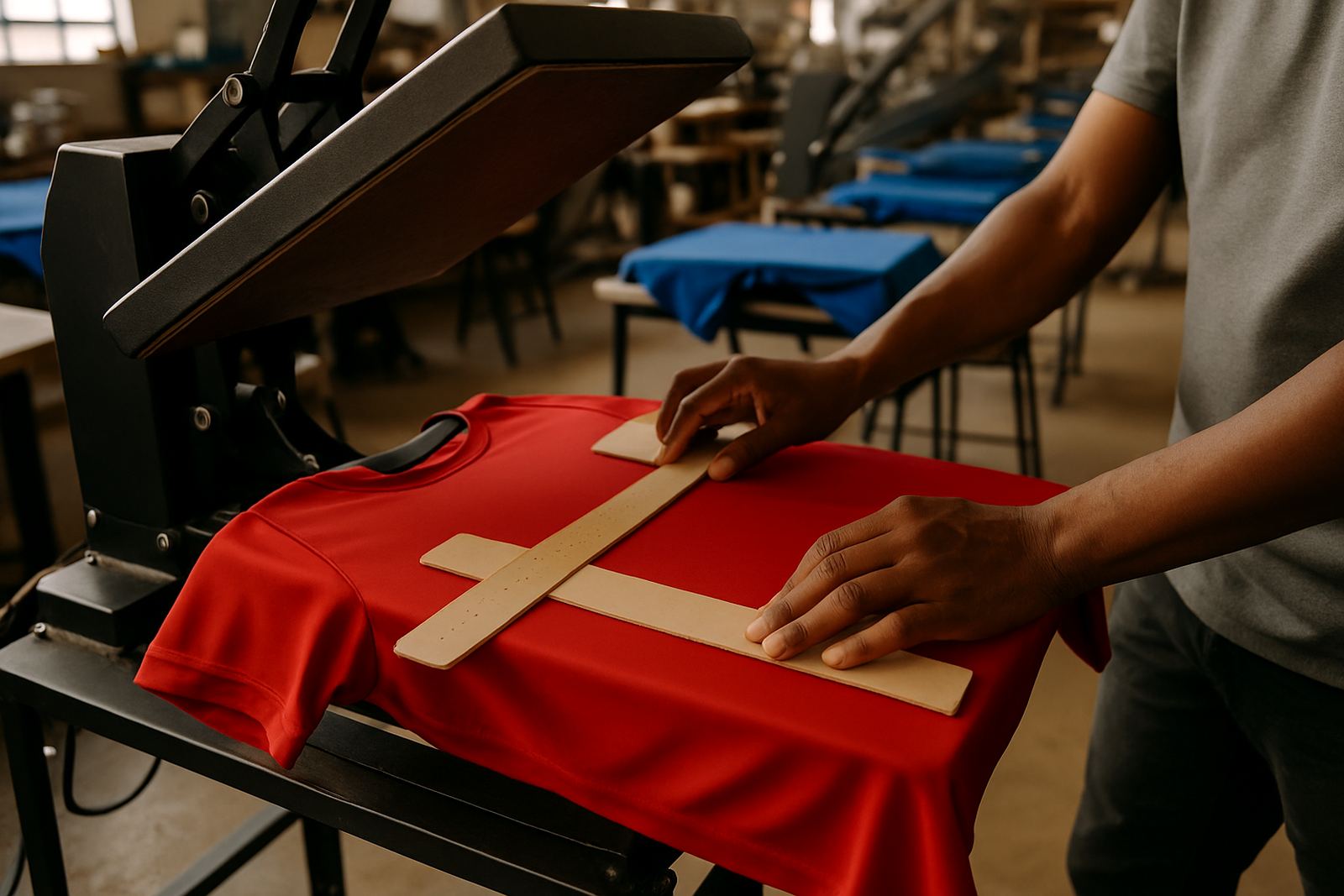
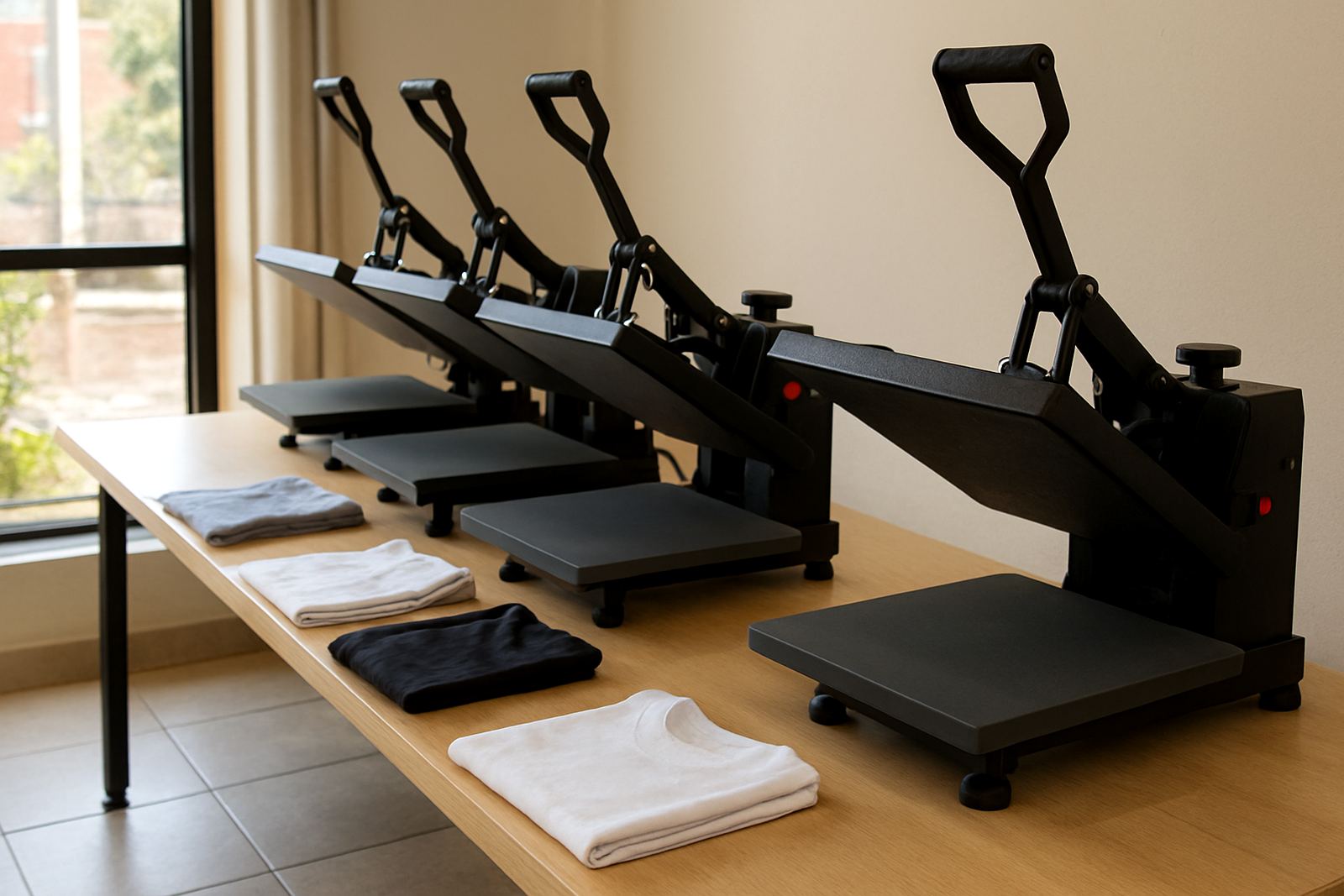
The first question is simple: what will you actually press in the first three months? If you are starting with T-shirts, workwear names, school events or transfer jobs, a flat press that handles standard garment sizes will cover most of your day. A machine that is too small will limit what you can sell, while one that is too large can eat up floor space and budget before you have steady orders.
Think about the mix of items you expect. A hobby user printing a few shirts on weekends has different needs to a Pretoria print shop doing 30 to 50 garments a day. In a small setup, a machine that opens and closes smoothly, heats evenly and is easy to adjust is often more useful than a larger press with features you may not use yet.
- School and team T-shirts
- Workwear names and numbers
- Corporate promotional garments
- Heat transfer vinyl and printed transfers
- Short runs for events and clubs
Choose a Platen Size That Fits Your Work and Space
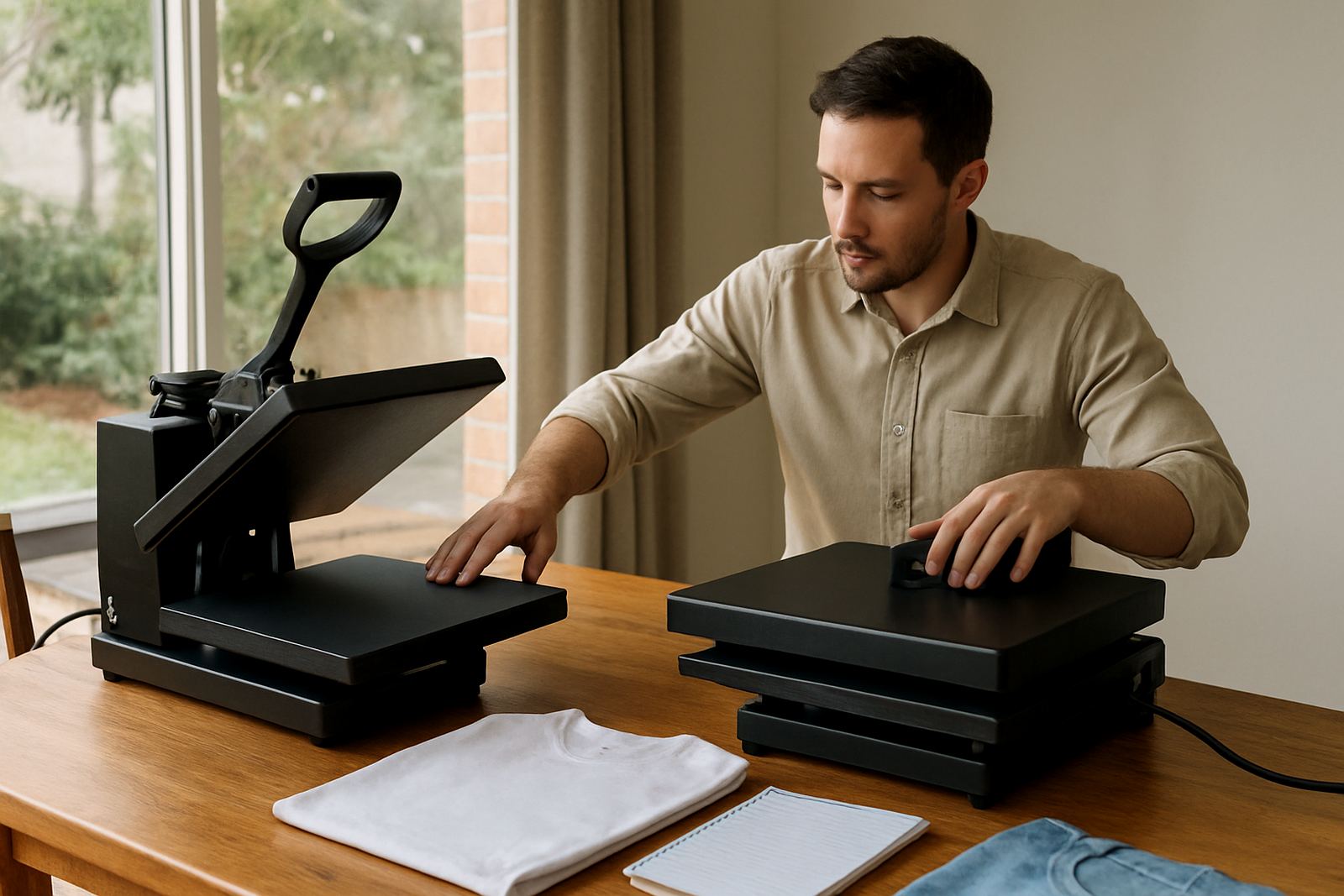
Flat presses come in different platen sizes, and size affects both output and comfort. A common first machine is suitable for adult shirts and general transfer work. If you mostly print youth sizes, tote bags or small logo placements, a compact platen may be enough. If you plan to do full front graphics or larger designs, choose a bigger platen from the start so you do not fight for placement on every job.
Your workspace matters too. A home garage in Midrand is not the same as a production area in Johannesburg or Durban. Check the bench height, door width, power point position and whether the machine will sit level. Heat presses need proper airflow and a stable surface. In coastal areas like Cape Town and Durban, humidity can also affect how transfers store, so keeping your consumables dry is worth planning for.
- Measure the work area before you buy
- Leave space for loading, peeling and stacking
- Allow room for the press to open fully
- Store transfers and garments away from damp air
A first press should suit your current floor space, not the space you hope to have one day.
Pressure Matters More Than Most New Buyers Expect
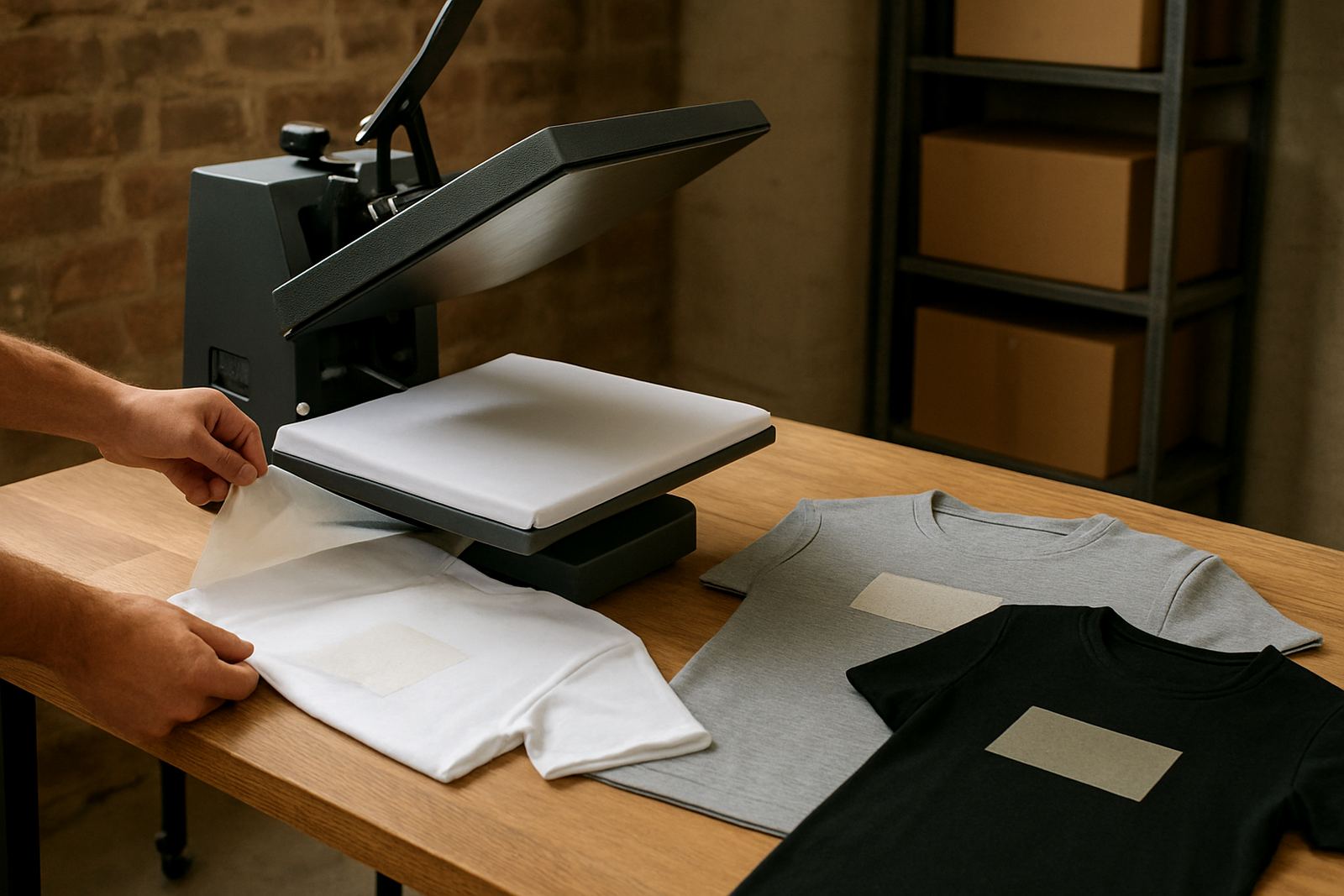
Pressure is one of the biggest reasons a first press either performs well or causes frustration. Too little pressure and transfers do not bond properly. Too much pressure and you can mark garments, crush seams or make the handle hard to close. For a new operator, a machine that gives clear, even pressure is easier to learn and easier to keep consistent.
If you are doing mixed garment work, you will need to adjust pressure often. Light promotional shirts, thicker hoodies and textured fabric all behave differently. That is where proper setup and training help. A good first machine should let you make small adjustments without guesswork, and you should test results on offcuts before running a full batch. This saves material and avoids reprints, which is important when every Rand counts.
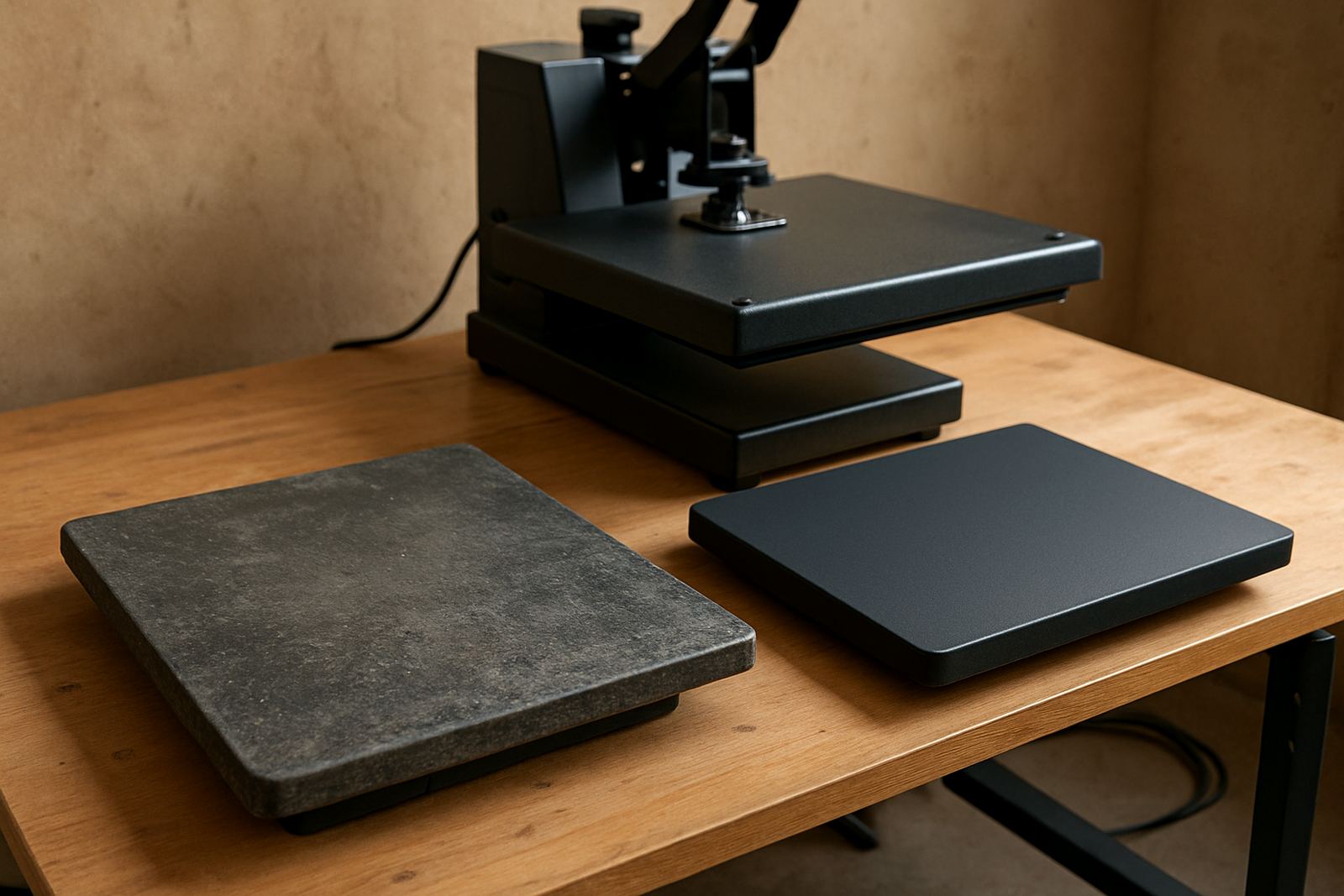
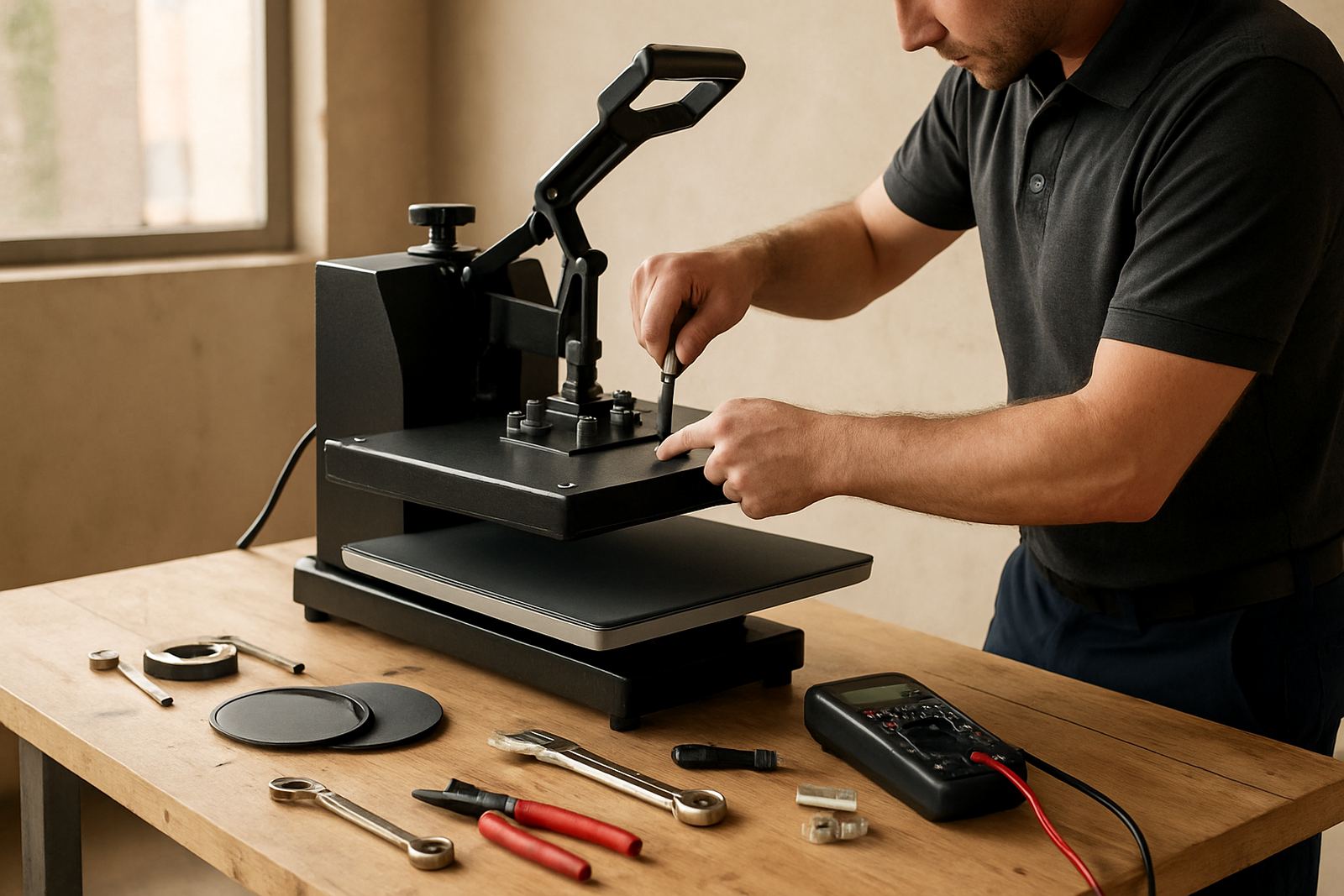
When a machine feels stiff or uneven from the start, do not ignore it. The platen pads, heating element, frame alignment and pressure setting all work together. A press that is serviced and set up properly will give more predictable results, especially when you are still learning.
Budget for More Than the Machine Price
Many first buyers look only at the purchase price, but the real cost includes setup, training, spares and the first few months of consumables. A press that is slightly more expensive but stable and serviceable can save money by reducing wasted shirts and failed transfers. That matters whether you are working from a small room in the East Rand or running a growing shop in Bloemfontein.
Before you commit, build a simple buying list:
- Heat press and delivery
- Initial setup and operator training
- Extra covers, pads or protectors
- Basic spares for daily wear items
- Backup plan for breakdowns and loan unit support if needed
It is also worth asking about support after purchase. If a controller fails, a heating element weakens or the pressure needs a reset, you want practical help from people who understand the machine. For a first-time buyer, that support can be the difference between a useful business tool and an expensive box in the corner.
Match Output to Your Real Daily Capacity
Your first press should fit the number of garments you can realistically finish in a day, not just the number you hope to sell in a month. A small operator may start with 10 to 20 garments a day, then build up as orders come in. A busy shop may need a machine that can take repeated use without long cool-down breaks or constant adjustment.
Look at the time each job takes, including aligning the shirt, pressing, peeling and packing. If you are doing the same transfer 40 times, consistency matters more than speed claims. In practice, a dependable machine with even heat and pressure is often faster than a bigger unit that needs constant correction. Load-shedding is also part of local planning, so ask how the press behaves after power interruptions and whether the controls return to the right temperature quickly.
A sensible first press should help you grow from a few short runs into regular output without forcing a full equipment change too soon.
A Midrand Example: Starting Small, Then Growing Cleanly
A new decorator in Midrand might begin with school sports shirts, couriered online orders and a few workwear jobs for local contractors. In that case, the best first machine is usually a flat press that handles standard T-shirts, gives steady pressure and does not need complicated adjustments every time the fabric changes. With the right setup, the operator can learn temperature control, transfer timing and pressure balance before adding more advanced work.
That same business may later add hoodies, caps or a second press for higher volume. Starting with the right flat press makes that growth easier, because the basic workflow is already in place. The operator knows how to check platen temperature, how to inspect the pad and covering, and how to spot a weak transfer before it becomes a costly mistake.
For first-time buyers across Gauteng and nationwide by courier, the goal is the same: choose a machine that is practical, serviceable and suited to the work you are doing now. A first press should earn its place from week one, not after months of trial and error.