

Why pressure matters on every press cycle
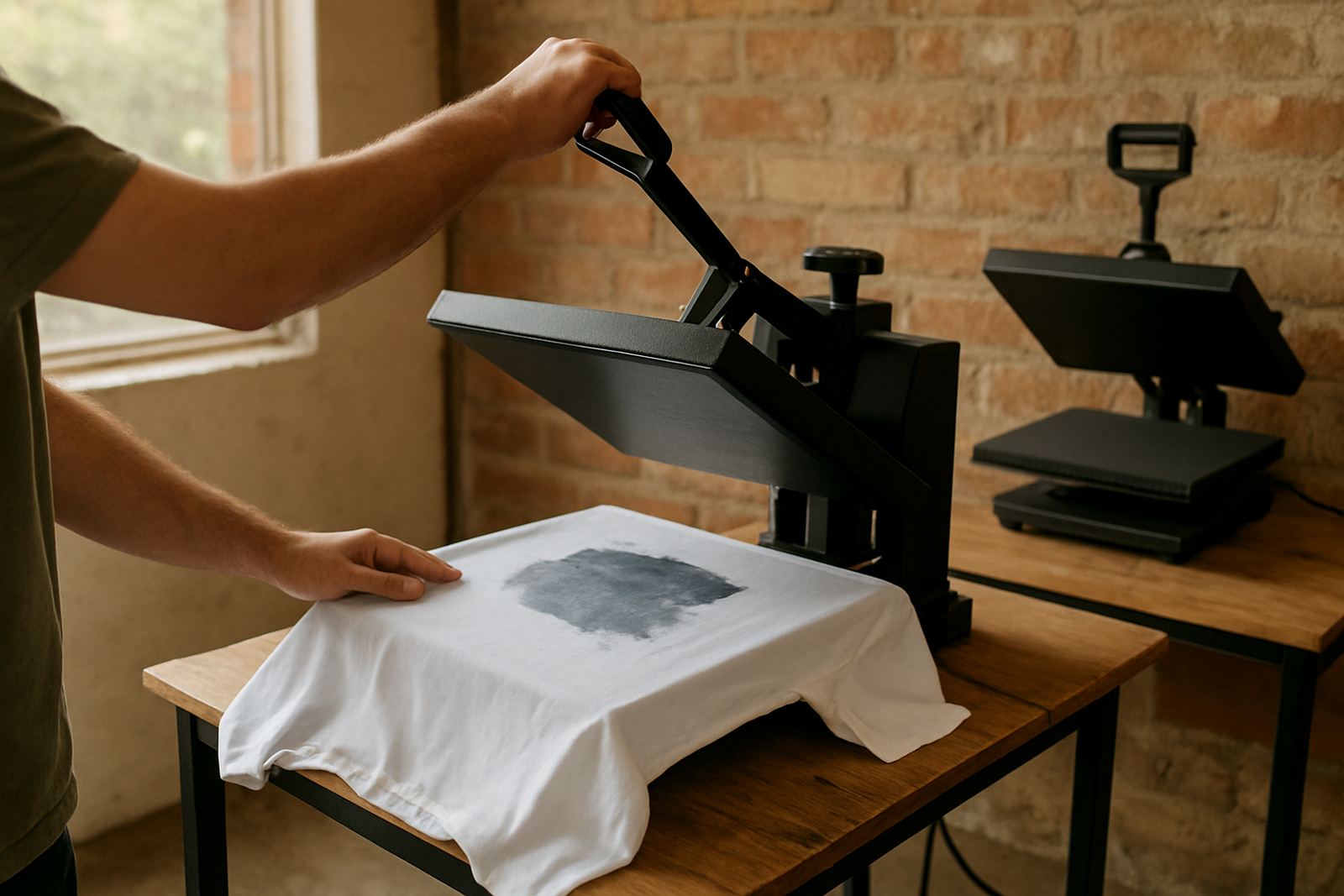
Pressure is what forces heat into the transfer and onto the fabric evenly. Too light and the image may not bond properly, especially on detailed transfers or textured garments. Too heavy and you can flatten the fabric, leave press marks, overwork the fibres or even distort the print.
On flat heat presses, pressure also affects how quickly the platen makes proper contact. A small change on the handle or pneumatic setting can turn a good result into a patchy one. That is why a press that feels fine for one T-shirt may not suit a hoodie, sports fabric or thick workwear shirt the next time round.
How different garments react under pressure
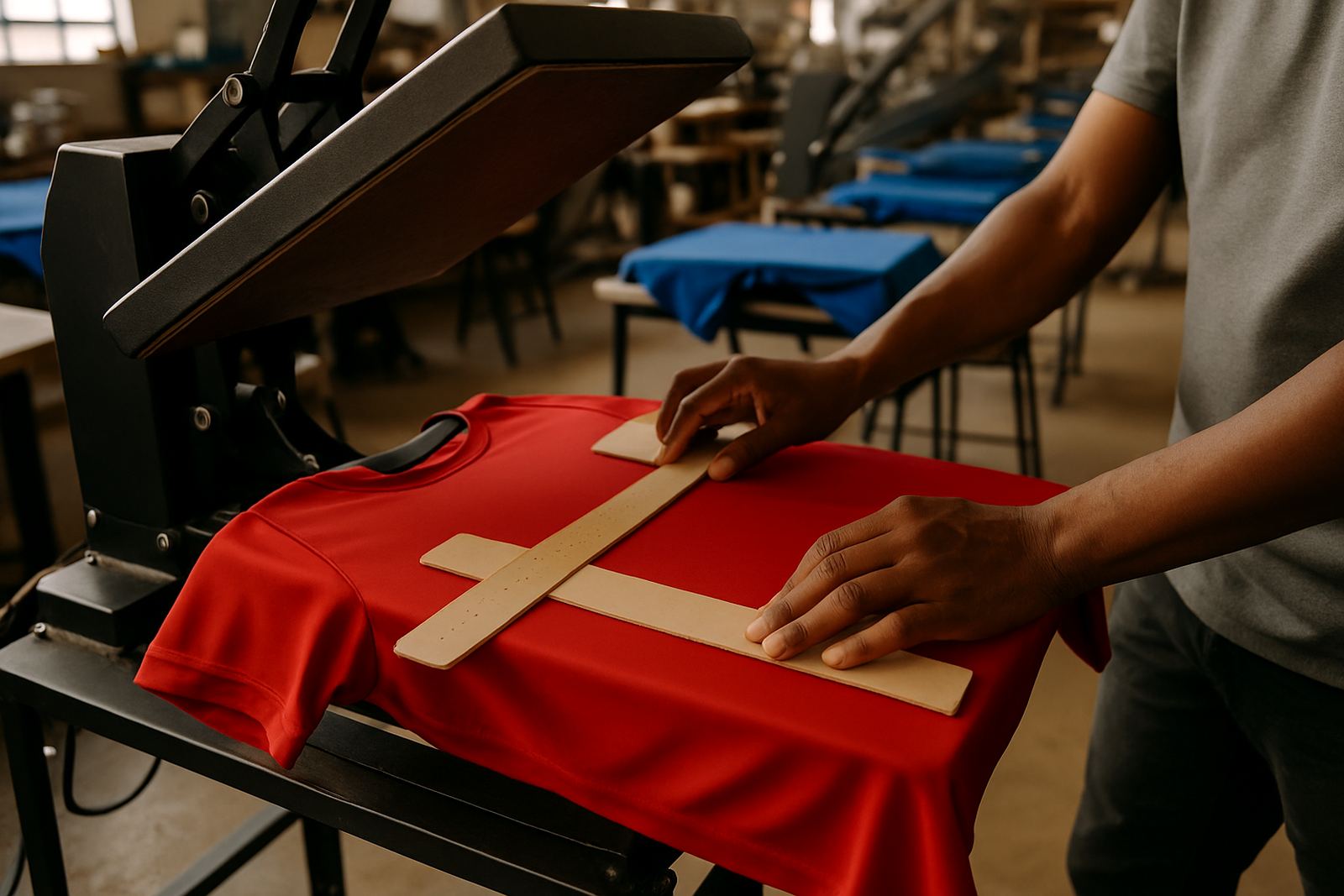
There is no single pressure setting that works for everything. Cotton tees usually take moderate pressure well, but polyester blends and moisture-wicking fabrics need a lighter touch to avoid scorching or shine. Thick seams, zips and pockets also change how the platen meets the garment, which means one side can receive more force than the other.
In a shop doing mixed jobs in Midrand or Johannesburg, the operator often moves between plain tees, long-sleeve shirts, schoolwear and promotional items. If the pressure is left too heavy from a previous job, the next garment may come out with uneven transfer edges or a pressed-in outline around the artwork.
- Cotton T-shirts: usually medium pressure gives good adhesion without crushing the fabric.
- Polyester and performance wear: lighter pressure helps prevent shine and heat marks.
- Capsule jobs on thick items: check that the platen still closes evenly across the full surface.
- Transfers with fine detail: consistent pressure is critical so small elements bond properly.
Signs your pressure is too high or too low
Operators often notice a pressure problem before they can explain it. If the press feels hard to close, the cloth bunches at the edge or the garment looks flattened after pressing, the setting is probably too high. If the transfer lifts at the corners or the edges peel after cooling, the pressure may be too low.
Another clue is repeat inconsistency. When one shirt is perfect and the next one is patchy on the same artwork, pressure and platen contact should be checked before blaming the transfer. A worn pad or uneven base can do the same thing, so it helps to inspect the whole setup, not just the handle.
- Watch for lifted edges after peeling or cooling.
- Look for shiny patches on synthetic fabric.
- Check for deep platen marks on softer cottons.
- Compare the result across the left, centre and right side of the garment.
Setting pressure on manual and pneumatic presses
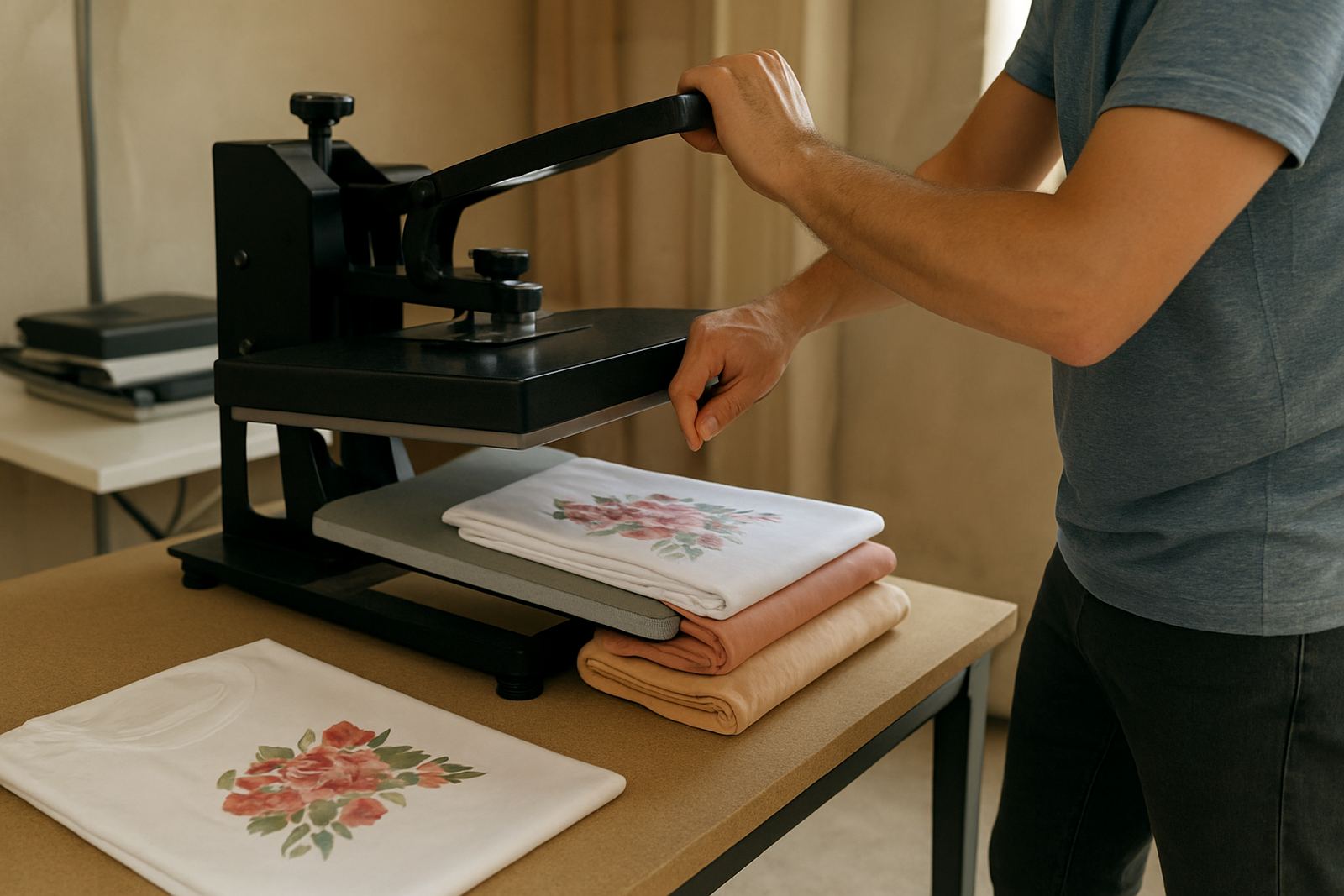
On manual presses, pressure is usually set by adjusting the knob, lever or clamp tension. The goal is firm contact without forcing the machine shut. If the handle needs a struggle every time, the setting is too aggressive for steady production and can slow the operator down.
Pneumatic presses are easier to repeat because the air line controls the closing force, but they still need checking. A good setting on Monday may not be right if the air supply changes, the pad wears down or the platen is serviced. In a busy print room that runs long shifts, especially during load-shedding backup hours, a quick pressure check should be part of the opening routine.
For shops in Pretoria, Durban or Cape Town working with mixed orders, it helps to keep a written reference for each common garment type. That way the team can return to a known setting after a machine clean, pad replacement or controller repair.
Practical checks before you start a production run
A few simple checks can prevent wasted blanks and rework. These do not take long and they are worth doing before a large order or a new transfer type. If you change from T-shirts to hoodies, or from one supplier's transfer to another, recheck the pressure rather than guessing.
- Place a sample garment and close the press slowly to feel resistance.
- Check whether the platen closes evenly from front to back and side to side.
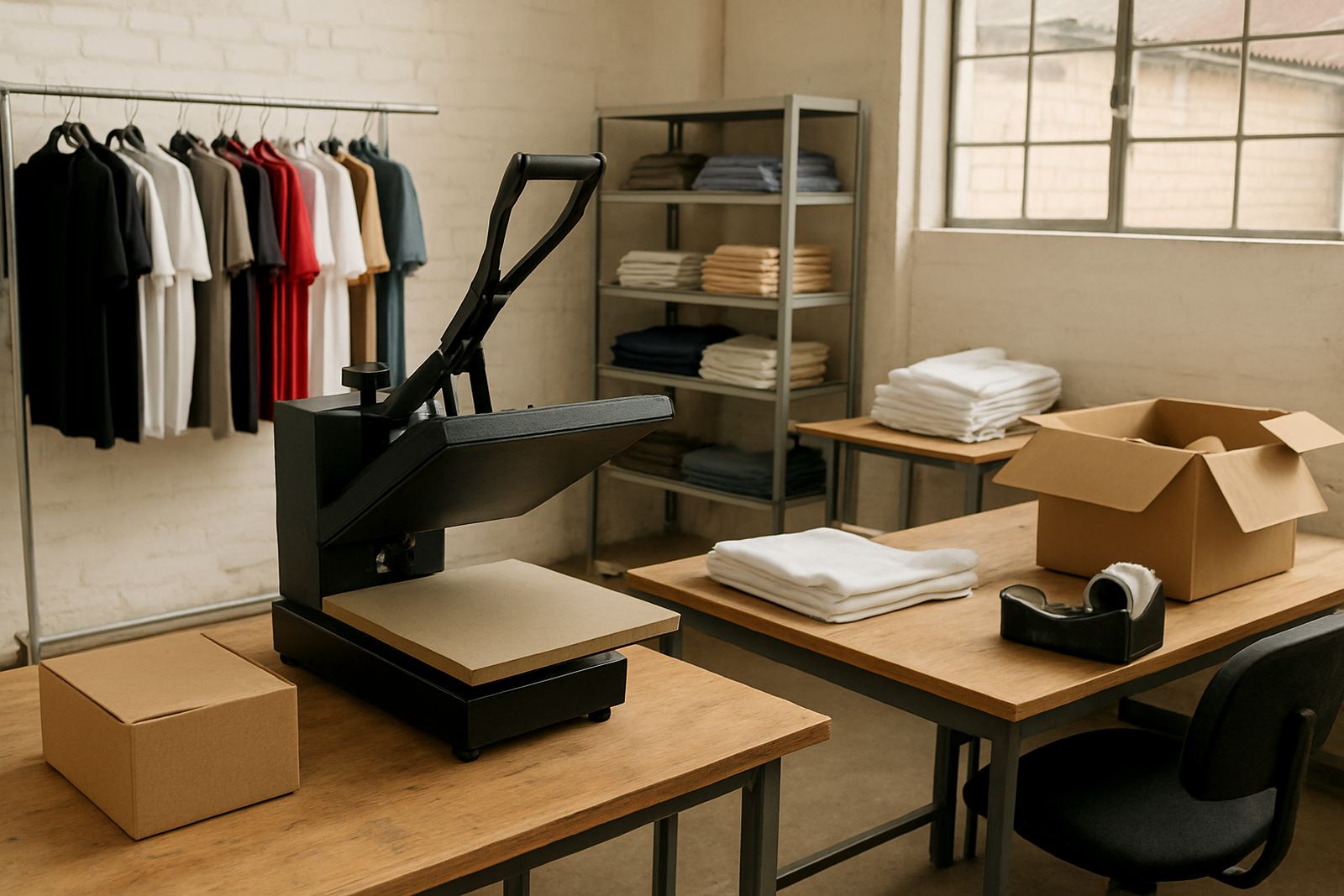
- Inspect the press pad for grooves, hard spots or uneven covering.
- Test one sample before starting a full run of 50 or 100 pieces.
- Keep a note of the settings that work for each fabric family.
A worn pad can make the pressure feel wrong even when the adjustment looks correct, so the press may need a new covering or a pad replacement. In some cases the issue is not the pressure control at all but a controller fault, temperature drift or poor platen alignment. Those problems show up as inconsistent results and should be checked before the job grows into a bigger problem.
A Midrand example from a mixed garment order
A decorator in Midrand doing school leavers tees and a few branded hoodies in the same week ran into a familiar problem. The tees looked fine, but the hoodies were coming out with a faint outline and the logos on the chest pocket area were lifting on the corners. The press had been left on a heavier setting from earlier work on thicker items, and the pad had also gone a bit uneven near the centre.
After the pressure was reduced and the pad checked, the results improved straight away. The operator also started doing a quick test press on a sample garment before each fabric change. That small habit saved time, reduced rejects and made the finishing more predictable for the rest of the batch, which is exactly what a small shop needs when deadlines are tight.
It is a simple lesson: the press does not only need heat. It needs the right amount of contact for the actual garment in front of you. Once pressure is treated as part of setup, not an afterthought, output becomes much easier to manage.
When to ask for setup help or servicing
If your settings drift often, the handle feels inconsistent or the pressure can not be repeated from one operator to the next, the machine may need a proper check. The same applies if you are getting press marks, uneven transfers or trouble on thicker garments that used to run well. Preventive servicing can pick up pad wear, element issues, controller faults and alignment problems before they interrupt production.
FlatPress supports small garment decorators, hobbyists and print shops with new press setup, operator training, temperature checks, pressure adjustments, element replacements, controller repairs, pad and covering work, pneumatic line service, preventive servicing, spares supply and loan unit support. Our Midrand base supplies and services flat heat presses across Gauteng and nationwide by courier, including Johannesburg, Pretoria, Durban, Cape Town and Bloemfontein.
If you need help getting pressure right on your flat press, reach out through the enquiry form on our contact page and we can help you work through it step by step.