

The platen is the working area that shapes your output
When people compare flat heat presses, they often look first at temperature range, pressure control or the price. Those matter, but the platen size is what decides how comfortably the garment sits, how much of the print can be covered in one go and whether the job needs extra handling. A platen that is too small can slow you down and force awkward positioning. A platen that is too large can waste energy and take up more bench space than you need.
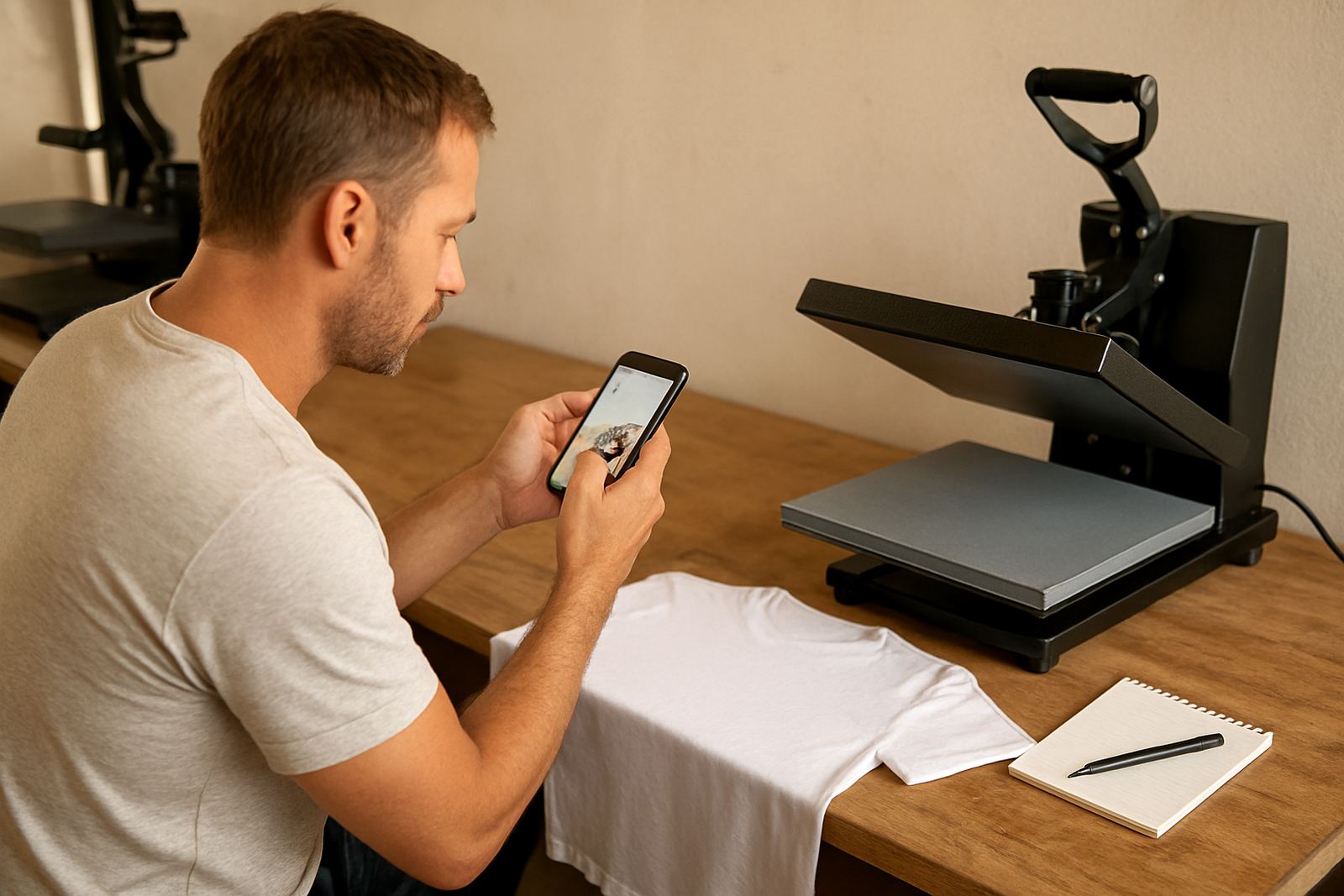
For T-shirt and transfer work, the platen is the practical centre of the process. It must match the most common item you press every day, not only the odd large order. If your shop mainly handles adult tees and schoolwear, a certain size may be ideal. If you also do tote bags, panels, sleeves and workwear, you may need a second setup or a larger platen for wider coverage.
Match platen size to the garment mix you press most
The best platen size depends on what leaves your shop most often. A small hobby setup in Midrand that mainly does one-off T-shirts has different needs to a busy print room in Johannesburg doing teamwear, branded golf shirts and larger transfer jobs. Choosing for your real mix helps you avoid buying a press that looks impressive but is awkward in daily use.
Think in terms of the garment areas you need to cover without overhanging seams, zips or pockets. A well matched platen gives flatter contact and more even pressure. That matters on polyester blends, thick hoodies and transfers that need consistent heat across the full design.
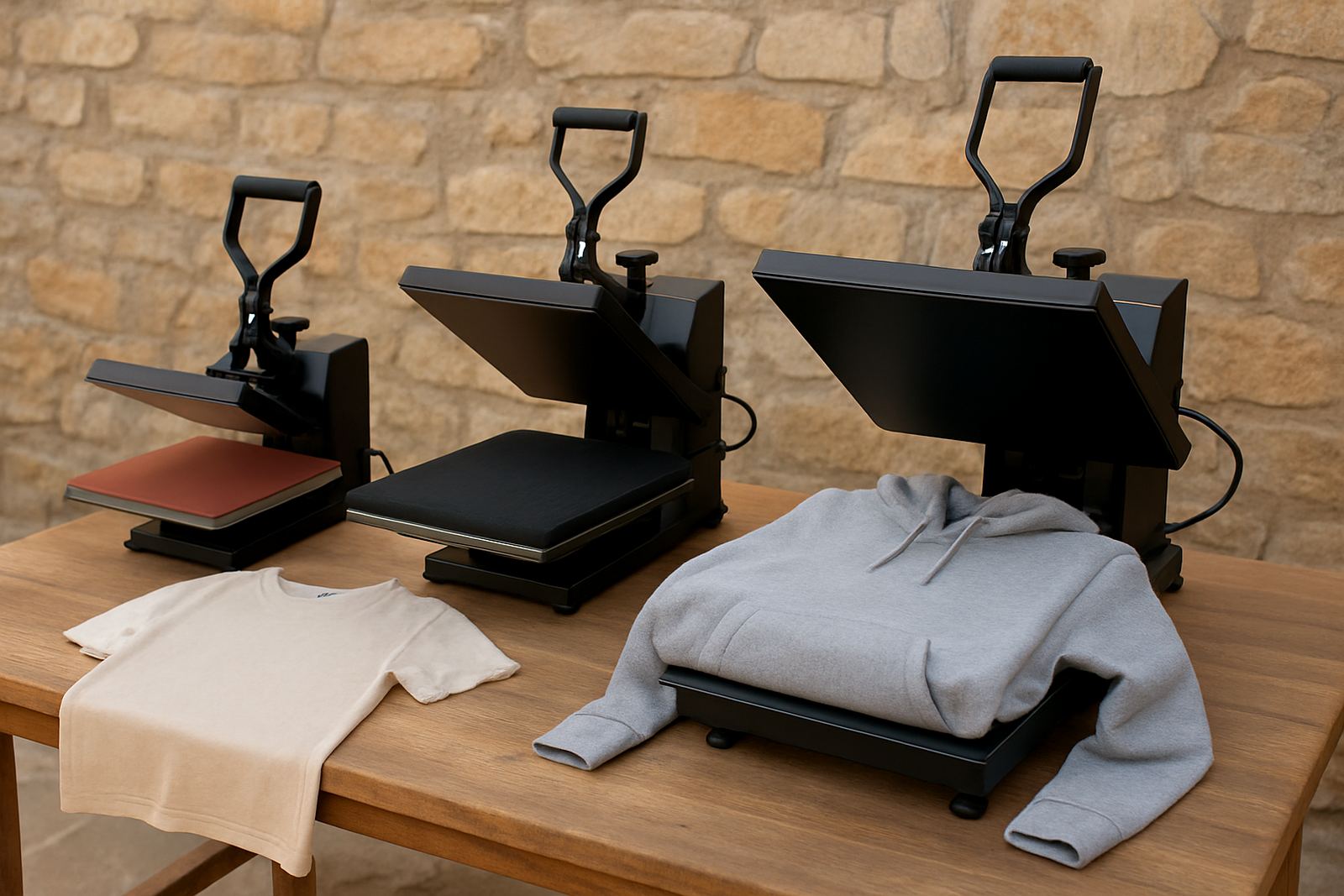
- Small platen sizes suit label work, sleeve prints, babywear and compact chest logos.
- Medium platen sizes are useful for standard adult T-shirts, schoolwear and most transfer jobs.
- Larger platen sizes help with oversized graphics, hoodies, panel work and bigger garment panels.
- If you do mixed work, choose the size that covers your busiest jobs first, then add accessories if needed.
Speed and layout matter when orders start to stack up
In a small shop, one extra minute per garment may not sound like much. Across 50 or 100 pieces, it adds up quickly. A platen that fits the job properly lets the operator place the garment once, press once and move on. That improves output and reduces handling errors such as crooked transfers or missed edges.
Smaller platens can be quicker for short-run work because there is less heat mass to manage and less material to align. Larger platens can be faster for bigger prints or when you need full front coverage, because they reduce repositioning. The key is workflow. If your team spends time shifting garments around the press, you lose the gain from any one feature.
In practice, a shop in Pretoria doing school fundraiser orders may prefer a mid-size platen for speed and consistency. A decorated workwear supplier in Durban might choose a larger platen for broad chest prints on jackets and aprons, where one clean press beats two partial presses every time.
Heat spread, pressure and edge consistency change with platen size
Platen size affects more than fit. It also influences how heat and pressure are transferred through the garment. On a wider surface, it becomes more important that the platen heats evenly from corner to corner. If the outer edges run cooler or pressure drops at the sides, transfers may lift later or wash out unevenly.
That is why regular temperature checks and pressure adjustments matter so much. A press can be the right size on paper and still underperform if the heat is not even or the pad is worn. This is especially important for coastal areas such as Durban and Cape Town, where humidity can affect garment handling and transfer behaviour.
- Check for even temperature across the full platen, not only the centre.
- Watch for pressure drop on the edges when pressing thicker items.
- Replace worn pads and coverings before they affect print quality.
- Test new transfers on the actual garment type you plan to run.
Choose for the space you have and the power you can rely on
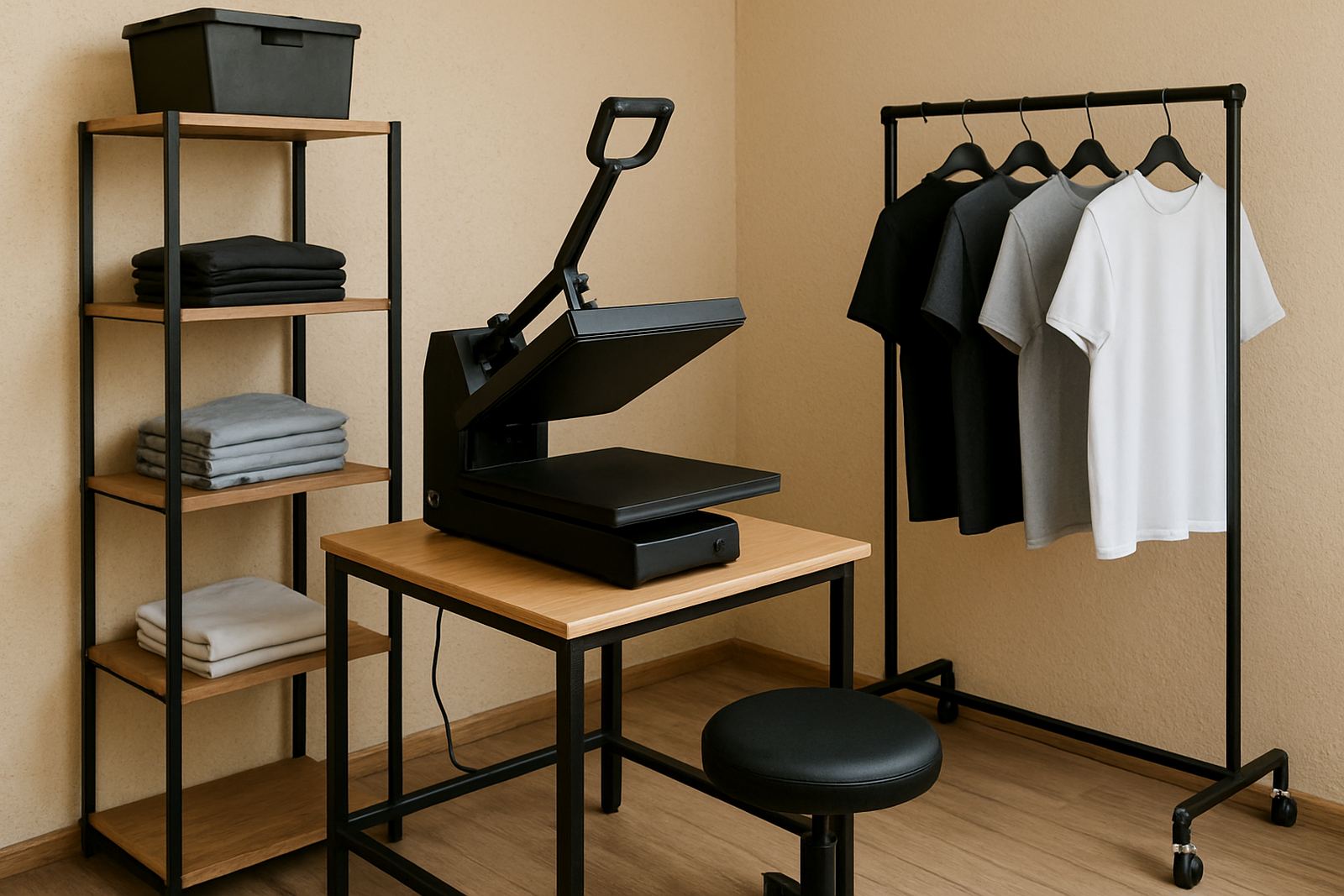
Bench space is often tight in South African workshops. A larger platen needs more room for garment staging, cooling and stacking. If your shop is in a compact unit in the East Rand or West Rand, a press that suits your floor space can make the full room easier to work in. You should also think about load-shedding. A press with sensible power demand and stable recovery after interruptions is easier to manage when the supply is uneven.
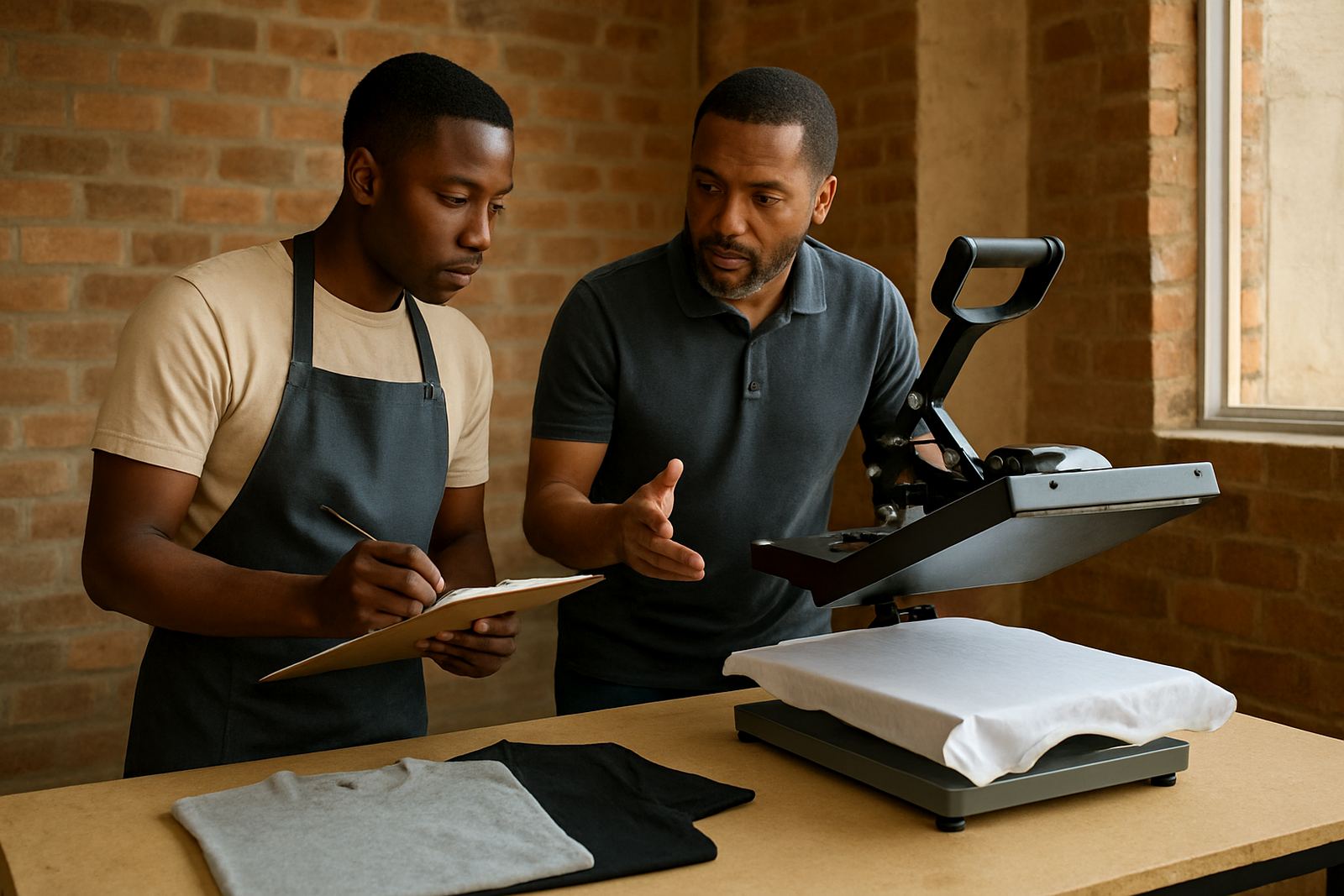
The right size can also help with training. New operators learn faster when the platen gives them enough room to position the garment clearly. Too small and they crowd the work. Too big and they may struggle to judge placement. Practical sizing reduces mistakes and keeps the training process straightforward.
For small businesses, a good size choice can be the difference between buying once and buying twice. If you are setting up a new print corner in Bloemfontein or expanding a busy garment workshop in Midrand, it pays to measure the real space, the garment sizes and the order mix before you commit.
When a second platen size becomes worth having
Many print shops eventually find that one platen does not cover every job well. That does not mean the first choice was wrong. It simply means the business has grown. Some shops keep one main platen for daily work and add another for specialist jobs such as oversize prints, sleeve work or small-item production.
A second platen can make sense when:
- You regularly switch between adult tees and small accessories.
- You are losing time on awkward placement or repositioning.
- You want to handle both compact logos and large front transfers.
- You are training more than one operator and need flexible workflow.
If you are unsure, start with the platen size that covers the highest volume work. Then build around it with the right accessories, servicing and support. That approach keeps costs under control and makes the press easier to keep productive over time.