
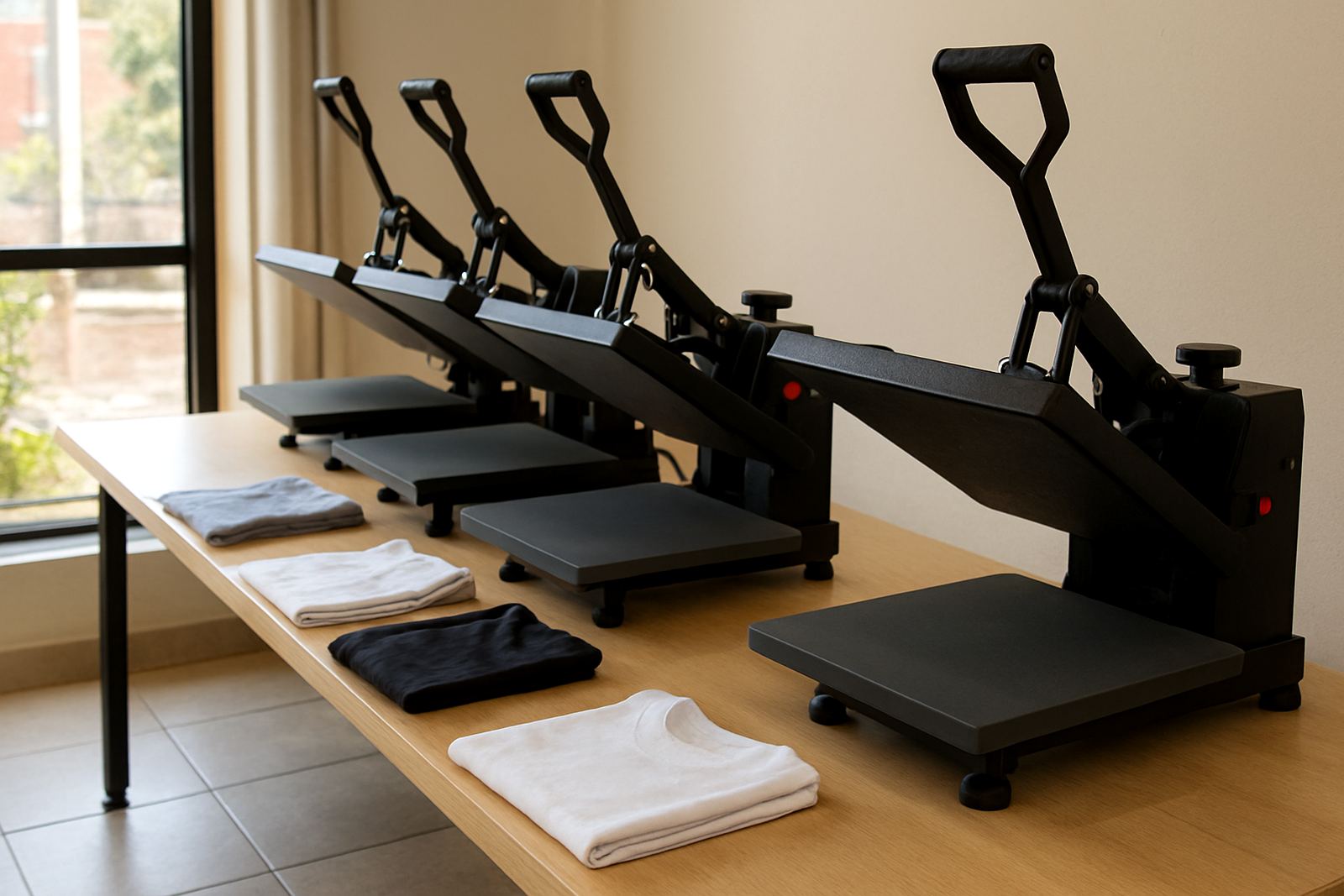
Why one test garment can prevent a costly reprint
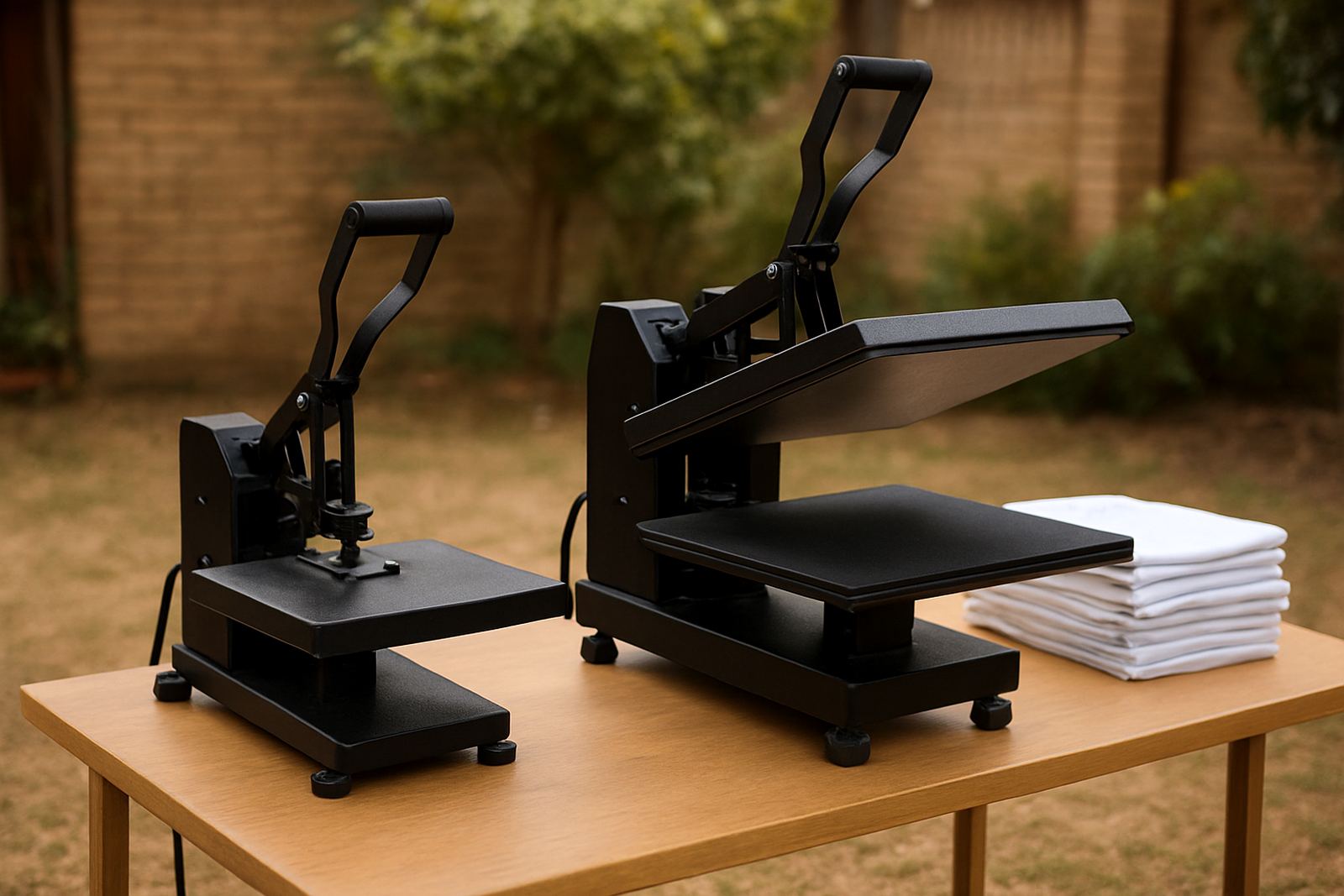
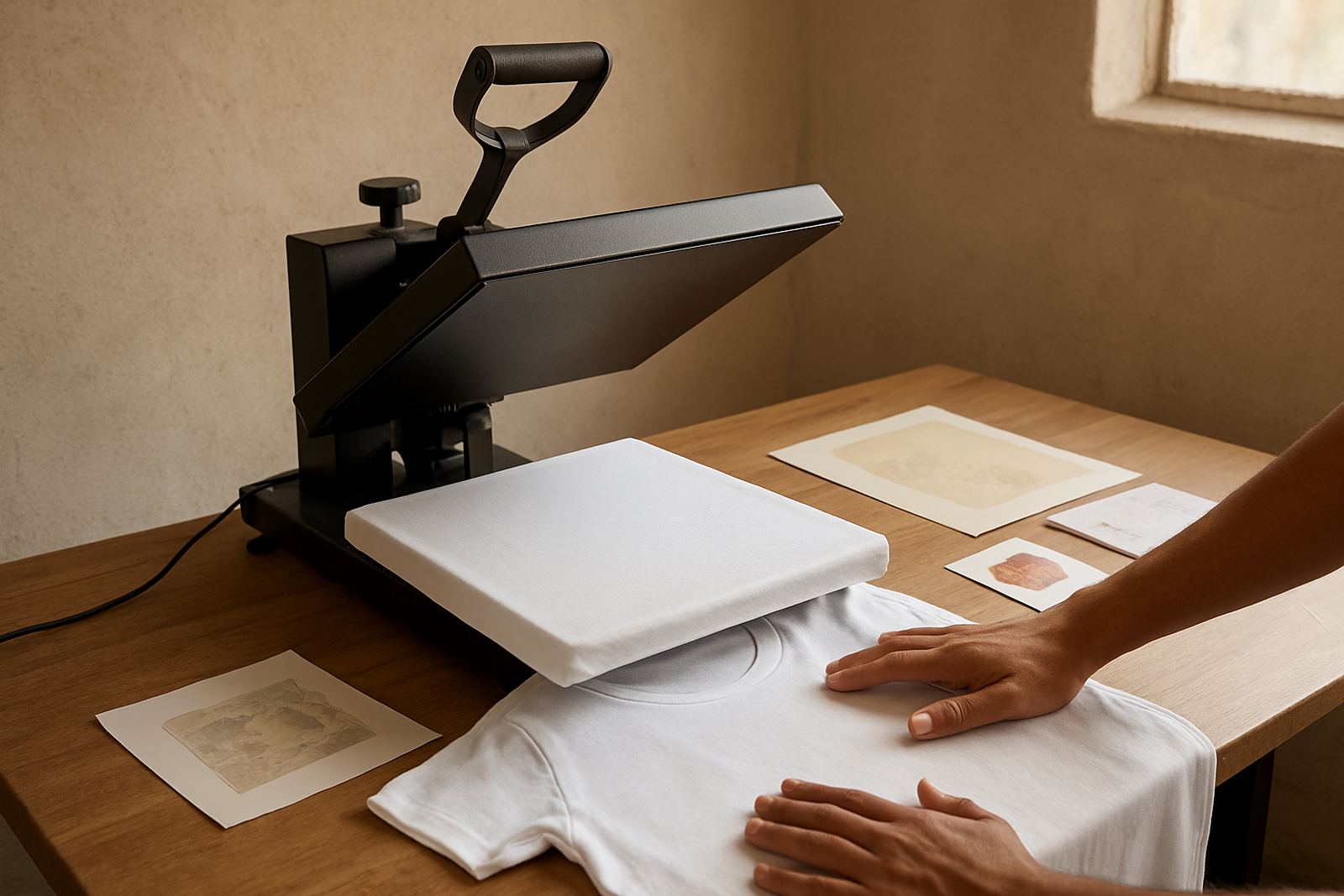
Heat pressing looks straightforward until the first batch comes off with lifted corners, a faded print or scorch marks on the fabric. A sample before production gives you a chance to check the full process on the actual garment, transfer and press settings before you commit to a large order. That small step is often the difference between a clean job and a pile of rejects.
In a South African workshop, every wrong setting has a cost. You lose transfer stock, garment stock, press time and sometimes the customer order itself. If a school in Pretoria wants 200 T-shirts for a sports day, a sample on one shirt can tell you if the pressure is too high, the temperature is low, or the garment fabric needs a different dwell time. That is a lot cheaper than discovering the problem after 50 shirts are already done.
Samples are also useful when you are working with mixed fabric types. Cotton, polycotton and synthetics all respond differently to heat and pressure. On some runs the issue is not the transfer at all, it is the shirt, the pad condition or the operator setup. A quick sample keeps those variables visible before production begins.
What to check on the sample before you start the full run
Do not treat the test garment as a formality. Use it to check the job from start to finish, then write the settings down and keep them with the order. That habit saves time when the same customer comes back next month or when another operator takes over the job.
- Press temperature and how stable it holds during repeated cycles
- Pressure across the full platen, especially on the corners and centre
- Transfer adhesion after peeling, cooling or finishing
- Fabric reaction, including shine, flattening or scorching
- Alignment, positioning and repeatability on the next shirt
- Any smell, steam or unusual noise from the press
If the sample looks right but the process feels off, stop and check the machine. A small fault in the controller, heating element or pressure system can show up first on a sample. Catching it early is better than pushing through an entire run and hoping for the best. Hope is not a process.
How local conditions affect results on the press
South African shops deal with more than just the garment and transfer. Power interruptions, workshop heat and coastal moisture all affect repeatability. In Durban, for example, humidity can change how a garment feels under the press and how a transfer sets after application. In Gauteng, a workshop may run hotter in summer, which can affect operator timing and the fabric surface.
Load-shedding adds another layer. If the press warms up after an outage, then cools and warms again, the controller may need to be checked before a big order goes through. A sample helps you see whether the press is recovering properly or drifting from the set temperature. That matters for small garment decorators who cannot afford guesswork.
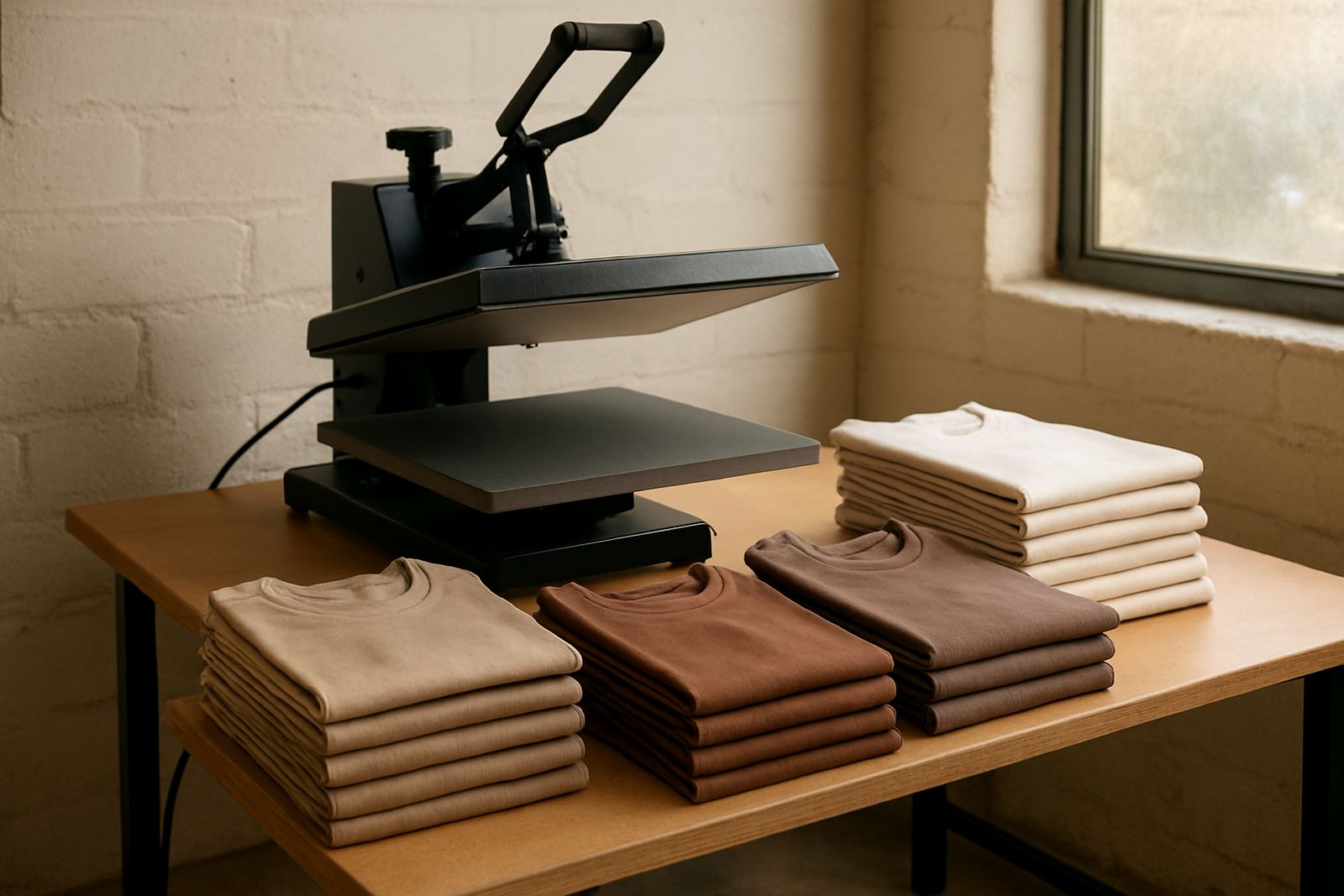
It is also worth checking the garment batch itself. Different dye lots can feel slightly different and some fabrics react more quickly than others. A sample from the same batch is the best guide, not an old shirt pulled from the back of the storeroom.
- Run the sample in the same room where the full order will be pressed
- Use the same operator, if possible, for a more accurate result
- Keep the same transfer type, platen cover and pad surface
- Record the setting in degrees, seconds and pressure adjustment
The savings you make before the order becomes expensive
Most print shops know the cost of a blank T-shirt. Fewer work out the cost of a mistake across a large order. If you ruin 20 shirts on a 100 piece job, you are not only losing garments. You are also paying for the transfer media, the labour, the courier time and the chance of an unhappy client. One sample can stop that loss before it starts.
There is also the value of confidence. When your first garment passes inspection, the rest of the job flows faster because the operator knows the settings are correct. That means less stopping and starting, fewer adjustments mid-run and better use of the press. In a business where deadlines are tight, that matters.
For hobbyists too, a sample can prevent disappointment. If you are decorating family shirts for a church event in Bloemfontein or a school fundraiser on the East Rand, it is worth testing one shirt first. Even a simple run can behave differently than expected and it only takes one bad press to ruin a bag of garments.
A Midrand example: a school order that nearly went wrong
A small printing team in Midrand once prepared a run of 180 shirts for a local school. The first sample showed that the transfer was sticking well, but the shirt surface had a slight shine after pressing. The operator had set the temperature a little too high for that fabric blend. Because they tested first, the team adjusted the setting, checked the pressure and started again before the full order was touched.
That one sample prevented a return trip, a reprint and a very awkward conversation with the school office. The real saving was not the single shirt, it was the confidence to correct the process early. In practical terms, the team finished on time and kept the client happy.
At FlatPress, that is exactly why sample work matters. We support operators in Midrand, Johannesburg, Pretoria, Durban, Cape Town, Bloemfontein and surrounding areas with setup, training and phone tech support. When a sample points to a machine issue, it is often the quickest way to decide whether the answer is a pressure adjustment, a temperature check or a repair.
Keep the sample with the job file so settings are not lost
Once the sample is right, keep a note of everything. A clear job file helps every future run and it reduces mistakes when the same customer places another order. If you are running a busy workshop, this simple admin habit saves real time later on.
- Garment brand, fabric type and colour
- Transfer type and size
- Temperature, pressure and press time
- Operator name and date
- Any extra notes about peeling or finishing
That record is also useful when a client asks for the same job months later. Instead of starting from scratch, you can repeat the proven settings and get back to work faster. It is a small habit, but it pays for itself very quickly.
When a sample points to a machine problem
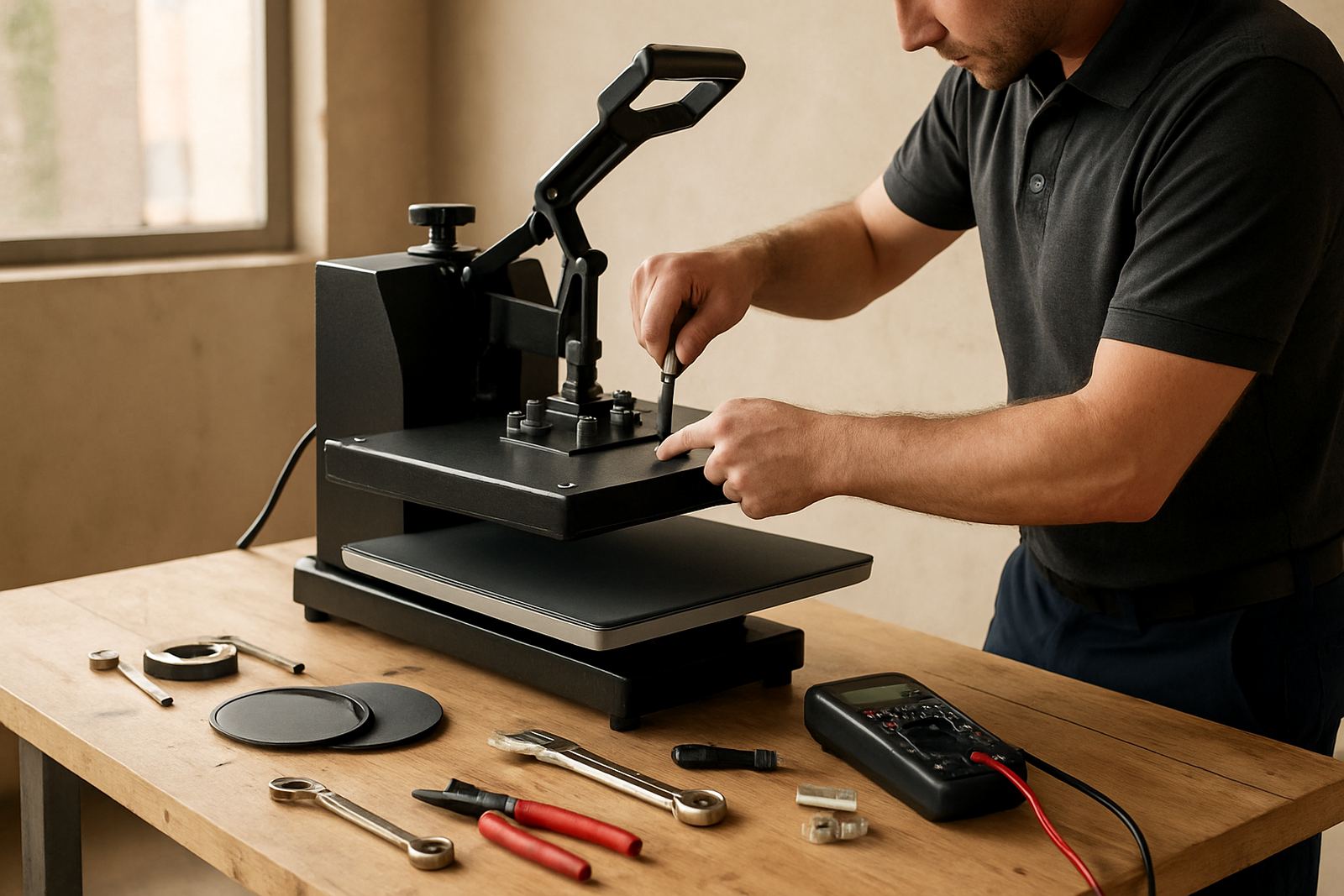
If the sample keeps failing even after you adjust the settings, the press may need attention. Uneven heat, weak pressure, pad wear or controller drift can all show up in a test run before they become obvious in the full batch. That is why a sample is not just a print check, it is also a machine check.
FlatPress supplies new press setup, preventive servicing, spares, element replacements, controller repairs, pad and covering work, pneumatic line service and loan unit support when needed. Our team in Midrand works with small garment decorators, hobbyists and professional print shops across Gauteng and nationwide by courier. If the sample is telling you something is wrong, it is better to investigate now than after the order is stacked on the table.
In short, test first, print second. A single sample can save money, protect your reputation and keep the press working the way it should.