

Why small changes matter before a full breakdown
A flat heat press seldom stops working without warning. More often, the signs arrive slowly: a corner that does not close as firmly as it used to, a controller that drifts by a few degrees, or a transfer that suddenly needs an extra few seconds to bond properly. Those little changes may look harmless at first, but they are often the first clue that the press is wearing unevenly.
For a small decorator in Midrand or a busy print shop in Pretoria, that matters because bad impressions cost more than one spoiled shirt. They use time, material, and sometimes a repeat run for a client who expected clean results the first time. If your machine is making you adjust settings more often than usual, it is telling you something.
Wear is not only about age. It can come from daily use, dust in the workshop, power interruptions, heavy pressure on thick garments, or simply a machine that has not been checked since installation. A press can still switch on and heat up, yet be out of line or under pressure where it counts.
Pressing results that change before the machine fails
The easiest warning signs are often visible on the garment. If transfers start lifting at the edges, ghosting at the sides, or leaving patchy adhesion in the same spot, the press may no longer be delivering even heat or even pressure across the platen. That does not always mean the heater is finished, but it does mean the machine needs attention.
Look out for these job-side clues:
- Transfers that bond well in the middle but fail near the corners
- Heat marks that appear only on one side of the garment
- Needing higher temperature than your usual setting
- Longer dwell time to get the same result
- Pressure that feels too loose on one day and too tight the next
In practice, operators often start compensating by guessing. They increase time, crank up heat, or add more force to the handle. That can hide the issue for a while, but it usually makes wear worse and puts more strain on the element, controller and pressure system.
What to check on the press itself
When the machine starts acting differently, check the press body and working parts before you assume the artwork or transfer material is the problem. A quick inspection can save a service call, and it gives you better information when you do need support.
- Surface condition of the platen, including scratches, dents or hot spots
- Condition of the silicone pad and cover, especially flattening or tearing
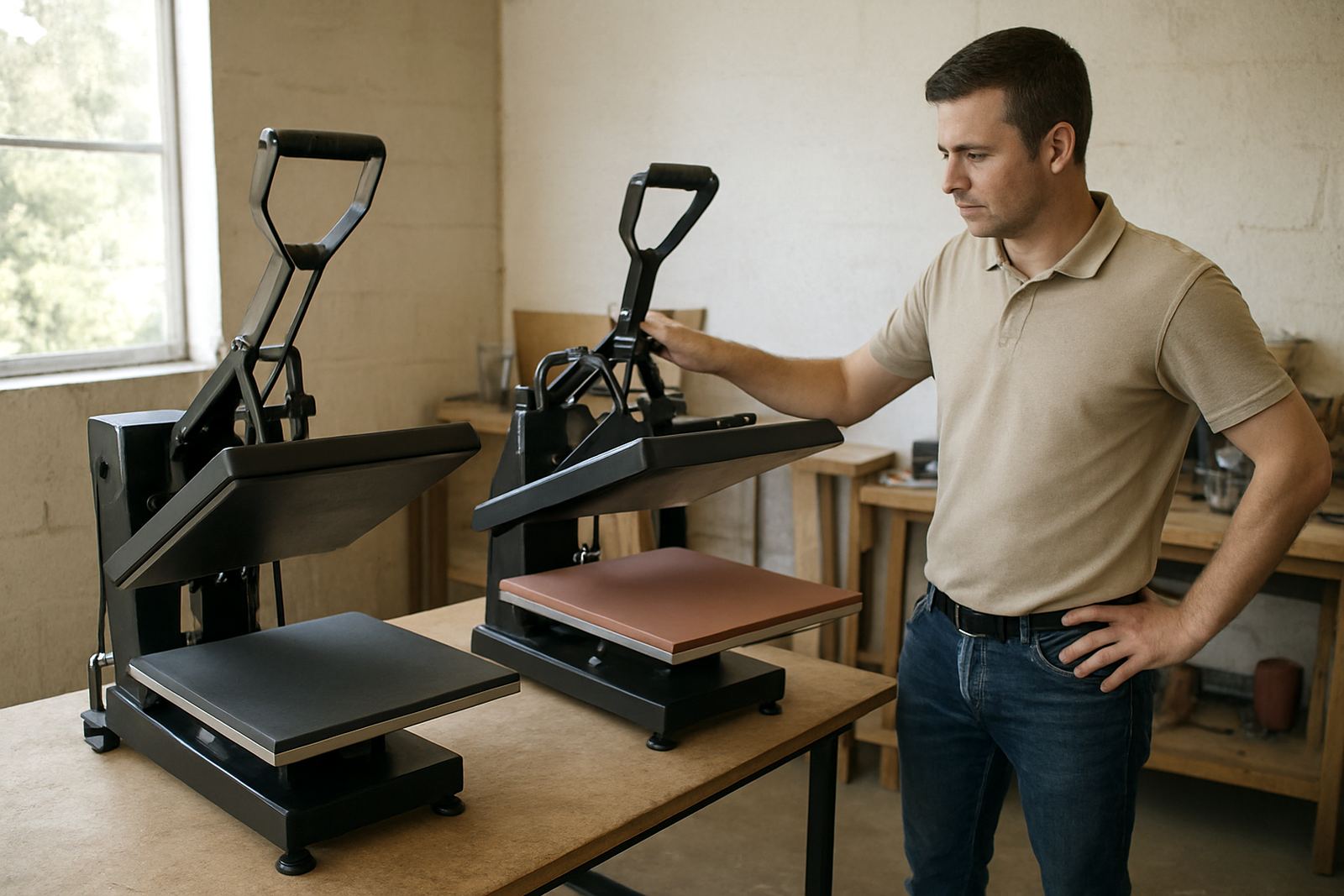
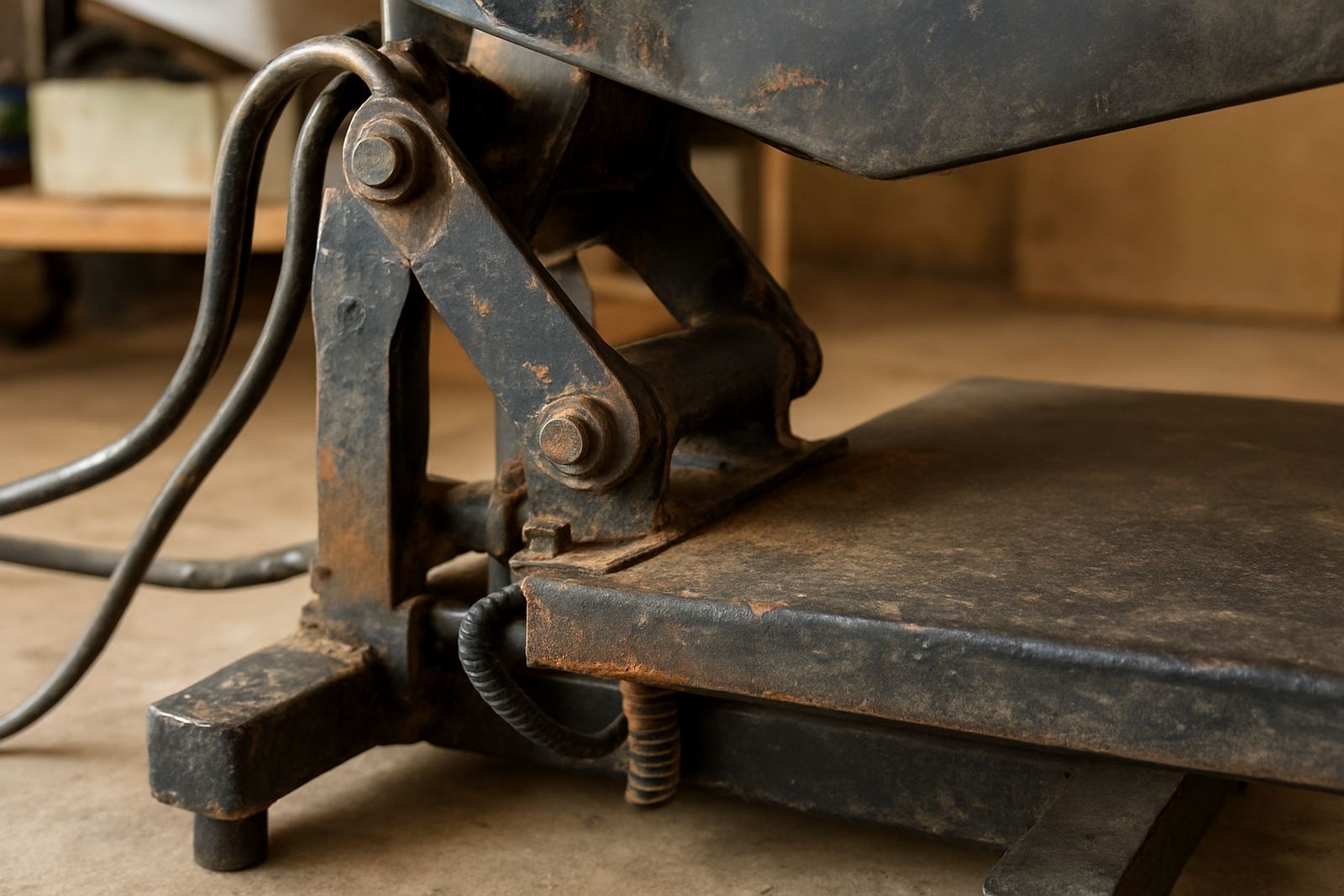
- Hinge movement, looking for stiffness, wobble or uneven closing
- Controller display, for fluctuating readings or buttons that respond slowly
- Pressure adjustment points, for slipping, loose threads or sudden resistance
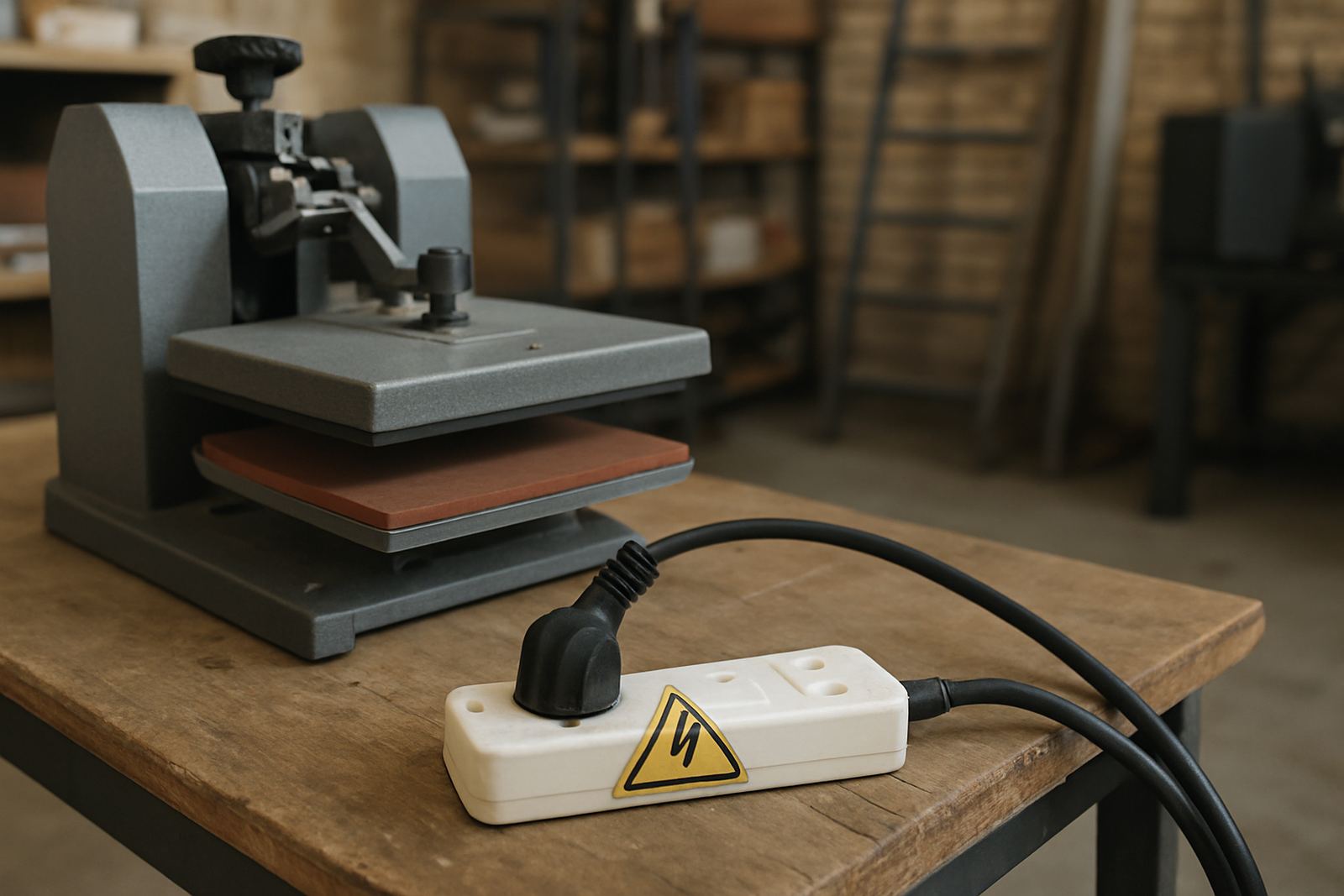
- Power cable and plug, especially if the unit is moved often in the workshop
If the pad is thin or uneven, the pressure spreads badly and the garment may press fine in one area then fail in another. On older units, the handle can still close but the lower platen may not sit square. That creates trouble on every job, especially with full front prints or larger transfer sizes.
For customers on the coast, humidity can also affect coverings, pads and stored consumables. A shop in Durban may notice coverings softening or edges lifting sooner than a dry inland workshop. It is not dramatic, but it changes how the press behaves over time.
Signs the heating system needs attention
Heat issues are easy to miss because the display may still show the set temperature. The real question is whether the platen is reaching that temperature evenly and holding it during the full press cycle. If the machine takes longer to warm up, swings up and down, or struggles after a few prints in a row, the element or controller may be beginning to fail.
Common signs include:
- Longer warm-up time than usual
- Temperature that keeps climbing or drops too quickly
- Burning smell, noise, or a sharp change in output
- Presses that look fine on one product and poor on the next
- Buttons or settings that do not match the actual reading
In a shop working through load-shedding, this matters even more. Power cuts and repeated restarts can put extra strain on controller components, especially if the machine is switched on and off often during a production day. After unstable power, it is worth doing a temperature check before the next run, not after a batch has already been spoiled.
Heating problems are usually best handled early. A small controller repair or element replacement is far cheaper than trying to salvage weeks of inconsistent production later on.
Pressure problems that show up in everyday handling
Not every wear issue is electrical. Mechanical pressure loss is one of the most common causes of poor results on flat presses, particularly where the machine is used all day by more than one operator. Over time, threads loosen, springs weaken, and adjustment points drift from where they were set.
You may notice the problem when the handle closes too easily, or when the operator has to use far more force than normal to get the same impression. Either extreme is a warning. If the pressure is too light, transfers may not lock in. If it is too heavy, you can flatten the garment texture, mark seams, or stress the press frame.
A practical check is to compare the feel of the machine at the start of the day with its feel later on. If it changes during use, stop and inspect the pressure system. On pneumatic units, a line or fitting issue can also affect consistency. On manual presses, it may be a simple adjustment or a worn component. Either way, do not keep pushing through jobs as if nothing is wrong.
What a local repair call can prevent
A print shop in the East Rand once reported that its transfers were curing unevenly only on larger garments. The operator kept changing time and temperature, but the same corner kept failing. On inspection, the press had a worn pad and a slight pressure imbalance that was not obvious from the outside. After a pad and covering change, plus a pressure adjustment, the results went back to normal and the team stopped losing stock.
That is the point of acting early. Preventive servicing is not just for big factories. It helps small shops, hobby users and busy decorators who need one press to stay reliable for schoolwear, club shirts, corporate items and short runs. A short service can pick up worn parts before they crack, loosen or fail mid-job.
Typical support at this stage includes:
- Preventive servicing and temperature checks
- Pressure adjustments and hinge inspection
- Element replacements and controller repairs
- Pad and covering replacement
- Spare parts supply and loan unit support where needed
If the press is still usable, a technician can often keep it working while you plan the bigger repair. That is much better than discovering a fault on Friday afternoon when you still have a full run to finish.
When to stop guessing and get support
Once wear starts affecting more than one job, it is time to stop relying on trial and error. Repeated adjustments can waste material and hide the real fault. If the press needs constant resets, if the readings are unreliable, or if the output changes from one operator to the next, get it checked properly.
For businesses in Johannesburg, Pretoria, Cape Town, Durban, Bloemfontein and surrounding areas, service can be arranged from our Midrand base, with courier support for nationwide clients. The aim is simple: keep the press safe, accurate and ready for the next order. A good machine should not need daily guessing. It should give the same result today, tomorrow and next month.
Owners who watch for early wear usually spend less and lose less. They also train their staff better, because the machine’s normal behaviour becomes easy to recognise. Once you know what healthy pressing feels like, the warning signs stand out quickly enough to act before quality drops badly.