
The brief from Alberton
The client was a small to mid-sized contract printer in Alberton serving clothing resellers, schoolwear traders and local promotional buyers. Their work was not occasional t-shirt pressing, it was repeat batches that needed the same heat, pressure and dwell time from job to job. The brief was simple: improve output, keep the finish consistent and reduce stoppages during busy weeks.
They wanted a flat heat press that could cope with transfer work on cotton tees, cotton rich garments and a mix of pre-cut transfers. The team also needed better control around temperature recovery, because the old unit struggled when they moved from one run to the next. In practice that meant fewer reprints, less waiting between cycles and a machine that could be handled by more than one operator without confusion.
The client also asked for support on installation day, plus proper handover for operators who would use the press under pressure from short turnaround orders.
What we supplied and set up
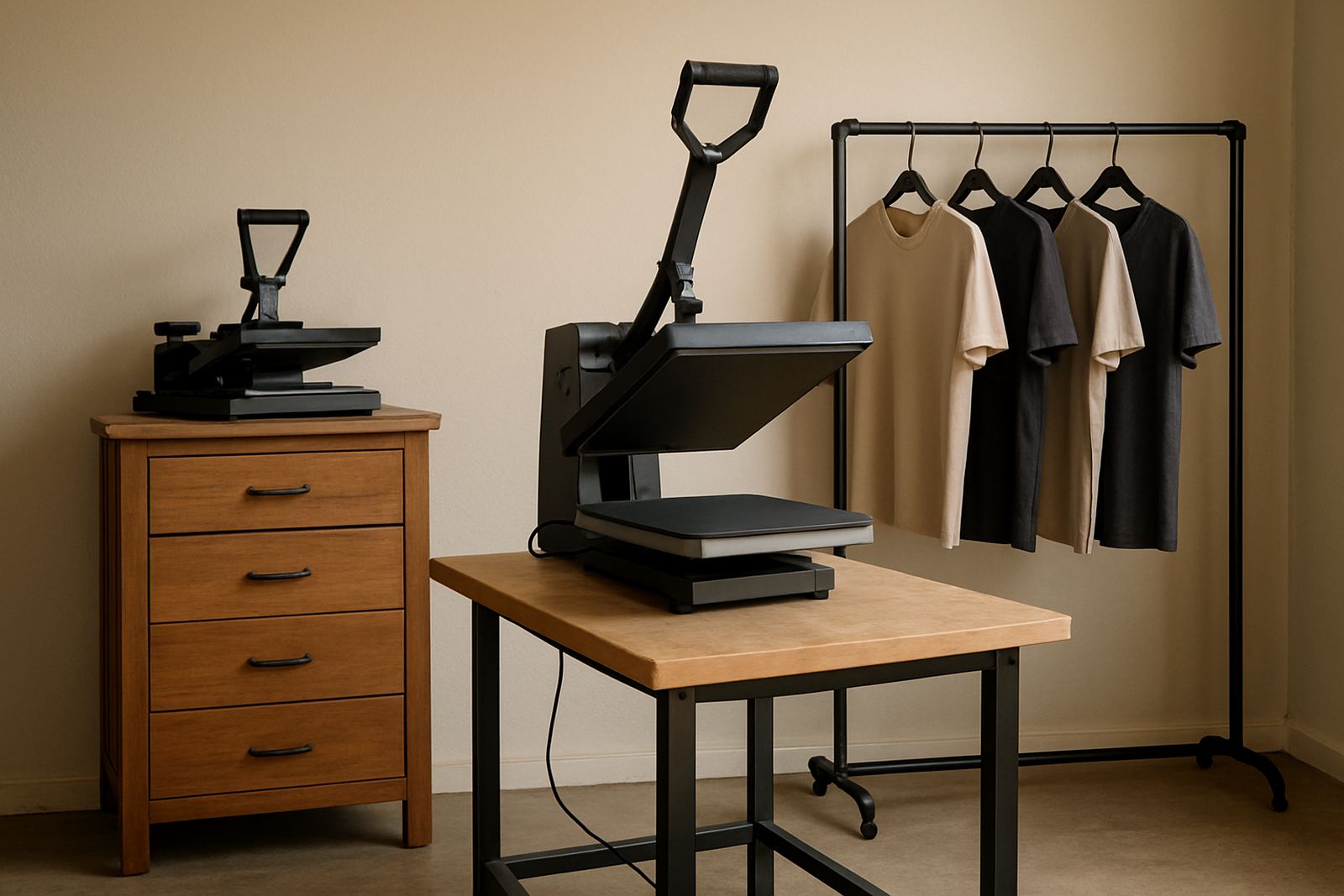
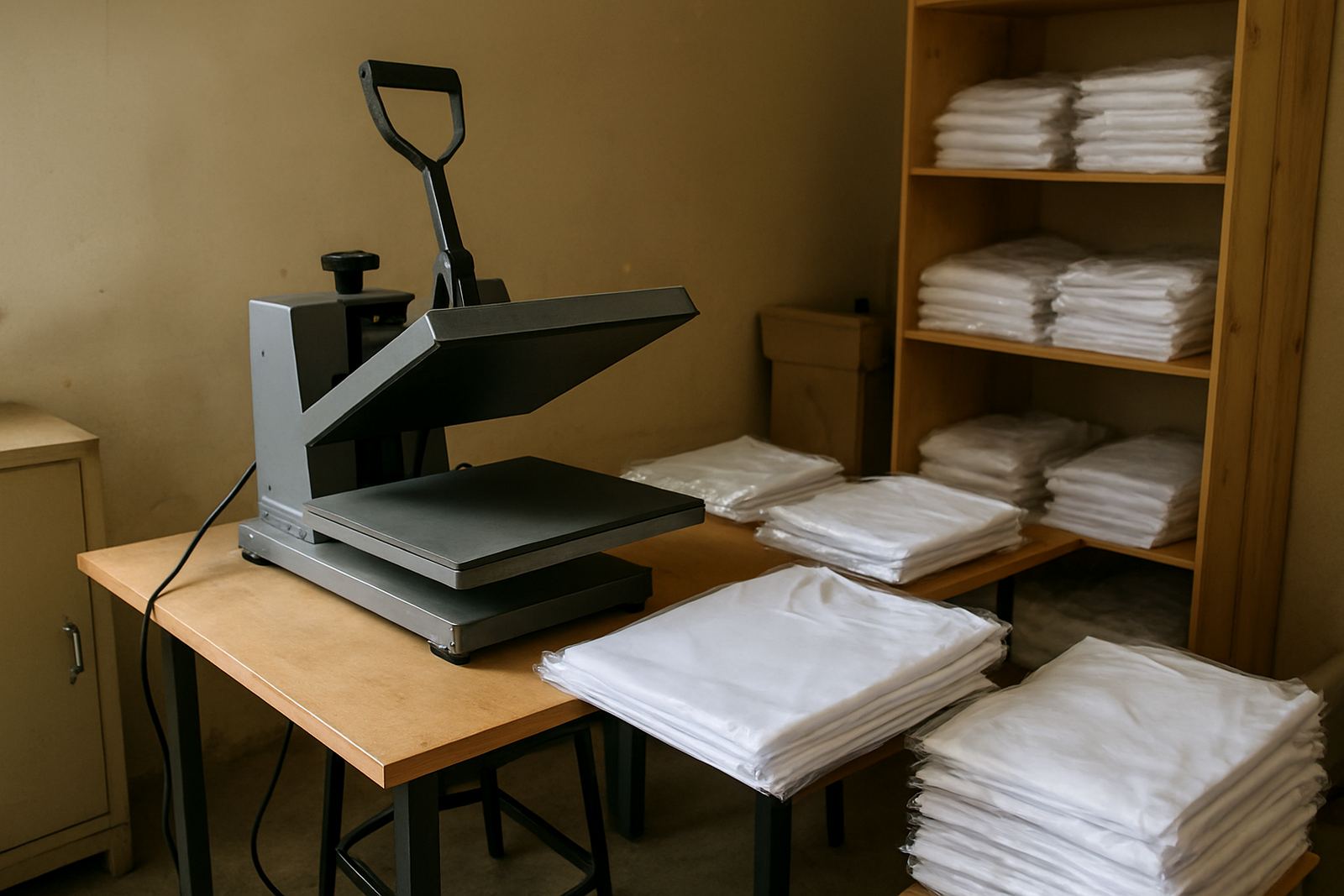
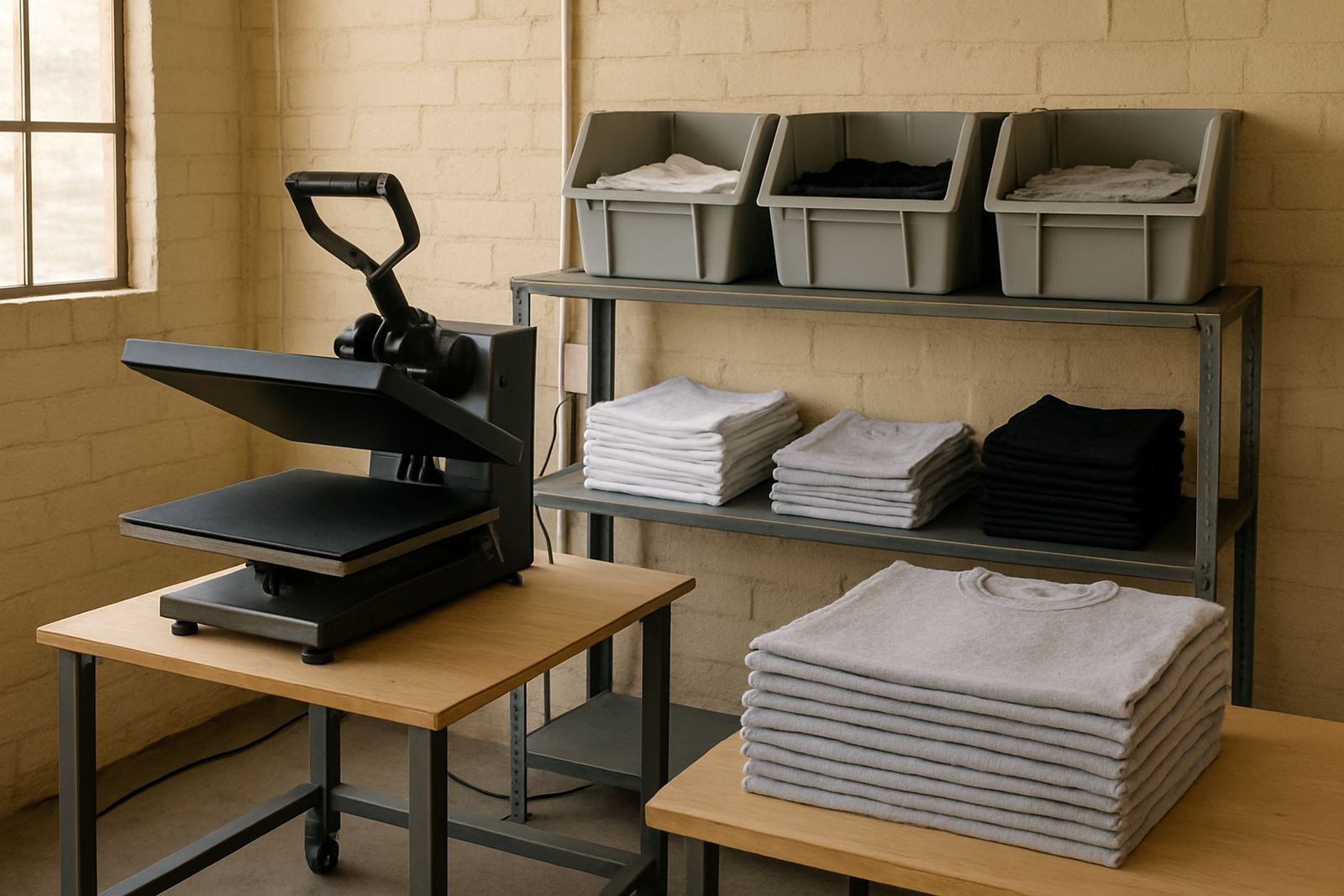
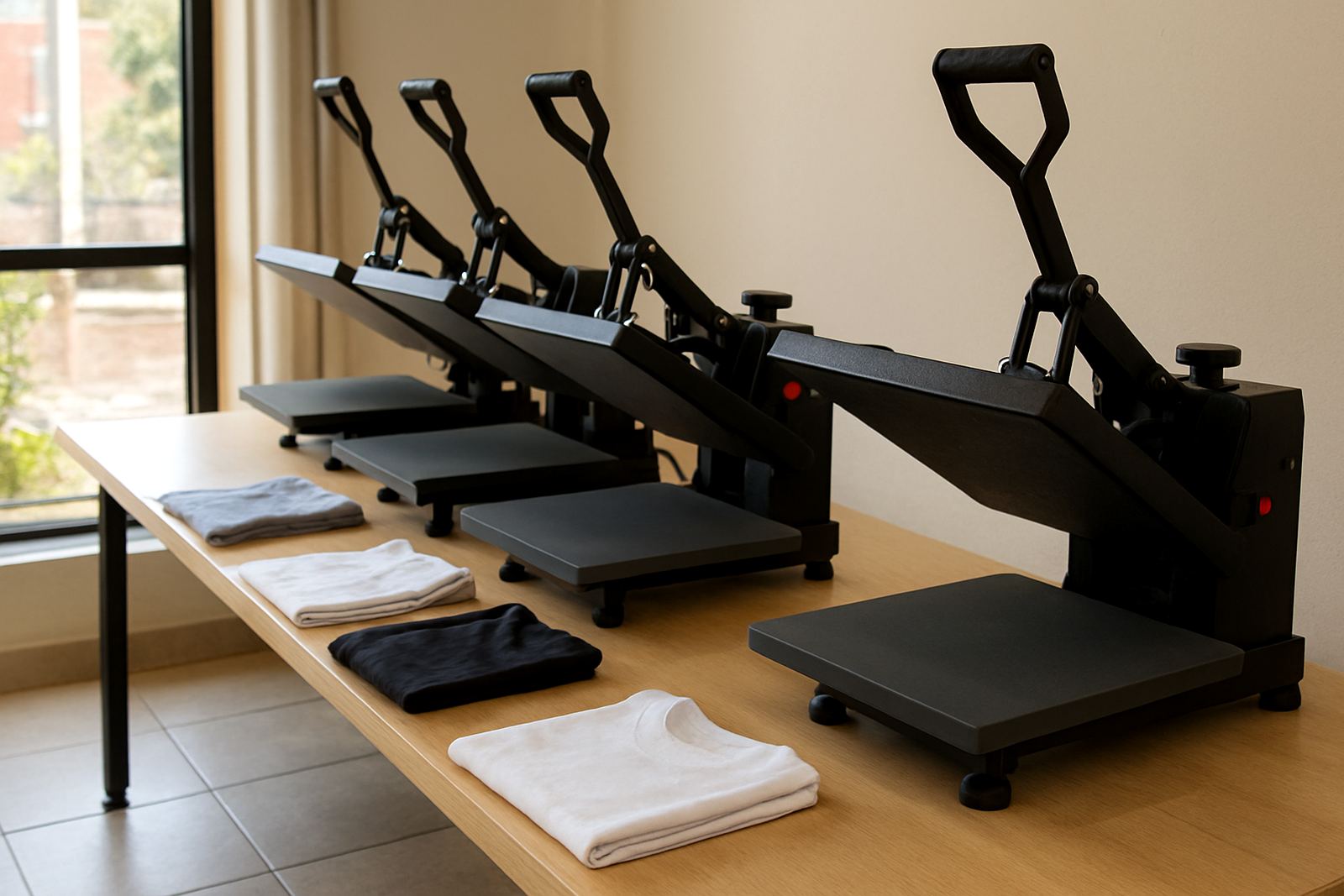
We supplied a higher-output flat heat press with a larger platen size suited to standard T-shirts and transfer placement work. The unit was configured for steady repeat production rather than hobby use, with even heat spread, solid pressure adjustment and a controller that could be set and checked quickly between runs. We also supplied spare consumables for immediate use and left the client with a clear servicing plan.
- Flat heat press for garment transfer work
- Temperature controller check and calibration
- Pressure adjustment setup for mixed garment thickness
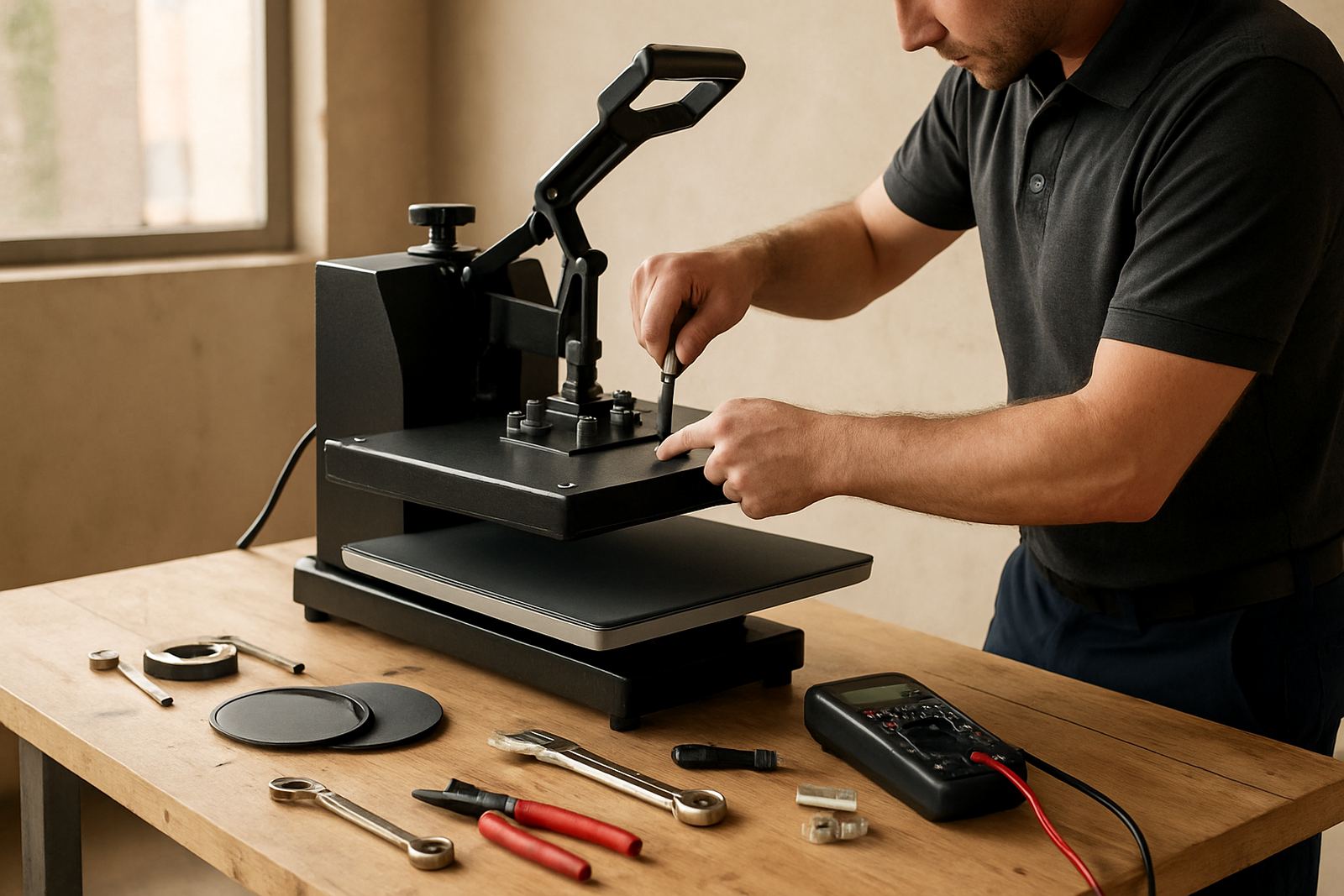
- Replacement pad and covering fitted during installation
- Basic spares pack for first-line support
We tested the machine on-site with sample garments before sign-off. That included checking platen recovery after back to back cycles and making sure the pressure stayed consistent across the working area. The workshop side was prepared as well, so the team could start on live orders the same day instead of learning on production stock.
Site limits we found and how we worked around them
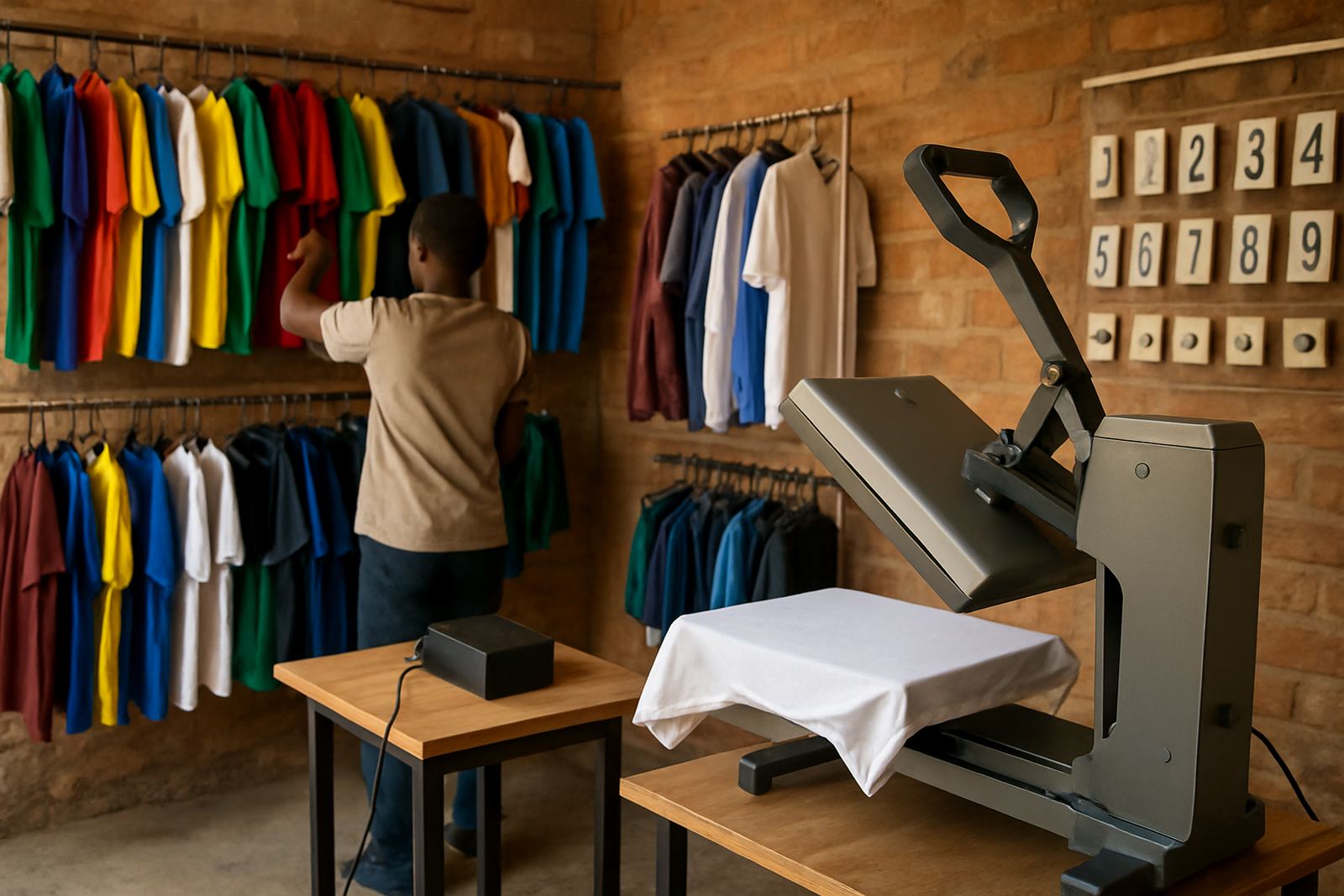
Like many Gauteng print shops, the Alberton site had limited floor space, mixed power use and a production flow that could not stop for a full day. There was also the usual challenge of managing heat press work during load-shedding windows and keeping operators from rushing settings when orders stacked up. The press had to fit into the existing line without forcing the client to move other equipment.
We planned the installation around a quiet production slot and checked the supply conditions before commissioning. The machine was positioned to allow safe loading, clean movement of garments and enough room for the operator to work without crowding. Because the team handled different garment types, we set pressure points for light tees and thicker items so they could switch without constant re-setting.
- Space limited to a compact production lane
- Power stability had to be checked before commissioning
- Operators needed a simple routine for repeat work
- The press had to suit both small and medium batch sizes
Training and handover for the operators
Training covered the practical side first: warm-up time, correct garment placement, pressure control, and how to spot a bad transfer before it became wasted stock. We also showed the team how to check temperature with a simple routine and what to do when cycles started drifting after long runs. For a contract printer this matters because one bad setting can affect a whole reseller order.
We kept the handover direct and practical. The operators were shown how to work with cotton tees, lighter blends and thicker garments, and how to keep the pad covering clean for a better finish. Our training coordinator covered basic maintenance and the workshop technician explained the signs that the element, controller or covering might need attention.
- Operator training on press settings and cycle control
- Safe handling for repeat production work
- Basic fault finding for temperature and pressure issues
- Cleaning routine to protect finish quality
Timeline, results and return to production
This Alberton setup took two weeks from the first brief to operator handover. Week one covered site assessment, machine selection and preparation. Week two covered delivery, installation, testing and operator training. The turnaround was quick enough to avoid disruption to the client’s reseller orders, which was one of the main goals from the start.
Once the press was in service, the team saw steadier results on repeated runs and less variation between the first garment and the last. They were able to keep production moving during busy periods without stopping to rework transfers as often. The client also had a clearer maintenance routine, which helped them plan around wear items instead of reacting when a problem showed up.
That made the machine a better fit for their kind of work: fast, repeatable and simple enough for different operators to use with confidence.
What we'd repeat for the same kind of production work
If we were doing the same job again for another Alberton contract printer, we would follow the same approach: assess the actual workload first, match the press to the batch size, then train the team before the machine goes live. A press that is oversized can slow small jobs, while one that is too light for the order mix gives poor results and extra rework.
We would also keep the same support model in place. That means phone technical support, spare parts on hand, pressure checks, temperature checks and workshop backup when a controller or element gives trouble. For businesses handling repeat orders, the real value is not just the machine, it is having a supplier who can help when the line gets busy and there is no room for downtime.
Key facts
| Client town | Alberton, Gauteng |
|---|---|
| Project type | Higher-output flat heat press for contract transfer work |
| Machine use | Repeat T-shirt and transfer production |
| Platen size | Standard garment format for tees and small batch orders |
| Timeline | 2 weeks from brief to handover |
| Support included | Setup, training, spares, phone tech support and servicing |