
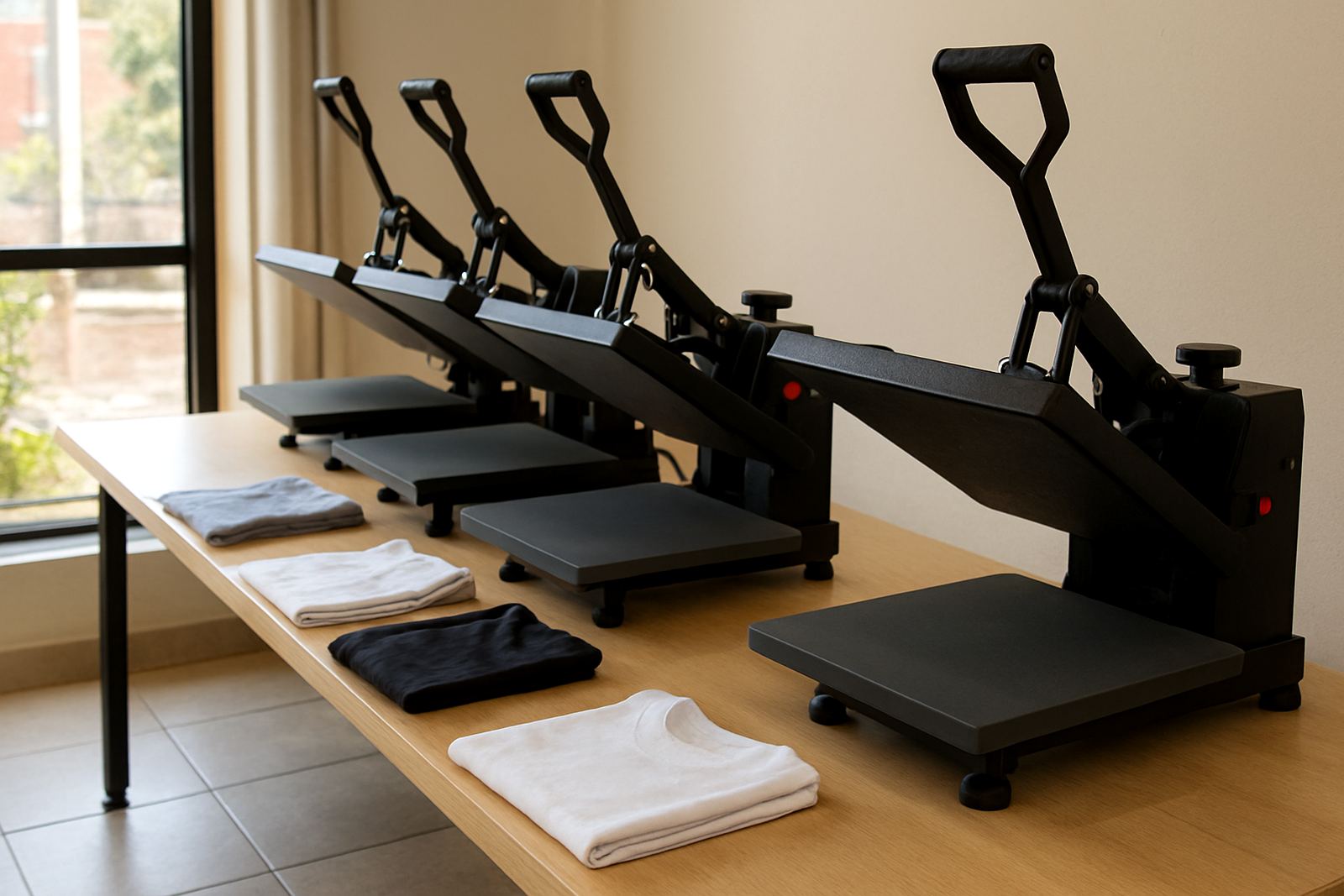
The brief from a Randburg weekend seller
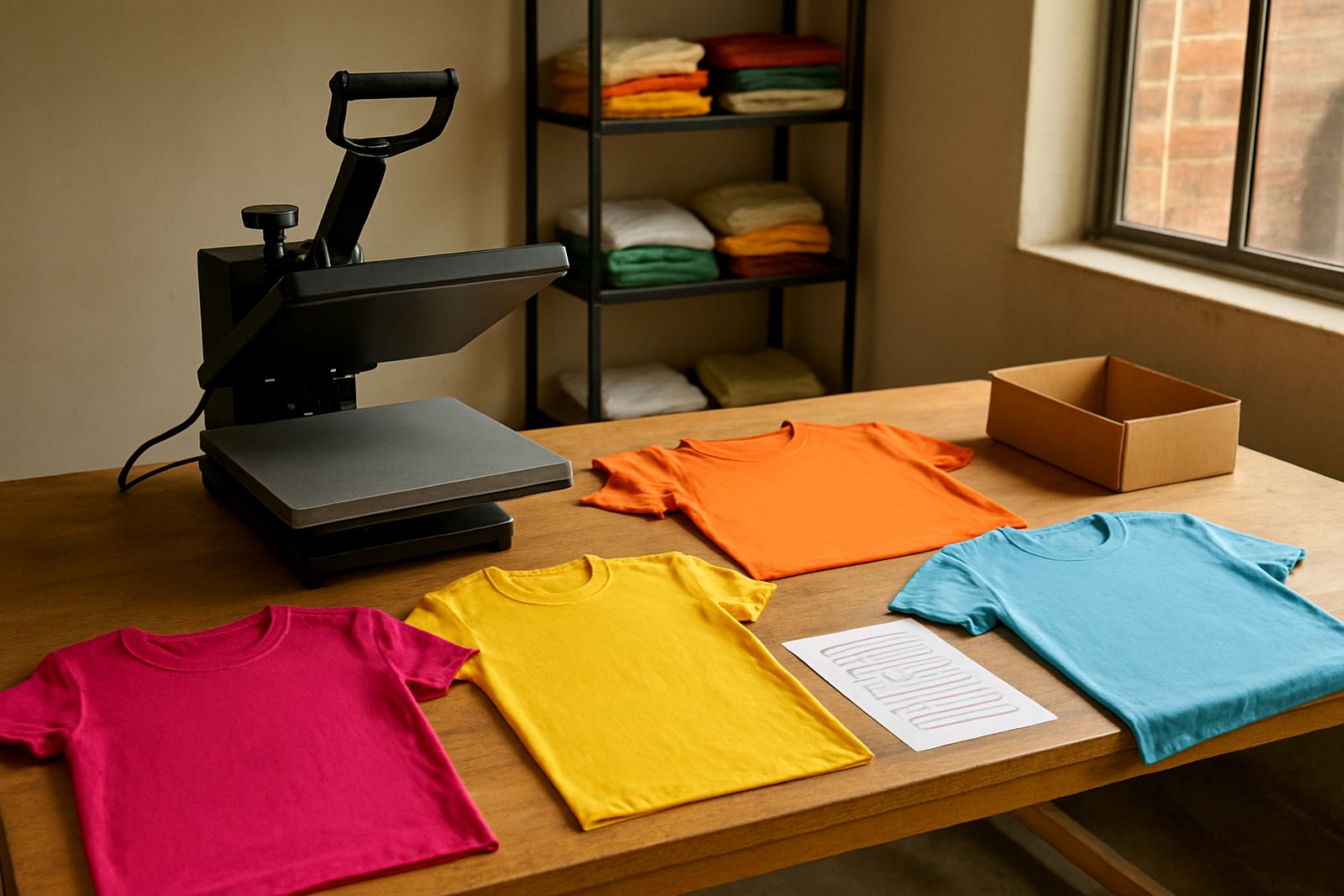
The client was a small garment decorator in Randburg, working mainly at weekend markets, school events and pop-up sales in the north of Johannesburg. The main line was custom event shirts, with names, simple logos and one-colour transfer work for fast handover. The brief was clear: get a portable-friendly flat press that one person could move, plug in and use without wasting time on complicated settings.
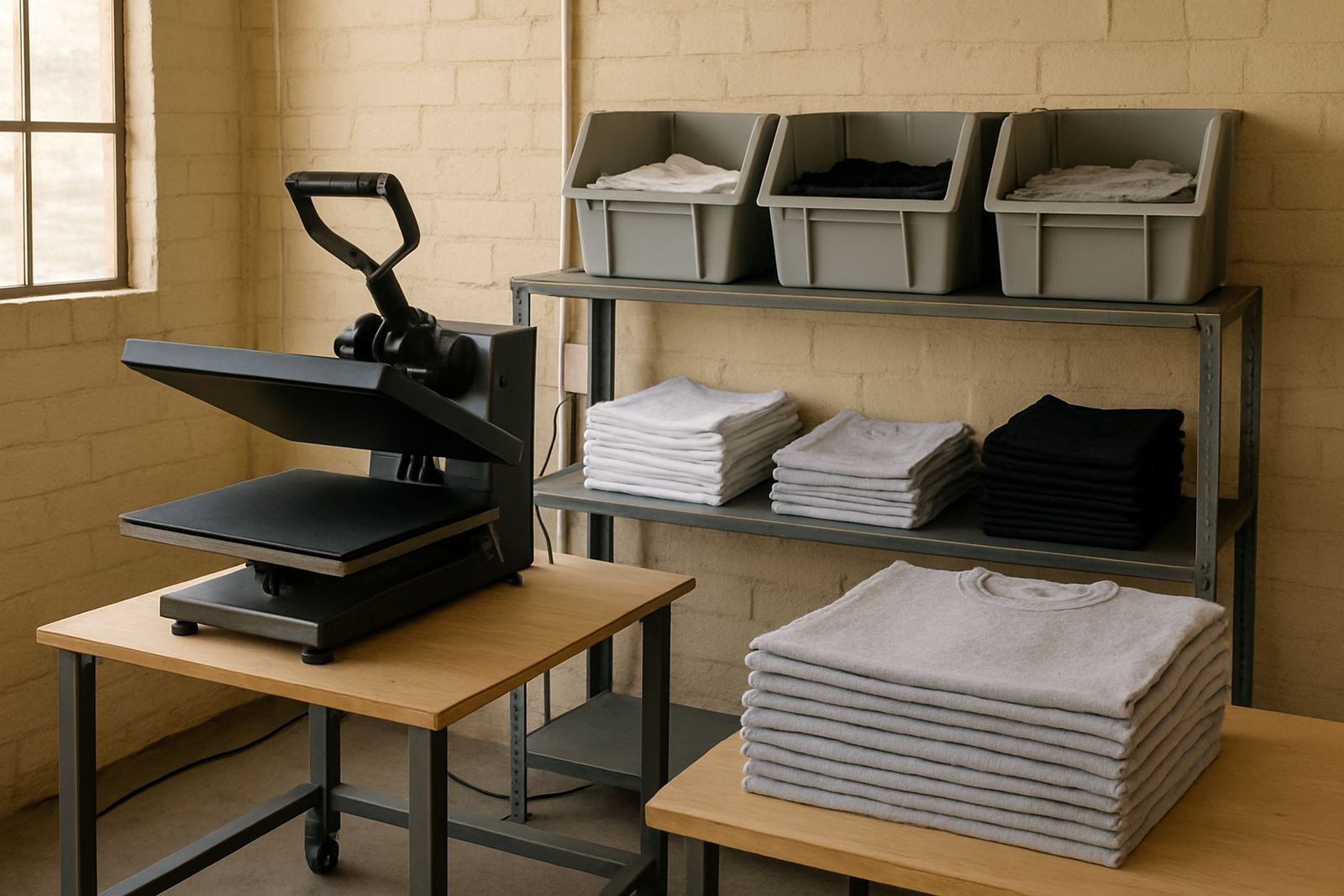
They had tight floor space, limited storage and regular load-shedding interruptions to plan around. The press had to heat up predictably, hold temperature well, and give consistent pressure across adult and youth shirt sizes. Because the setup would be used in a home-based work area and then loaded for market days, the client also wanted a unit that could be packed carefully and transported without fuss.
- Work type: T-shirt transfers and light production runs
- Area: Randburg, with weekend travel across Johannesburg
- Priority: Portability, speed and simple operator control
- Power planning: Stable use during load-shedding gaps and short power cuts
What we specified for the job
We matched the project to a manual flat heat press with a working platen size suited to standard shirt jobs, plus a controller that allowed straightforward time and temperature setting. The client did not need a large production line, but they did need a press that could hold a steady platen temperature and recover quickly between cycles. That matters when you are doing 20 to 40 shirts in a morning and cannot afford uneven transfers.
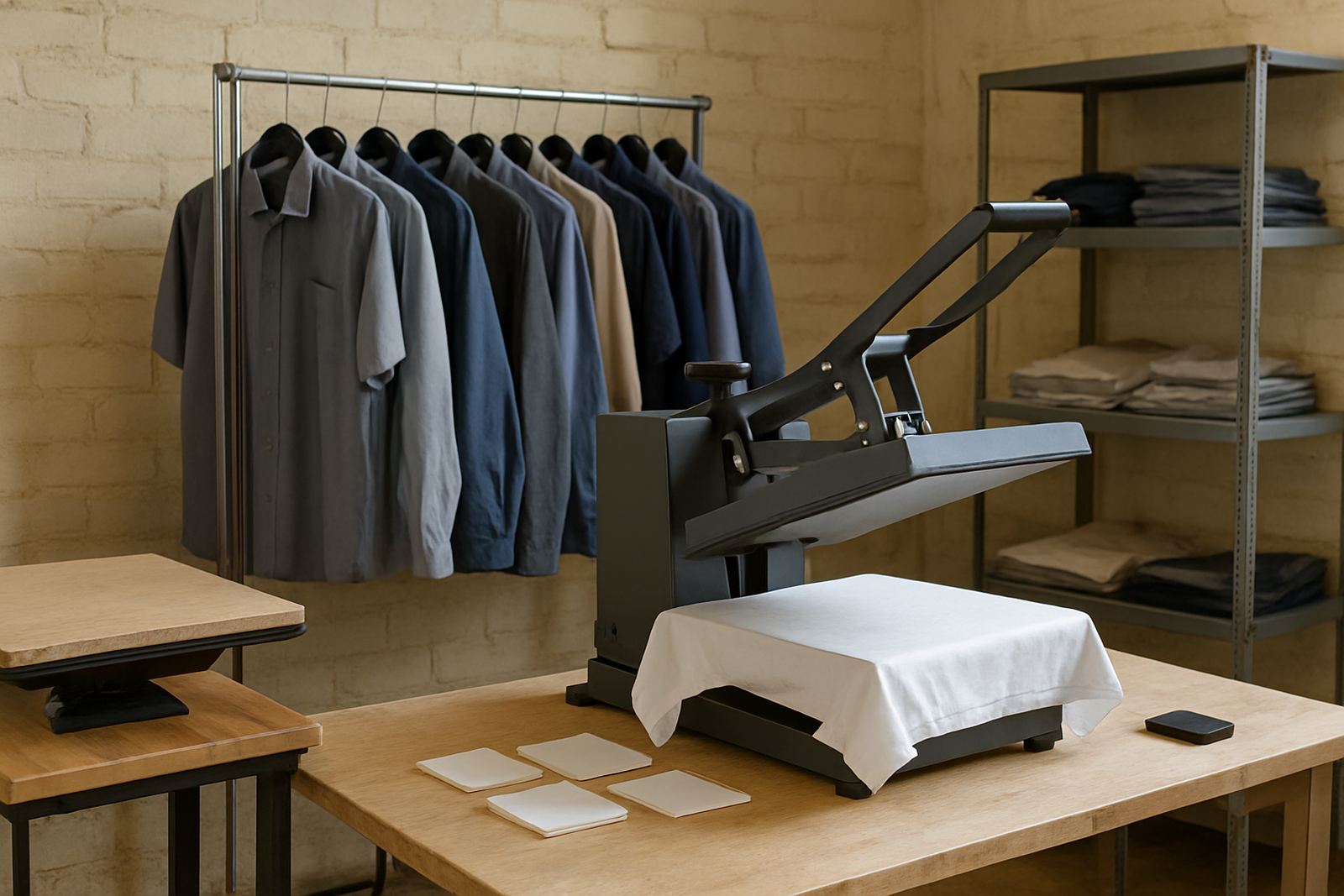
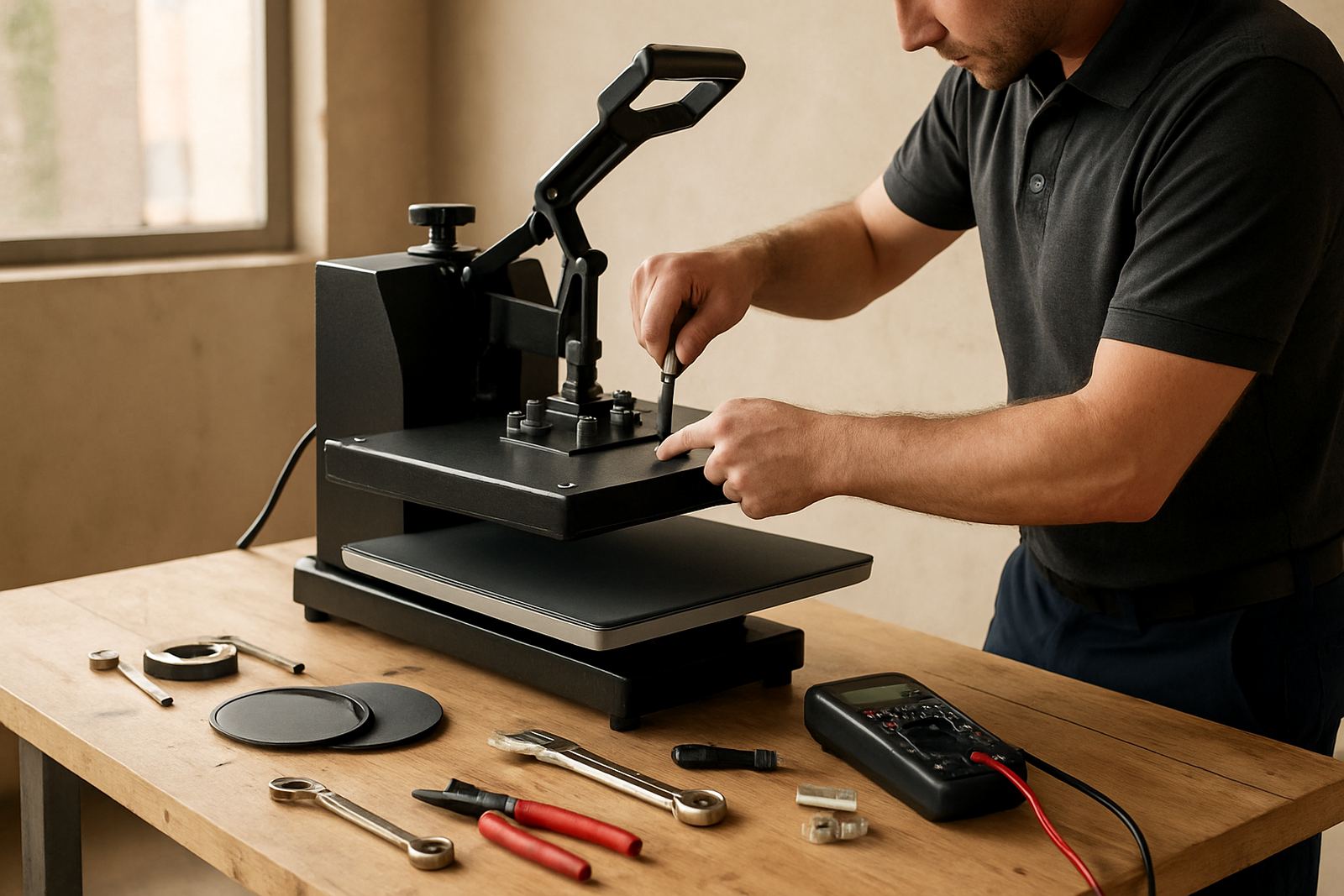
The chosen setup included a medium-size lower platen for general garment work, a stable frame for repeat pressure, and a replaceable heat element arrangement that can be maintained locally. We also checked that the press could handle transfer paper jobs on cotton and polyester blends, since market customers often bring mixed garment types. For portability, we kept the setup compact and showed the client how to move it safely without stressing the arm or platen alignment.
- Working platen size: suited to adult and youth shirts
- Control: digital time and temperature setting
- Use case: transfer paper, light garment decoration and small batch orders
- Maintenance point: replaceable elements and easy pressure adjustment
Setup, training and first-day testing
The installation was completed in one week from order confirmation to first heat test, with the actual setup and handover done on site in Randburg. We levelled the press, checked the pressure across the full platen and ran test presses at different settings to confirm even contact. The client wanted confidence before the first market weekend, so we stayed long enough to test both a single logo transfer and a slightly larger chest print.
Training covered basic daily use, temperature checks, transfer timing and how to adjust pressure for thicker items like hoodies versus light cotton tees. We also went through the practical side of market work, including how to pack the unit for transport, where to place it on a stable table, and how to protect it from dust and damp air when stored between events. In Johannesburg, especially in summer, moisture and dust can become a problem if equipment is left uncovered for a few days.
- Setup time: 1 week from order to handover
- Training focus: day-to-day operation and safe transport
- Test work: small logo, chest print and mixed fabric checks
- Storage advice: cover the press and keep it dry between market days
What the client needed to work around
The biggest constraints were physical space, power interruptions and the need to keep turnaround fast. The seller was not running a full shop with spare tables and duplicate tools. That meant every part of the process had to be practical. We suggested a simple workflow: prep transfers first, heat the press only when orders are ready, and keep a small buffer for clean covers, blank shirts and replacement film. That way the operator was not wasting electricity or waiting around between customers.
We also addressed pressure consistency. Portable use can lead to uneven platen contact if the table is not level or if the machine is shifted often. We checked the mounting surface, explained how to confirm even closure by feel, and showed the team what to do if a corner was reading too light. Those small adjustments matter when you are selling at a market and a customer is waiting at the stall.
Because the client works with event dates, not a fixed manufacturing calendar, they also wanted backup support if something went wrong on a Friday night. We explained the support route for phone guidance, courier spares and workshop repair if needed. That gave them confidence to take on booked orders without overcommitting.
Results after the first few weekends
By the second weekend, the client was producing shirts faster and with less waste. The first big gain was consistency: fewer uneven transfers, fewer rejected garments, and better confidence when pressing mixed sizes. The second gain was speed. Once the operator had a repeatable heat and pressure setting, they could move through small runs without stopping to guess the timing each time. For a weekend seller, that makes a real difference to queue length and customer trust.
The press also proved easier to move and reset than the client had expected. They could pack it into the vehicle, set it up at the market and begin work without calling for help every time. After a few runs, they were also more comfortable with pressure changes for thicker print jobs, which reduced the risk of shiny marks or incomplete transfer edges.
- Better consistency on small event runs
- Faster turnaround at the stall
- Less waste from failed transfers
- More confidence handling different shirt thicknesses
What we would repeat for similar market printers
For a setup like this, we would do the same three things again: keep the machine size practical, train the operator on pressure and timing, and make sure the support plan is clear from day one. Small sellers do not need complicated machinery. They need a press that behaves the same way every time, and a team they can reach when the first busy weekend arrives.
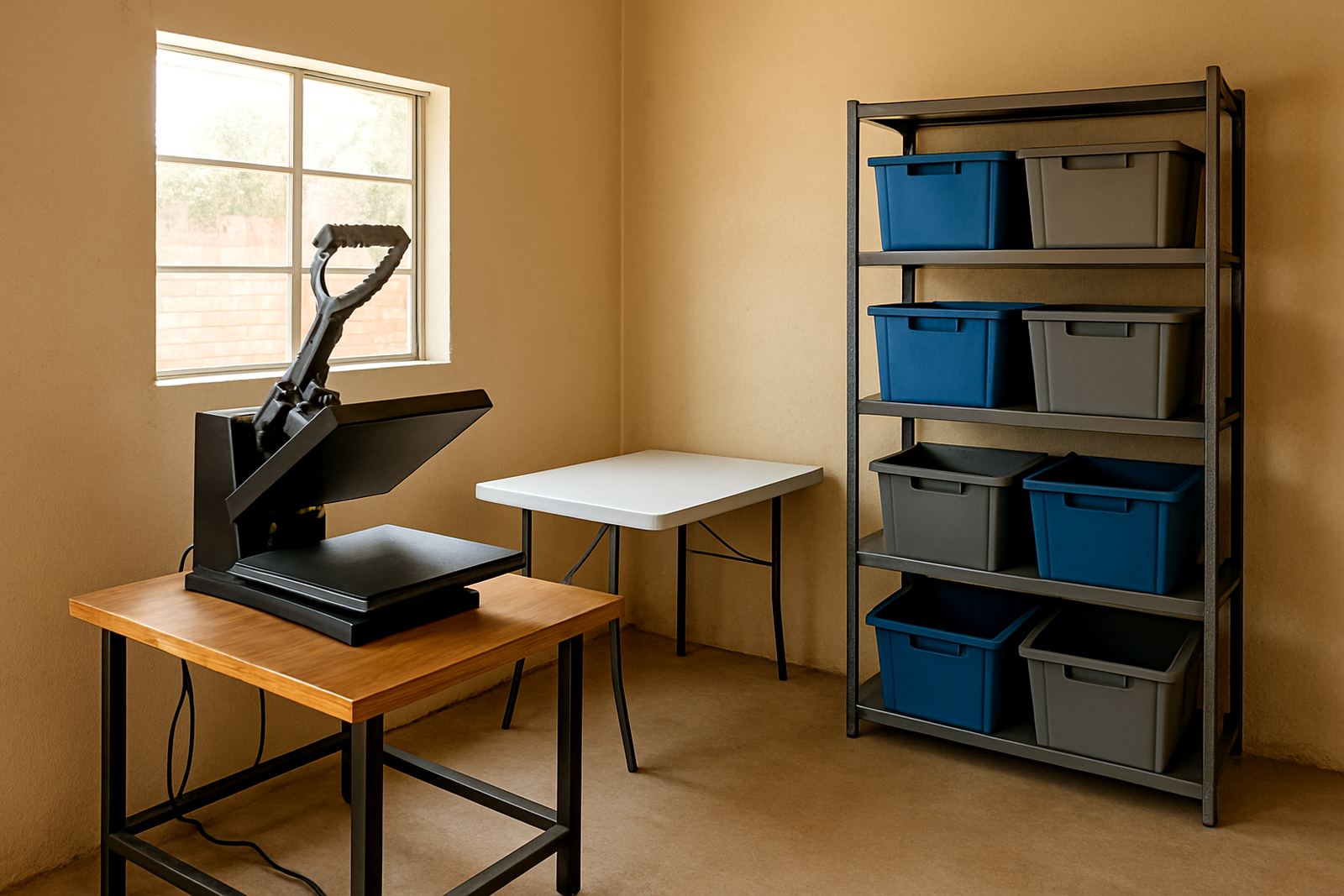
If we were starting another market printer in Randburg, Roodepoort or the East Rand, we would again recommend a clean setup with a stable table, a covered press and a simple maintenance rhythm. That includes regular temperature checks, checking the pad cover, and replacing worn parts before they start affecting the print. For a weekend business, the best machine is the one that keeps working and doesnt surprise you on a busy morning.
- Keep the setup compact and transport-friendly
- Use a simple operating routine with clear settings
- Plan for spare parts and basic servicing early
- Protect the press from dust, damp and rough handling
Key facts
| Client type | Weekend market seller and small garment decorator |
|---|---|
| Town | Randburg, Gauteng |
| Press type | Manual flat heat press for T-shirts and transfers |
| Working setup | Portable-friendly, space-saving stall and home use |
| Timeline | 1 week from order to installation and handover |
| Support included | Setup, training, phone support and spares guidance |