What the Soweto teamwear shop needed from the start
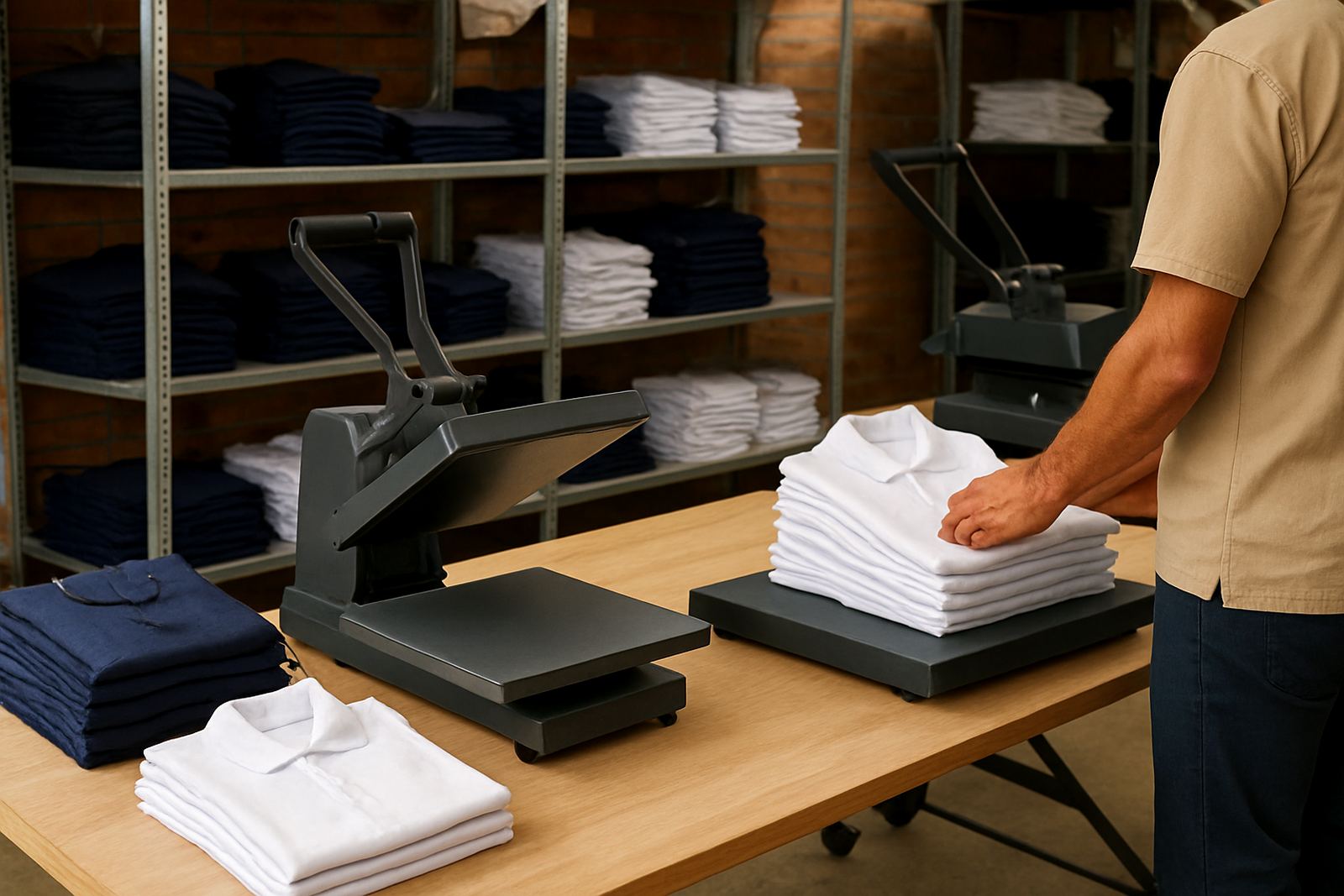
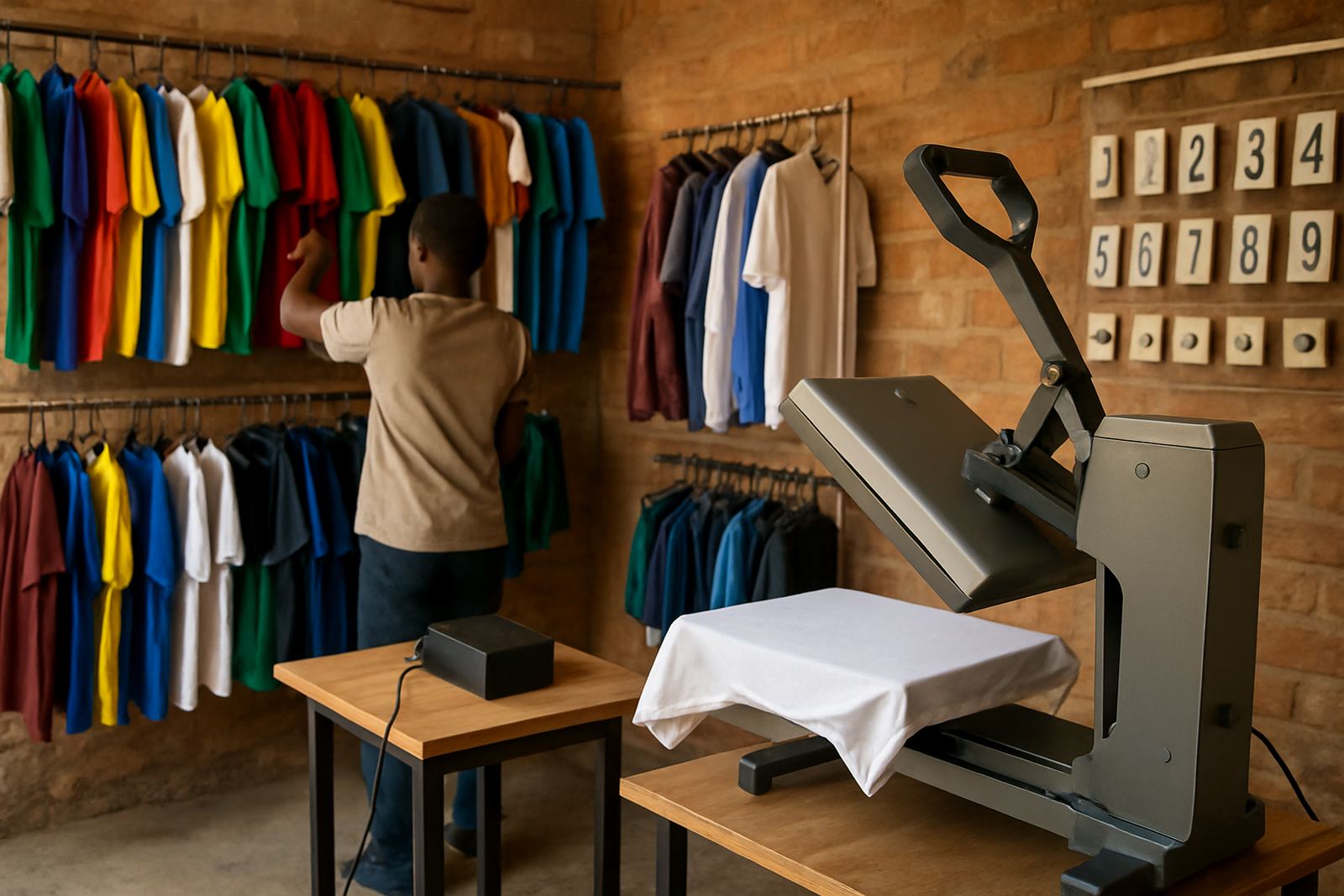
The client was a small teamwear shop in Soweto serving local clubs, schools and casual sports groups. Their main work was names, squad numbers and sponsor details on T-shirts, hoodies and training tops, with short turnaround times and mixed order sizes. They wanted a press that would fit into a small work area, be simple to run and hold up under daily use.
The brief was clear: keep setup straightforward, avoid high running costs and make sure the machine could handle both transfer vinyl and printed transfer applications. The shop also needed something that could be used by more than one operator without long downtime for training. Because the area often works with fluctuating power supply and tight delivery windows, reliability mattered just as much as output.
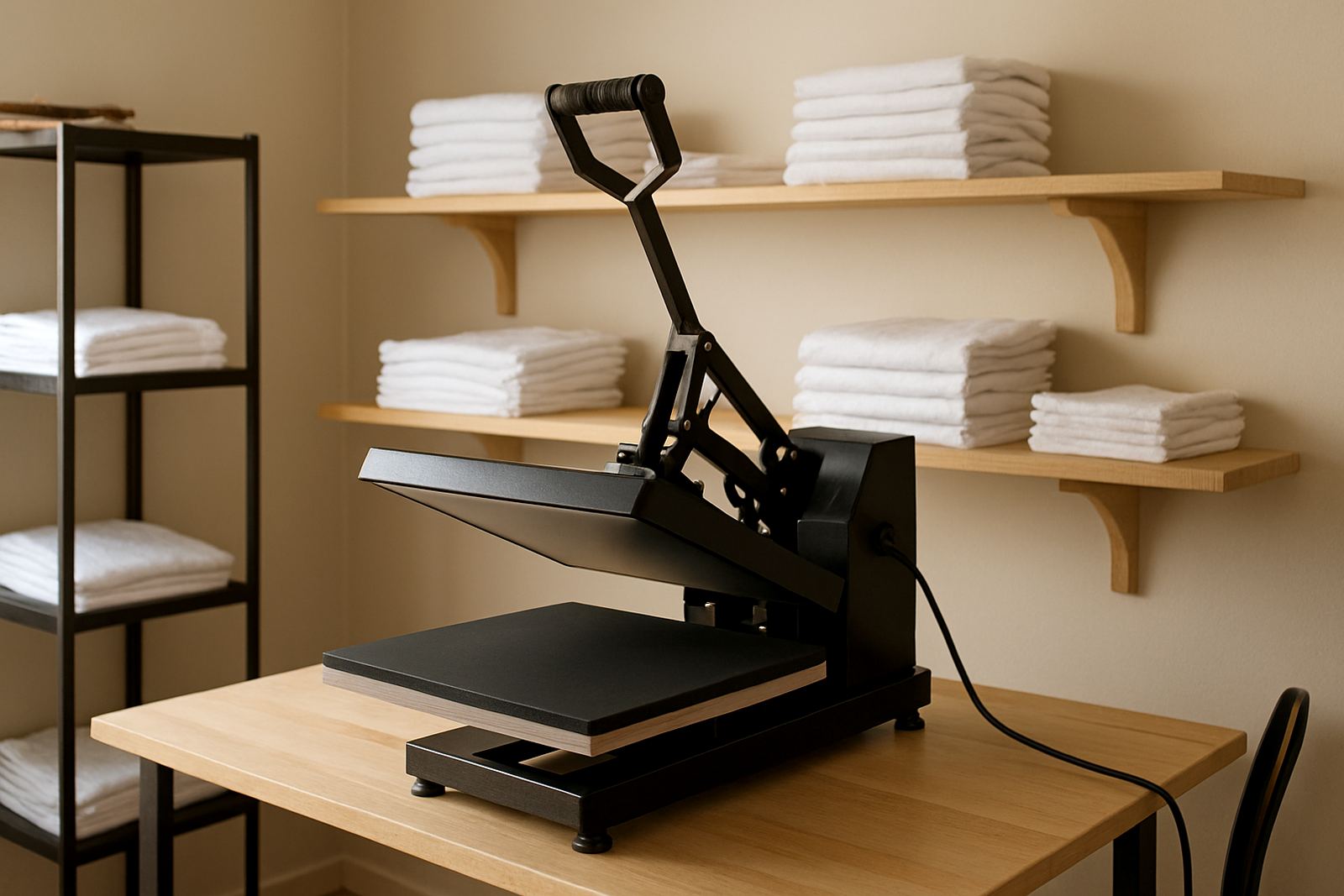
We recommended a manual flat heat press suited to garment decoration work. It had to be compact enough for a modest shop floor, yet large enough for standard front and back prints on teamwear. The client did not need a complex automatic line, they needed a dependable unit that could be set up properly and kept in good condition.
The equipment and setup we supplied
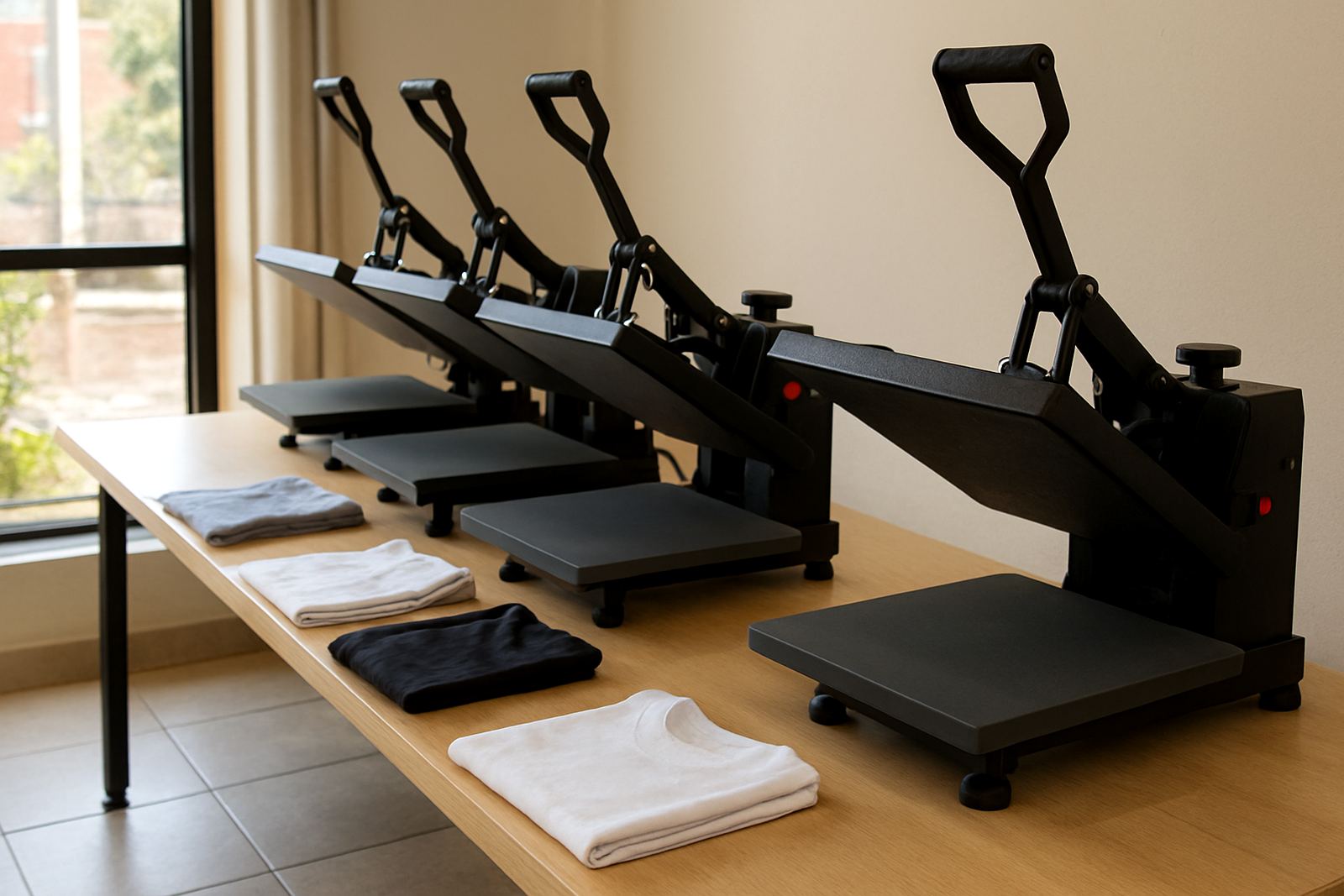
We supplied a manual flat heat press with a working platen size of 38 x 38 cm, which is a useful size for most shirt jobs and many medium transfer applications. The press included an even-heating top platen, adjustable pressure settings and a digital temperature controller for repeat work. We also checked the pad condition and aligned the platen to suit the shop's garment mix.
- Manual flat heat press for T-shirts, hoodies and light garments
- 38 x 38 cm platen size for everyday teamwear jobs
- Digital temperature control for transfer consistency
- Adjustable pressure for different fabric weights
- Suitable for vinyl, printed transfers and basic sportswear branding
Our workshop team also inspected the transfer workflow the shop was using. That included application temperature, dwell time and pressure marks on stretch fabrics. We set the machine to work cleanly on polyester blends and cotton shirts, while keeping an eye on scorch risk for lighter fabrics. For a teamwear shop, that balance matters, because one bad heat setting can ruin a small batch fast.
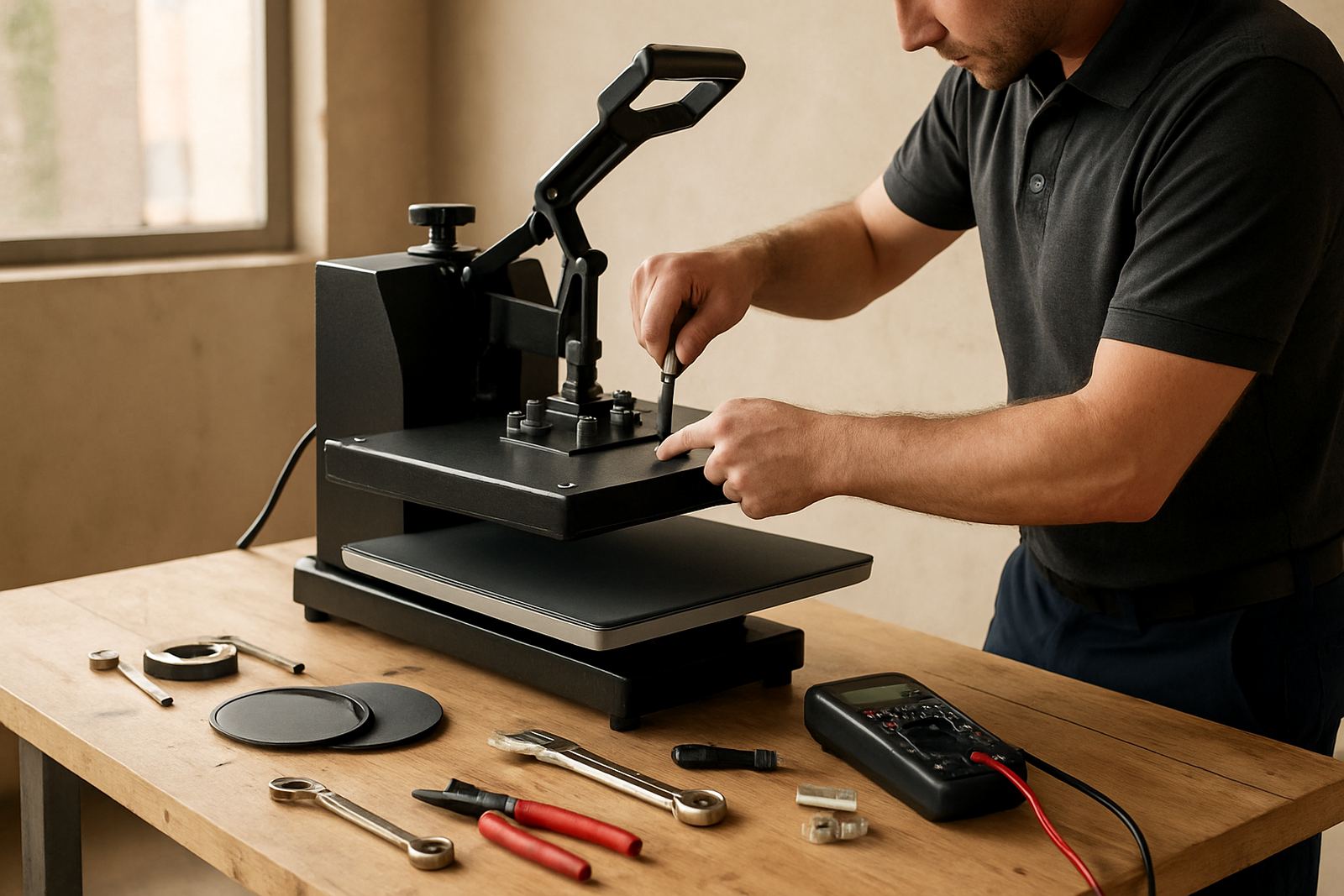
The installation itself was done in Midrand first, then delivered and commissioned at the Soweto premises on site. We checked the electrical point, confirmed the work surface height and made sure the press sat level before use. A level base helps with repeat pressure and cleaner registration, especially on numbers and names where placement must be consistent.
Training the operators for daily use
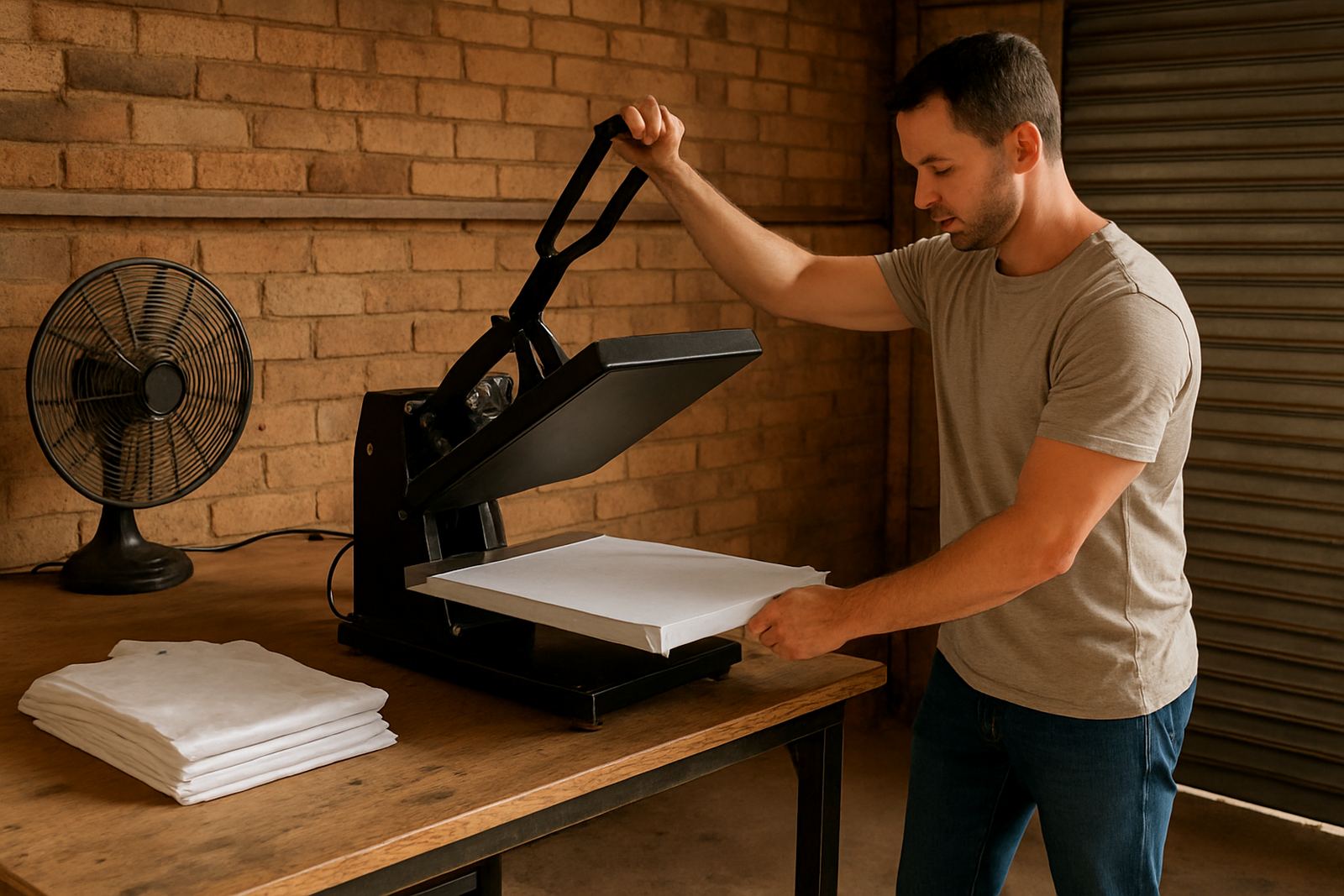
Once the press was in place, we spent time with the operators so they could run it confidently without calling for help on every job. The team needed practical training, not theory. We covered warm-up times, setting the temperature, checking pressure and loading garments correctly so prints landed in the same position each time.
We also went through fabric handling and the small details that save stock. Polyester tops need different handling from cotton tees, and thin training shirts behave differently from heavier club hoodies. A bit of care on the front end means less waste and fewer reprints later. The team picked this up quickly, and by the end of training they were completing standard jobs on their own.
- How to set temperature for different transfer materials
- How to check pressure on thin and thick garments
- How to centre names and numbers on shirts
- How to avoid ghosting, lift-off and press marks
- How to cool and peel transfers correctly when needed
We kept the training practical and specific to the shop's order mix. That made a difference, because sportswear work often comes in small batches with tight deadlines. With the right steps in place, the operators could turn around club orders faster and keep the finish consistent from one shirt to the next.
Constraints on the project and how we handled them
The biggest constraints were space, power stability and turnaround pressure. The shop did not have room for oversized equipment, and it needed something that could sit on a solid table without taking over the work area. The local workload also meant the machine had to be ready for same-day and next-day jobs, not just occasional use.
Power interruptions were another factor. Like many Gauteng businesses, the shop has to plan around load-shedding and sudden supply changes, so we tested the press for predictable warm-up and recovery. We also explained how to switch off safely during interruptions and restart without overcooking the platen. That kind of routine prevents controller strain and keeps the element working longer.
Humidity and dust are practical issues too, especially when transfers are stored close to the press area. We advised on keeping consumables sealed and on wiping down the pad regularly. Small things make a difference in Soweto where many teamwear orders come through in short bursts and the same setup must be ready for the next client with little downtime.
Timeline from first call to first finished order
The project ran over two weeks from initial enquiry to full use on the shop floor. In week one, we confirmed the brief, checked the order mix and recommended the press size. We also discussed where the machine would sit and what kind of transfers the shop would press most often.
In week two, we completed supply, delivery, setup and training. The operators then ran a few test garments using actual team names and numbers so the process matched real work. By the end of the second week, the shop was producing finished garments for local club orders with a steady workflow and fewer mistakes.
- Week 1: brief, sizing and workflow review
- Week 2: delivery, installation and operator training
- Same week: test garments and first live production runs
Because the shop was already taking orders, we kept the process tight and practical. There was no long pause in production, just a short transition from outside pressing to in-house pressing. That helped the client protect turnaround times and keep more of the margin on each order.
Results on the shop floor
The main result was control. The shop no longer had to outsource simple names and numbers, which meant they could take on smaller jobs without waiting on another supplier. That gave them more flexibility with urgent club orders and helped them quote with more confidence. The press also improved consistency across repeat orders, which matters when a school or team wants the same layout every time.
We noticed better finish quality on the first batch after setup. The pressure was even, the temperature was holding properly and the transfers were bonding cleanly to the fabric. The operators were comfortable with the settings and the shop had a clear routine for checking each garment before packing. Nothing fancy, just a cleaner process that works.
For a small teamwear business, the value is in the daily practical use. One machine, one trained team and one clear workflow can change the pace of the whole shop. It also helps when clients ask for just five shirts or fifty, because the setup handles both without drama.
What we'd repeat for another teamwear store
We would repeat the same approach for another Soweto teamwear shop or any small print room handling club apparel. Start with the order mix, choose the right platen size and make sure the operators are trained on the actual work they do most often. That sequence keeps the project simple and avoids overspending on equipment that is too big or too complicated.
We would also keep the support close after installation. Phone tech support, spare parts guidance and preventive checks matter once the machine is in daily use. A heat press is not high-maintenance, but it does need regular attention on temperature, pressure and pad condition if you want repeatable results over time.
- Match the press size to the clothing range
- Train on real job types, not sample only
- Keep spare covers and elements in mind from the start
- Plan for load-shedding and safe restart procedures
- Schedule servicing before pressure drift becomes a problem
For shops in Soweto, Midrand, Johannesburg or Pretoria, this type of install is often the most practical way to get started. It gives the business control, keeps running costs manageable and lets the team handle names and numbers in house with confidence.
Key facts
| Client type | Small teamwear shop |
|---|---|
| Town | Soweto, Gauteng |
| Machine type | Manual flat heat press |
| Platen size | 38 x 38 cm |
| Timeline | 2 weeks from brief to live use |
| Main use | Names and numbers on club apparel |