

A small retail floor with a bigger idea
The client was a gift shop in Nelspruit serving walk in customers, tourists and local businesses that needed quick personalised items. Their main range already covered gifts and souvenirs, but they wanted to add T-shirts, tote bags and transfer work so they could offer a higher value item without opening a full clothing department.
The brief was simple on paper but very practical in the shop. The press had to fit into a tight working area, run on standard single phase power, heat up quickly, and be easy for different staff members to use during the day. They also needed a machine that would cope with short runs, mixed sizes and occasional busy periods during holidays and month end trade. Nelspruit humidity can be a factor too, so the press and workshop settings had to be stable enough for consistent results.
- Space was limited behind the counter
- The team needed a short learning curve
- Work had to stay neat for front of shop use
- Transfers had to be repeatable across different garment types
What we supplied and why it suited the job
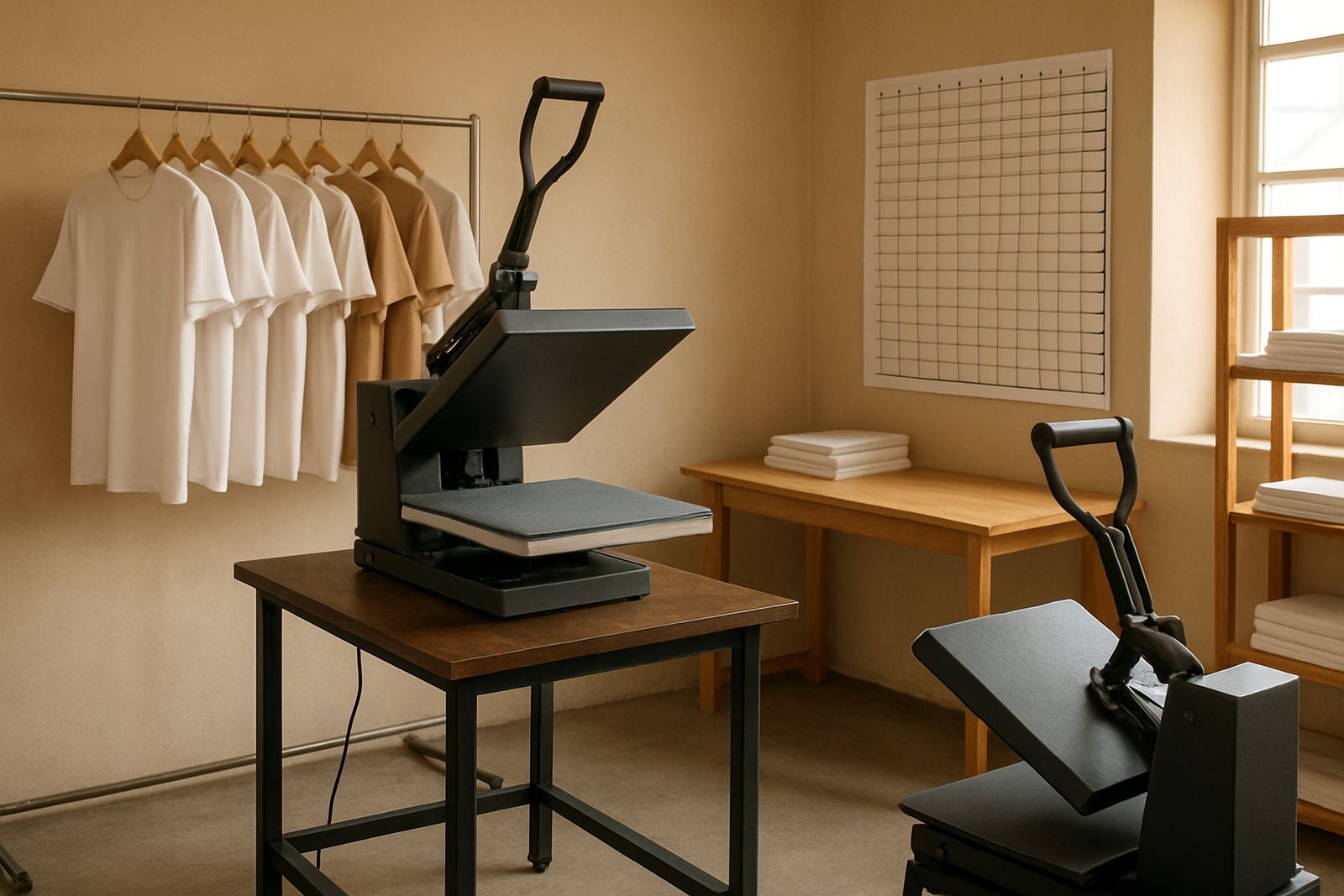
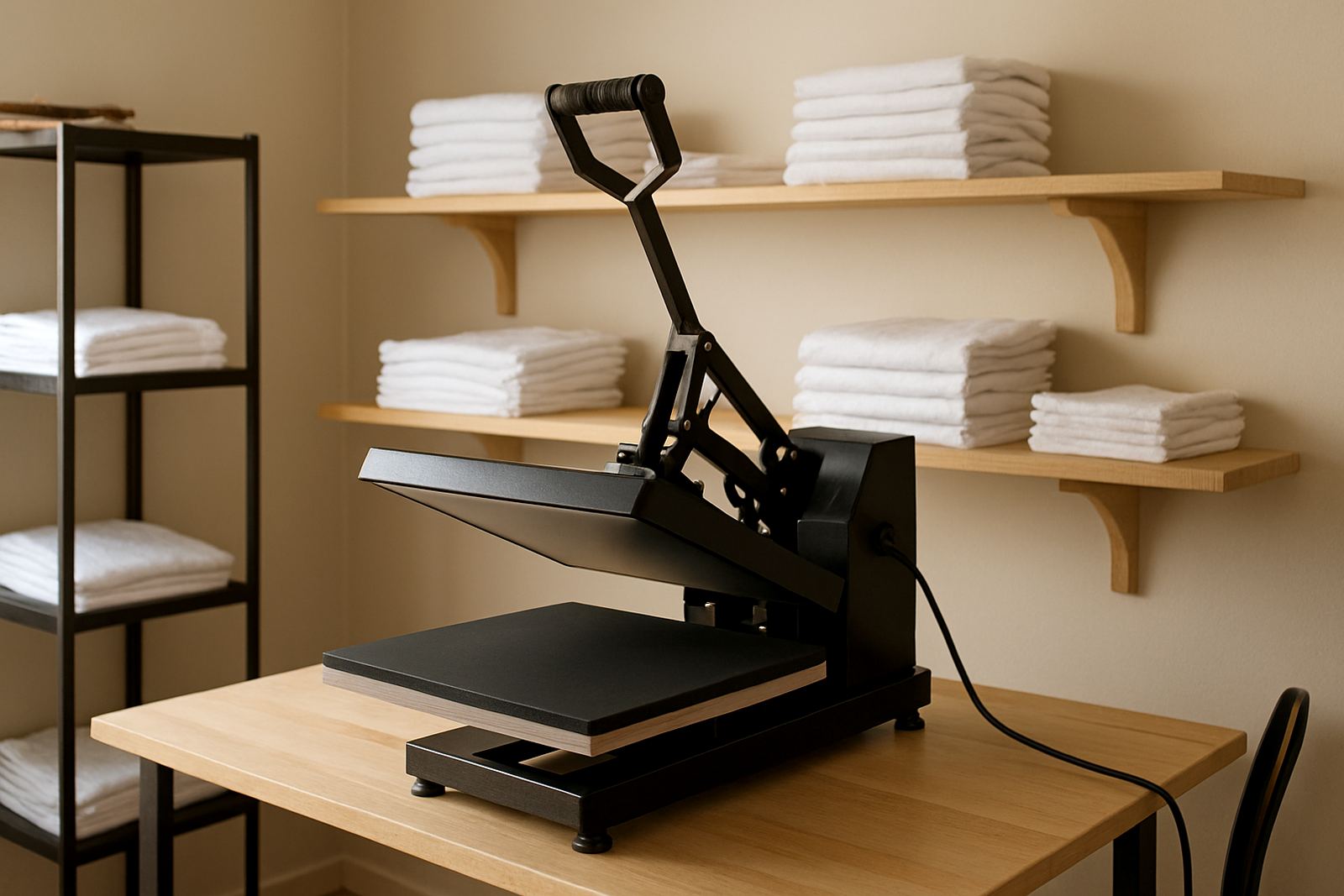
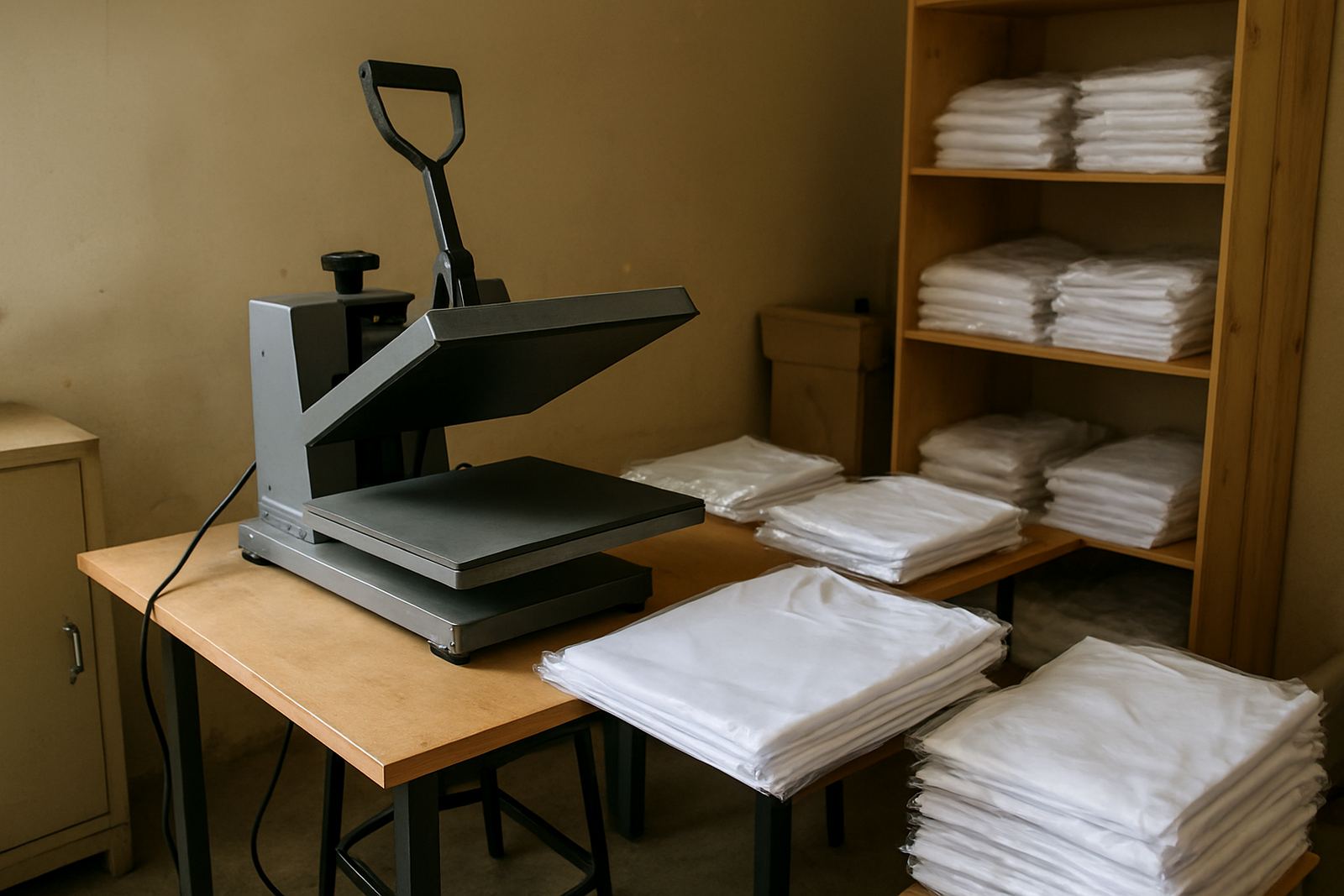
We supplied a compact flat heat press sized for garment decoration rather than heavy factory production. The unit was selected for even heat across the platen, predictable pressure, and enough clearance to work on standard adult and youth shirts as well as smaller items like bags and aprons. For this type of shop, the key is not only output, but control. A press that is too large or too complicated can waste time, cause uneven transfers and create avoidable spoilage.
The setup included temperature calibration, pressure setting, and a practical walk through of timing for common transfer materials. We also checked the press against the shop power supply and advised on where to position it so staff could load, press and unload safely without crowding the counter. The installation was arranged around trading hours so the team could keep serving customers the same day. There was no need for major electrical changes, which kept the job quick and affordable.
- Compact flat press for t-shirts, bags and transfer work
- Single phase operation suited to small retail premises
- Fast warm up for short production runs
- Simple controls for staff rotation
Setup, training and first production run
Within the first week we completed the machine handover and trained the staff on safe operation, transfer placement and basic quality checks. The shop wanted a practical process that could be followed by more than one person, so we focused on the everyday steps that matter most: garment alignment, pressing time, temperature confirmation and how to avoid over pressing. That kind of training is what keeps a small shop from wasting blanks and transfer paper.
The training also covered how to judge pressure on different garment thicknesses, how to work around seams and zips, and how to keep the platen clean between jobs. We showed them how to do quick temperature checks before opening the counter and how to spot signs that the element or controller needs attention. One small detail that helped was a simple written job sheet for common items, so the team didnt have to guess settings each time.
- Operator training for two staff members and the owner
- Simple settings sheet for common jobs
- Loading and unloading sequence for safer handling
- Basic fault spotting and support steps
Working around retail limits and local conditions
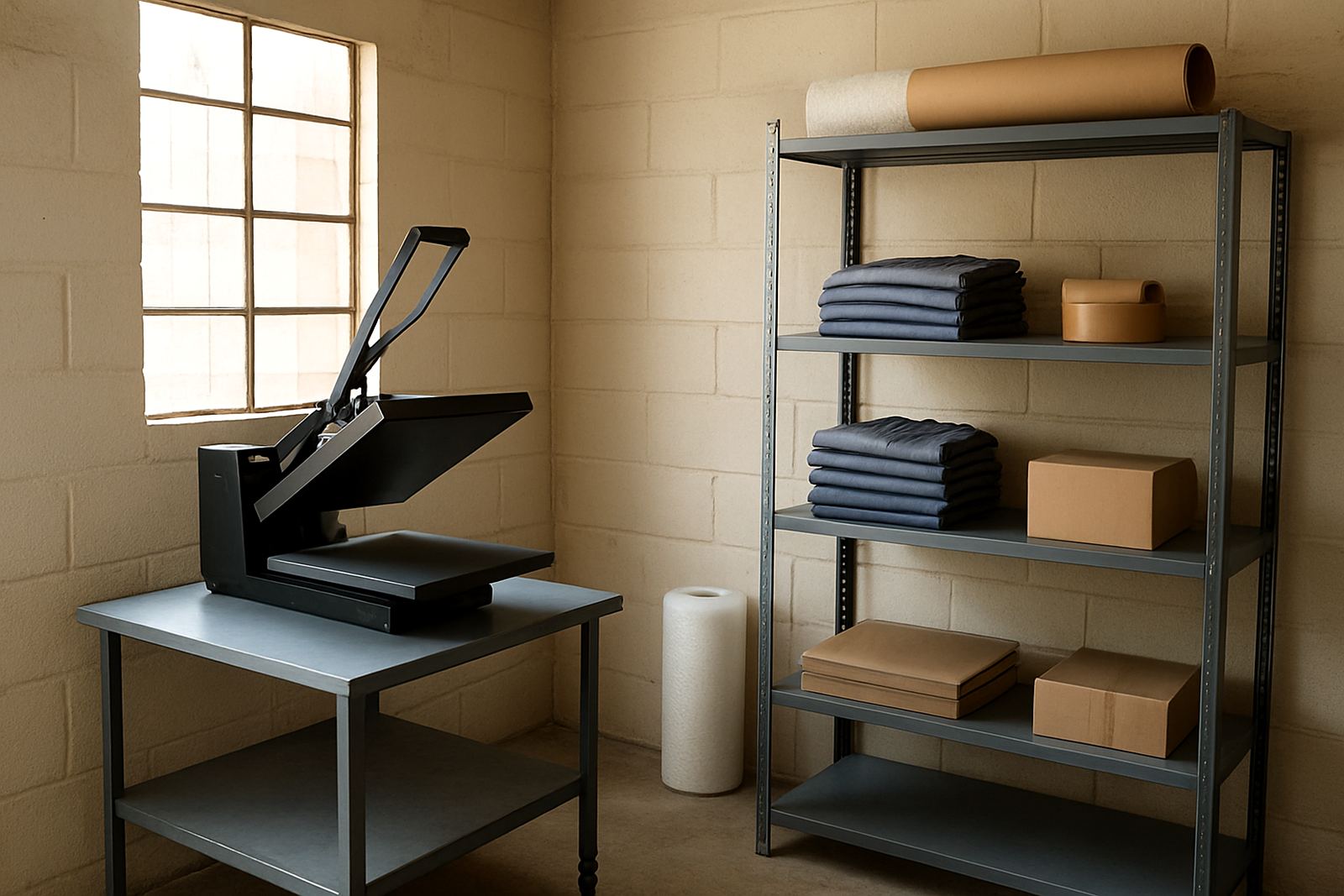
The biggest constraint was space, followed by the need to keep the front of shop tidy and customer facing. We therefore set the press up in a way that left enough room for packing, folding and sign off without making the area feel cramped. In a gift shop, presentation matters just as much as output, and a messy production corner can put off buyers who are coming in for quick purchases.
Nelspruit also brings its own working conditions. Heat and moisture can affect some transfer materials and adhesives, so the team needed to store blanks carefully and avoid leaving stock near open doors or damp areas. We gave them a short care list for storage and housekeeping, plus reminders about power interruptions and safe shutdown practice during load shedding. That helps prevent controller damage and keeps jobs from being interrupted half way through a press cycle.
- Keep transfers flat and dry in sealed storage
- Allow the press to cool before covering it at close of day
- Use a clean heat resistant surface around the machine
- Record any irregular readings early, not after spoilage
Timeline from brief to handover
The full project moved quickly over three weeks. In week one we confirmed the available space, power supply and the type of garments they wanted to produce. In week two we delivered and installed the press, then completed calibration and the first operator session. In week three we followed up with phone support after the shop had run a few live jobs, which allowed us to fine tune pressure and timing for their most common transfer type.
That short timeline worked because the brief was clear and the client had already decided to start small rather than overbuying equipment. The result was a low risk entry into garment personalisation, with no need for a large workshop or extra staff. It also meant they could begin selling personalised shirts and bags before the next busy trading period. Small project, practical outcome, no fuss.
Results on the shop floor
Once the press was in use, the shop added a new income stream without changing its core retail layout. Customers could choose a gift and add a printed shirt or bag in the same visit, which increased basket value and improved repeat custom. The staff also found that the machine was simple enough for day to day use, which reduced mistakes and kept the queue moving.
From a service point of view, the shop benefited from having backup support available if a controller reading changed, a platen needed adjustment or they wanted a fresh set of settings for a different transfer supplier. Because the work was set up properly from the start, there was less downtime and fewer trial runs. That matters in a small store where every square metre has to earn its place.
- New garment offer added to existing gift range
- Better average sale value per customer
- Fewer failed presses after setup and training
- Shorter time from order to finished item
What we'd repeat for another gift and branding shop
For a similar gift shop, we would follow the same approach: keep the machine compact, train early, and set clear settings for the most common garments before trading starts. We would also recommend a simple maintenance routine with regular pad checks, temperature checks and a scheduled clean of the platen covering. That small bit of discipline prevents avoidable wear and keeps the machine ready for busy weekends and school holiday rushes.
If the shop wanted to expand later, we would suggest stepping up with a second press only after the first unit had proven its daily workload. That way the business can grow at its own pace, rather than taking on equipment it does not yet need. For a Nelspruit retail floor, the first win is consistency, then capacity can follow.
Key facts
| Client type | Independent gift shop in Nelspruit |
|---|---|
| Project size | Compact single press setup for light production |
| Machine type | Flat heat press for T-shirts, bags and transfers |
| Power | Standard single phase supply |
| Timeline | 3 weeks from brief to follow up |
| Support included | Setup, training, calibration and phone support |