Client brief for a Durban coastal print room
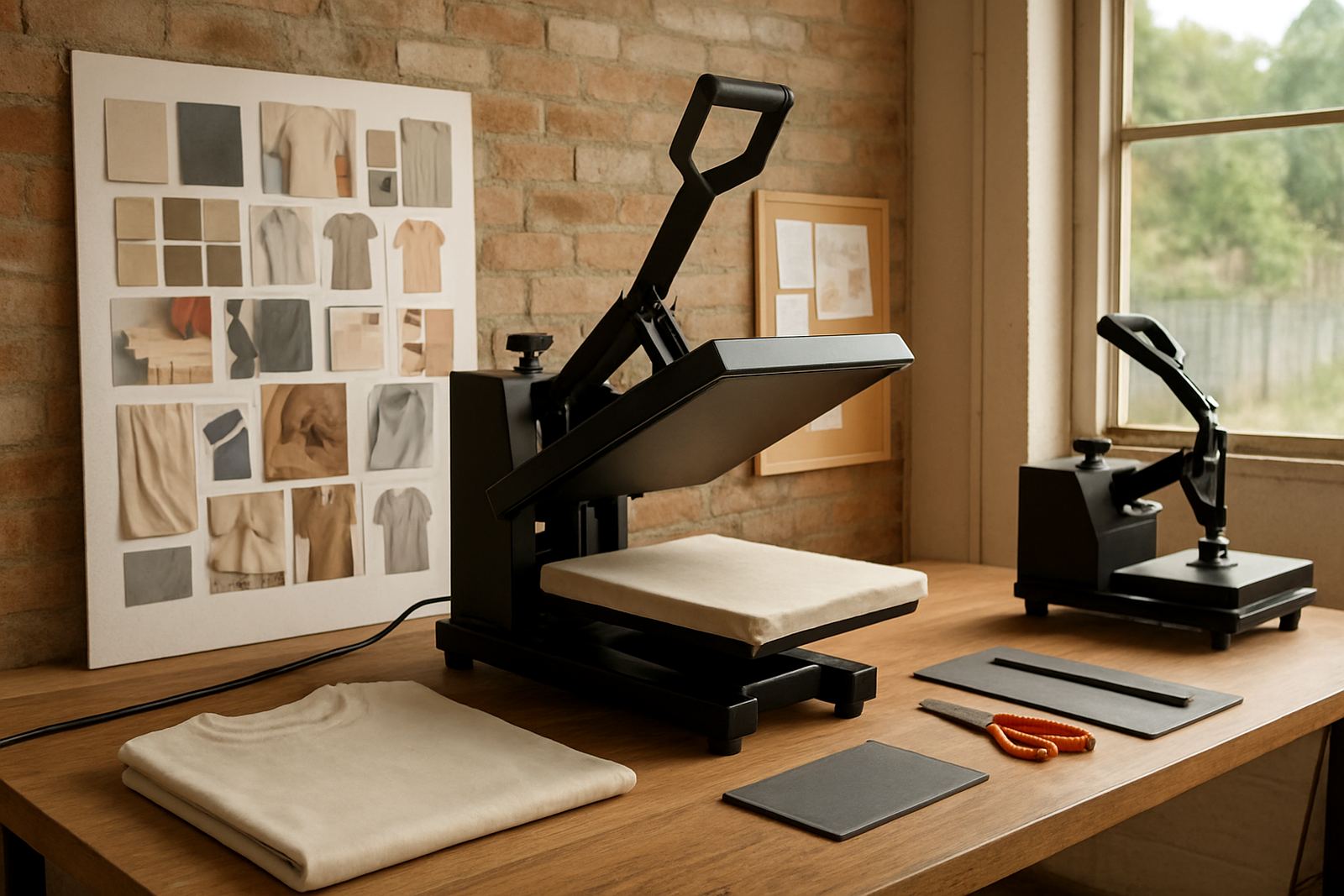
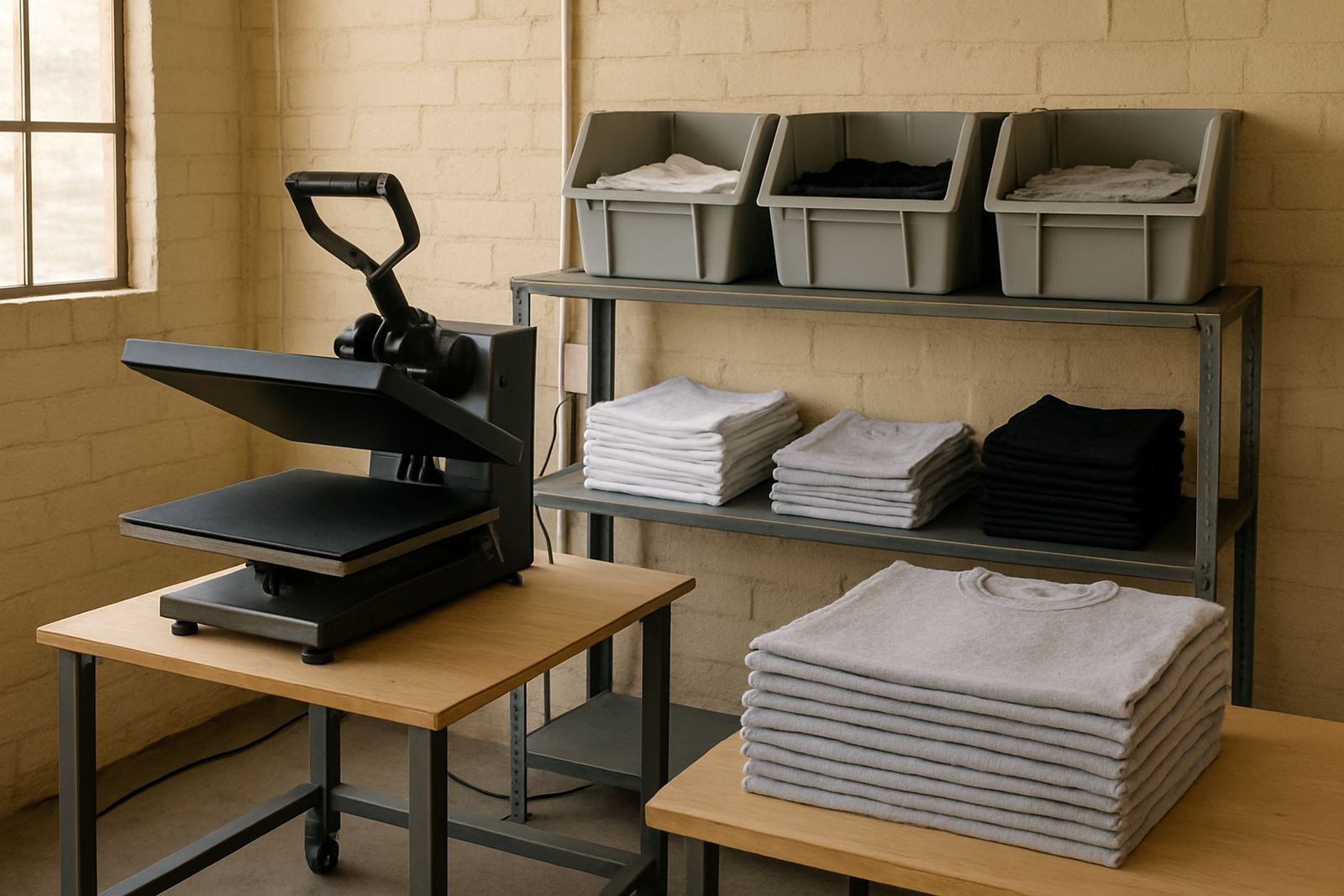
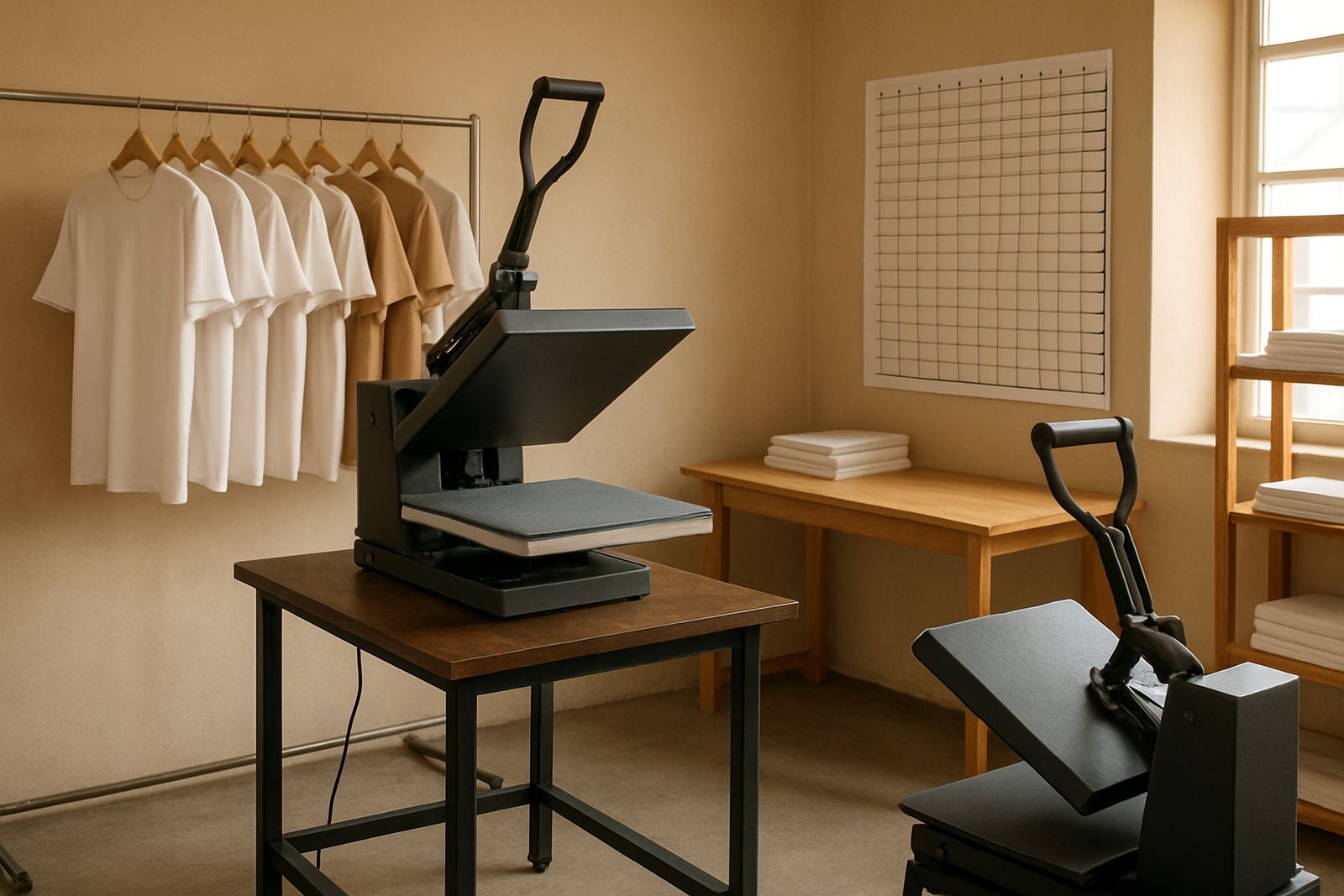
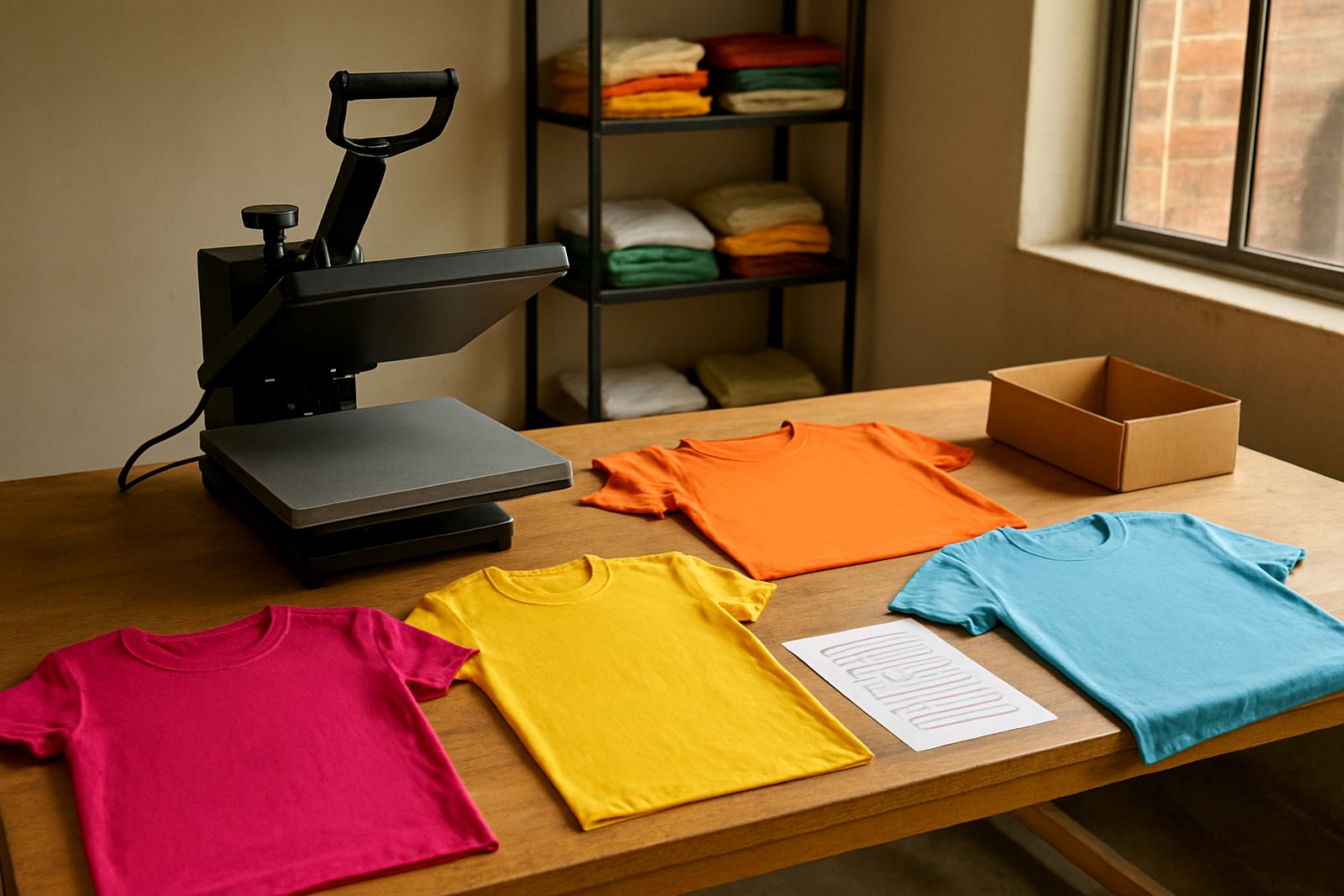
The client was a beachwear and apparel seller in Durban working with a small in-house print room. They needed a flat heat press for T-shirts, transfer jobs and short runs on mixed cotton garments, with enough consistency to keep production moving through peak tourist periods.
The brief was straightforward: supply a press that could be installed without waiting for a full on-site visit, set it up to suit everyday work, and make sure the operators knew how to use it safely from day one. Because the business sits in a humid coastal area, they also wanted practical guidance on storage, cleaning and keeping the machine stable in a warm shop floor. There was also the usual concern about load-shedding and making sure the press recovered properly after power interruptions.
- Client type: beachwear and transfer printer
- Town: Durban
- Workload: small to medium daily production
- Use case: T-shirts, transfer prints and mixed apparel
What made this setup different
The main challenge was speed. The client could not afford a long lead time, but they also did not want a unit that was only half configured when it arrived. We arranged courier delivery to Durban and carried out remote commissioning once the machine was on site. That meant the team could get moving without waiting for a separate installation date.
Another constraint was the coastal environment. Salt air, humidity and heat can affect storage, covers and electrical components over time if a shop is not careful. We therefore specified a setup that was simple to maintain, with clear temperature control and a solid platen surface for repeated transfer work. Riaan Ferreira handled the technical side while Nandi Dlamini kept the client updated on the commissioning steps, parts and aftercare.
- Courier delivery to Durban and remote commissioning
- Temperature setting checks for transfer work
- Pressure adjustment guidance for mixed garment thicknesses
- Practical care advice for humid coastal conditions
What we supplied and configured
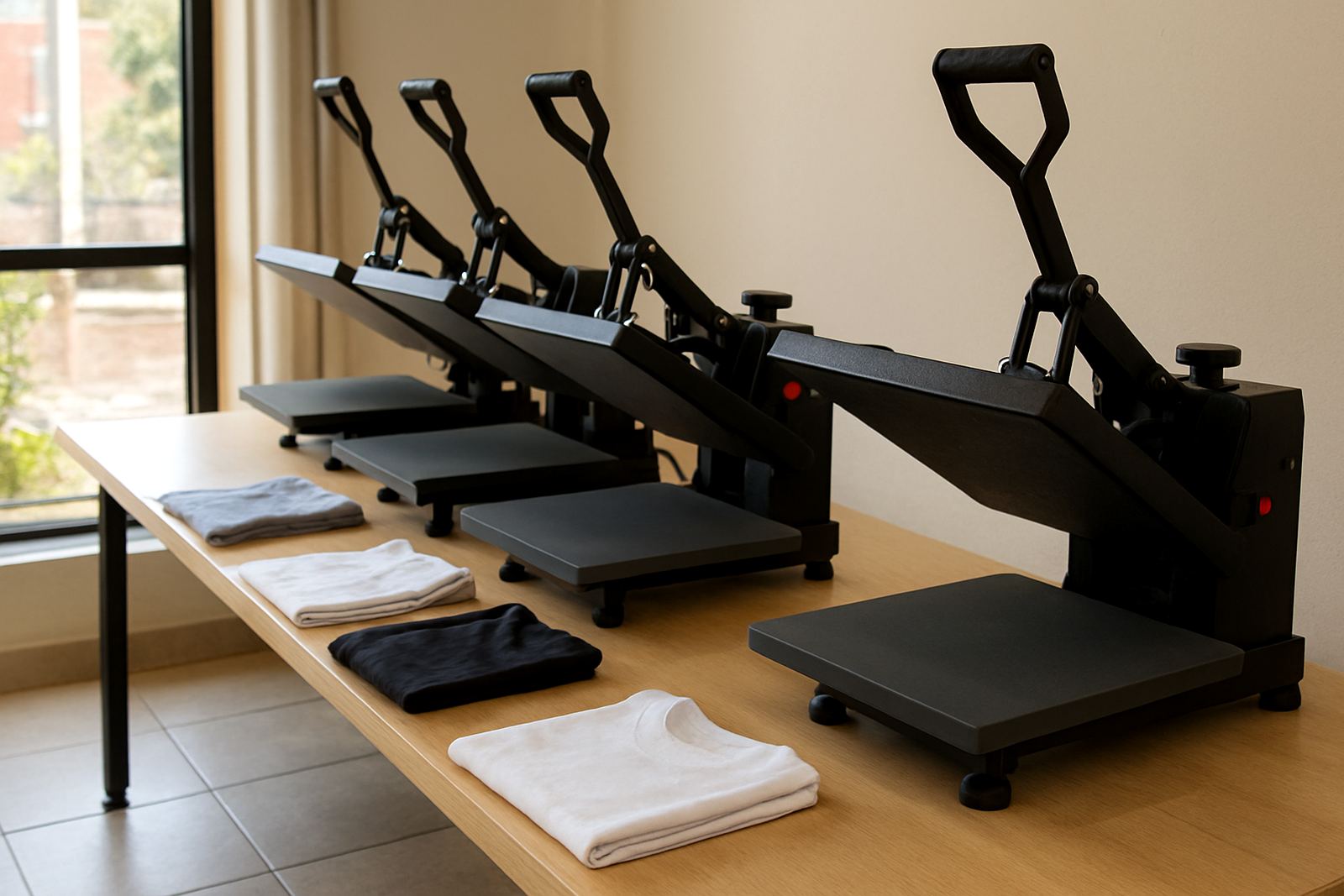
We supplied a flat heat press suited to T-shirt and transfer printing, with a working area sized for standard garment placement and repeatable press cycles. The machine was checked before dispatch, then set up remotely so the client could start with a known baseline rather than guess at heat and pressure. We also supplied the usual supporting items needed for a clean start, including guidance on spare covers and future element care.
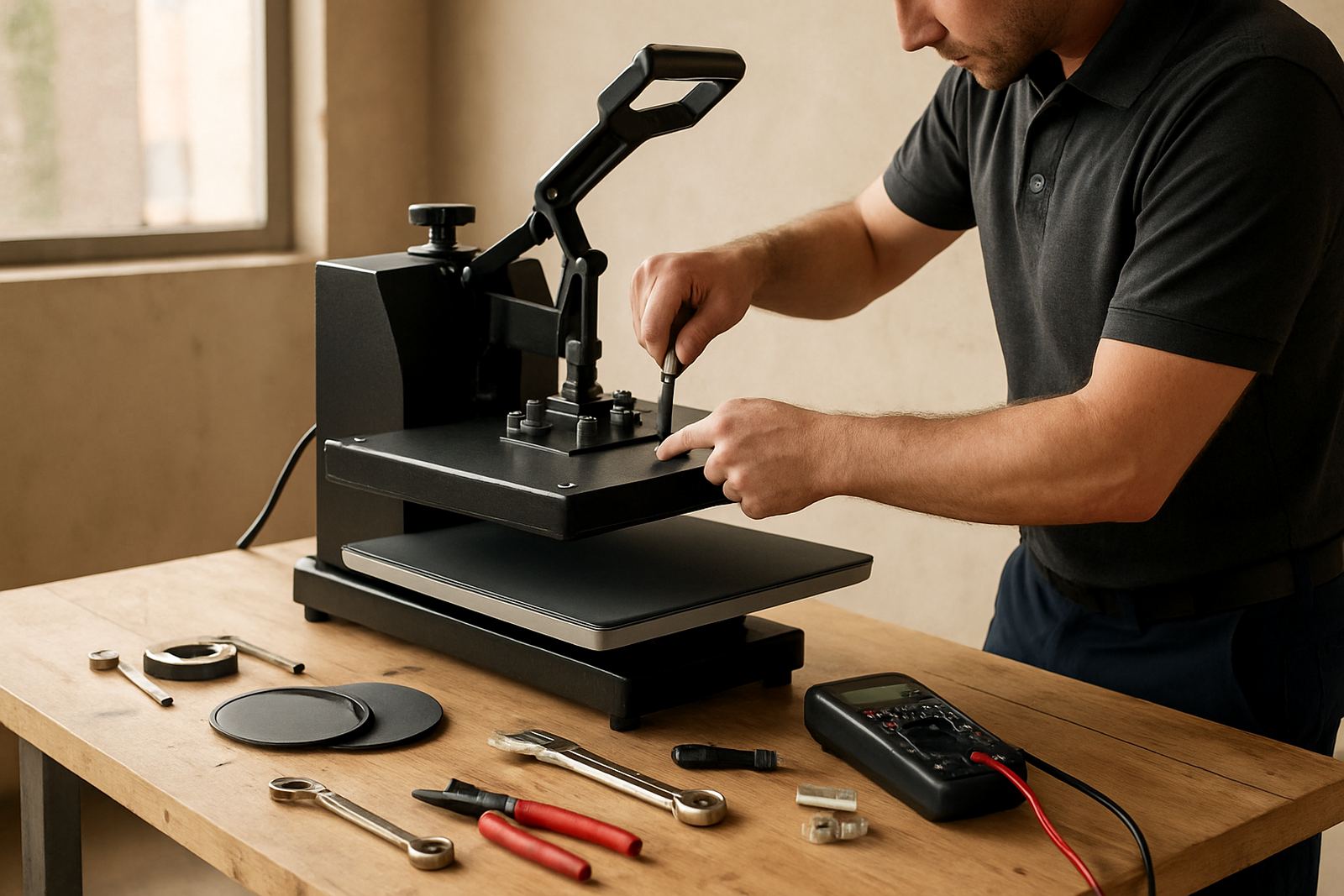
Ridwaan Peters worked through the workshop checks before release, including temperature consistency, pad condition and the control panel functions. Once the unit reached Durban, Kelebogile Mabena ran the operators through a short but detailed session on loading garments, timing, pressure changes and what to do after a power cut. The client also received support notes for phone follow-up if settings needed minor adjustment in the first week.
- Flat press for garment transfers and T-shirt work
- Temperature control checks before dispatch
- Pressure setup for light and heavier cotton items
- Training notes for day-to-day operator use
Training and commissioning in the first week
The first week after delivery is where many shops either settle in quickly or start battling with inconsistent results. In this case, the remote commissioning went smoothly and the operators were comfortable by the end of week one. We walked them through preheating, test pressing, timer use and the correct pressure for transfer paper and vinyl-style applications.
There was one small adjustment needed to account for the shop's preferred garments and their stock thickness. Once that was corrected, the transfer finish became more even and the team could move through batches faster. The client appreciated that we did not overcomplicate the setup. A practical press with practical settings is often what a busy coastal seller needs, not a complicated machine with too many variables.
- Time to operational use: 1 week
- Training mode: remote operator training
- Outcome: fewer rejects and more consistent transfers
Support after delivery and what changed
After commissioning, the client used our phone tech support for a few small questions around timing and garment positioning. Nothing major came up, which is exactly what we want after a new setup. The machine held temperature well and the team could keep work flowing even with load-shedding interruptions, provided they followed the restart checks and allowed the press to stabilise properly.
The biggest change was confidence. Before the press arrived the team were worried about downtime and guessing settings on different fabrics. After setup they had a repeatable process, a clearer understanding of pressure and heat, and access to spares support if anything needed replacing later on. That meant less waste and steadier output on busy days, especially when the coastal shop was handling walk-in orders and short runs at the same time.
What we would do again for a similar Durban client
For another Durban beachwear printer, we would use the same approach again: courier supply, pre-dispatch checks, remote commissioning and direct operator training. It keeps the timeline tight and avoids delays that can happen when teams wait for a site visit before they can even begin test pressing.
We would also keep the aftercare practical. For coastal shops, that means checking covers, pads and electrics a bit more often, storing the press away from spray or damp floors, and planning around power interruptions. Willem Botha would handle logistics, while Mandla van Rensburg would keep overall oversight on the project and make sure the client has a clear path back to support whenever needed.
- Keep a spare cover set on hand
- Log temperature checks during the first month
- Review pressure after any pad wear or transport movement
- Schedule preventive servicing before peak season