Cape Town studio brief and working conditions
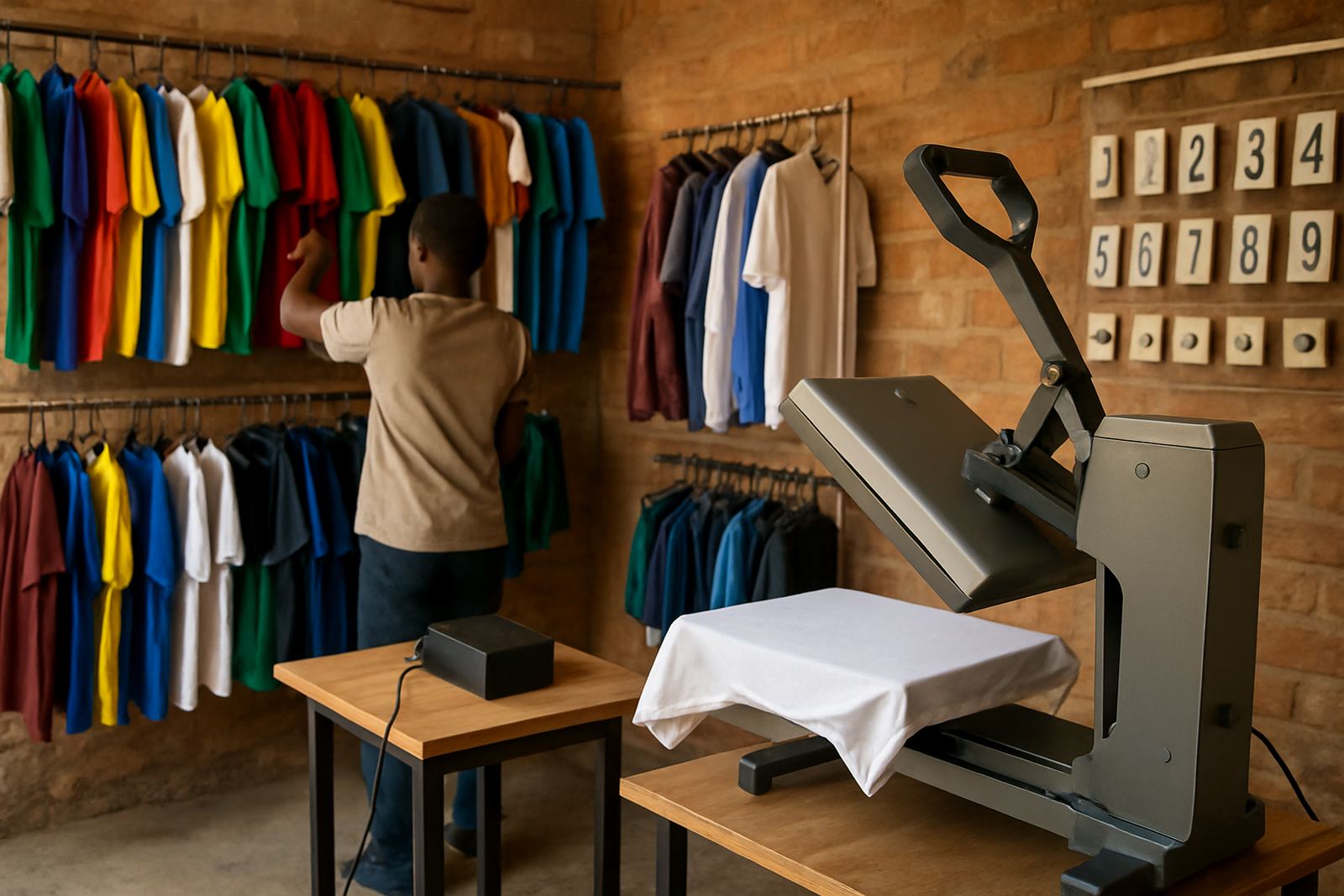
The client was a small apparel studio in Cape Town working on sample garments, approved carry-over styles and limited transfer runs for local labels. Their main need was a flat press that could handle repeat use without giving uneven results on cotton tees, fleece panels and transfer pieces. Because the studio works with short deadlines, they wanted a press that was simple to run, easy to keep in calibration and reliable during long production days.
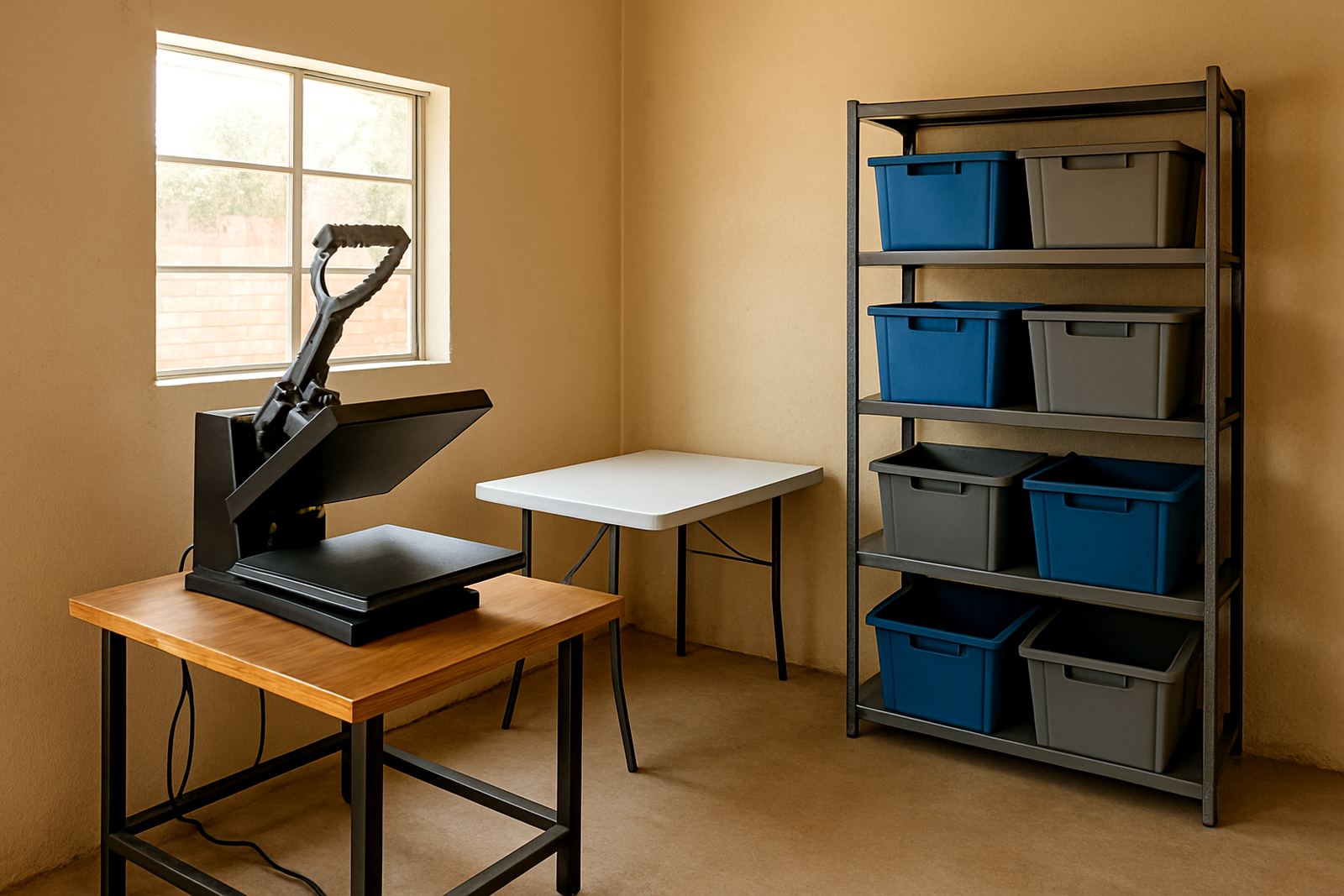
The brief was practical from the start. The team needed clear heat settings, even platen pressure and a machine that could sit in a compact work area without taking up too much floor space. Cape Town conditions also matter. Coastal humidity, changing room temperatures and power interruptions can affect transfer results, so the machine had to be stable and easy to recheck after load-shedding or a shift change.
- Client type: design-led apparel studio
- Town: Cape Town
- Use case: sample making, short runs and transfer pressing
- Priority: consistent finish across repeated test presses
What we delivered and how the press was matched
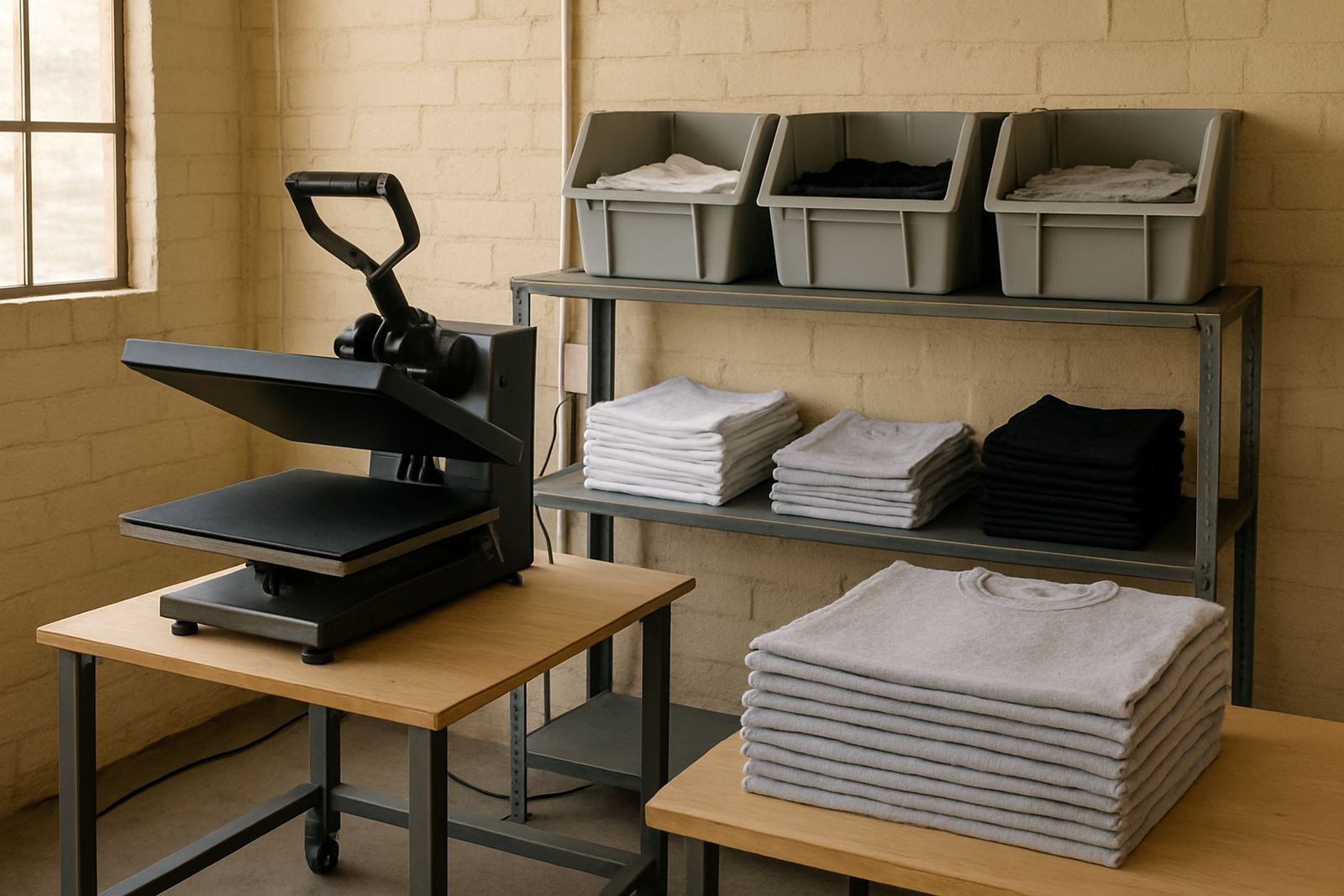
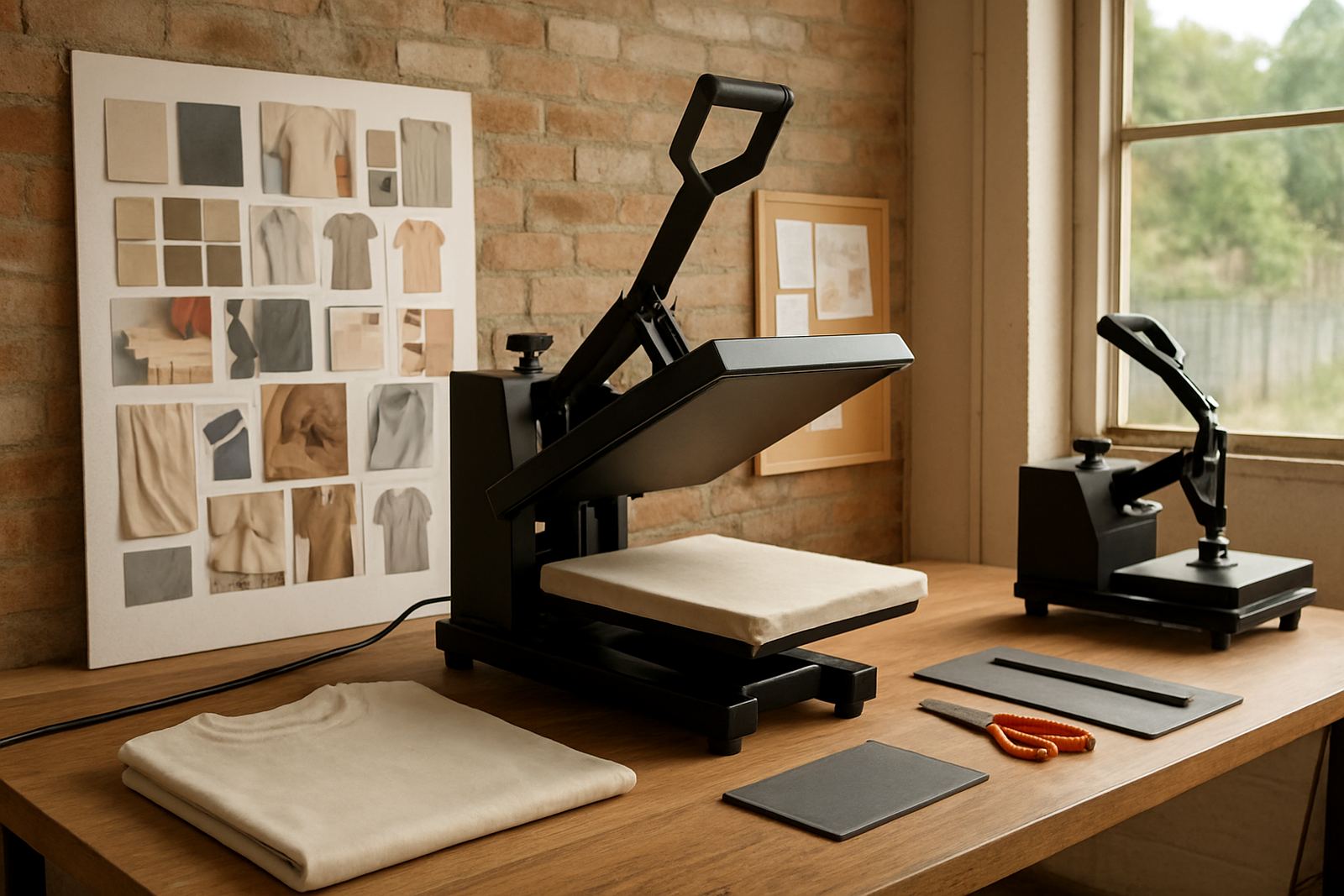
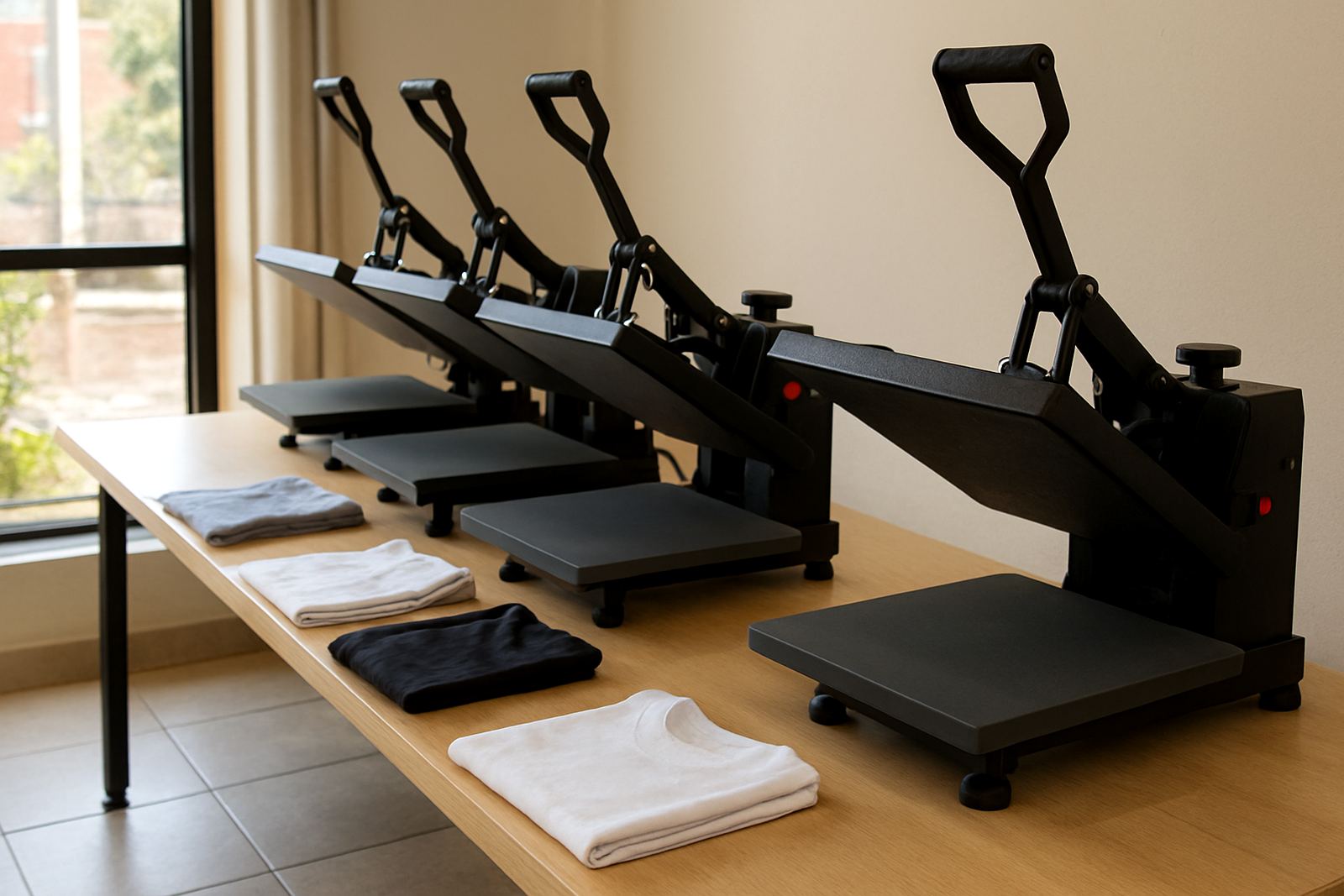
We supplied a flat heat press suited to garment decoration work, with a platen size that gave the studio enough space for adult T-shirts, tote panels and transfer placement without wasting heat or energy. The model selected had adjustable pressure, digital temperature control and an even heat surface for repeatable pressing on different fabric weights. It was set up for bench use in a clean studio environment, with enough access around the unit for safe loading and unloading.
Key specs were chosen around day-to-day use rather than showroom numbers. The platen size gave good coverage for common print areas, and the press warmed up quickly enough for test production without long idle time. We also checked the electrical supply point and verified the socket position so the unit could be run safely with the other finishing equipment in the room.
- Flat press with digital temperature control
- Adjustable pressure for light and medium fabric stacks
- Suitable for T-shirts, tote panels and transfer work
- Bench-friendly footprint for a compact studio
Setup, calibration and first-day training
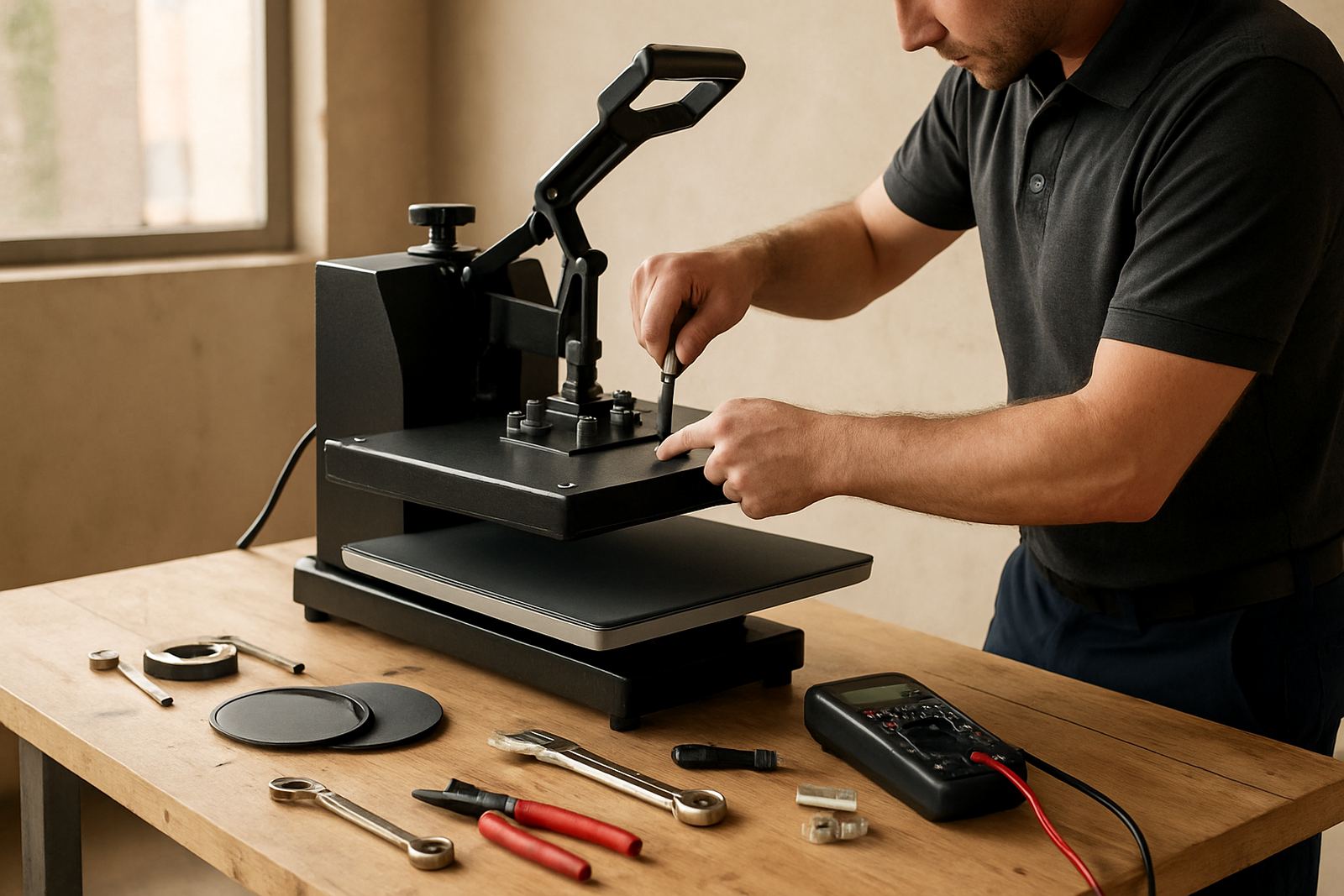
Installation took place over one visit and the team was shown how to handle warm-up, set temperature bands and test pressure before full production. We checked platen alignment, confirmed the timer function and adjusted the pressure so the studio could work on both thin and heavier garments without marking the fabric. Where required, we also checked the pad covering and made sure the lower platen sat level for better transfer contact.
Training covered the essentials in plain language: how to read the controller, how to know when the press is actually ready, and how to avoid under-pressing or scorching test pieces. The operators were also shown what to do after a power cut, how to recheck heat after a restart, and when to pause if the controller readings looked out. That first session meant the studio could start sample work immediately rather than waiting for extra visits.
- Pressure adjustment and platen check
- Controller walk-through for the operator team
- Test pressing on sample garments
- Power interruption restart procedure
Timeline from order to production use
The full job ran over two weeks. Week one covered specification, confirmation of the working space and delivery planning to Cape Town. Week two covered delivery, setup, calibration and training on site. After the first few presses we stayed in touch by phone support to confirm that the settings held under normal studio use and to talk through any fine adjustments needed for different fabrics.
That short timeline suited the client because they were preparing for a new sample batch and could not afford a long pause. The machine was in use quickly, and the team did not have to hold back work while waiting for outside help. Follow-up after the initial run also gave them confidence to keep pressing independently.
- Week 1: order confirmation and delivery planning
- Week 2: delivery, setup and operator training
- Post-install: phone support and setting checks
Results in the studio after handover
Once the press was in service the studio reported more consistent sample results, especially on transfer placement and repeat logo positioning. Heat and pressure stayed more even across the platen, which cut down on rework and reduced the number of test pieces used before sign-off. The operators could also move from one garment type to another with less guesswork, since the machine responded predictably to pressure changes and temperature settings.
For a studio that works close to deadlines this matters a lot. Better control means fewer rejected samples, less wasted transfer material and more confidence when presenting pieces to clients. It also helps keep the workroom tidier because the team is not constantly redoing the same item twice.
- More even transfer results across repeated samples
- Less waste on test pieces and transfer material
- Faster changeovers between fabric types
- Better confidence for client approvals
What we would do again for a similar Cape Town job
For a similar studio we would again start with the working space, the fabric mix and the daily output target before choosing the press. That approach prevents over-specifying a machine that looks good on paper but is awkward in a smaller room. We would also keep the handover simple and practical, with direct training on temperature checks, pressure adjustments and what to inspect after load-shedding.
If the client were working near the coast again, we would recommend keeping spare covering, a backup element and controller support on hand. Salt air and humidity can be hard on equipment over time, so it helps to plan for regular servicing rather than waiting for a fault. For studios that print steadily but not at factory scale, that little bit of maintenance planning makes a real difference.
- Confirm the room layout before selecting the press
- Train operators on settings they will use every week
- Keep a few spares ready for fast turnaround
- Plan servicing around actual production months
Key facts
| Project location | Cape Town |
|---|---|
| Client type | Design-led apparel studio |
| Machine type | Flat heat press |
| Primary work | Sample making and short transfer runs |
| Timeline | 2 weeks from order to handover |
| Support included | Setup, training and phone tech support |