The Brief From A Busy Promo Clothing Room
The client is a promotional clothing supplier in Kempton Park handling T-shirts, event wear and branded transfer work for schools, companies and local campaigns. Their team needed a flat heat press that could keep up with repeat jobs, but the main concern was loading safety. The old setup required awkward reach across the platen and the operator was working too close to the heated area.
The brief was practical. Improve safety, keep the process simple for more than one operator, and make sure the press could cope with mixed garment sizes through the day. They also wanted a machine that would be easy to service locally, with clear training for staff who were new to heat pressing. Load-shedding and power interruptions also had to be considered, because the room runs on tight turnaround times and cannot afford guesswork after a cut in power.
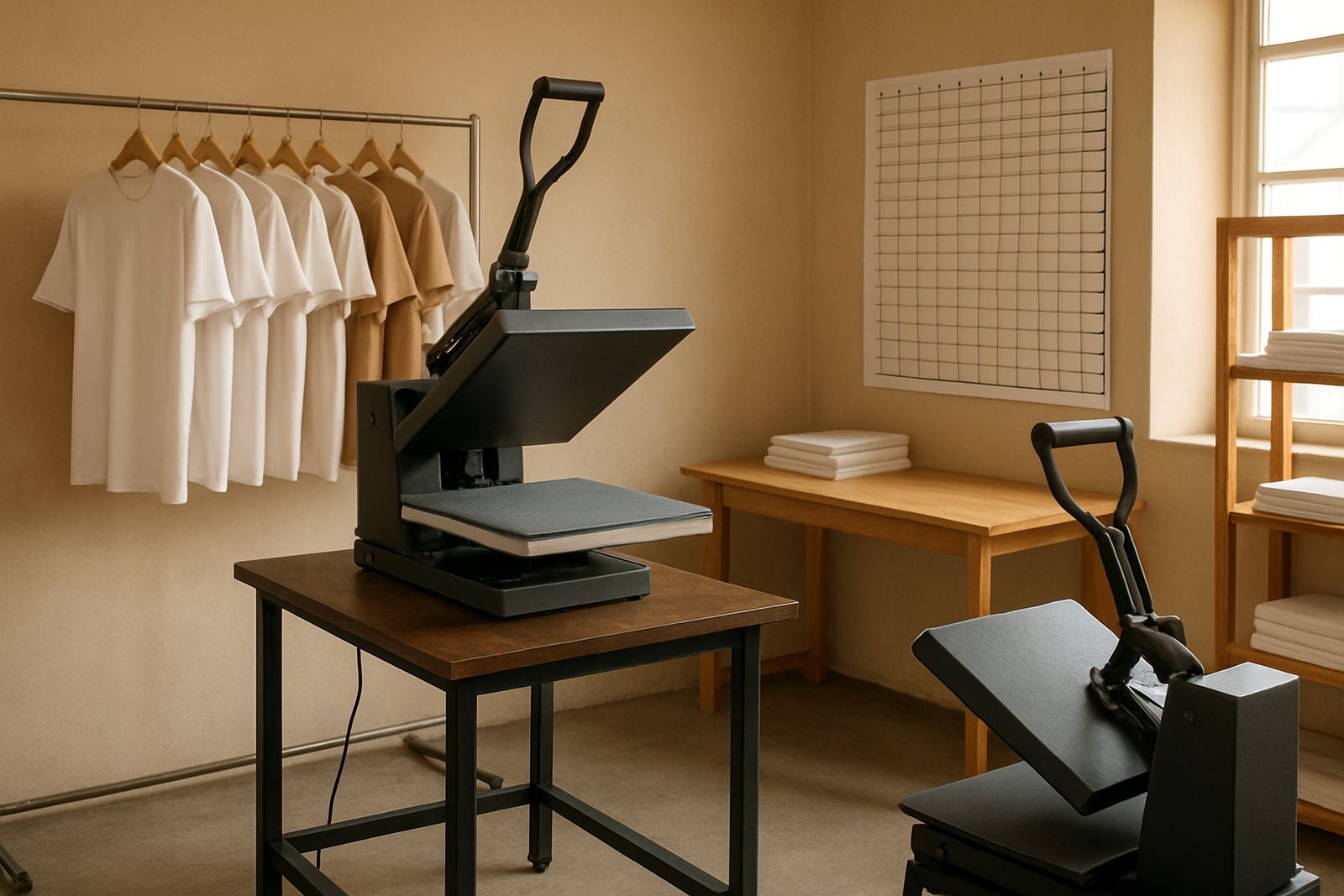
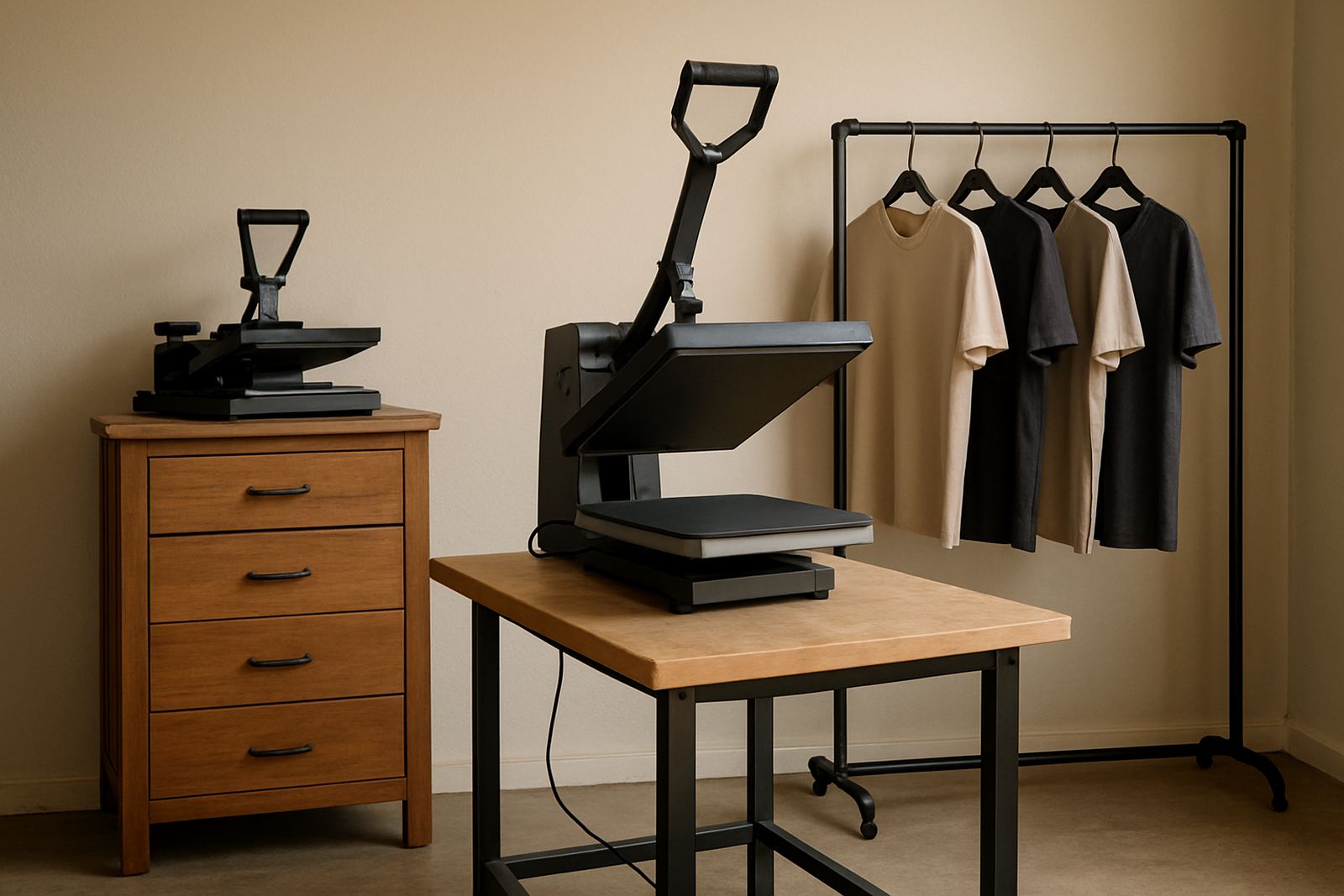
We reviewed the room layout, the work surface height and the flow from garment prep to pressing and packing. The aim was to reduce lifting, keep hands away from the hot zone and give the operator better visibility of the print area.
- Client type: promotional clothing supplier
- Town: Kempton Park
- Work type: T-shirts, transfers and event clothing
- Main concern: safer loading and less operator strain
Why A Drawer Press Suited The Room
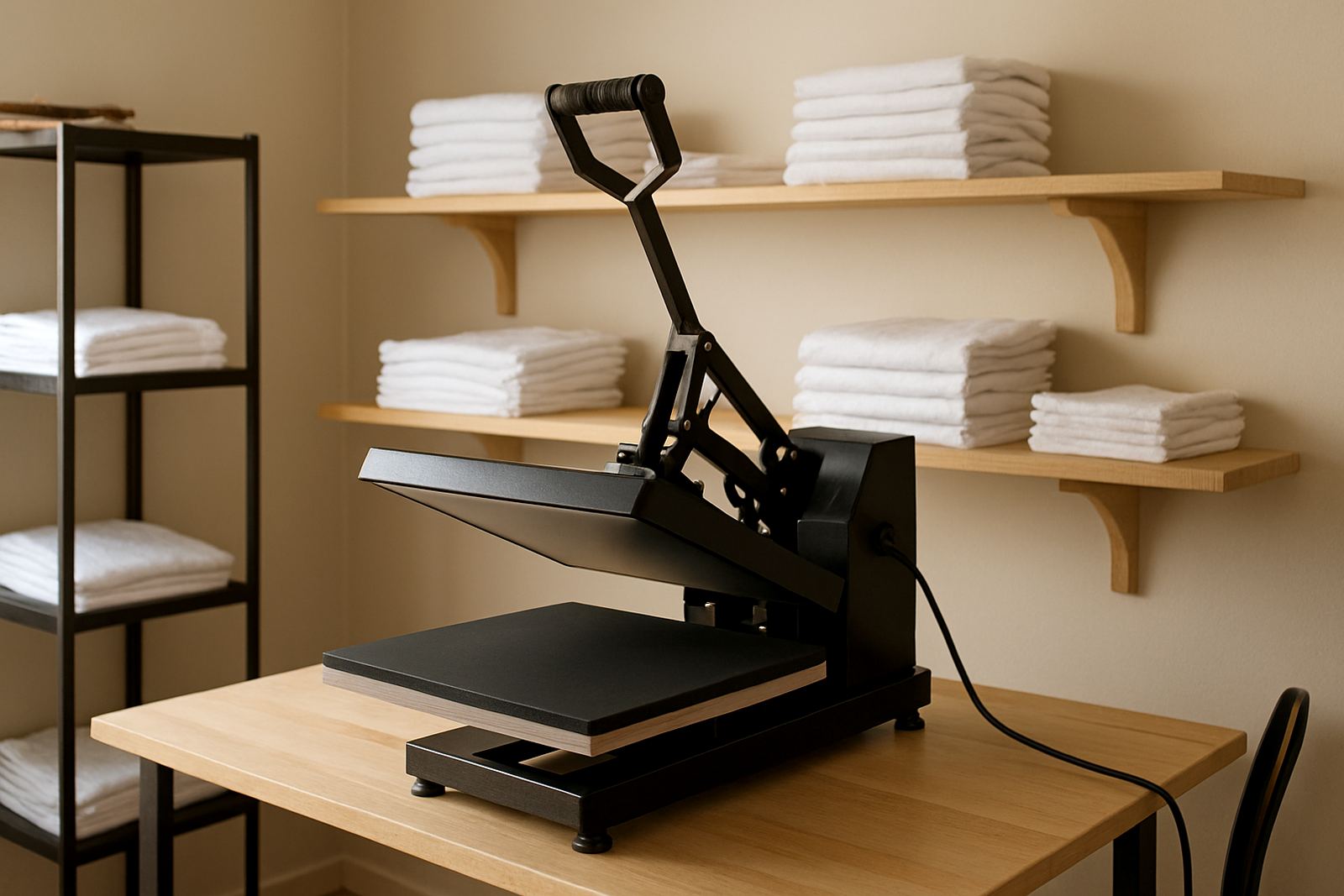
A drawer style flat press was the right fit because the lower platen pulls out towards the operator before pressing. That small change makes a big difference in a compact production room. The garment can be positioned without leaning over the heating element, and the operator gets a clearer view of the print area before closing the press.
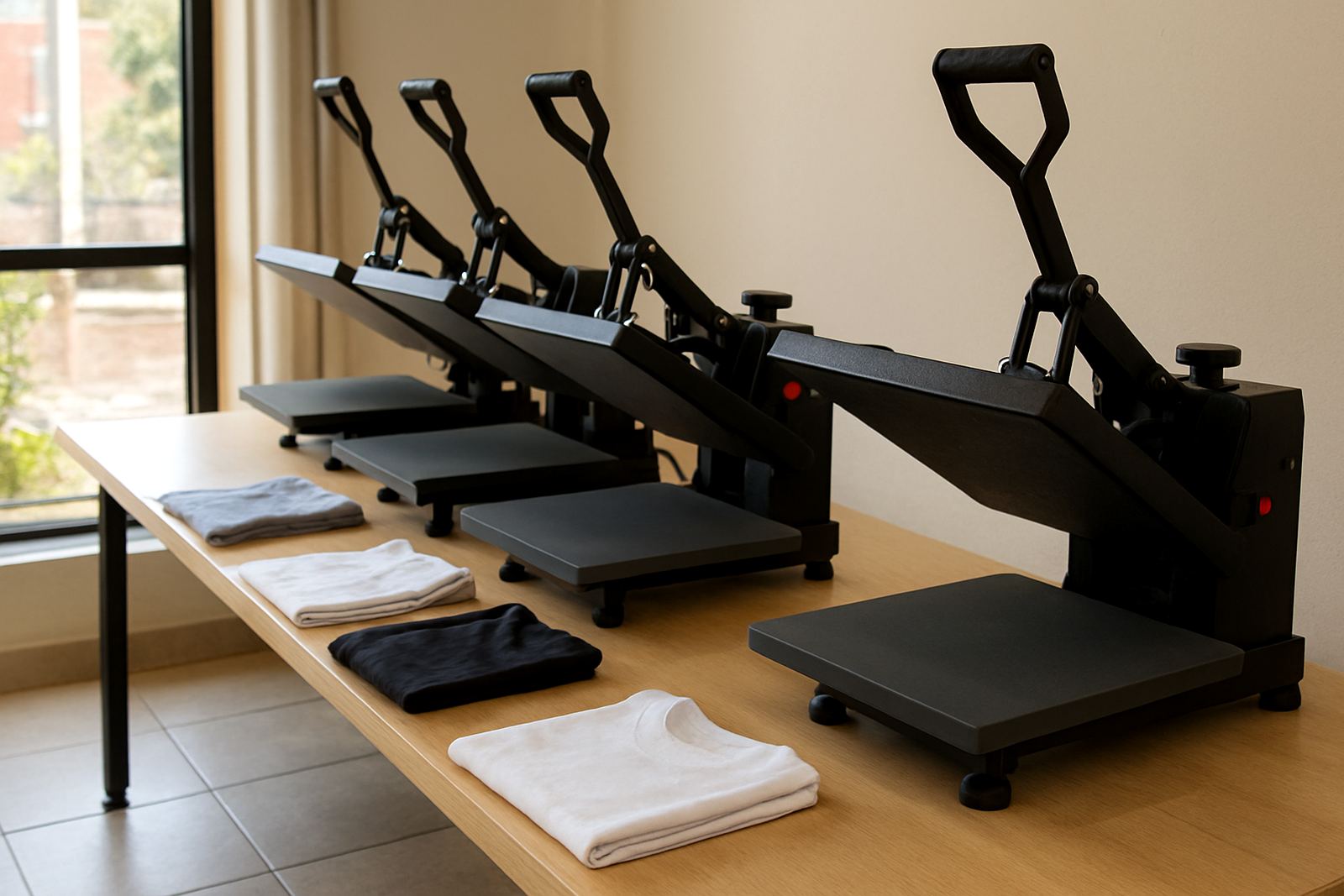
This was especially useful for a team that works with mixed sizes, from small kids shirts through to larger adult garments. A drawer layout also helps when the room is busy and one person is handling prep while another is unloading and packing. The client wanted a press that felt steady under daily use, not something they would need to fight with on every job.
The selected unit also gave them a more consistent closing action and better repeatability across jobs, which matters when several decorators are sharing the same machine. In a promo room, one uneven press can mean wasted stock and extra handling, so consistency was a key part of the spec.
- Drawer action for safer loading and unloading
- Clearer access to the lower platen
- Better control for one-person operation
- Suitable for mixed garment sizes
What We Supplied And Set Up
We supplied and installed a flat drawer heat press suited to daily transfer work and light to medium production runs. The press was set up with a practical working height, checked for level placement and tested through several heat cycles before handover. We also looked at the room arrangement so the operator would not need to twist or carry garments too far between prep, press and packing.
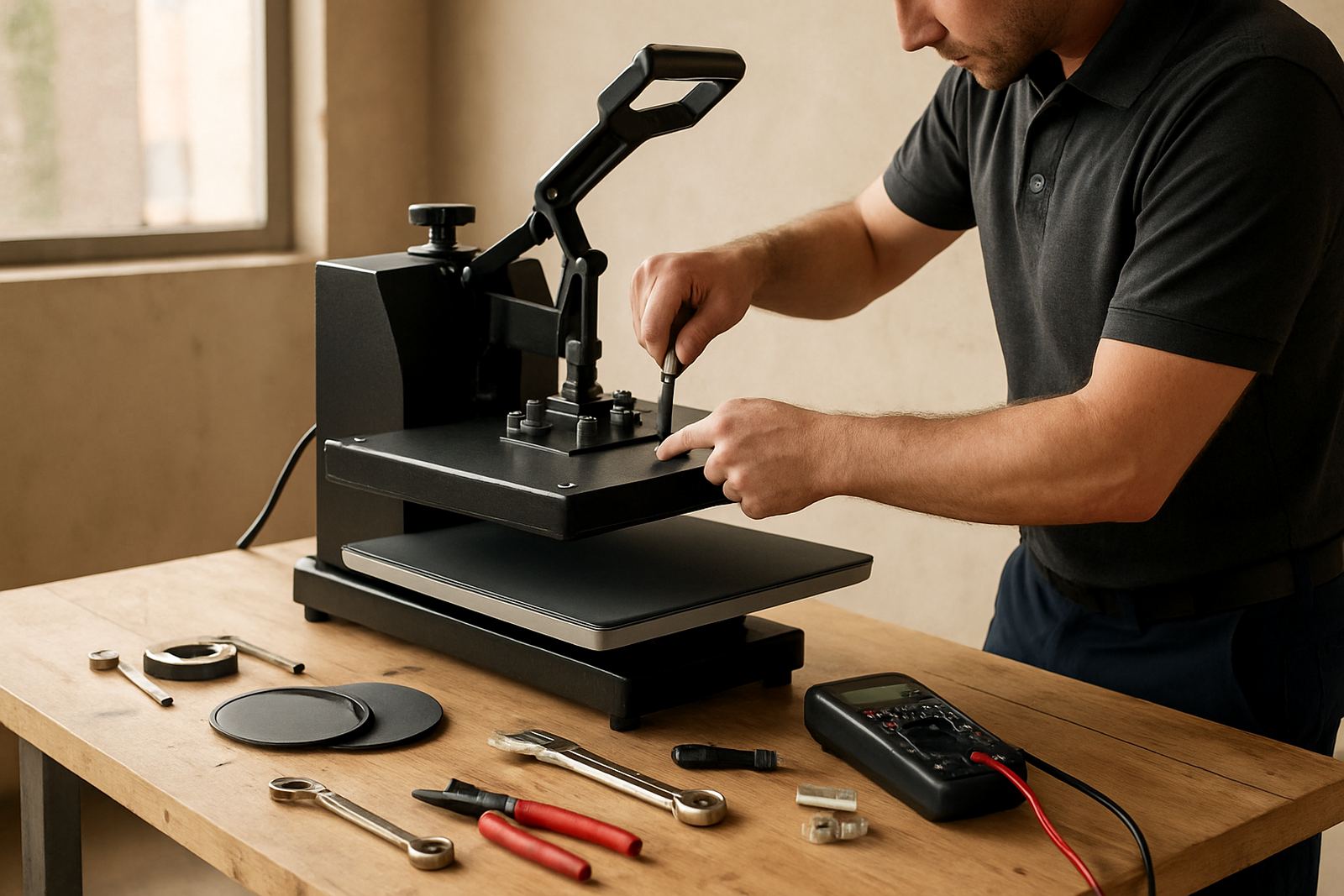
The technical work included temperature verification, pressure adjustment and a full test of the heating surface. We checked that the platen was heating evenly across the working area and that the closing action was smooth. The machine was then demonstrated on sample garments so the team could see correct loading, positioning and release timing.
- New press setup and commissioning
- Temperature checks across the platen
- Pressure adjustment for common transfer stock
- Workstation positioning for safer loading
- Sample pressing on cotton and polycotton garments
Training For A Mixed Team Of Operators
The client needed more than a machine drop-off. Their room has changing staff cover, so we provided hands-on operator training on the day of installation and followed up with phone support after the first production runs. The training covered preheating, dwell times, pressure setting, garment positioning and how to recognise when a transfer is not ready to be released.
We also showed the team how to look after the silicone pad, when to clean the lower platen, and what to watch for if the press starts to feel off centre. That matters in a busy room because small changes can affect results before anyone notices. The team asked good questions, and we kept the training practical rather than technical for the sake of it.
By the end of the session, the operators were able to load garments faster and more safely, with less hesitation around the heated area. One of the supervisors commented that the drawer motion made the whole process feel calmer and more organised, which is exactly what they needed.
- Operator training on setup and daily use
- Correct pressure and temperature control
- Loading and unloading safety steps
- Basic care for pad, cover and platen
Timeline From Site Check To Hand Over
The project moved quickly. After the initial enquiry, we assessed the room layout and confirmed the press specification within the first week. Installation and setup followed in week two, with training and test runs completed on the same visit. A short follow-up support call was done after the team had used the machine on live orders for a few days, just to check that the settings were holding and that the operators were comfortable with the workflow.
The whole process took 2 weeks from briefing to stable use, which suited the client because they could not afford a long break in production. We kept the handover tight and practical, with clear settings written down for the kinds of jobs they run most often. A proper setup saves time later, and in a room like this it also cuts down on avoidable mistakes.
Results In Daily Production
The immediate result was safer loading and less awkward handling around the press. The drawer action reduced reach across the platen, and the operators now have a cleaner path for placing and removing garments. That lowered the chance of contact with hot surfaces and made the room easier to work in during busy periods.
They also saw better repeatability on transfer jobs because the team could set pressure and placement more consistently. Fewer adjustments were needed during the day, and the press became easier for different staff members to use without re-explaining the process each time. The client told us that the room now feels more controlled, which helps when orders come in batches and the deadline is tight.
From a service point of view, the machine is now easier to support going forward. We have the settings on record, the team knows what to watch for, and they can reach us through the enquiry form when they need spares, checks or phone support. That gives them a proper back-up plan instead of hoping the press will sort itself out.
What We'd Repeat For Another Promo Room Fit-Out
On a similar installation, we would again start with the room layout before looking only at the machine itself. A press can be perfectly good on paper and still be awkward if the loading height, packing table or cable position is wrong. We would also keep the training tied to the real jobs the client runs every day, not just a general demo that looks fine in the workshop.
For promo rooms working with mixed garment stock, we would always recommend a drawer style press where the operator needs better access and safer handling. It is a simple choice, but it solves a lot of small problems that build up during the week. If the team is new to pressing, we would also keep a written settings sheet close by so the common jobs stay repeatable even when staff change.
This Kempton Park project showed how much difference a sensible setup can make. It was not about adding more equipment, it was about making the pressing room easier to use, safer for the operator and ready for daily production.