What the Boksburg team needed from day one
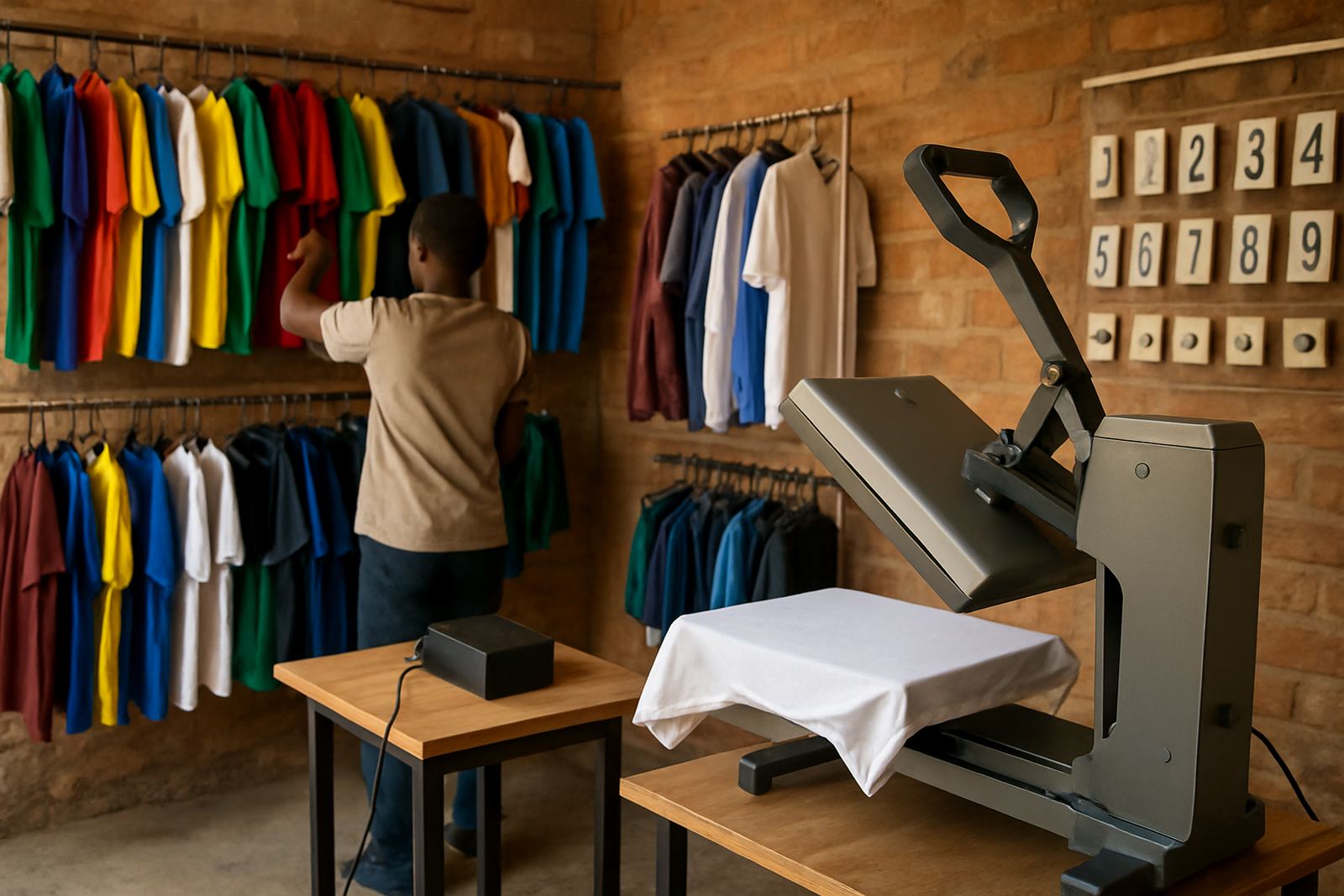
This client is a uniform decorator in Boksburg serving workshops, schools and local businesses that need names, logos and department marks on workwear. Their main pressure point was volume. They were doing the same type of application every day, often in short runs, with more than one operator using the machine during a shift.
The brief was simple but strict: give them a press that could handle daily use, keep temperature steady, and make it easy for staff to repeat settings without wasting garments. They also needed practical support because the workshop gets busy early, and any delay on a Tuesday morning can throw the whole day out. With Boksburg humidity and the usual dust from a mixed industrial area, they wanted a unit that would stay consistent and not need constant fiddling.
We also had to work around the reality of load-shedding and a power setup that changes from site to site. That meant checking the supply on site, making sure the controller was used properly, and giving the team a way to keep moving when power cut in the middle of a run. The owner wanted a daily-use solution, not a hobby machine pretending to do commercial work.
Press specifications and workshop fit
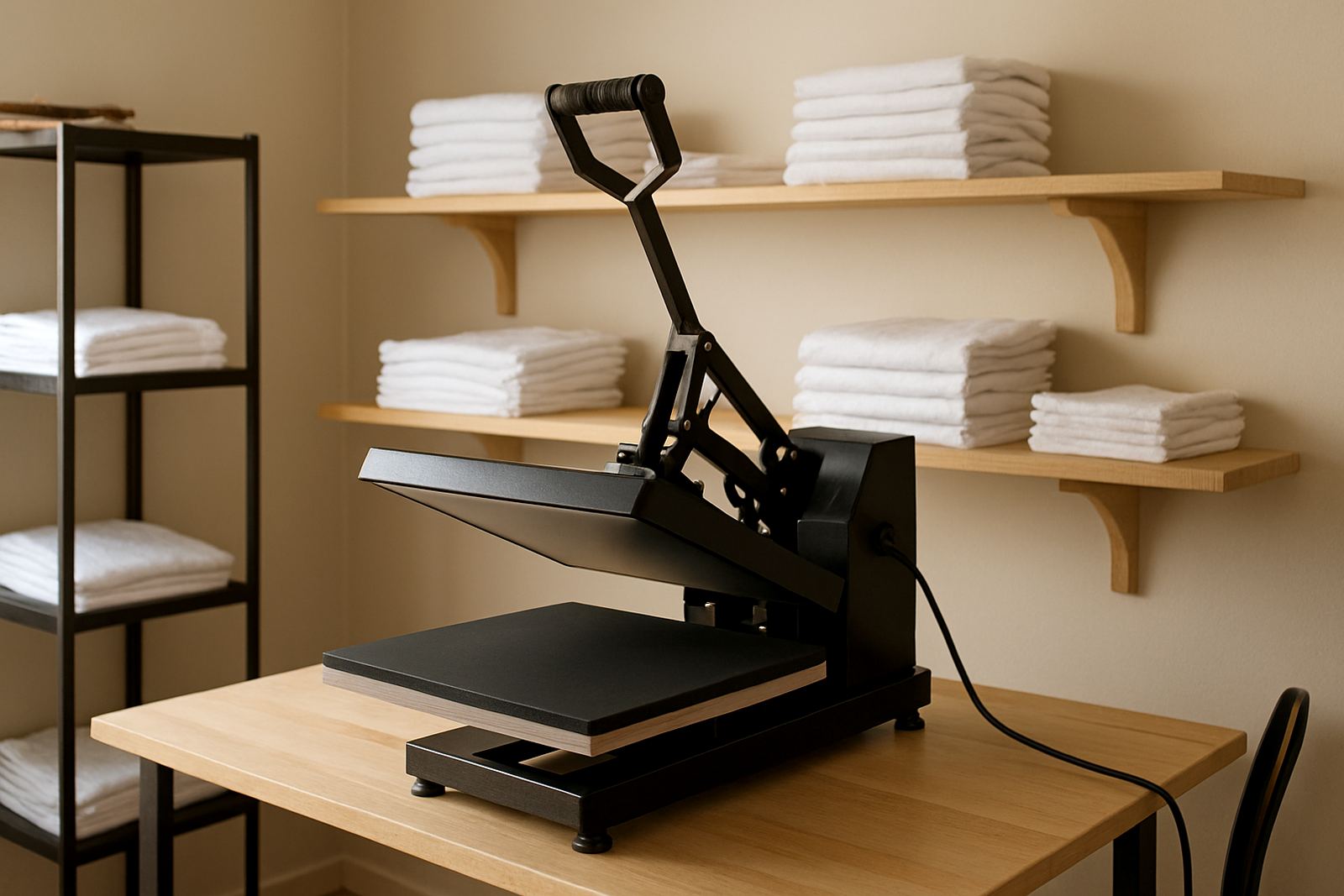
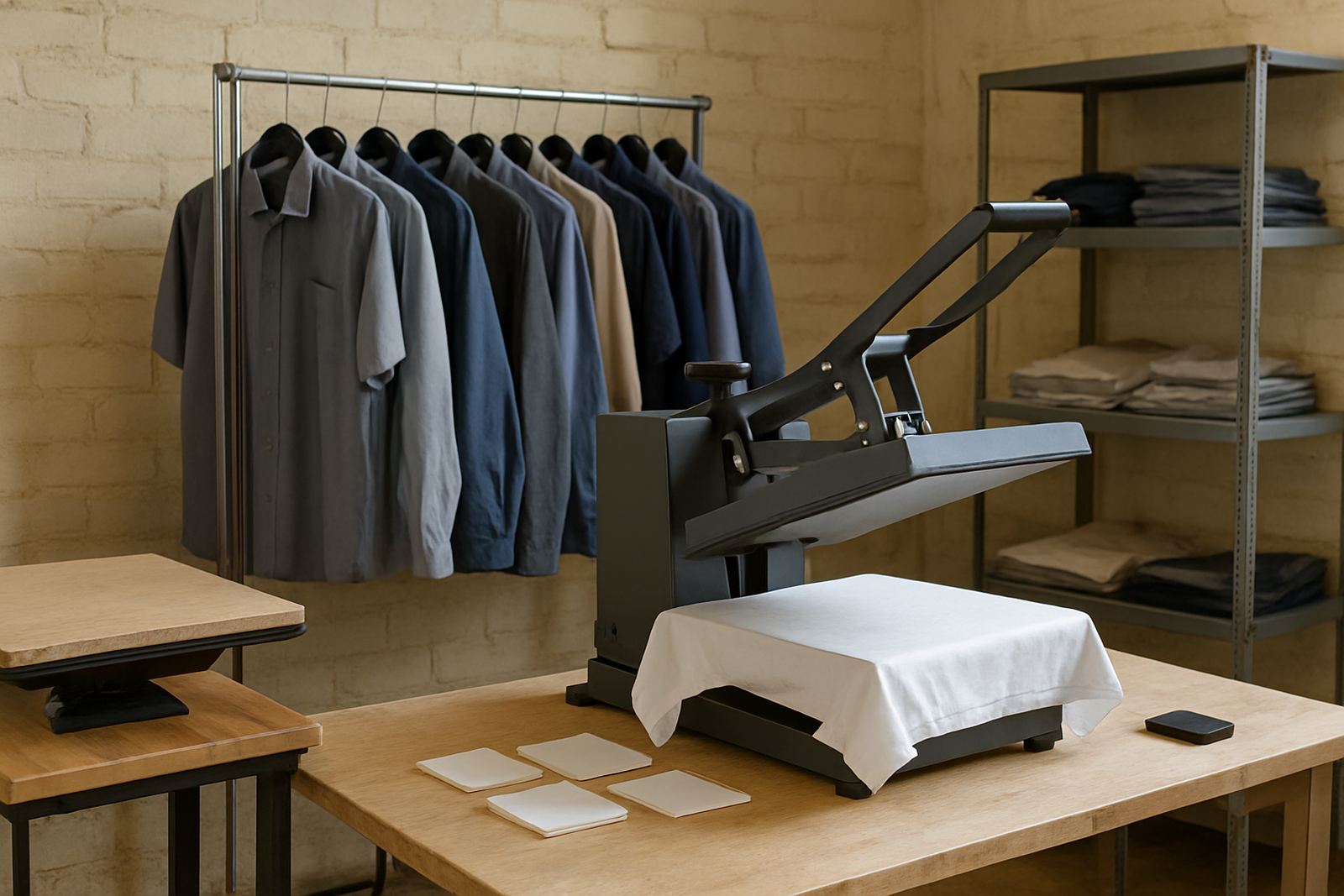
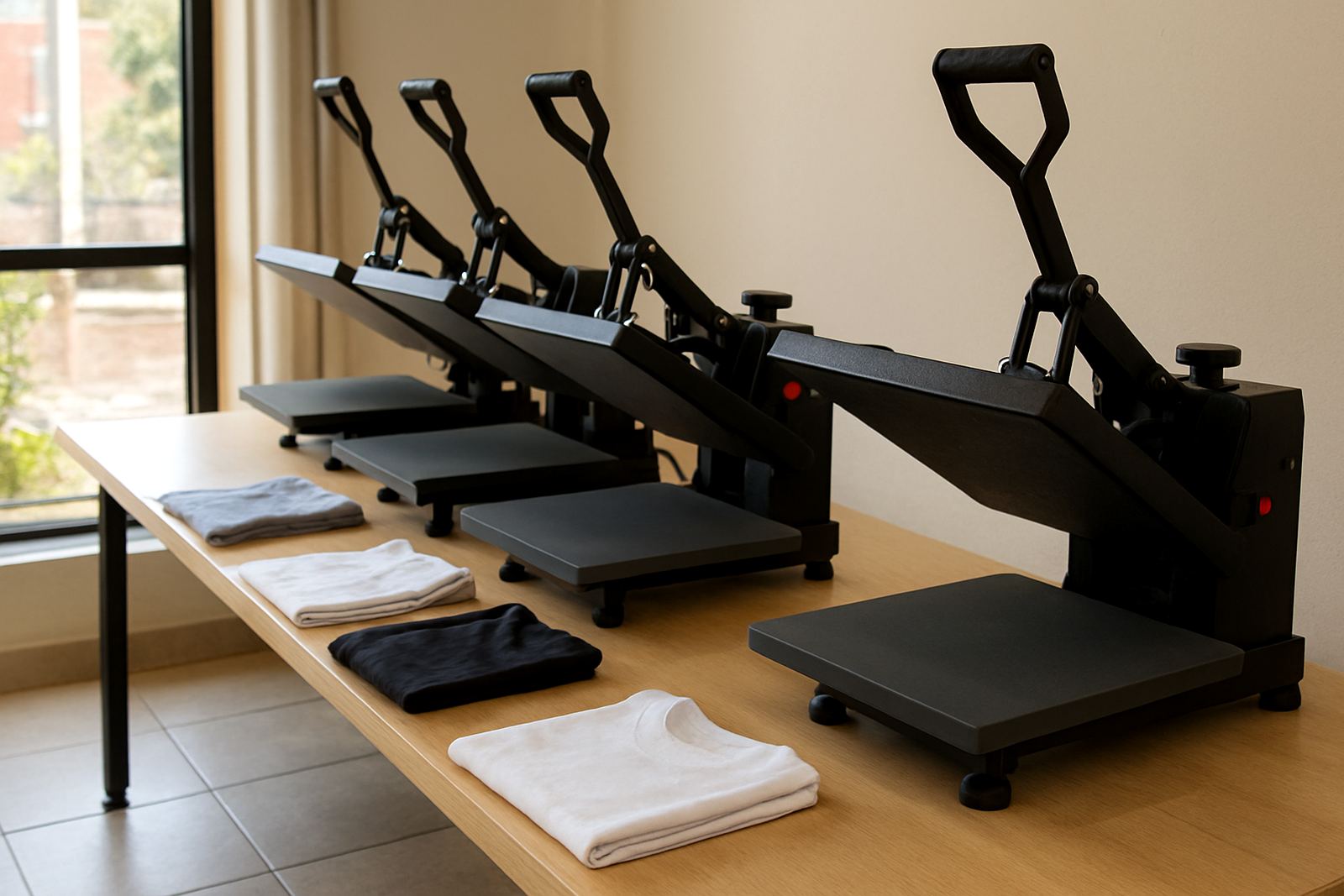
The chosen unit was a flat heat press sized for garment decoration work on T-shirts, work shirts, hoodies and transfer sheets. It was selected for even pressure across the platen, reliable temperature recovery, and a frame that can stand up to repeated opening and closing through the day. The lower plate size suited the most common jobs in their shop, with enough space for front chest logos, back names and left sleeve marks.
- Flat heat press for garment and transfer work
- Digital temperature and time control
- Even pressure adjustment for light and heavier fabrics
- Suitable for heat transfer vinyl, printed transfers and general logo applications
- Workshop footprint suited to a compact production area
- Setup for single-phase workshop use
We checked the press position in relation to the packing bench, cutting area and finished goods stack so the operator could move in one direction only. That might sound small, but in a busy uniform shop it matters. If the garment path is wrong, people waste steps all day and the workflow feels clumsy. We also made sure the operator had room to handle larger garments without bumping into the side wall or the next machine.
Setup carried out on site in Boksburg
Installation took place over one site visit, with final commissioning and checks done on the same day. We positioned the press, checked the heating cycle, set the pressure to suit the fabrics they use most, and verified that the controller was reading correctly before any production started. The team wanted to avoid guesswork, so we set practical starting points for their common applications rather than leaving them to trial and error.
We then ran sample applications on a few garment types the decorator uses every week. That included standard T-shirt material, heavier workwear cotton and a transfer application on a darker garment. The point was not just to show that the press heats up, but to show how it behaves under real workshop conditions. We watched for pressure marks, edge lift, and any sign that the heat was carrying unevenly across the platen.
The client also asked us to look at how the machine would be cleaned and shut down at the end of the day. So we covered the basics of surface care, platen covering condition and what to do if the temperature drifts. For a team working under time pressure, knowing what normal looks like is half the battle.
Training for more than one operator
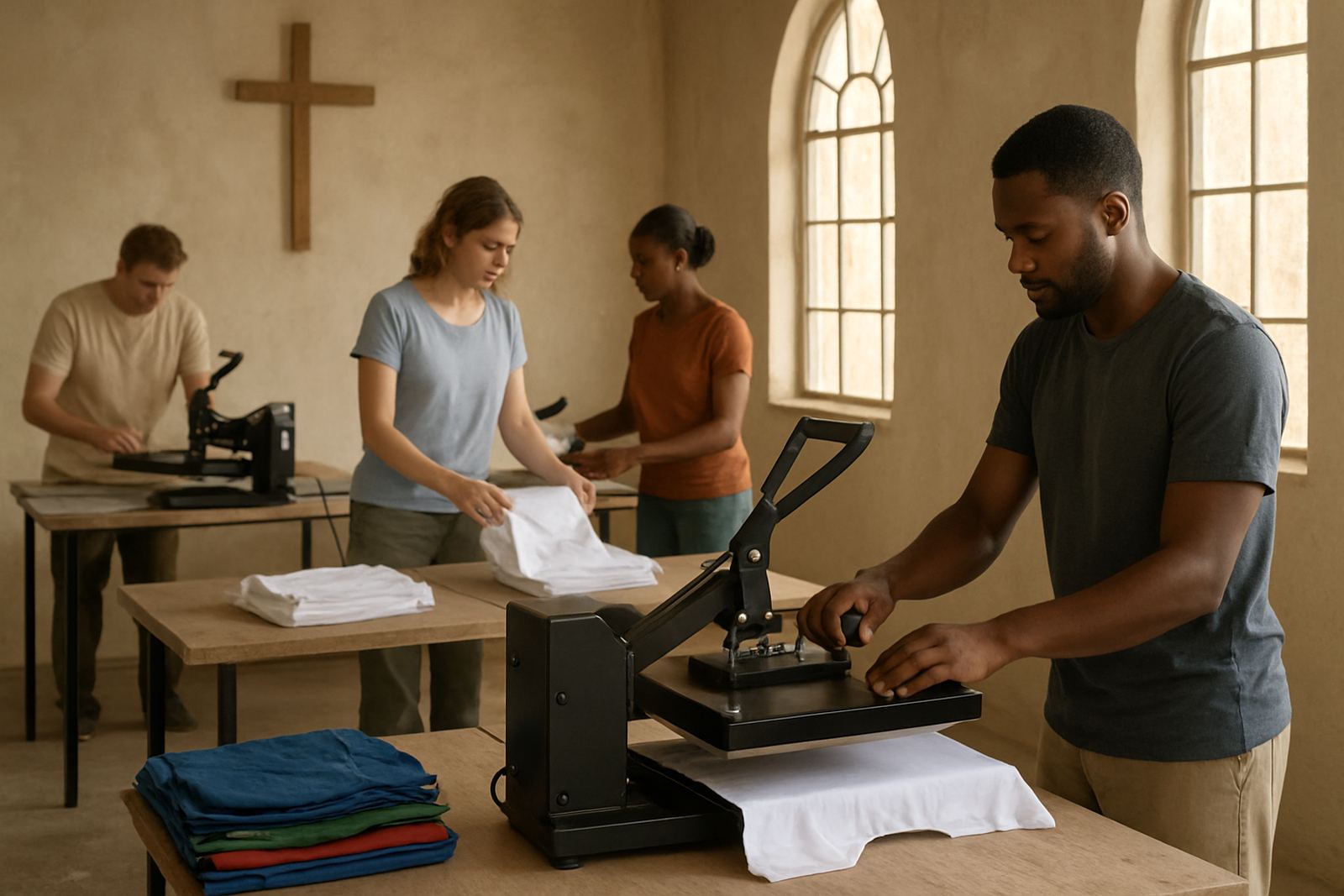
This was not a one-person setup. The workshop has more than one operator who needs to use the press safely and consistently, sometimes with different shift patterns. We provided hands-on training that covered temperature checks, dwell time, pressure adjustment and how to line up garments for repeat work. The aim was to keep results consistent even if the person on the machine changes during the week.
- Setting temperature for different transfer materials
- Adjusting pressure for thin and thick garments
- Loading and unloading without shifting the print
- Spotting wear on pad covering and silicone surfaces
- Basic cleaning and end-of-day shutdown routine
We also explained the signs that usually mean a press is drifting out of spec, such as cold corners, overcooked transfers or a handle that starts feeling loose. Small things can turn into real production problems if nobody notices them early. The training was practical, not a classroom talk, and the operators were able to repeat the process while we stood by. By the end, they were producing clean, repeatable results without needing to phone for help on every set of garments, which is exactly what a busy decorator needs.
Support plan for daily production
Because the client uses the press every day, we set them up for ongoing support rather than treating the install as a once-off job. That includes phone tech support, temperature checks, pressure adjustments, spares supply and preventive servicing. If a workshop is on a tight deadline and the machine starts behaving oddly, waiting a week for a response is not good enough.
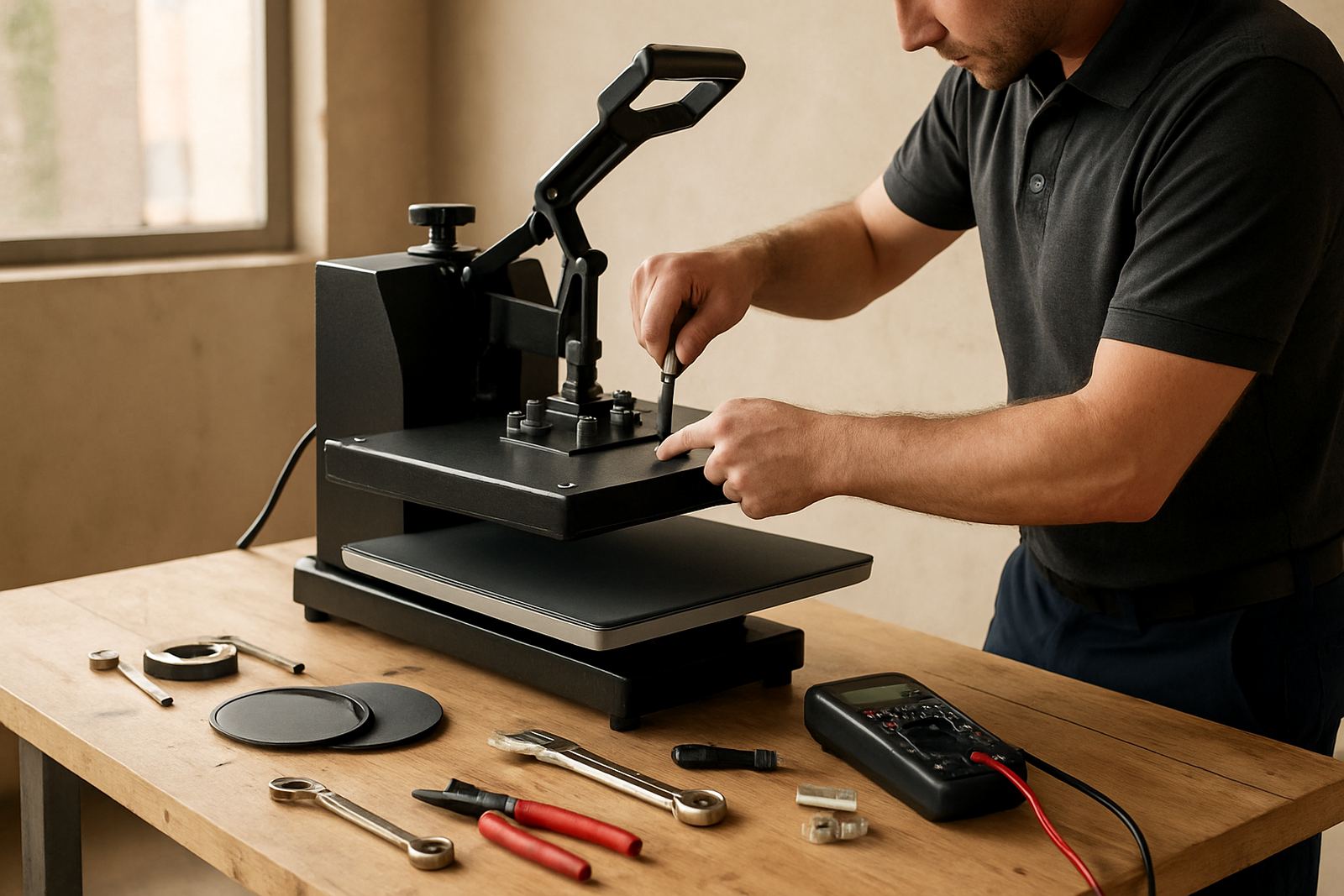
We also discussed the items that normally need attention first on a daily-use press. Elements can weaken over time, controllers can drift, and pad covering wears faster when the team is busy. In a place like Boksburg, where the pace is steady and the workload is practical rather than flashy, keeping those parts in order makes the difference between a clean run and a messy rework. A small fault caught early saves garments, time and money.
The client was particularly interested in knowing what happens if the press needs short-term backup. Where available, we can help with loan unit support so the shop can keep moving while a repair is sorted. That kind of backup is often what makes a supplier worth keeping on speed dial.
Results after the first few weeks
The press was commissioned and the team was working on production within a week from the first site visit. Over the next few weeks, they used it on the usual run of workwear names, left chest logos and transfer jobs for repeat customers. The main result was consistency. They were getting the same finish on the first garment and the last garment, which is what matters when the order is small but urgent.
There was also less wasted material. Once the operators had the correct settings and a proper feel for the pressure, they stopped over-pressing light garments and reduced the chance of lifting a transfer after application. The owner told us the press paid its way quickly because the shop could complete jobs with fewer re-dos and less stress at the end of the day. That is the kind of outcome a uniform decorator actually needs, not just a machine that looks good on paper.
If we were doing the job again, we would follow the same approach: specify for daily use, train the people who will touch the machine, and keep a service plan in place from the start. For a busy Boksburg workshop, that has proven to be the safest way to keep production steady.
Key facts
| Client type | Uniform decorator |
|---|---|
| Town | Boksburg |
| Machine type | Flat heat press for garment transfers |
| Application types | Workwear logos, names and transfer prints |
| Timeline | Installed and commissioned within 1 week |
| Support included | Training, phone support, spares and servicing |