

A Sandton brief built around small runs and tight space
The client was a corporate office team in Sandton that needed a dependable station for in-house branded clothing, mostly staff T-shirts and transfer work for events, recognition days and internal campaigns. They did not need a full production floor. What they needed was a neat setup that a few staff members could use without wasting space or materials.
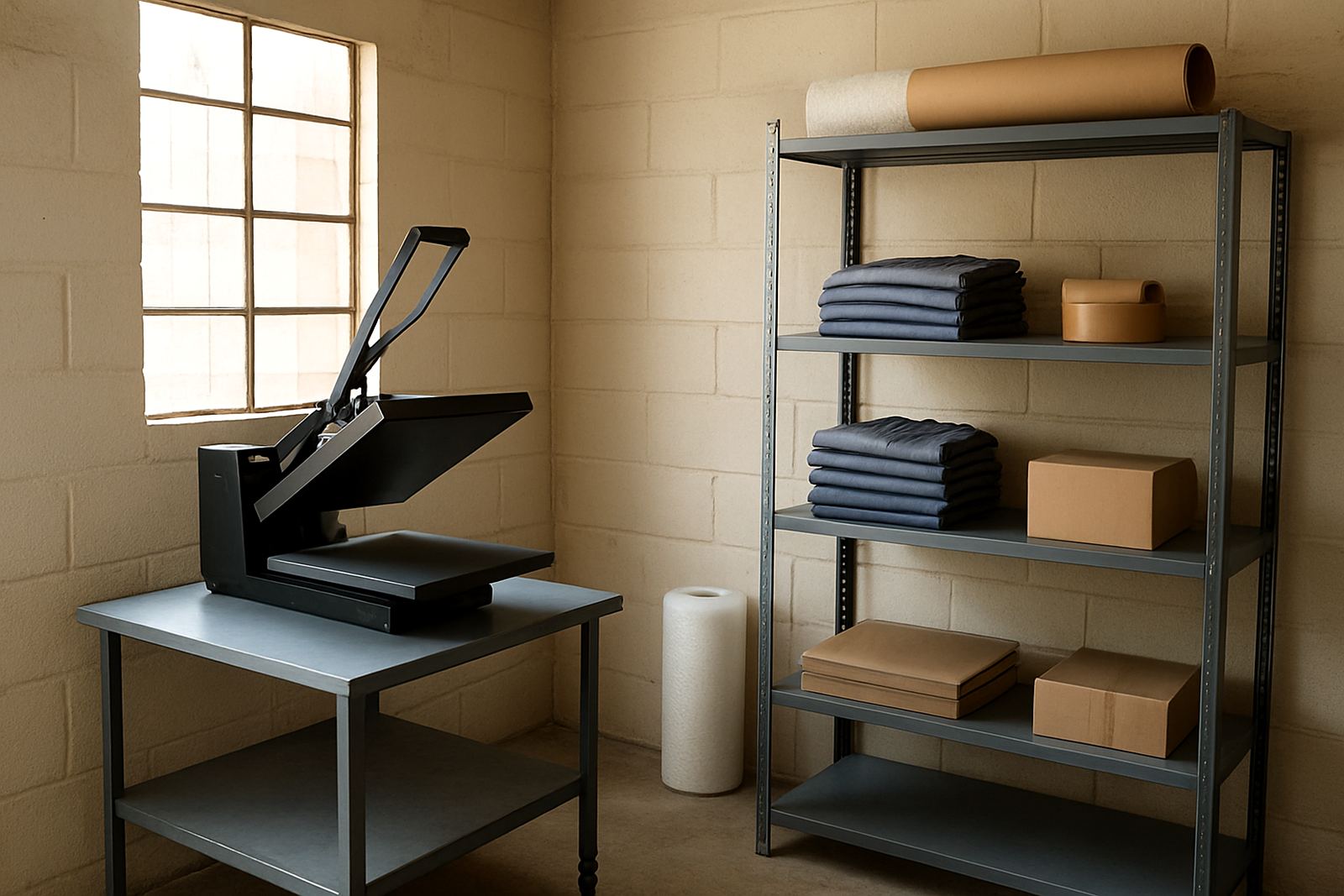
The office had a small back room with limited counter area, mixed use furniture and standard plug points that had to share power with printers and other office equipment. Load-shedding was part of the planning too, so the press had to recover quickly after interruptions and hold temperature properly through a busy morning. The team also wanted clear training so that different staff members could step in when needed, rather than relying on one person only.
We specified a flat press station suited to low-volume work, with stable heat control and enough platen area for common office garments. The work had to be easy to repeat, because consistency matters when you are pressing company colours, logos and names for internal use.
What we supplied for the office merch station
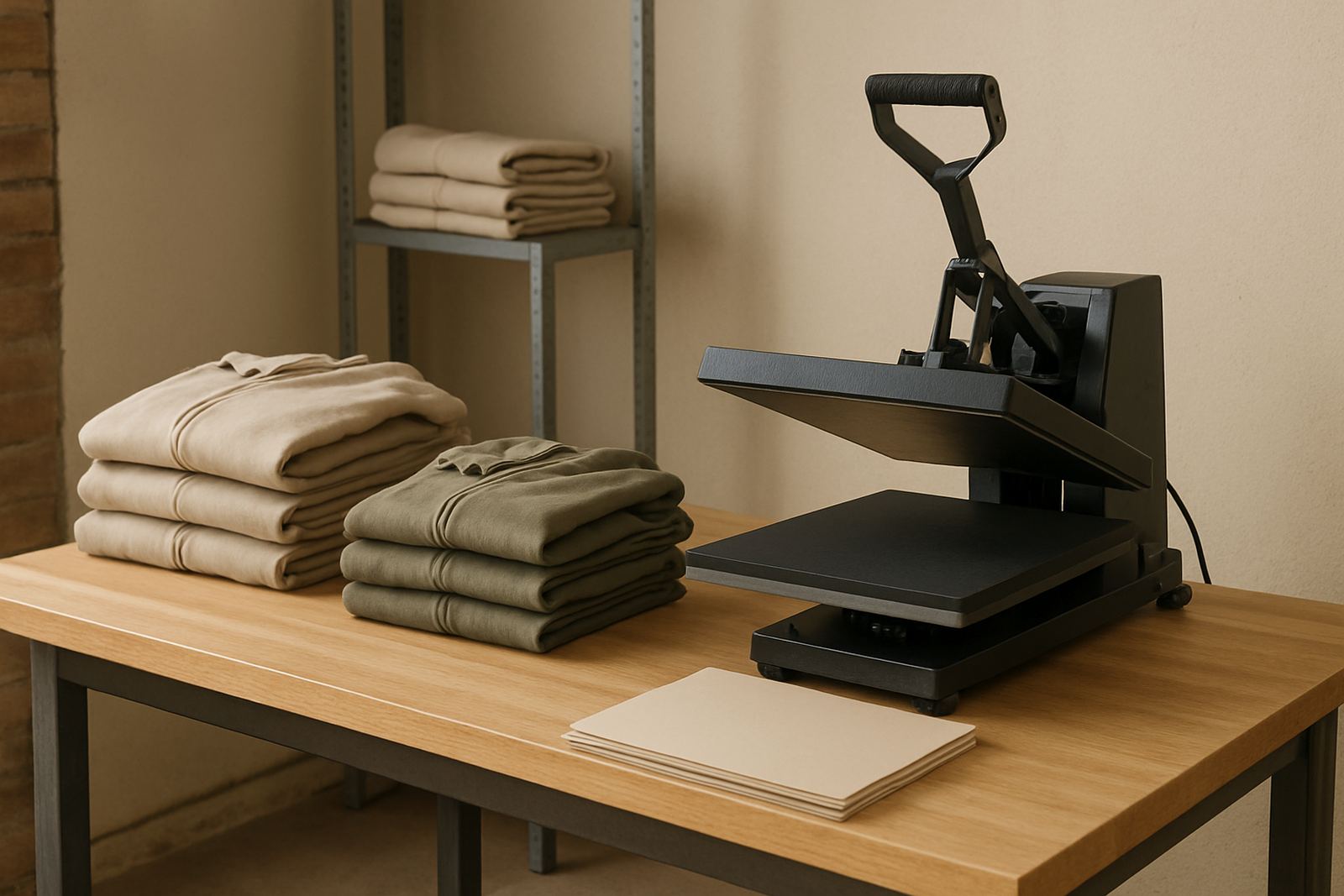
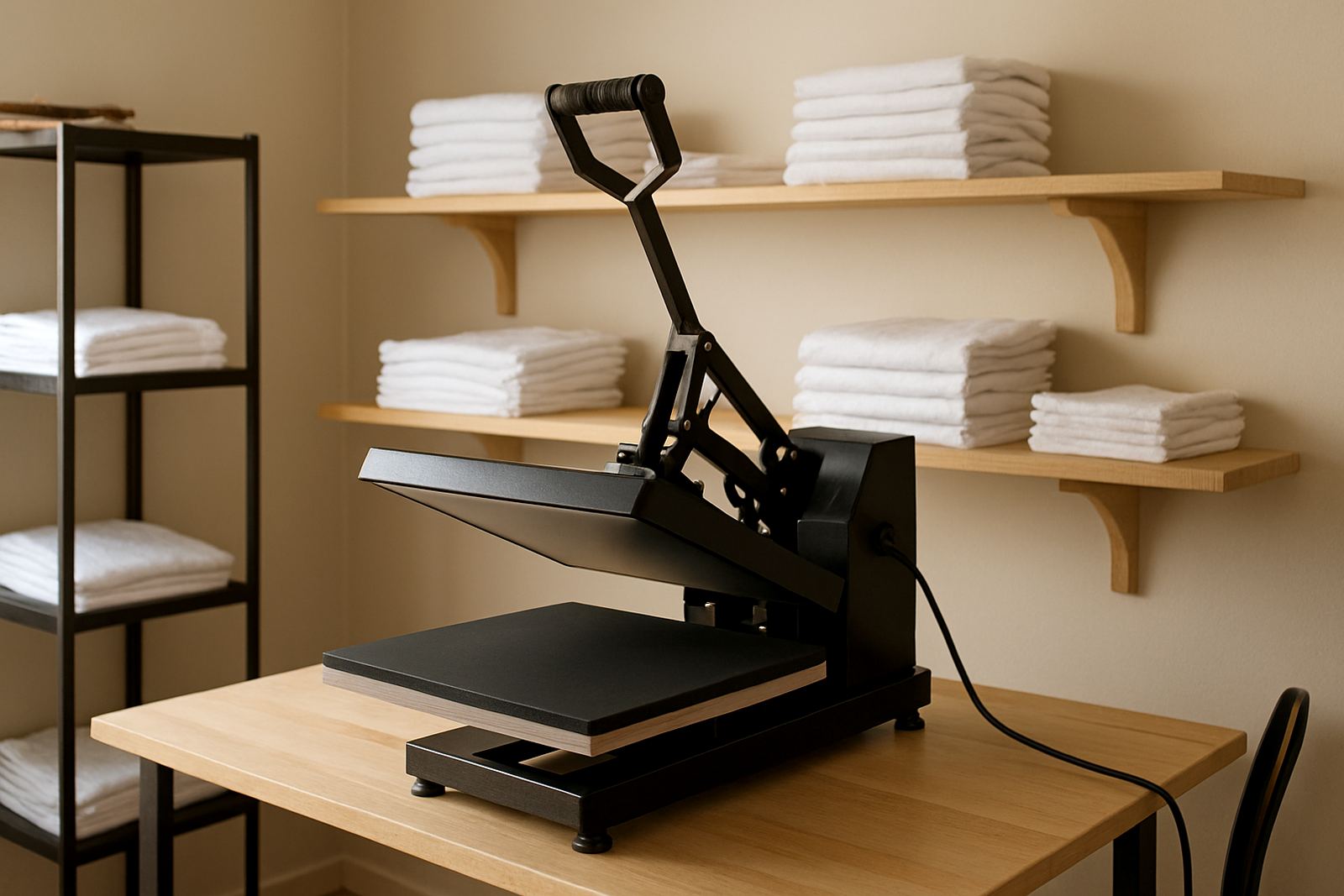
We supplied a flat heat press setup, installed it on site in Sandton, and checked that the working height, outlet position and movement around the station made sense for the room. The press was selected for reliable temperature recovery and even pressure across the platen, which helps reduce patchy results on cotton and polycotton items.
We also supplied the practical extras that make the station usable from day one. That included setup support, operator training, spare consumables guidance and a contact route for technical help through the enquiry form. The client wanted a station they could run without waiting around for outside assistance, and that was the point of the handover.
Key items supplied and handled on the project included a standard flat press suitable for T-shirt transfers, temperature checks, pressure adjustment, controller checks and a first-round spares list. We also set out a simple cleaning and shut-down routine so the unit could be kept in order after each session.
- Flat heat press for small garment runs
- On-site setup and position check
- Temperature calibration and pressure adjustment
- Basic spares guidance for day-to-day use
- Operator handover with practical work flow notes
How the installation was handled over two weeks
The full project took two weeks from brief confirmation to final handover. In week one, we discussed the room layout, power access and the type of garments being pressed. That helped us match the press to the actual workload instead of guessing from a list on paper. We also confirmed who would use the machine and how often, which shaped the training plan.
In week two, we completed delivery, positioned the unit, checked heat-up performance and ran test presses with sample transfer material. The team had a few small adjustments to make to their table layout and storage flow, but once that was done the station fit the room well. The final step was operator training, which covered safe handling, timing, pressure changes and how to spot poor transfer results before wasting stock.
There was one small constraint that mattered. The office needed the setup finished around normal working activity, so we planned the handover in a way that did not interrupt the whole floor. That meant working around meeting times and keeping the support process tidy and quiet. It sounds simple, but in an office enviroment that makes a difference.
Training that made the station usable by more than one person
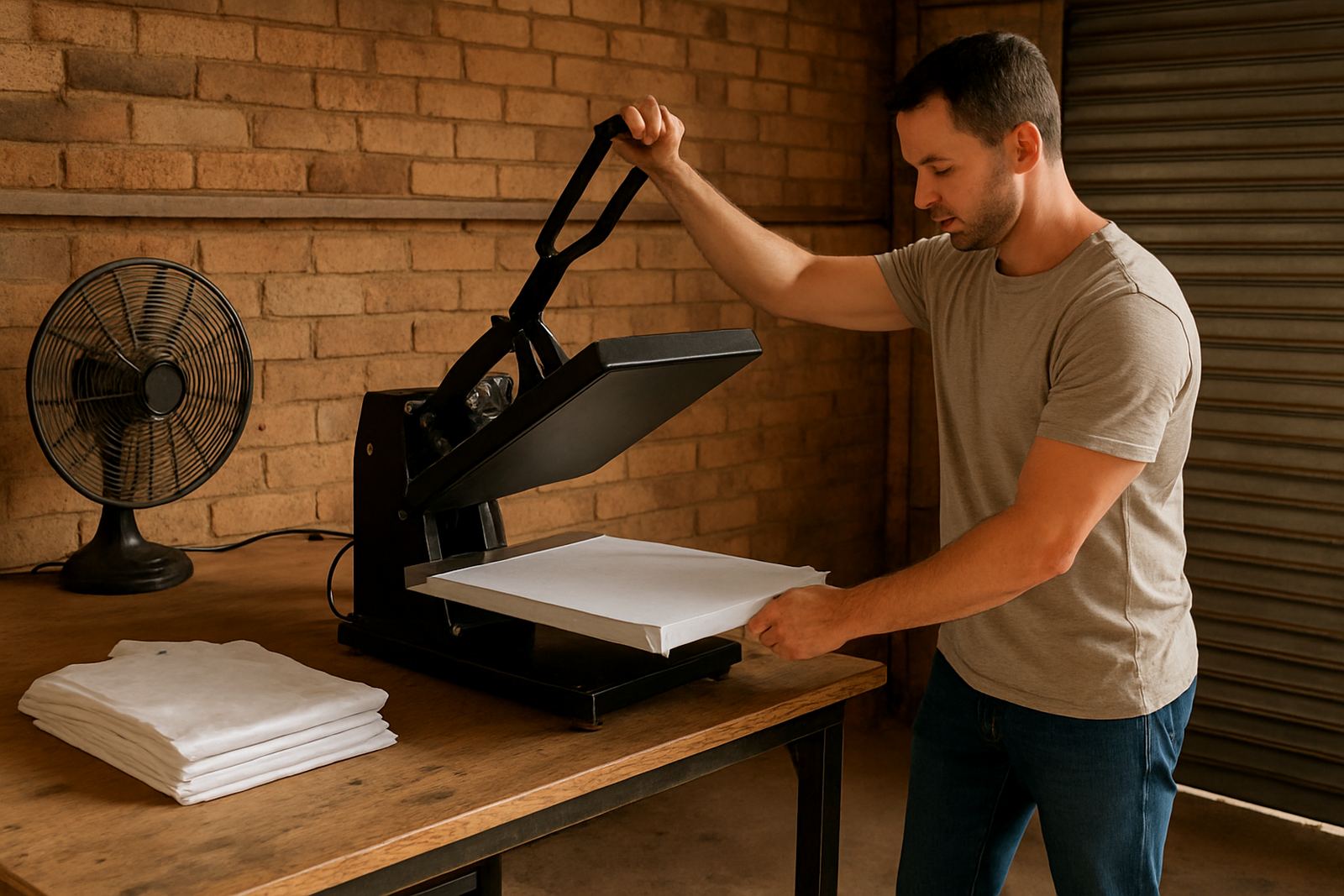
The office did not want a machine that only one trained operator could touch. That is why the training covered more than the basic press cycle. We showed the team how to set temperature, apply even pressure, manage press time, and check the garment before and after pressing. The staff also got guidance on how to recognise transfer faults early, like uneven adhesion, scorch marks or lifting at the edge.
We kept the training practical and short enough for office use. The aim was not to turn everyone into a full-time production operator. It was to give the team enough confidence to handle small internal jobs properly, with less waste and fewer mistakes. We also covered what to do when a run is interrupted by power cuts or a temperature drop, because that is a normal reality in South Africa.
By the end of the session, the client had a simple operating routine that could be followed by different staff members. That reduced the pressure on one person and made it easier to keep the office merch work moving when someone was away or busy with other duties.
The result for internal branded clothing runs
The station delivered what the office needed most: predictable output on small batches without taking over the room. The press held temperature well, the pressure was easier to control, and the team could turn around internal clothing runs without sending every job out. That saved time and gave them more control over last-minute requests for events, visitor days and team items.
The client also reported better consistency between operators. Because the setup had been adjusted properly and the team had a clear method to follow, the results were more even from one garment to the next. Less waste meant fewer rejected items, which matters when you are working with a small stack of shirts and a fixed internal budget.
For a Sandton office, the biggest win was not size. It was convenience. The merch station now fits into the normal working rhythm and can be used when needed, without turning the office into a print room.
- More control over internal brand clothing runs
- Less waste from bad heat or pressure settings
- Faster turnaround for small urgent orders
- Simple use by more than one staff member
What we'd repeat for another office merch setup
We would approach the next office merch station the same way: start with the room, then match the press to the workload. That means checking counter space, power access, ventilation and who will actually use the machine. In a small internal setup, the practical details matter more than people expect.
We would also keep the training simple and specific to the work being done. If the main output is internal staff clothing, then the operating method should be tailored to that, not copied from a busy commercial print floor. The right setup for a few weekly runs is different from a machine that is pushed all day.
Finally, we would keep the support plan clear. Spare parts, a sensible service schedule, and easy technical follow-up all help a station stay useful over time. That is the kind of arrangement that works well for offices in Sandton, Midrand and across Gauteng, especially when the team wants practical help without fuss.
Key facts
| Client type | Corporate office team handling internal branded clothing runs |
|---|---|
| Town | Sandton, Gauteng |
| Project duration | 2 weeks from brief confirmation to handover |
| Core equipment | Flat heat press for T-shirt and transfer work |
| Use case | Low-volume internal merch, event wear and staff clothing |
| Support included | Setup, training, temperature checks, pressure adjustments and technical support |