

Campus merch brief in Bloemfontein
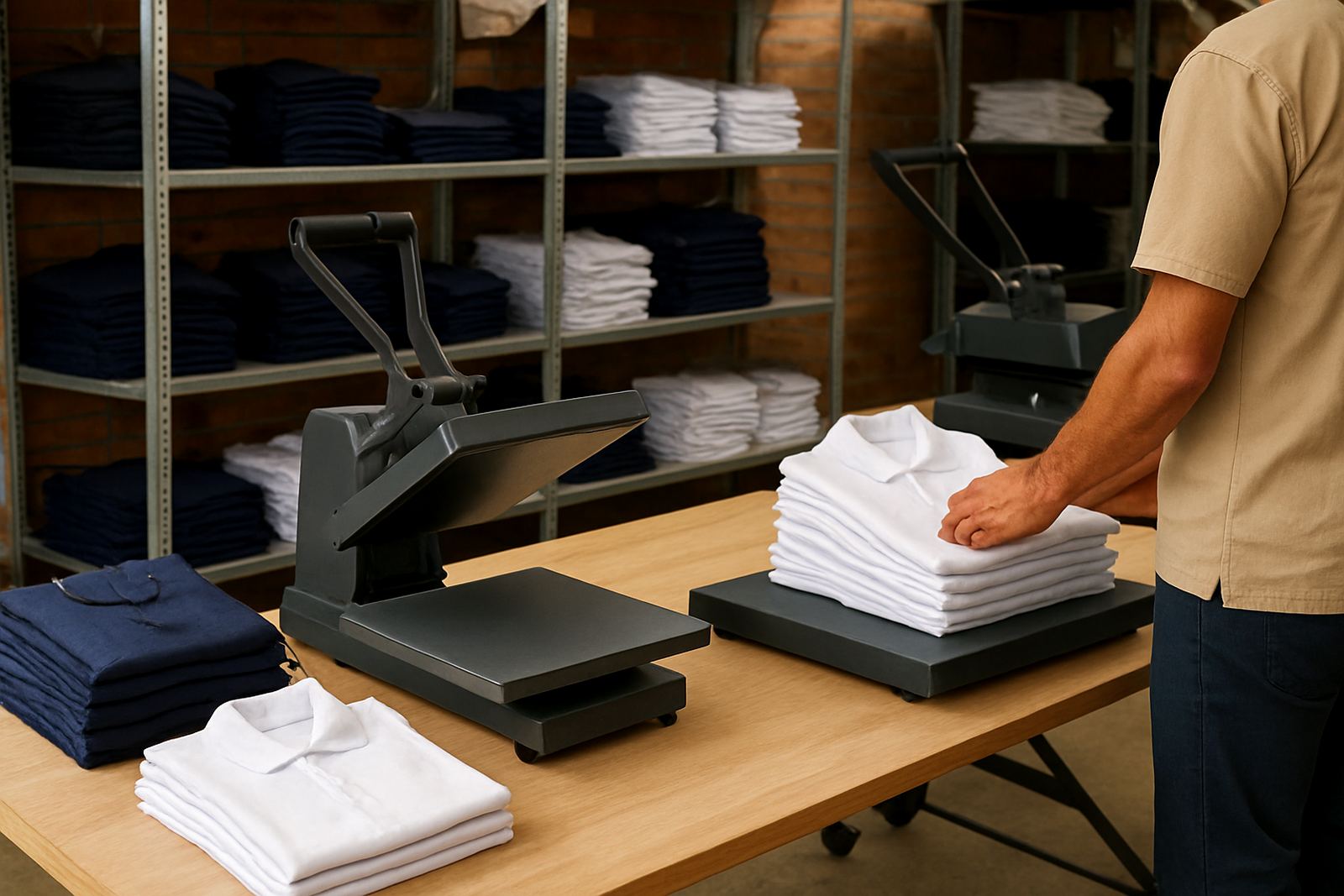
The client was a student-run apparel group in Bloemfontein producing limited runs of T-shirts for campus clubs, society fundraisers and event shirts. They needed a practical flat press solution that could handle mixed orders, from one-off samples to short runs of 20 to 60 garments, without wasting transfers or slowing down their turnaround.
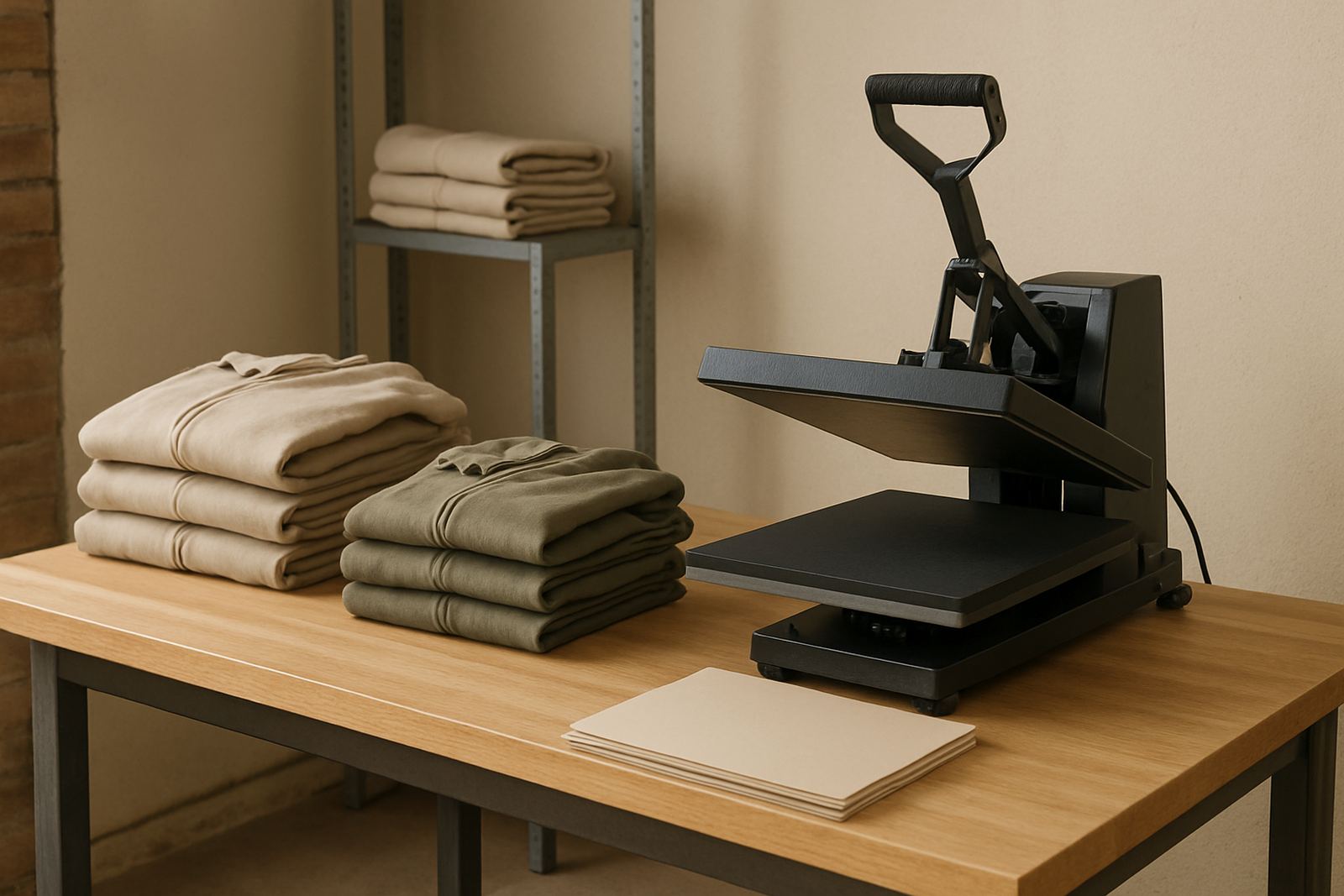
The key requirement was repeatable heat and even pressure across different fabric types. Their work included cotton tees, polycotton blends and occasional hoodies, so we focused on a press that could hold temperature properly, recover quickly between cycles and give the operator consistent results on fronts, backs and small sleeve prints. A simple layout was important too, because the team shared the space with other print tasks and could not afford a complicated setup.
- Client type: student apparel and fundraiser merch team
- Town: Bloemfontein
- Typical output: custom drops, society shirts and event orders
- Fabric mix: cotton, polycotton and selected fleece items
What had to work on campus
The campus environment brought a few limits. Power cuts meant the press had to warm up and hold heat without fuss when electricity was interrupted. The team also needed support that did not depend on long training sessions, because student operators can change from term to term. Budget mattered as well, but not at the cost of press quality or service life.
We also had to keep the process friendly for first time operators. In practice, that meant clear settings for time, temperature and pressure, plus a straightforward way to check whether the platen was closing evenly. For fundraiser jobs, the team needed to avoid misprints on donor shirts and maintain a neat finish that looked professional enough for resale and campus photo posts.
- Load-shedding readiness for short interruptions
- Simple controls for changing operators
- Clear settings for transfer vinyl and printed transfers
- Space-conscious installation for a shared work area
What we supplied and set up
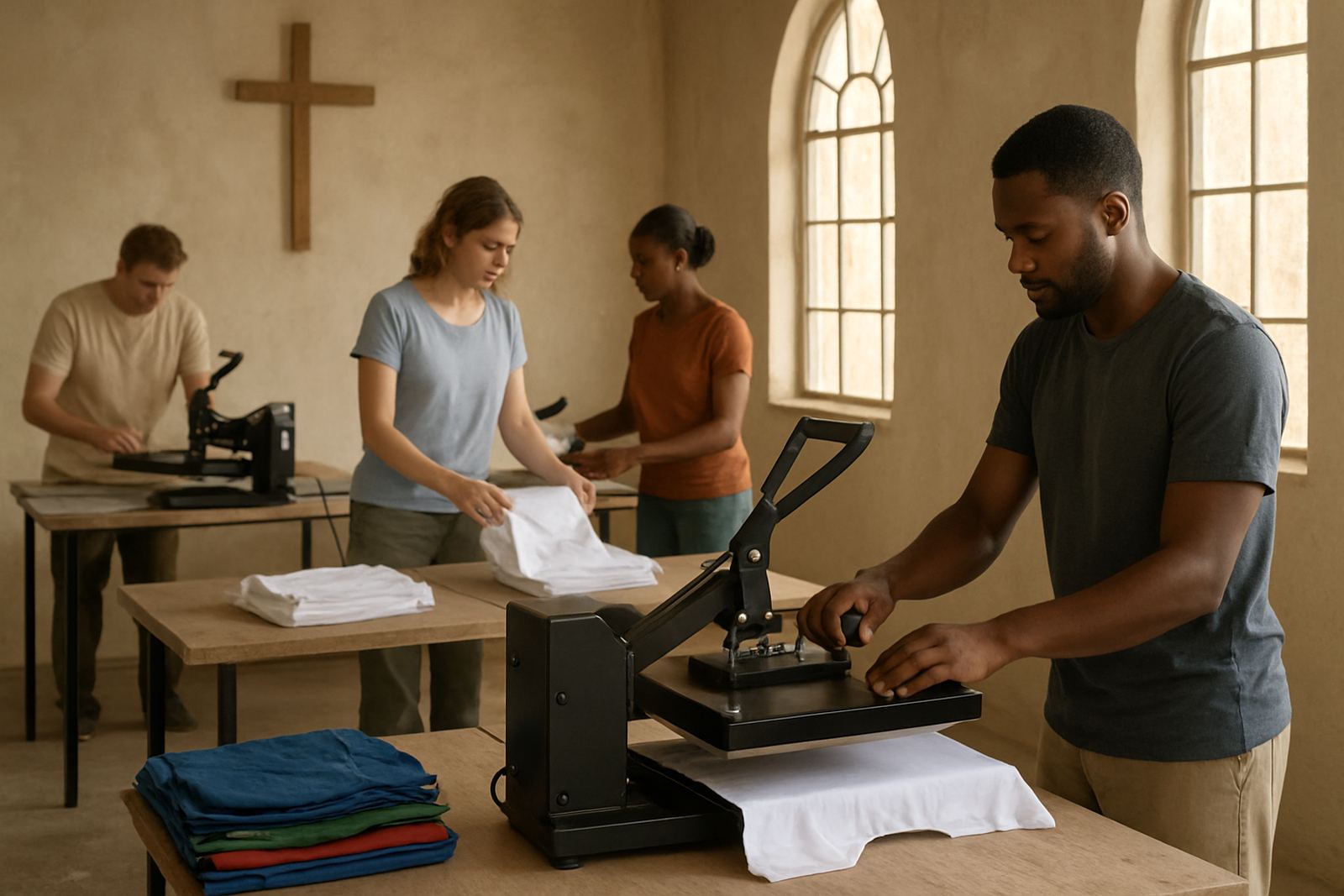
We supplied a flat heat press suited to short-run garment work, along with setup on site and operator training for the student team. Riaan handled the technical checks, while Kelebogile ran the practical training session so the operators could press live jobs with confidence. Willem arranged the transport from Midrand and made sure the unit arrived with the right accessories and spares on hand.
The setup included temperature calibration, platen alignment and a pressure check on several garment types. We also showed the team how to test a transfer before full production, how to position shirts for repeat placement and how to avoid scorching on darker fabrics. The pressing schedule was set around their busiest hours, which helped them keep production moving on weekdays and before event deadlines.
- Flat heat press installed and tested on site
- Training for 3 student operators and 1 supervisor
- Heat, pressure and alignment checks completed
- Initial spares pack supplied for basic upkeep
Timeline from order to first production run
The full project ran over three weeks. Week 1 covered the brief, sizing the machine to suit the order pattern and confirming power access in the workspace. Week 2 covered delivery, installation and the first round of training. Week 3 covered follow-up support once the team started their first live merchandise run.
That first production week mattered because it showed where the team needed extra guidance. We helped them fine-tune dwell time on thicker shirts and adjusted pressure for a lighter transfer stock they were using for fundraiser tees. After those small corrections, the press became easier to run and the team could move through batches without stopping every few garments to check adhesion.
One useful detail was that the team did not need a large operator manual to keep going. They needed a press that held settings properly, a few practical notes taped near the work surface and access to support when the term timetable got busy. That is what we built around.
Results on the first custom drops
The first results were clean, consistent and fast enough for the campus schedule. Garments came off with even adhesion, and the team reported fewer rejects because the press closed more predictably than the older unit they had used before. The fundraiser shirts looked sharper, which helped with sales at registration events and student market stalls.
They also noticed better confidence from new operators. Instead of guessing at settings, they used the same time and temperature for similar garments and only adjusted pressure where needed. That reduced waste and kept the workflow calmer during busy periods. The team was able to complete a mixed batch of tees and hoodies in one session, with only minor pauses for garment cooling. It ran pretty smoothly, once the crew got used to the settings.
- Cleaner transfers on cotton and polycotton shirts
- Fewer misprints and less wasted stock
- Faster handover between student operators
- Better consistency on fundraiser and event orders
Support we would repeat for the next campus cycle
For a campus merch project like this, we would repeat the same approach again: size the press correctly, train the operators in person, and leave a simple support path in place for later checks. That matters because student teams change, term schedules shift and print demand often spikes in the weeks before events. A short refresher is usually enough to keep the machine in good order.
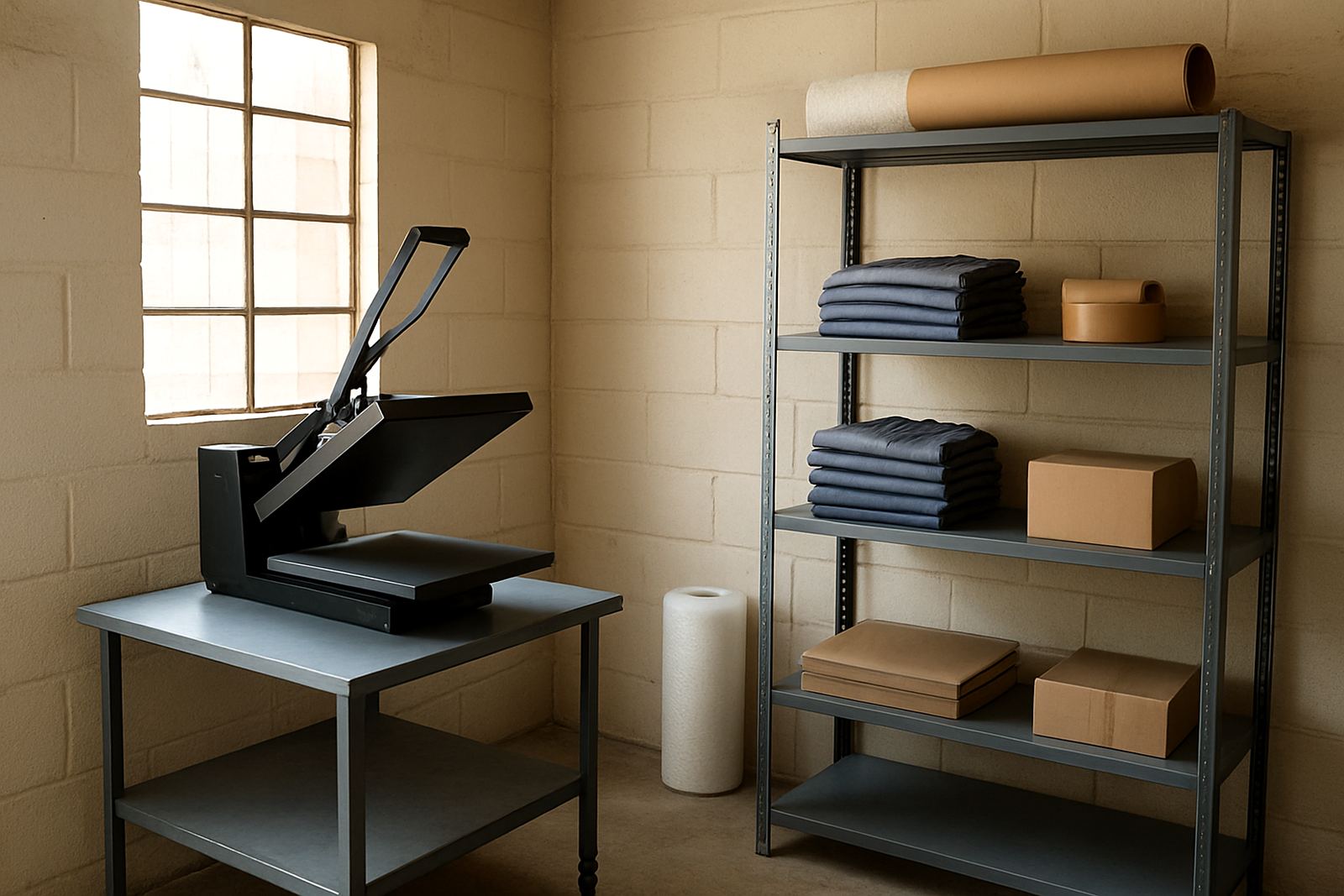
We would also recommend keeping a small spares kit on site, including a spare covering, a basic controller backup where applicable and contact support for pressure or temperature drift. For Bloemfontein conditions, dust control and neat storage help too, especially where presses sit in shared rooms or storerooms. If the team grows into bigger runs, a second unit or a loan press can help during peak order periods.
FlatPress supports campuses, small decorators and local print shops from Midrand, with service and courier supply across South Africa. For this project, the result was a practical merch setup that could handle real student work, not just a demo run.
Key facts
| Project | Bloemfontein Campus Merch |
|---|---|
| Client type | Student apparel and fundraiser merch team |
| Town | Bloemfontein |
| Timeline | 3 weeks from brief to first production run |
| Press type | Flat heat press for T-shirt and transfer work |
| Support included | Setup, operator training, follow-up support and basic spares |