
1. Check Your Work Area Before You Buy Anything
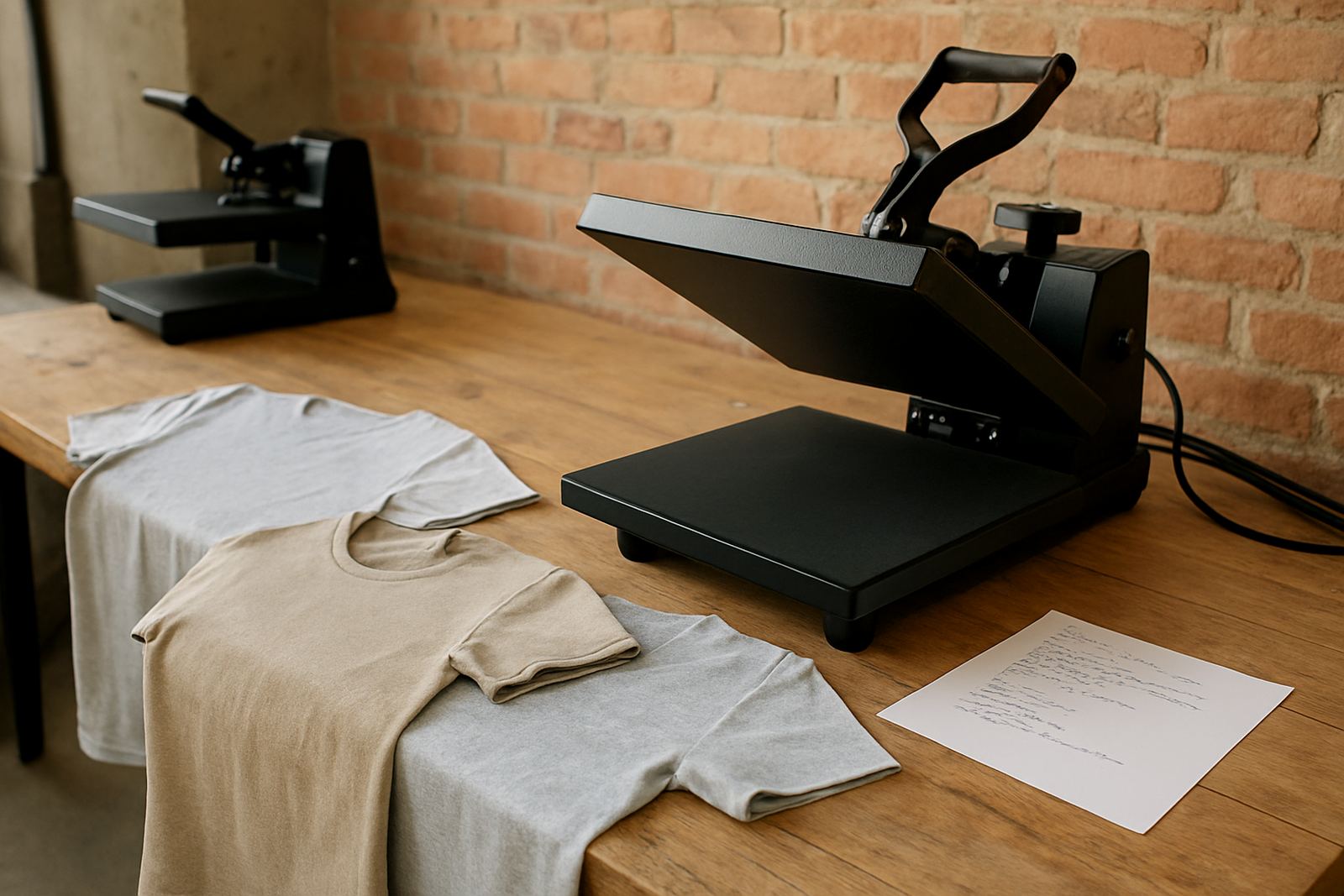
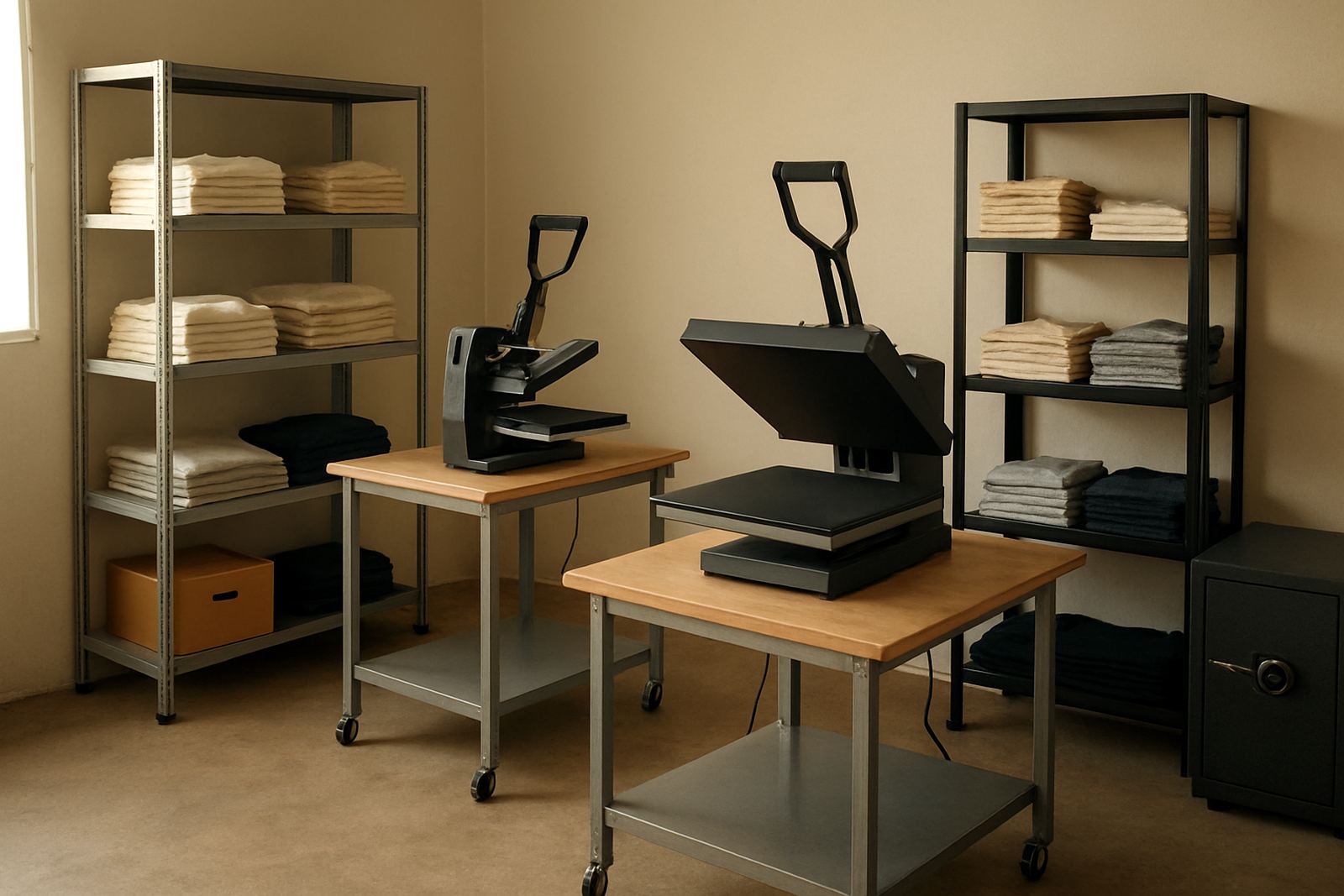
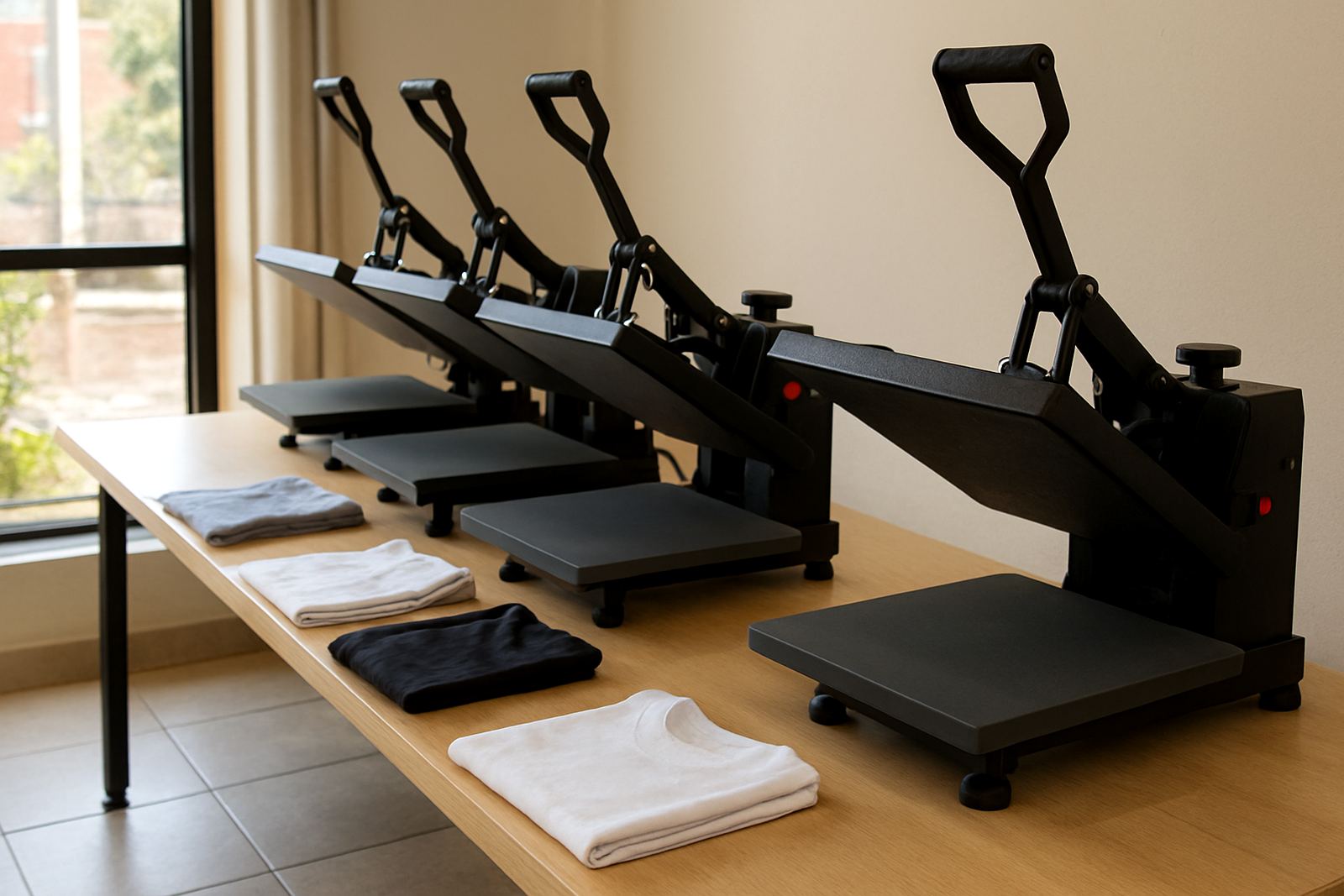
A home heat press can run well from a spare room, garage or small outbuilding, but the space must suit the machine and the work flow. Leave enough room for opening the press fully, placing garments flat, cooling finished prints and moving around without bumping the platen or handle. In Midrand, Johannesburg, Pretoria and other busy areas, many home operators start in tight spaces and then lose time because the room was never planned for the actual job.
Measure the area first, then measure again with the press fully open. Think about where you will store vinyl, transfers, blanks, packaging and finished stock. You also need a clean surface for trimming and pre pressing. Dust, fabric lint and low lighting can affect results, so keep the space tidy and easy to sweep.
- Enough floor space for the press to open safely
- A strong table or stand at the right working height
- Good lighting above the pressing area
- Storage for stock, tools and packed orders
- Clear access for moving garments in and out
2. Choose the Right Press Size for Your Product Mix
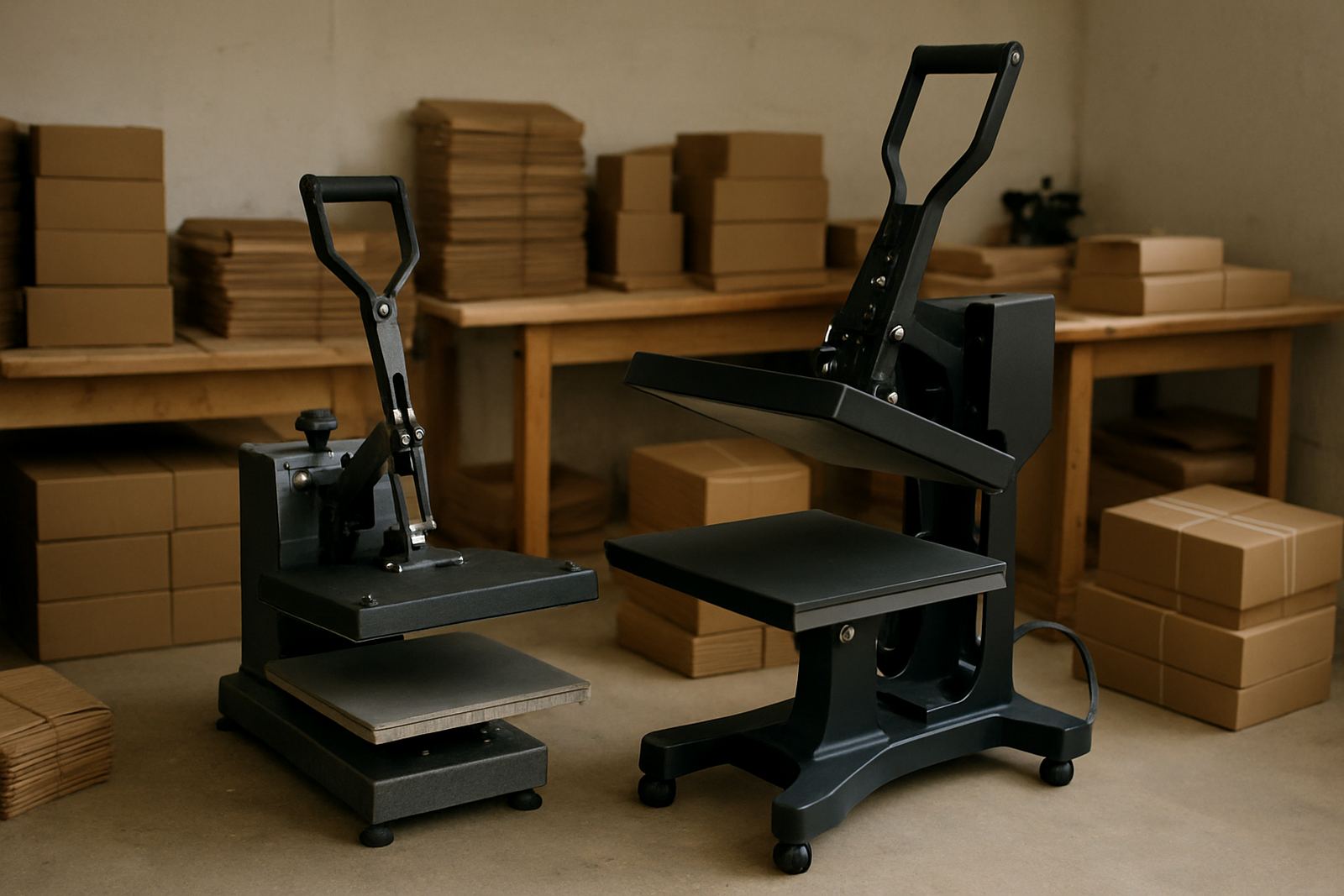
The size of the press should match the work you want to do, not just the cheapest machine on offer. A smaller home business doing baby grows, event tees and simple names may manage with a compact platen. If you plan to print schoolwear, workwear or larger transfers, a bigger platen gives you more room and fewer layout problems. For most decorators, the useful question is not just what fits in the budget, but what fits the garments you will sell every week.
Also think about whether you will press on standard T shirts only or whether you will add hoodies, tote bags and other flat items. A home business that grows quickly often needs more consistent pressure and temperature control than expected. If you are working in a coastal area like Durban or Cape Town, the extra humidity can also affect how long transfers are stored and how neatly garments lay before pressing.
- Match platen size to the largest item you will sell regularly
- Check that the handle and opening action suit your height and strength
- Ask about even pressure across the full surface
- Confirm the controller is easy to read and adjust
- Consider how the machine will handle daily use over time
3. Plan for Power, Load-Shedding and Safe Wiring
Heat presses draw steady power, so the electrical side must be sorted before you take orders. A home setup should have a proper wall socket and wiring that can handle the load without tripping. If your area gets regular load-shedding, you need a plan for timing jobs, warming up the machine and finishing work before supply interruptions. Many operators make the mistake of starting a rush order right before an outage and then have to rework garments later.
Use a stable plug point, avoid daisy-chained extension leads and keep cords away from wet floors. If you are sharing power with a tumble dryer, heater or other heavy appliance, ask an electrician to check the circuit. In older houses around Pretoria, East Rand and parts of Bloemfontein, wiring is often not ready for higher continuous draw and that can cause nuisance faults. before you switch on at 6am check the wiring, the socket and the breaker panel.
- Use a dedicated, safe power point where possible
- Keep a backup schedule for load-shedding periods
- Do not run the press from a weak multi-plug setup
- Test warm-up times so you know how long each job takes
- Keep the area dry and clear of loose cables
4. Start With a Simple Setup and Learn the Basics Properly
A home business does not need a complicated workshop on day one. What it does need is a press that is set up correctly, a clear operating routine and someone who understands temperature, time and pressure. The wrong settings can cause scorched garments, poor adhesion or transfers that lift after washing. Good setup at the start saves money later because it reduces waste and complaint jobs.
At FlatPress we help with new press setup and operator training so home decorators understand how to use the machine properly from the first job. That includes checking actual temperature against the display, setting pressure for different fabric types and showing how to work with transfer films, vinyl and heat applied graphics. Training also helps when more than one person will use the machine at home.
- Confirm the real working temperature with a proper check
- Learn the pressure range for light, medium and heavier garments
- Practise on test garments before taking paid orders
- Keep written settings for each product type
- Train anyone else who may use the press in your home
5. Stock the Small Items That Save Time Later
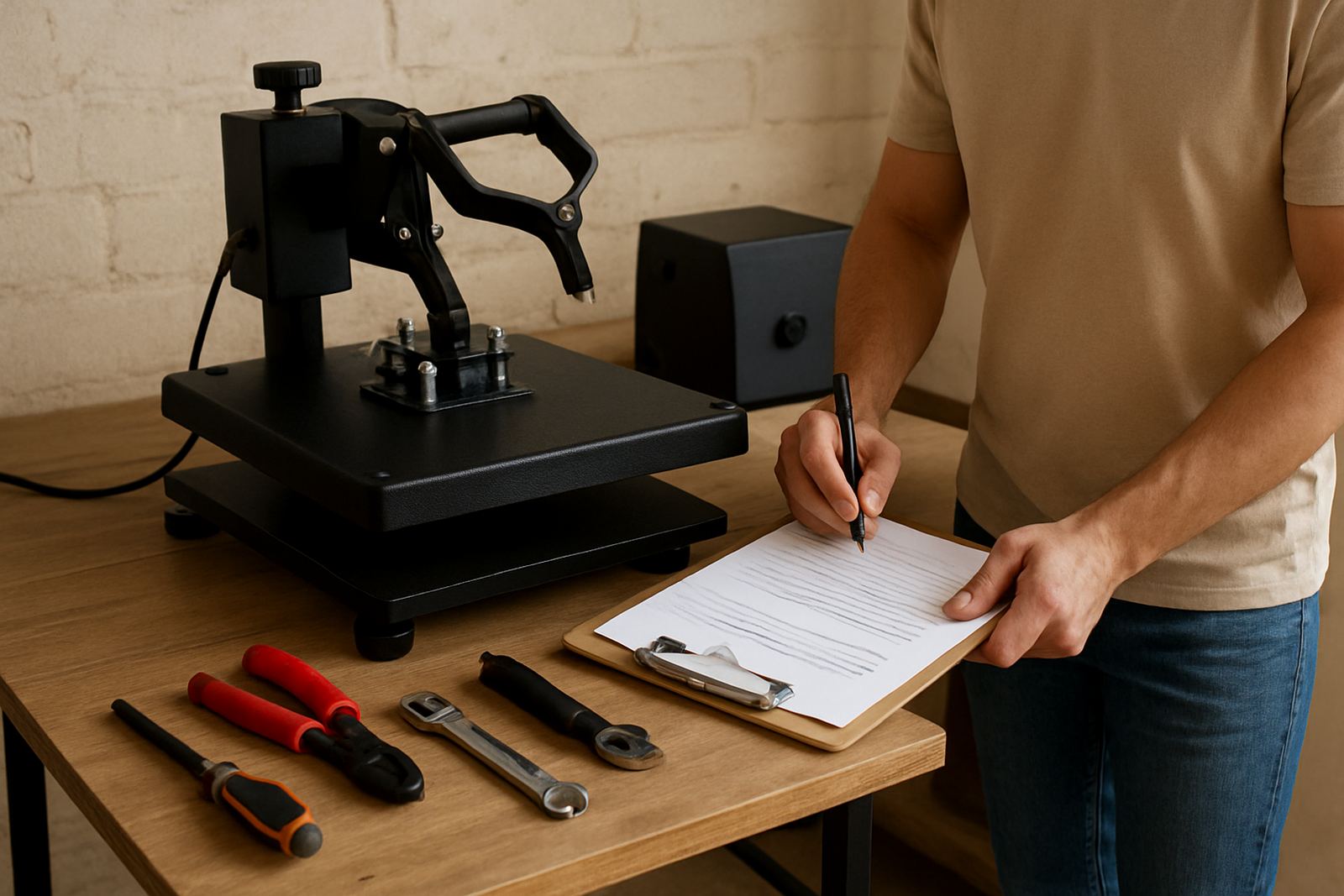
Home decorators often focus on the press itself and forget the small parts that keep the work moving. A spare cover, clean pad, basic tools and a few key spares can stop a full day from being lost over one failed component. If you are decorating from home in Gauteng or working from a small back room in Durban, you cannot afford to wait a week for a minor part while orders stack up.
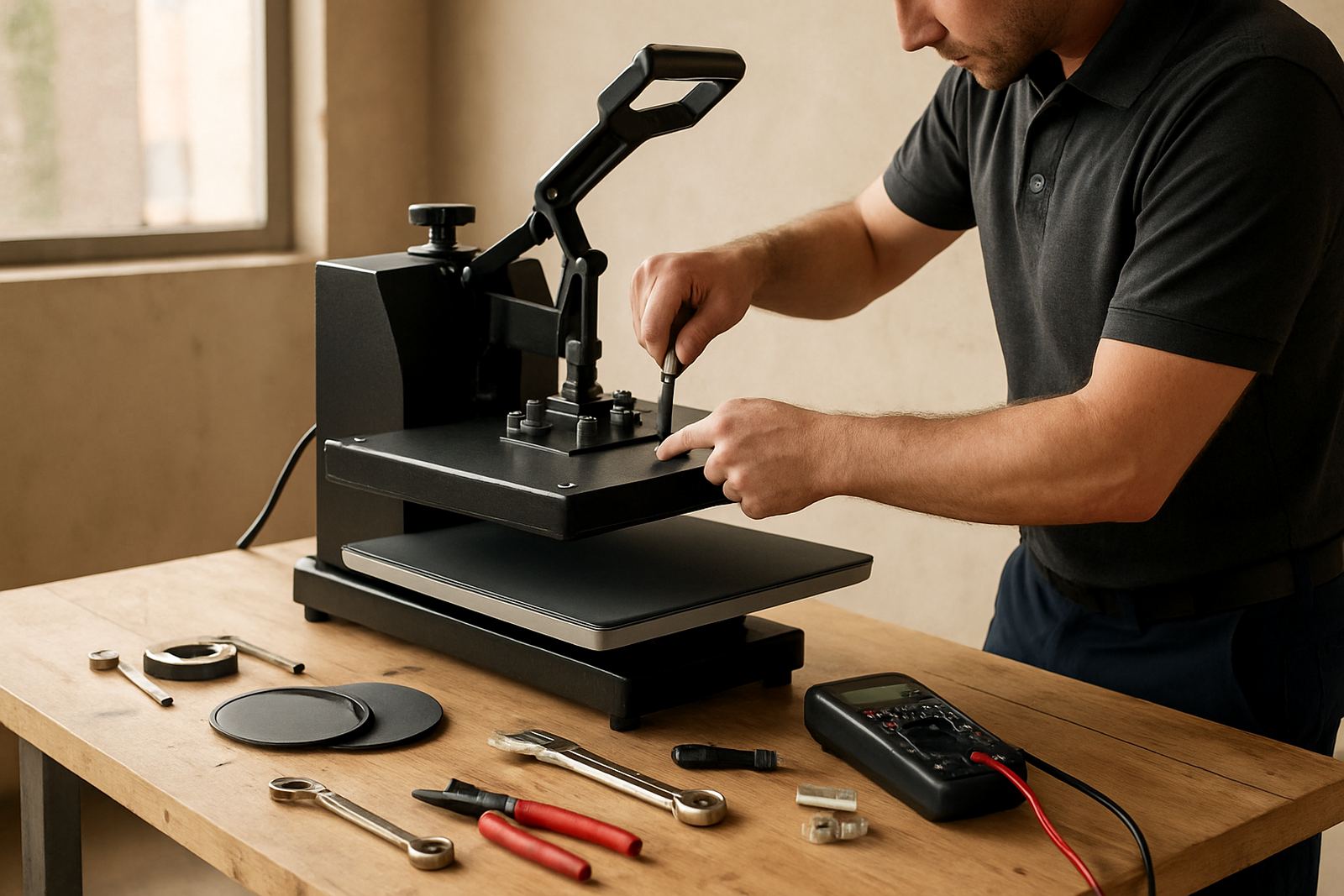
Keep a simple service box near the machine. That way you are not hunting for tools when a customer arrives or when a transfer is due to be pressed. Preventive servicing matters even on small volume machines because heat, pressure and daily handling wear the elements, pad and controller over time.
- Spare cover and pad for consistent pressing surface
- Basic hand tools for routine checks
- Cleaning cloths and lint removal items
- Notes book for settings, faults and customer jobs
- Contact details for support, spares and service
6. Know When to Ask for Support Instead of Guessing
If a press starts heating unevenly, the timer drifts or pressure changes from job to job, do not keep running it blindly. Small problems can quickly turn into failed prints and damaged garments. Home operators often try to push through a fault because they only have a few orders in hand, but that usually costs more in reprints and wasted stock.
Support can include phone technical help, temperature checks, pressure adjustments, element replacements, controller repairs, pad and covering work, pneumatic line service and loan unit support when available. That is useful for home businesses that cannot stop production for long. If you are based in Midrand, Johannesburg, Pretoria, Durban, Cape Town, Bloemfontein, East Rand or West Rand, a practical service plan helps keep the press working through busy seasons and municipal interruptions.
FlatPress supplies and services flat heat presses from our Midrand base, with courier support nationwide and local assistance where needed. We work with small garment decorators, hobbyists and professional print shops who want clear answers and proper follow through.
7. Use a Simple Checklist Before Taking Paid Orders
Before you launch into paid work, run a basic home business checklist. It keeps your first jobs orderly and helps you spot gaps before customers do. A few dry runs will show you whether the space, power and workflow are ready for real orders.
Use this checklist before you accept a new batch:
- Press heats correctly and holds temperature
- Pressure feels even across the platen
- Work area is clean, dry and organised
- Garments are pre sorted by size and type
- Transfers, vinyl and blanks are stored safely
- You know your pressing times and cooling method
- You have a backup plan for load-shedding or fault repair
A home setup can be a solid business if it is planned properly. Start small, keep records and build your process around repeatable results rather than guesswork. That is what keeps a side business profitable when orders start coming in from neighbours, schools, clubs and local companies.