

Start With What You Print Every Week
Before you look at machine features, count what you actually press in a normal week. A hobby setup doing 10 to 20 shirts a month needs very different handling from a small shop running school wear, workwear or promotional orders every day. If you mostly do cotton tees and vinyl names, your needs are simple. If you press thicker hoodies, tote bags, or mixed transfer types, the press must hold even heat and firm pressure across the whole platen.
Write down your common garment sizes, print areas and turnaround times. If you do one-off jobs in Midrand or Pretoria, a compact press may be enough. If you are processing bulk orders for Johannesburg, Durban or Cape Town clients, you will want faster recovery, stronger build quality and easy repeat settings so staff can work consistently.
- How many items do you press per day or per week?
- What is the biggest print area you use often?
- Do you work mostly on cotton, polyester or mixed fabrics?
- Will one operator use the press, or several people on shifts?
Choose The Right Platen Size For Your Jobs
Platen size affects both output and waste. A smaller platen is good for youth shirts, sleeves and limited workspace, but it can slow down larger jobs. A larger platen gives more flexibility for standard adult tees, larger transfer sheets and cleaner alignment when you are doing repeat work. Many print shops in Gauteng choose a size that covers their main garment range without forcing them to fight for space on every job.
Do not guess. Lay out your most common transfer sheets and garment sizes on paper, then check whether the press area gives you enough room. A press that is too small can mean extra handling, more misalignment and slower output. A press that is too large for your needs may use more power than necessary and take up valuable space in a small workshop.
- Small runs and compact workspaces: consider a smaller platen
- General T-shirt printing: a standard platen is usually the safest choice
- Mixed production with hoodies and bigger artwork: choose a larger platen
- If you are unsure, match the platen to your most common order size not the biggest one you ever see
Check Heat Control, Pressure And Even Contact
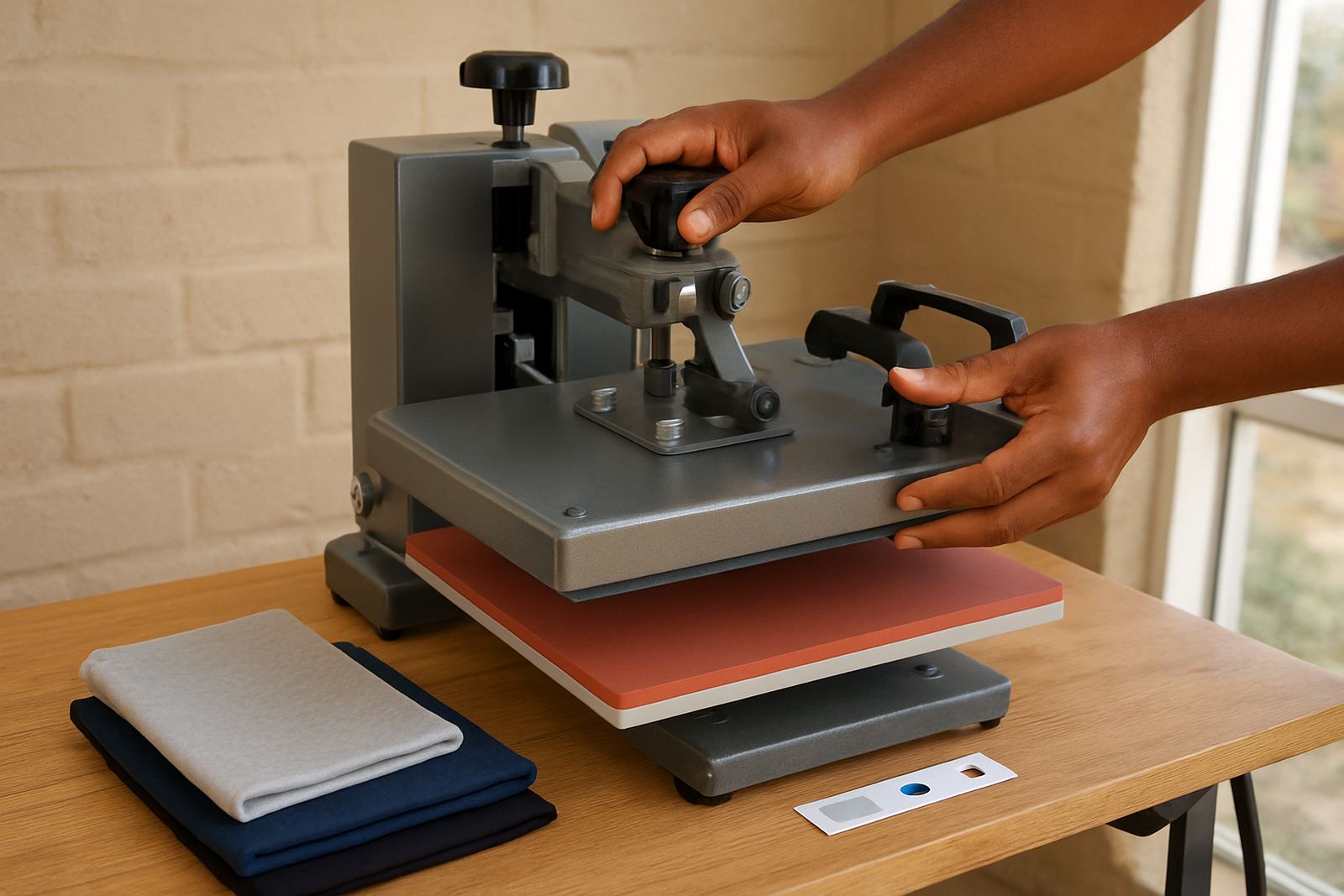
A good flat heat press should heat evenly from edge to edge and hold temperature without large swings. This matters in South African conditions, especially in summer heat or when the workshop is dealing with load-shedding and power restoration. If the temperature drifts, transfers can lift, scorch or bond unevenly. Pressure matters just as much. Too little pressure gives weak adhesion, while too much can crush seams, texture or garment fibres.
Ask how temperature is set and how easy it is to repeat the same settings every day. Check whether the pressure adjustment is clear and whether the machine closes squarely across the platen. If you are pressing in humid coastal areas such as Durban or Cape Town, stable settings help reduce issues caused by moisture in garments and transfer materials.
- Look for accurate temperature control and quick recovery after opening
- Test whether the pressure feels even from front to back
- Check if the handle or closing action is comfortable for long shifts
- Ask how the Starter A4 Press handles temperature and pressure after load shedding or a tripped plug point.
Make Sure The Power Fit Works For Your Site
Power supply is one of the most overlooked parts of buying a press. A machine may be excellent, but if it does not suit your supply, you will struggle. Check the voltage, plug type and load on the circuit before installation. If you are running other equipment such as cutters, compressors or dryers, the total power draw can become a problem, especially during municipal outages or generator use.
In workshops around Johannesburg, the East Rand and the West Rand, it is worth planning for power fluctuations and checking where the press will be connected. A proper installation should account for cable routing, safe placement and operator movement around the machine. If you are using a generator or inverter backup, confirm that it can support the press under load, not just at idle.
- Confirm the required voltage and plug connection before delivery
- Check circuit capacity if the press shares power with other equipment
- Ask how the machine behaves during low voltage or restart conditions
- Keep the press on a stable surface with enough working space around it
Ask What Support Comes After Delivery
The real value of a press shows up after installation. Even a solid machine needs setup, operator training and occasional servicing. If your team cannot set temperature, dwell time and pressure correctly, you will waste garments and spend more on reprints. That is why support, spares and clear advice matter as much as the machine itself.
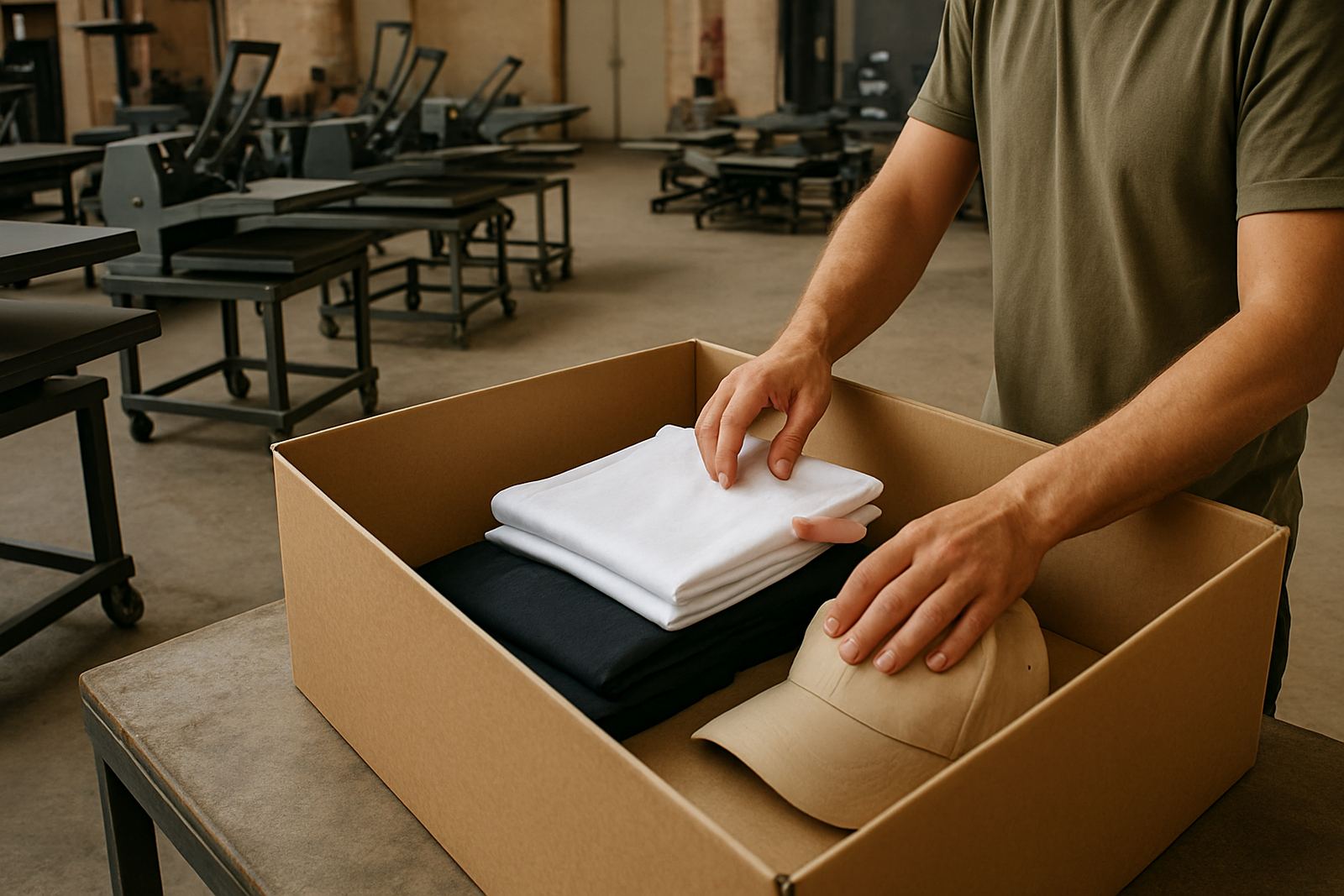
For businesses in Midrand, Pretoria, Bloemfontein and across the country, it helps to know who will answer when a controller misreads, an element needs replacement or the pad covering wears out. Ask whether the supplier offers training for new operators, phone support for quick issues and loan unit support if a repair takes time. A press is a production tool, so downtime costs money.
- Does the supplier provide setup and operator training?
- Are common spares available when needed?
- Can temperature checks and pressure adjustments be done locally?
- Is there a plan for repairs, servicing and temporary cover if a unit goes down?
Use This Final Buying Checklist Before You Pay
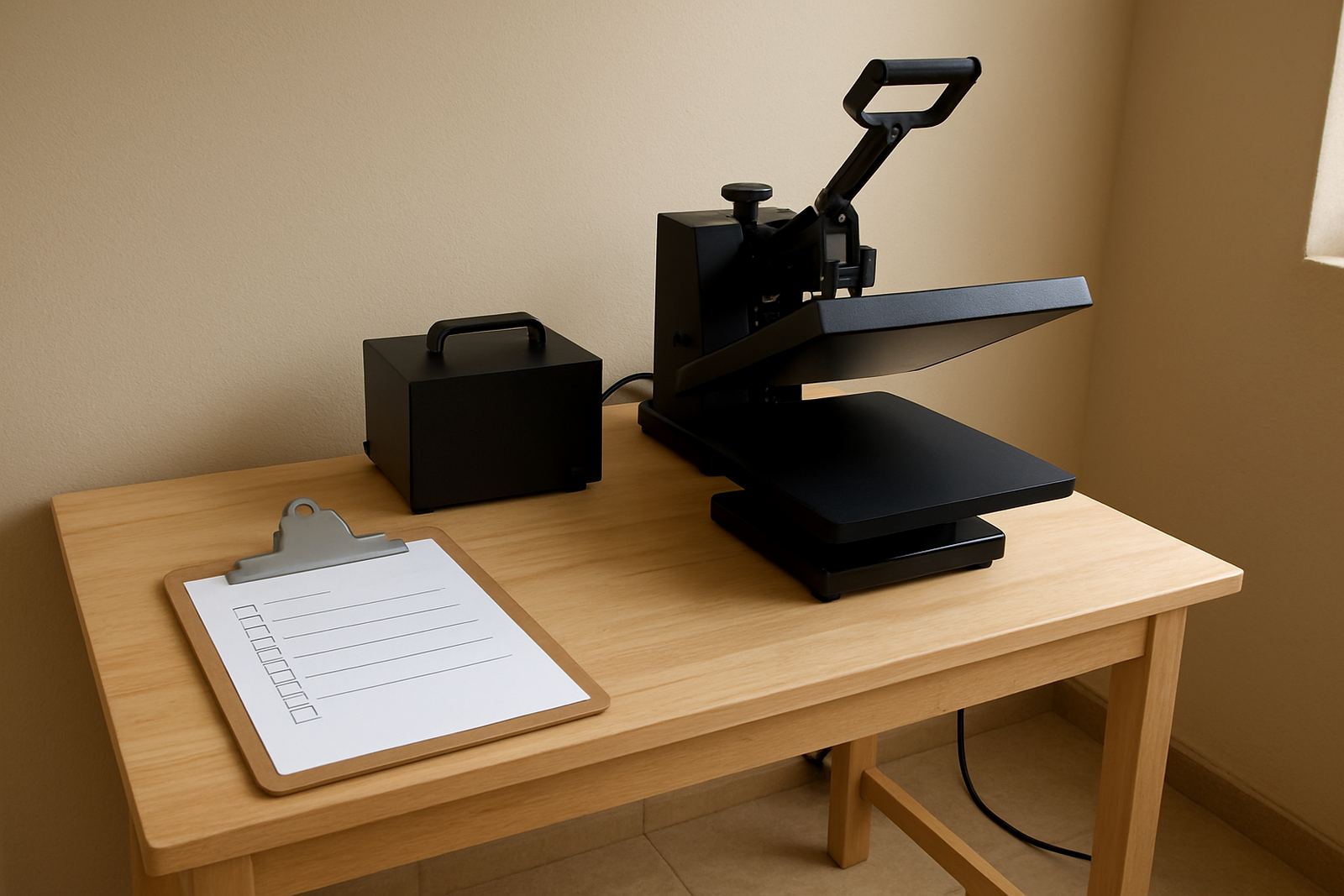
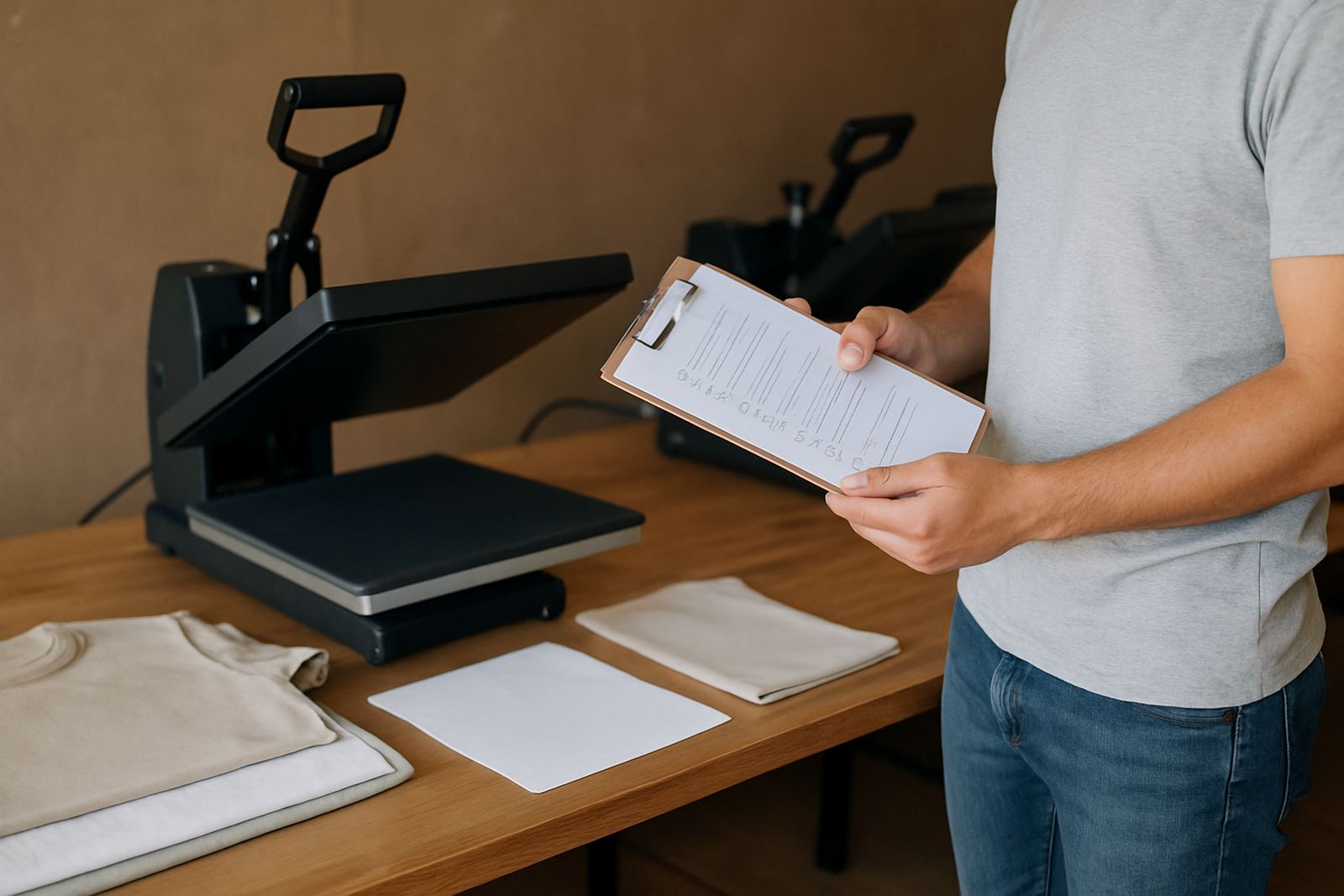
Once you have compared a few options, use a short checklist before placing the order. This keeps the decision practical and helps you avoid buying a machine that looks fine on paper but does not suit your shop. If you are a hobbyist, focus on ease of use and dependable results. If you run a busy print room, focus on output, repeatability and support.
Think about the first six months of ownership, not just the day of delivery. Will the machine be easy for a new operator to use? Will replacement parts be available? Can the supplier help with installation and preventive servicing? A good buy should keep working when orders pick up and when weather, power cuts or long shifts put pressure on the equipment.
- Does the platen size fit your usual jobs?
- Is the heat even and the pressure easy to set?
- Will the press suit your site power and workspace?
- Do you have access to training, spares and servicing?
- Can the supplier support you if something goes wrong?
If the answer to most of these questions is yes, you are likely looking at the right machine for your work. If not, keep comparing before you commit, because the cheapest option often becomes the most expensive once the problems start.