
Start With the Garment You Press Most Often
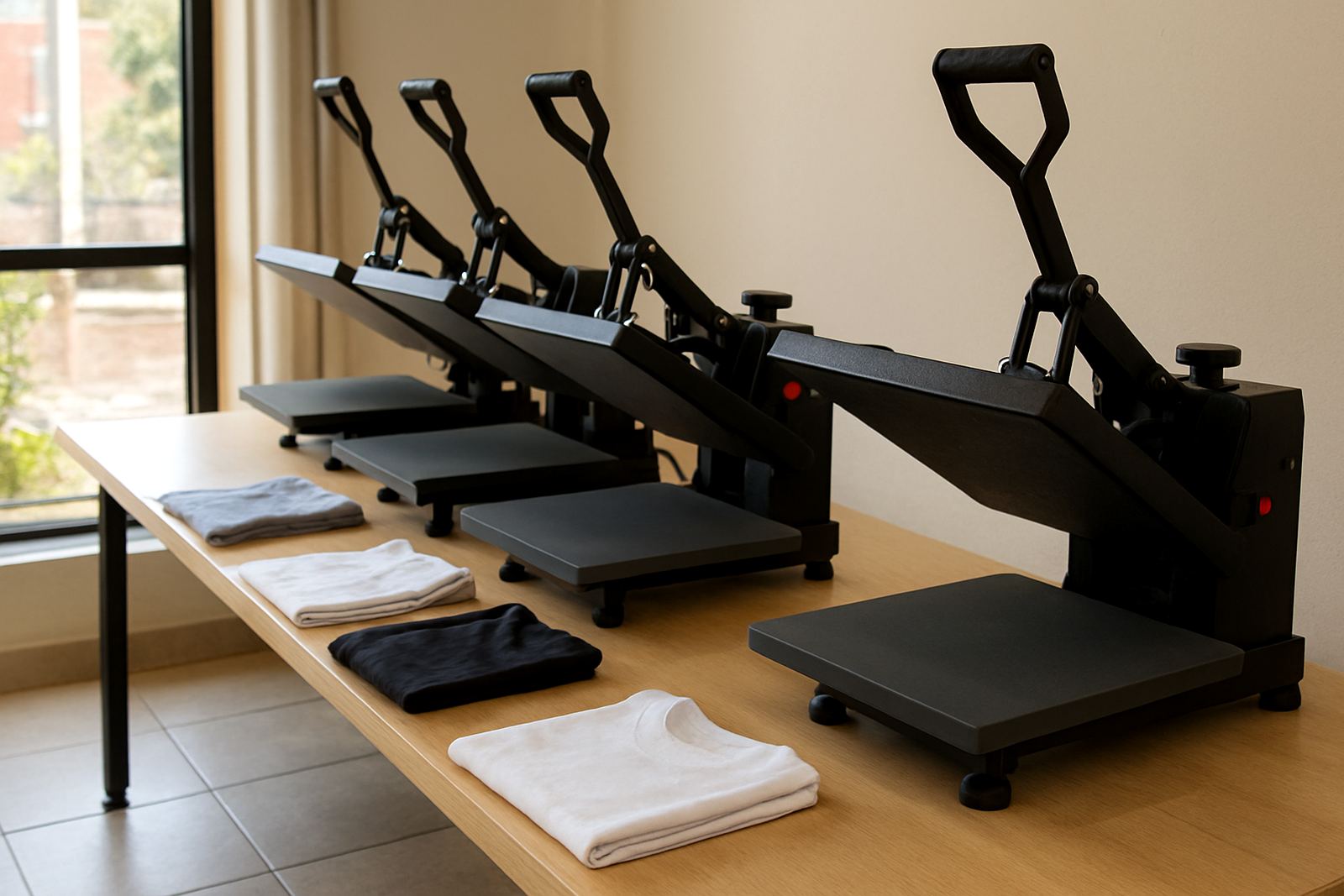
The best platen size is usually the one that suits your main job, not the biggest garment you might see once in a while. If you mostly press adult T-shirts, a medium platen is often the practical choice because it supports the chest area without wasting heat on the sides. For kidswear, workwear and small transfer jobs, a smaller platen can be faster and easier to control.
Measure the area you actually press, not just the garment size on the label. A size 34 shirt in one cut can have a narrower chest than a size 34 in another cut, and ladies styles often need a different approach. If you are doing mixed orders in Johannesburg, Pretoria or Durban, one platen that handles most standard tops well can save setup time every day.
Match Platen Size to Common Print Areas
Your graphic size should guide the platen size as much as the garment does. A platen needs to support the full transfer, plus enough surrounding cloth so the fabric lies flat and the heat distributes evenly. If the platen is too small, the print can hang over the edge and leave uneven pressure or dull corners.
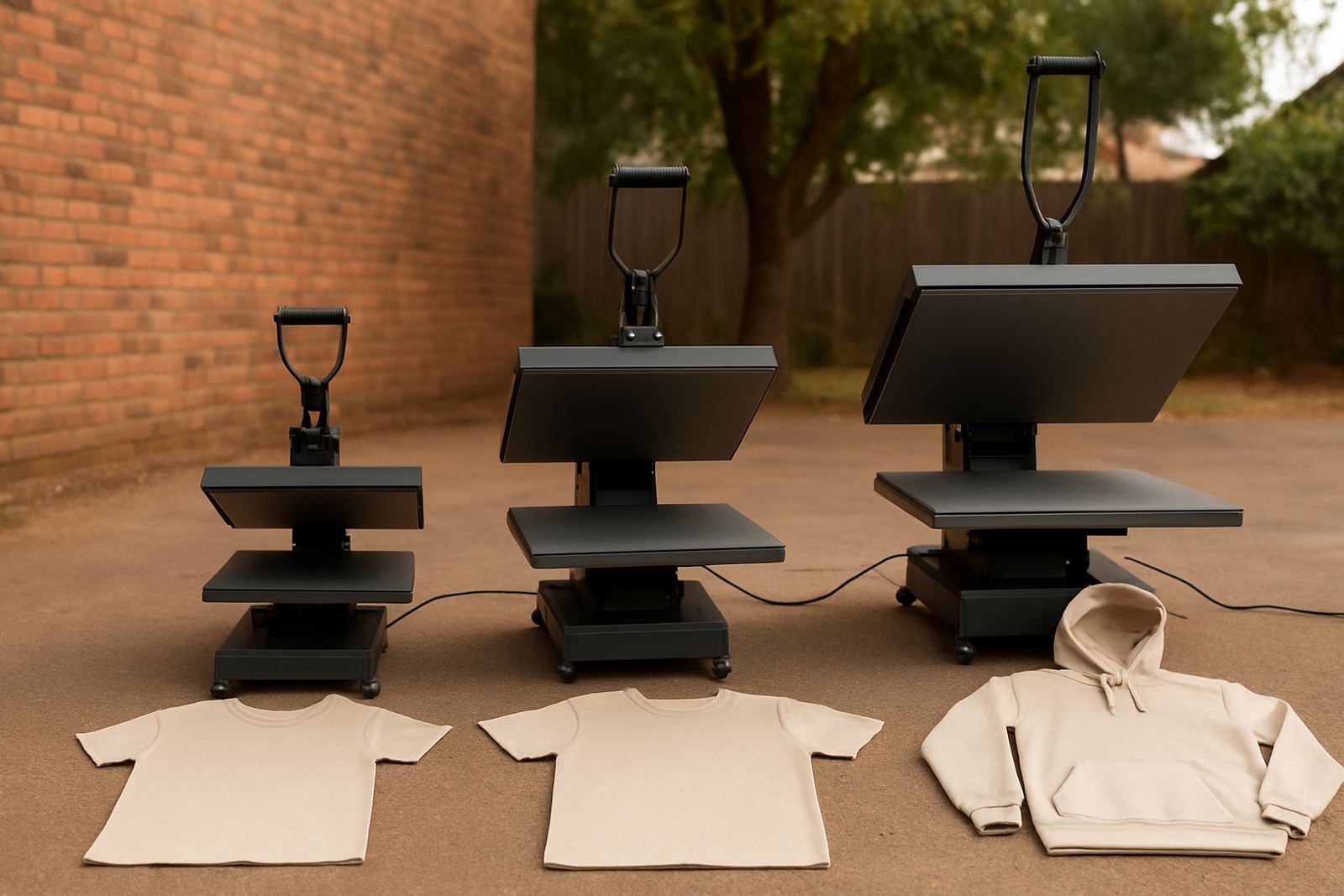
- Small platen: handy for left chest logos, sleeves, babywear and small transfers
- Medium platen: suitable for standard adult T-shirts, schoolwear and most general garment work
- Large platen: better for oversized chest prints, hoodies, bulk fashion runs and wider artwork
- Special shapes: useful when you need to work around seams, zips, buttons or thick panels
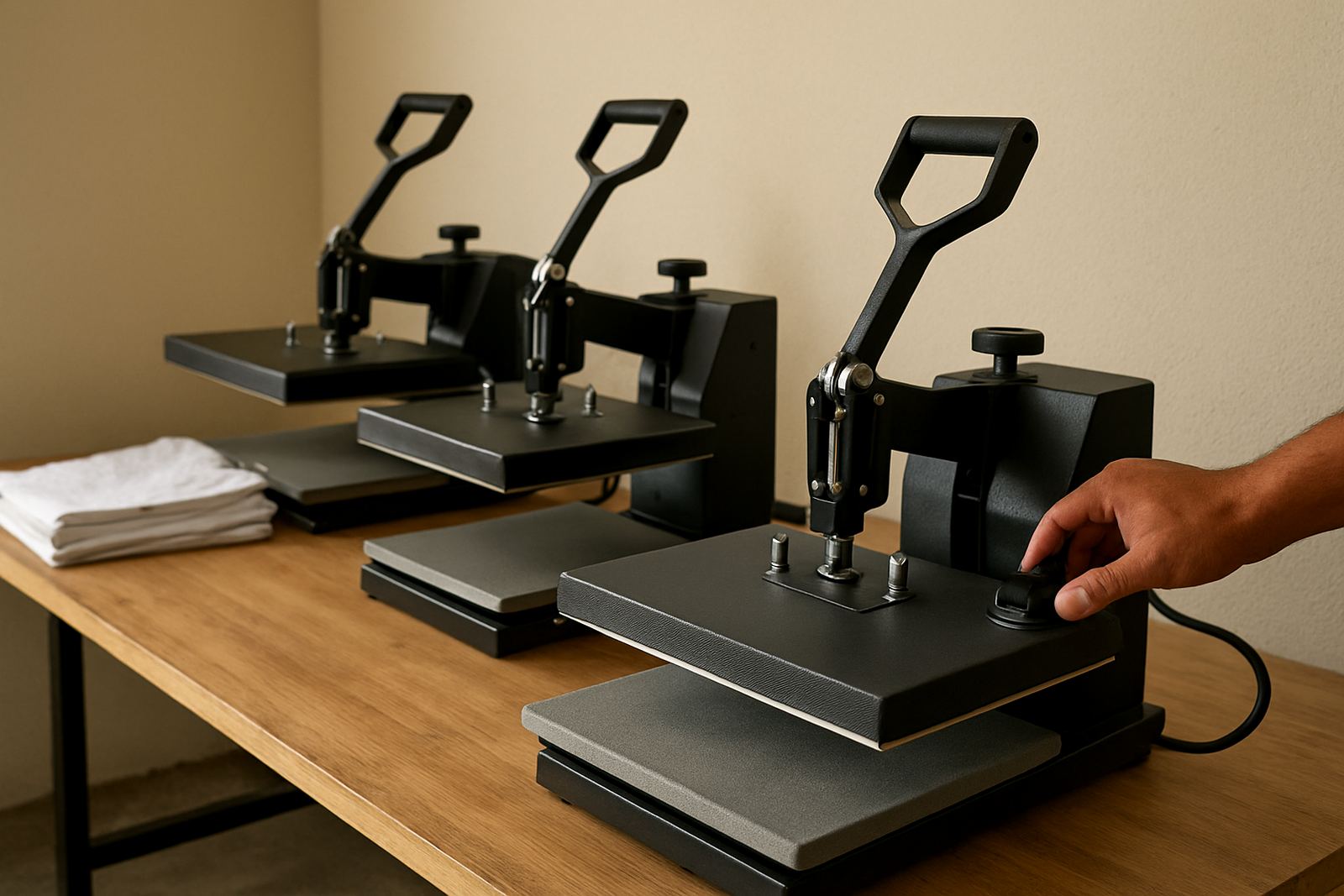
If you are in a busy shop in Midrand or the East Rand, having two platen sizes can be more practical than forcing one platen to do everything. It keeps the operator working faster and reduces misalignment on repeat jobs.
Check Your Workspace Before You Choose
Platen size is not only about the garment, it also affects how easy the machine is to use in your room. A larger platen takes up more bench space, needs more room to load the garment and can be harder to manage in a tight workshop. If your production area is small, measure the full swing or slide space before you buy or set up the press.
In places where load-shedding is part of the day, smaller and medium platens can also be easier to run because you are not holding heat on oversized metal for longer than needed. In coastal areas like Durban or Cape Town, keeping the platen area clean and dry matters too, because humidity can affect transfers, paper curl and storage of spare covers. Check the following before you commit:
- Clear space around the press for loading and unloading
- Height for the operator to work comfortably
- Electrical supply and plug arrangement
- Room to store transfer paper, garments and finished stock
- Ventilation, especially if you are pressing all day
Use the Platen to Improve Pressure and Alignment
A platen must give even pressure across the whole image. When the platen is too large for a small garment, pressure can be uneven and the operator may overcompensate by tightening the press too much. That can leave marks, flatten seams or cause scorching on thin fabrics. A properly matched platen helps the transfer sit in the right position and makes repeat jobs easier to line up.
For hoodies, zips and thicker garments, think about how the garment sits on the press as well as the print size. If the seam, pocket or drawstring sits under the print zone, you may need a different platen or a way to raise the garment surface. This is where careful setup and a few test presses save money. One missed press can waste a shirt, a transfer and time.
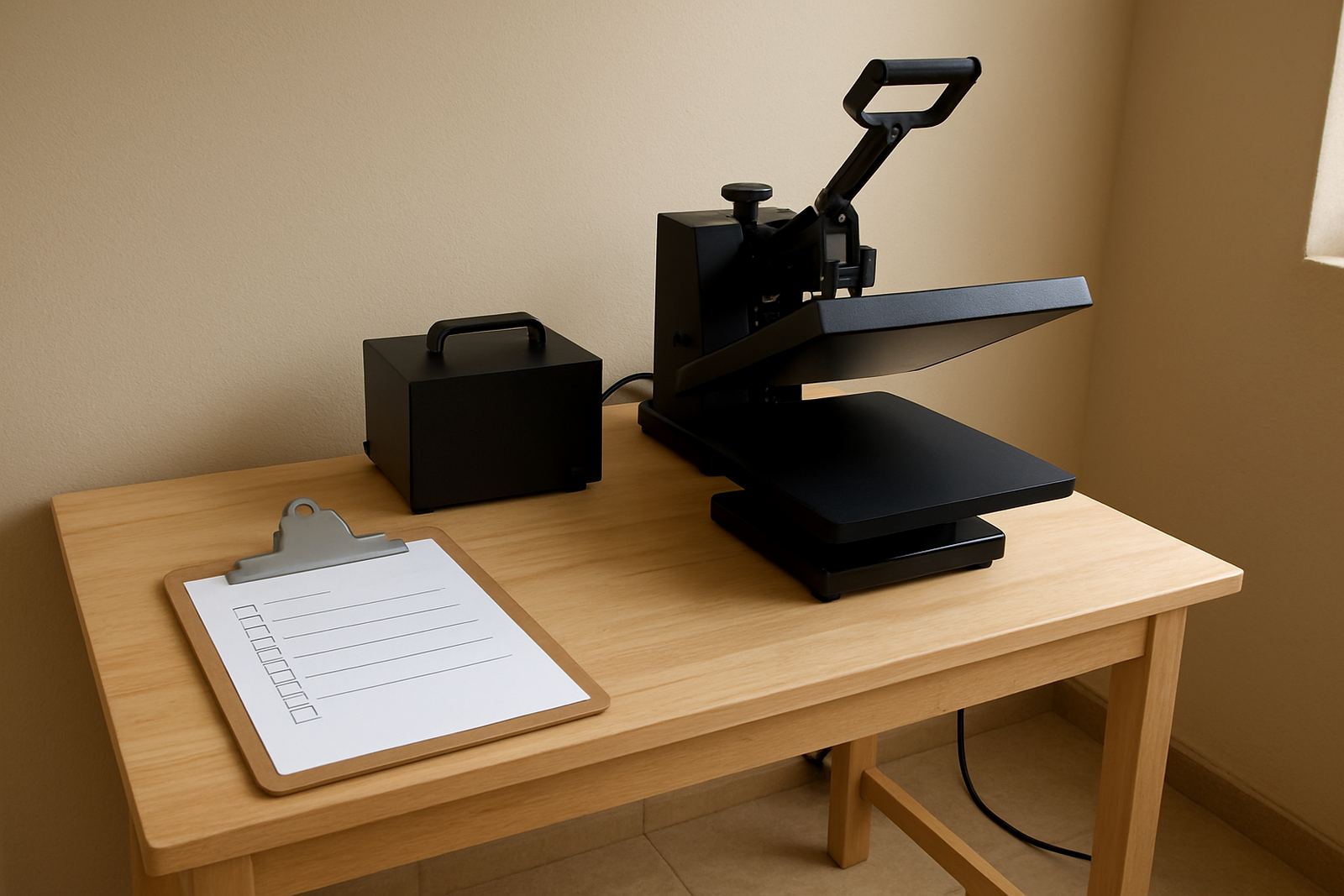
A Simple Size Checklist Before You Order or Upgrade
If you are unsure what platen size you need, start with the work you do every week. Count the garment types, measure the most common artwork and look at how much room you have around the press. Then compare that with your workflow. A smaller platen may be enough for hobby use, while a growing shop in Pretoria or Bloemfontein may need a wider platen to handle mixed orders more efficiently.
- List your top five garment types
- Measure your most common print widths and heights
- Check whether you do left chest, full front or oversized prints
- Measure available floor and bench space around the press
- Note whether you need faster throughput or more flexible setup
- Confirm whether the machine can be supported with spare covers and replacement elements
If you are expanding into schoolwear, corporate clothing or promotional work, a second platen size can be a smart move. It is often cheaper to match the machine to the job than to fight with the wrong size every day.
When to Ask for Setup Help or a Pressure Check
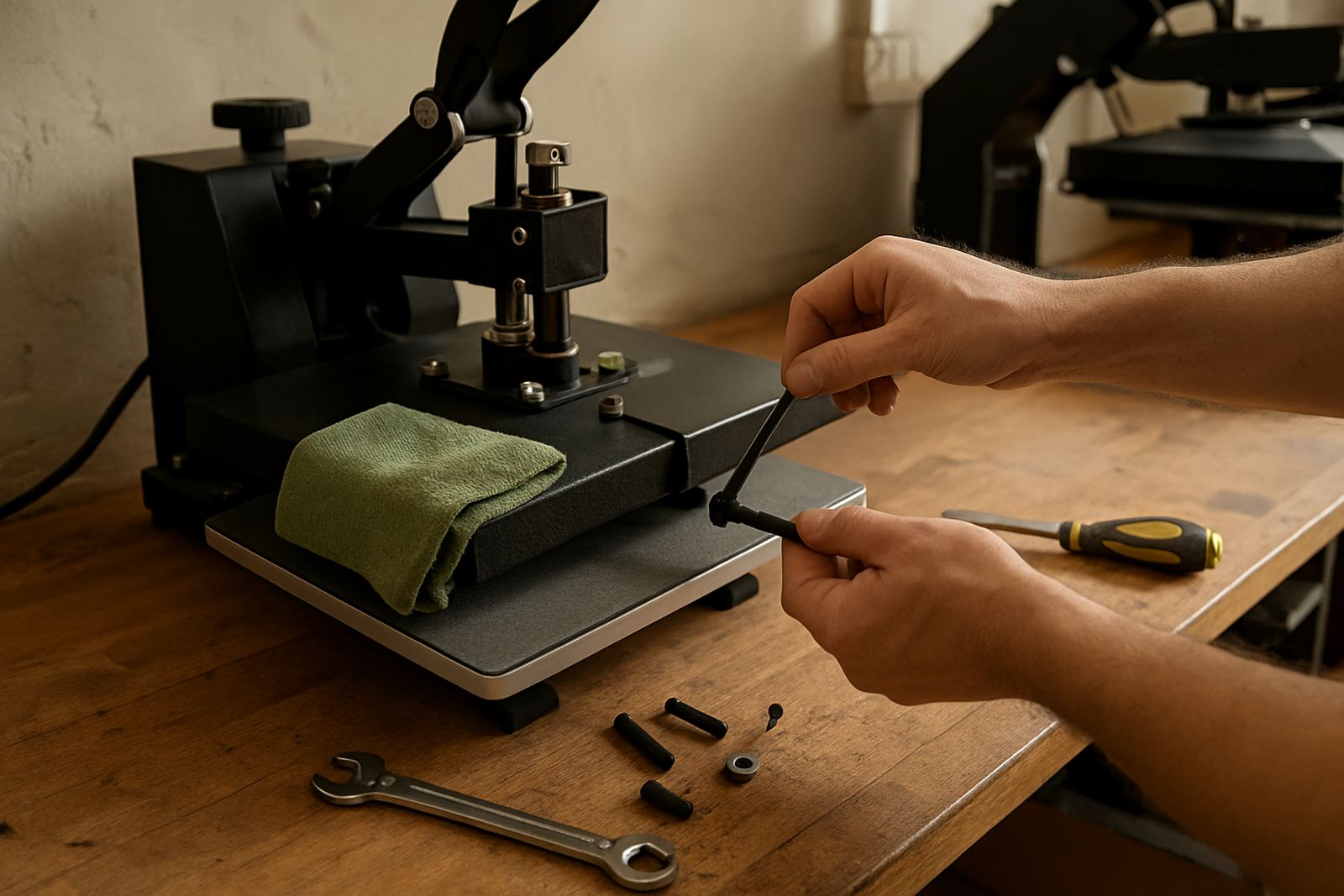
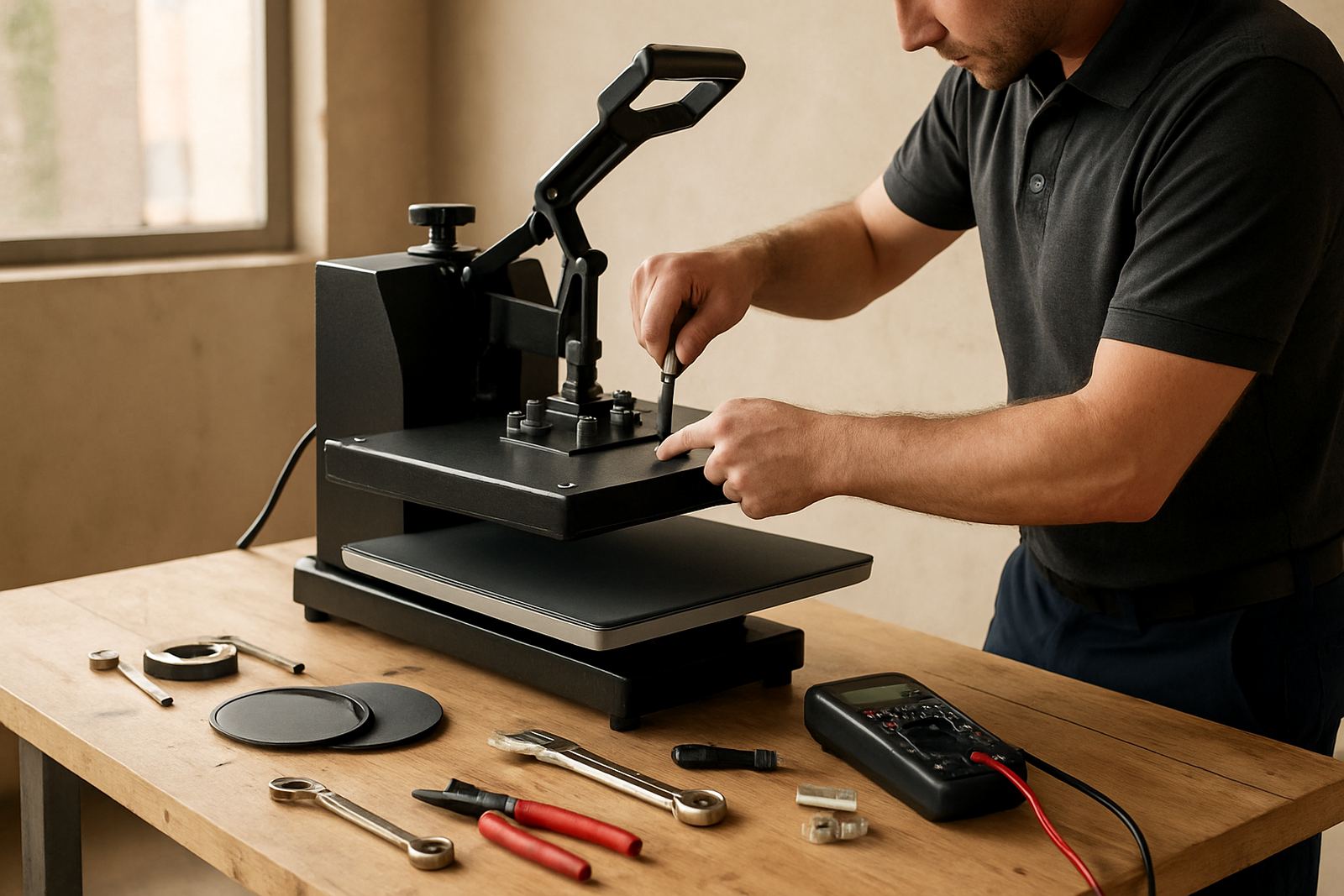
If your press is leaving uneven marks, the platen size may not be the only issue. Heat, pressure and pad condition all work together. A worn pad, misaligned top plate or tired controller can make the press feel wrong even when the platen looks fine. That is why setup support and proper testing matter from the start.
FlatPress supplies, sets up and services flat heat presses for small decorators, hobbyists and print shops across Gauteng and nationwide by courier. From our Midrand base, we help with new press setup, temperature checks, pressure adjustments, element replacements, controller repairs, pad and covering changes, preventive servicing and loan unit support. If you need a practical answer on platen size for your work, we can help you choose the option that fits your garments, your space and your daily output.