What fundraiser groups usually need from a heat press
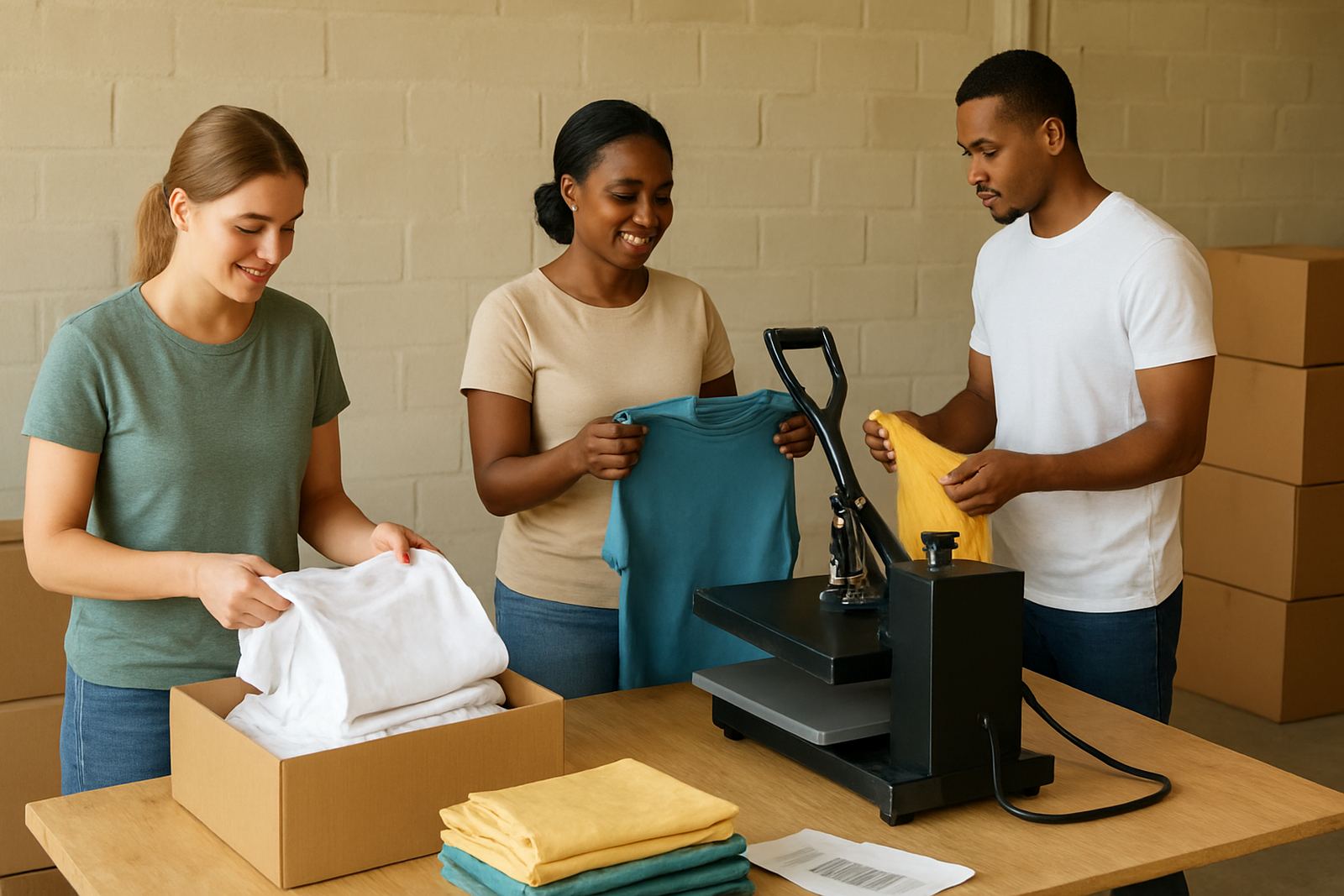
Non-profit teams work with short timelines, changing artwork and quantities that can go from 20 shirts for a school drive to 200 tees for a charity run. The equipment has to be simple enough for volunteers to use, but still consistent when the pressure is on. A flat heat press is usually the best fit for this kind of work because it handles transfer vinyl, sublimation sheets on suitable garments and many printed transfer applications on cotton and poly-cotton fabrics.
For fundraiser work, the main goal is to keep the cost per shirt under control while avoiding waste. That means paying attention to platen size, heat-up time, pressure consistency and how much space you have to sort, press and pack garments. In a small hall, church room or spare office in Midrand or Pretoria, a compact press with a stable table and proper power point can do a lot more than people expect.
- Small batches with mixed sizes
- Fast turnarounds for event dates
- Simple operation for volunteers and part-time staff
- Lower waste from misaligned or poorly pressed transfers
Typical equipment set for low-volume campaign shirts
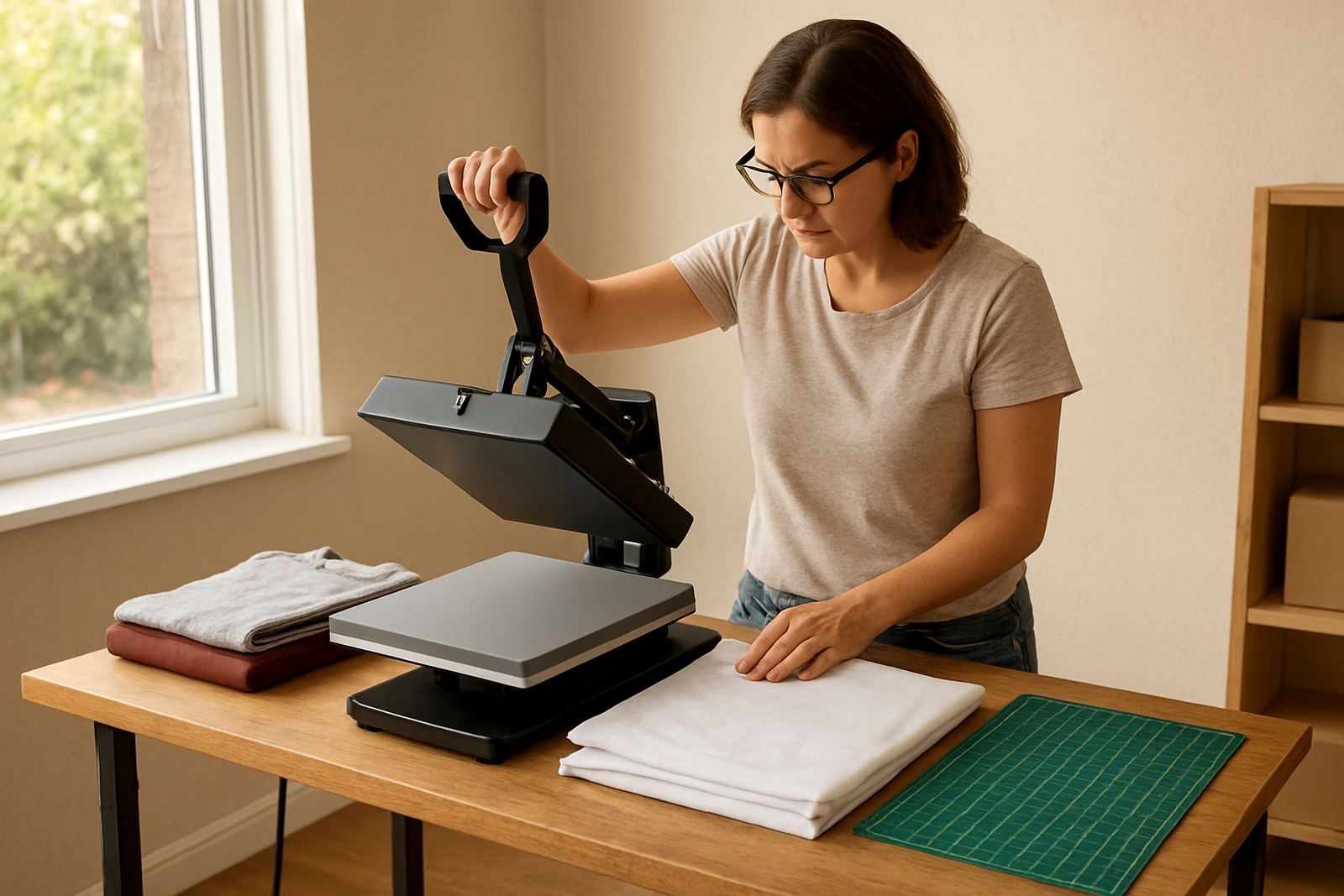
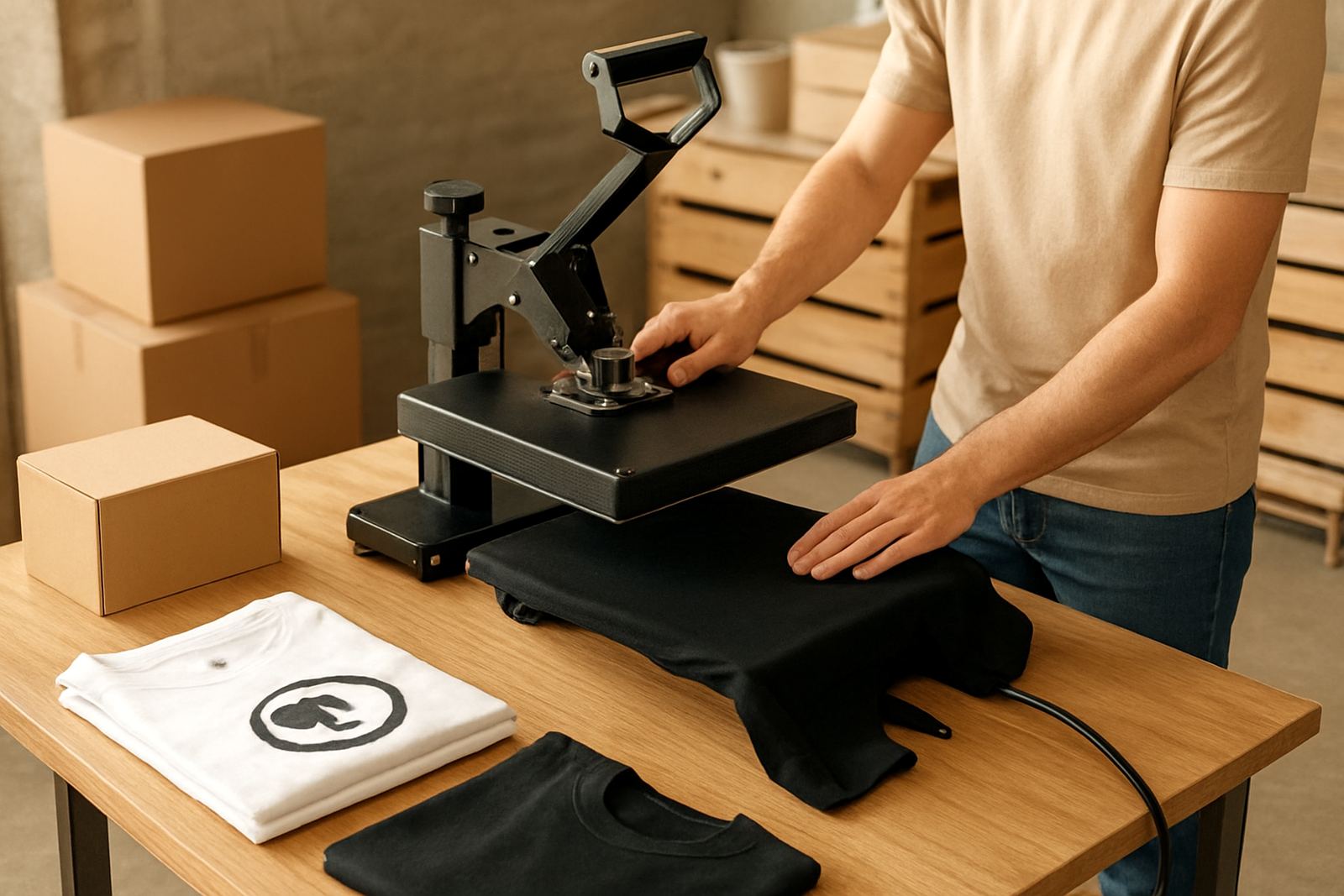
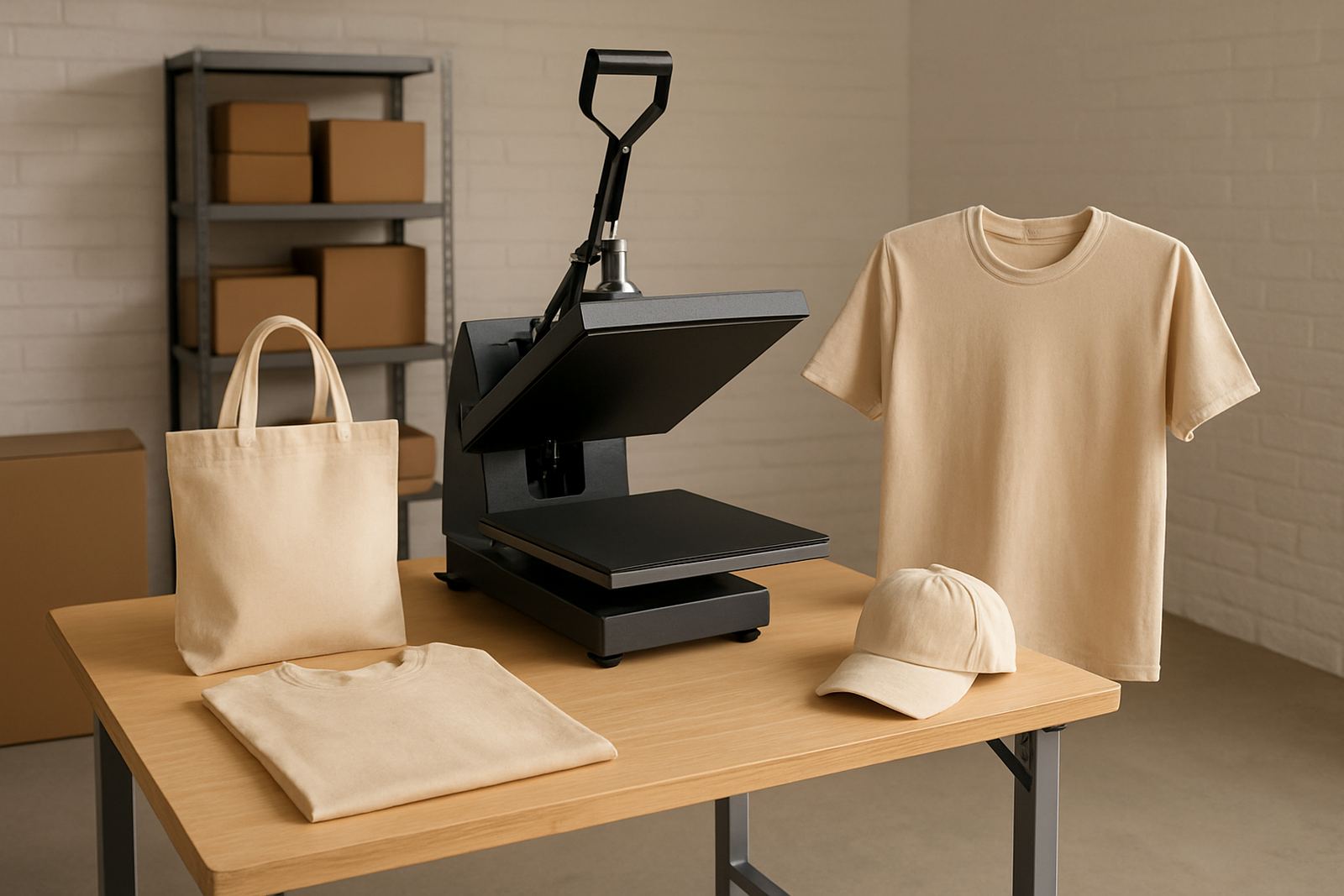
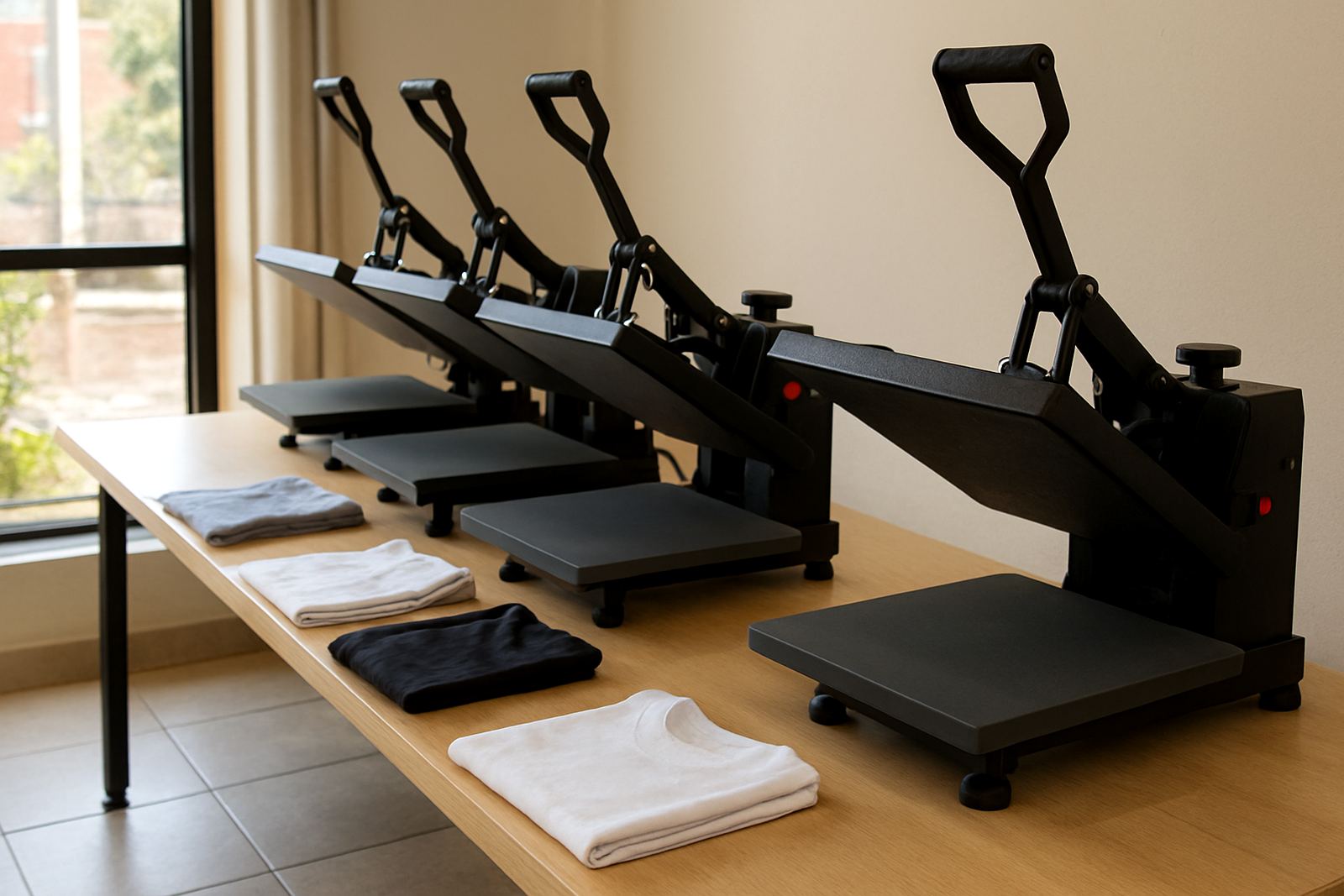
Most fundraiser groups do not need a full factory line. A practical starting point is one flat heat press, a work table, heat-resistant cover sheet, a simple storage rack for blanks and a clean packing area. If the group prints often, a second press can help with backup during busy weeks or when one unit is down for service.
FlatPress usually helps teams choose between manual and pneumatic-style machines based on budget, volume and the level of repeat work. For occasional events, a manual press is often enough. If the group is doing regular fundraising drops, school uniforms or faith-based campaign wear, a more controlled setup can save time and reduce rejected garments. A good controller, even platen heating and a sound silicone pad matter more than many first-time buyers expect.
- Flat heat press in a size that matches the most common shirt artwork
- Release sheets and pressing sheets
- Spare covers and pad protection for frequent use
- Basic temperature check tools and cleaning supplies
- One or two spare elements if the press will be used hard
Layout advice for church halls, school rooms and small stores
Space planning matters because fundraiser work often happens in borrowed rooms, not purpose-built print shops. Leave enough room for unpacking blanks, checking sizes, pressing and cooling before bagging. A narrow layout causes mix-ups, especially when volunteers are folding and stacking at the same time. Keep the press near a reliable socket and away from damp corners if the building is on the coast or in a room that gets moisture overnight.
In areas with load-shedding, a small group should also plan for power cuts. That means not stacking too much work on one shift and not promising same-day output if the electricity is uncertain. If you are operating from Johannesburg, Durban or Cape Town, ask about power backups and where the press can safely sit without overloading extension leads. In some municipal venues, there may be rules about cord routing, fire exits and leaving equipment unattended, so it helps to plan the room before the first event.
- Set one clean bench for pressing only
- Keep printed transfers dry and flat
- Separate size sorting from packing
- Leave space for hot garments to cool before folding
- Avoid putting the press where foot traffic can bump the table
Budget ranges for NPO groups in Rand
Budget is usually the first question. A basic setup for small event shirts can start in the lower tens of thousands of Rand, depending on press size, controls and whether delivery, installation and training are included. For groups that need a sturdier machine and regular support, the spend can move into a higher bracket. The important part is matching the machine to the number of garments you will actually press each month, not the biggest figure on paper.
As a general guide, a small starter press with setup support can fit into a modest budget, while a more productive press with better temperature control, stronger pressure handling and backup support will cost more but lasts longer under regular use. Many fundraiser groups also need to budget for spares, replacement covers and the odd repair, because stops during a campaign week can cost more than planned maintenance.
A sensible approach is to compare three numbers: the press price, the monthly output target and the cost of downtime. If the group is active in Gauteng and also ships jobs to relatives, satellite teams or event organisers elsewhere in South Africa, courier costs for spares and consumables should be counted too.
Common mistakes that waste shirts and money
Most problems in NPO apparel work come from rushing the process. New teams often assume every transfer behaves the same, but cotton, poly-cotton and coated items all react differently to heat and pressure. Another common mistake is buying a press that is too small for the artwork, which leads to partial transfers and crooked positioning. Training matters because a volunteer who understands dwell time, temperature and pressure can save a surprising amount of material.
FlatPress often sees these issues during support calls and training visits:
- Pressing on the wrong temperature for the transfer type
- Using too much or too little pressure
- Skipping pre-pressing so moisture causes lifting
- Ignoring worn covers and uneven pads
- Leaving the machine unserviced until a major fault stops production
- Not keeping a small stock of spares for busy campaign periods
For groups that depend on volunteers, a one-page operating guide pinned near the machine can reduce mistakes. Keep it simple, with the garment type, pressing time, temperature and pressure note in one place. That small step often prevents repeated waste and a lot of stress.
Support that keeps fundraising production moving
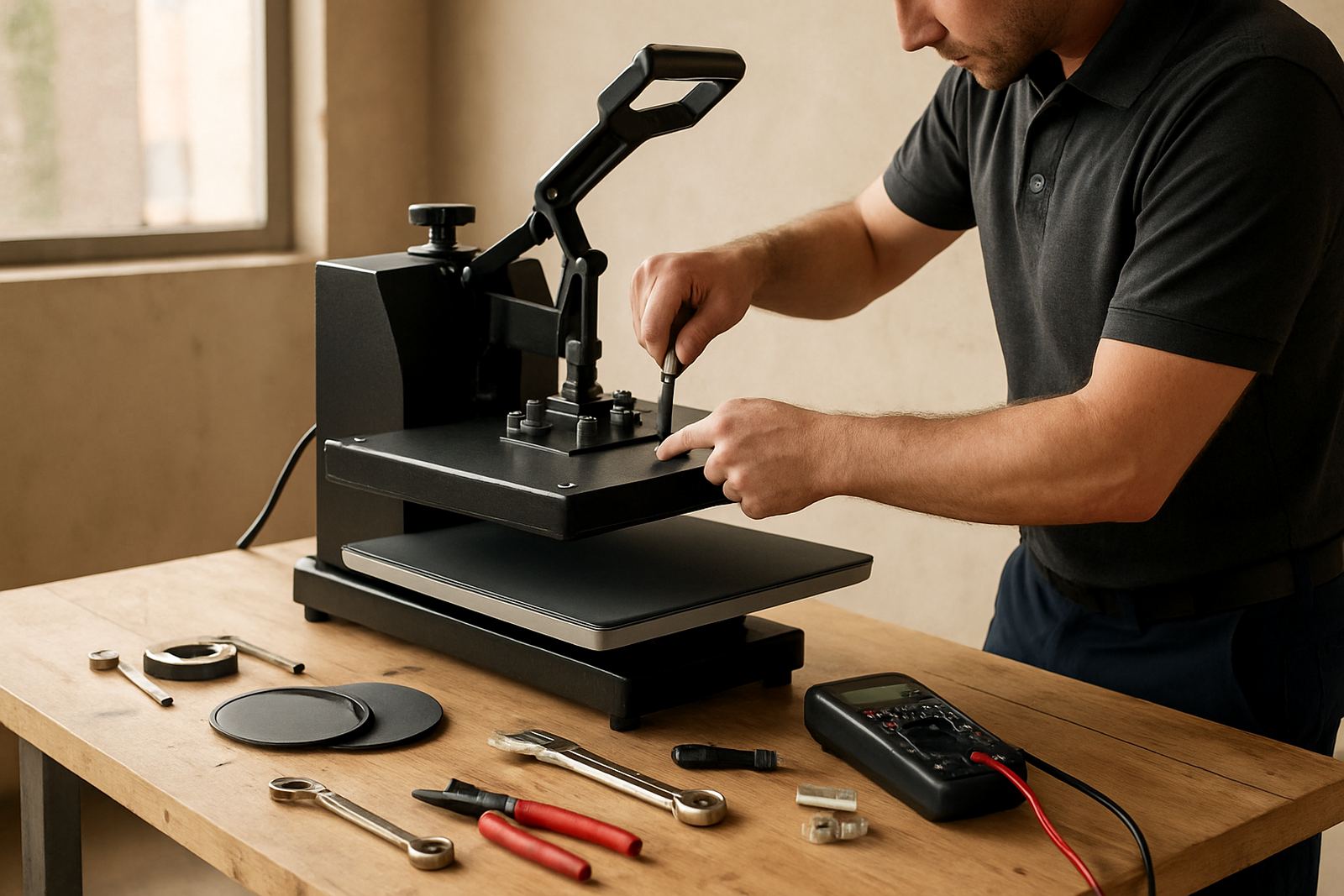
FlatPress supports small garment decorators, hobbyists and professional print shops across Midrand, Johannesburg, Pretoria, Durban, Cape Town, Bloemfontein and nearby areas such as the East Rand and West Rand. For NPO fundraiser groups, that usually means help with new press setup, operator training, phone support, temperature checks, pressure adjustments, element replacements, controller repairs, pad and covering work, pneumatic line service, preventive servicing, spares supply and loan unit support when it is needed.
For many teams, the best time to ask for help is before the first big print run, not after the shirts are late. A short setup session can save hours later. If your group is planning a walk, fundraising dinner, youth event or awareness campaign, it helps to line up the press, transfers, blanks and staffing early so the work does not pile up in the final week.
Our Midrand base handles local support and we courier across South Africa where needed. For groups that want practical advice, clear pricing and a machine that suits real-world event work, the focus stays on getting the shirts done properly and keeping the budget under control.