
What home hobby printers usually need
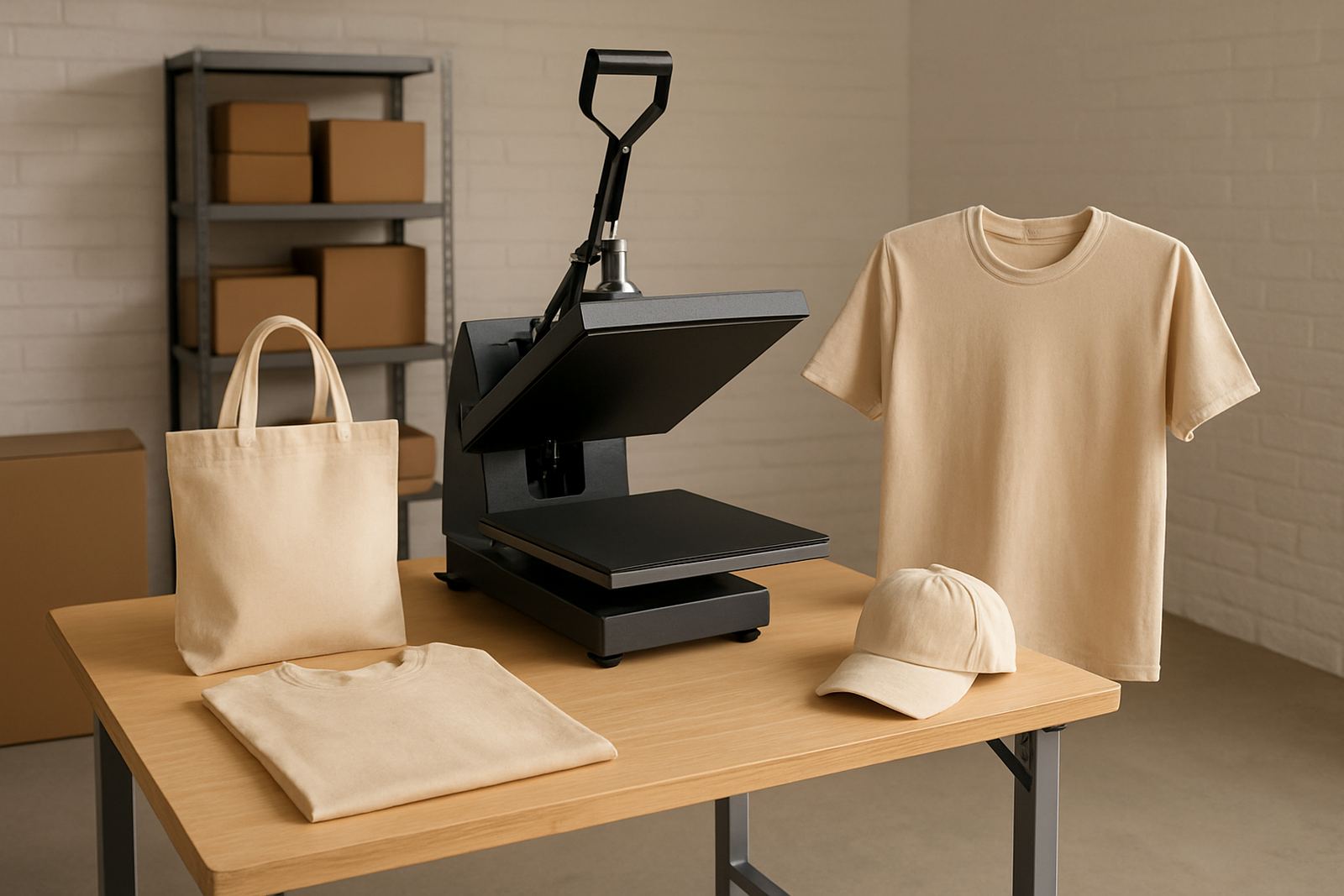
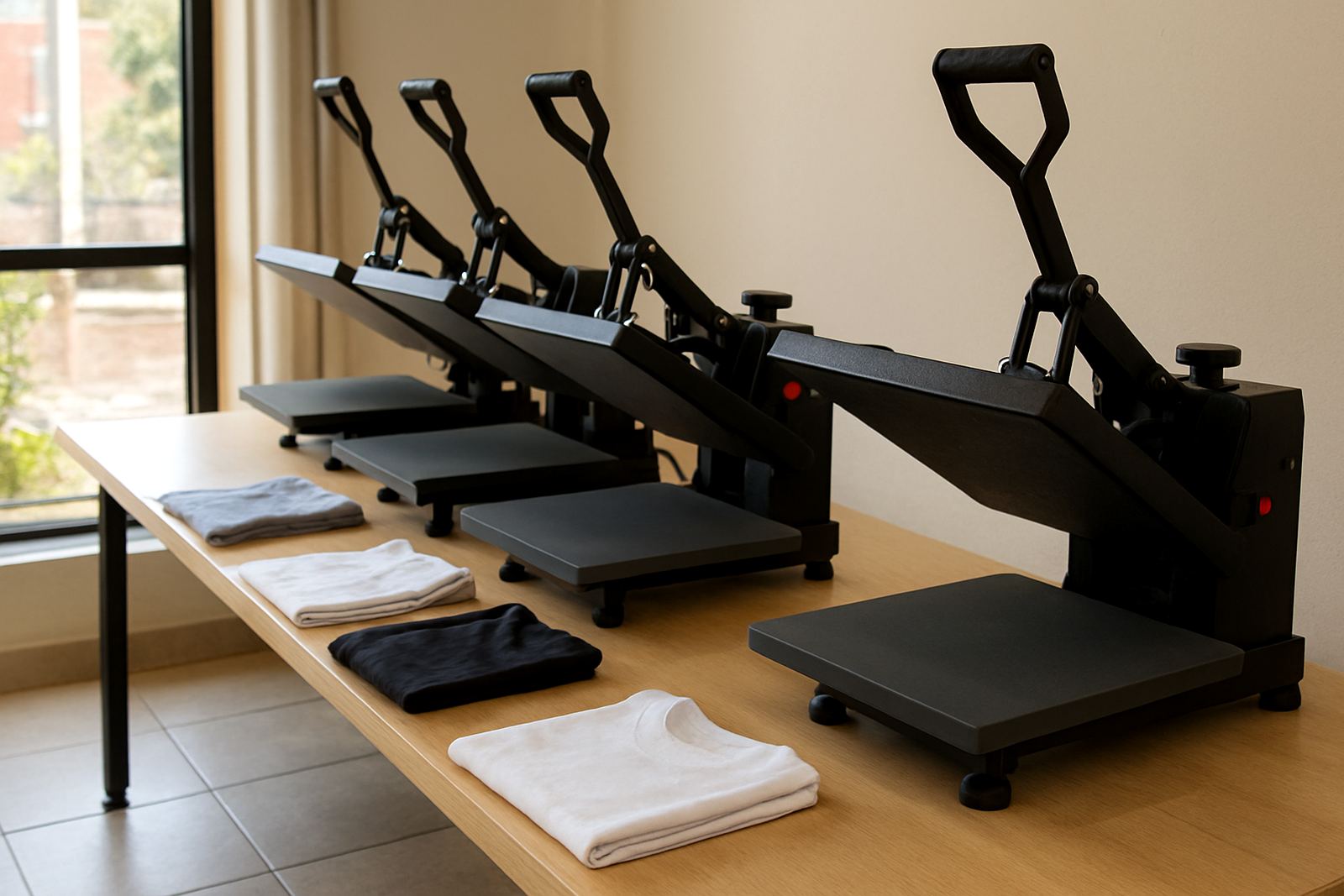
Most home operators start with a simple setup and grow from there. A flat heat press for T-shirts and transfer work is usually enough for personalised shirts, school events, birthdays, couple sets and small club orders. The main thing is to match the machine to your space, your power supply, and the type of work you plan to do.
In a spare room, garage, or back patio, a press around 38 x 38 cm or 40 x 50 cm is often the practical choice. That size handles childrens shirts and adult garments without taking over the room. If you are working from a small unit in Midrand, Randburg or Benoni, think about where the press opens, where the shirt stack will sit, and how you will move finished items off the heat safely.
A sensible starter equipment set
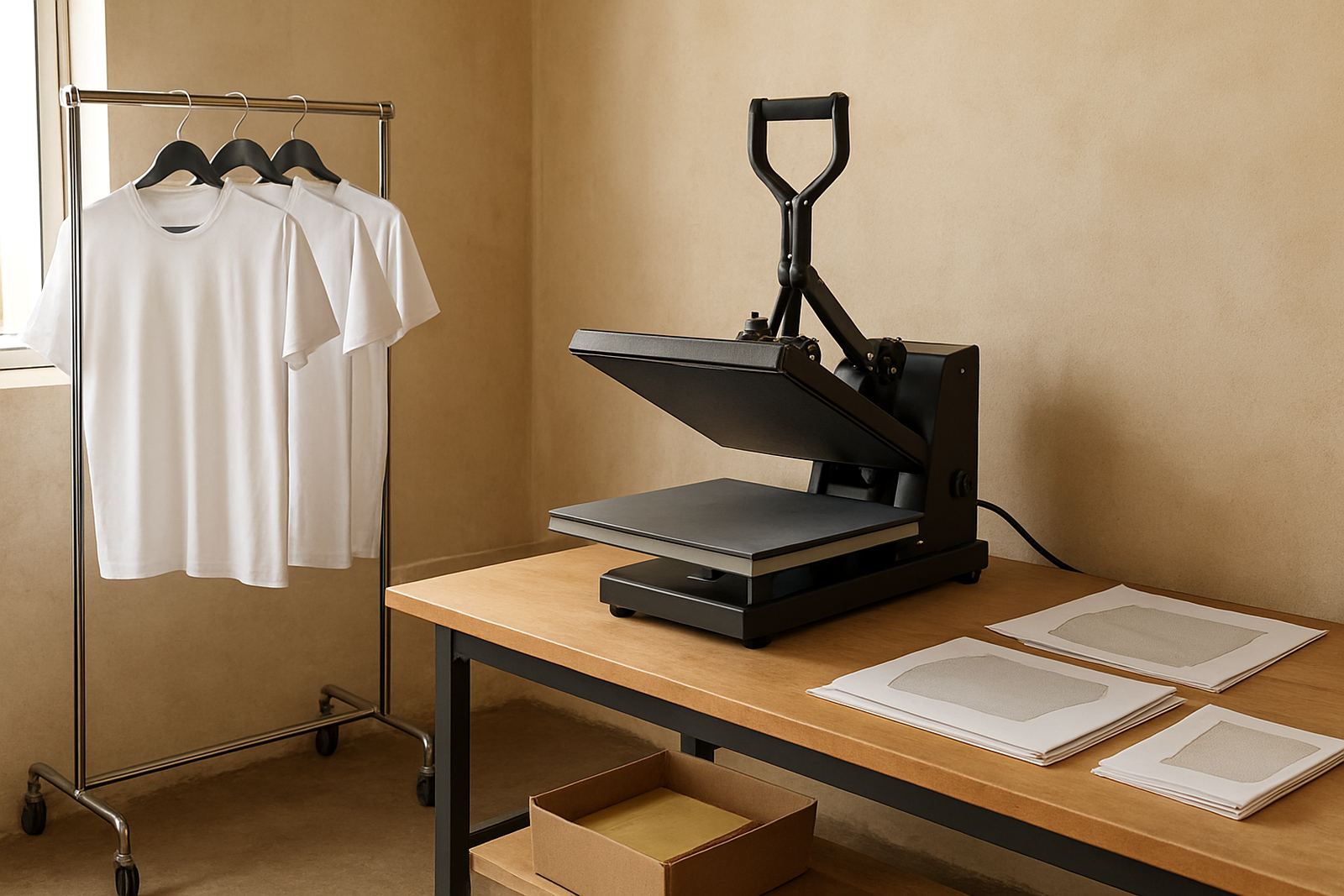
You do not need a full production floor to begin. A small home set should be neat, safe and easy to clear away when the work is done. Heat presses need a steady surface, but they also need room for the platten to open fully and for you to work without bumping the handle or cords.
- Flat heat press with digital temperature and time control
- Heat-resistant pressing pad or foam covering
- Extra covers or sheets for different garment types
- Basic cutter or weeding tools for transfers
- Protective paper or Teflon sheet
- Small shelf or trolley for blanks, prints and finished shirts
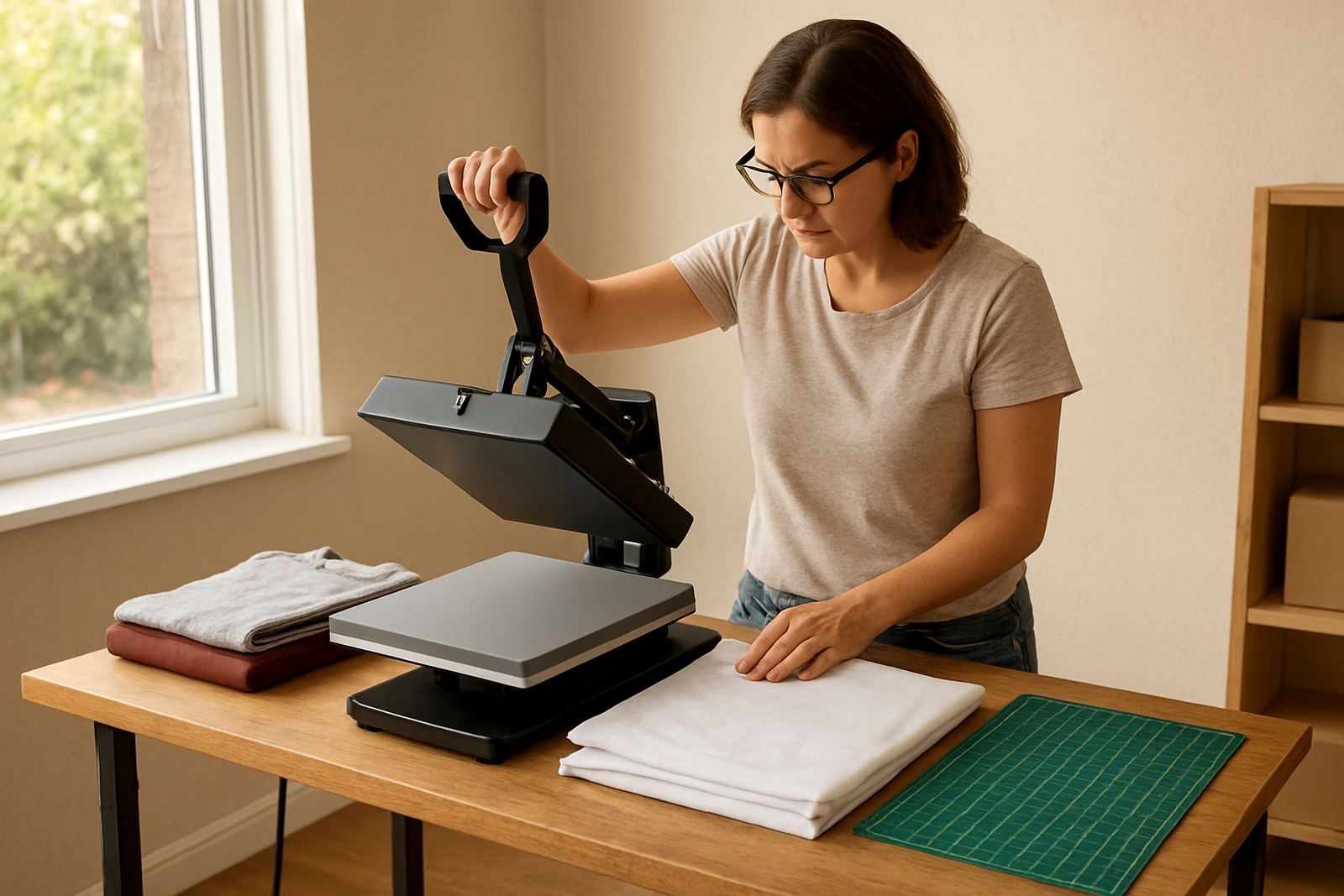
For hobby use, a manual clamshell machine is often the easiest starting point. If you do a lot of repeat pressing, a swing-away unit may feel safer because the top plate moves out of the way. Either way, set the press where children, pets and loose cords are kept clear.
Planning a home space that actually works
Good planning matters more than having a big room. In South Africa, many home businesses work around load-shedding, shared family space, and limited power points. Before you buy, measure the table height, the room width, and the nearest plug. If the press sits too low, your back will take strain after just a few shirts.
Keep the press close to your storage for blanks and close to a flat packing area. Leave enough space for heat movement and air flow, especially in warm coastal towns like Durban or East London where humidity can affect some transfer papers and vinyl. In Gauteng, dust from garages and open doors can also affect finishes, so keep prints covered and the press clean.
A simple workflow is best: blank shirt, pre-press, apply transfer, final press, cool, inspect, pack. When the steps are in the right order, you waste less material and your shirts come out more consistent.
The mistakes that cost home printers money
Small operators usually lose money in the same few places. The good news is that these are easy to avoid once you know what to look for. A cheap press that cannot hold temperature properly will create bad transfers, shiny marks, or peeling edges. If the pressure is wrong, light garments will scorch and thicker garments will not bond properly.
- Buying a press that is too small for adult shirts
- Placing the machine on an unstable table or kitchen counter
- Ignoring warm-up time and starting too early
- Skipping test presses on new fabric types
- Using the same settings for cotton, poly blends and performance wear
- Leaving the press dirty, which shortens pad life and affects finish
Another common issue is rushing orders. Even at home, the press needs proper time for heat recovery. If you do back-to-back shirts, temperature can drift and result in inconsistent output. A quick temperature check now and then saves a lot of rework, and it is far cheaper than reprinting a full batch.
Budget ranges for a small home setup
Budget depends on the kind of press, the size, and whether you want help with setup and training. For a first-time home hobby printer, a basic entry-level flat press may start from about R4 500 to R9 000. A stronger mid-range machine for regular weekend work often sits between R9 000 and R18 000. If you need a larger platen or faster turnaround, expect higher pricing.
It is also wise to budget for the extras that make the machine usable from day one. Pads, covers, spares, and installation support can add a useful margin of safety to the purchase. If you are ordering for home use in Pretoria, Durban or Cape Town, courier delivery can be arranged nationwide and the final total will depend on the machine size and where it is going.
For many home operators, the smartest spend is not the largest machine, but the one that is correctly set up and trained. A press that is properly adjusted will last longer and give better value over time.
How FlatPress supports small-space printers
FlatPress works with home hobby printers who need practical help, not sales talk. We supply flat heat presses, help with new press setup, and provide operator training so you know the correct temperature, pressure and timing for your work. If you are unsure about the best model for your room or your print volume, we can talk through the size, power needs, and the kind of shirts you plan to do.
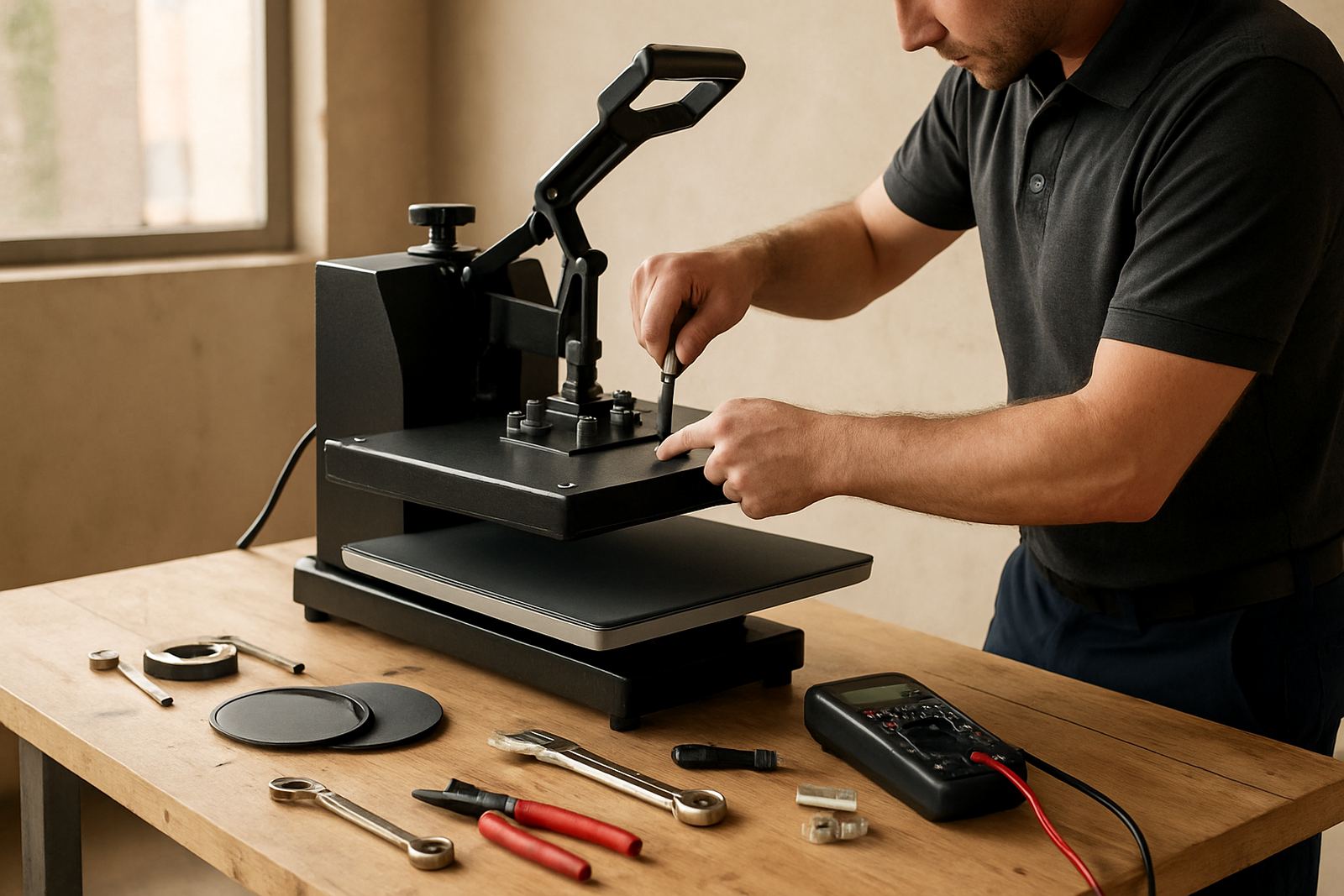
We also help with temperature checks, pressure adjustments, controller repairs, pad and covering work, spares supply and loan unit support where needed. For customers in Midrand, Johannesburg, Pretoria, the East Rand, West Rand, Durban, Cape Town and Bloemfontein, our team can guide you through the setup and support process so the machine is ready for real use, not just delivery.
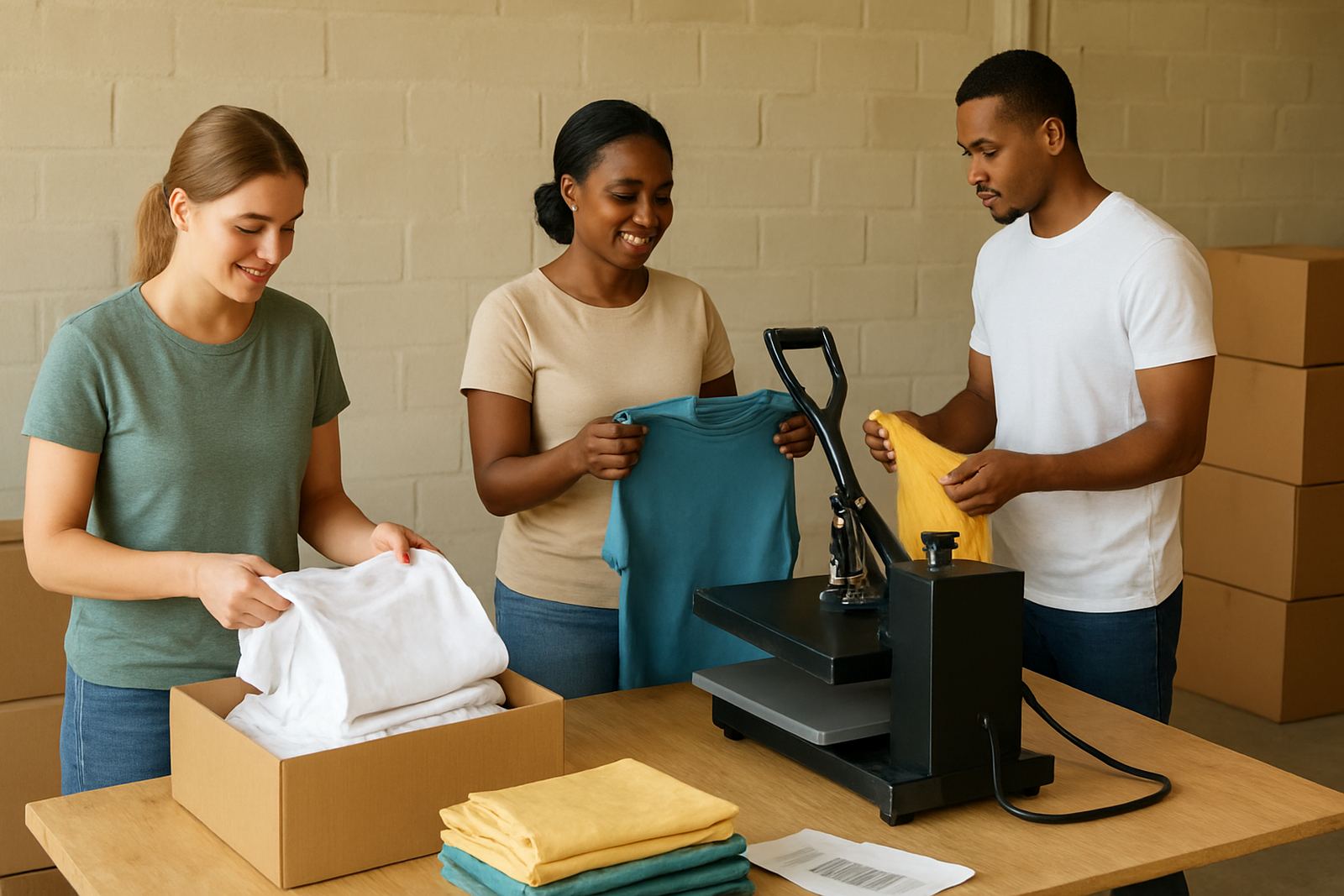
Small businesses often start at the kitchen table and grow from there. The right machine, a tidy layout, and proper training can make that first step a lot easier.
When you are ready to move from hobby to side-line
If your home orders are getting busier, it may be time to review your setup before the machine starts slowing you down. Signs include uneven heat, slow recovery, pressure changes, or a growing pile of shirts waiting to be pressed. At that stage, preventive servicing can help you avoid a breakdown just when orders start coming in.
Many home printers in South Africa begin with personal gifts and school events, then take on team wear, small brand drops, and repeat local orders. A tidy setup, a press that is suited to your space, and clear process notes can turn weekend work into a reliable side-line. It does not need to be complicated, just consistent and well maintained.