
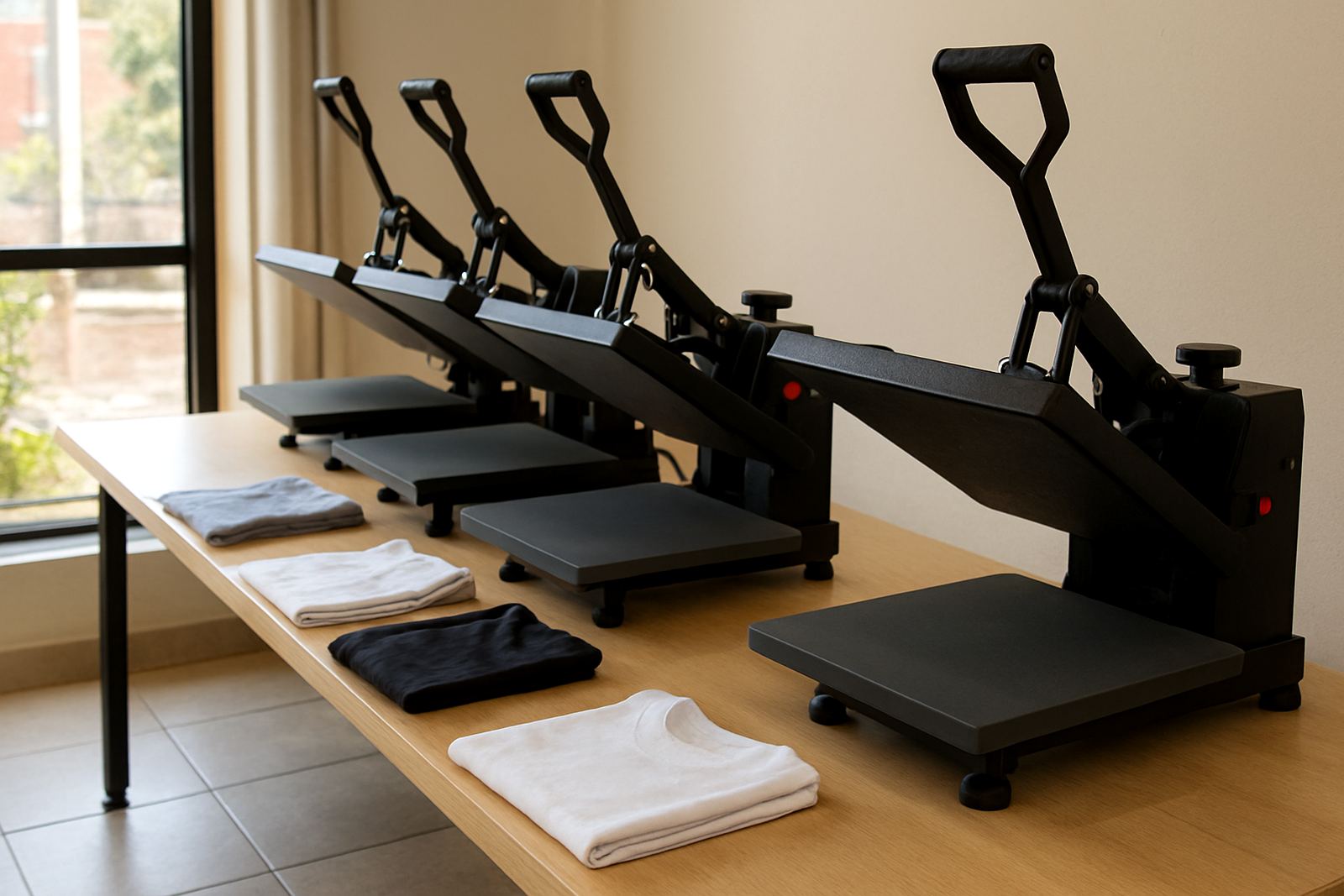
What market stall sellers need from a flat press
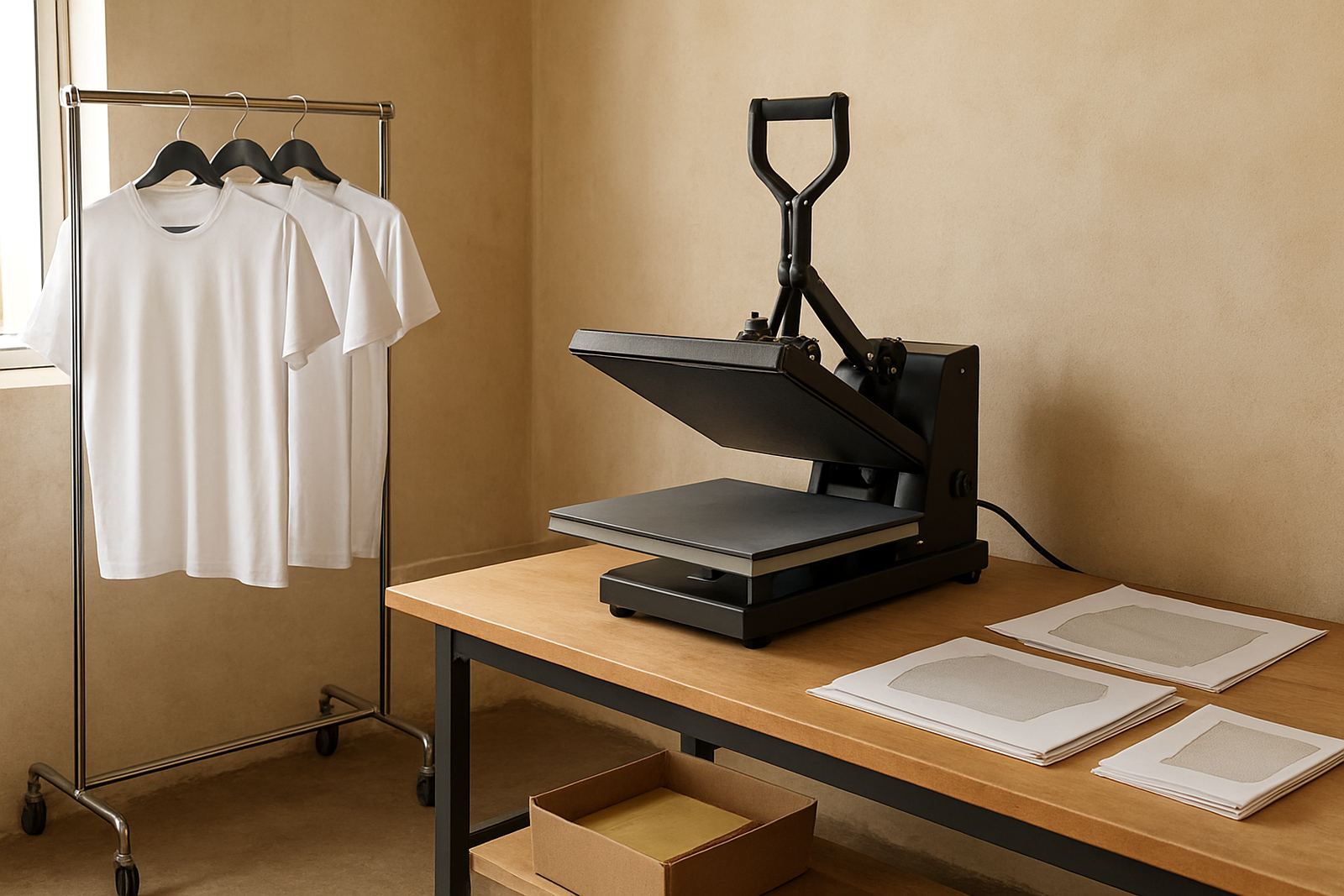
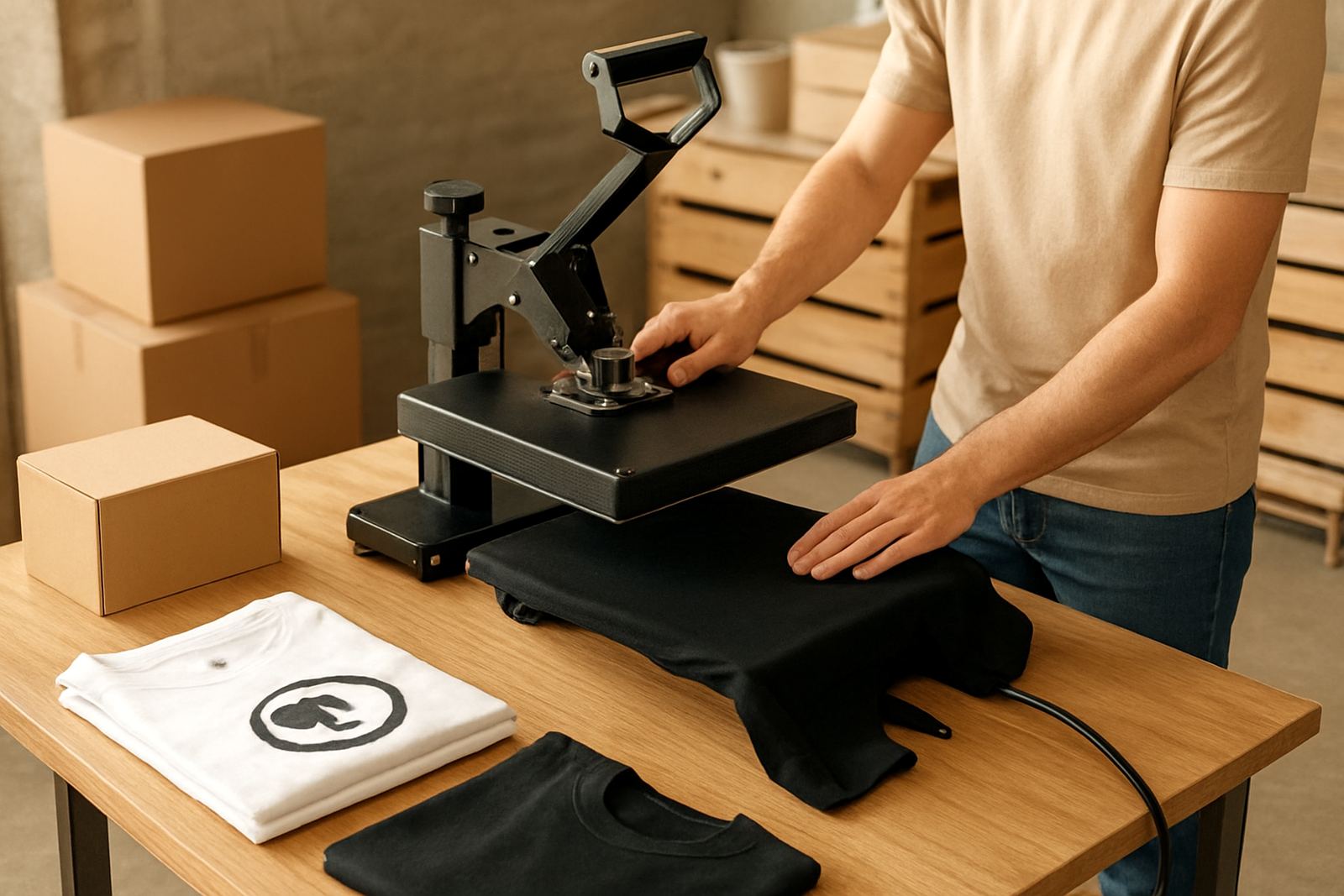
For market trading, the press has to be simple, quick and dependable. You may be printing 10 to 30 garments on a busy Saturday, then packing away by mid-afternoon, so the machine must warm up fast, keep an even temperature and recover well between jobs. That matters whether you are pressing vinyl names, sublimation transfer prints or heat transfer paper onto cotton and polycotton garments.
A stall operator usually needs a compact flat press with a steady lower platen, clear temperature controls and pressure that is easy to adjust by hand. If you are trading in Johannesburg, Pretoria or Durban, the press should also tolerate regular transport, occasional dust, and the odd power dip. For coastal humidity, proper storage and dry covering after use helps prevent rust and sticky surfaces.
Typical equipment set for weekend trade
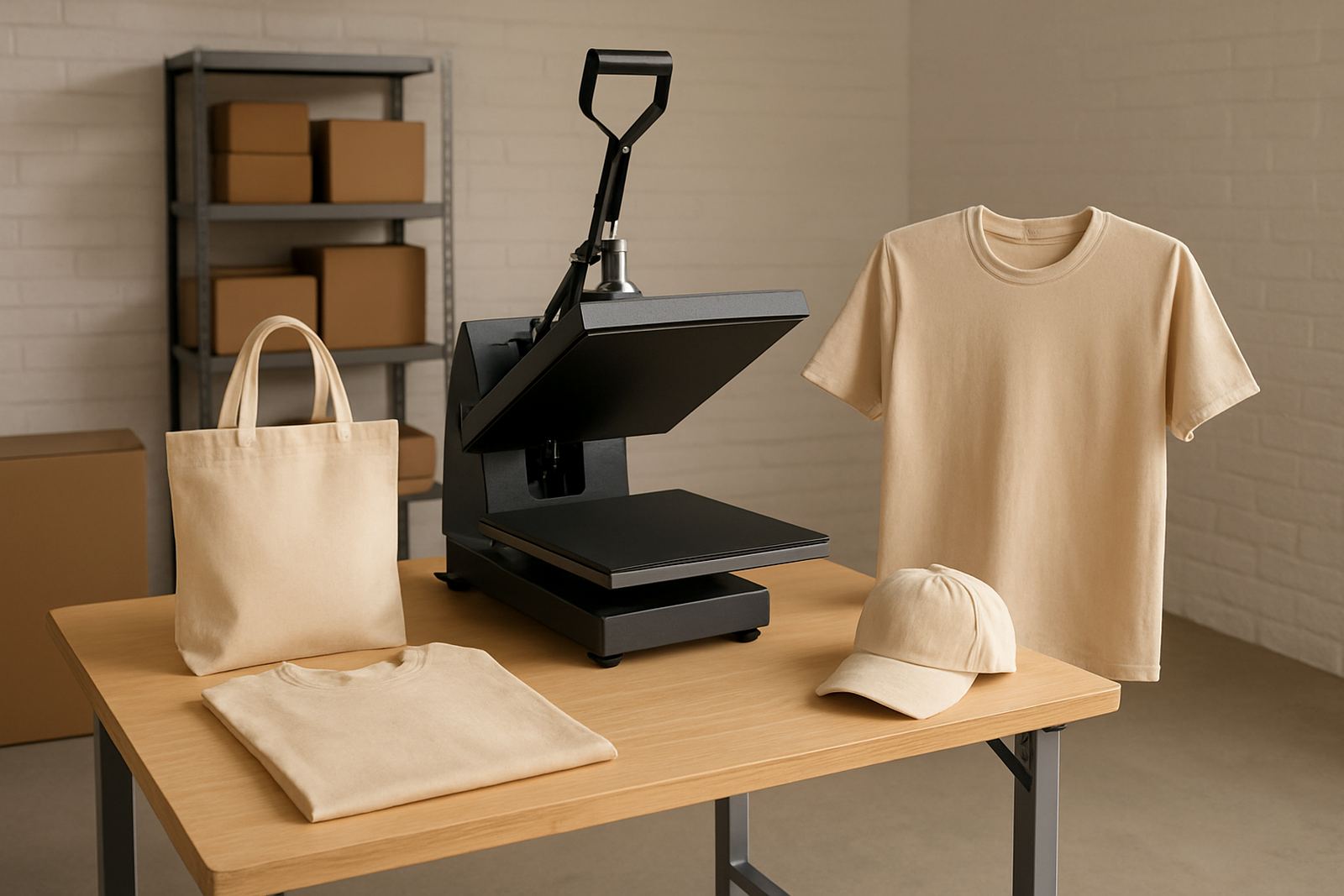
Most market sellers start with one main press and a few practical extras. The aim is to keep the kit light enough for loading into a bakkie or trailer, but sturdy enough for repeated use. A small table, a power point you can trust and a clean packing area are just as important as the machine itself.
- Flat heat press in A4, 38 x 38 cm, or 40 x 50 cm size
- Heat resistant tape, Teflon sheet or covering, and pressing pillows for seams
- Basic temperature strips or a contact thermometer for checks
- Starter spares kit, including fuse, controller parts and handle items
- Sample blanks, transfer papers and a small stock of common garment sizes
- Storage crates for prints, tools and finished orders
If you plan to print at the stall, rather than only press pre-cut transfers, factor in a cutter, laptop and a reliable backup power source. Many sellers keep the design work at home and do the pressing on site, which lowers risk and reduces the amount of gear to move every weekend.
Layout and workflow for a busy stall
A good stall layout saves time and prevents mistakes. Place the press where the operator can reach the garment stack, finished stock and packing materials without crossing the customer side of the table. If you are doing personalisation live, leave space for names, numbers and size labels so nothing gets mixed up.
Keep your heat source away from foot traffic and cords. In busy indoor markets or municipal halls, make sure the power lead does not block walkways and that your setup follows the venue’s safety rules. In some centres you may need permission for electrical loads, especially if several traders share one circuit.
For pop-ups in Midrand, the East Rand or West Rand, a simple layout works best: intake on one side, press in the middle, handover on the other side. That flow keeps your hands moving in one direction and reduces the chance of placing a transfer upside down. It also helps when a queue builds up.
Common mistakes that cost time and stock
New sellers often buy a press before thinking through the day-to-day handling. That usually leads to uneven prints, damaged garments, or a machine that is too heavy to move. The other mistake is treating all fabrics the same. Cotton, polyester and blended items behave differently under heat and pressure.
- Running the press before it is fully warmed and stable
- Using too much pressure on thin shirts and leaving marks
- Skipping test prints on new blanks or transfers
- Ignoring platen covering wear, which can cause hot spots
- Leaving the machine in a damp storeroom after a rainy market day
- Buying a unit with no local support for repairs or spares
We also see operators struggling with inconsistent settings from one event to the next. If you are trading in Durban one week and Bloemfontein the next, your results should not change just because the weather or venue changed. A proper setup and a short checklist before each market helps a lot, even if the stall is small.
Budget ranges in Rand for a starter setup
The right budget depends on whether you are buying a basic hand-operated press or a more developed setup for regular weekend trading. For a lean starter system, many small sellers budget from about R6,500 to R15,000 for the press and the most basic extras. This can suit hobby traders and first-time sellers who want to test demand before expanding.
A more practical market-ready setup often falls between R15,000 and R35,000, especially if you want better pressure control, spare parts on hand and proper training. If you add a cutter, extra platens, a backup unit or a simple production table, the spend can move higher. We always advise people to plan for running costs too, not only the purchase price.
Those costs include replacement coverings, transfer stock, occasional controller repairs, and transport to markets across Gauteng or further afield. A few rand saved on a cheap machine can turn into a bigger repair bill later, particularly if the unit is used every weekend and moved often.
Setup, training and support for traders on the move
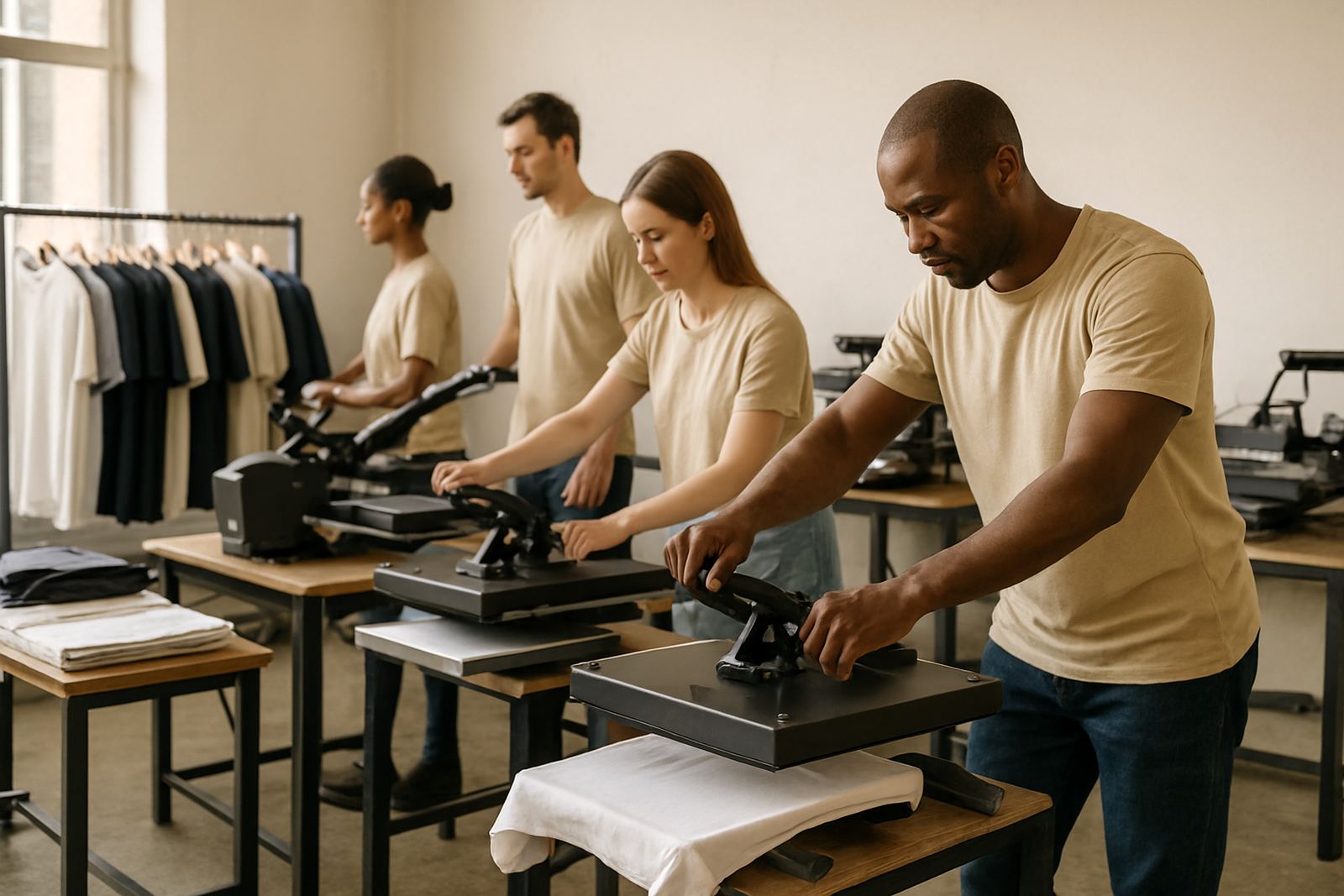
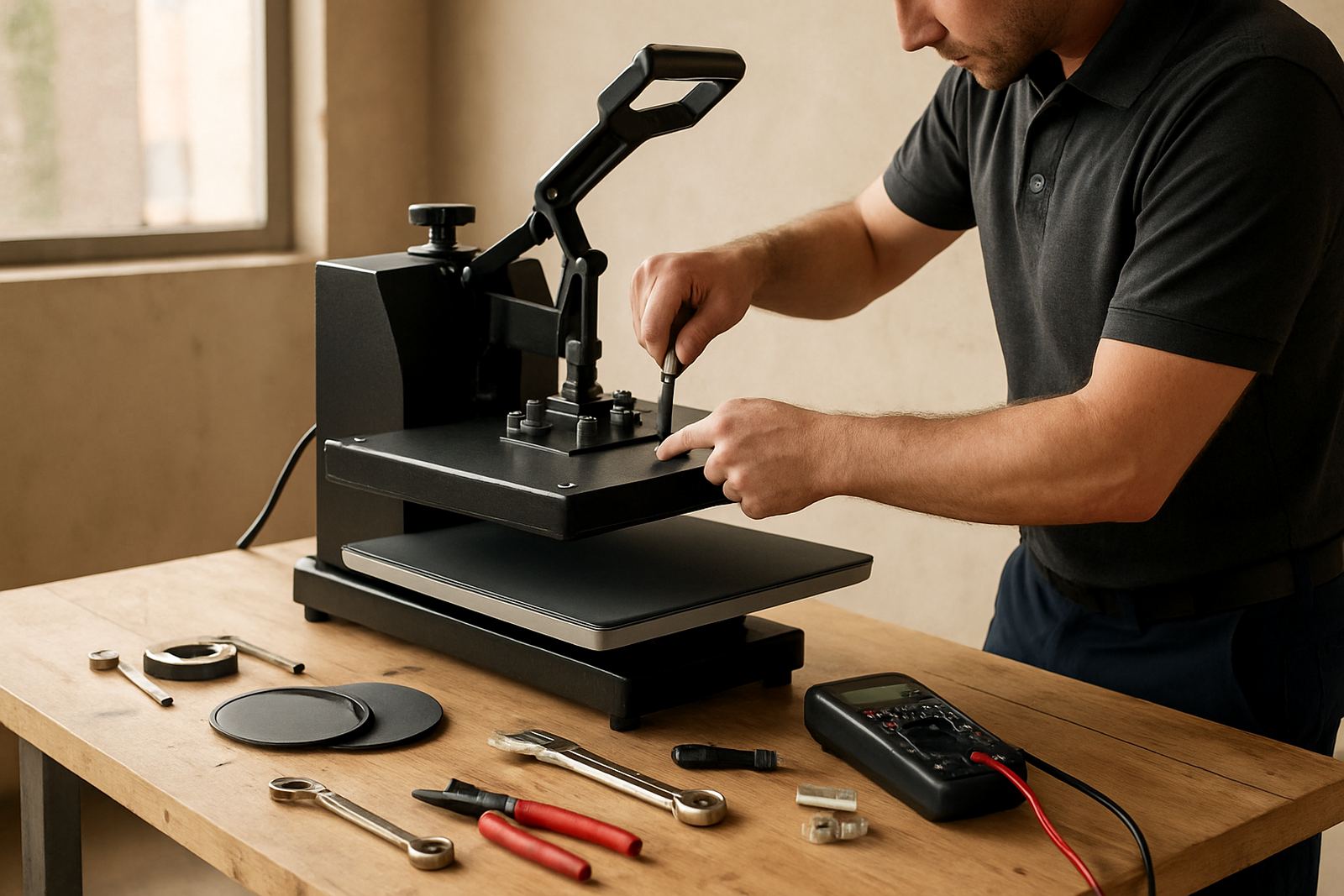
FlatPress helps with new press setup, operator training, pressure adjustments, temperature checks and phone support after the sale. For market sellers, the most useful support is often practical and immediate, because a stalled press on Friday evening can mean missed sales on Saturday morning. We also handle element replacements, controller repairs, pad and covering work, preventive servicing and spares supply.
Midrand is a useful base for traders who work across Johannesburg, Pretoria, the East Rand and West Rand, and we also support clients nationwide by courier. If a unit needs workshop attention, we can assist with loan unit support where available, so your trading does not stop completely while repairs are underway.
For operators who print at weekend fairs, the goal is consistency. Once your press is set correctly, your garments look the same from the first order to the last. That means each batch is easier to match when you print the next one.