

When Contract Work Starts to Outgrow One Operator
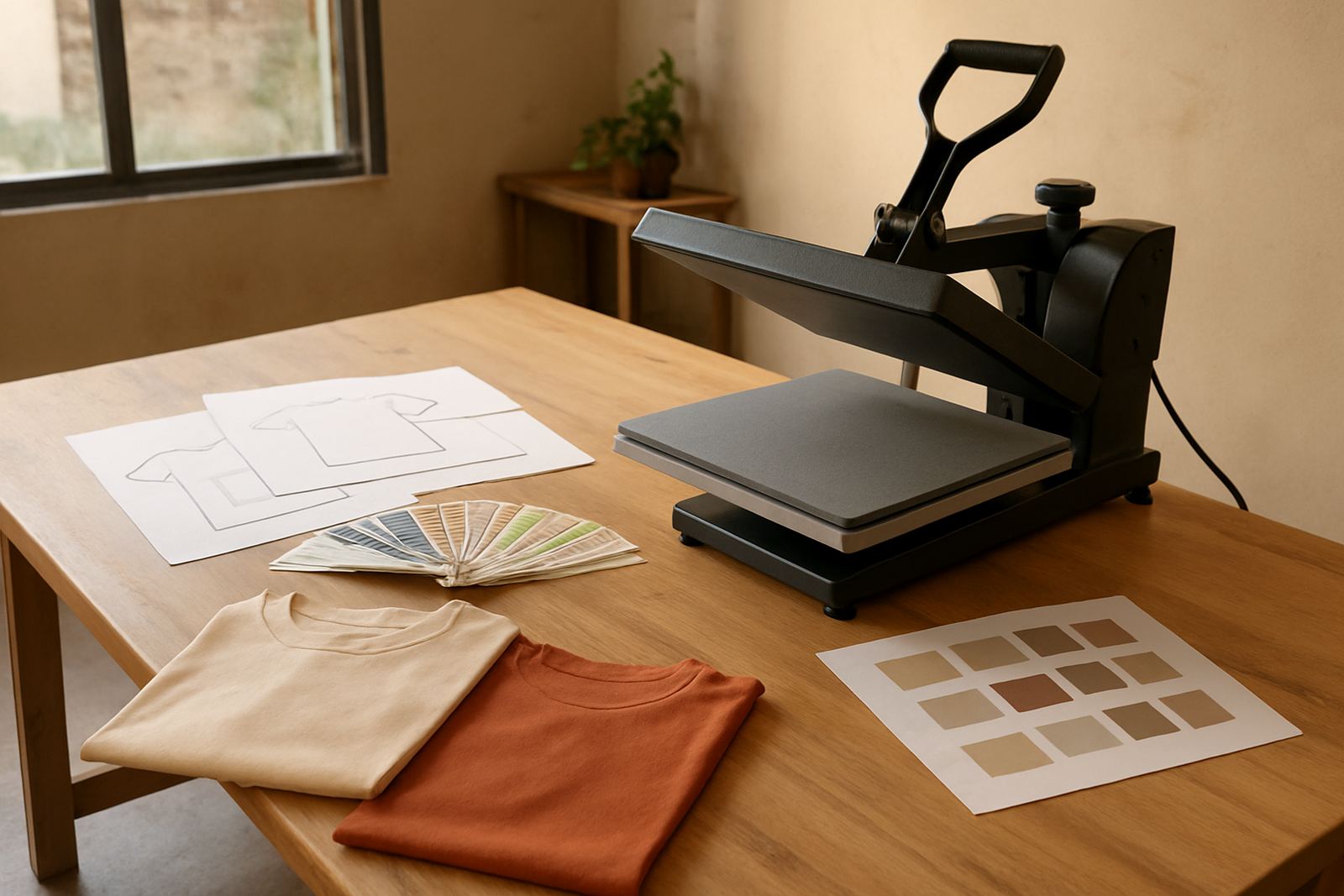
Most contract decorating teams reach a point where the work is no longer just steady, it becomes mixed and time sensitive. One week it is 40 promo tees for an event agency, then a reseller sends repeated reorders, then a school or franchise needs urgent replacements in different sizes. That is where a flat heat press setup starts to matter as much as the artwork and garment stock.
For small teams, the pressure is usually on turnaround and consistency. A press that heats unevenly, drops temperature after a few cycles, or needs the operator to lean in too hard will slow the whole room down. In Gauteng, where loadshedding and busy courier schedules are part of daily planning, a dependable setup is worth more than fancy features you will never use.
FlatPress works with teams in Midrand, Johannesburg, Pretoria and beyond to match the press to the volume, garment type and skill level of the operators. Whether the job mix is vinyl, DTF transfers, sublimation paper or heat applied badges, the aim is the same: clean transfers, fewer rejects and less operator fatigue.
Typical Press Room Setup for Agencies and Overflow Jobs
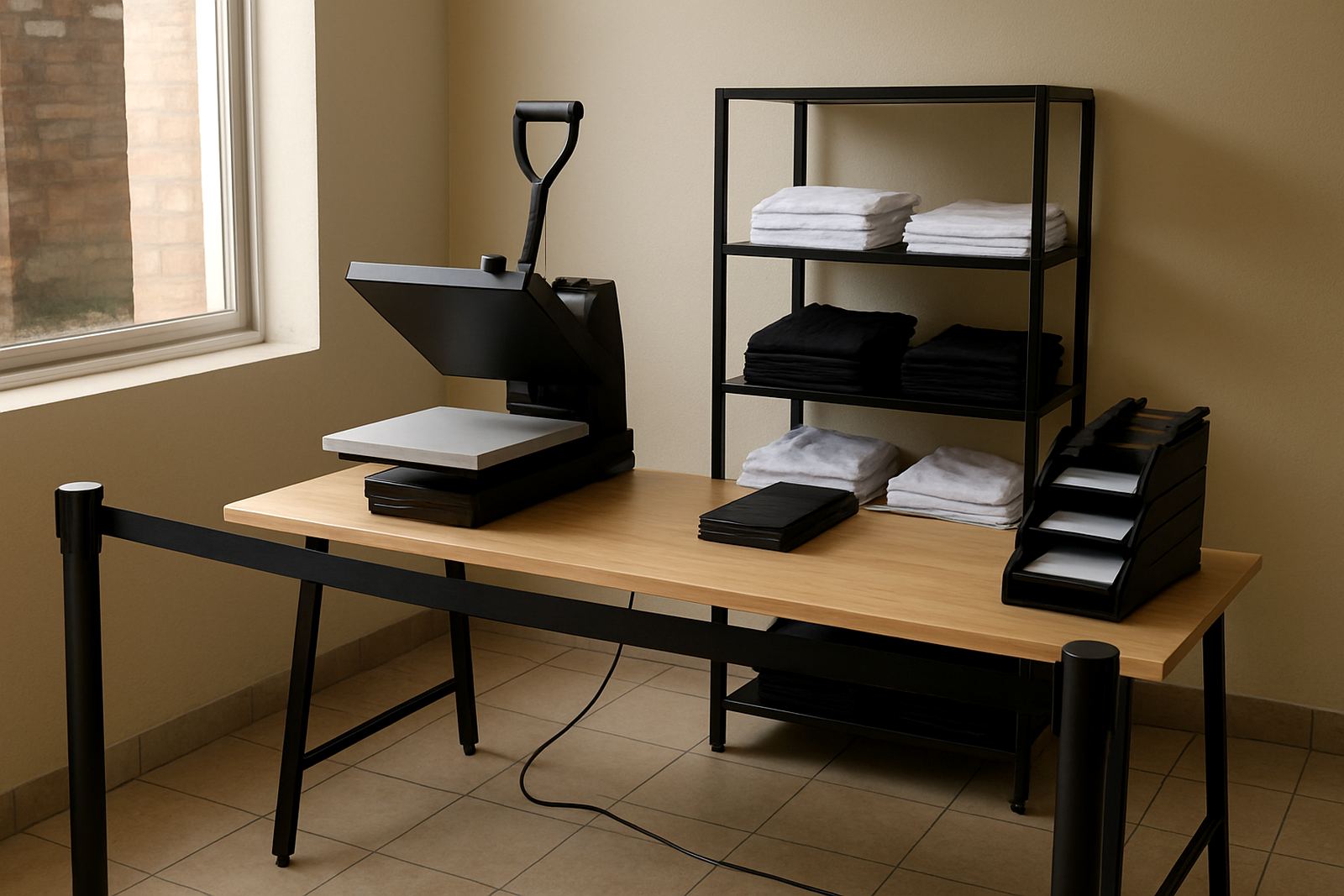
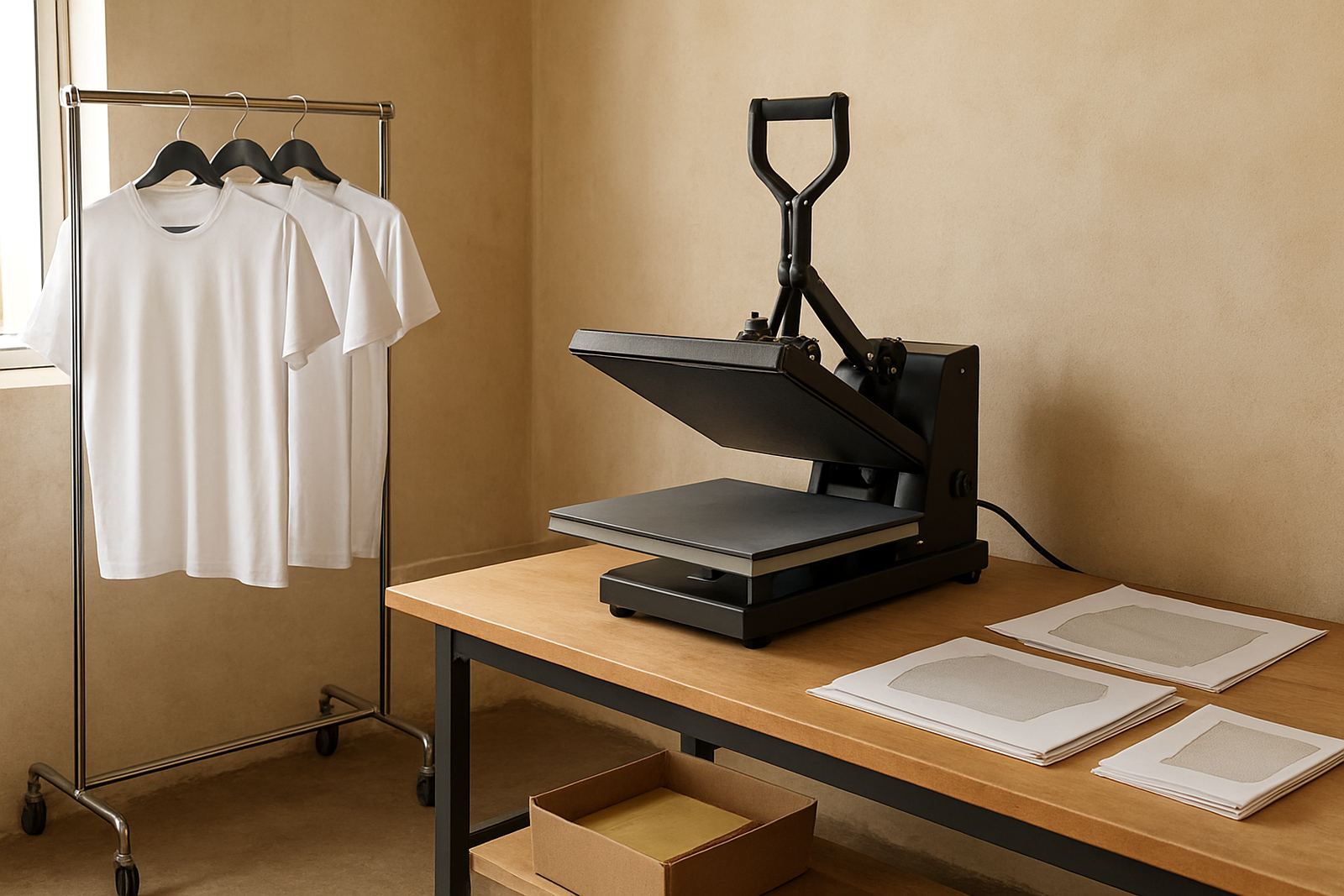
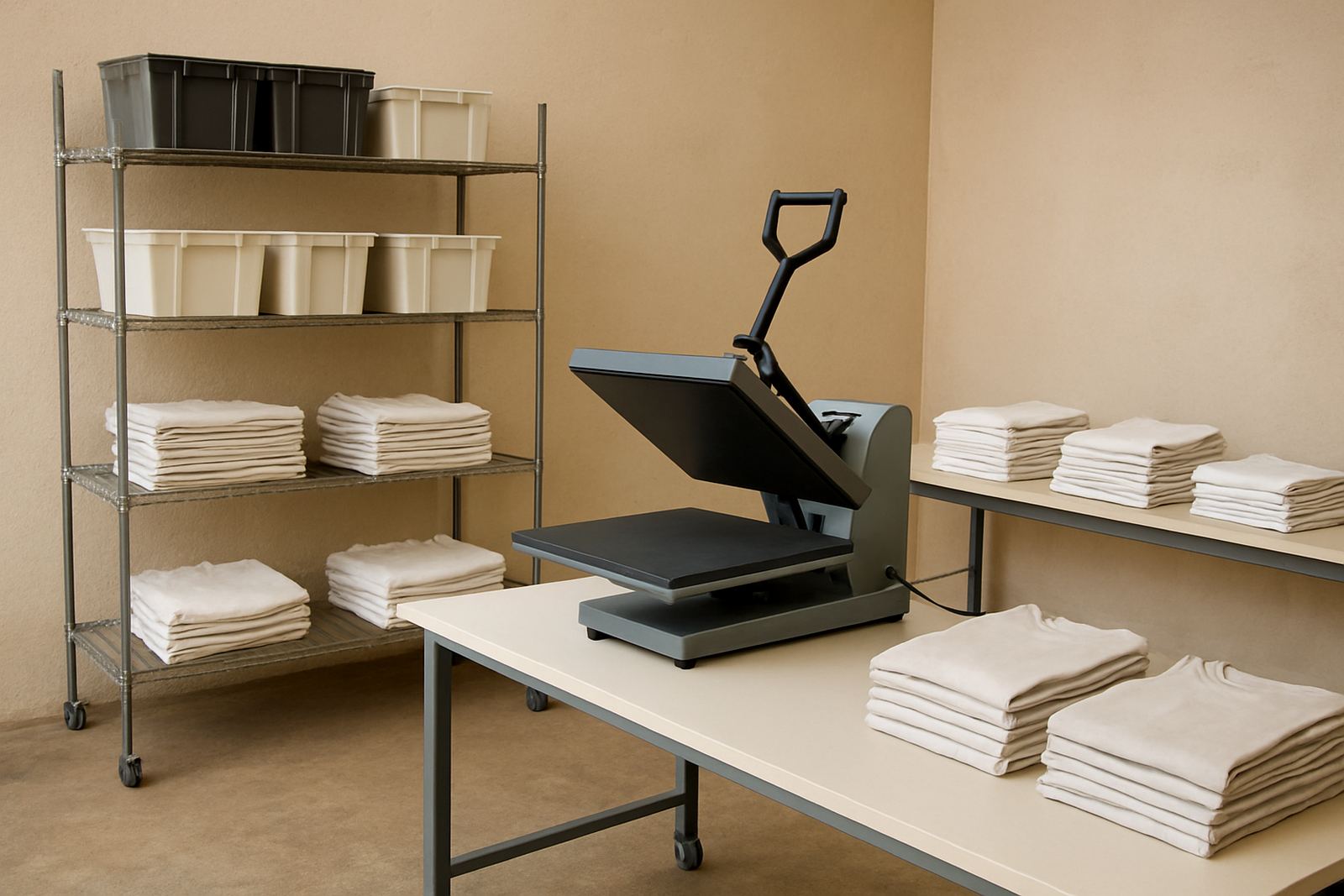
A contract decorating room does not need a huge footprint, but it does need a sensible layout. The press should sit on a stable stand or work table with enough space for loading garments from the side, stacking finished items and keeping transfer sheets in order. If the team is handling mixed orders, build in a flat packing area and a separate cooling zone so pressed items are not handled too soon.
A practical setup usually includes one or two flat presses, a small prep table, heat resistant gloves, storage for transfers and a simple QC station. For higher volume work, a second press can keep production moving when one operator is loading and another is cooling or bagging. Pneumatic presses are useful for larger runs, but many teams still prefer manual presses for smaller jobs and quick changeovers.
- Flat heat press matched to garment size and order volume
- Stable workstation with room for loading, pressing and packing
- Heat resistant cover on the press table
- Storage for transfers, blanks and labels
- Cooling and inspection area for finished garments
In coastal areas like Durban or Cape Town, humidity can affect transfer handling and storage. Keeping paper, garments and adhesive materials dry helps reduce curl, slipping and patchy application. In warmer inland spaces, good ventilation and a clean work surface matter just as much.
What a Good Equipment Mix Looks Like
There is no single press that suits every contract team, but there is a sensible equipment mix for most small to medium operations. A 38 x 38 cm or 40 x 50 cm flat press covers many standard tees and general transfer work. Teams doing larger chest prints, hoodies or adult sizes may prefer a bigger platen, while children’s garments and left chest logos often need a smaller second unit.
For contract decorators, consistency matters more than chasing the cheapest machine. A well sized press with accurate temperature control, even pressure and a solid frame will save money over time through fewer spoilages and less operator guesswork. If the team handles repeated production days, a press with quicker recovery time can make a real difference.
- Manual press for general day to day garment work
- Optional pneumatic press for repeat runs and heavier output
- Spare controller or spare element for reduced downtime
- Pressure adjustment tools and temperature check kit
- Replacement pad and covering for worn surfaces
Many print rooms also keep a loan unit arrangement in mind for urgent breakdowns. If a production day is booked and the main press goes down, even a short delay can affect delivery times, transport bookings and client confidence.
Budget Ranges for Contract Decorating Teams
Budgets vary depending on whether the team is starting out, replacing one machine or building a second production line. As a rough guide, a small contract decorating setup with one flat press, basic accessories and operator training can start from around R18 000 to R35 000. A more capable room with a larger press, spare elements, setup support and a second work station can sit between R35 000 and R75 000.
For teams handling larger volumes or more demanding turnaround times, a higher spec setup with pneumatic pressing, backup parts and preventive servicing planning may reach R75 000 to R140 000 or more depending on the layout and equipment mix. The biggest cost mistake is often not the machine itself, but the lost production time when the wrong press is bought or the room is not set up for the work.
It also helps to budget for spares and servicing from day one. A temperature fault, worn pad or damaged controller can stop production quickly. In many cases a modest spend on preventive servicing and simple spare parts keeps the press earning instead of sitting idle.
Common Mistakes That Slow Contract Teams Down
The most common problem we see is operators working with inconsistent pressure or temperature settings. One client expects the press to behave the same on cotton, polyester and mixed fabric, but each garment type reacts differently. Another issue is poor workflow, where finished pieces are piled too close to the heat zone and transfers are stored loose, bent or exposed to dust.
Teams also underestimate training. A new operator can learn the basic cycle quickly, but consistent results depend on temperature checks, dwell timing, pressure adjustment and handling of transfer stock. If the team is growing, a short training session can save a lot of ruined garments in the first month.
- Using one setting for every garment type
- Skipping temperature checks after power cuts or long idle periods
- Applying too much pressure and marking the fabric
- Not replacing worn pads and covers in time
- Ignoring early signs of controller faults or uneven heating
We often hear from teams in the East Rand and West Rand after a busy season when the press starts drifting out of tolerance. A small adjustment early on is much easier than rebuilding a week of rejected work later.
Support That Keeps Agency Work Moving
Contract decorating is deadline work, so support needs to be practical and direct. FlatPress provides new press setup, operator training, phone tech support, temperature checks, pressure adjustments, element replacements, controller repairs, pad and covering work, pneumatic line service, preventive servicing, spares supply and loan unit support. That combination suits teams that do not have time to stop and troubleshoot every issue in house.
From our Midrand base, we support clients across Johannesburg, Pretoria, Durban, Cape Town, Bloemfontein and the surrounding areas by courier where needed. For some teams, the job is simply to keep one press stable and productive. For others, it is about setting up a room that can handle agency overflow, reseller orders and seasonal spikes without creating bottlenecks.
If your team is pressing garments for clients who expect clean, repeatable results and on time delivery, the equipment has to be as disciplined as the workflow. With the right setup and a straightforward servicing plan, a flat press room can handle far more than most people expect.