When a studio needs a press that keeps pace with ideas
Design studios often move between one-off samples, client presentations and small production runs in the same week. That means the press must warm up quickly, hold an even temperature, and give the same result from the first garment to the twentieth. If you are printing for a capsule drop, an internal brand launch, or a promo range for a local client, consistency matters more than fancy features.
We work with small garment decorators, in-house creative teams and print shops that need practical equipment and straight advice. From our Midrand base, we supply studios in Johannesburg, Pretoria, the East Rand, West Rand, Durban, Cape Town and Bloemfontein, with courier support nationwide for smaller orders and spares.
Typical studio setup for samples and short runs
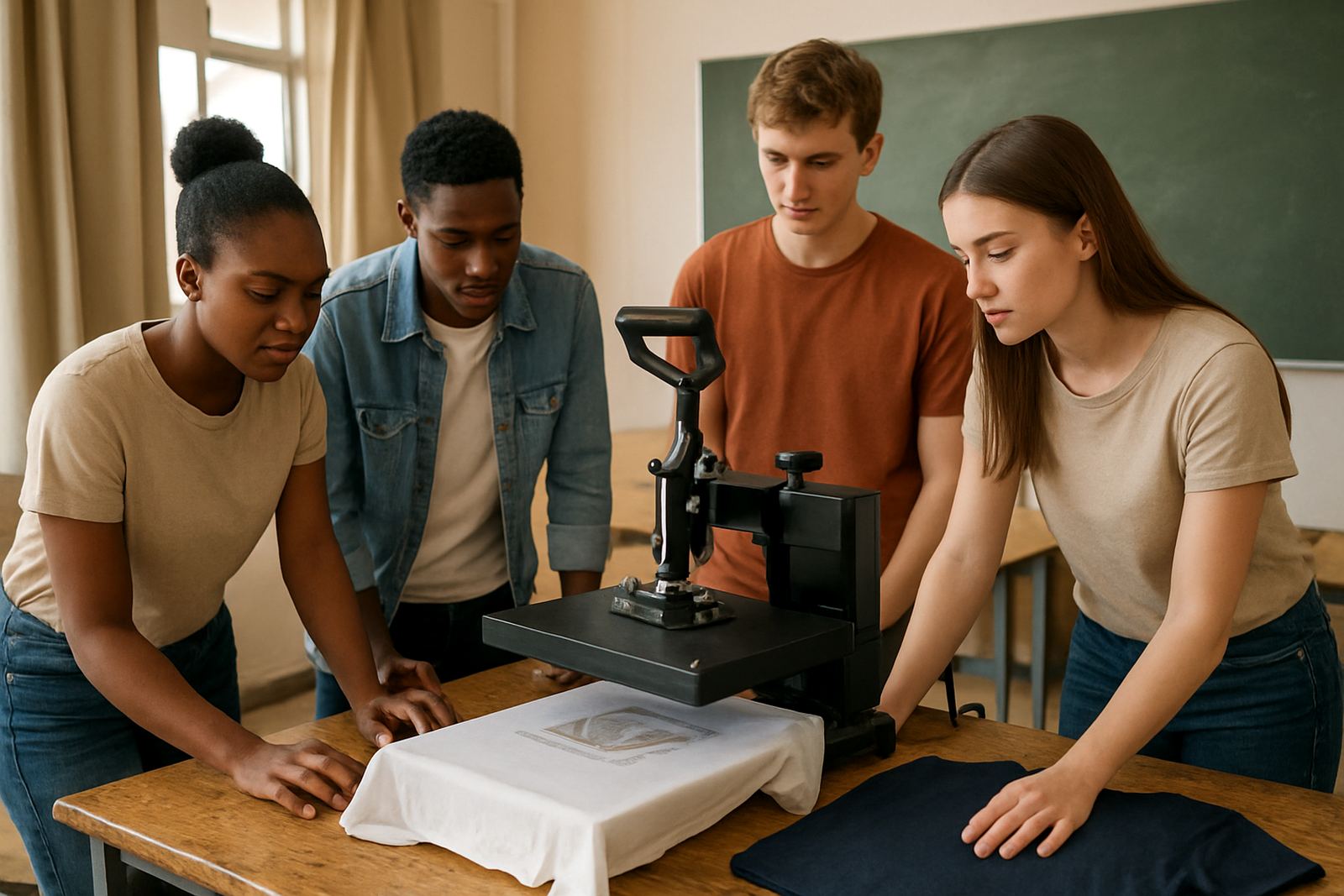
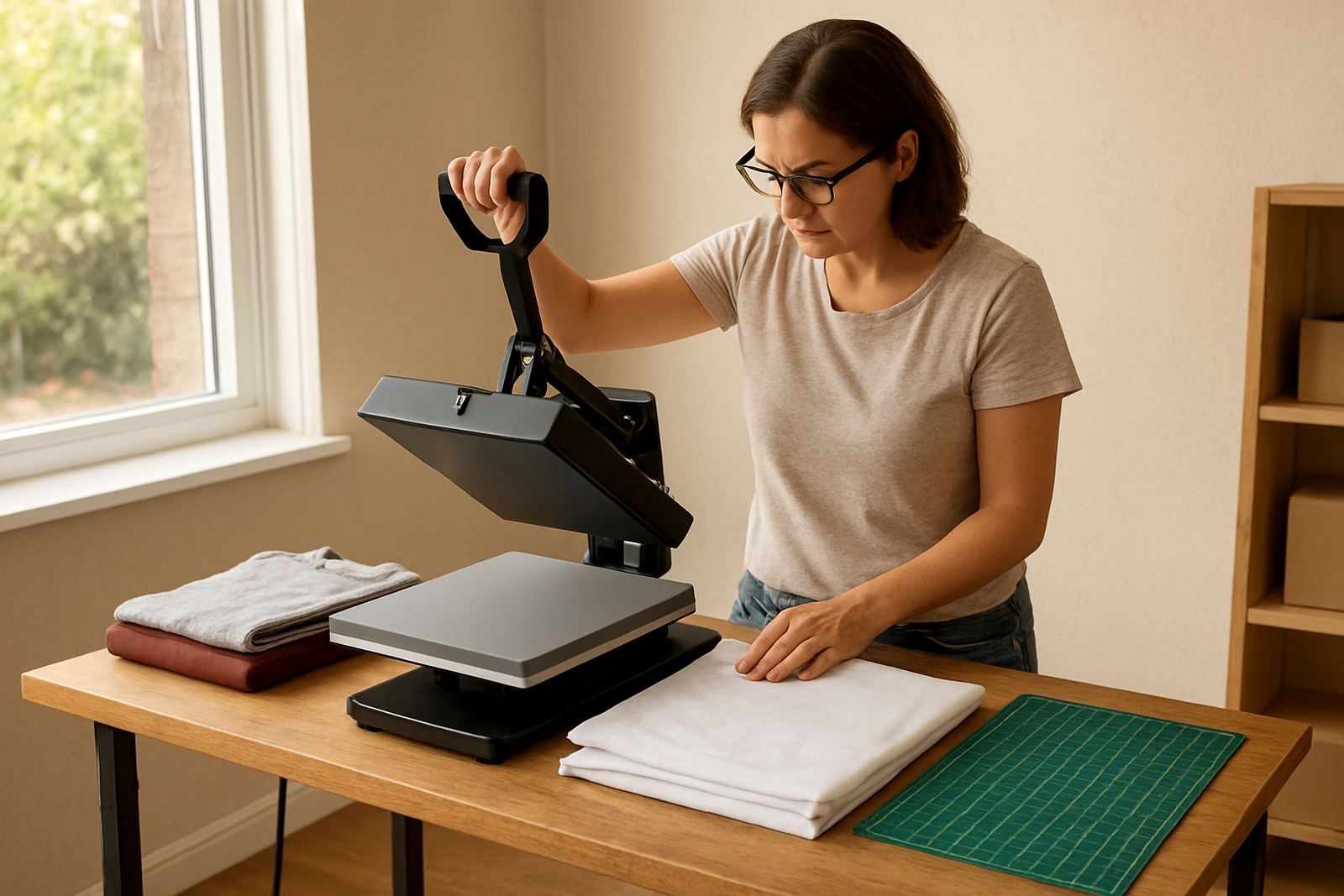
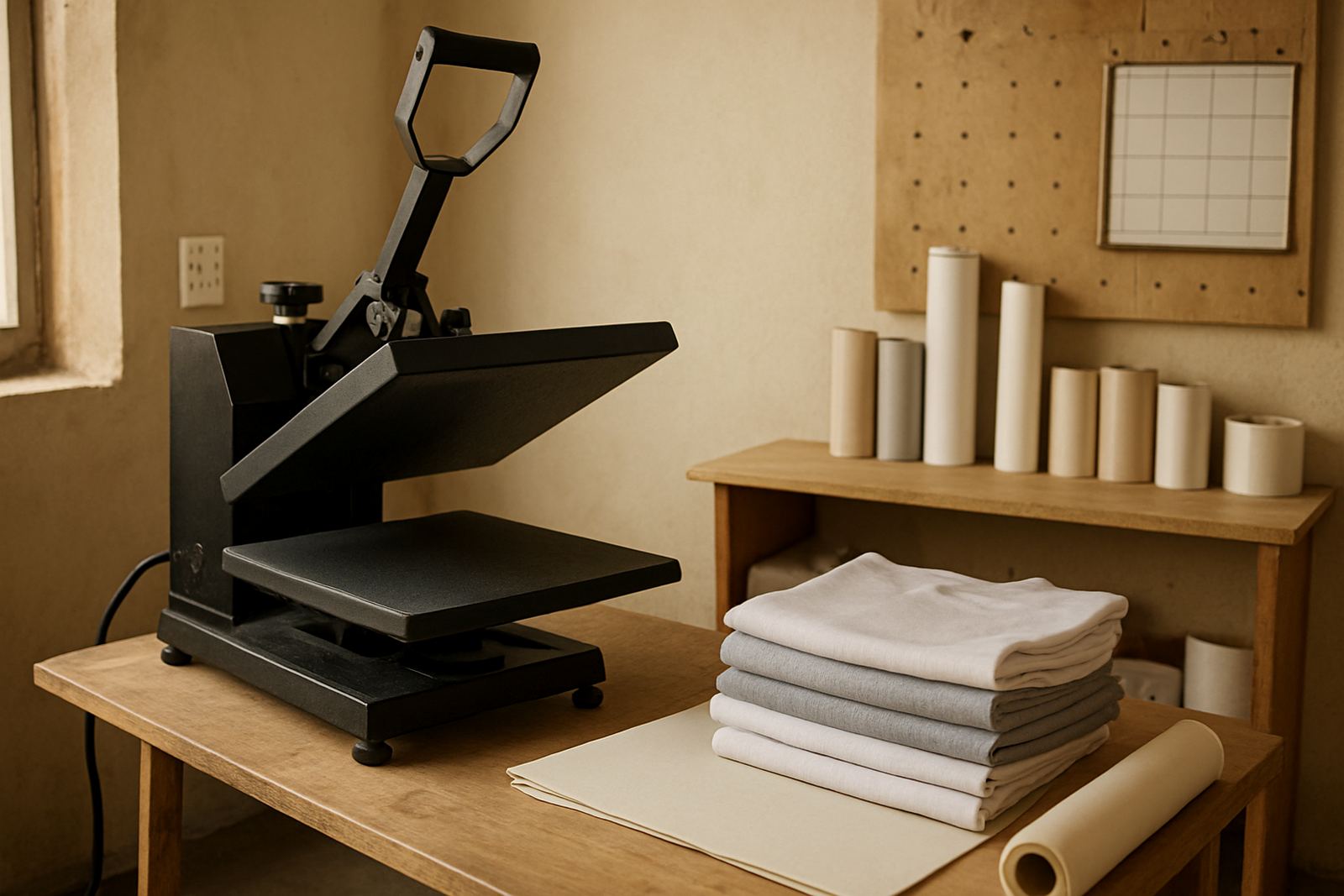
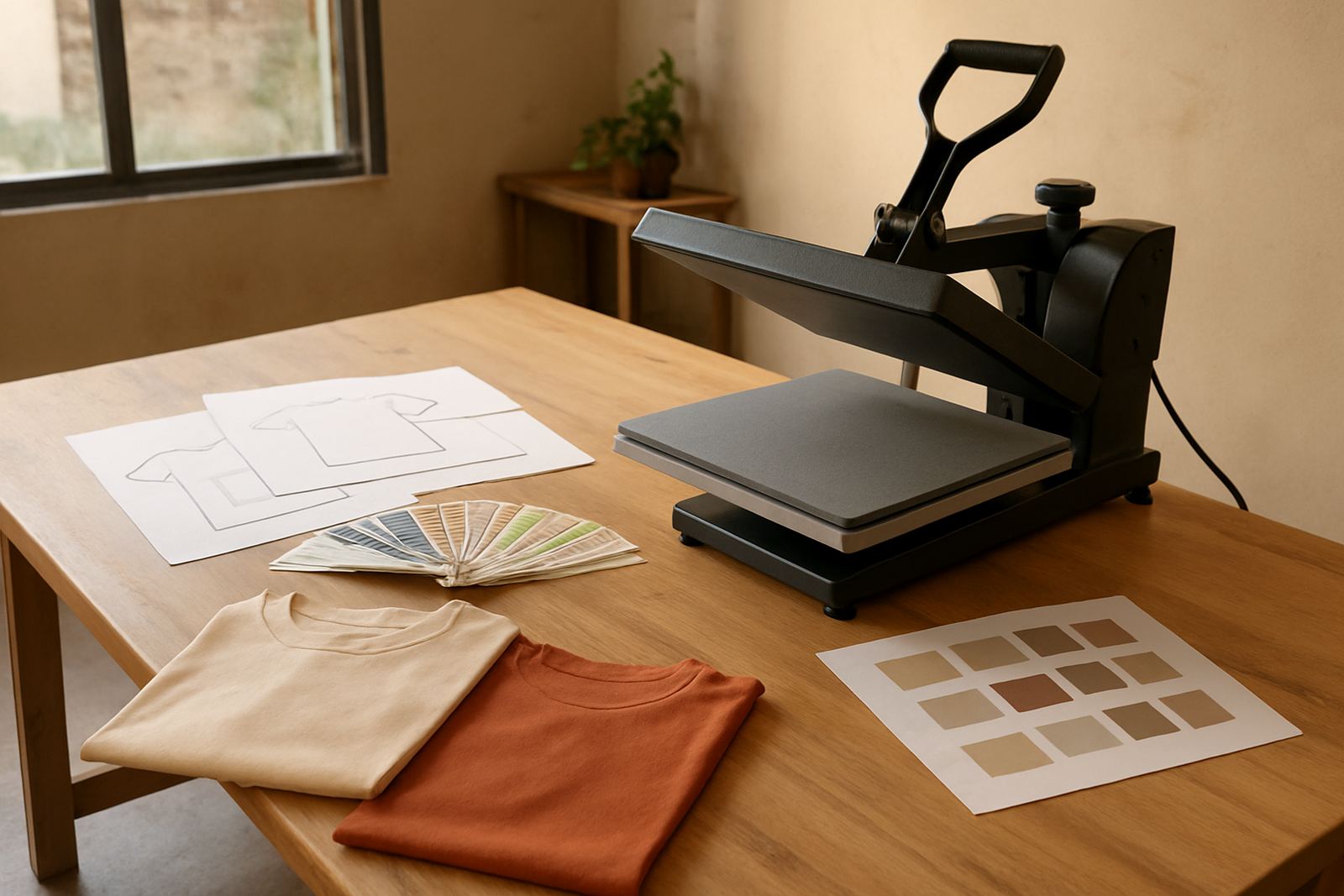
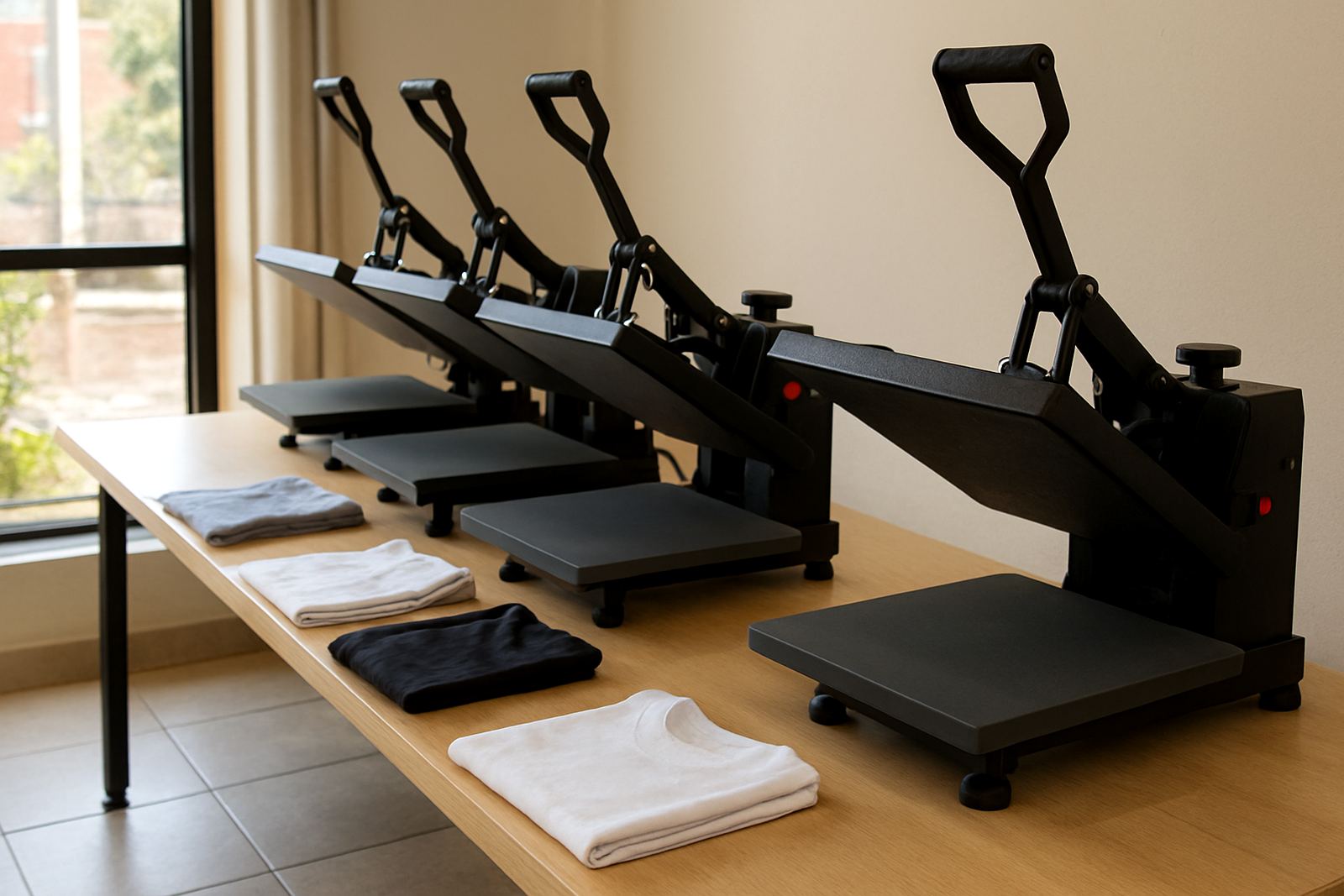
For a design studio, the most useful setup is usually simple and dependable. A flat heat press for T-shirts and transfers, a clean packing table, storage for blanks, and a small corner for test prints will cover most day-to-day work. If your studio is sharing space with design computers and sample rails, plan for heat, power and workflow before the first machine lands.
- Manual or air-assisted flat press sized for the main garment type
- Heat-resistant table with enough room for loading and cooling
- Dedicated storage for transfer paper, vinyl and blank tees
- Power point on a stable circuit, with surge protection for load-shedding recovery
- Basic tools for alignment, lint removal and test placement
In many studio spaces, a 38 x 38 cm or 40 x 50 cm press is enough for most sampling work. Bigger artwork, oversized chest prints and tote bags may justify a larger platen later, but starting with the right size avoids wasted floor space and unnecessary spend.
Layout and planning for small creative spaces
Studio environments are usually tight, especially in mixed-use buildings or shared offices in Gauteng city centres. The press should sit where the operator can move garments easily without crossing cables or bumping stored stock. Leave enough room to open the press fully, walk around it, and place finished garments aside without heating up nearby items.
If you are in a coastal area like Durban or Cape Town, humidity can affect transfer handling and storage. Keep paper, media and garments in sealed containers where possible, and allow the press to sit in a stable room with decent airflow. In Midrand and other inland areas, dust control becomes more important, so regular cleaning around the platen and controls should be part of the weekly routine.
For studios working in office parks or shared premises, check power access and building rules early. A 15A or 20A circuit may be enough for a smaller press, but do not assume the spare point behind a workstation will handle the load. If the building is prone to outages, plan for a proper restart process after load-shedding so temperatures and timing are checked before production resumes.
Common mistakes we see in design studios
Many studio teams focus on artwork and rush the production side. That can lead to uneven prints, wasted blanks and unhappy clients. A press that is not level, not calibrated properly, or is used without consistent pressure settings will give different results from job to job. Even a slight mismatch can show up on fine-detail graphics or small logo placements.
- Choosing a press that is too small for the largest planned artwork
- Placing the machine where the operator cannot work safely around it
- Skipping temperature checks after power cuts
- Using worn pads or damaged coverings that leave marks on garments
- Not training staff on pressure adjustment and dwell time
We also see studios underestimating maintenance. A heat press may look fine from the outside while the element, controller or pressure system is starting to drift. Sorting those issues early is cheaper than replacing a batch of damaged samples after a client meeting.
Budget ranges for studio buyers in Rand
Budgets depend on output, space and whether the studio needs a manual unit or a more advanced setup. For many small creative teams, a solid entry-level flat press can start from about R12 000 to R22 000. Mid-range units for more frequent use often sit between R22 000 and R45 000. Larger or higher-output setups can move beyond R45 000, especially if the studio needs extra control, better pressure consistency or faster turnaround.
It is worth setting aside a second budget for setup and support. Installation, operator training, initial calibration and spare parts planning can save a lot of money later. For a working studio, we normally suggest allowing a buffer of R2 500 to R8 500 for setup items, depending on the machine and the site conditions. If you expect regular production, factor in replacements for pads, covers and heating parts over time as part of normal operating costs.
Support that helps a studio keep promises
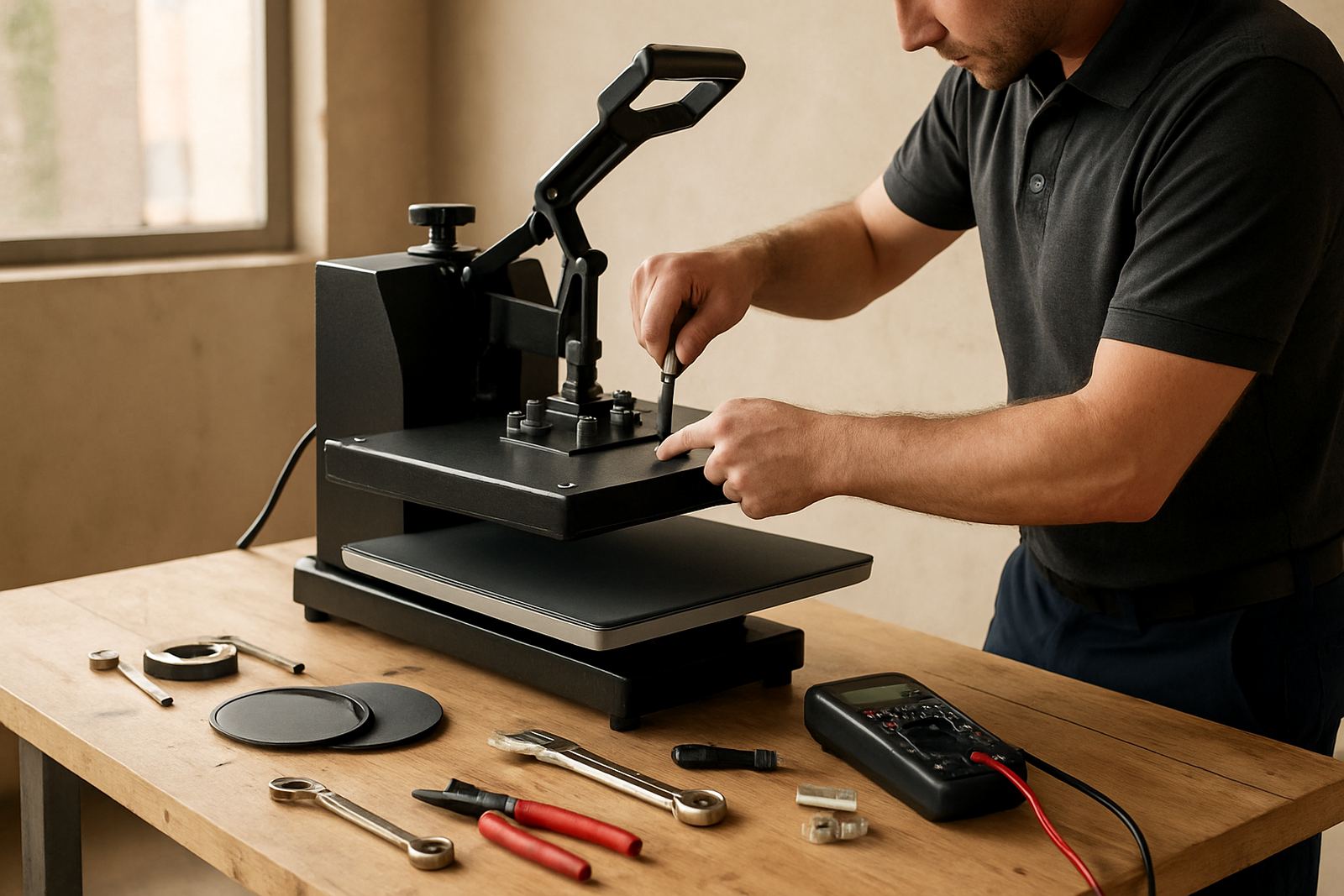
Creative work is usually driven by deadlines, and the press has to keep up when a client signs off late and needs samples by Friday. Our team supports design studios with new press setup, operator training, phone tech support, temperature checks, pressure adjustments, element replacements, controller repairs, pad and covering changes, pneumatic line service, preventive servicing, spares supply and loan unit support where available.
FlatPress is based in Midrand, led by Mandla van Rensburg, with support from Ntombifuthi Xaba, Riaan Ferreira, Kelebogile Mabena, Ridwaan Peters, Nandi Dlamini and Willem Botha. We handle jobs across Johannesburg, Pretoria, Durban, Cape Town, Bloemfontein, the East Rand and West Rand, and we can courier parts nationwide when a studio needs to keep moving.