

Sized for smaller garments and tighter print positions
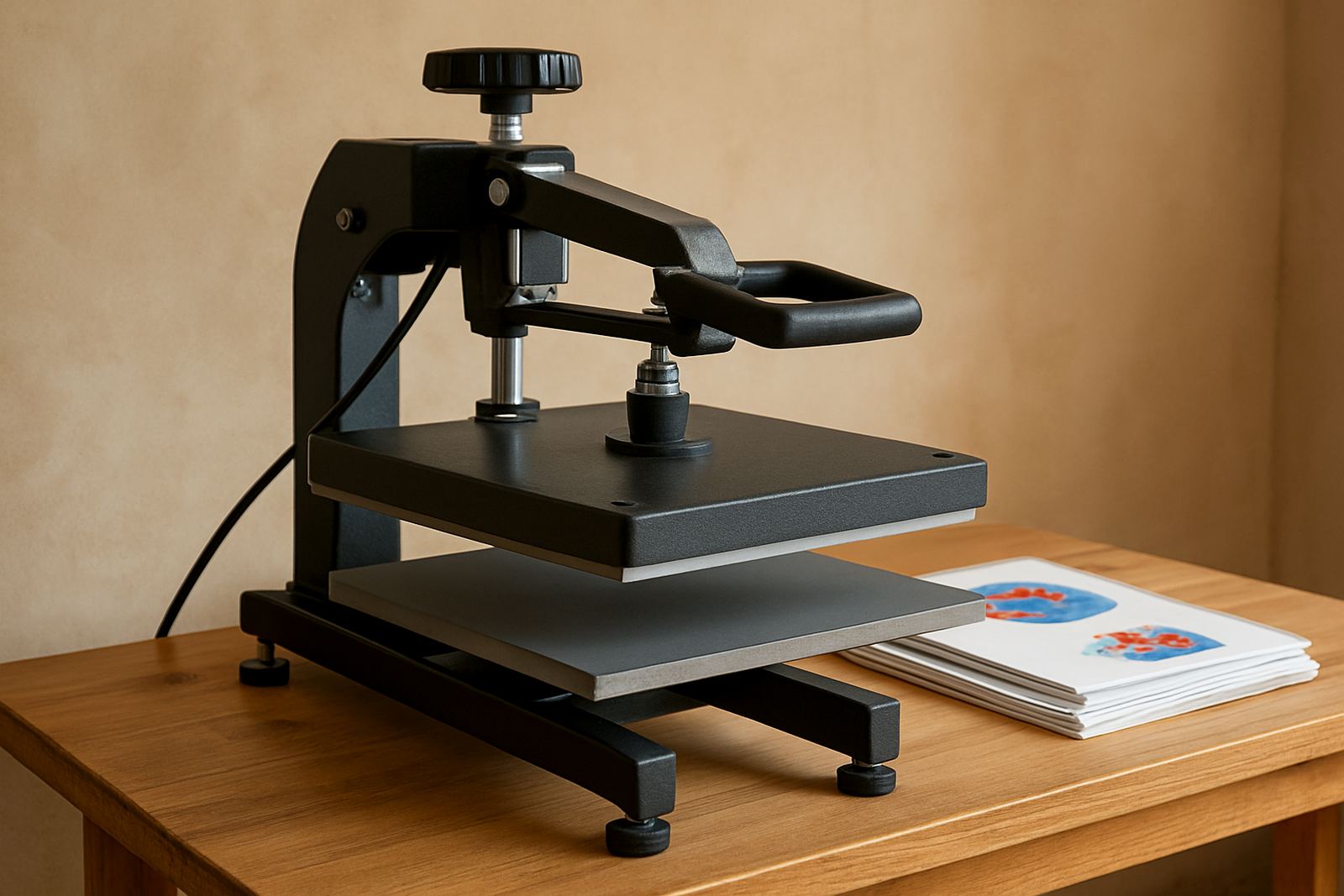
This press is built for youth sizing, where a standard platen can feel too large for the garment or too wide for the print area. It suits smaller T-shirts, schoolwear, lightweight tops and transfers that sit higher on the chest or closer to the neck. For decorators working on mixed orders, it helps keep the print centred and reduces wasted handling on small items.
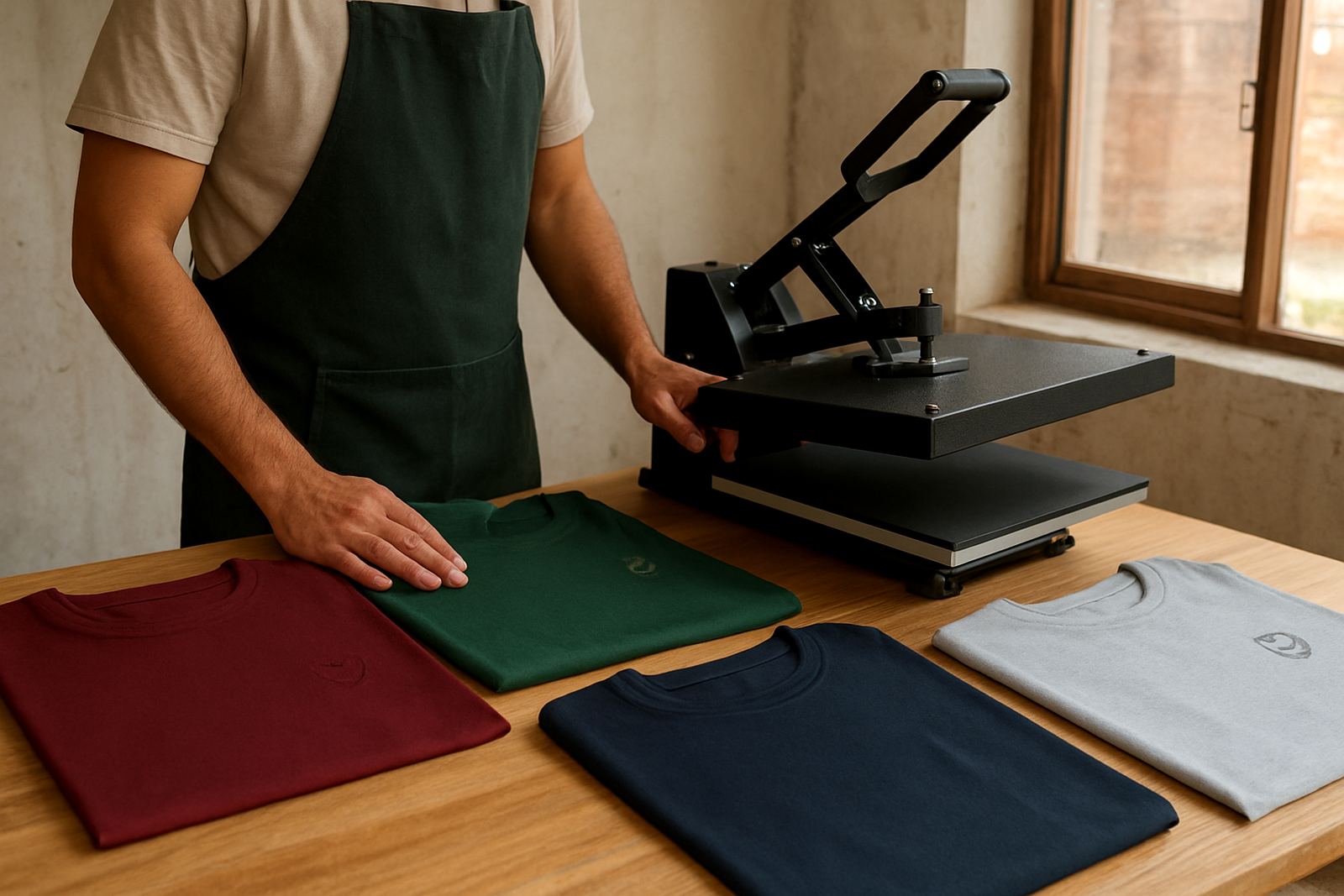
In a shop doing uniforms, clubwear or promotional items, the smaller platen also makes loading easier. You spend less time positioning each garment and can keep a steadier rhythm when doing repeated jobs. It is a practical choice for home studios, start-up print rooms and established workshops that need a dedicated youth size without taking up much floor space.
Common sizes and platen options
Most youth presses are supplied with a platen size that suits smaller garments, usually around 15 x 15 cm to 25 x 30 cm depending on the model and the type of transfers you print. The right option depends on your usual garment range and where you place artwork. If you print school crest positions, left chest marks or small front graphics, a smaller platen is often the cleaner choice.
- Smaller platen for youth T-shirts, school shirts and babywear type work
- Manual or pneumatic operation depending on production volume
- Digital temperature and timer control for consistent repeat jobs
- Adjustable pressure for vinyl, DTF, sublimation and transfer paper
- Optional quick-change lower platens for different garment sizes
Some customers pair a youth press with a larger flat press so they can handle both small and full-size garments in the same production space. That keeps the setup flexible without overloading one machine.
Where this press works best in South Africa
This model suits small garment decorators in Gauteng, online print shops, school uniform suppliers and event printers who need controlled placement on smaller items. It also works well for businesses taking courier orders nationwide, where a compact press is easier to house, move and service. In Midrand, Johannesburg and Pretoria, many customers use it for quick turnaround schoolwear work and smaller promotional jobs.
It is especially useful where garment sizes vary from child to youth to small adult, because the press keeps the heat zone closer to the print area. That can help reduce marks on surrounding fabric and improve consistency on lighter tops. For Durban and coastal areas, it is worth pairing the press with dry storage for transfers and vinyl because humidity can affect some materials.
Installation, power and workshop fit-out
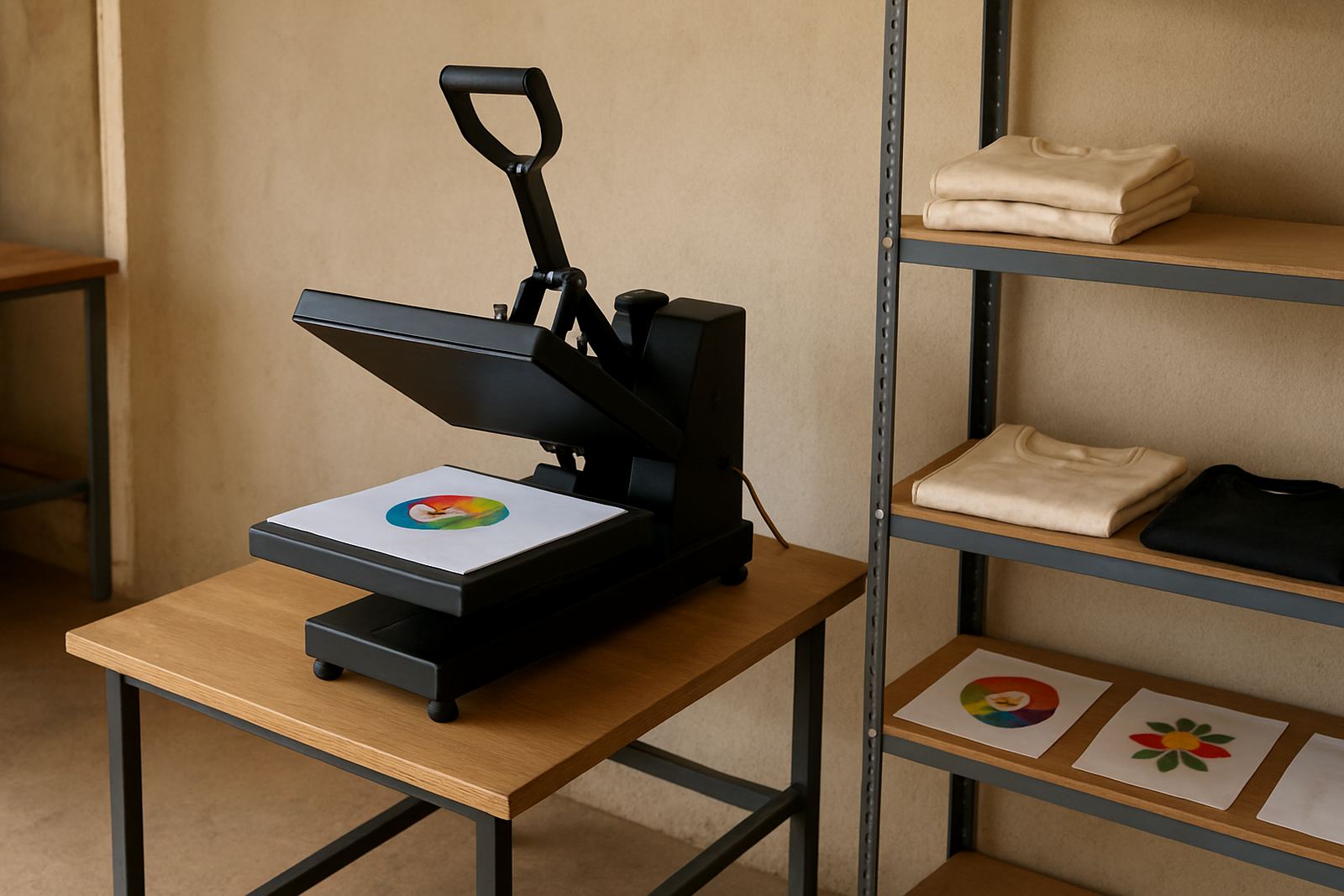
The youth press is straightforward to install, but the right electrical setup matters. Most flat presses run on standard single-phase power and should be placed on a stable table or stand with enough space for the handle travel and operator movement. If you are fitting out a new room in Midrand, the East Rand or the West Rand, we can assist with setup and operator familiarisation so the machine starts working properly from day one.
- Use a level work surface with clear access on both sides where possible
- Keep the machine close to a suitable plug point, no loose extension leads if it can be avoided
- Allow for ventilation and safe hand movement around the heated platen
- For pneumatic versions, plan for clean compressed air and line maintenance
- Check that your power supply matches the machine rating before first use
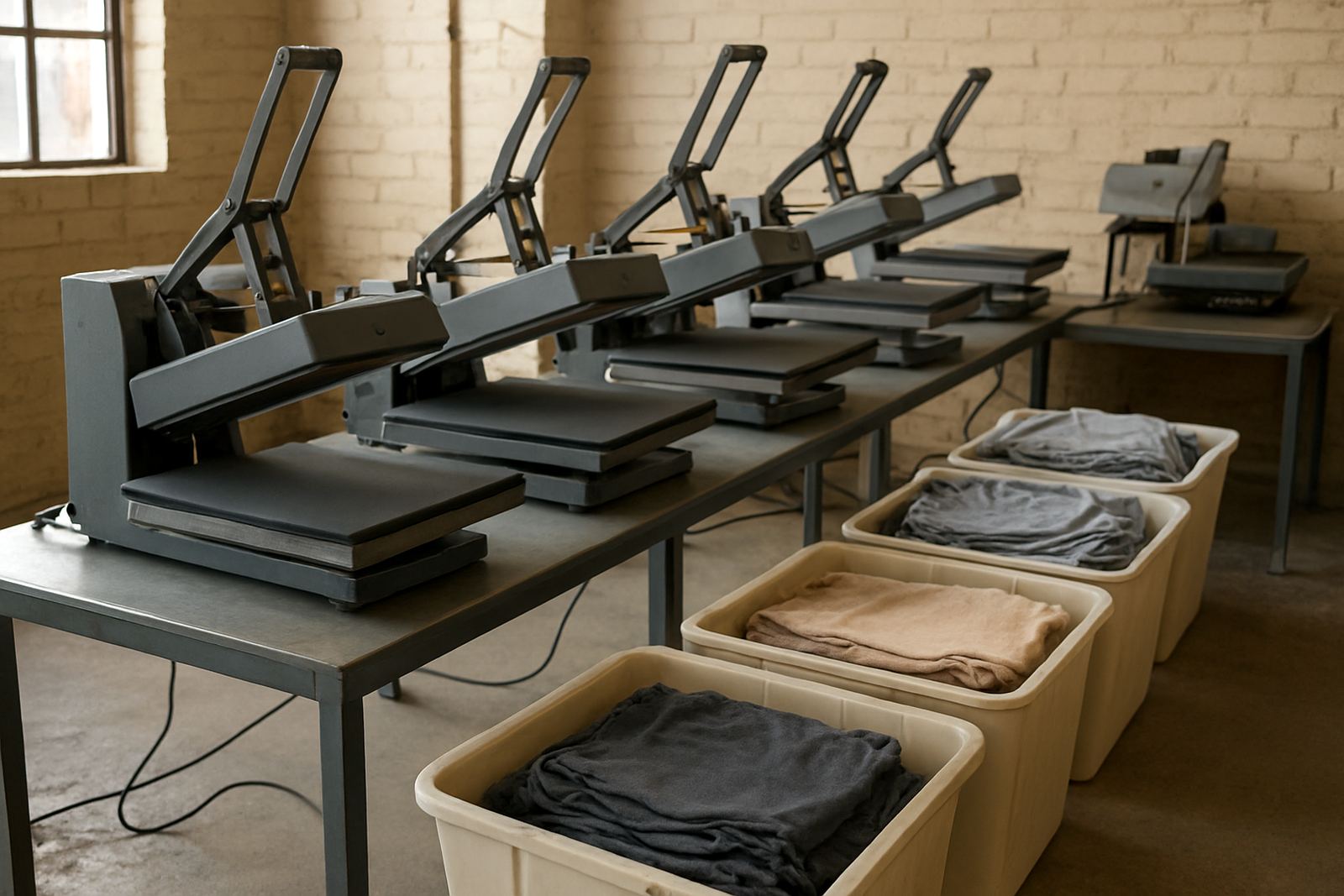
On busy sites, a small press can be added to a shared production bench without major changes. If you are operating during load-shedding, a suitable inverter or backup supply may be needed to keep temperature stable and protect output quality.
Care, servicing and daily checks
Like any heat press, this machine performs best when it is kept clean and checked regularly. Wipe off adhesive, lint and transfer residue after use, and inspect the cover and lower pad for wear. If the padding becomes uneven or compressed, pressure can become patchy and your prints may start showing poor corners or light spots.
We support preventive servicing, temperature checks, pressure adjustments, pad and covering replacement, controller repairs and element replacements when needed. Regular servicing is a good idea for shops doing repeated daily runs, especially in hotter inland areas where workshop temperatures can climb and affect comfort for operators.
Keep an eye on the timer, heat-up speed and pressure feel. If the press starts taking longer to reach temperature or the handle action feels inconsistent, it is better to have it checked before it interrupts production. Small faults are usually easier to fix early on than after a full breakdown.
What to confirm before you order
Before you place an order, it helps to match the machine to your actual print work. The right youth press for a hobbyist in Bloemfontein may be different from the one a garment decorator in Cape Town needs for daily shop use. Let us know what you print, how many items you do per day and what size transfers you use most often.
- Typical garment sizes and whether you print schoolwear, fashion tops or promotional items
- Artwork size and placement, such as chest prints, neck positions or sleeve work
- Whether you need manual or pneumatic operation
- Your available power supply and workshop space
- Whether you want spares support, training or on-site setup
If you are not sure which platen size will suit your work, our team can talk through the options and guide you on the best match. That way you get a press that fits your day-to-day jobs instead of one that is too large, too small or awkward to use.
Support from setup to spare parts
FlatPress supports garment decorators from first setup through ongoing use, with training, phone technical support, workshop repairs and spare parts supply from our Midrand base. Customers in Johannesburg, Pretoria, Durban, Cape Town, Bloemfontein and across South Africa can reach us through the enquiry form on our contact page for help with a new press, a service booking or advice on a fault.
Whether you are running one machine at home or a small production line in a print shop, the aim is the same: steady heat, even pressure and reliable output. If a press is not behaving as it should, our technical team can help you work through the issue and keep the machine earning its keep.
Key facts
| Machine type | Flat heat press for youth-sized garments and smaller transfer positions |
|---|---|
| Platen size | Typically 15 x 15 cm to 25 x 30 cm depending on model |
| Control system | Digital temperature and time control |
| Operation | Manual or pneumatic options available |
| Power | Single-phase electrical supply, rating depends on model |
| Use case | Schoolwear, youth tops, small chest prints and compact transfer jobs |