
Built for firm contact on demanding transfer work
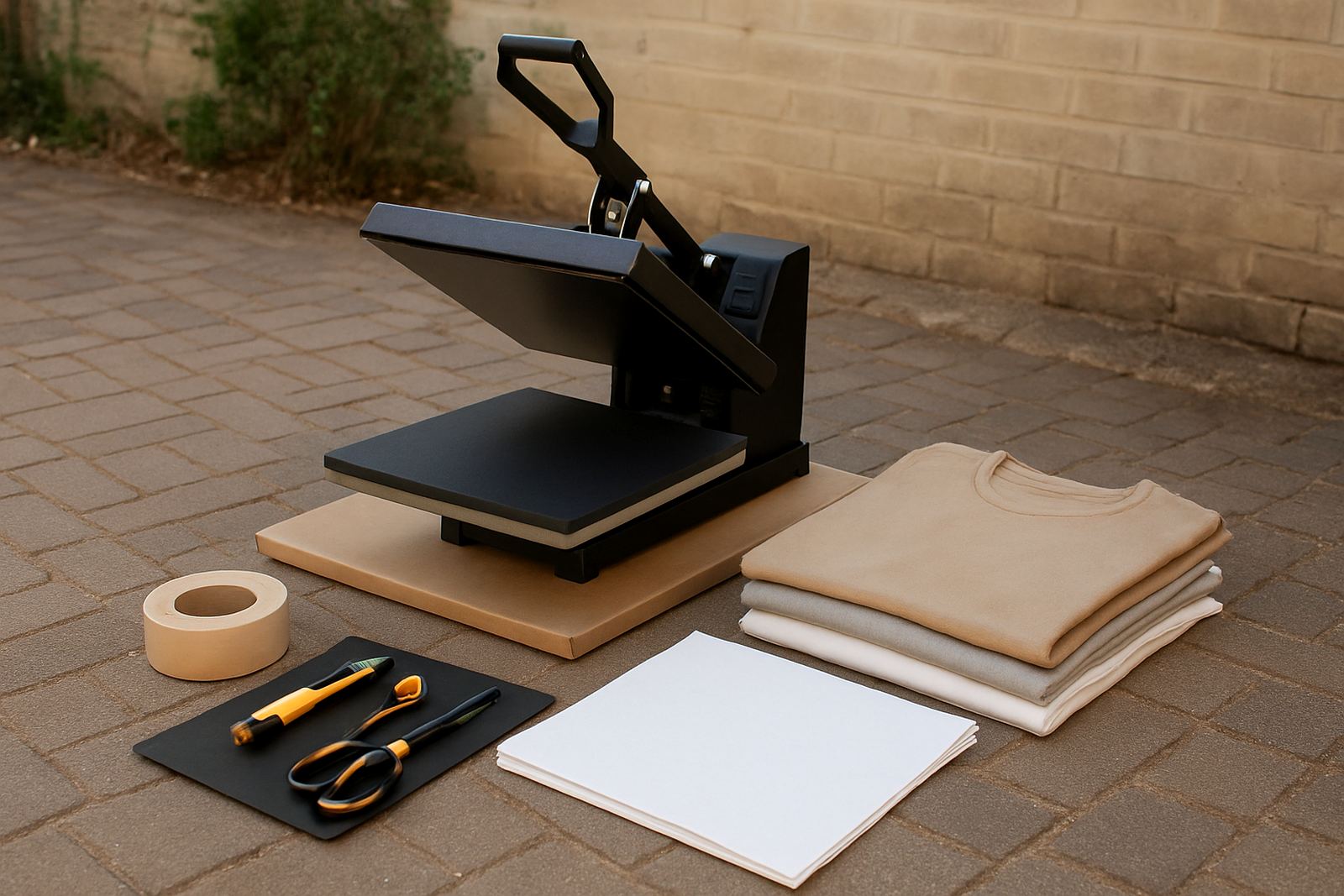
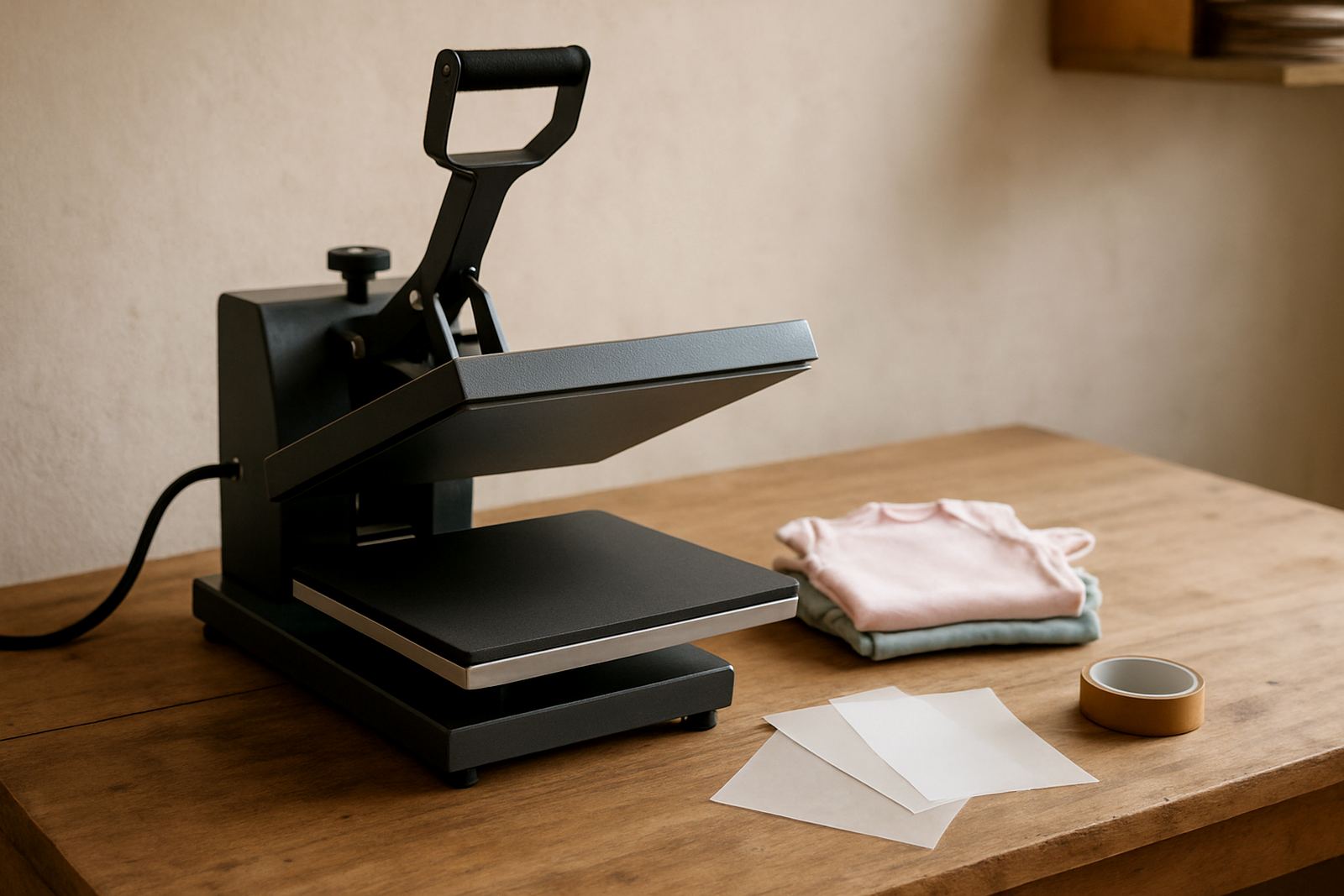
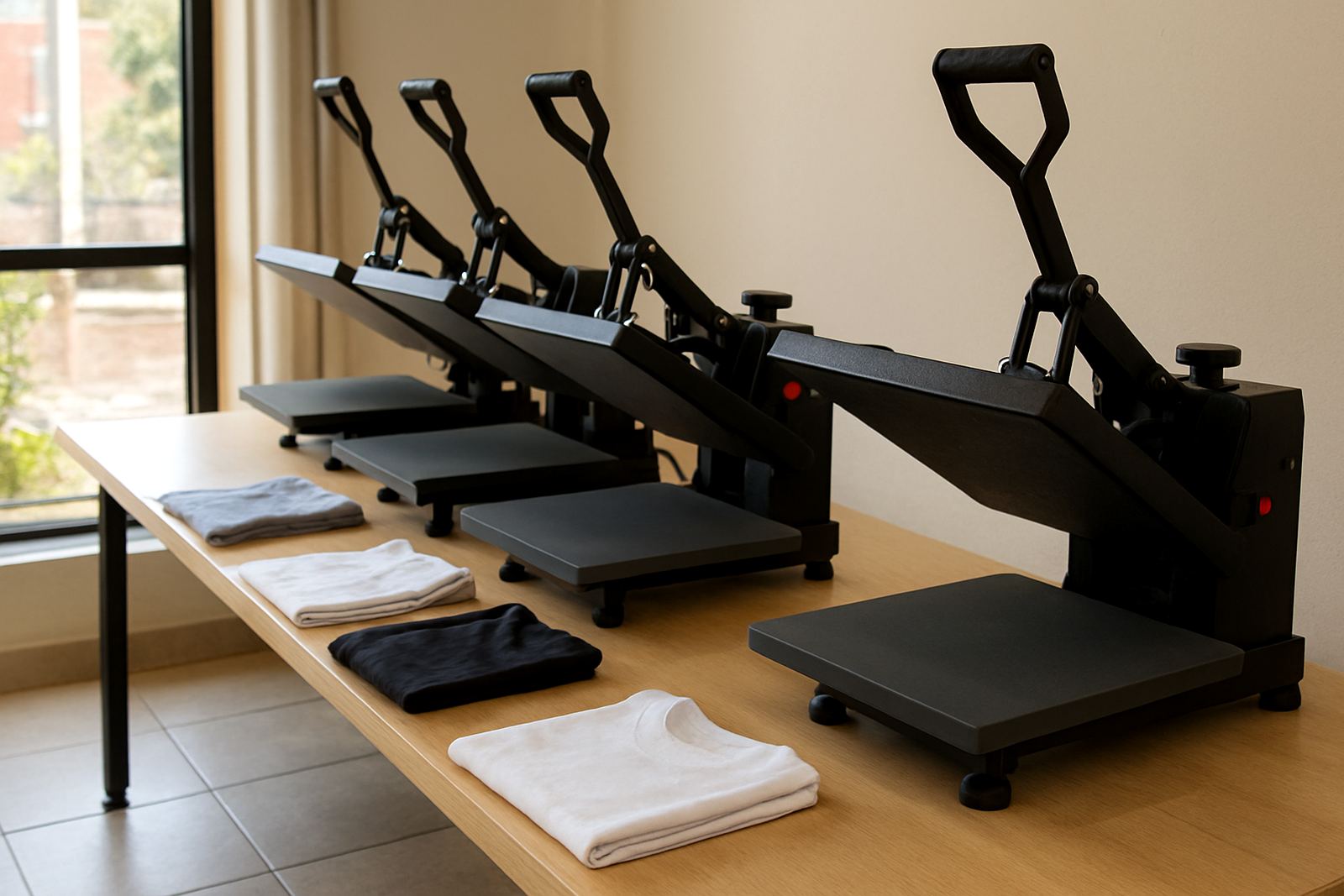
The FlatPress high pressure press is made for t-shirts, workwear and transfer jobs that need a stronger closing force than a standard entry level unit. When the transfer has a heavier carrier, a thicker print layer or a material that needs more squeeze to bond properly, firmer pressure helps you get cleaner release and better adhesion. That matters whether you are running short custom orders in Midrand or pushing repeat production for clients in Johannesburg and Pretoria.
This type of press is also useful where garments vary from light cotton tees to heavier blends and winterwear. A firmer platen contact helps reduce patchy bonding, especially on seams, zips and textured fabrics. It is not the right answer for every job, but when the material calls for extra pressure it gives you better control and fewer rejects.
For small decorators and larger print shops alike, the main benefit is consistency. Once your time, temperature and pressure are set correctly, the press gives you repeatable results on similar garments. That saves time during peak season and reduces the need to rework transfers that did not take properly the first time.
Sizes and options for different workshop setups
High pressure presses are usually selected around the platen size and the way you work day to day. A smaller platen suits labels, chest prints and compact work areas. Larger platens make it easier to position adult tees, hoodies and bigger transfer sheets without chasing the artwork around. If you are working from a home studio, a compact footprint can matter just as much as output.
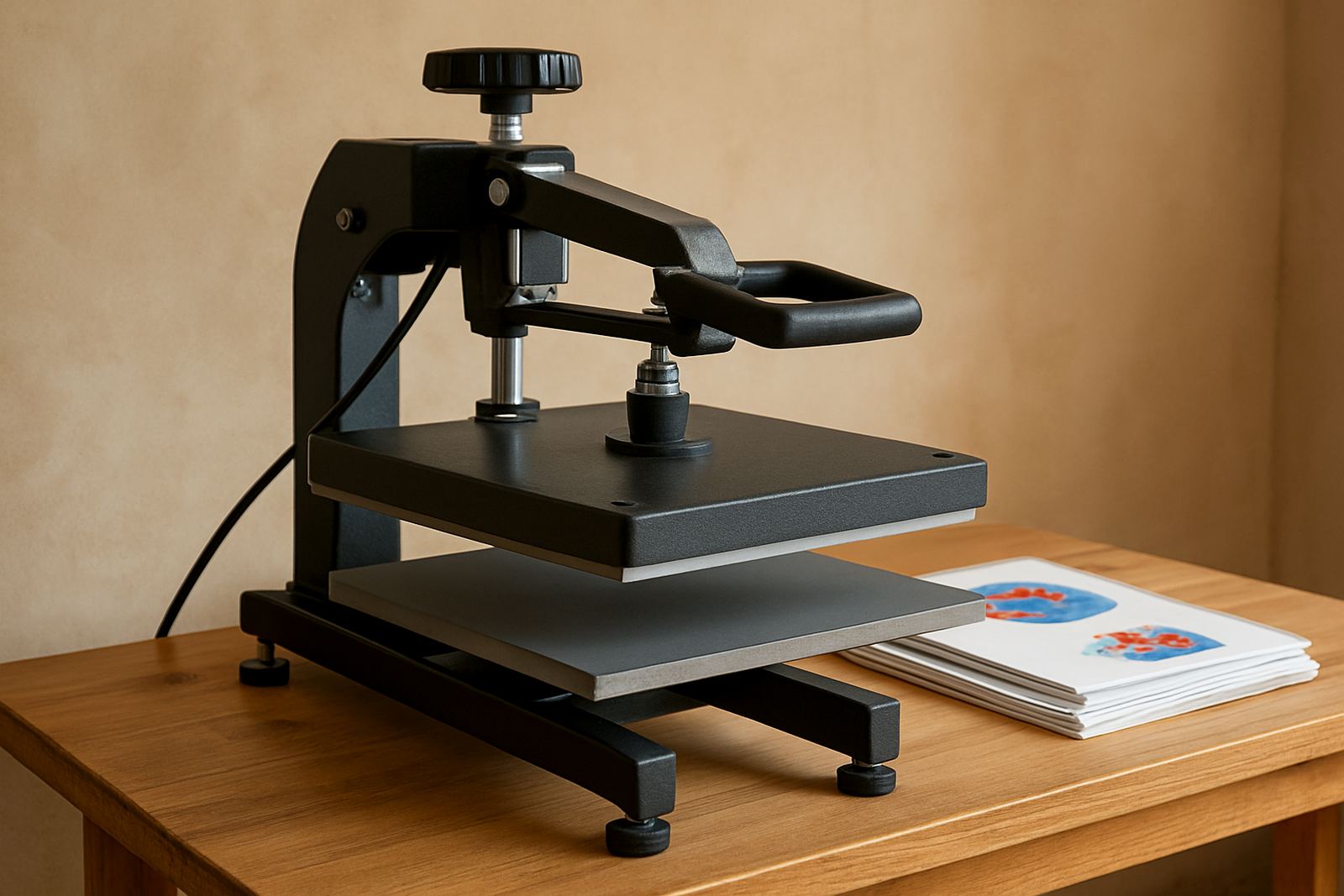
Common setup choices include manual closing units for straightforward garment work and swing style layouts for easier placement. Some operators prefer a flat platen setup for general transfers, while others need a press that handles wider items with a steadier closing action. We help match the press to the volume, garment type and available space.
- Suitable platen sizes for small, medium and larger transfer jobs
- Manual operation for simple day to day production
- Options that suit compact studios and full print rooms
- Better pressure control for thicker transfer materials
If you are choosing between sizes, think about the biggest item you will press regularly, not just the most common one. A press that is too small can slow down your workflow and create alignment issues, especially on larger print runs.
Where a high pressure press suits the job
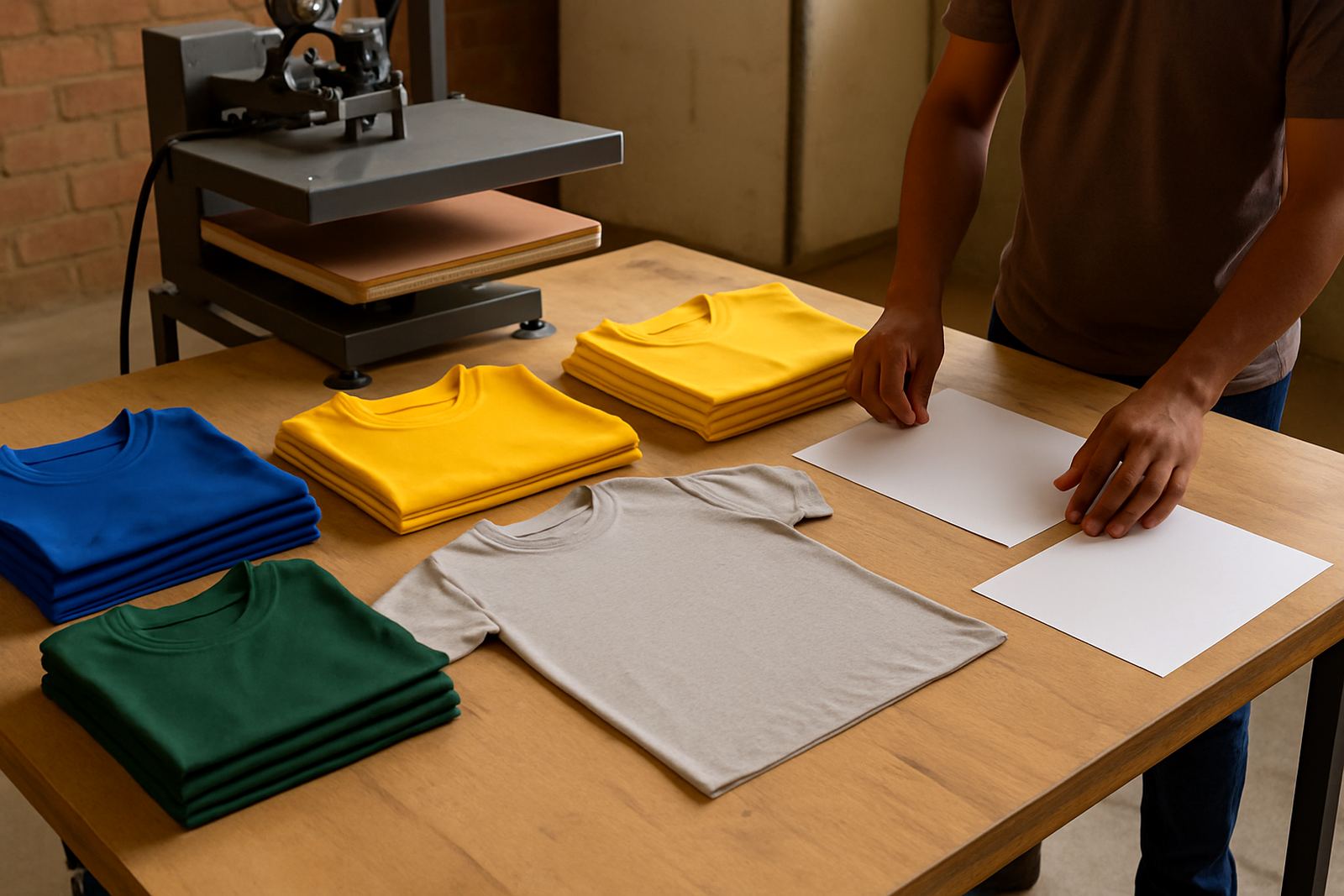
This press suits garment decorators who work with transfer vinyl, thicker print media and applications where the bond must be firm and even. It is often chosen by shops doing branded clothing, schoolwear, workwear and promotional clothing. In coastal areas like Durban and Cape Town, operators also like a press that can hold pressure well when humidity changes the feel of garments and transfer materials.
The unit is useful for hobbyists too, especially if they want cleaner results on tougher materials without guessing at the pressure each time. For professional print shops, it is a practical machine for repeat production, sample work and rush jobs where a weak close would cause lifting at the corners or incomplete adhesion.
It is also worth considering when you work with a mix of cotton, polycotton and coated fabrics. Firmer pressure helps the transfer settle into the garment surface, though you still need to use the correct temperature and dwell time for the specific transfer material. A press cannot fix a bad setup, but it does make the right setup easier to repeat.
Installation, power and workspace needs
Most high pressure presses are straightforward to install in a workshop, studio or retail back room. You need a stable bench or stand, enough room for the platen to open fully and a safe area for garment handling. Leave space at the back and sides for loading, unloading and cleaning, because cramped placement makes operator movement awkward and can slow production.
Power requirements depend on the model and platen size, but most units run from standard workshop electricity with a proper grounded connection. If you are in an area affected by load-shedding, a stable power plan matters. Sudden cuts can interrupt heating cycles and delay production, so it is wise to keep your workflow planned around power availability and warm up time.
Some high pressure presses use pneumatic assistance for consistent closing force. If so, you will need a suitable air supply and clean dry air line. That setup is helpful where operators want steady pressure across long production days. We can advise on positioning, ventilation, basic electrical requirements and the safest way to bring the unit into use.
- Stable bench or stand with enough operator clearance
- Grounded electrical connection sized for the press
- Warm up time allowed before production starts
- Air supply needed where pneumatic closing is specified
Care, servicing and day to day pressure checks
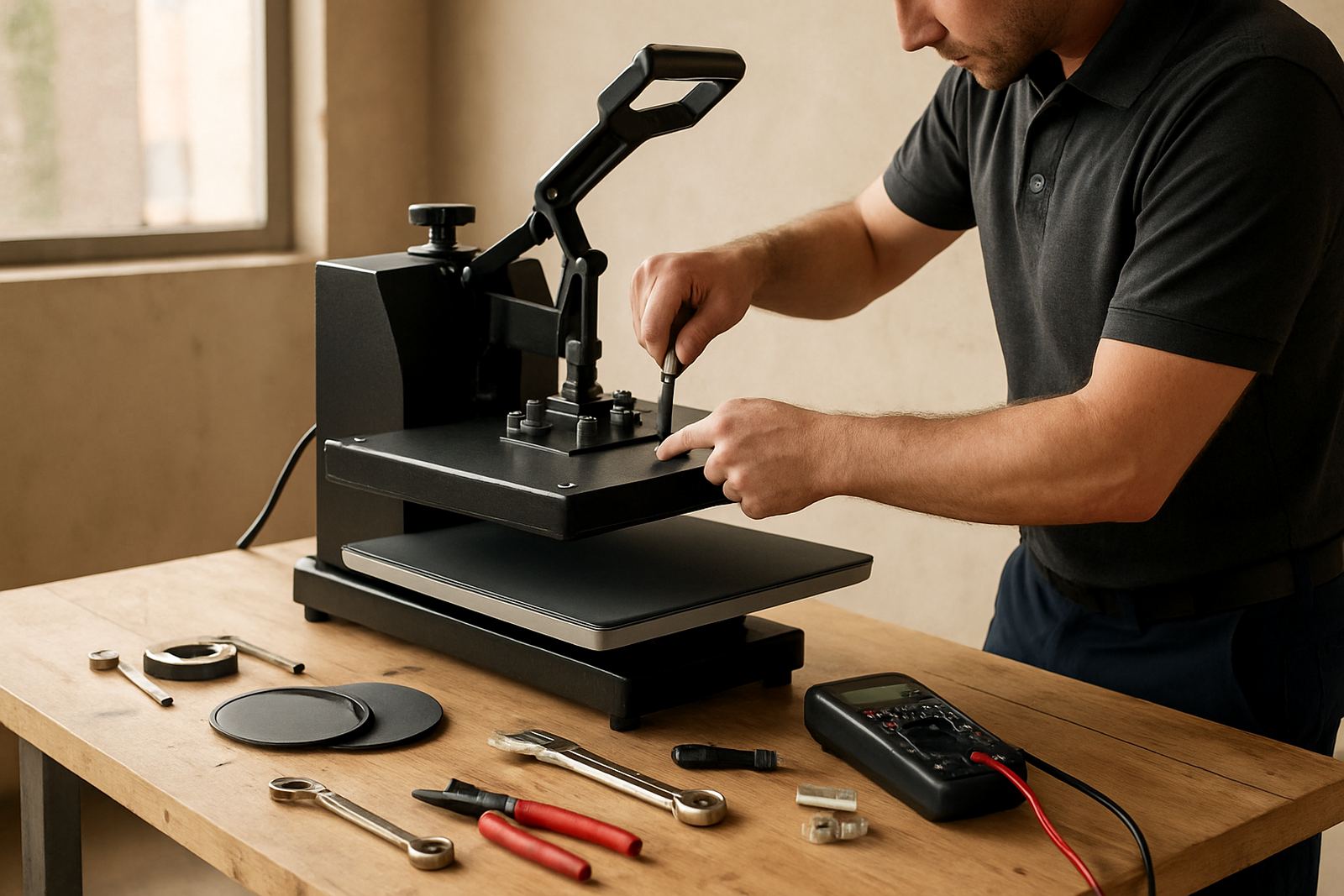
Pressure presses last longer when they are kept clean and checked regularly. Wipe the platens after use, keep adhesive residue off the surfaces and inspect the silicone pad or covering for dents and wear. If the lower pad becomes compressed or uneven, pressure distribution changes and you may see marks or patchy bonding on the garment. This is common in busy shops and easy to overlook.
We recommend regular temperature checks, pressure adjustments and preventive servicing, especially where the machine runs every day. Over time, heat, vibration and repeated closing cycles can loosen parts or change the feel of the closing action. A quick check from time to time is better than waiting for a failed transfer during a rush order. It also helps if your shop handles different garment types from one week to the next.
If a controller starts reading incorrectly, or the element is slow to heat, support from a technician can prevent bigger downtime. We also supply spares, help with pad and covering replacement, and can assist with loan unit support where a shop needs continuity during repairs. For customers outside Gauteng, courier delivery can be arranged for parts and selected support items.
What to check when ordering your press
Before you order, think through the size of garments, the transfer materials you use and the pace of your shop. A press that is perfect for T-shirt chest work may be too small for larger artwork or multiple placements. It helps to know whether you need a manual unit or a pneumatic line setup, and whether you will need installation help on site in Midrand, Johannesburg, Pretoria or further afield.
It also helps to confirm your power supply, available floor space and whether you plan to run the machine on a fixed bench or movable stand. If your workshop handles high volume or varied garments, ask about operator training so your team understands temperature setting, pressure changes and safe handling. Training reduces mistakes and helps new staff get to work faster.
- Platen size and the biggest garment or transfer you will press
- Power supply and whether your site has a stable grounded point
- Need for pneumatic assistance or a manual closing unit
- Training, setup and after-sales support requirements
- Spare parts, covers and servicing plans for regular use
Once those details are clear, it is easier to choose a press that fits your work and your workshop. If you are unsure, send an enquiry through the contact page and we can help you match the right machine to the job without overbuying or underspecifying.
Key facts
| Product type | High pressure flat heat press for transfer and garment work |
|---|---|
| Typical use | Thicker transfers, firmer contact jobs, small to medium print runs |
| Operation | Manual press or pneumatic assisted option, depending on model |
| Power | Standard workshop electrical connection with grounded supply |
| Support | Setup, operator training, phone tech support and preventive servicing |
| Service area | Midrand, Gauteng and nationwide courier supply and support |