

Built for repetitive production work
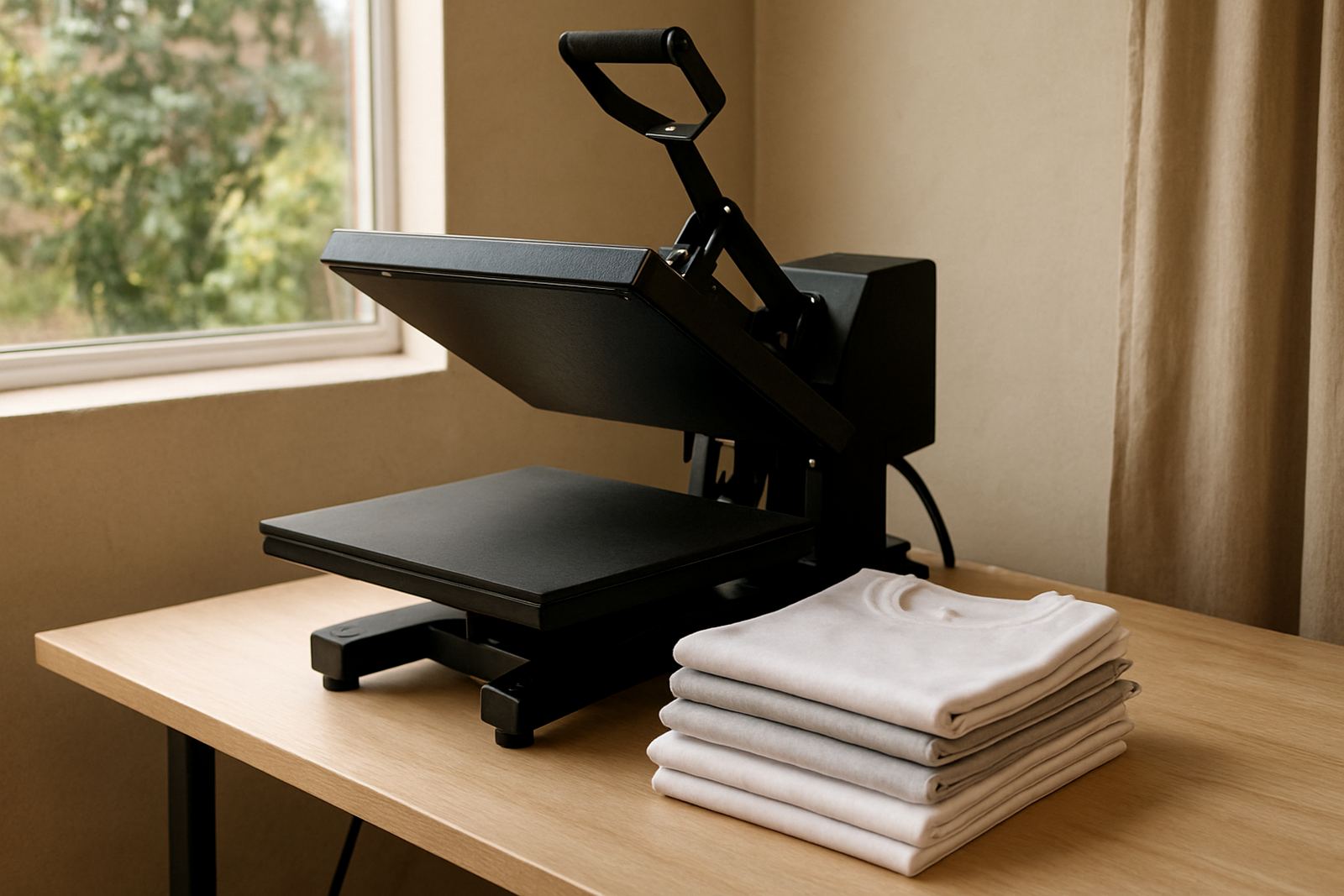
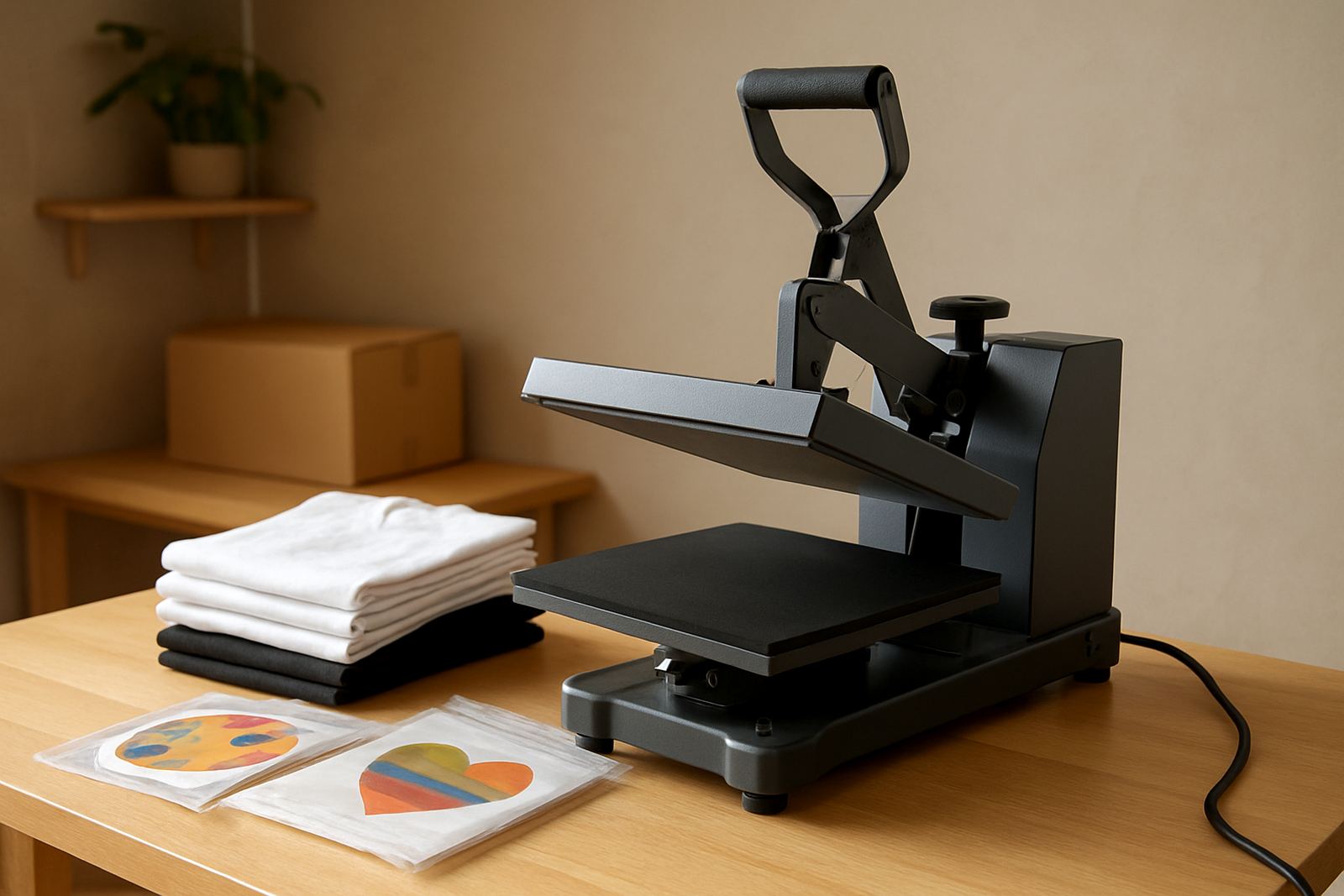
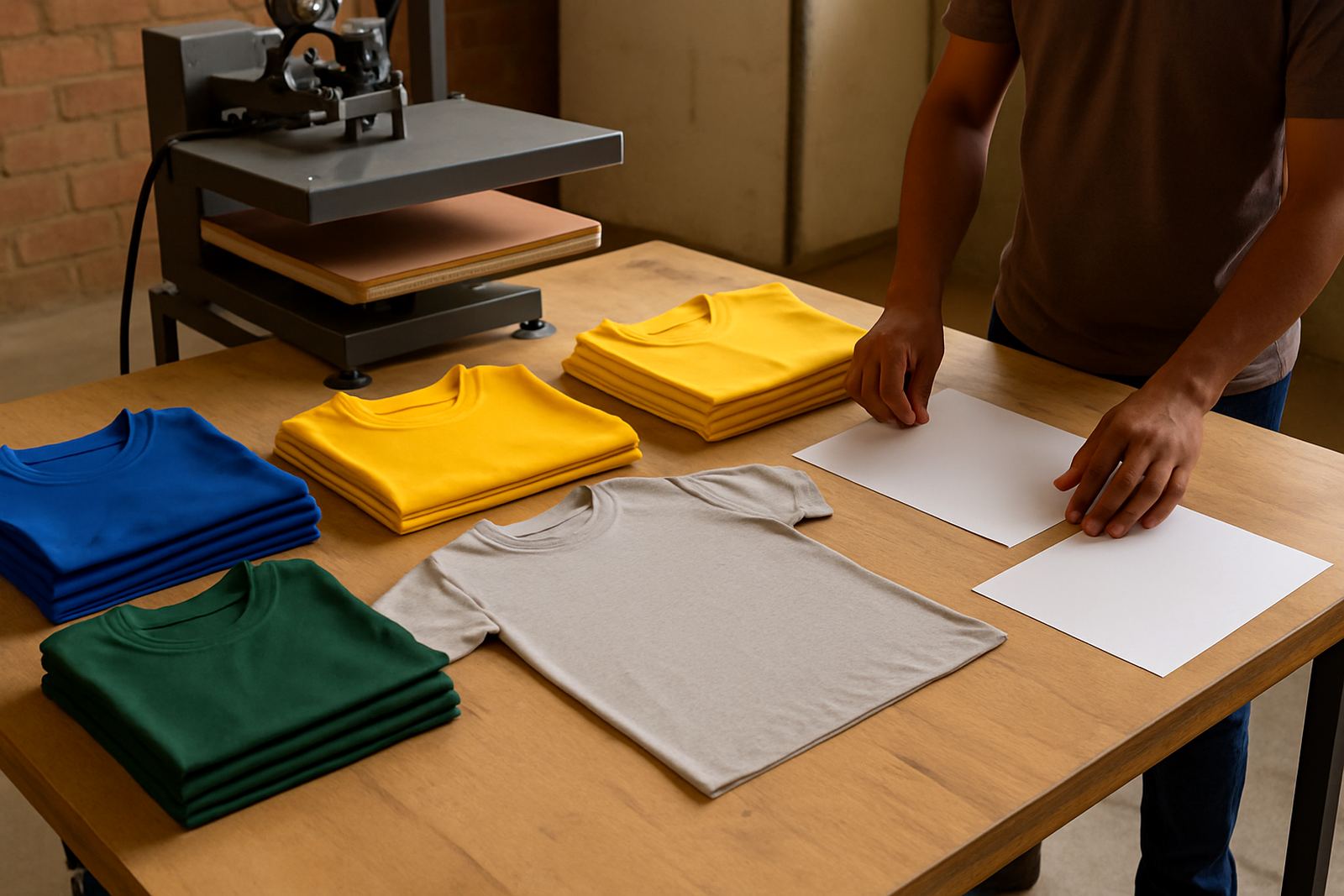
The Factory Line Press is a flat heat press for shops that spend the day pressing the same artwork, logo or transfer across many garments. It is set up for repeat work rather than light, occasional use, so the frame, platen and controls are chosen for steady handling in busy print rooms. If your team is doing school wear, event T-shirts, workwear branding or short runs for retail orders, this type of press keeps the process consistent and reduces rework.
In practical terms, it gives you a flat heating surface, even pressure and a stable press cycle for heat transfer vinyl, sublimation transfers on suitable blanks, DTF transfers and other approved textile applications. The unit is also easier to train new operators on because the workflow stays the same from job to job. That matters when staff change shifts or you have different operators covering the same machine during peak periods.
Sizes and options for different production lines
Factory Line Press units are usually selected by platen size and the amount of manual or assisted handling you want on the line. Smaller operations may choose a compact platen for standard adult shirts and sample work, while larger garment plants often want a wider pressing area to handle oversized prints, hoodies, panel placement or higher throughput. We help customers match the platen size to the garments they actually produce, not just the catalogue size on paper.
Common options include a single flat platen for standard work, a larger format platen for oversized graphics, and a production layout that can be paired with a separate table for loading and offloading. Some operations want a manual clamp system for a simpler setup, while others prefer a controlled pressure mechanism for more repeatable output. If you are working with mixed garment sizes, it is worth checking the platen footprint against your most common print position before ordering.
- Standard flat platen for T-shirts, hoodies and light workwear
- Larger platen for oversize prints and wider artwork
- Controlled pressure adjustment for repeat runs
- Digital temperature and timer control for consistent cycles
Where the Factory Line Press suits best
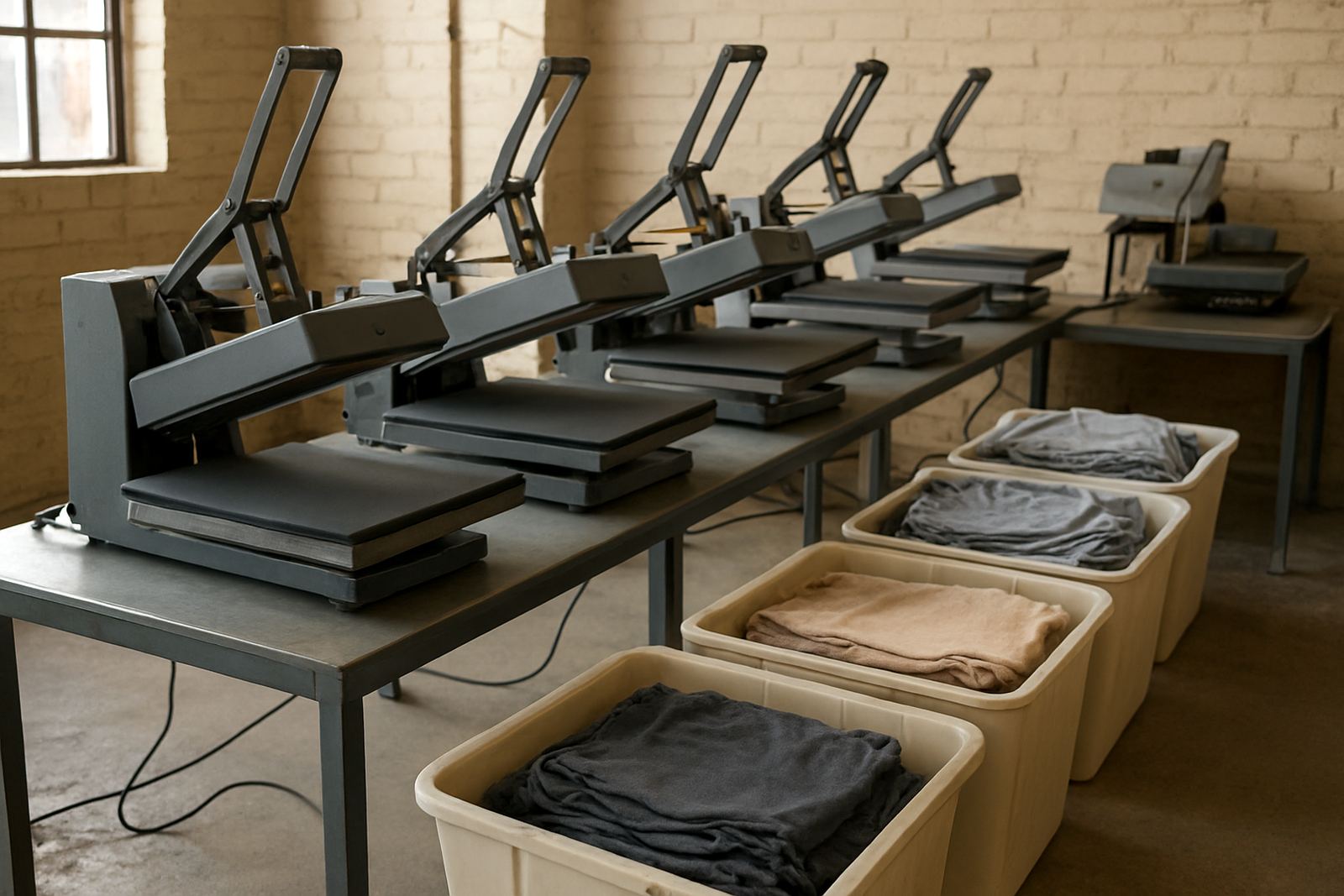
This machine suits larger garment operations that need regular throughput, consistent results and fewer interruptions. It works well in small factories, print shops, promotional clothing businesses and contract decorators that process batches every day. It is a good fit where one operator may be responsible for heat application across many orders, because the controls are straightforward and the pressing action stays familiar.
For South African conditions, the press also needs to be practical in busy spaces where power stability, heat build-up and dust are part of daily life. In Gauteng, a press may sit in a factory with multiple machines running at once, while coastal users in Durban or Cape Town need to think about humidity and corrosion around metal parts. The unit is suitable for Midrand, Johannesburg, Pretoria, East Rand, West Rand, Durban, Cape Town, Bloemfontein and nationwide courier supply where the receiving team can handle installation and setup on site.
Because the machine is intended for production lines, it is better suited to customers who already know their garment volumes and can keep the workflow moving. It is not a toy unit for occasional home use. If you are pressing daily and you need repeatable results with a proper service back-up, this is the right category.
Installation, power and site requirements
Before installation, check that you have a level floor, enough bench or stand space and clear access for the operator on both sides of the machine. The press should be positioned where the operator can load garments safely without twisting or reaching across a hot platen. You also need a stable electrical supply suitable for heated equipment and a proper outlet arrangement that matches the unit specification. If your workshop is already running cutters, dryers and compressors, we look at the total load so the press does not cause nuisance trips when the line is busy.
Most flat production presses do not require gas. They are electrically heated and controlled, which makes them easier to place in standard garment workshops. If the unit is used with pneumatic assistance, you will need clean compressed air at the correct pressure and a simple line that can be checked for leaks, moisture and safe connection. In some installations a compressor is already on site, but if not, it is worth planning the air supply before the machine arrives. A poor air line can lead to inconsistent pressure and extra wear on seals and fittings.
- Flat, stable floor space with room for loading and operator movement
- Electrical supply matched to the press rating and local workshop load
- Optional compressed air line where pneumatic pressure is used
- Ventilation for heat build-up in enclosed production areas
Care, servicing and long-term use
Like any production machine, a Factory Line Press lasts better when it is kept clean and checked regularly. The platen should be wiped down after use once it has cooled, and the press pad should be kept free of glue, vinyl residue and textile fibres. If the cover becomes marked or compressed, the pressure can become uneven and the transfer may start lifting at the edges. That is usually a sign to inspect the pad and covering rather than forcing the machine harder.
Temperature accuracy should also be checked from time to time, especially if you are running long shifts. If the controller drifts, the press may be running hotter or cooler than the display suggests and that affects wash performance. We provide temperature checks, pressure adjustments, controller repairs, element replacements, pad and covering work and preventive servicing for customers who want the machine to stay in production. In coastal areas, especially where moisture is present, moving parts and electrical connections should be inspected more often to catch corrosion early.
When a fault does come up, phone support can help you work through the basics before a technician visits. In some cases a simple adjustment is enough. In others the element, controller or mechanical pressure parts need workshop attention. Keeping spare covers, consumables and basic replacement parts on hand helps reduce downtime when you are pushing orders through the week.
What to confirm before ordering this press
When ordering a Factory Line Press, it helps to be clear about the garments you press most often, the size of the artwork and the speed your team needs to achieve. A shop doing 30 shirts a day has different needs from a factory doing 300. You should also check whether you want manual operation or pneumatic assistance, and whether your workshop already has the power supply and air line to suit the installation.
We also recommend checking the following before delivery:
- Platen size required for your most common print position
- Garment types being pressed, including cotton, blends and workwear
- Voltage and supply details at the installation site
- Whether compressed air is already available for pneumatic use
- Space for loading, operator movement and cooling down between cycles
- Need for training, spares and backup support after installation
If you are setting up a new line or replacing an older press, our team in Midrand can assist with setup, training and servicing so the machine is ready for daily work. You can send your enquiry through the contact page and we will advise on the right configuration for your production needs.
Key facts
| Product type | Flat production heat press for garment printing and transfer work |
|---|---|
| Typical use | Repeat pressing of T-shirts, hoodies, workwear and transfer applications |
| Control system | Digital temperature control with timer |
| Pressure | Adjustable press pressure for repeatable cycles |
| Power | Electric heating, supply to be matched to site specification |
| Support | Setup, operator training, spares supply and servicing from Midrand |