
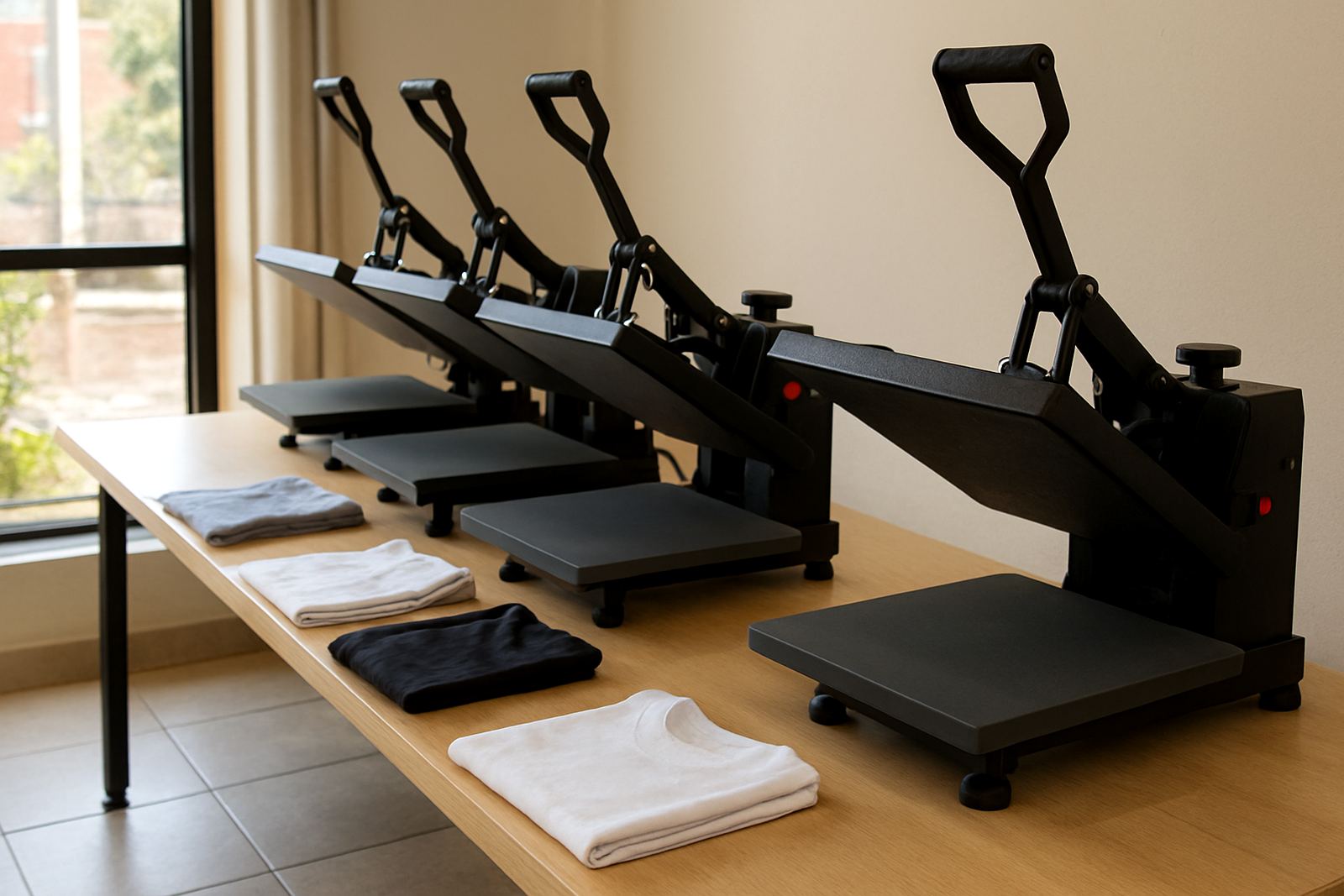
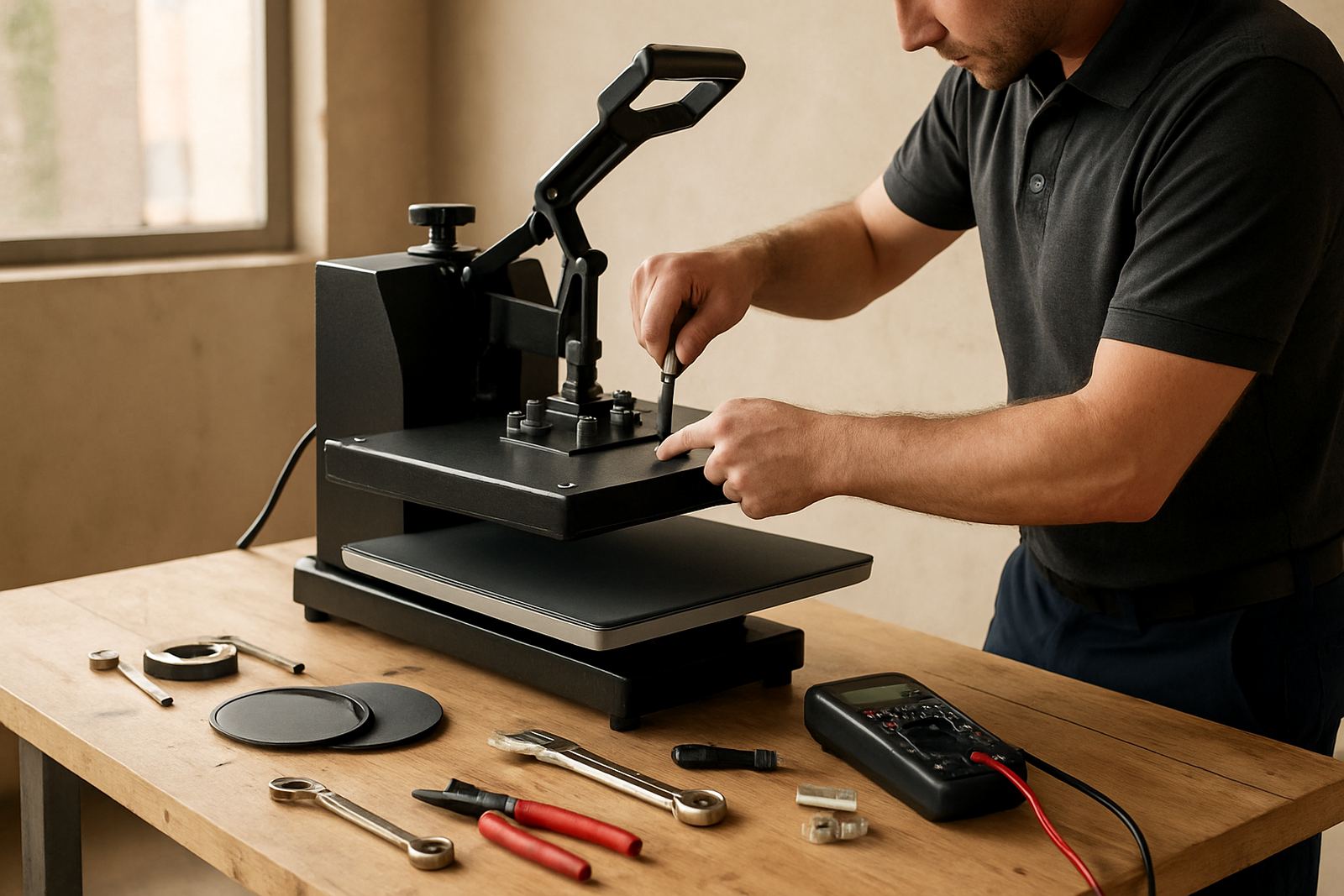
A practical A3 press for daily transfer work
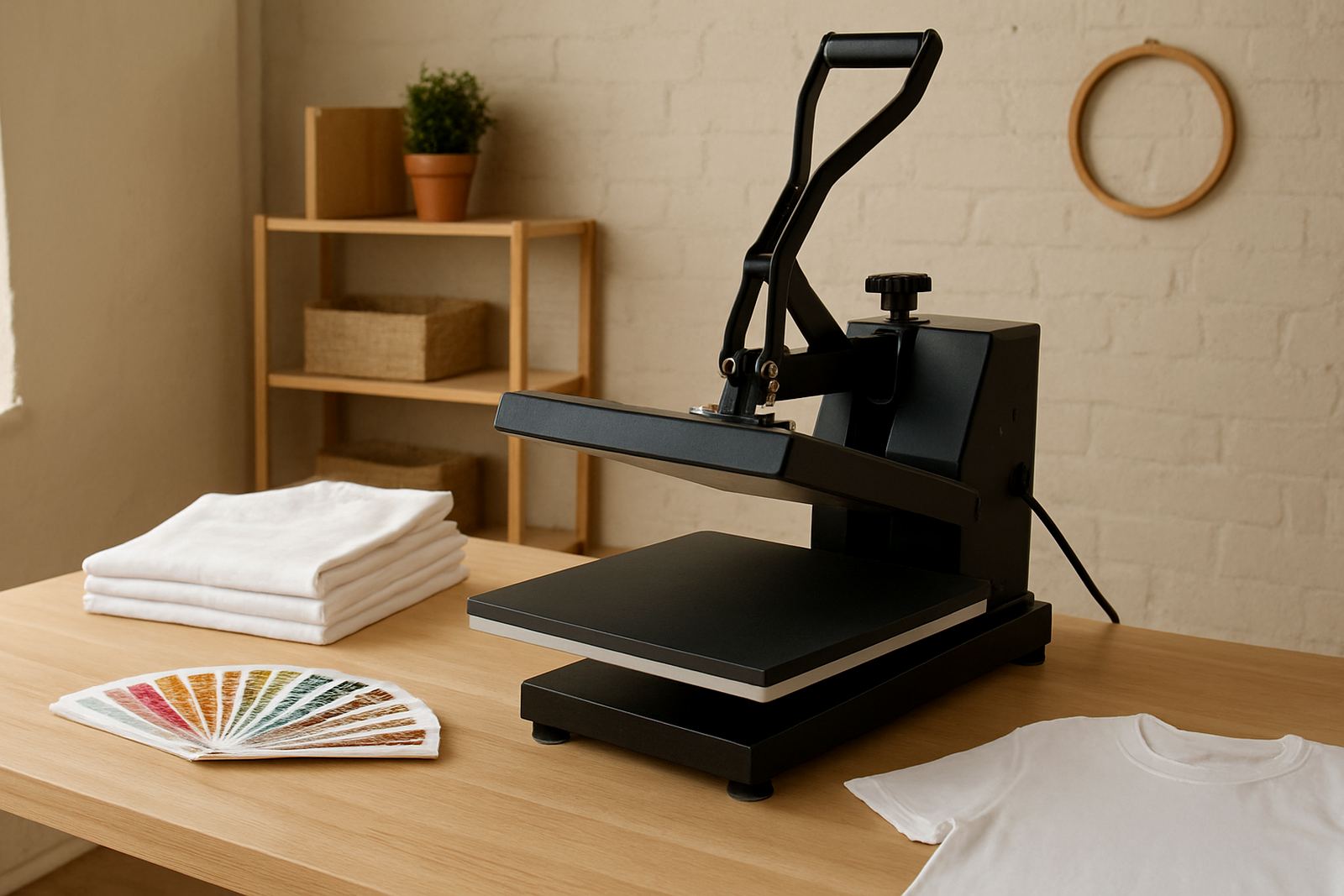
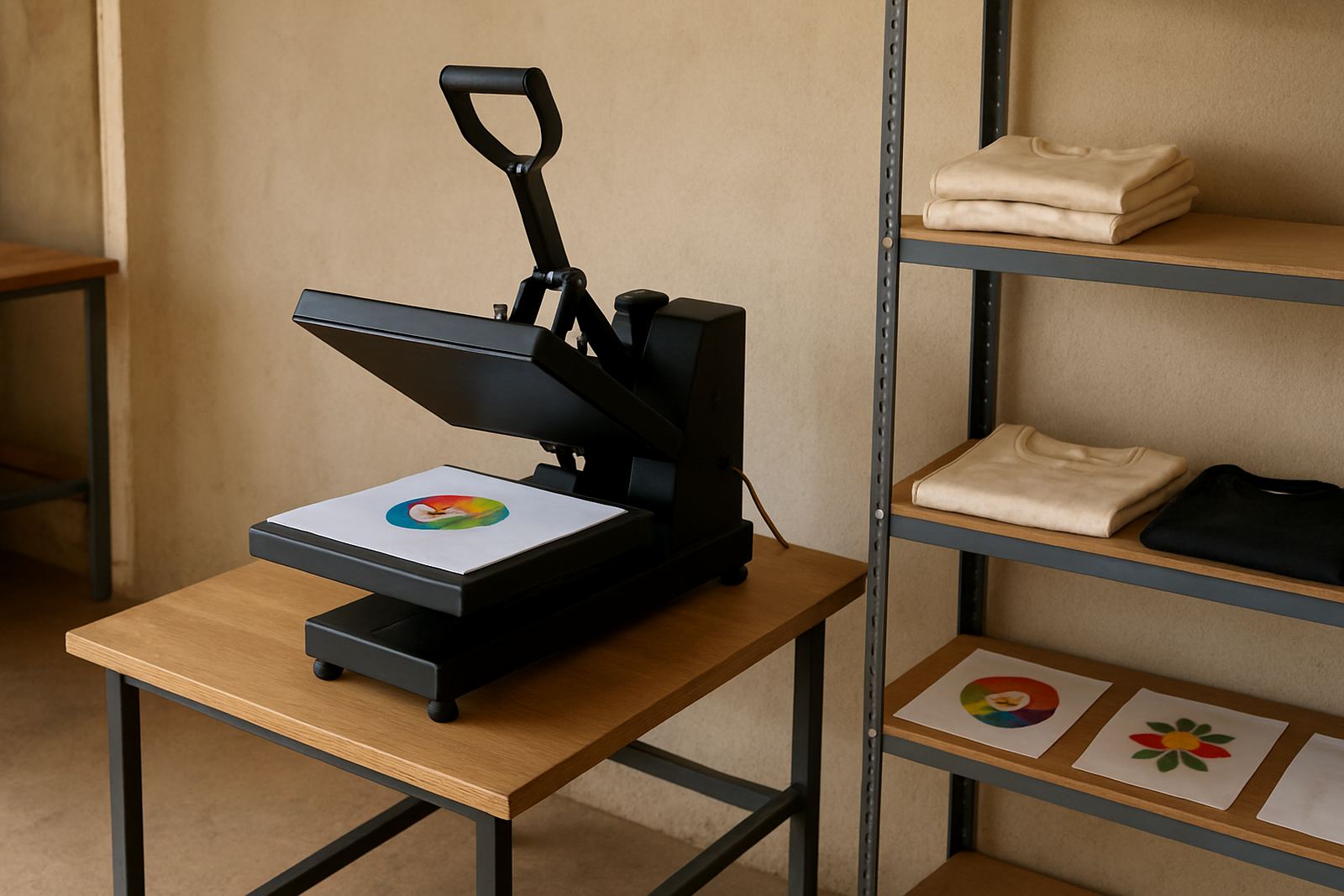
The Starter A3 Press is built for flat garment transfers where you need even heat, steady pressure and a simple learning curve. It is sized for A3 transfer areas, which makes it a good fit for left chest logos, front branding, back neck marks and small artwork on T-shirts, hoodies and light workwear. If you are starting out in garment decoration or adding a second press for overflow jobs, this format keeps setup easy and turnaround times manageable.
For small print rooms, the main value is control. You can place the garment, set your transfer and work with a repeatable cycle instead of guessing by feel. The press is also suited to schools, sports clubs, promotional work and home based operators who need a unit that is not too large but still serious enough for regular use. It will not replace a larger production machine for big full front jobs, but it handles the most common small-format work very well.
Size, platen layout and pressure control
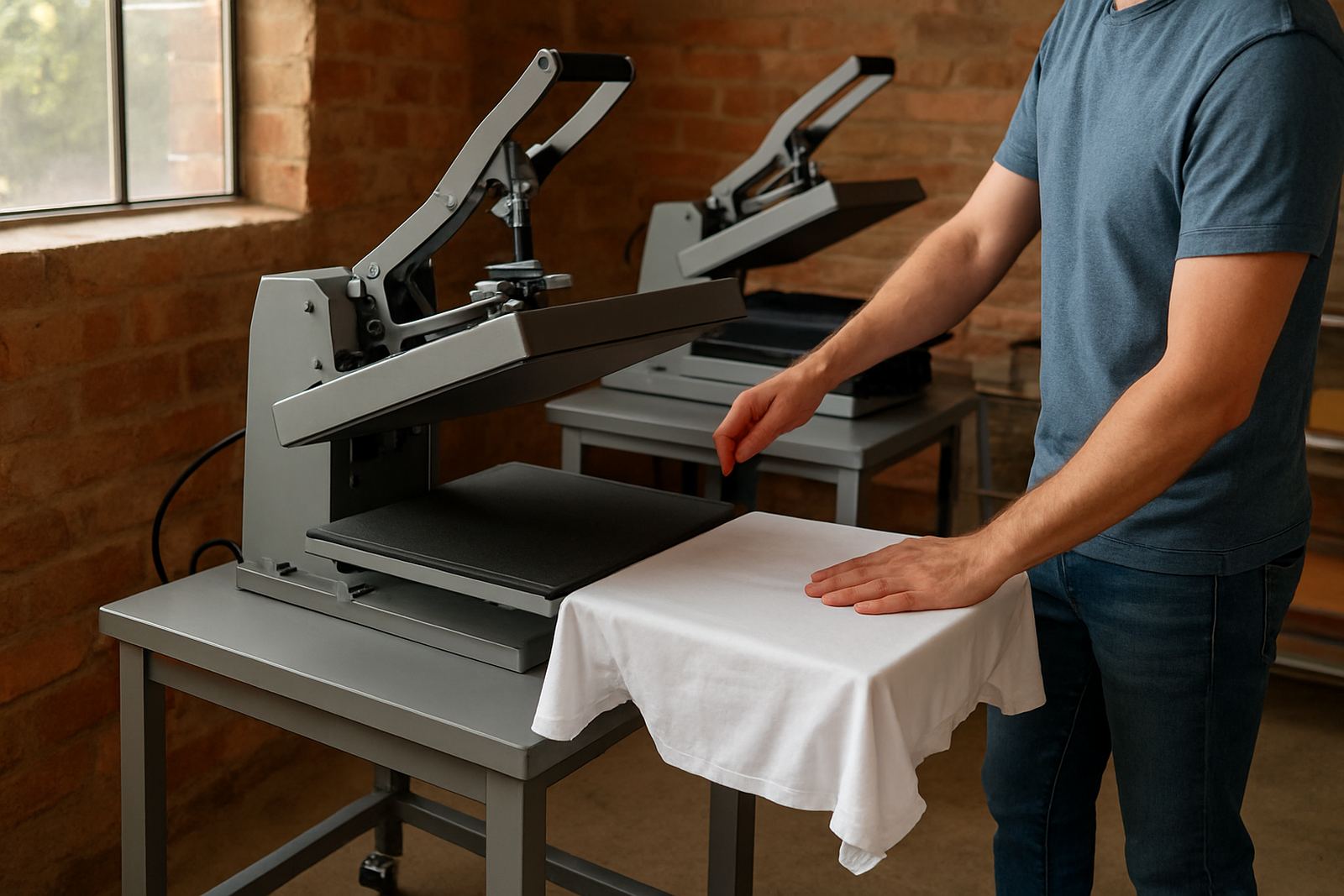
The pressing surface is sized for A3 transfers, with a flat upper platen and a lower pad that supports T-shirts and similar garments. The compact footprint makes it easier to place on a table or stand in a small room, and the press opens wide enough for comfortable loading and unloading. Pressure is adjusted manually, so you can suit light transfers, vinyl work and thicker garments with the same machine.
- A3 working area for chest prints and short-run transfer work
- Manual pressure adjustment for different garment thicknesses
- Even heat distribution across the platen surface
- Suitable for cotton, cotton blends and many coated transfer materials
- Compact footprint for small studios, shops and home workshops
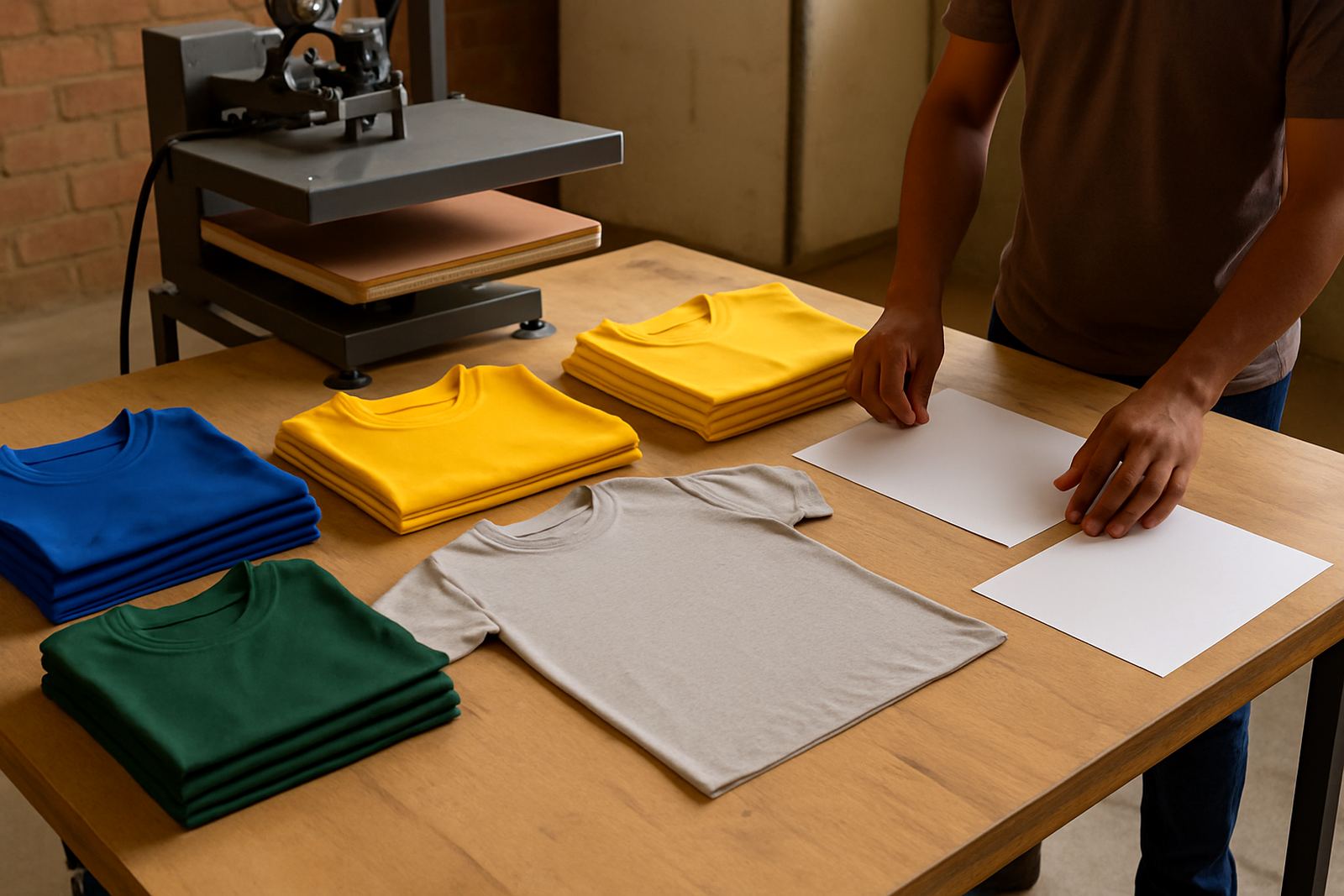
When you order, check the actual working size against your transfer sheets and gang artwork. A3 is a practical format, but artwork that runs close to the edge may need trimming or re-layout. It is worth measuring your most common jobs before you commit, especially if you print for teamwear or school orders where sizes vary.
Where the Starter A3 Press fits best
This press suits anyone doing short runs, sample work or low to medium volume transfer application. In Gauteng, many users run it in a garage workshop, a small retail shop or a back room behind the main counter. It is also a useful second unit for established print shops that need a dedicated press for chest logos and repeat jobs while the larger machines are busy.
For coastal areas such as Durban and Cape Town, it is worth keeping the machine in a dry, dust-controlled space because moisture and salty air can affect electrical components over time. In inland areas like Pretoria, Midrand and Bloemfontein, stable mains power is normally the bigger concern, so a surge protector or proper power conditioning is a good idea. During load-shedding, plan for controlled warm-up and shut-down so the controller is not left cycling on and off repeatedly.
- Best for chest prints, logos and short-run transfer application
- Suitable for start-up garment decorators and hobbyists
- Useful as a second press in larger print rooms
- Works well in shops, home workshops and small production spaces
Installation, power and space requirements
The Starter A3 Press is straightforward to install. You need a stable work surface, enough clearance for the upper platen to open safely, and a standard mains power supply that matches the machine rating. Most users in South Africa run this type of press on single-phase power, but the exact plug and amperage should be checked before delivery so the installation is right the first time. There is no gas requirement for this model.
As with any heat press, the space around the unit matters. Leave room for operator movement, garment loading and cooling after pressing. If the press will be used in a production area with cutting tables, packing space and vinyl work, place it where the operator can move easily between stations. We also recommend checking the height of the table or stand so the operator is not bending too much during long shifts, which becomes a problem quickly in smaller shops.
We can assist with setup, basic operator training and first-use checks. That includes platen temperature checks, pressure adjustment and a short demo on timer use and garment placement. If your site is in Midrand, Johannesburg, Pretoria or the East Rand, we can arrange direct support. For other towns, courier supply and phone support are available, with spares sent where needed.
Care, servicing and common wear parts
A flat heat press lasts longer when the pad is kept clean and the platen surface is wiped down after use. Adhesive residue, dust and scorch marks can build up over time, especially if you do a lot of transfer film work. The cover should stay smooth and tight so the garment sits flat. If the padding compresses or the covering becomes shiny or marked, it is usually time for a service check.
Our service support covers temperature checks, pressure adjustments, element replacements, controller repairs, pad and covering work, and preventive servicing. Small issues often start with uneven temperature, poor closure pressure or a worn pad, so it helps to catch them early rather than waiting for a full failure. For busy shops, scheduled servicing is cheaper than stopping production for a major breakdown and scrambling for a replacement unit. We can also advise on loan unit support if a repair takes longer than expected.
- Wipe the platen and base after each shift when fully cooled
- Check the cover and pad for wear, marks and looseness
- Watch for temperature drift or uneven pressing results
- Keep the machine dry and protected from dust buildup
- Book preventive servicing before peak order periods
What to verify before ordering your press
Before ordering the Starter A3 Press, check the type of transfers you use, the size of your artwork and how many garments you plan to press in a day. If your work is mostly chest logos, school orders or small promotional runs, this format is a good match. If you regularly do larger artwork or full front prints, you may need a bigger platen as well. It is also important to confirm the thickness of your garments, because thicker hoodies and fleece items need better pressure control than thin T-shirts.
You should also confirm where the machine will be used and how it will be powered. A shop in Cape Town may need a different approach to storage and humidity control than one in Bloemfontein, while a home operator in Soweto may need guidance on safe placement and noise-free operation. If you are not sure, send the details through the enquiry form on our contact page and we will help you match the press to the work you do. It is better to check the basics now than to find out later that the platen is too small or the power point is not suitable.
Ask about setup, spare parts and operator training at the same time, because a press is only useful if it is set up properly and kept in service. We supply across Gauteng and nationwide by courier, with support from our Midrand team led by Mandla van Rensburg and backed by our sales, technical, training and workshop staff.
Key facts
| Working size | A3 flat pressing area |
|---|---|
| Best use | Chest prints, logos and short-run transfer work |
| Pressure adjustment | Manual |
| Power | Single-phase mains, rating to be confirmed on order |
| Heating | Electric platen with temperature control |
| Support | Setup, training, spares, servicing and phone support |