
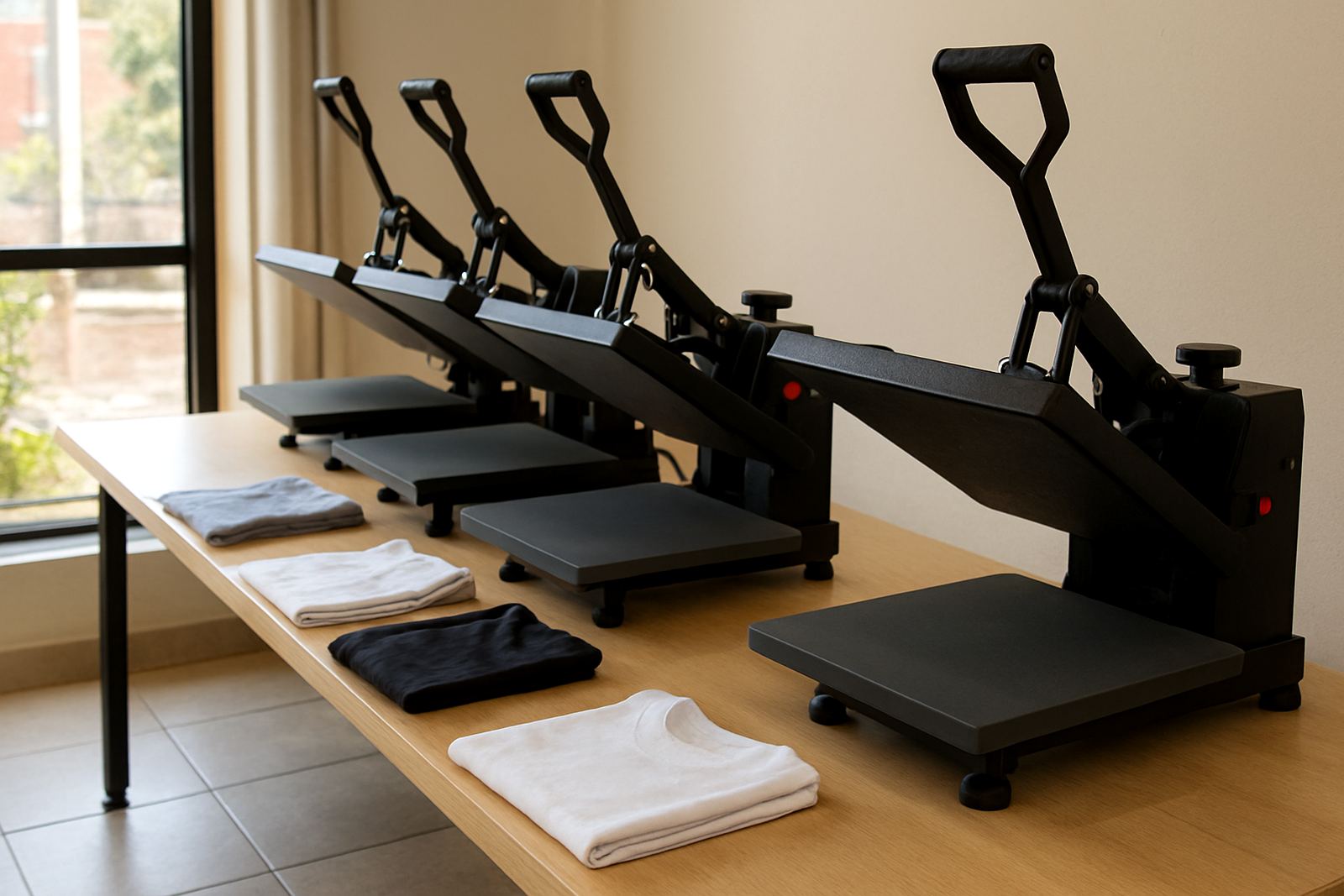
More width for bigger prints and better garment coverage
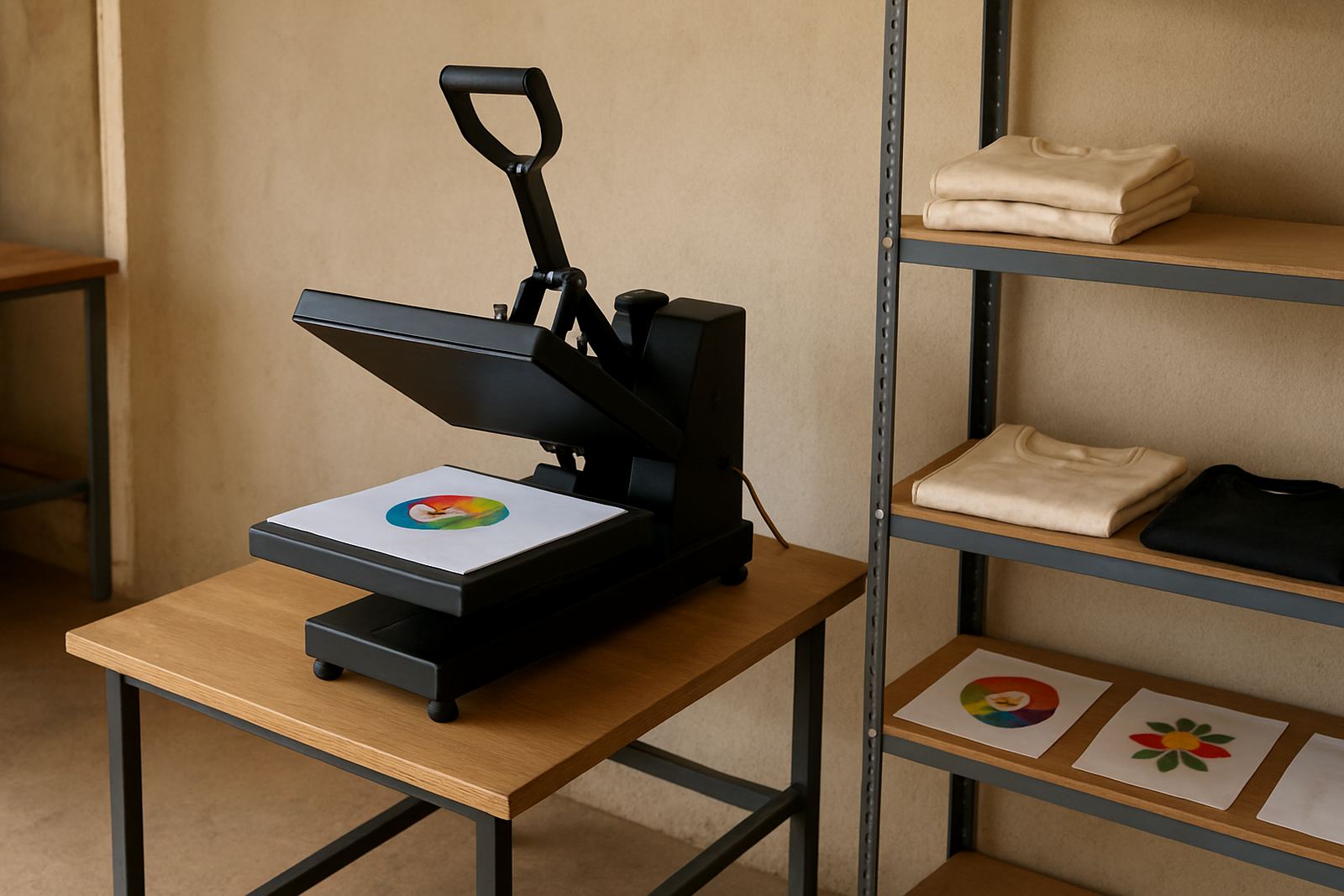
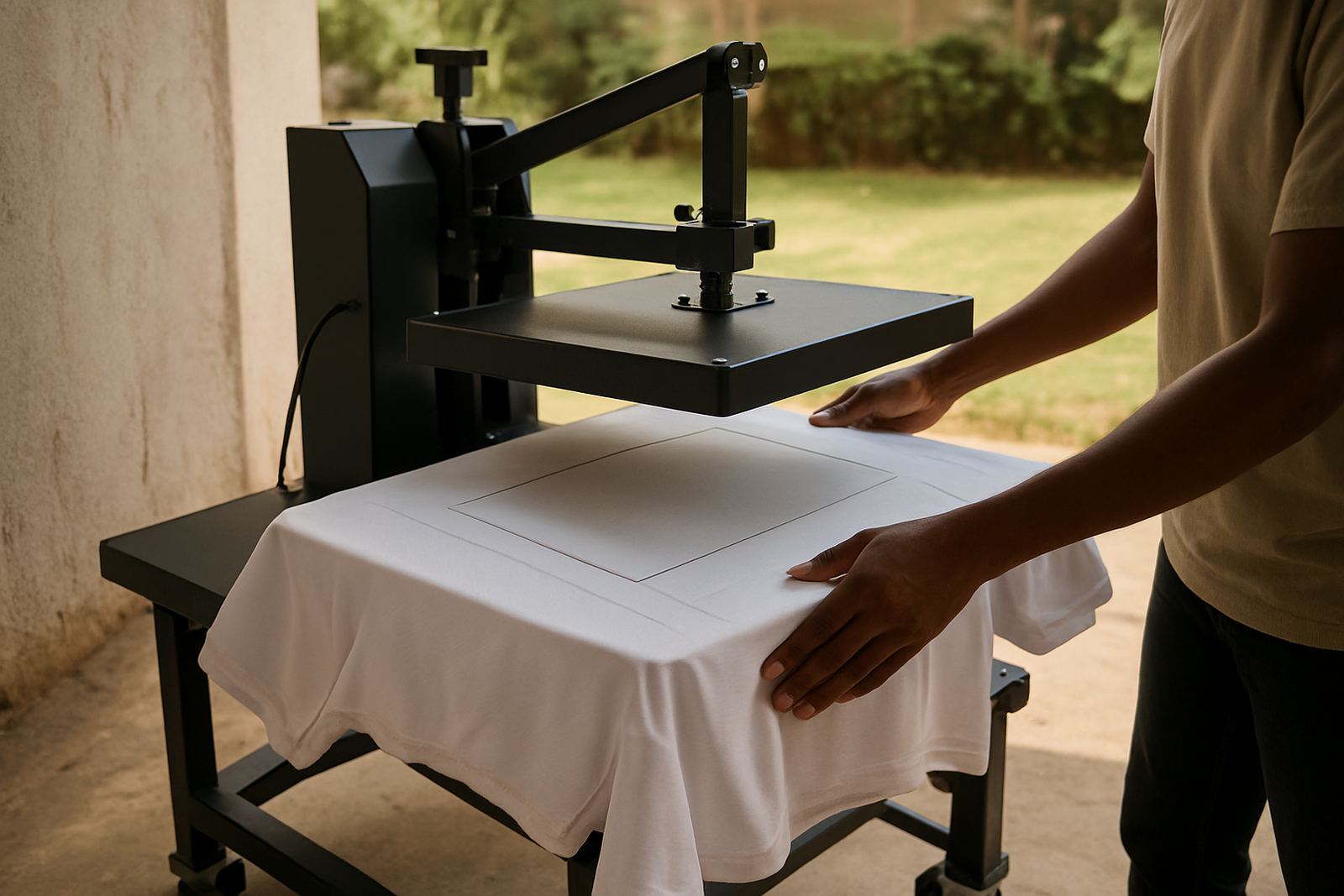
A wide platen press is built with a larger lower platen than a standard T-shirt press, so you have extra room for oversized front prints, wide chest logos, back prints and long transfer layouts. That extra width matters when you work on adult hoodies, workwear, fashion tees, event shirts and garments where the print sits farther across the chest or lower down on the body. It also helps when you want more tolerance for positioning, especially on bulk runs where the same artwork must land in the same place every time.
For decorators in Johannesburg, Pretoria, Durban, Cape Town and smaller towns too, a wider platen can reduce handling stress. You are not fighting the edges of the platen, and there is less risk of pressing too close to seams, zips or thick hems. On longer jobs it gives the operator a calmer work area, which helps keep the finish neat and repeatable.
- Wider working surface for adult sizes and large transfer layouts
- Better placement on front, back and side print positions
- Useful for bulk garment decorating and sample runs alike
- Helps reduce edge pressure and awkward garment movement
Sizes and options to match the kind of work you do
Wide platen presses are usually selected by platen size, control style and the way the pressure is applied. Common working sizes include 40 x 60 cm, 40 x 80 cm and other wide-format variants depending on the model and the garment work you do. Some users want a wide platen for larger transfers only, while others use it for multi-position layouts and oversized artwork. The right option depends on the space in your workshop and the garments you press most often.
Controls can include digital temperature settings, timer control and a pressure adjustment system that lets you set the force for different materials. A good wide platen press should heat evenly across the full plate, because once you start working with larger prints any cold spot or uneven area shows up quickly. If you are doing DTF transfers, vinyl, screen printed transfers or mixed garment work, consistent heat and pressure are what keep the finish clean.
- Typical platen sizes: 40 x 60 cm, 40 x 80 cm and similar wide layouts
- Digital heat and timer controls for repeatable results
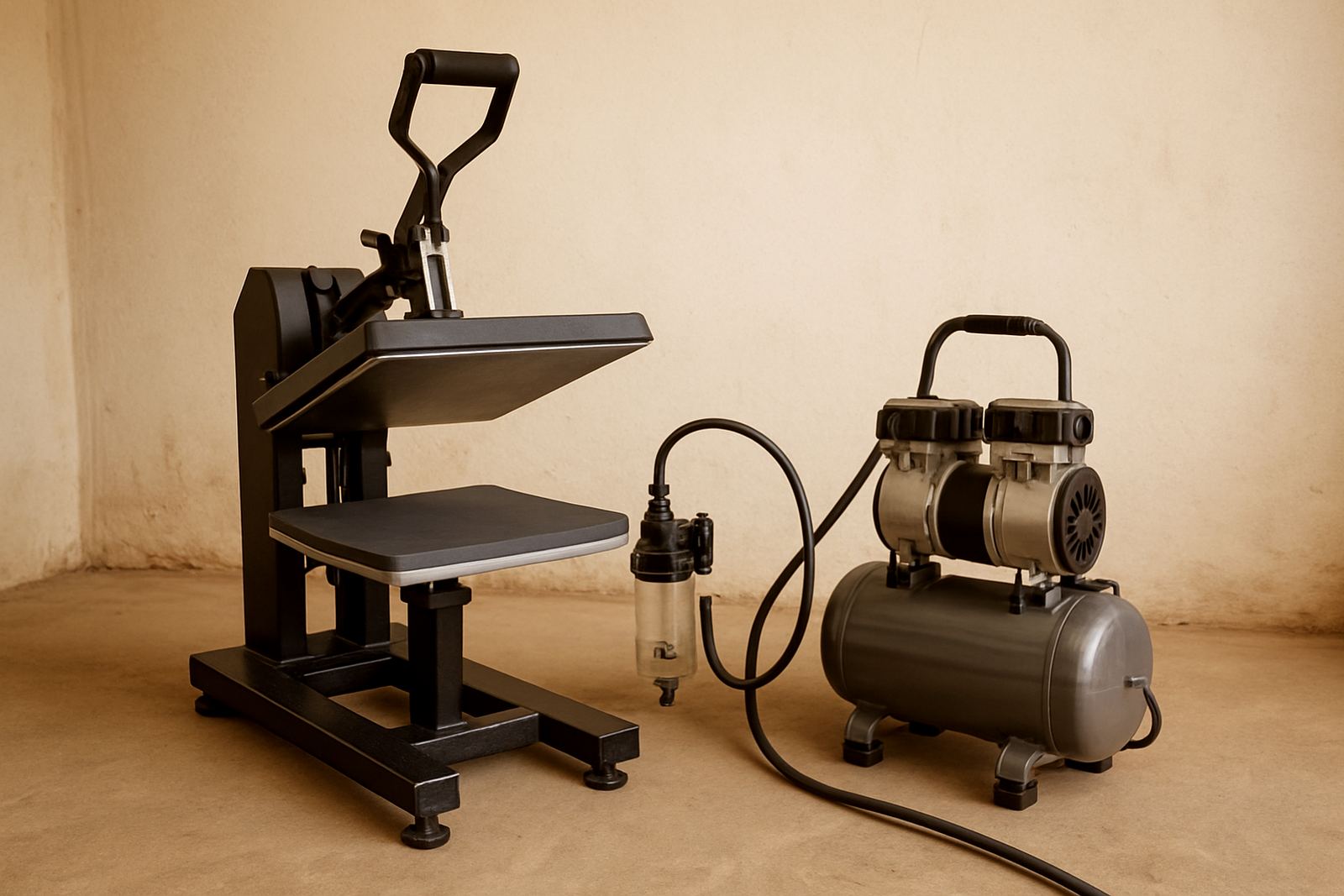
- Manual or pneumatic pressure options depending on the setup
- Suitable for transfers, garment branding and sample production
Where a wide platen press suits best
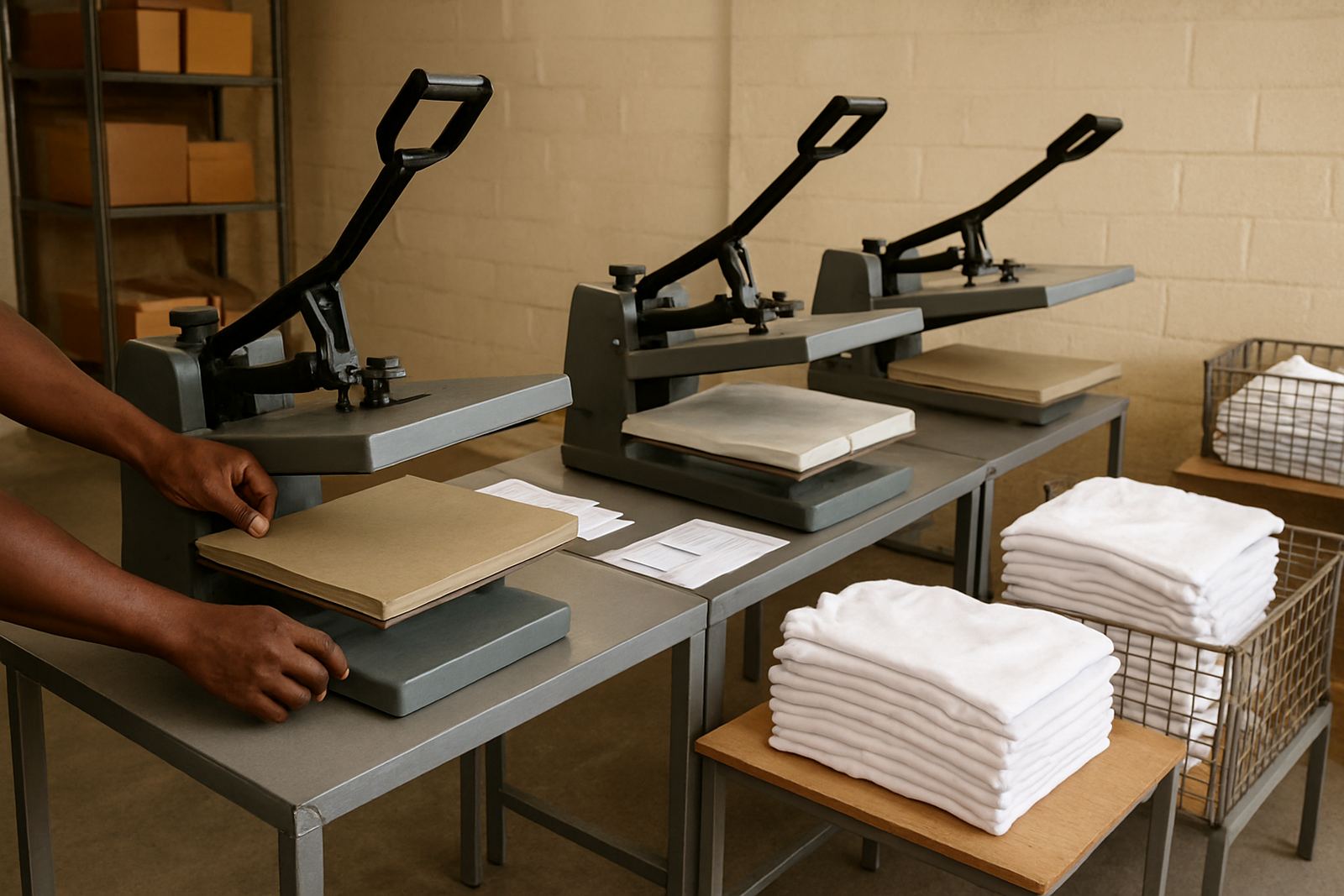
This type of press suits small garment decorators, hobbyists, home studios and full print shops that need more room than a standard press gives them. If you regularly print larger adult sizes, teamwear, gym gear or workwear, the extra width makes the workflow easier. It is also handy when you want to position left chest and back prints with more flexibility, or when the transfer itself is broad and needs careful alignment.
In coastal areas like Durban or the Cape, where humidity can affect transfer handling and storage, a proper wide platen press helps you keep the press stage controlled and consistent. For inland shops around Midrand, Pretoria or the East Rand, it is a practical fit where you need dependable output, especially during load-shedding schedules when you plan your run times and warm-up periods around available power. If your business already has a small workshop, the wider format can still fit in, just check your bench space and garment handling room first.
- Best for adult garments, workwear, fashion tees and bulk transfer jobs
- Useful for mixed production where print positions vary
- Good for small shops with limited space but larger artwork demands
- Supports consistent results across inland and coastal conditions
Installation, power and workshop setup
We supply, install and commission wide platen presses for clients in Gauteng and nationwide by courier where suitable. For a new setup, the main things to check are power supply, bench height, floor space and the way your team will move garments in and out of the press. Most flat heat presses work on standard single phase power, but the exact electrical need depends on the model and heating load. Before ordering, it is worth confirming whether your site has the correct plug point and stable supply, especially where load-shedding or generator use affects daily operations.
A wide platen press should sit on a firm surface with enough room for the platen to open fully and for the operator to work safely. If you are setting up in a shared workshop or back room, leave space for cooled garments, transfer storage and packing. We also assist with operator training so your team knows the correct temperature, press time and pressure settings for common media. That reduces waste and helps the press last longer.
- Check power availability and plug type before installation
- Allow enough bench space for full platen movement
- Plan for safe garment handling before and after pressing
- Training helps operators use heat, time and pressure correctly
Care, servicing and spare parts that keep it running
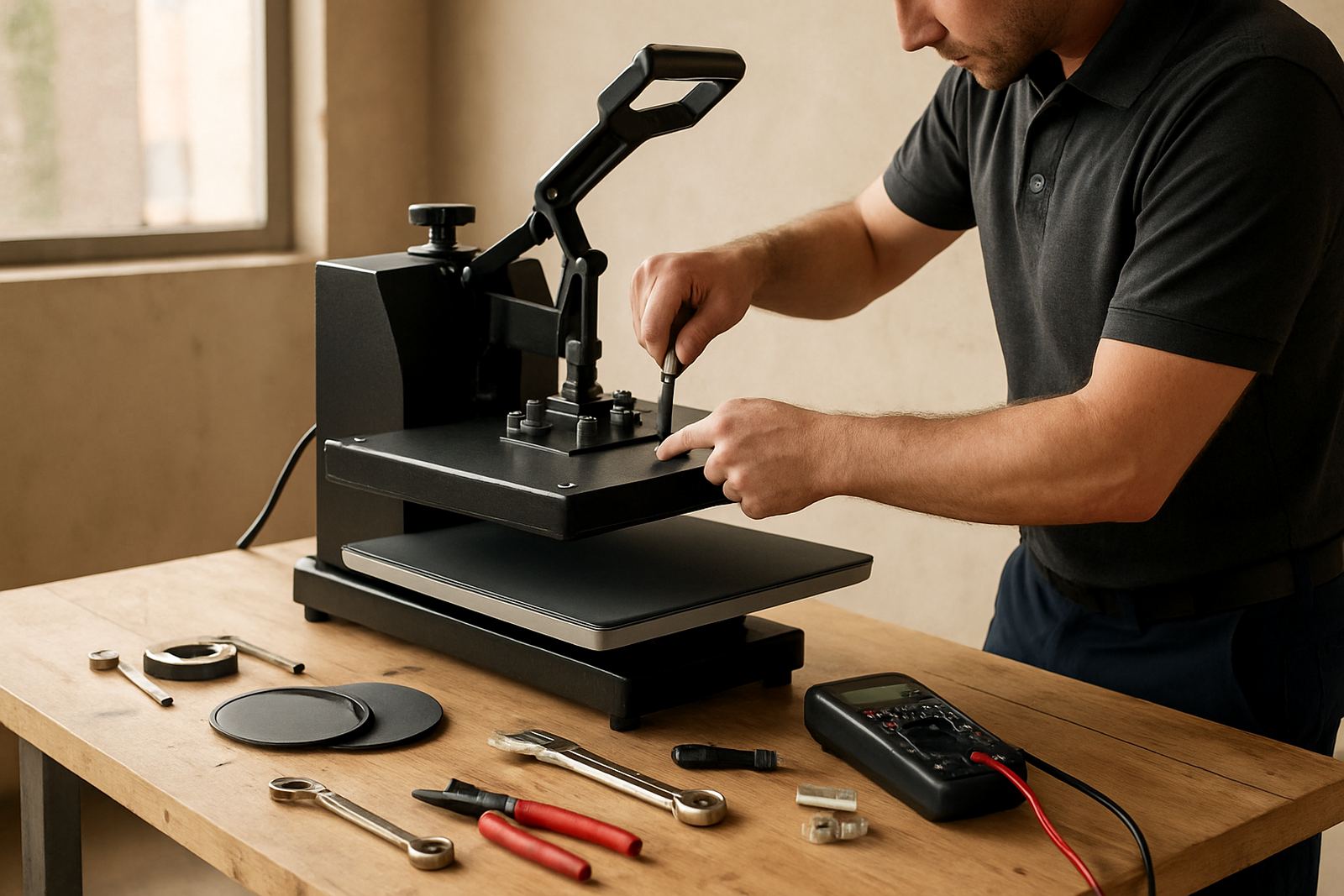
A wide platen press needs routine care if you want consistent pressure and even heat. The platen surface should be kept clean, the cover and pad checked for wear, and the temperature confirmed from time to time with a proper test. If the press is used every day, the controller, wiring and pressure points should be inspected during preventive servicing. On older presses or busy workshop units, this stops small faults becoming downtime.
We handle temperature checks, pressure adjustments, element replacements, controller repairs, pad and covering work, pneumatic line service and preventive servicing. For teams that cannot stop production, loan unit support may be available while a repair is carried out. In practice, that means less disruption when a heating element fails or the controller starts drifting. A clean and well set press gives better transfer release, and helps avoid scorching or under-cured prints, which costs you time and money.
- Clean the platen surface and check the cover regularly
- Inspect heat, timer and pressure performance during servicing
- Replace worn pads, covers and faulty controllers early
- Use preventive maintenance to reduce unexpected downtime
What to verify before ordering your press
Before ordering a wide platen press, check the type of garments you print most often, the size of transfers you use and how much floor space you have. If your work includes oversized front graphics, wider back prints or larger adult clothing sizes, the wider platen is usually a better fit than a standard narrow unit. You should also know whether you need a manual press for a small studio or a press that can support heavier daily production in a busy shop.
It also helps to think about your staff skill level and the support you will need after setup. If this is your first press, training matters as much as the machine itself. If you are replacing an older unit, ask about spares availability, controller compatibility and whether your current workflow needs a different pressure setup. Tell us what garments you print, what transfer method you use and where the press will be installed, and we can help match the right option to the job. That saves a lot of back and forth later, and keeps the purchase practical.
- Confirm garment sizes, artwork sizes and daily print volume
- Measure the available space and power point location
- Check whether you need manual or higher-output production support
- Ask about training, spares and after-sales service before you buy
Key facts
| Platen type | Flat wide platen for garments and transfers |
|---|---|
| Common sizes | 40 x 60 cm, 40 x 80 cm and similar wide formats |
| Control system | Digital temperature and timer control |
| Pressure | Adjustable manual pressure or pneumatic option depending on model |
| Typical use | T-shirts, hoodies, workwear, transfer prints and mixed garment branding |
| Service support | Setup, training, repairs, spares and preventive servicing from Midrand |