

Built for contract decorating work
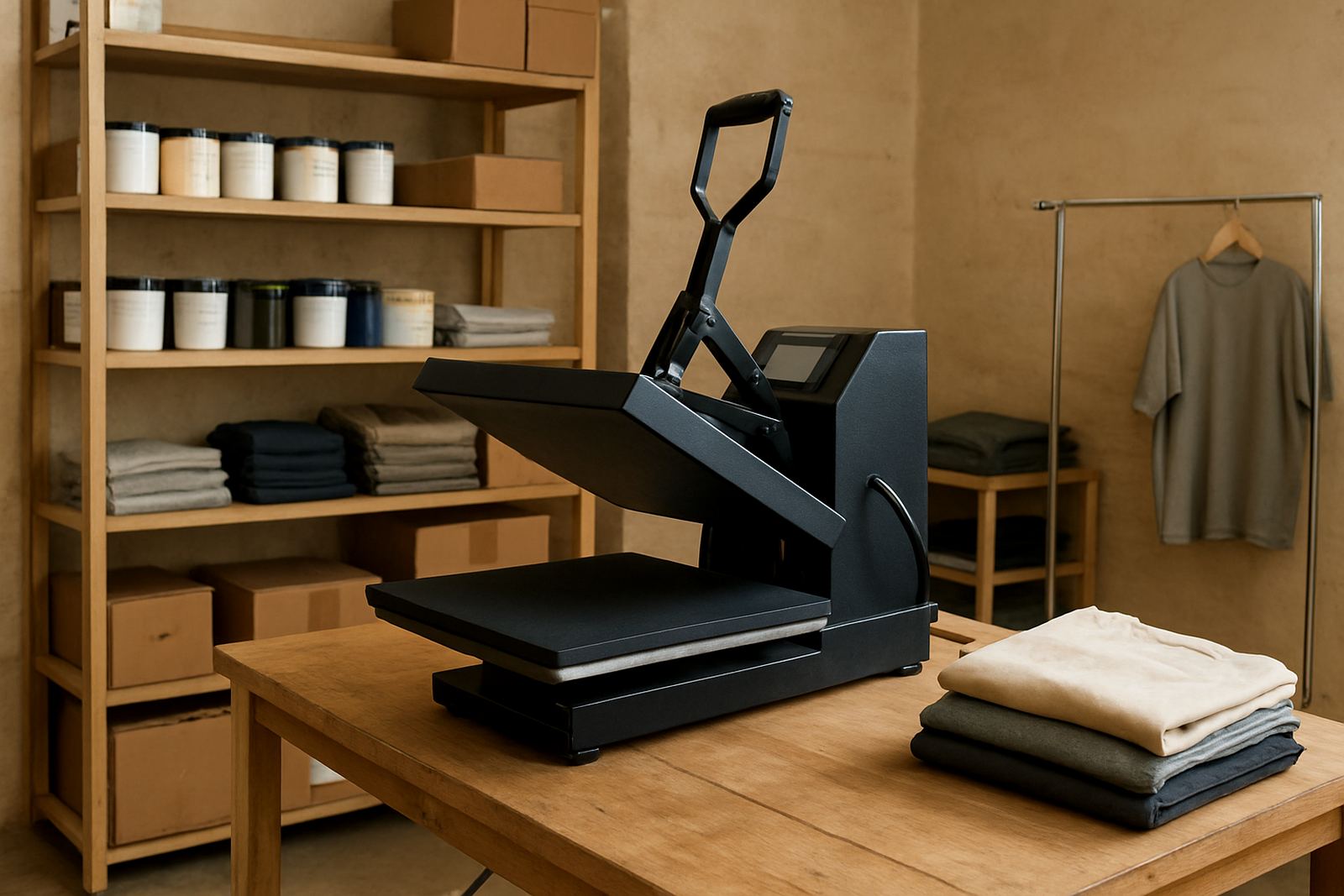
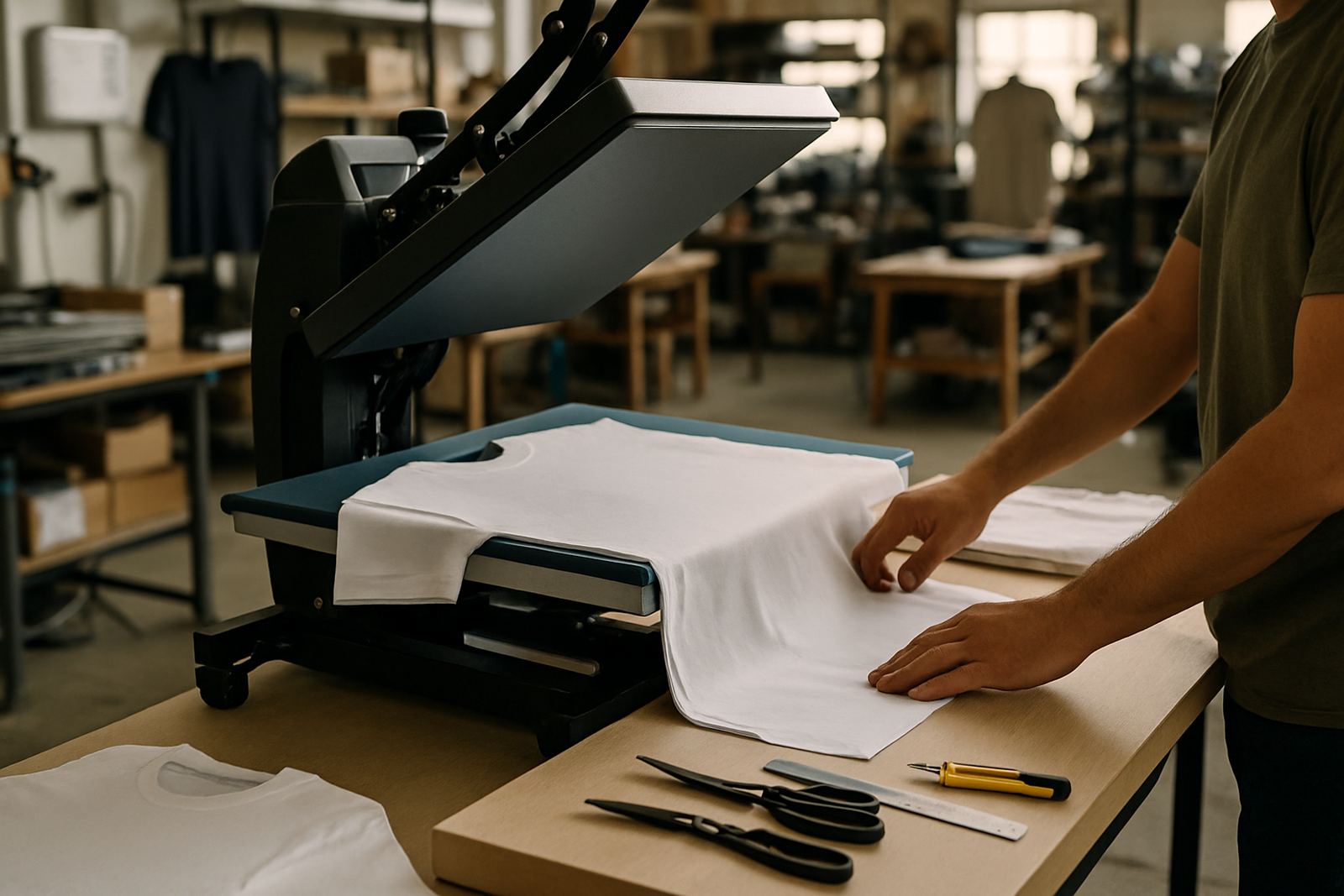
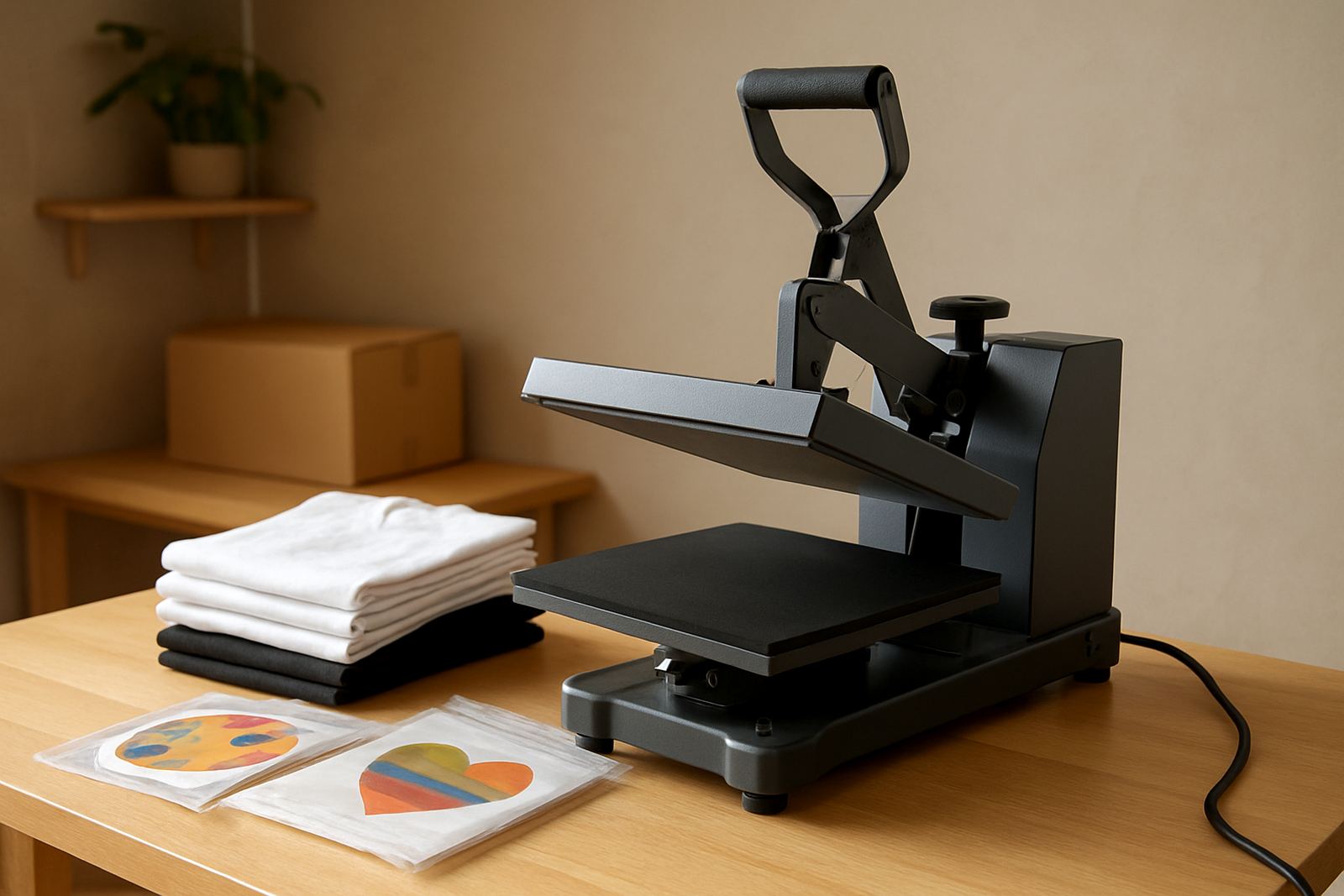
The Contract Print Press is meant for shops that need reliable output every day, not just the odd sample. It suits small garment decorators, busy print rooms and finishing stations that press customer supplied blanks, promotional tees and repeat runs for resellers. The flat platen gives even contact across the full pressing area, which is important when you are working with transfers, vinyl and other heat applied graphics.
Because contract work often means handling mixed jobs in one shift, the press needs to be simple to operate and easy to reset between operators. Good clamp pressure, accurate temperature control and a stable frame matter more than fancy extras. In a South African workshop that may also be dealing with load-shedding, dust, heat and long hours, the machine must stay consistent, otherwise you lose time redoing garments and thats where margins disappear.
- Suitable for contract press work, sample runs and short production batches
- Works with a wide range of T-shirt transfer systems
- Useful for decorators taking in outside work from resellers and clothing brands
Sizes and options to match your output
Choose the platen size around the garments and transfer formats you handle most often. A smaller press is useful for start-up operations or operators who focus on children’s clothing, chest logos and pocket prints. A larger press is better for full front artwork, standard adult tees and production work where you want fewer swaps between platen positions.
Options can include manual or pneumatic closing, digital temperature and time control, and interchangeable lower platens on some setups. If you are running a small studio in Midrand or a growing production shop in Johannesburg or Pretoria, it is worth thinking about floor space, operator flow and whether you need one operator or two to share the machine. Press height and access around the table also matter when you are loading and unloading shirts all day.
- Compact, mid-size and larger flat press formats available
- Manual operation for simpler setups
- Pneumatic option for higher volume and steadier pressure
- Interchangeable platen support where specified
Where this press fits best
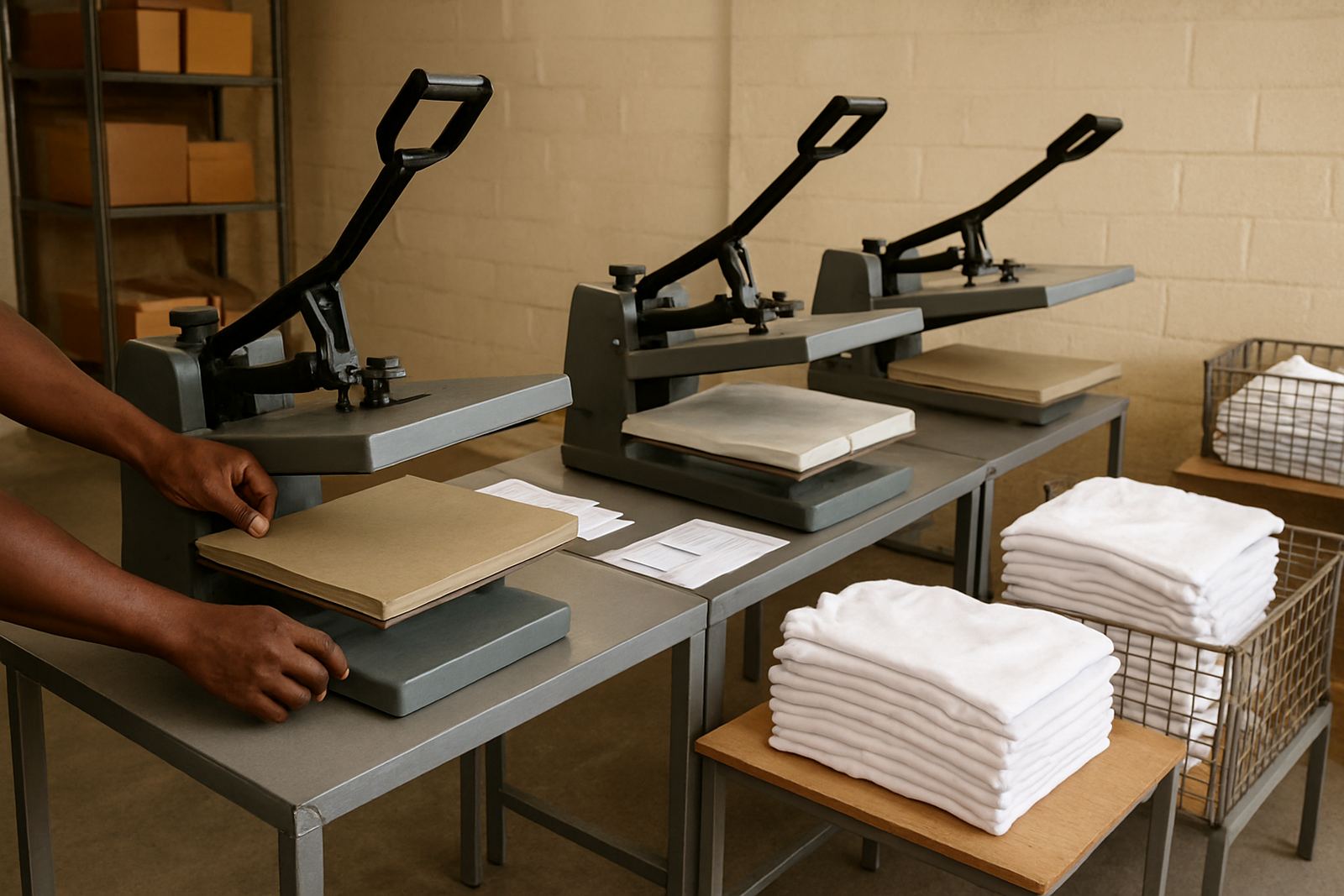
This model suits businesses that do contract decorating for schools, clubs, promotional companies and clothing resellers. It is also a good fit for hobbyists who want a serious machine at home, provided they have the right space and power supply. The key is repeatability. If you press 10 shirts today and 30 tomorrow, the result must look the same on each garment.
For shops serving Durban, Cape Town and coastal areas, the press should be kept in a dry area with good airflow because humidity can affect transfers and stored garments. Inland workshops need to plan for dust and temperature swings. If your operation includes screen printed transfers, DTF, vinyl or other flat items, the press gives you a controlled finish without taking up too much room.
- Garment decorators handling outside contract work
- Hobby users who need dependable temperature and pressure
- Small print shops with growing daily output
- Clothing brands that need in-house finishing on short runs
Installation, power and workshop requirements
Most flat contract presses need a level work surface or a dedicated stand, enough clearance around the opening area, and a reliable electrical supply. A standard single phase outlet is often enough for smaller units, while larger or pneumatic systems may need a more planned installation depending on the heater size and air setup. If you are not sure what your site can handle, check the supply before ordering rather than after the machine arrives.
Midrand installations and nationwide courier deliveries are both supported, so it helps to know your workshop layout, door widths and where the operator will stand. For pneumatic options, you need compressed air of the correct pressure and a clean line. If you are in a building with municipal restrictions, shared power or regular outages, it is worth planning backup procedures and safe shutdown steps before your first production day.
- Level surface or stand required
- Electrical supply must suit the heater rating
- Pneumatic models need clean, dry compressed air
- Allow space for loading, unloading and garment staging
Care, servicing and long term use
A contract press lasts longer when the pad stays clean, the cover is replaced before it hardens, and the controller is checked regularly. Keep adhesive build-up off the platen, inspect wiring and make sure temperature readings stay accurate. Pressure should feel even across the full bed, not tight on one side and soft on the other.
Our support team assists with preventive servicing, temperature checks, pressure adjustments, element replacements, controller repairs and pad and covering work. If a machine starts behaving oddly, such as heating slowly or pressing unevenly, get it checked early. Small issues are usually cheaper to fix before they turn into a full stop in production. A loan unit may be available in some cases so your work can carry on while repairs are handled.
- Clean the platen and pad area after use
- Check temperature accuracy and pressure regularly
- Replace worn covers before they affect print quality
- Book servicing before peak production periods
What to confirm before ordering this press
Before ordering, decide what garment sizes you press most often, what transfers you use, and how much work you want to push through in a day. That tells you whether a smaller unit is enough or if a larger platen and pneumatic system will save time. It also helps to know if you need workshop training for one operator or a full team, since setup habits affect quality from the first week.
Check whether you need new press setup, spares supply, technical support by phone, or on site installation in Gauteng. If you are outside the province, courier delivery can be arranged nationwide to places like Durban, Cape Town and Bloemfontein. For contract work, consistency matters more than guesswork, so it is better to choose the right machine once than to keep patching around a poor fit.
- Primary garment sizes and print area needed
- Type of transfers or heat applied work used
- Power supply and air supply on site
- Training, servicing and spare parts needs
Key facts
| Product type | Flat heat press for contract garment decorating |
|---|---|
| Typical use | T-shirts, transfers, vinyl and other flat heat applied work |
| Operating style | Manual or pneumatic depending on configuration |
| Temperature control | Digital control with adjustable set point |
| Power requirement | Single phase on smaller units, site dependent on larger units |
| Support options | Setup, training, phone support, servicing and spares supply |