

What the Entry Pneumatic Press does on a busy floor
This press uses compressed air to close and open the heating head, so the operator is not leaning on a handle for every cycle. That helps when you are doing repeat runs, working long shifts, or building up from hobby work to paid orders. For small garment decorators in Midrand, Johannesburg and Pretoria it is a practical step up when you need cleaner pressure control without moving straight into a fully automatic line.
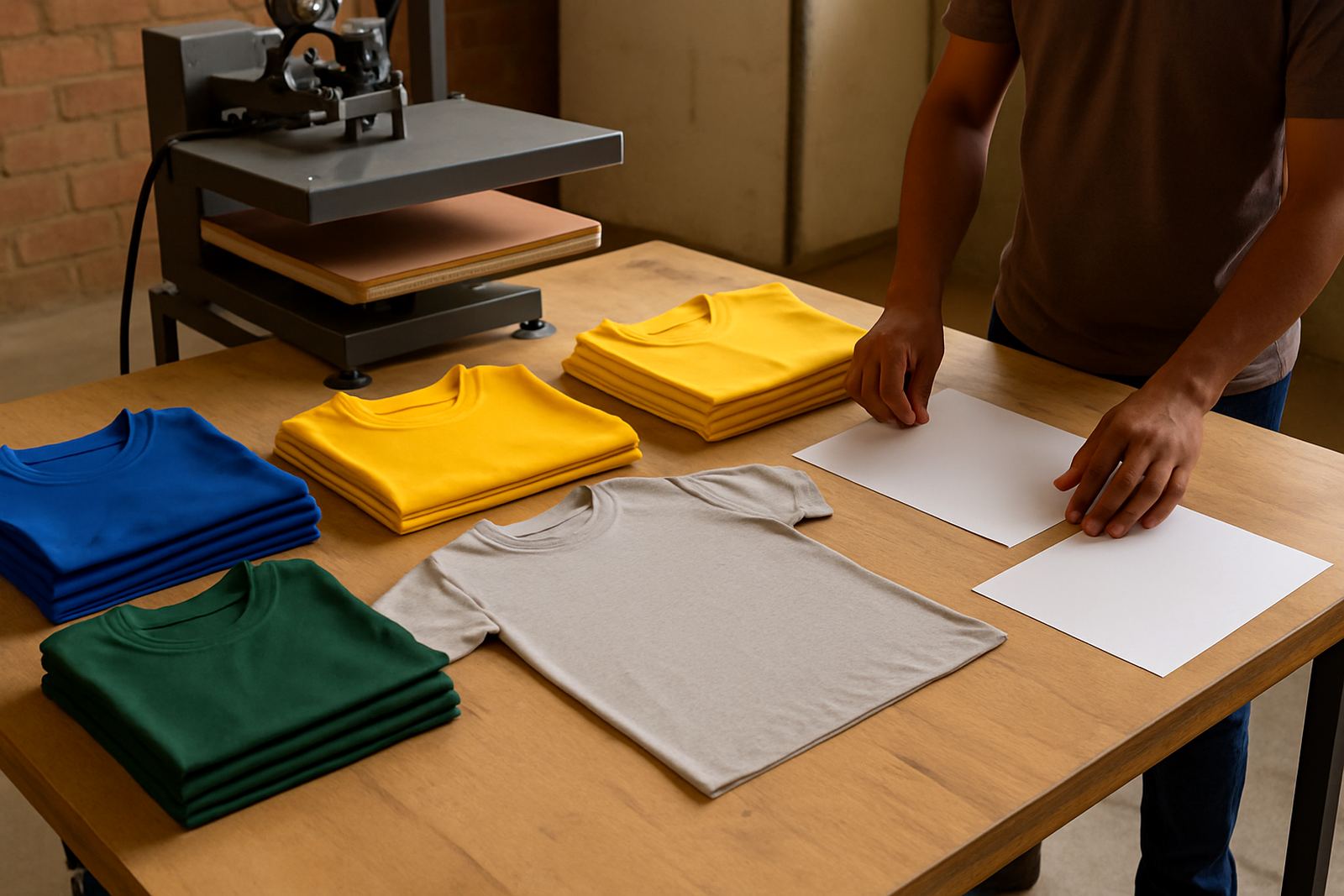
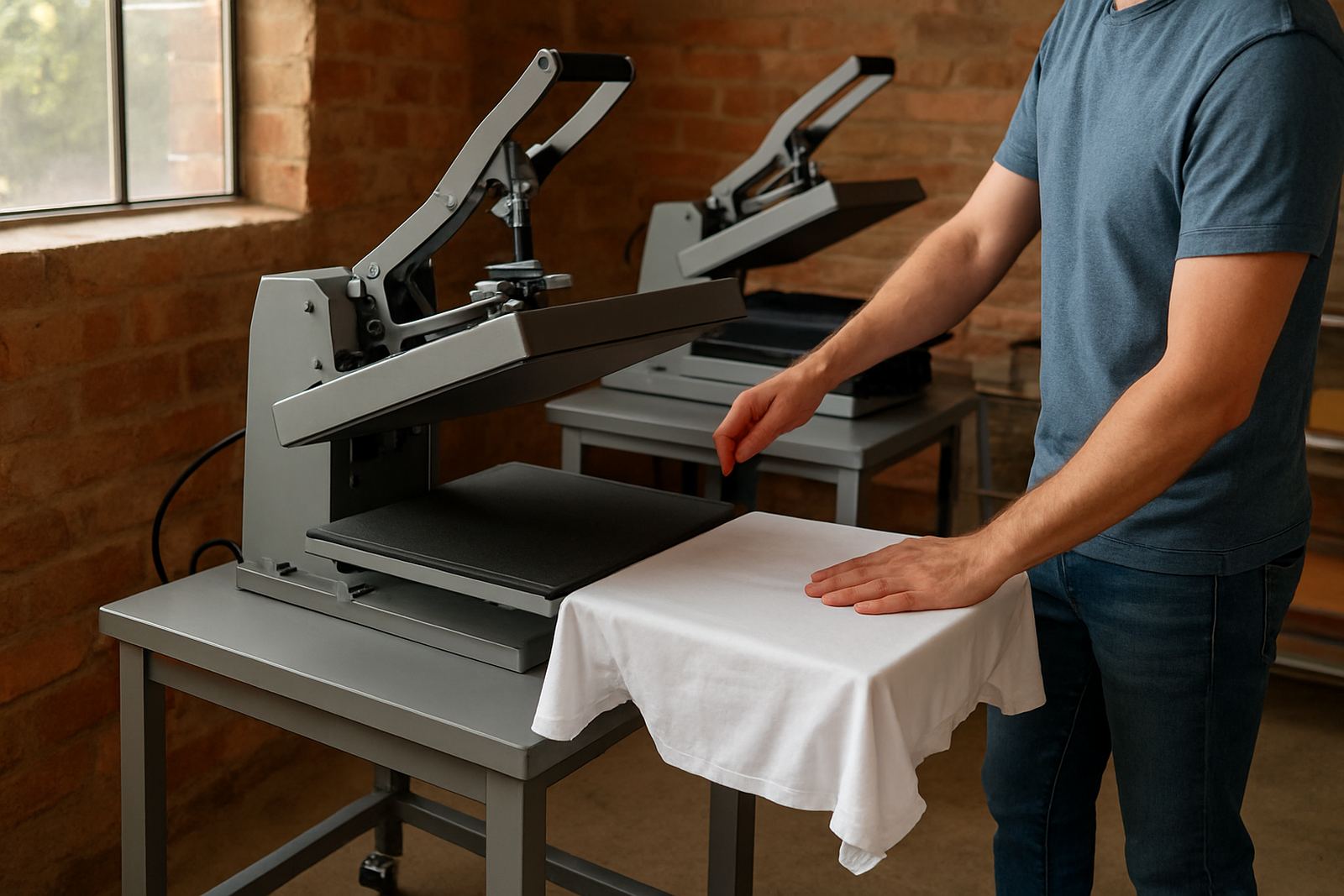
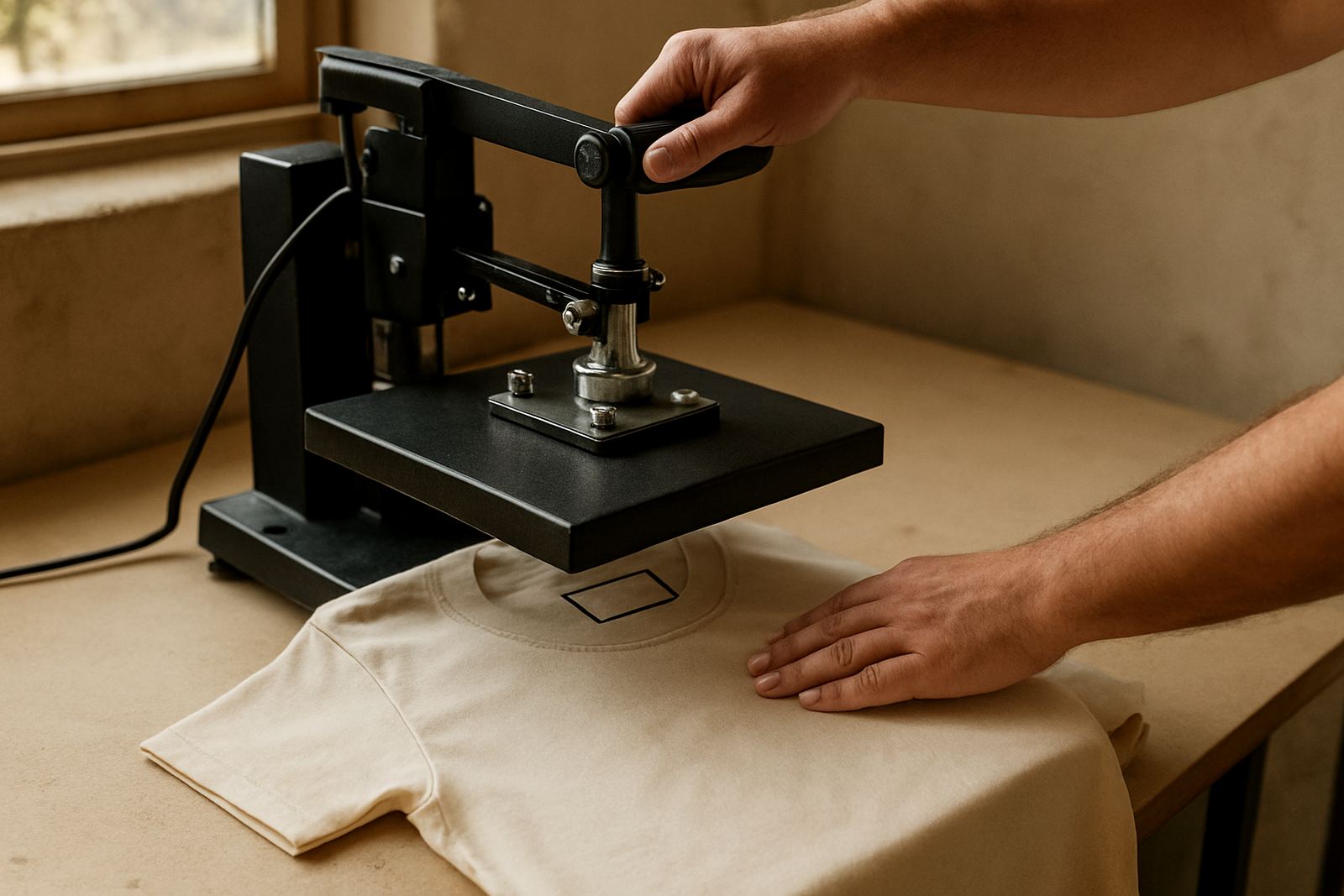
It is suited to heat transfers, vinyl, dtf-style transfer application, sublimation on flat blanks where applicable and general T-shirt pressing. The frame is made for daily use in a workshop environment, with a stable base and even pressure across the platen. If your work changes from one order to the next, the air drive gives you quicker opening and closing between pieces, which can save time on short runs.
Sizes and working options to match your output
Entry pneumatic flat presses are commonly supplied in compact to mid-size working areas, with platen choices that suit most garment shops. The best size depends on the type of print area you handle, the clothing range you offer and how much bench space you have. A smaller platen is useful for labels, chest logos and children’s wear, while a larger platen gives more room for full front work and varied transfer sizes.
- Compact platen sizes for smaller workrooms and first-time operators
- Mid-size platen options for standard T-shirt and hoodie work
- Selectable temperature ranges for common transfer and textile work
- Pressure adjustment for lighter garments and heavier substrates
- Manual set-up control with air-assisted opening and closing
When we set up a unit in Gauteng or send it by courier nationwide, we check that the platen size fits the kind of jobs you actually sell, not only the sample work you do in the workshop. That avoids buying a machine that is too small for real orders or too large for the floor space you have.
Where this press makes sense in South African workshops
This model suits start-up print shops, schoolwear suppliers, promotional item decorators and established businesses adding a second press for overflow. It is a good fit where operators need more speed and less strain than a manual lever unit. If your shop is in Durban or Cape Town, the air-operated action can also help with more regular pressure in warm, humid conditions where operators tend to work faster and materials can behave differently.
We often recommend it where the owner wants to train staff quickly and keep output consistent during busy periods. In Pretoria, the East Rand and the West Rand, it is also useful for shops handling mixed work from walk-in customers and small corporate orders. For a single press setup, it gives enough control for serious daily work without taking over the whole room.
- Small garment decorators moving up from hand-operated pressing
- Print shops adding a dependable backup press
- Workshops doing mixed transfers and short production runs
- Operations that want better consistency across different operators
Installation, air supply and power needs
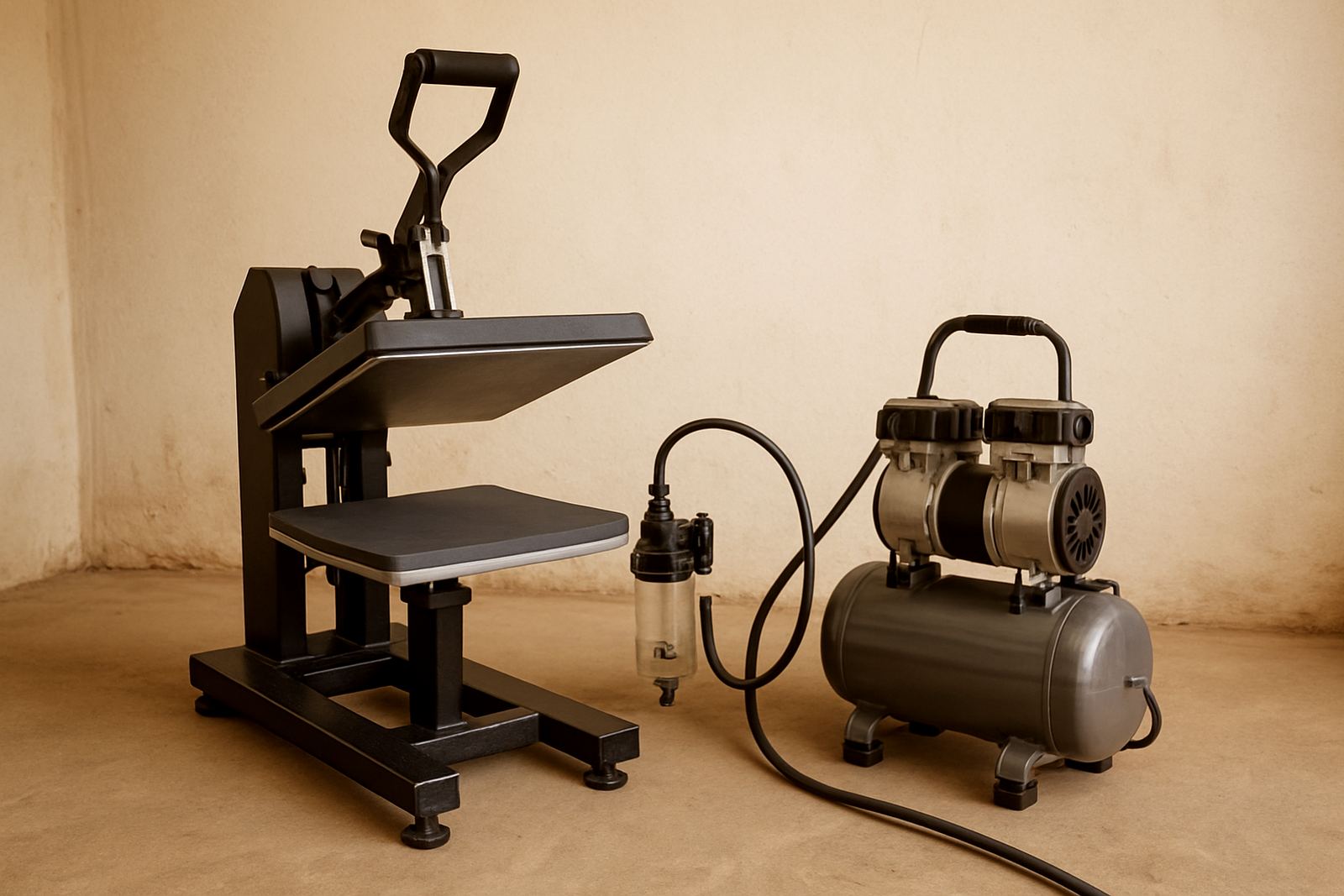
The press needs a suitable electrical supply for the heating system and a clean compressed air source for the pneumatic action. On installation we look at the available socket, the breaker size, air line condition and whether the compressor can deliver steady pressure without constant cycling. In areas with load-shedding, it is sensible to plan for a stable power supply, surge protection and a working routine that avoids starting and stopping a hot cycle repeatedly.
Installation is usually straightforward, but the small details matter. The machine must sit level, the air line should be dry and secure, and the work surface needs enough clearance for opening and loading. If your compressor is shared with other equipment, it should be sized so the press does not lose pressure while operators are working. Poor air supply can cause slow action, inconsistent closing and unnecessary wear on seals and lines.
- Standard mains power for the heating system
- Clean compressed air from a suitable workshop compressor
- Dry air line and proper pressure regulation
- Stable bench or stand with enough working space
Care, servicing and parts that keep it earning
Like any press used every day, it works best when the platen is checked, the cover is kept clean and the temperature controller is read correctly. Pressure should be inspected regularly, especially if you switch between light T-shirts and thicker garments. The air line and fittings need occasional attention, and worn covers or silicone pads should be replaced before they affect print quality.
For shops in coastal areas such as Durban or Cape Town, humidity can affect stored garments and can also show up as surface moisture on blanks. A dry work area and sensible stock handling help avoid blemishes and poor adhesion. We assist with preventive servicing, temperature checks, pressure adjustments, controller repairs, pad and covering changes, element replacements and pneumatic line service. If a workshop runs into trouble, phone support and loan unit support can help reduce downtime while the machine is being sorted.
What to check before you order
Before placing an order, it helps to confirm exactly what you are pressing, how often you press, and what support you need after delivery. A press that suits hobby work may not be the right choice for a shop doing daily paid orders. When clients contact us through the enquiry form, we usually ask a few practical questions so the unit, compressor and accessories match the job from the start.
- Platen size needed for your main garment sizes and transfer formats
- Available electrical supply and breaker capacity
- Whether you already have a compressor or need advice on one
- Space for loading, opening and cooling work safely
- Expected daily output and the level of training required
- Whether you need setup, spares, servicing or a backup unit plan
For businesses in Johannesburg, Midrand, Pretoria and beyond, this is the point where a quick check saves time later. A properly matched press is easier to train on, easier to keep in service and less likely to sit idle because one small item was overlooked.
Key facts
| Product type | Air-operated flat heat press for garments and transfers |
|---|---|
| Operation | Pneumatic closing and opening with manual temperature and timing control |
| Common use | T-shirts, transfers, vinyl, light production and repeat pressing |
| Power requirement | Mains electrical supply for heating system |
| Air requirement | Clean compressed air from a suitable workshop compressor |
| Support supplied | Setup, operator training, spares, servicing and phone tech support |