

Built for Schoolwear Jobs That Need Consistency
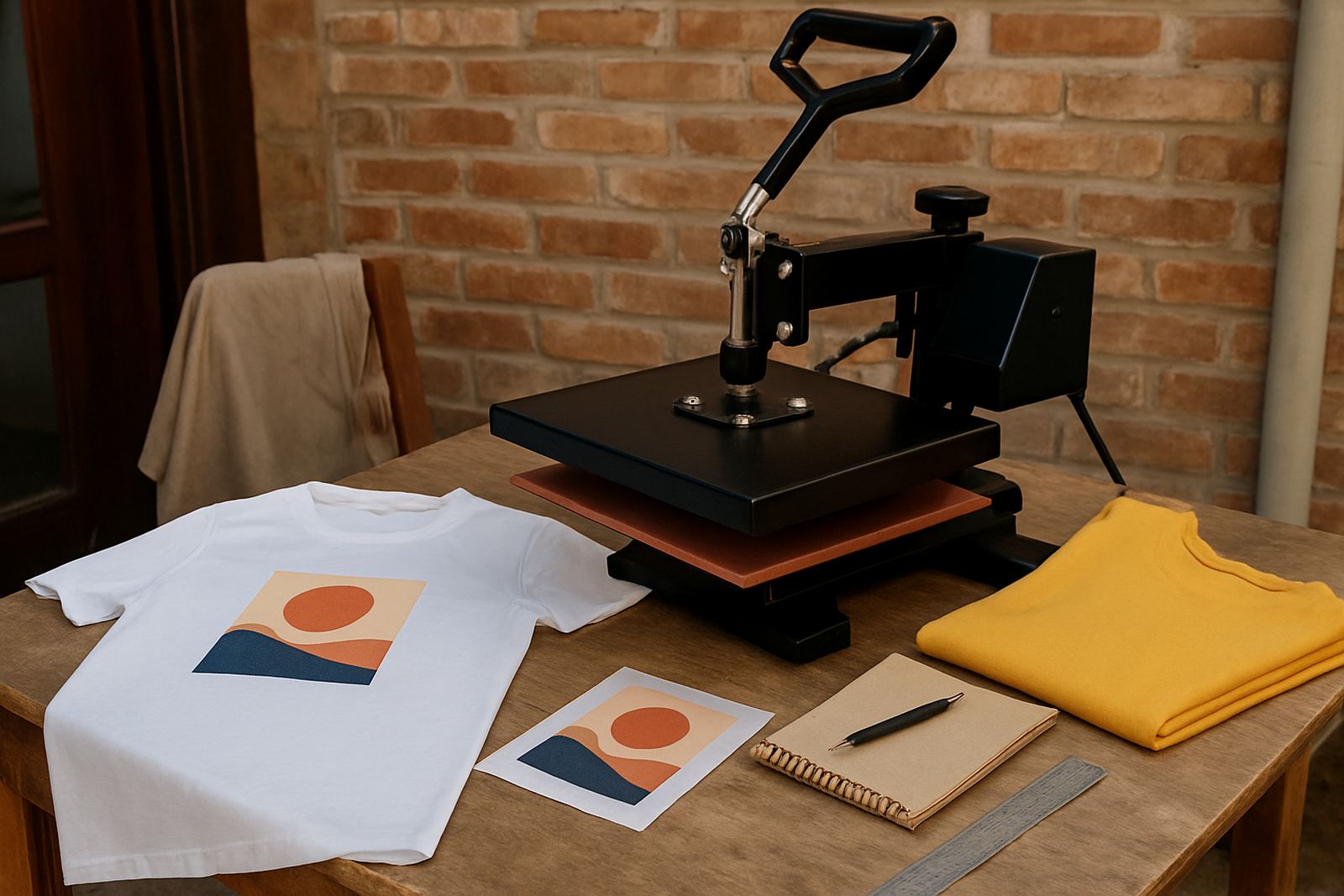
The School Kit Press is aimed at small garment decorators, school uniform suppliers and print shops that handle repeat orders through the school year. It gives a steady heated platen and even pressure for transfer work, so names and numbers sit properly on shirts, track tops, PE kit and supporter wear.
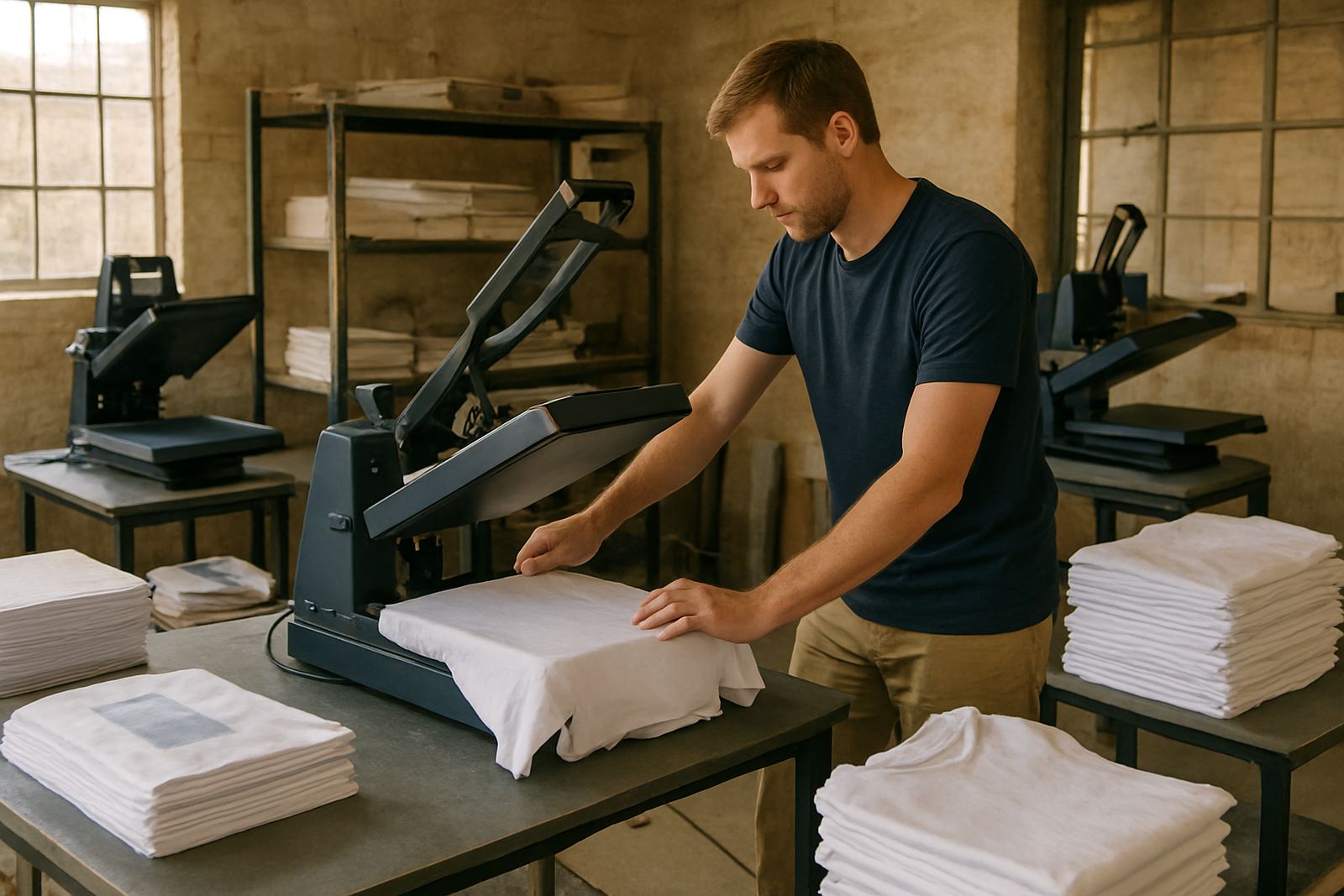
This type of press works well when you need to keep panels straight and avoid patchy bonding. It is a practical choice for school events, sports days and tuck-shop fundraising runs where you may be pressing dozens of items in a short space of time. For operators in Gauteng and beyond, it is also easy to keep in service, which matters when deadlines are tight and the power is not always steady.
We set up presses for new operators and for experienced teams adding a second machine. If you are working from a small back room, a print studio or a school supply workshop, the press can be matched to your space and your output.
Sizes, Platen Choices and Optional Features
Schoolwear comes in many sizes, from tiny primary school tees to larger senior sports tops. That is why we supply flat presses in a few working sizes so you can match the platen to the job instead of forcing everything onto one surface.
- 38 x 38 cm for smaller runs, badges, numbers and compact workspaces
- 40 x 50 cm for most school T-shirts and standard transfer work
- 40 x 60 cm for larger graphics, back prints and faster batch work
- Interchangeable lower platens for youth and adult garments
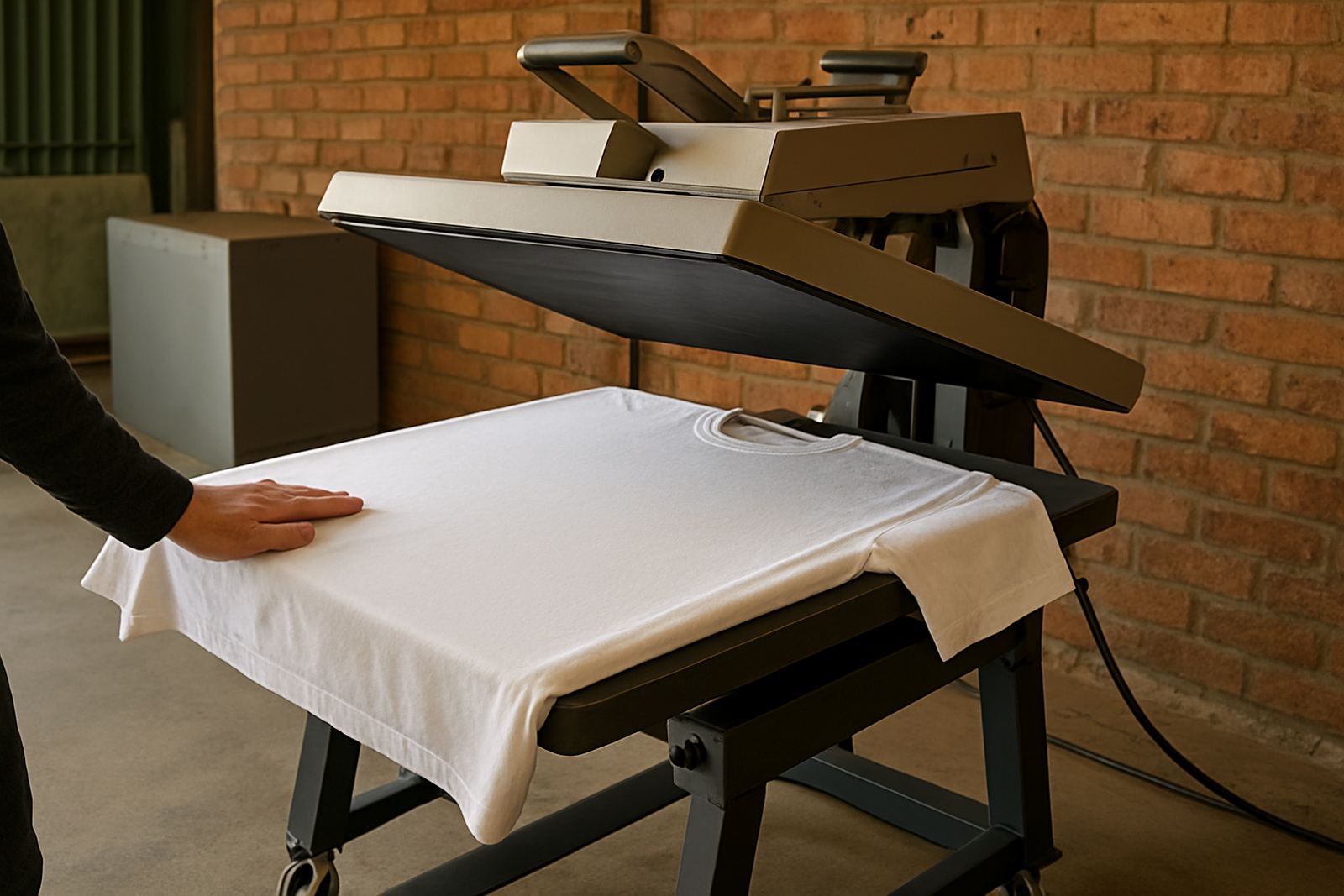
- Optional slide-out lower platen for easier loading and safer positioning
- Pressure adjustment knob or pneumatic pressure on selected models
For school kit work, the right platen size makes a real difference to speed and finish. A larger platen helps when you are lining up repeat prints on multiple sizes, while a smaller platen is handy for tight work areas and lower volumes. If you are printing sleeves, shorts or small name tags, we can help you choose a setup that does not waste heat or floor space.
Power, Installation and Site Checks
Most flat heat presses for schoolwear run from standard single-phase electricity and are ready for workshop use after proper setup. Depending on the model, you will usually need 220 to 240V power and a dedicated wall socket that can carry the load without tripping when other equipment starts up. In busy rooms, especially where presses run beside cutters or compressors, a separate circuit is best.
We recommend a stable bench or stand, enough room for the platen to open fully, and clear access for the operator. If you are using a pneumatic version, you will also need clean compressed air at the right pressure, plus a line that is drained and checked for leaks. In humid coastal areas like Durban or Cape Town, it is worth keeping the machine dry and covered when not in use.
- Allow space for loading, unloading and stacking finished garments
- Keep the press on a level surface with good ventilation
- Use a surge protector or proper electrical protection where load shedding is a factor
- For pneumatic models, check air supply, filter condition and line pressure before use
- Keep transfer stock and garments in a dry area to avoid bonding issues
How It Handles Names, Numbers and Team Graphics
School kit work is usually a mix of quick jobs and repeat batches. The press needs to handle single names on the back of a shirt in the morning, then team logos and sponsor marks later in the day. With the right heat and pressure, the press gives a clean bond on common transfer materials and keeps the print looking neat after wash and wear.
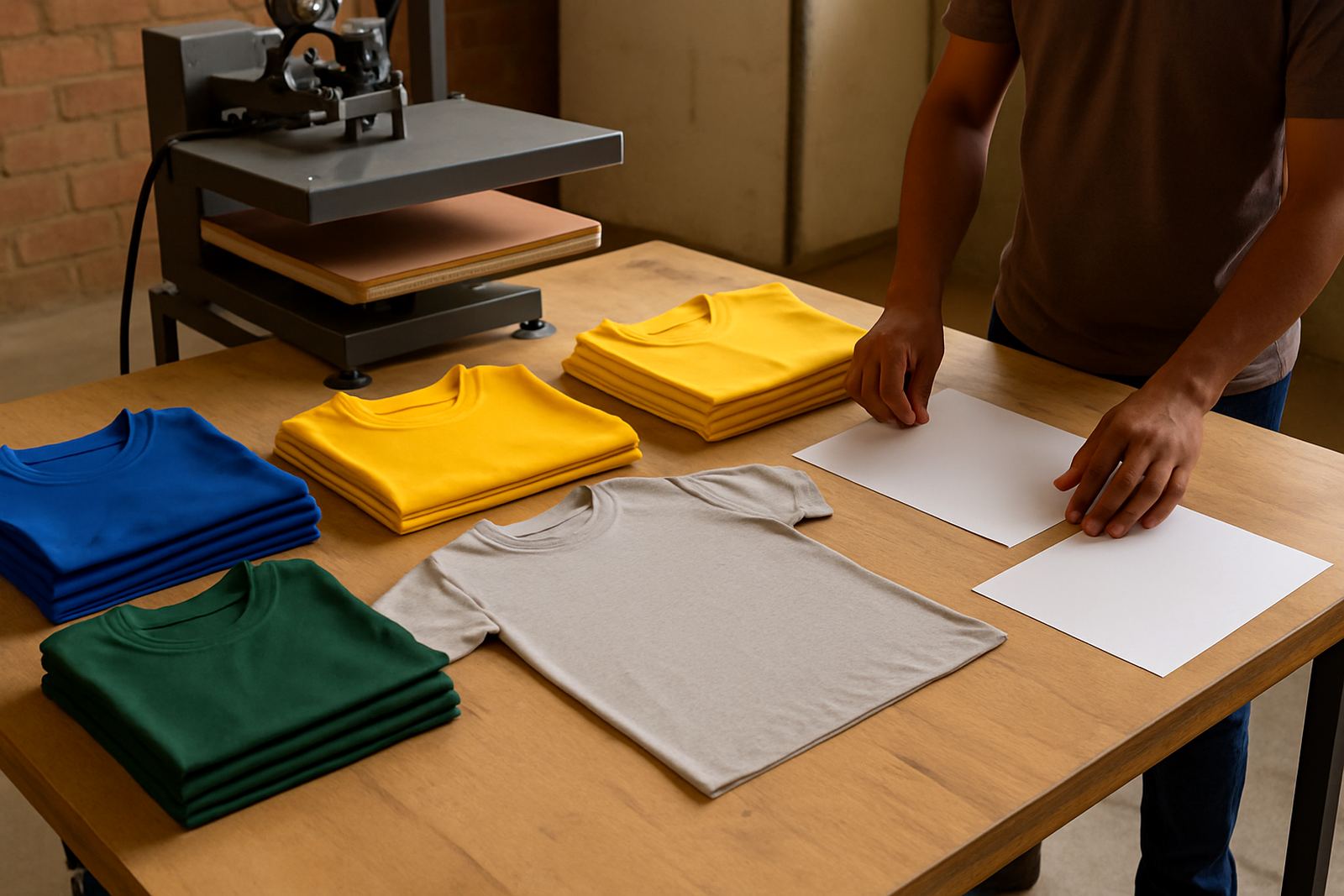
It is suitable for a wide range of garments used by schools and clubs, including cotton tees, polycotton sports shirts, hoodies, tracksuits and some coated promotional items. For vinyl, sublimation transfers on suitable blanks, DTF transfers and screen printed transfer sheets, the press provides the heat and dwell time needed for a proper finish. Results depend on the transfer material, garment composition and the exact instructions supplied by the media maker.
Operators often like this kind of machine because the learning curve is simple. Once the temperature, time and pressure are set correctly, the press gives repeatable results, which helps when students arrive with the wrong size shirt and the order still needs to go out today.
Care, Cleaning and Servicing Between School Terms
A heat press lasts longer when the platen, cover and controls are checked regularly. The School Kit Press should be kept free of adhesive build-up, loose transfer film and burnt residue. If your work includes a lot of backing sheet or mixed media, the surface can pick up contamination faster than you expect, so light cleaning on a regular basis is worthwhile.
We offer preventive servicing, temperature checks, pressure adjustments, controller repairs, pad and covering replacement, spares supply and phone technical support. This is useful for schools that run seasonal work and for shops that push hard during winter sports and year-end events. If a press is starting to heat unevenly, taking too long to close or showing signs of worn pressure pads, it is better to sort it out early rather than lose a batch of shirts.
- Check the top platen and lower pad weekly for damage or glue residue
- Watch for uneven pressure on corners and the centre of the platen
- Keep the controller display clear and note any temperature drift
- Replace covers and pads when marks start transferring to garments
- Book a service before peak school season, not after the faults start
What To Check Before You Order
Before ordering, it helps to know what you are pressing, how many items you plan to produce per day and what size range you work with. A schoolwear decorator in Midrand may need a different setup from a Durban shop handling coastal humidity and daily club orders. The better the brief, the easier it is to match the press and keep it working properly.
Please check the following points before you send through an enquiry form on our contact page:
- Garment types: cotton, polycotton, polyester blends or coated items
- Expected volume: low, medium or higher batch work
- Preferred platen size and whether you need interchangeable plates
- Power supply at your premises and whether a dedicated socket is available
- Need for manual pressure or pneumatic pressure assistance
- Whether you want installation, operator training and ongoing support
If you are not sure, we can talk through the job and recommend a suitable format. We work with small garment decorators, hobby users and professional print shops across Johannesburg, Pretoria, the East Rand, West Rand, Durban, Cape Town and Bloemfontein, with courier supply nationwide.
Key facts
| Working sizes | Platen sizes: 38 x 38 cm, 40 x 50 cm and 40 x 60 cm |
|---|---|
| Power | 220 to 240V single-phase, model dependent |
| Temperature range | 0 to 230 deg C, depending on controller and platen type |
| Pressure control | Manual adjustment on standard units, pneumatic option on selected models |
| Suitable materials | Cotton, polycotton, polyester blends and many coated blanks |
| Support available | Setup, training, temperature checks, servicing and spares |