What the Dual Station Pneumatic does in daily production
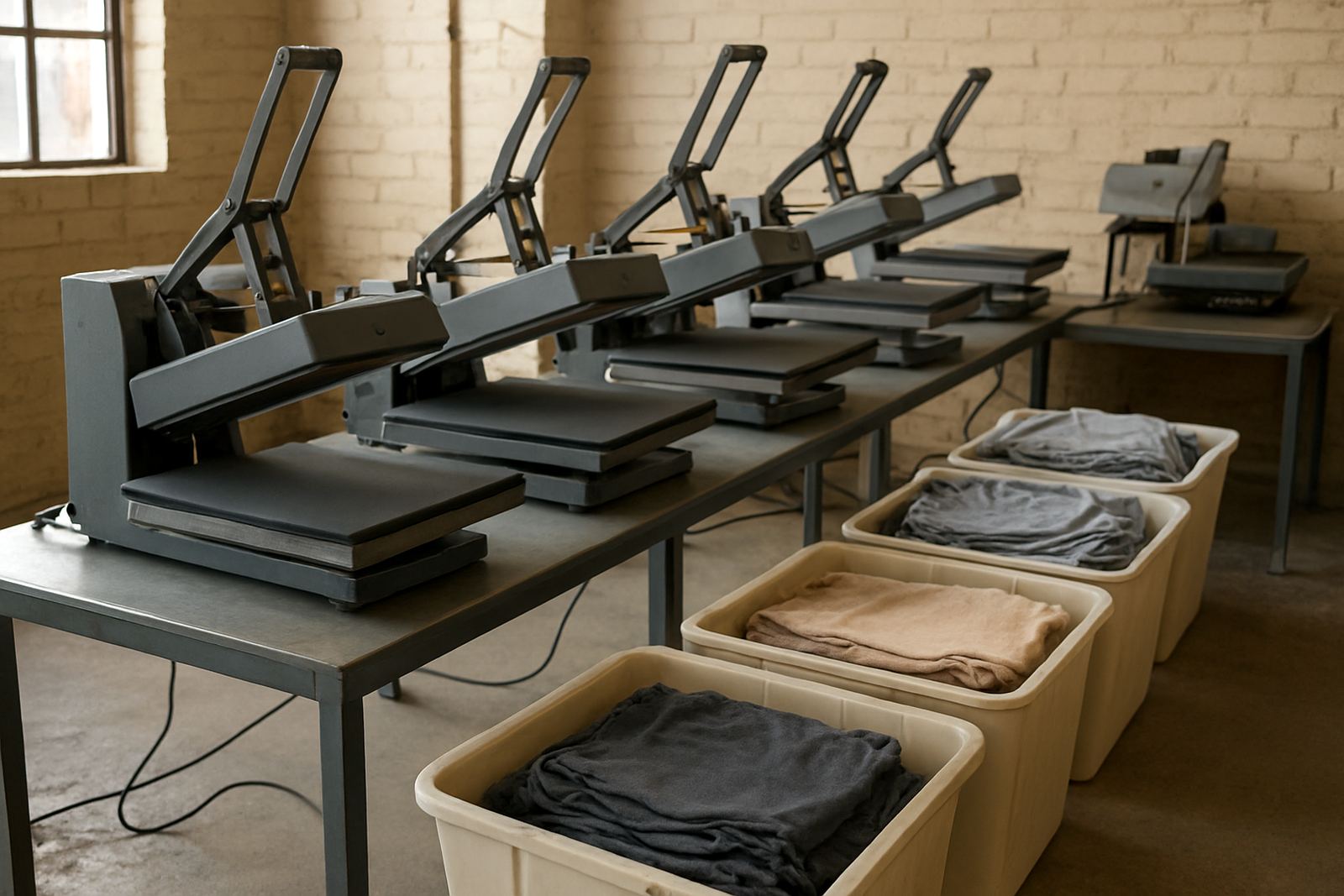
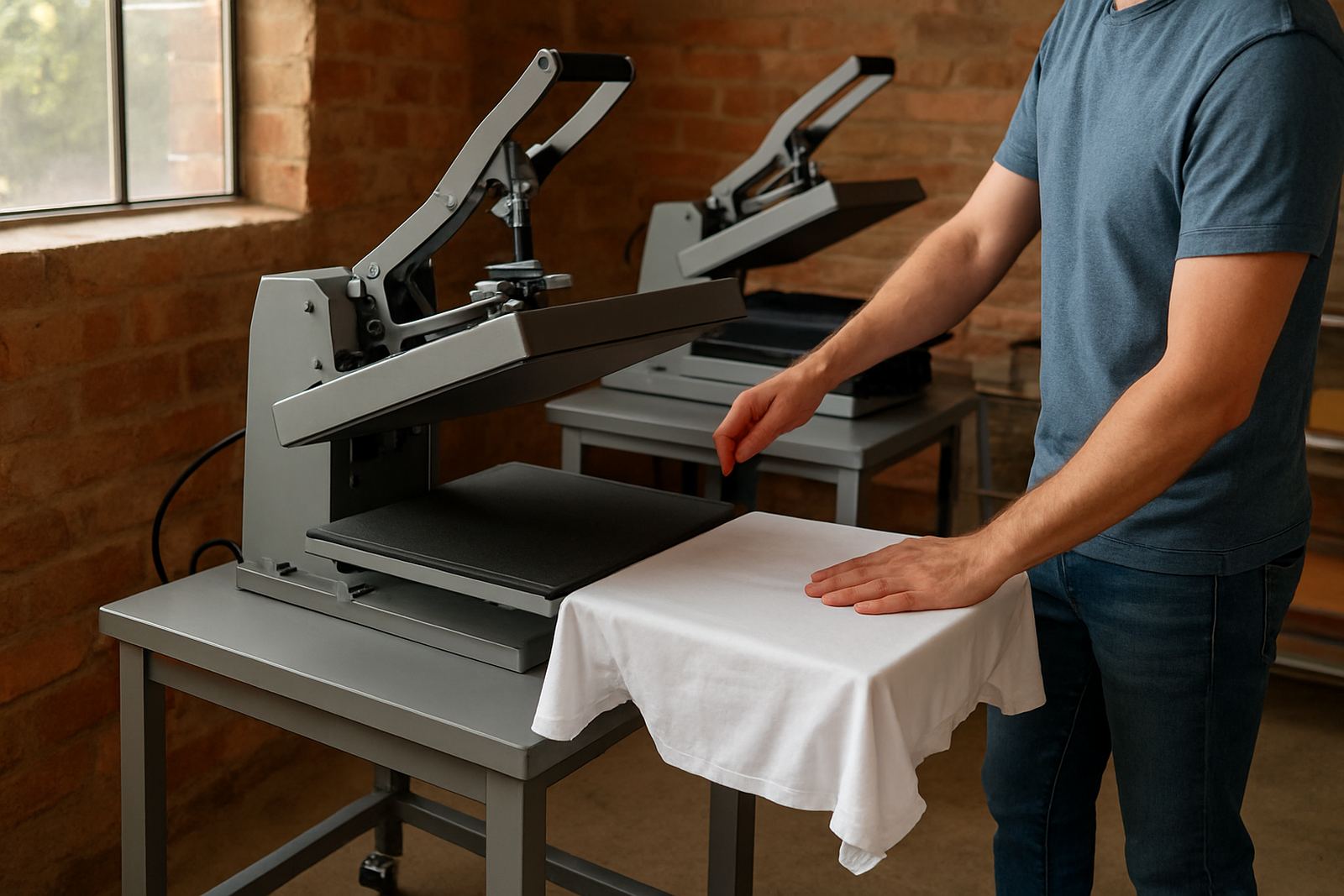
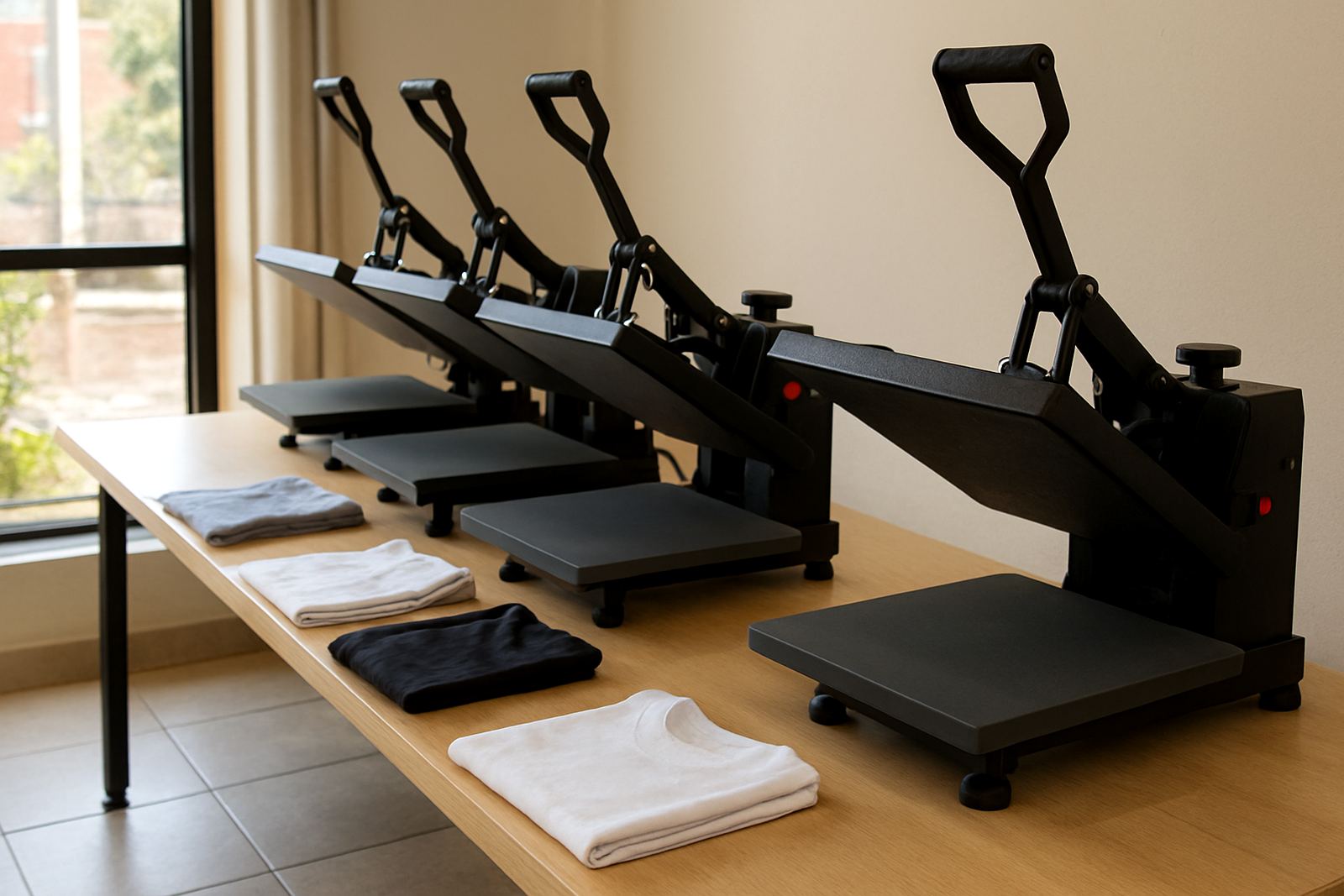
This machine uses compressed air to raise and lower the press head, so the operator is not relying on repeated manual force through a long shift. With two working stations, the cycle becomes smoother: load one shirt, press it, move to the next station, and keep the line moving. That makes a real difference in small to medium print shops, schoolwear work, brand merch, and contract printing where orders often come in batches of mixed sizes.
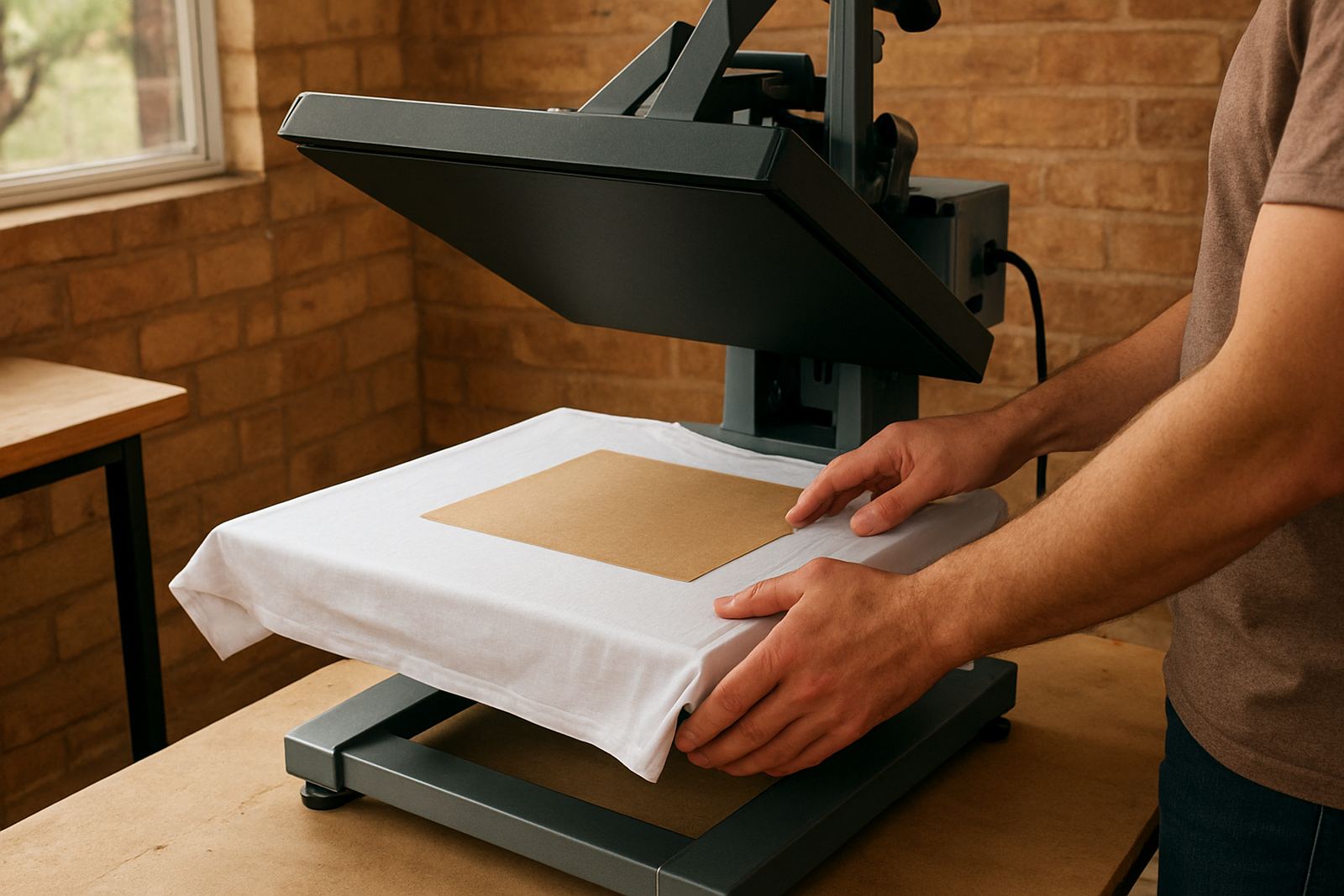
The even pressure is one of the main reasons printers choose pneumatic. Once the pressure is set correctly, the contact across the platen stays more consistent from one press to the next. That helps with transfer films, vinyl, DTF, sublimation papers and other flat applications that need controlled heat and pressure. For shops in Gauteng where power dips and load-shedding can upset production, a press with clear controls and repeatable settings is easier to manage than something that depends on guesswork.
It is also a better option for operators who need to maintain pace without strain. On longer runs the twin station layout cuts down on fatigue and keeps the workflow organised, especially where one person is pressing and another is prepping garments.
Sizes and configuration options available
The Dual Station Pneumatic is typically supplied in popular platen sizes that suit most garment printing work. The right size depends on the range of garments and transfers you handle day to day. A smaller platen is useful for children’s wear, pocket logos and compact prints, while a larger platen gives more room for front prints, hoodies and bigger transfer layouts.
- Working area options commonly include 40 x 50 cm, 40 x 60 cm and 60 x 80 cm
- Single or dual station table layout depending on production flow
- Digital temperature control with timer and pressure adjustment
- Optional interchangeable lower platens for mixed garment sizes
- Heavy-duty frame with heat-resistant covering and pressure pad assembly
If you are printing mostly standard adult T-shirts in Johannesburg or Pretoria, a mid-size platen is often the most practical choice. If your work includes oversized branding, event wear or textile panels, a wider model can reduce repositioning. We can help you match the machine to the type of garments you actually print, not just the biggest job you might one day take on.
Where this press suits best
This model suits print rooms that need regular output and predictable results. It works well for garment decorators, schools or clubs doing repeat orders, promotional printers handling transfer runs, and production teams that want to keep one operator busy without unnecessary stopping and starting. In Durban and other coastal areas, the press should be kept in a dry, clean space because humidity can affect paper stock, adhesives and electrical parts over time.
It is a practical fit for:
- Small shops growing from manual presses into higher output work
- Busy print rooms taking back-to-back jobs with different transfer sizes
- Garment decorators producing T-shirts, hoodies, tote bags and flat textile items
- Teams that want to reduce operator strain on full production days
For hobbyists with serious volume, it can be a strong upgrade too, but only if the workspace can handle the size and the air supply. The machine needs proper benching or floor space and a sensible layout so the loading area is not cramped. In a Cape Town or Bloemfontein setup, that often means planning the workstation around the press first, then fitting the rest of the finishing area around it.
Installation, air supply and power basics
Because this is a pneumatic press, the air system matters as much as the press itself. It needs a clean, stable compressed air supply sized for regular use. A compressor with a suitable tank and pressure range is important, along with a proper line, regulator and water trap where needed. If the air is too low or unstable, pressure consistency will suffer and the operator will feel it straight away.
Electrical supply is normally straightforward, but it must be installed on a stable circuit with the correct voltage and enough capacity for heat-up and continued use. South African workshops should also plan for load-shedding and voltage swings. A surge protector and sensible shutdown routine help protect the controller and heating system. If the unit is going into a shared production space, make sure the cable run is neat and not exposed to heat, water or foot traffic.
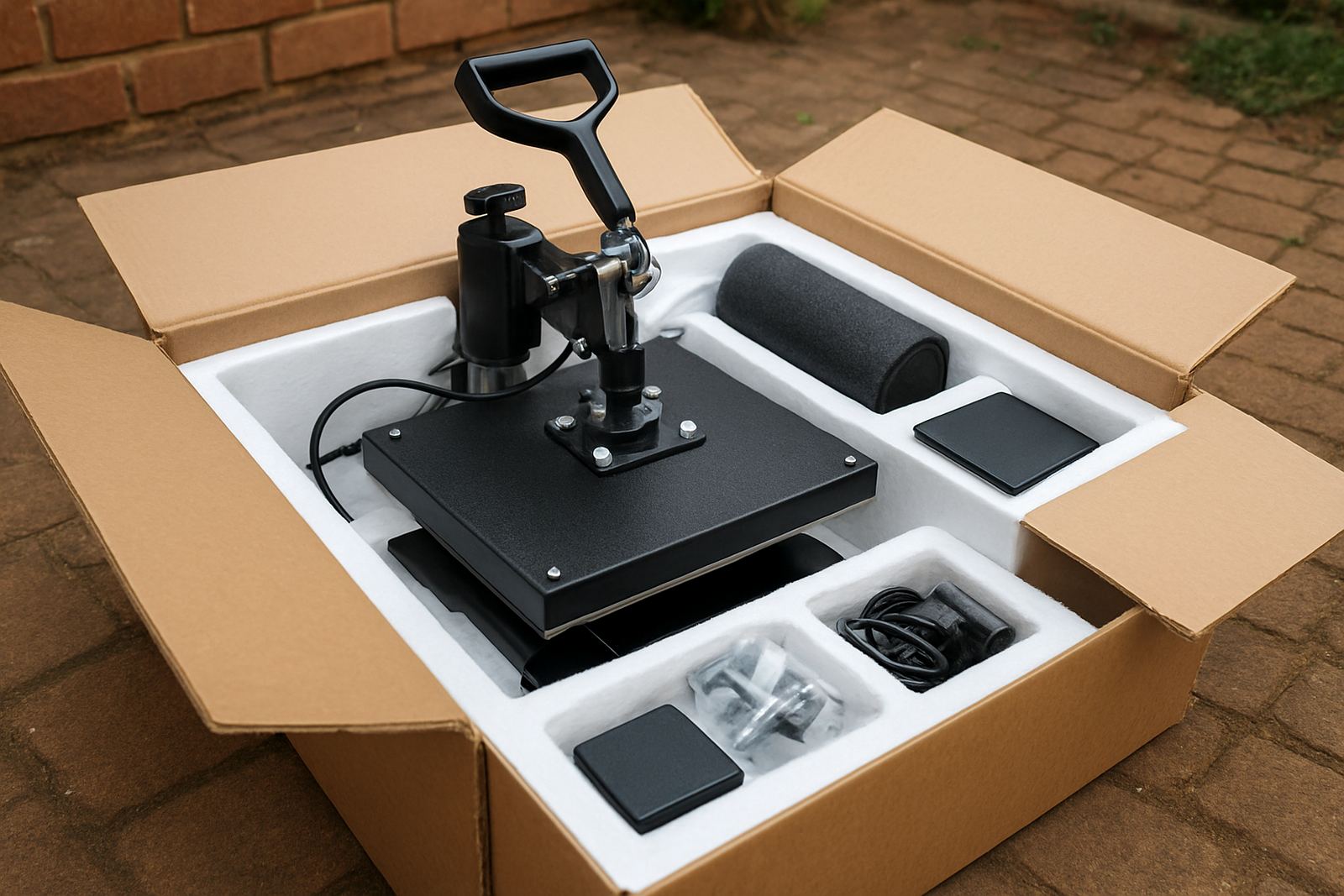
We handle setup in Midrand and can support installations in Johannesburg, Pretoria, the East Rand, West Rand and further afield by arrangement or courier based delivery. For out-of-town customers, we will talk through the air and power requirements before dispatch so there are no surprises when the machine arrives.
Care, servicing and spares for the Pneumatic Dual Station Press
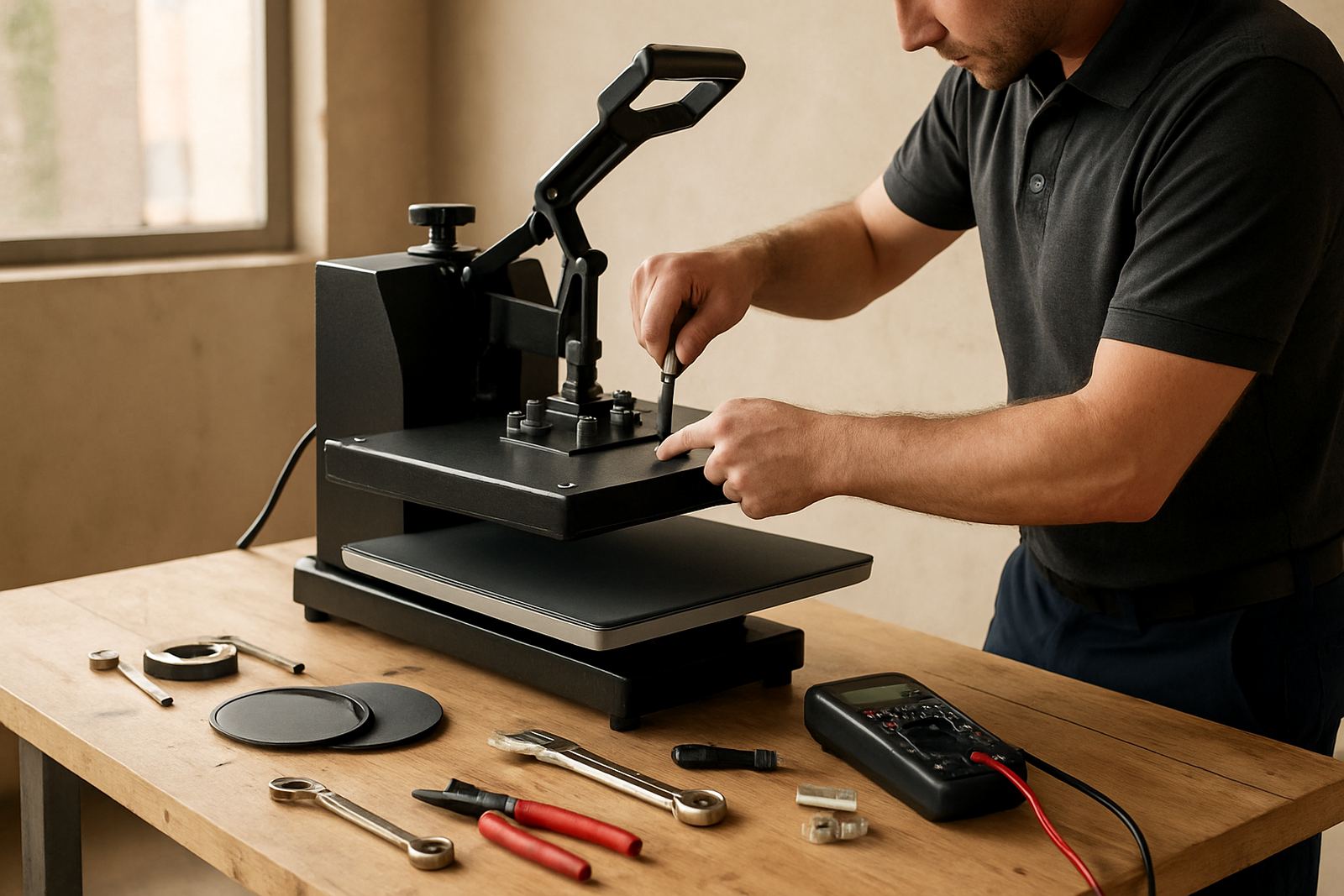
A pneumatic press needs regular attention to stay accurate. The platen cover wears, the pressure pad compresses over time, and the controller should be checked if temperatures start drifting. A simple service routine keeps production moving and helps avoid downtime on paid jobs. We recommend checking heat output, pressure balance, air line condition and the timer function on a set schedule, especially if the press runs daily.
Common items that may need replacement include heating elements, temperature controllers, silicone pad and covering, air fittings, seals and line components. If the platen is used hard on mixed materials, the surface can also pick up marks or uneven wear, so it helps to inspect it before a busy week starts. Preventive servicing is cheaper than stopping a run halfway through a batch of 200 shirts.
- Check platen temperature with a separate tester when print quality changes
- Drain moisture from the compressor and air line regularly
- Keep the press surface clean and free of adhesive residue
- Replace worn pad covering before pressure becomes uneven
- Do not run the press on a weak or fluctuating air supply
If something does go wrong, we can assist with phone tech support, spares supply, element replacements, controller repairs and loan unit support where available.
What to check before you order
Before placing an order, confirm the size of the garments you print most often, the type of transfer material you use, and how much space you have at the workstation. Measure the available floor area, then allow room for loading, unloading and the compressor. If the machine will be moved through a narrow doorway or into an upstairs area, check access as well. These details matter more than people expect.
It also helps to know whether you need a single operator setup or a production line where one person loads while another prepares the next item. Tell us if you print on standard tees only, or if you also do hoodies, tote bags, panels or larger front artwork. That information will guide the platen size and the setup options. If you are unsure, we can walk through the practical side and recommend the right configuration for your output level.
When you enquire through our contact page, include your location, production type and any air supply details you already have. That lets us advise on installation, delivery and any extra parts you may need from the start, instead of after the machine has already arrived.
Key facts
| Product type | Dual station pneumatic flat heat press |
|---|---|
| Working area options | 40 x 50 cm, 40 x 60 cm, 60 x 80 cm |
| Control system | Digital temperature, timer and pressure adjustment |
| Heat range | Typical operating range up to 220°C |
| Pressure source | Compressed air supply required |
| Best suited for | T-shirts, transfer prints, vinyl and flat textile items |