
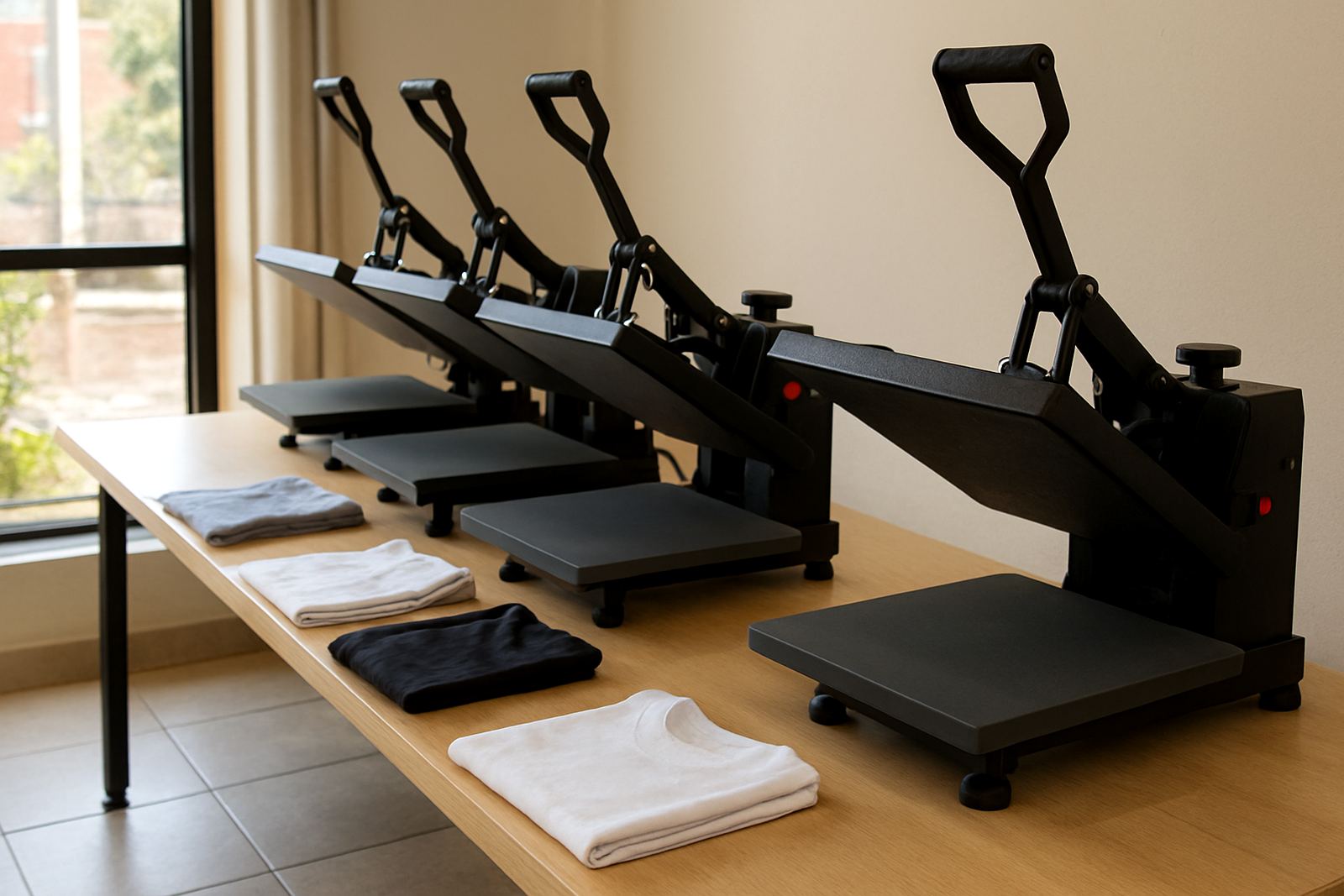
A better press for test garments and approvals
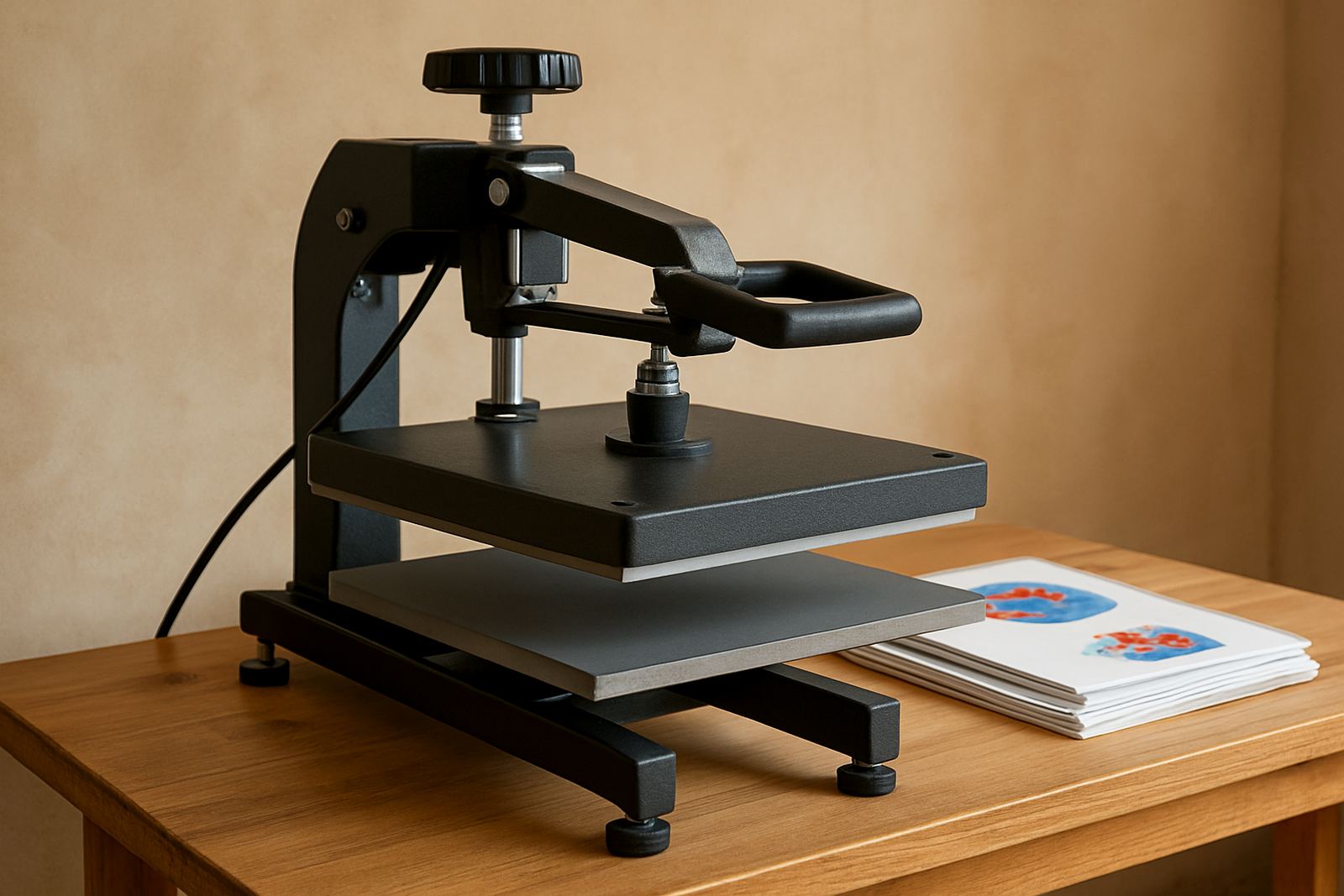
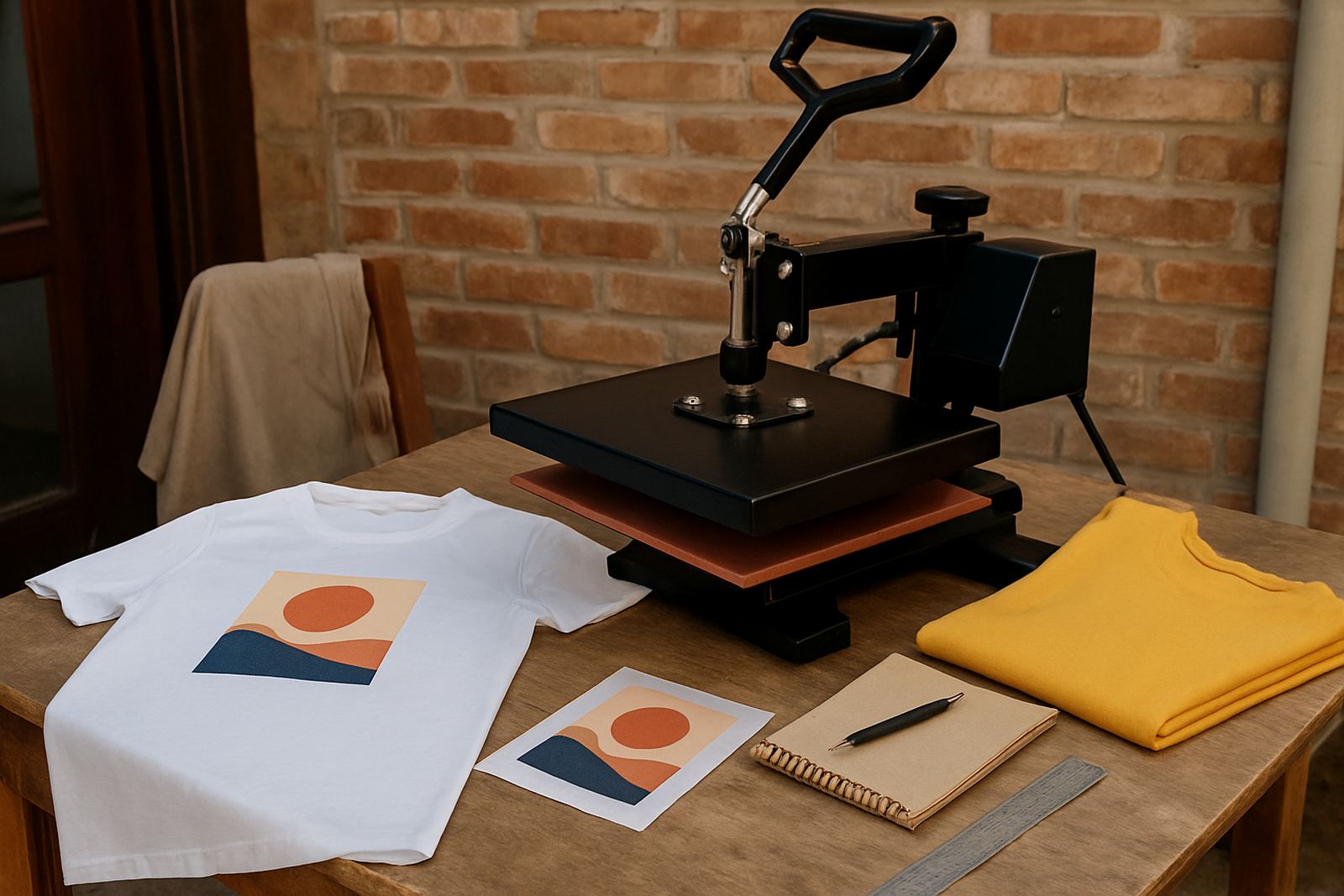
A sample making press gives you a controlled way to test artwork, transfer behaviour and fabric response before you go into full runs. It is especially useful when a client wants one or two approval pieces, or when you need to check how a new garment, transfer type or print position will behave under heat and pressure.
This type of press is chosen for short runs, frequent changeovers and detailed sample work. It gives you the kind of repeatability that matters when you are matching colour placement, checking edge lift, or proving a process before a larger order is released. For shops that produce t-shirts, workwear, promotions and branded clothing, it saves time and reduces waste.
In a South African workshop, that can mean fewer spoiled garments during load shedding recovery, less guesswork on mixed fibre fabrics, and faster approvals when a customer wants to see a physical sample before production starts.
Sizes and options to match your sample workflow
Sample presses are usually supplied in compact flat-bed sizes that suit one garment at a time. The most common platen sizes for this kind of work are 250 x 300 mm, 300 x 400 mm and 400 x 500 mm, depending on the type of sample you make and how much of the garment area you need to cover.
Options can include digital time and temperature control, manual or pneumatic pressure, a sliding lower platen for easier positioning, and interchangeable pads or covers for different fabrics. Some workshops want a lighter unit for sample room use, while others need a heavier frame for daily use in a busy production area.
- Compact footprint for small rooms and sample tables
- Digital display for temperature and timing
- Adjustable pressure for different garment weights
- Optional slide-out lower bed for safer layout
- Replaceable heat pad and cover for routine maintenance
Where it fits in South African print shops
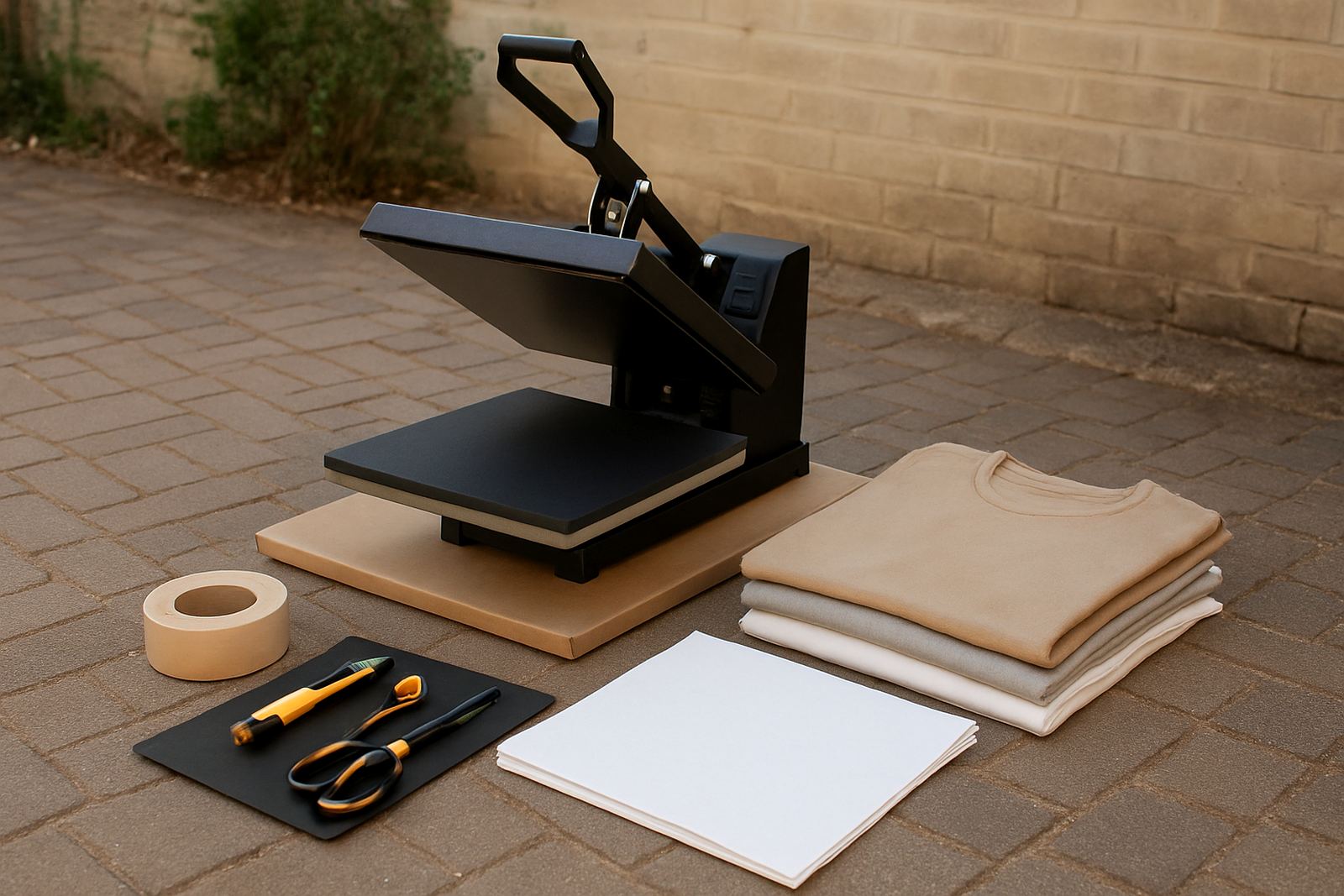
This press suits garment decorators, embroidery houses with transfer work, sign and branding businesses, and factories that need internal approval samples before bulk production. It is also practical for hobbyists who want a proper setup instead of relying on trial and error with a domestic iron or an underpowered unit.
Across Johannesburg, Pretoria, Midrand, the East Rand and West Rand, many customers use a sample press in a front room, storeroom or finishing area. In Durban and other coastal towns, the unit must stand up to humidity and regular cleaning, while inland shops often need quick warm-up and stable power during peak orders. If you are working from a small site, the press should still be easy to move around the room and simple to operate by one person.
- Garment sample rooms
- Small print shops
- Promotional product workshops
- Training spaces for new operators
- Home-based decorating businesses with proper ventilation
Installation, power and workshop setup
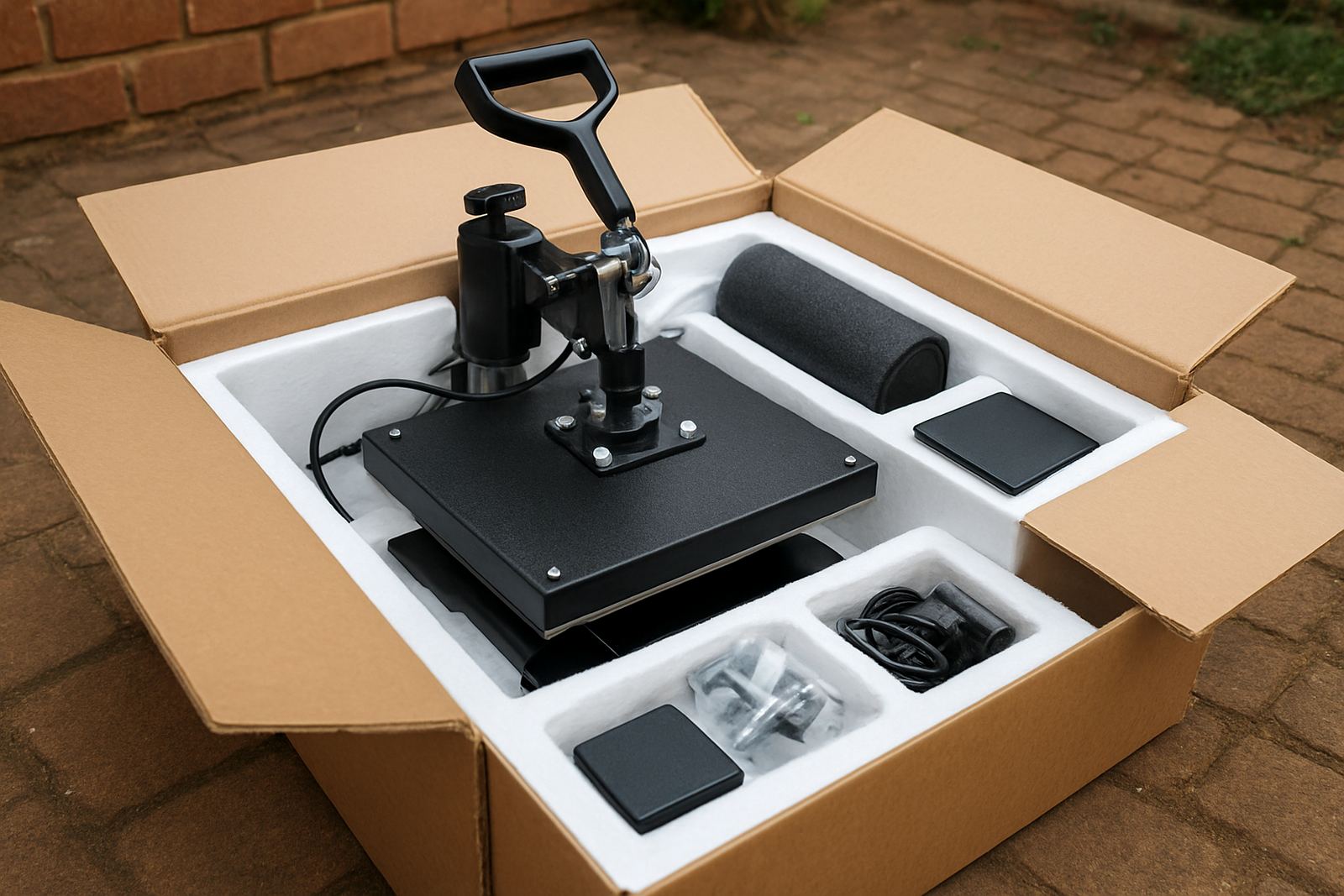
Most sample making presses run on standard single-phase electricity, which makes them suitable for many South African workshops. A dedicated socket is preferred, with proper earthing and a supply that can handle the heating load without tripping when other equipment starts up. If the site has unstable power, it helps to plan for a stable circuit and a power protection solution that suits the machine and the rest of the workshop.
During installation we check the working height, safe operator space and the route for loading garments. For pneumatic models, you also need a clean air supply with enough pressure and a reliable line. If the press is used in a tight room, the lid opening and operator clearance matter just as much as the electrical side.
We can assist with setup, first use and operator training so the team knows how to set heat, time and pressure correctly from day one. That is where many sample faults start, a little too much pressure here, too little dwell time there, and the result can be misleading.
Care, servicing and common wear parts
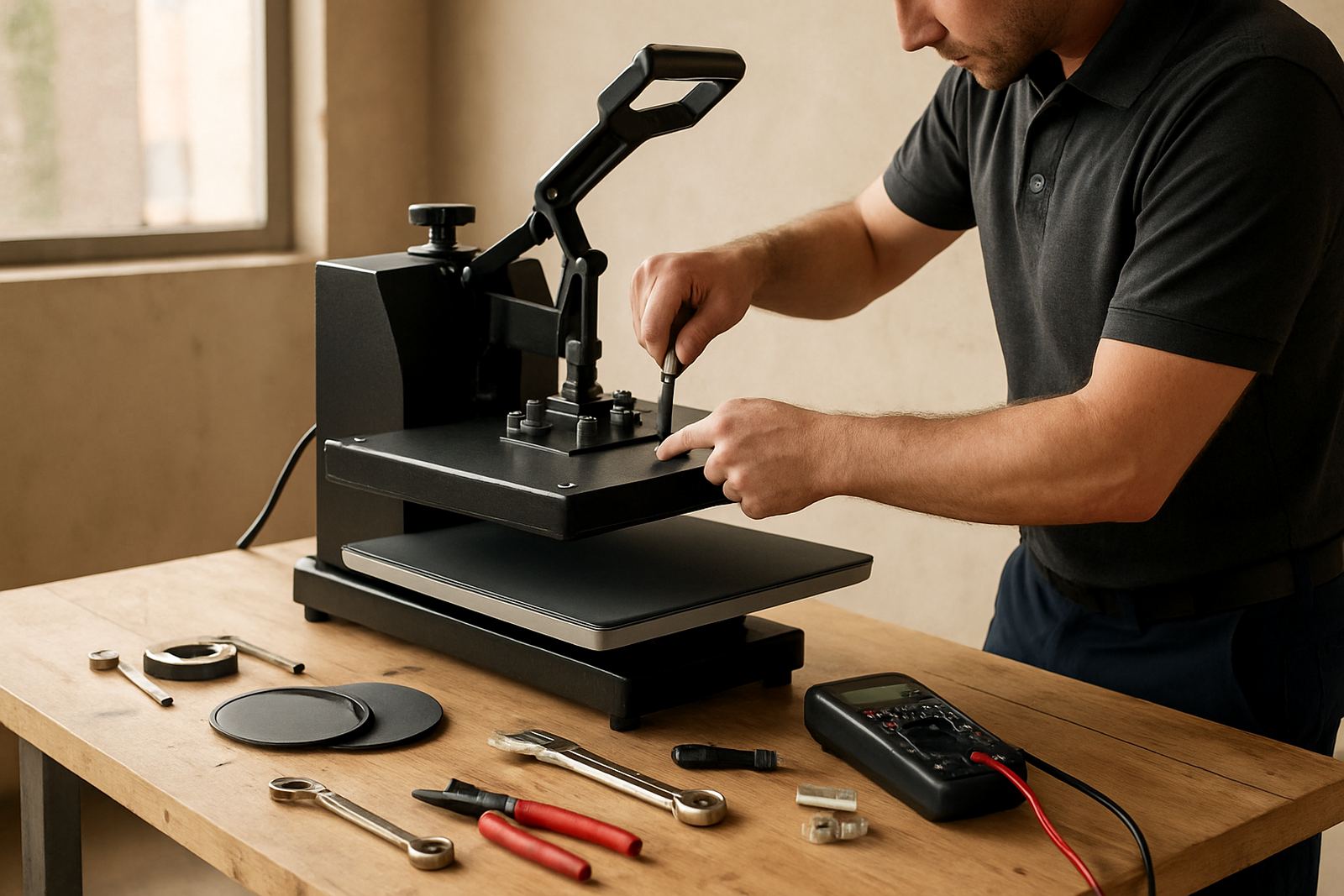
A sample press works best when the platen stays clean, the pad stays flat and the controller readings are checked now and then. Regular use with transfer papers and films can leave residue on the heat surface, so wiping down after cooling is a good habit. Covers and pads wear out over time, especially in busy shops where the press is used several times a day.
We offer preventive servicing, temperature checks, pressure adjustments, element replacements, controller repairs and pad and covering work. If the machine starts heating unevenly, reading the wrong temperature, or closing with too much or too little force, it should be checked before it affects sample approvals. In coastal areas, a little extra care around storage and cleaning helps prevent early corrosion on exposed fittings.
- Wipe the platen clean and keep it dry after each shift
- Check temperature accuracy with a proper test method
- Inspect the cover and pad for marks or thinning
- Watch for uneven pressure or scuffing on garments
- Book servicing before a busy order period starts
What to check before you order
Before you order a sample making press, think about the garments you use most, the transfer methods you run, and the space available in your room. A press for small samples on kidswear is not the same as a unit used for adult t-shirts, hoodies or branded workwear. You also need to know whether you want manual pressure, semi-auto control or pneumatic operation.
Check the platen size, power supply, temperature range, pressure adjustment method and whether the press will fit through your doors and into the final position. If you plan to move between towns or use courier supply nationwide, ask about packing and delivery details as well. It also helps to confirm what spares are kept on hand, because downtime during approvals can hold up a full production job.
For advice on the right size and setup, customers reach us through the enquiry form on our contact page. From our Midrand base, we supply and support sample presses in Johannesburg, Pretoria, Durban, Cape Town, Bloemfontein and surrounding areas nationwide.
Key facts
| Platen sizes | 250 x 300 mm, 300 x 400 mm, 400 x 500 mm |
|---|---|
| Power supply | Single-phase 220V to 230V, workshop dependent |
| Control system | Digital time and temperature control |
| Pressure type | Manual adjustable or pneumatic, model dependent |
| Use case | Test garments, approvals, transfer samples and short runs |
| Support | Setup, training, spares, servicing and loan unit support |