

Built for daily transfer application work
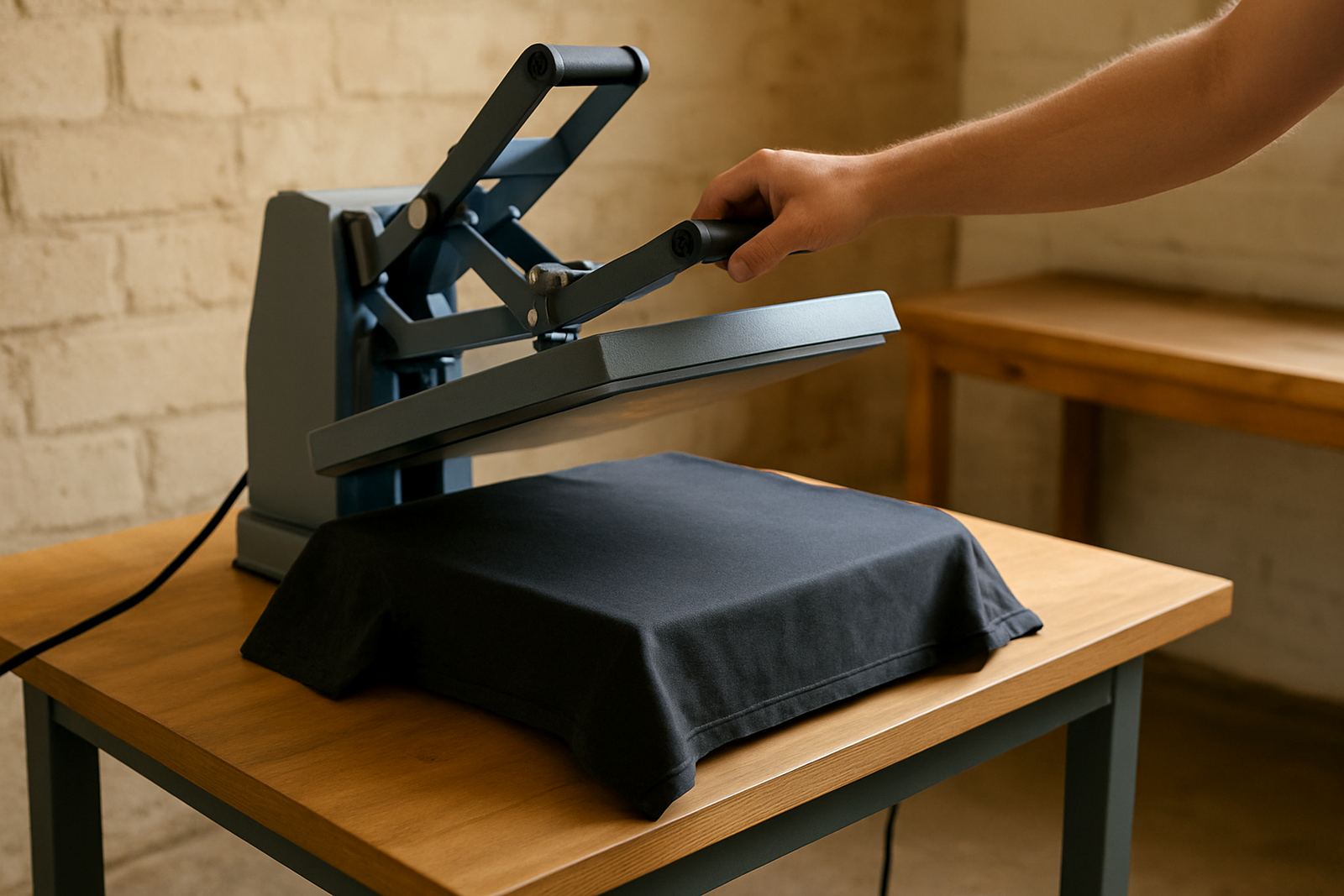
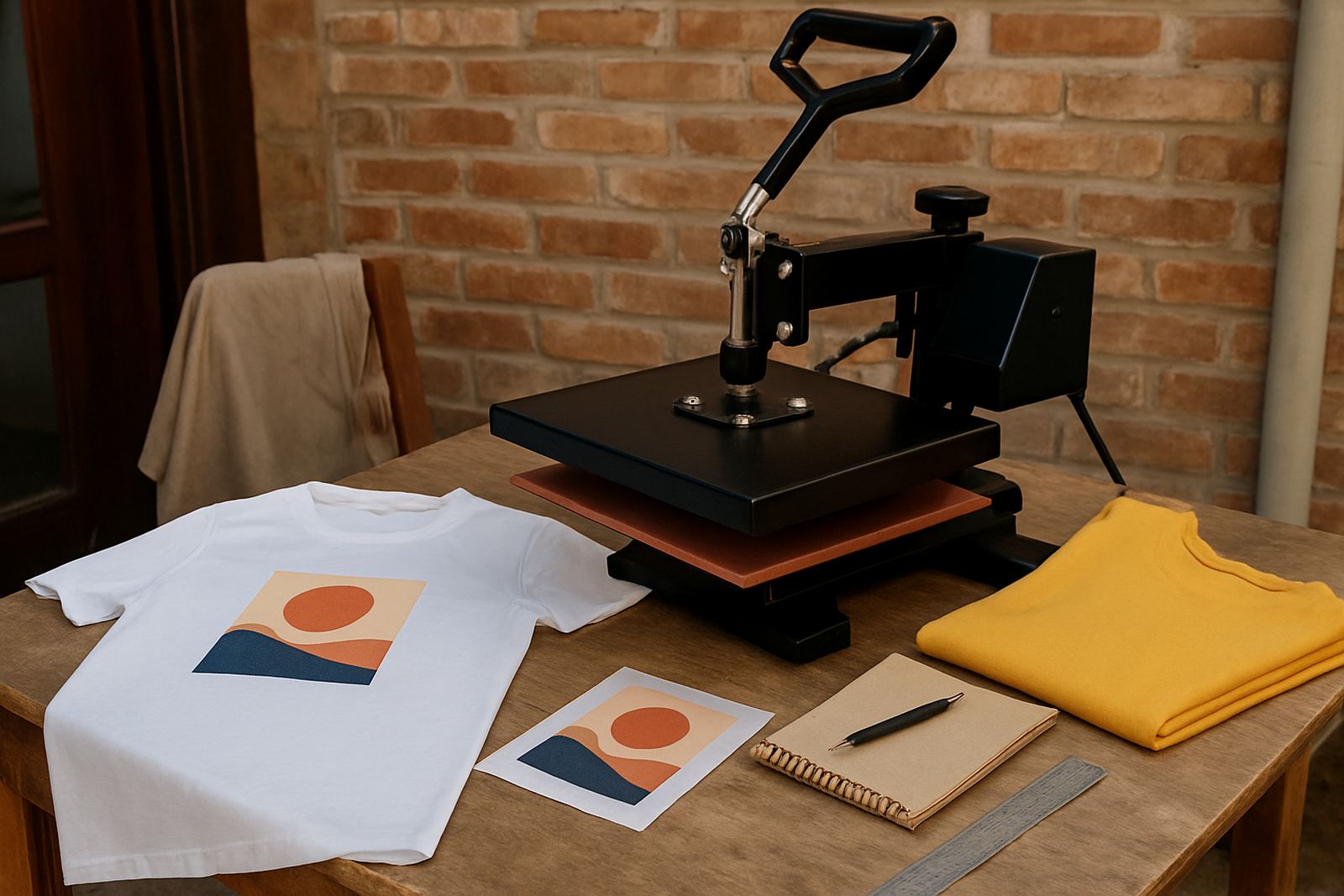
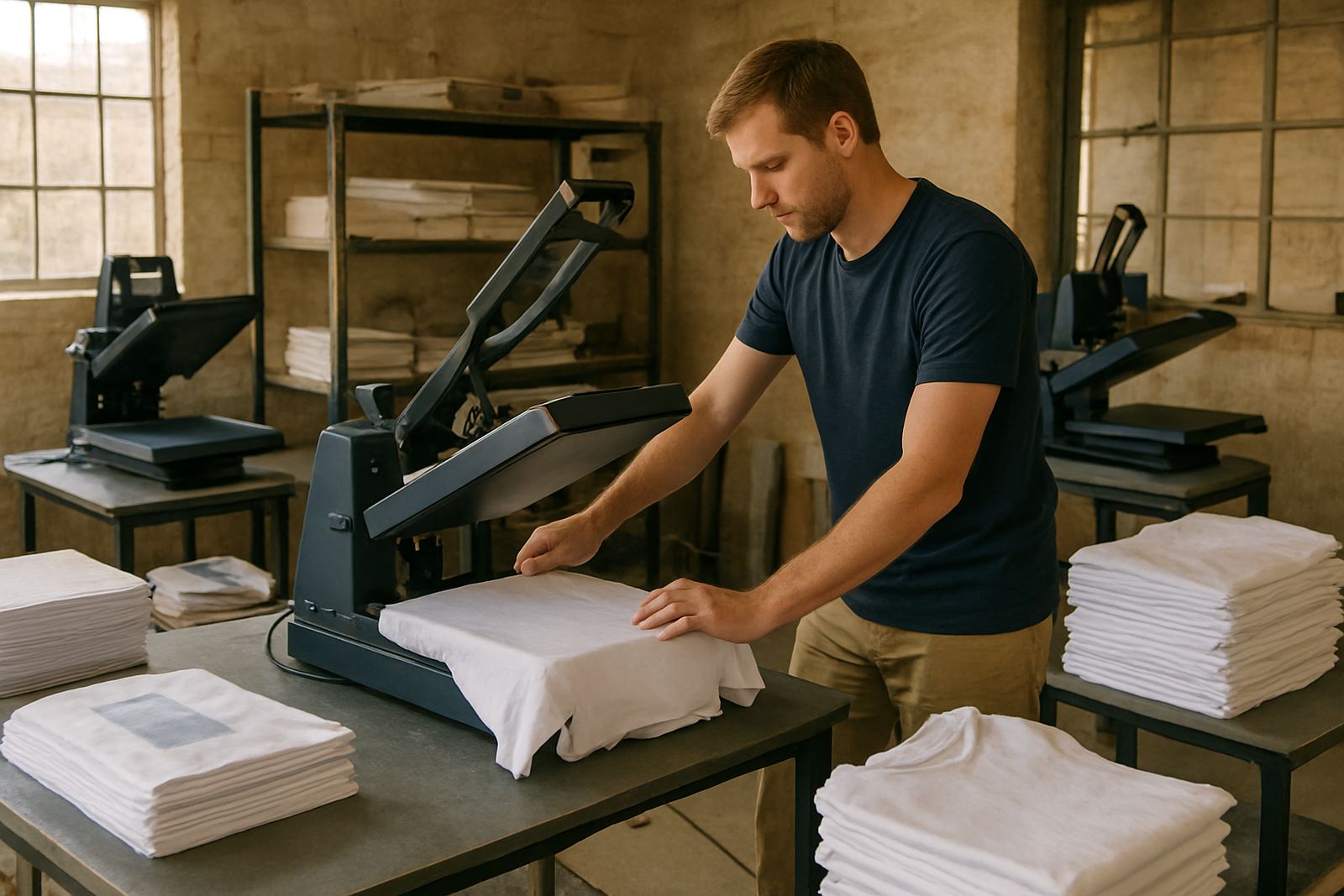
This press is made for production use where the operator needs a flat, even platen and predictable results from the first shirt to the last. It is used for heat transfer vinyl, DTF transfers, sublimation on suitable blanks, numbered sportswear and other flat garment work where a clean press line matters. The frame is built for regular loading and unloading, and the heat plate is sized to keep contact consistent across the full pressing area. That matters when you are running school orders, corporate jobs or a steady stream of short runs.
In a busy shop, the difference is in repeatability. A dependable transfer press helps reduce misprints, scorched garments and weak adhesion caused by uneven pressure or temperature drift. For operators in Johannesburg, Pretoria, Durban or Cape Town, it also has to cope with long operating hours, fluctuating workshop temperatures and power interruptions, so the control system and heater response need to stay dependable. It is a proper workhorse, not a light hobby unit.
Sizes and options to match your production
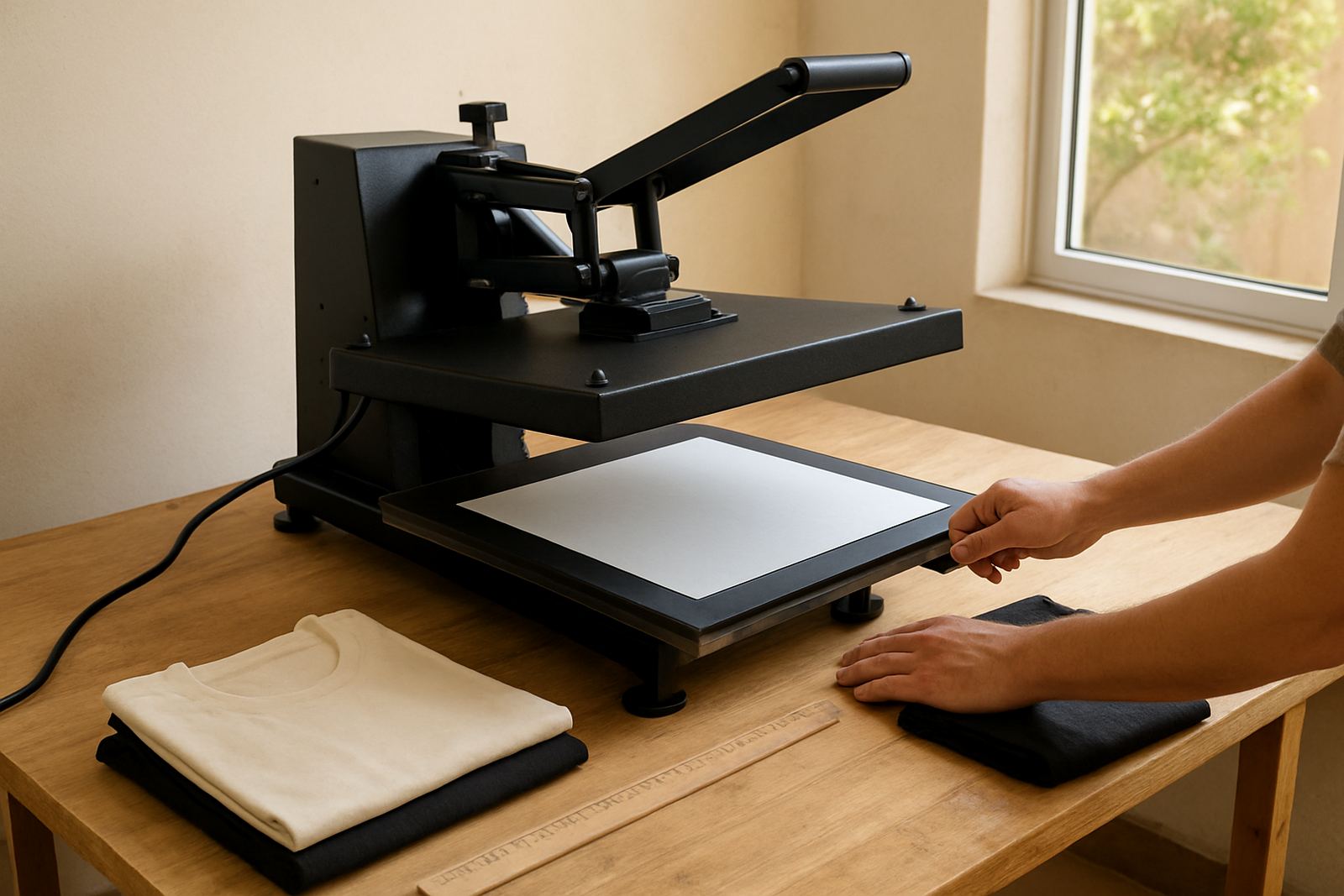
Transfer shop presses are usually ordered in a few standard platen sizes so the machine matches the type of work you do. A smaller platen is useful for label work, baby wear and short fronts, while larger platens are better for full chest transfers, adult tees and bulk production. Some shops prefer a manual swing or clamshell action depending on their floor space and operator workflow. Others choose a pneumatic setup for faster repeat work and less strain on the operator.
Choose the format that suits your volume and the garments you press most often. If your work includes thick hoodies or layered garments, a press with adjustable pressure and good top plate clearance is worth the extra attention. If your shop runs in a tight room, the footprint also matters because you need space for loading, cooling racks and packing. A machine that is too large for the room slows everything down, even if the platen size looks ideal on paper.
- Common platen options for shirt and transfer work
- Manual or pneumatic operating styles
- Adjustable heat and pressure controls
- Suitable for front, back and sleeve transfer jobs depending on setup
Where this press suits best
This model suits garment decorators who spend most of the day applying transfers rather than printing directly onto fabric. That includes start-up shops, embroidery and branding businesses, school wear suppliers, sportswear decorators and contract print rooms handling customer supplied garments. It is also a strong fit for hobbyists who are ready to move beyond a small entry-level machine and want more stable results on repeat orders.
For Midrand workshops, East Rand operations and nationwide courier supply, the key is picking a machine that can handle your real workload. If you are pressing 20 to 40 items a day, a manual press can be enough. If you are doing larger batches or want quicker cycle times, a pneumatic version may be the better choice. The right model saves time on every job and keeps the operator from fighting the press all day.
Installation, power and workshop setup
Before installation, check your available floor space, the route into the workshop and the power supply. Most flat heat presses run on standard single-phase electricity, but the exact load depends on platen size and heater rating. A solid 15 A point is often required for larger units, and the machine should be on a stable circuit with proper earthing. In workshops where load shedding is a concern, many users plan for backup power so that heat recovery and controller settings remain stable after interruptions.
Good setup also means a level bench or stand, enough room for the operator to move safely, and a dry area away from water spray, dust and oversize packing. In coastal areas like Durban and Cape Town, humidity can affect covers, wiring and stored blanks, so ventilation and regular checks matter. If the press is pneumatic, the air line must be clean, dry and correctly regulated so the pressure stays consistent. FlatPress can assist with new press setup, operator training and practical checks on site or by phone support.
- Confirm voltage and amperage before delivery
- Allow space for loading, cooling and finished stock
- Use proper earthing and a stable circuit
- For pneumatic units, provide clean compressed air at the correct pressure
Care and servicing that protect output quality
A heat press works best when it is kept clean, checked often and adjusted before problems grow. The platen cover should be inspected for wear, glue build-up and uneven compression. Temperature drift, weak pressure and damaged elements are the usual reasons for poor transfer results, so it pays to catch them early. If your shop runs day after day, a preventive service once or twice a year helps keep the machine producing consistent results. That is especially useful where staff changes often and different operators use the same press.
Routine care should include cleaning the surface, checking the controller readings against a test sheet, inspecting the pad and cover, and making sure the hinges, springs or pneumatic parts move smoothly. If a controller is slow to respond or the platen heats unevenly, a repair is better than forcing the machine through another busy week. Replacement parts such as elements, controller components and pressure pads should be kept within reach when possible, because waiting for a fault to become obvious usually costs more in spoiled stock.
- Check temperature accuracy with regular test reads
- Inspect pressure settings on different garment thicknesses
- Keep the platen cover clean and dry
- Book servicing before faults start affecting output
What to confirm before ordering this press
When ordering a Transfer Shop Press, confirm the platen size, operating style and your expected daily volume. It also helps to know what transfers you apply most often, because that affects the pressure requirement, platen choice and whether you need a manual or pneumatic model. If you print on thick hoodies, jackets or multi-layer items, mention that upfront so the setup can be matched properly. A press that looks suitable on a brochure can still be the wrong fit if the actual work is heavier than expected.
Also check whether you need installation, training, spare parts support or a loan unit plan for busy periods. Shops in Johannesburg, Pretoria, Bloemfontein and other major centres often need quick turnaround on repairs, while nationwide customers may prefer courier supply with clear setup notes. FlatPress supplies, installs and services flat heat presses from its Midrand base, and the team can guide you on the right unit before you commit. Mandla van Rensburg and the team work with small decorators and larger print rooms alike, so the advice is practical and based on real shop use.
- Platen size and available workshop space
- Manual or pneumatic operation
- Voltage, amperage and backup power needs
- Training, servicing and spare parts requirements
Support for transfer shops across South Africa
FlatPress supports clients in Midrand, Johannesburg, Pretoria, Durban, Cape Town, Bloemfontein, East Rand and West Rand, with courier supply nationwide. The team handles new press setup, operator training, temperature checks, pressure adjustments, element replacements, controller repairs, pad and covering work, pneumatic line service, preventive servicing, spares supply and loan unit support. That gives busy shops one point of contact when the machine needs attention and you cannot afford long downtime.
For day to day use, the best press is the one that keeps its temperature steady, applies even pressure and stays serviceable after years of work. This product is aimed at businesses that need exactly that. If your shop depends on transfer application as part of your daily turnover, a properly specified flat heat press is not just another tool, it is part of the production line.
Key facts
| Product type | Flat transfer heat press for garment decoration |
|---|---|
| Operating style | Manual or pneumatic options depending on model |
| Platen sizes | Available in multiple flat platen sizes for shirt and transfer work |
| Power requirement | Typically single-phase electricity, size dependent on platen and heater rating |
| Temperature range | Adjustable digital heat control for garment transfer work |
| Support | Setup, training, servicing, spares and repair support from Midrand |