
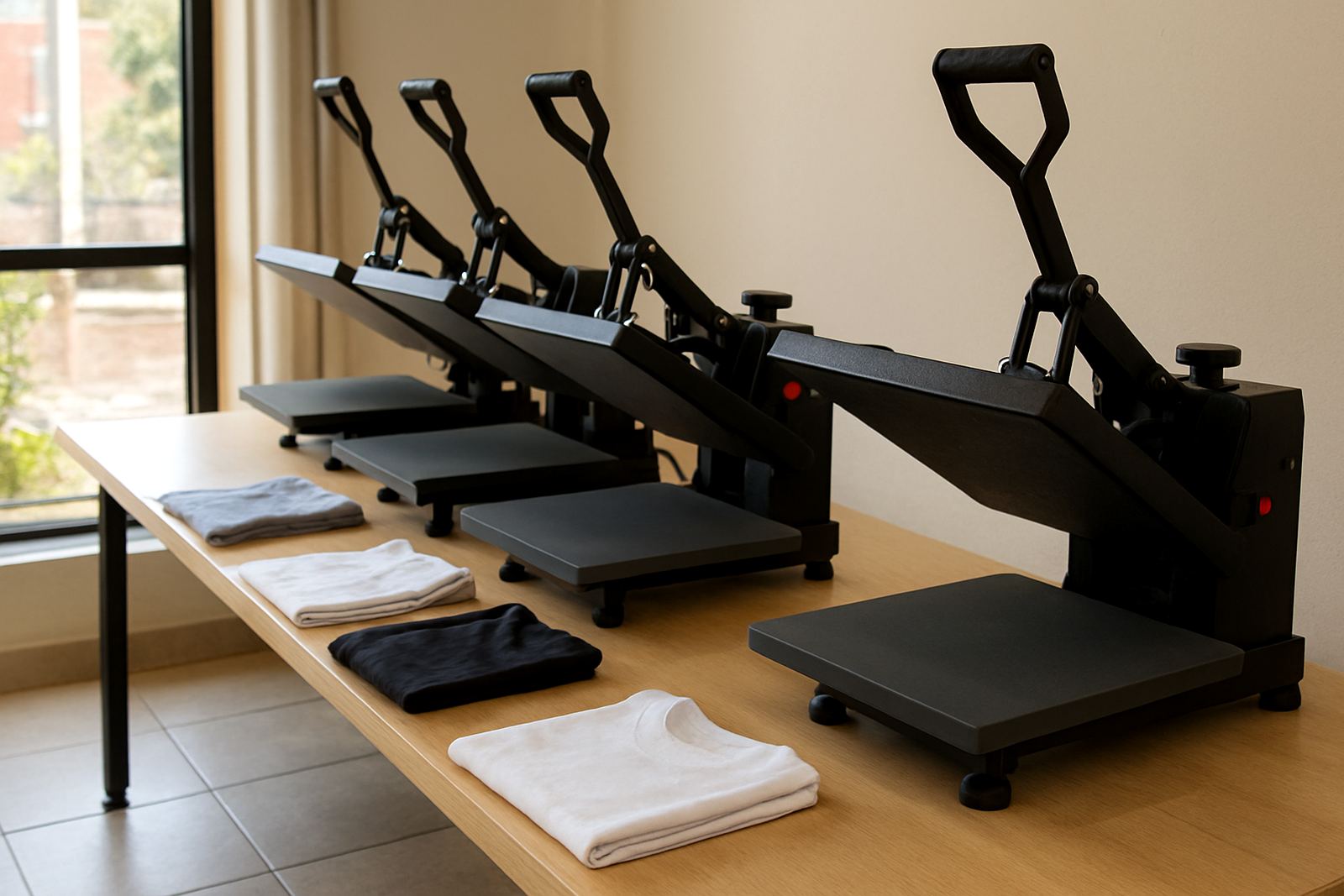
Built for mixed transfer work in busy print rooms
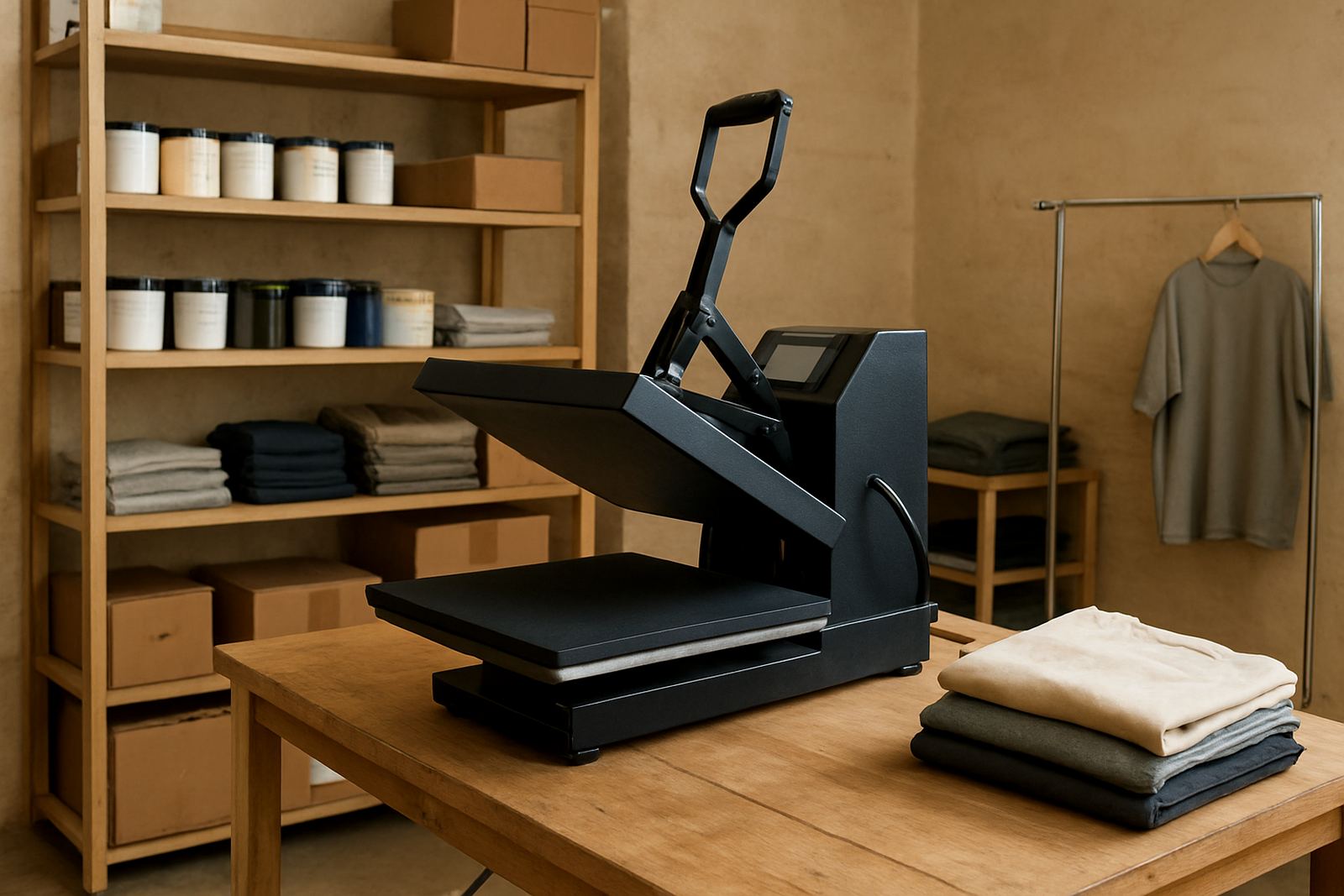
The Print Room Press is made for garment decorators who handle more than one type of transfer on the same shift. It is used for vinyl, DTF, sublimation on suitable blanks, heat transfer paper and other flat application work on T-shirts, hoodies, bags and workwear panels. The pressing area is flat and even, so operators can place garments quickly and keep repeat work consistent.
This type of press suits small shops in Midrand, Johannesburg, Pretoria and the East Rand where space is tight and one machine must do a lot of the daily work. It also fits shared production rooms in larger print shops where different operators use the same station. The machine is a solid choice for hobbyists who want proper control and for full-time businesses that need dependable output without a complicated learning curve.
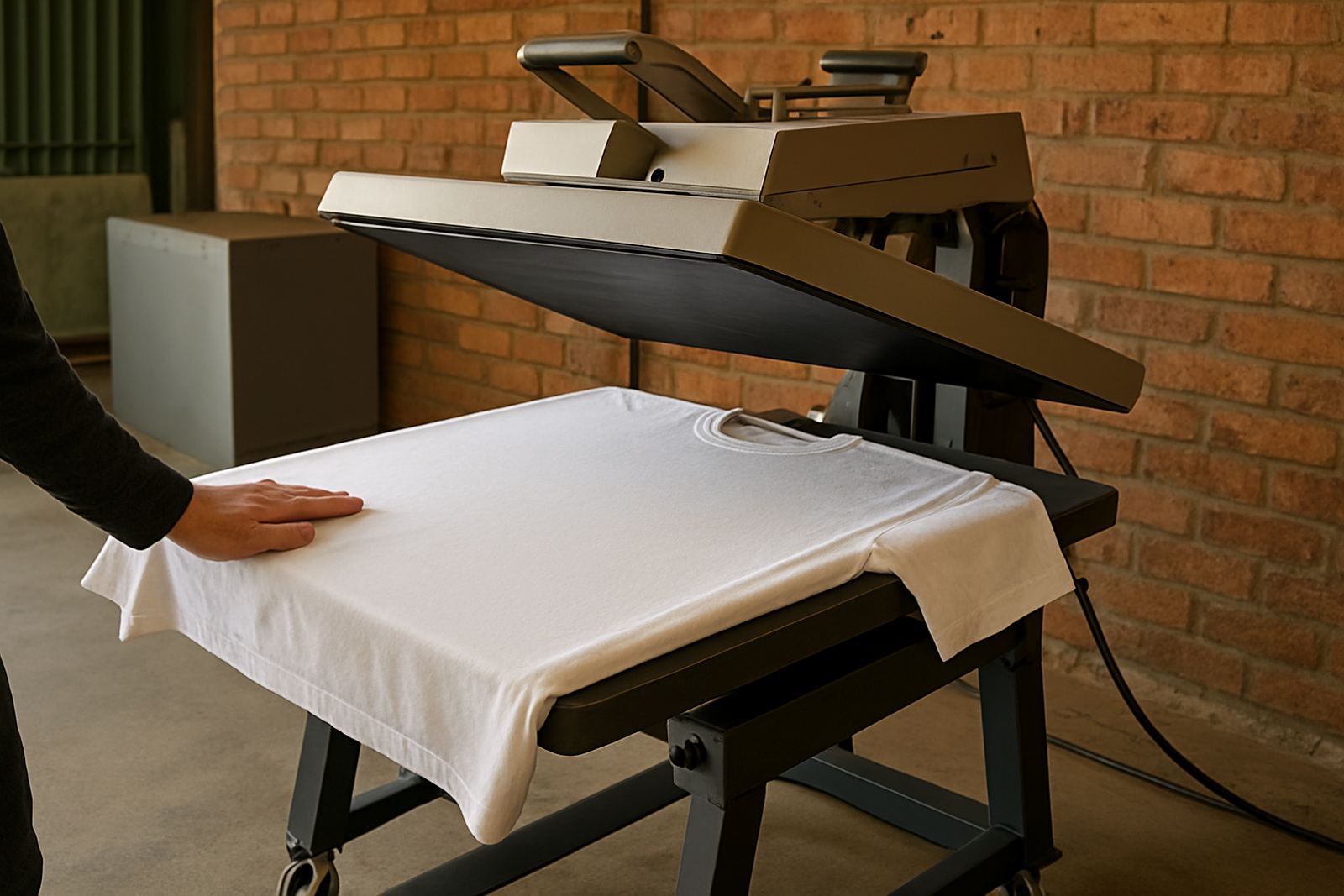
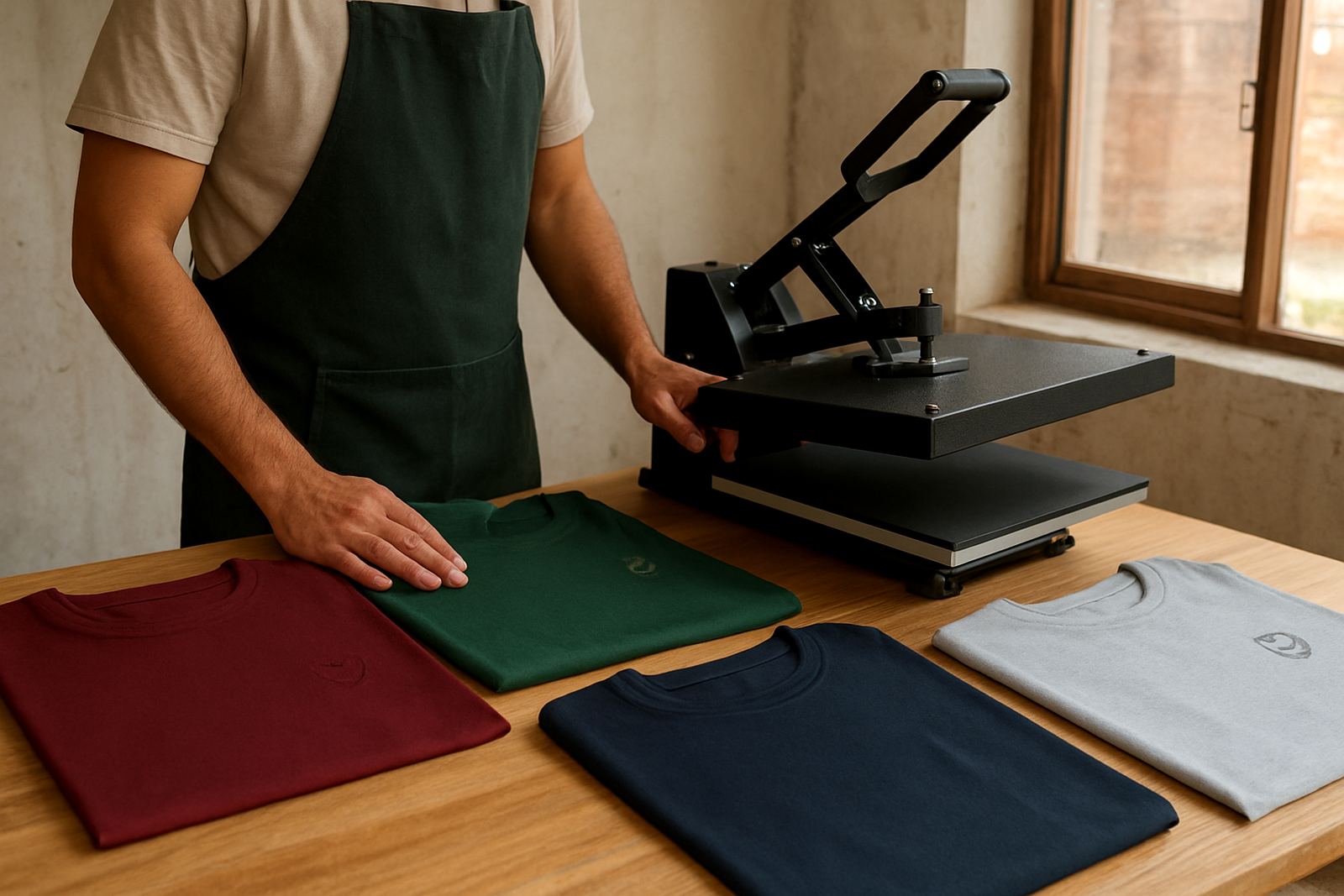
If you are handling a mix of light and darker garments, the press helps with clean transfers and repeat pressure. It is easier to manage than a general purpose hand iron, and it gives more even results on larger print areas. For many customers, this is the main press that stays on the floor all day, every day.
Sizes and options to match the work you do
We supply the Print Room Press in common flat-press sizes so you can match the platen area to the garments you run most often. Smaller units suit starter rooms and side-line businesses, while larger platen sizes help when you are pressing adult tees, oversize prints or workwear batches. If your output includes left chest marks, full front transfers and bag panels, size choice makes a real difference to speed.
- Smaller platen options for compact rooms and entry-level production
- Mid-size platen options for standard T-shirt and transfer work
- Larger platen options for bigger artwork, hoodies and batch work
- Manual or assisted closing options depending on the model supplied
- Heat control with digital temperature setting and time control
- Optional interchangeable lower platens on selected setups
For a shared production space, the usual aim is to choose a platen that suits the largest regular job without making the machine bulky or slow. If you mainly run children’s wear, a smaller press can be enough. If you also do club shirts, corporate orders or local school gear, a wider platen makes production easier. We help match the machine to the actual workload rather than only the room size.
Where the Print Room Press suits best
This press suits garment decorators who need a dependable daily machine for transfers on cotton, cotton rich fabrics and prepared synthetic garments. It is a good fit for print shops, embroidery add-on rooms, workwear suppliers and home-based operators moving into regular orders. Many customers use it for small runs where setup time matters and the operator needs quick repeat action between garments.
In Gauteng it is commonly installed in shared units where power is stable but floor space is limited. In Durban and other coastal areas, the press should be kept in a dry room because moisture can affect transfers, storage and electrical components over time. In Cape Town and Bloemfontein, customers often look for a machine that can handle seasonal demand and still be easy to service when the order book changes.
The press is also a good fit for businesses that work with outside finishing or courier in jobs to other towns. It is one of the easier flat press types to keep on the floor because parts, training and basic support are manageable. For teams with several operators, it gives a common process that is simple to repeat from one shift to the next, which cuts down on wasted blanks.
Installation, power and room setup
We supply setup support for customers in Midrand, Johannesburg, Pretoria, the East Rand, West Rand and nationwide by courier. Depending on the model, the machine generally runs on standard single phase power, which is the usual fit for small shops and home workshops. Before ordering, it is worth checking the wall socket type, the available circuit load and whether the machine will share power with other heaters or compressors.
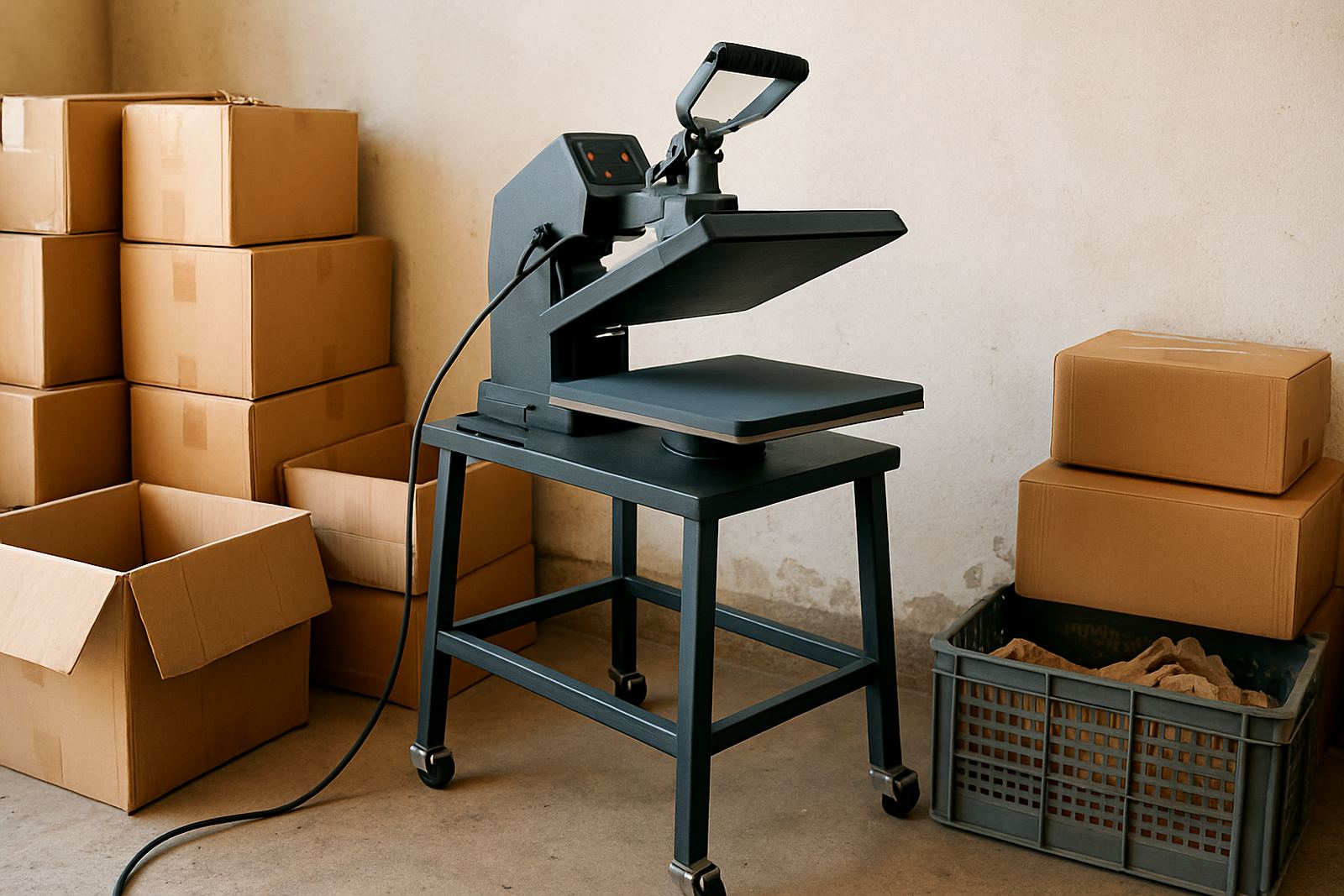
A flat heat press needs a stable table or stand, enough space to open and close safely, and a clean area free from loose powder, lint and damp floors. If your room is in a coastal area, allow for extra care against corrosion and keep the machine covered when not in use. If your print room runs alongside other equipment, make sure the operator has enough space to load garments without crossing paths with cutting tables or packing stations.
Some installations only need a basic plug in and test, while others need temperature checks, pressure adjustment and operator handover. We can assist with new press setup, phone support and training so the team knows how to heat test, line up transfers and avoid over pressing. A proper first setup saves a lot of scrap later on.
Care, servicing and day to day use
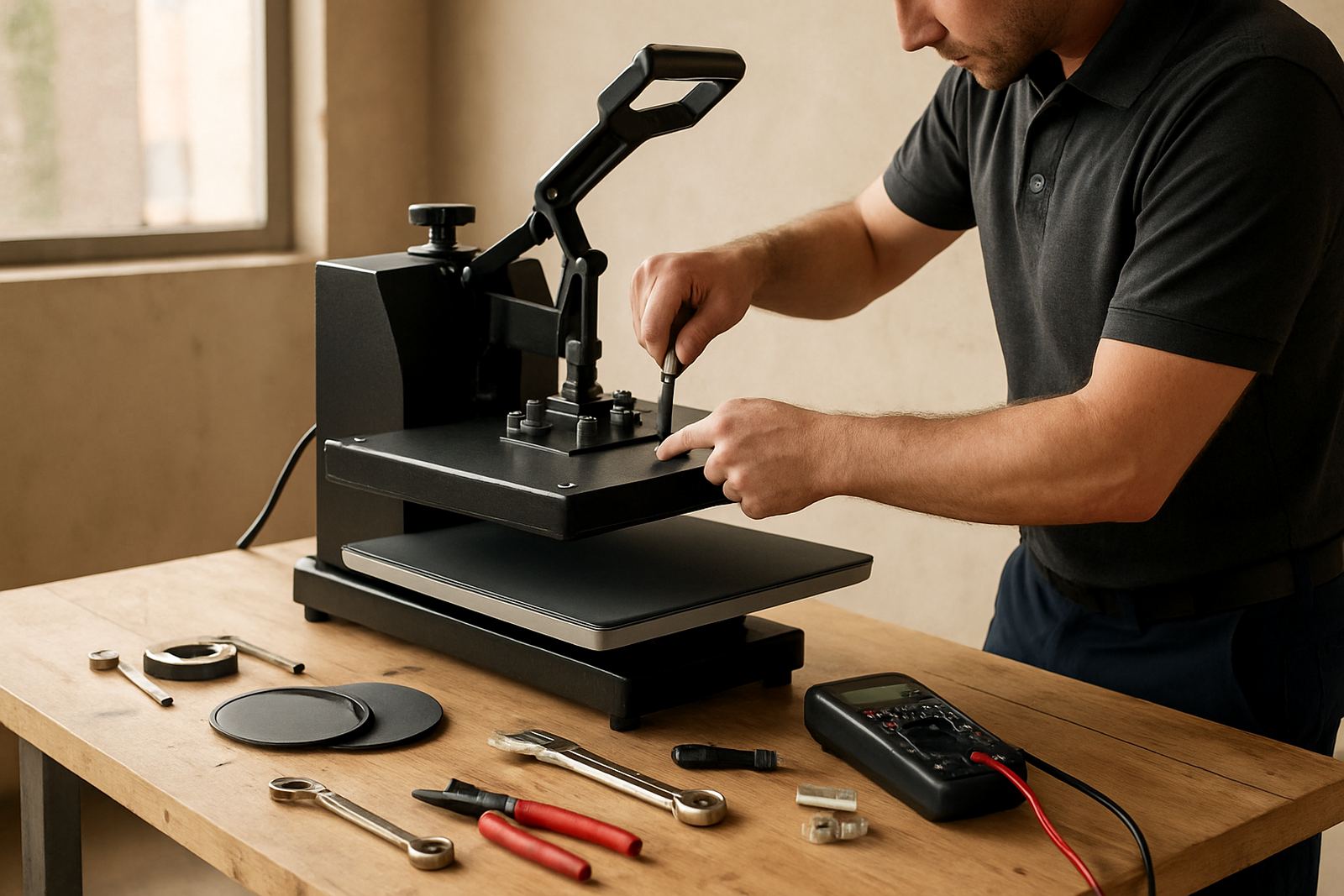
Like any heat press, the Print Room Press works best when it is kept clean and checked regularly. Wipe the platen surfaces, keep transfer residue off the pad covering and check that the pressure feels even across the bed. If the machine is used heavily, the pad and cover can compress over time and may need replacement to keep the finish clean.
- Check temperature accuracy with a simple test routine
- Inspect the control panel and timer for delayed response
- Look for uneven pressure or a loose closing action
- Replace worn padding and covering before it affects transfers
- Keep the press dust free, especially in shared rooms
- Book preventive servicing if the machine is running most weekdays
For presses used every day, it helps to keep a spare cover, basic consumables and a record of common settings for different transfer types. If a controller starts acting up, or the press is not heating evenly, our technical team can assist with temperature checks, element replacements, controller repairs and phone support. Regular servicing is far cheaper than running a press until it fails during a rush order.
What to confirm before ordering this unit
Before ordering, work through the basic details so the press arrives ready for your job mix. The most important point is platen size. After that, check the power supply, the type of garments you press most often and whether you need operator training at handover. If your production includes multiple operators, ask for a setup that is easy to repeat from one shift to another.
- Platen size required for your largest regular print
- Single phase power availability and plug point position
- Space for opening, loading and cooling garments
- Whether you need manual or assisted pressure control
- Need for training, phone support or workshop backup
- Any spare parts you want on hand from the start
If you are replacing an older machine, share the symptoms you have had such as slow heat-up, uneven pressing or loose pressure. That helps us advise on the right option and avoid sending a machine that is too small or too heavy for the room. Our team at the Midrand base can guide the order, arrange courier supply and support the installation once the press arrives.
Key facts
| Product type | Flat heat press for T-shirts and transfers |
|---|---|
| Common use | Mixed garment transfer work in shared production spaces |
| Power supply | Single phase electric, model dependent |
| Controls | Digital temperature and time control |
| Pressure | Manual adjustable press pressure |
| Support | Setup, training, spares and servicing available |