Built for small print areas that need careful placement
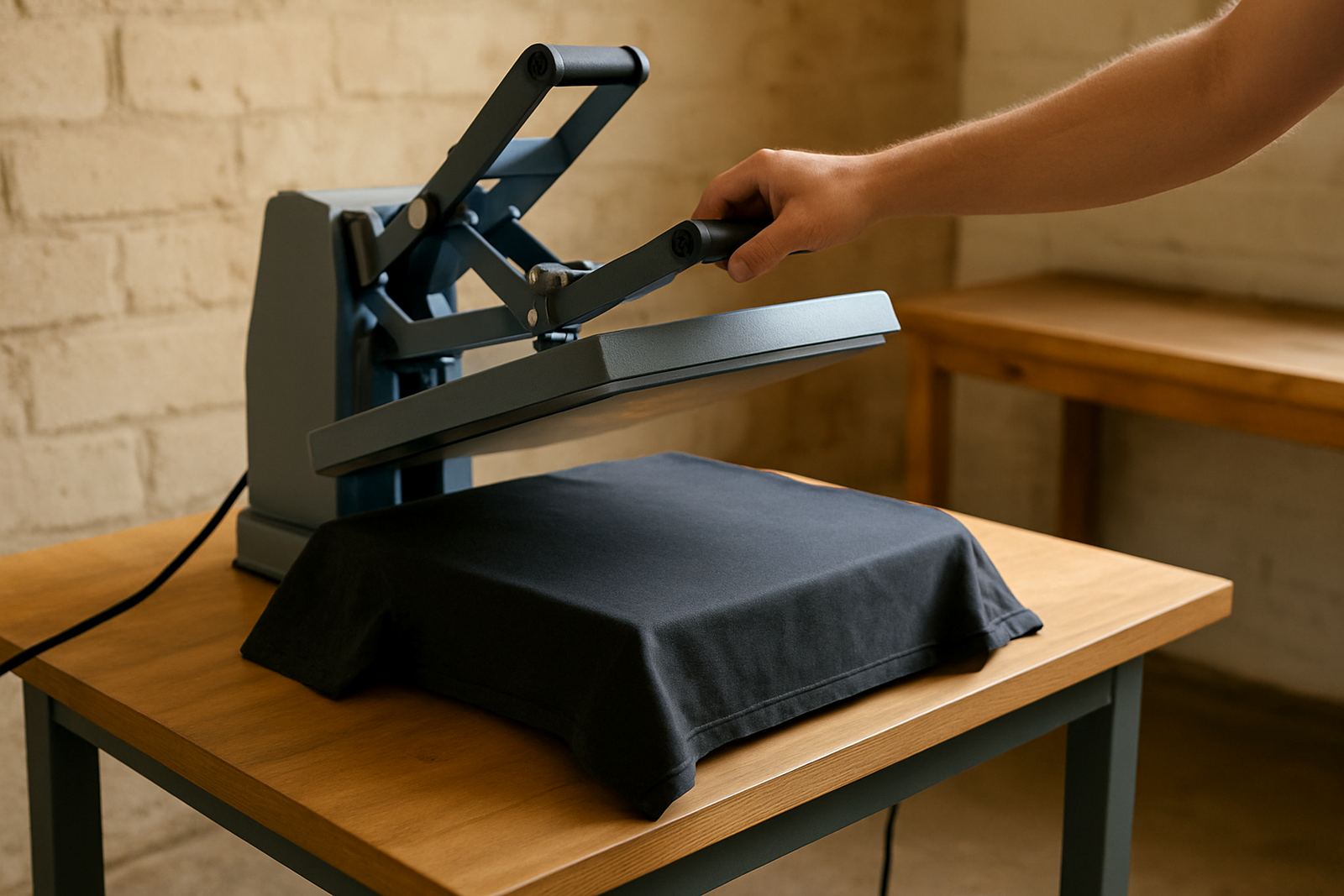
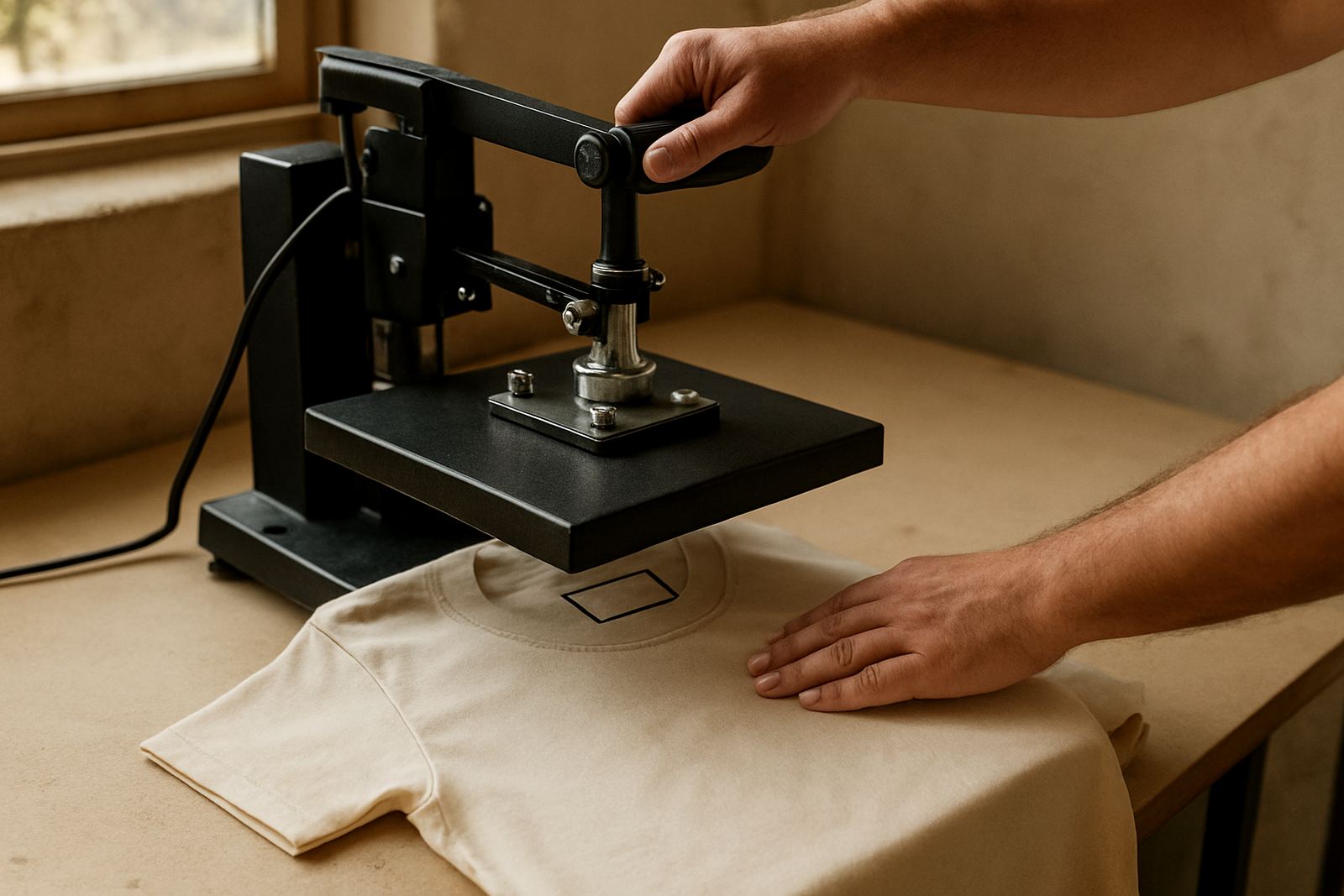
The Label Tag Press is designed for the tight spaces that larger presses can struggle with. It suits neck labels inside T-shirts, care labels on workwear, small chest logos, pocket prints and other short runs where you need accuracy more than big platen size. In a garment room or print shop, it helps keep finishing neat and consistent, especially when the job needs the print centred near stitching or folded edges.
This type of press is also a practical choice for decorators who do a lot of relabelling, short-run branding or sample work. Because the platen is smaller, you use less time warming up and less space on the table. That can be a real advantage in Midrand, Johannesburg or Pretoria where floor space is often tight and power needs to be managed carefully during load-shedding.
- Ideal for neck labels and care labels inside finished garments
- Suitable for small pocket transfers and compact logos
- Better control around seams, collars and edges
- Useful for sample runs, one-offs and small batch work
Sizes and options to match your work volume
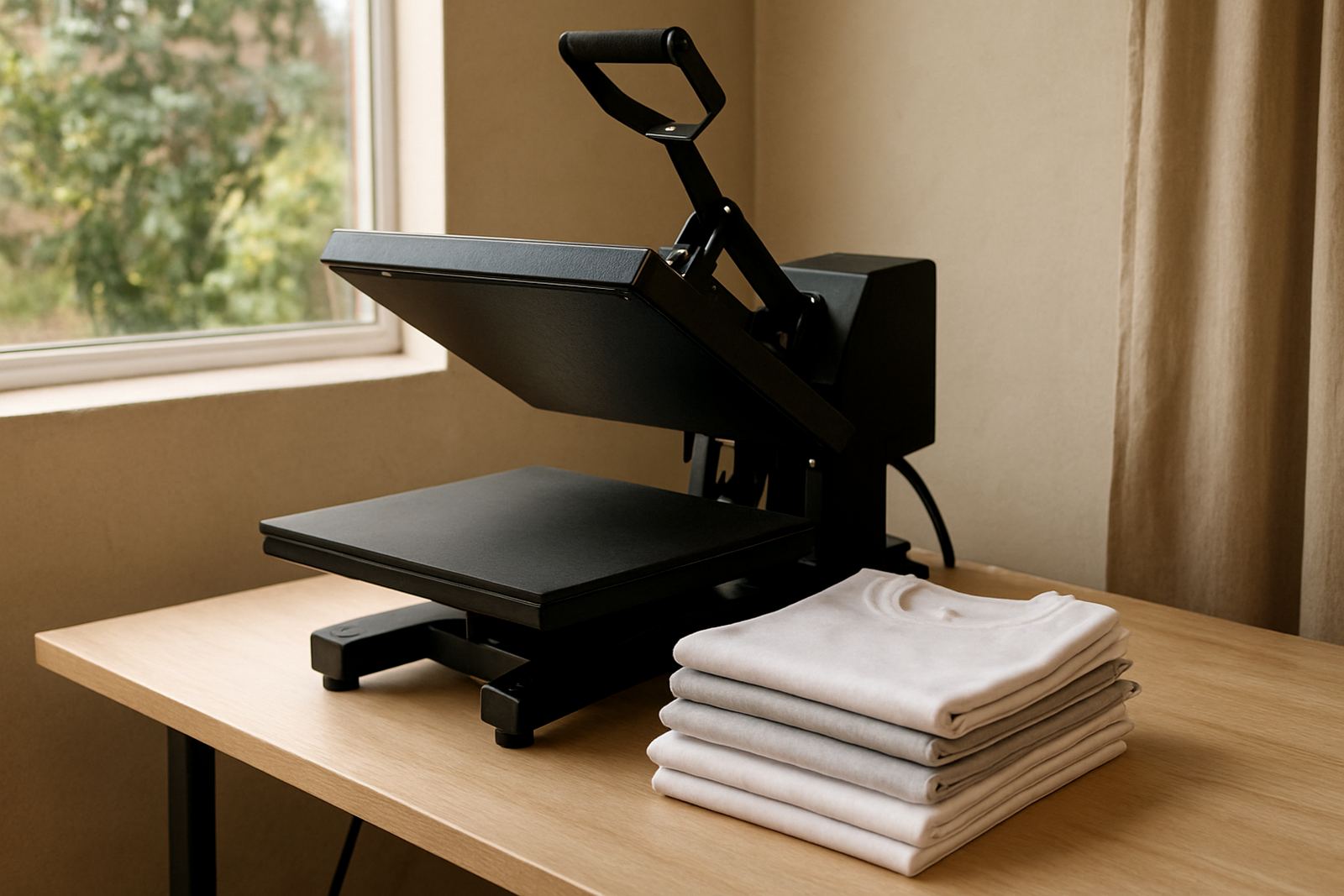
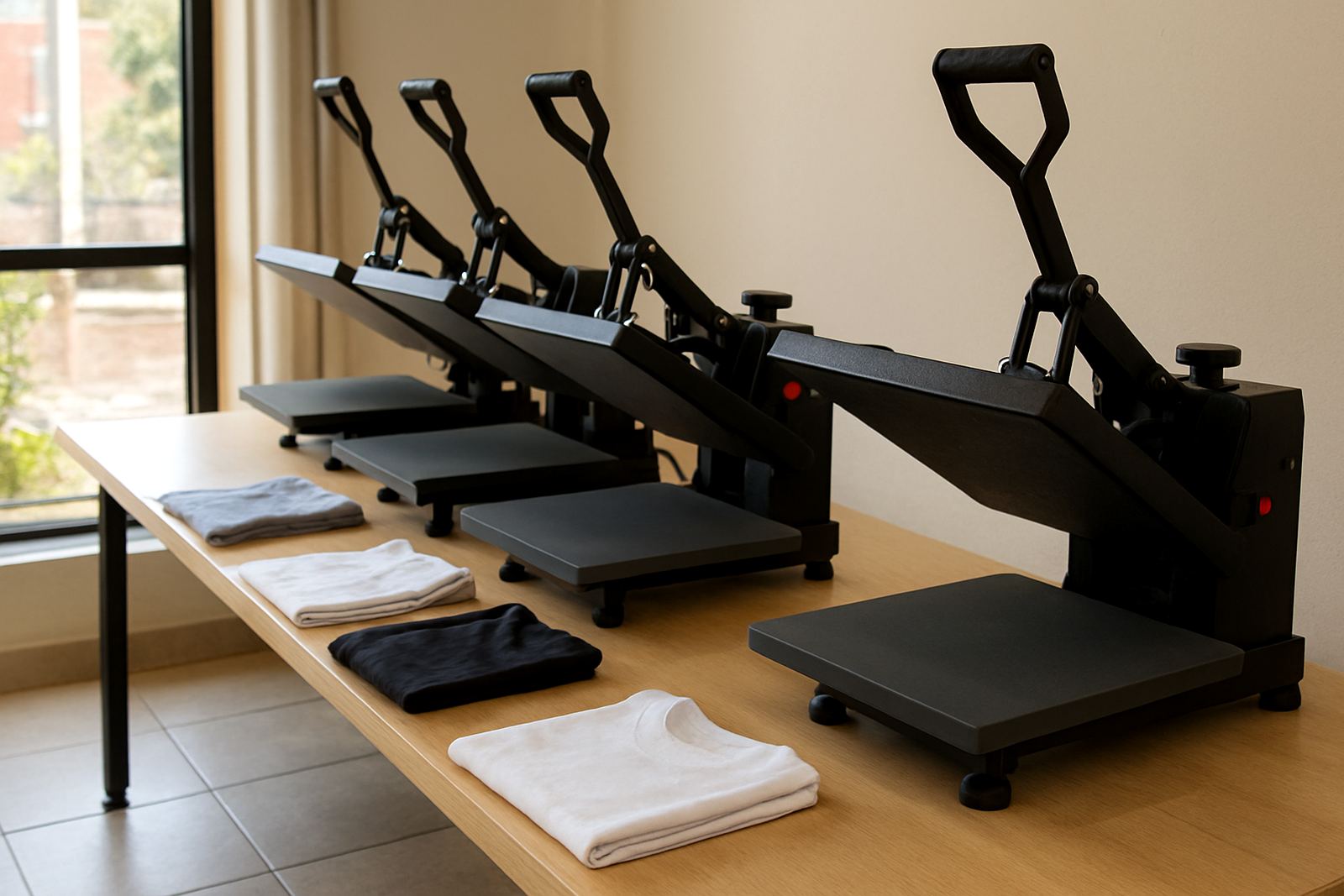
Label tag presses are usually supplied with a compact heat platen and a lower platen sized for small garment areas. The exact footprint and platen size will depend on the model selected, but most buyers are looking for a press that can handle labels without heat spreading too far into the garment. For some workshops, a manual swing-over style suits simple label work. Others prefer a clamshell format for faster repeat pressing on a bench.
Options often include digital temperature control, timer settings, pressure adjustment and different lower platen shapes for sleeves, pockets or small chest positions. If you handle a mix of cotton, polycotton and performance fabric, it helps to choose a press with a stable controller and even heat across the plate. A well-made small press should not have hot spots, and it should recover temperature quickly between jobs.
- Compact platen sizes for label and pocket work
- Manual or semi-automatic operation depending on output needs
- Digital heat and time settings for repeat accuracy
- Pressure adjustment for light, medium or firm application
For Durban and other coastal areas, a press with solid electrical components and a good powder-coated frame is worth considering because humidity can affect metal fittings and workshop storage over time.
Where the Label Tag Press suits best
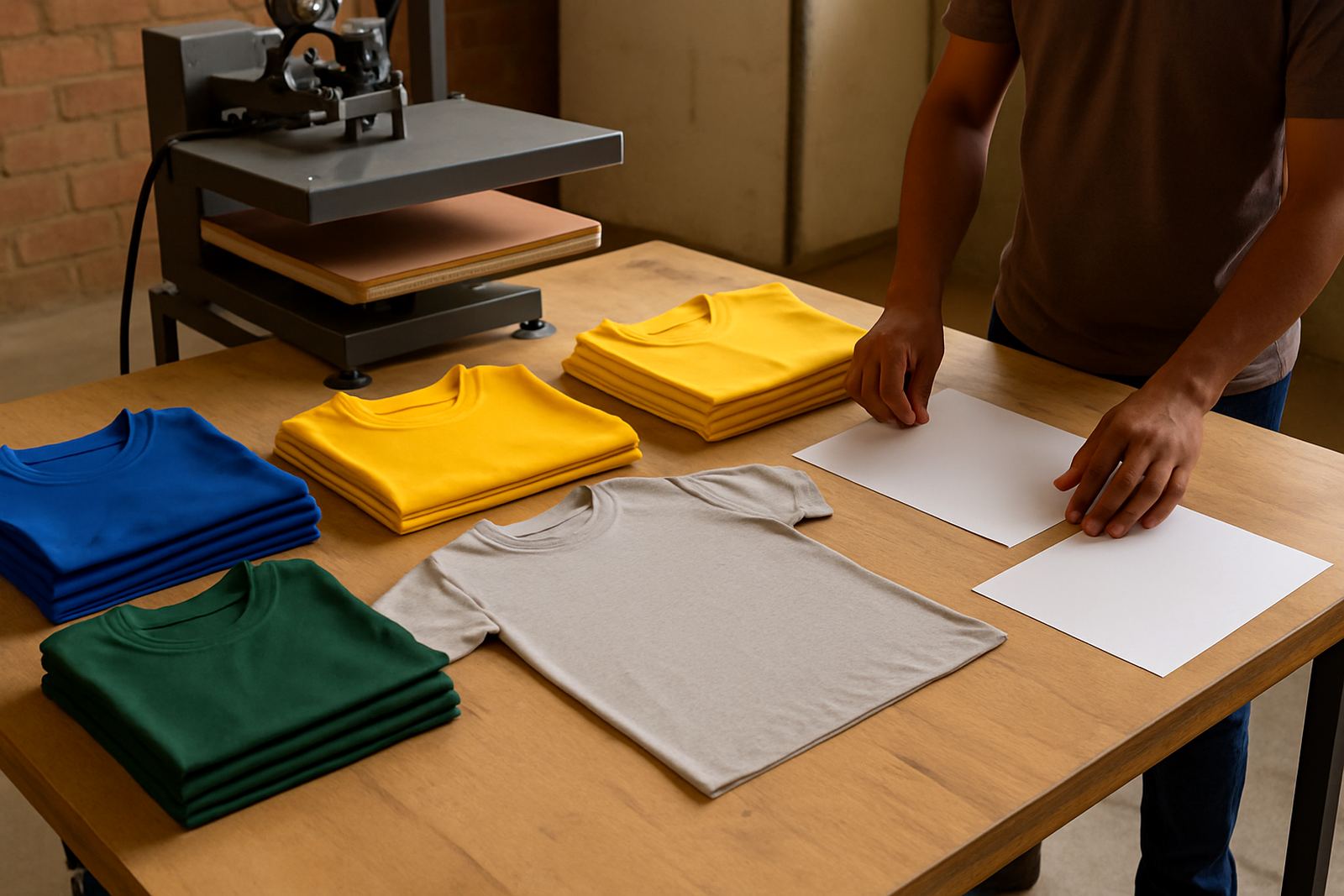
This press is a good fit for small garment decorators, home-based printers, schools, start-up brands and established print shops that want a dedicated label unit. It works well where the main press handles larger transfers and this smaller machine handles the detail work. That split makes sense when you are doing bulk T-shirt runs with neck labels, or when a client wants branded care labels added to finished stock.
It is also useful for promotional clothing, sportswear, hospitality uniforms and retail garments where a neat inside label matters. In some cases it can support embroidery finishing rooms too, especially when you need to apply transfer patches or identification labels onto polos and jackets. For shops serving Bloemfontein, East Rand and the West Rand, a small label press can be the difference between sending a job out and finishing it in house.
- Small garment businesses and hobby printers
- Uniform suppliers and relabelling services
- Print shops needing a second dedicated press
- Training rooms and starter workshops
Power, installation and workshop setup
Most flat label presses run on standard single-phase electrical supply, but the exact power requirement depends on the model and platen size. Before ordering, check your available plug type, breaker size and whether the press will share a circuit with other high-draw equipment. In South Africa, that matters when you are planning around load-shedding and limited workshop capacity. A smaller press is often easier to place on a stable work table and easier to move when the layout changes.
Installation is usually straightforward, but the press must sit level and have enough clearance for safe operation. If you are in Gauteng, we can assist with setup, temperature checks and pressure adjustments so the machine is ready for production. For customers outside Midrand, Johannesburg, Pretoria or the East Rand, we can arrange courier delivery nationwide and guide the setup process through phone support. If the machine uses a pneumatically assisted system, an air supply line and clean dry air will be required, otherwise no gas is needed.
- Single-phase electrical supply on most models
- Stable bench or table required for safe use
- Allow space for opening, loading and cooling garments
- Pneumatic versions need a clean compressed air line
Care, servicing and spare parts that keep it consistent
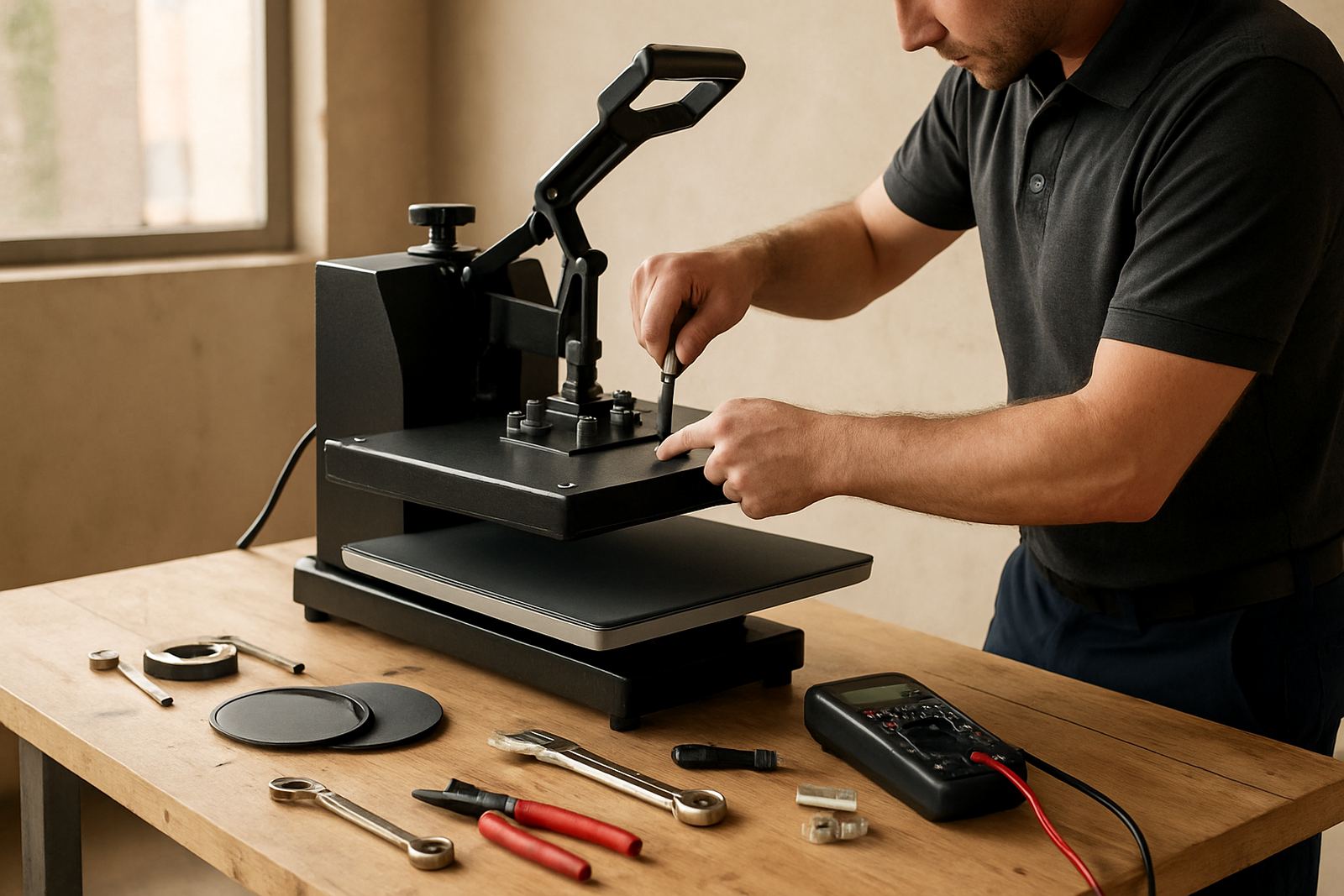
A small press still needs regular care if you want clean transfers and long service life. Keep the platen surface clean, check the silicone pad and covering for wear, and watch for signs of uneven pressure or temperature drift. If the thermostat, controller or heating element starts acting up, early attention can prevent spoiled garments and downtime. On busy production days a small fault can cause repeated rework, which costs more than a service call.
Our support includes preventive servicing, controller repairs, element replacements, pad and covering changes, temperature checks and pressure adjustments. We also supply spares and can assist with loan unit support where available, which is helpful if your workshop cannot stop for long. For towns with high humidity or dust, regular cleaning around the platen and hinges is important. A little routine attention goes a long way and helps keep the finish consistent.
- Clean the platen and pad regularly
- Check pressure and temperature before production runs
- Replace worn coverings before they affect print quality
- Book servicing if the heat is uneven or the timer slips
What to verify before ordering your press
When ordering a Label Tag Press, start with the type of work you do most often. If your main focus is neck labels on T-shirts, you will need a compact platen that matches the garment size and label position. If you also do pocket prints or small transfers, make sure the platen gives enough coverage without heating surrounding seams too much. It helps to know whether you prefer manual operation or a pneumatic assist, and whether you need a unit for training a new operator.
You should also check your power supply, available workspace and the kinds of substrates you press. Ask about temperature range, pressure control, heat-up time and the controller display. If you are ordering for multiple branches or a growing team, it is worth planning for service access and spares from the start. Our team in Midrand can help with product selection, setup and training for clients in Johannesburg, Pretoria, Durban, Cape Town and Bloemfontein.
- Garment type and label size you will press most often
- Preferred platen size and press style
- Electrical supply and available bench space
- Need for training, support and spare parts
Support from Midrand to the rest of South Africa
FlatPress supplies, sets up and services flat heat presses for small garment decorators and professional print shops across South Africa. From our Midrand base, we support customers in Johannesburg, Pretoria, Durban, Cape Town, Bloemfontein, the East Rand and the West Rand, with courier delivery nationwide. If you need help choosing the right label press, setting pressure for a new substrate or checking a controller reading, our team can assist through the enquiry form on our contact page.
That support includes sales guidance, technical help, workshop repairs and training. Whether you are starting with a single label press or adding one to a busy print room, the aim is the same: a press that fits the job and keeps working day after day.
Label Tag Press specs
Below are the core details to confirm before you order or compare units. Exact measurements can vary by model, but these are the points most buyers ask for first.
Key facts
| Product type | Small flat heat press for labels, pocket prints and compact transfer work |
|---|---|
| Typical use | Neck labels, care labels, pocket placements and small chest logos |
| Operation | Manual or pneumatic assisted options depending on model |
| Power | Single-phase electrical supply on most units |
| Controls | Digital heat and time controls with adjustable pressure |
| Support | Setup, training, spares, servicing and phone technical support |