Extra platen area for larger jobs
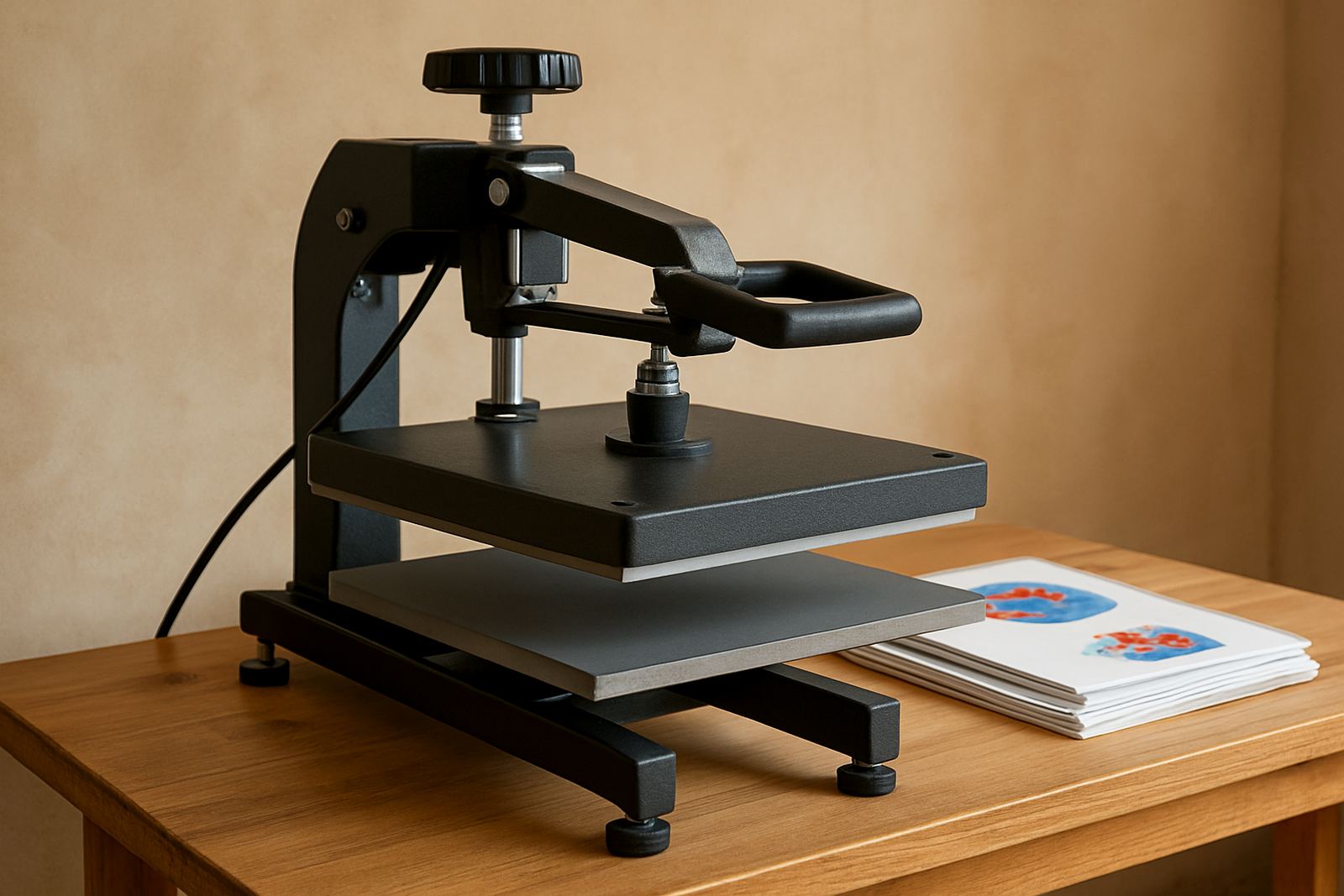
A 50x70 drawer press gives you a larger heated platen than the common A3 or 40x50 size, so you can work on oversize T-shirts, hoodies, tote bags, workwear panels and transfer sheets with more breathing room. The drawer style lets the lower platen slide out toward the operator which makes layout easier and reduces the risk of reaching over a hot top platen. For shops doing multiple sizes in a day, that extra space saves time and helps keep transfers aligned.
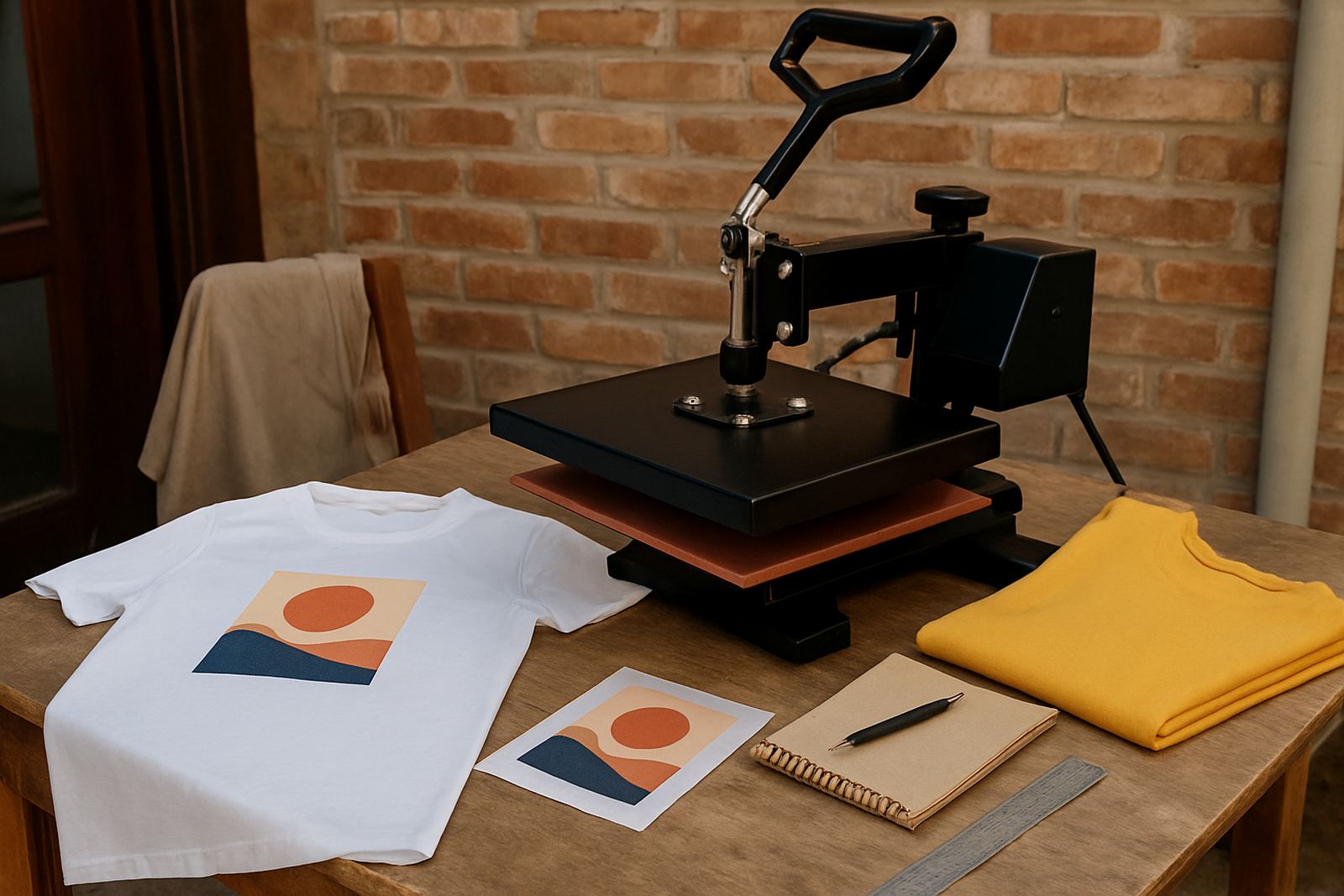
This model suits garment decorators who handle large front prints, back prints, sportswear numbering, event shirts and mixed production. It is also useful for people working from Midrand, Johannesburg, Pretoria and the rest of Gauteng where small shops often need one machine that can handle a wide range of jobs. If your work includes DTF, sublimation transfers on suitable substrates, vinyl, or other flat transfer methods, the bigger surface can make registration simpler.
- Working area: 500 x 700 mm platen size
- Drawer action: pull out lower platen for safer loading
- Use case: larger graphics, multi size layouts and wider panels
- Operator benefit: easier alignment and less heat exposure
How the drawer action helps in day to day production
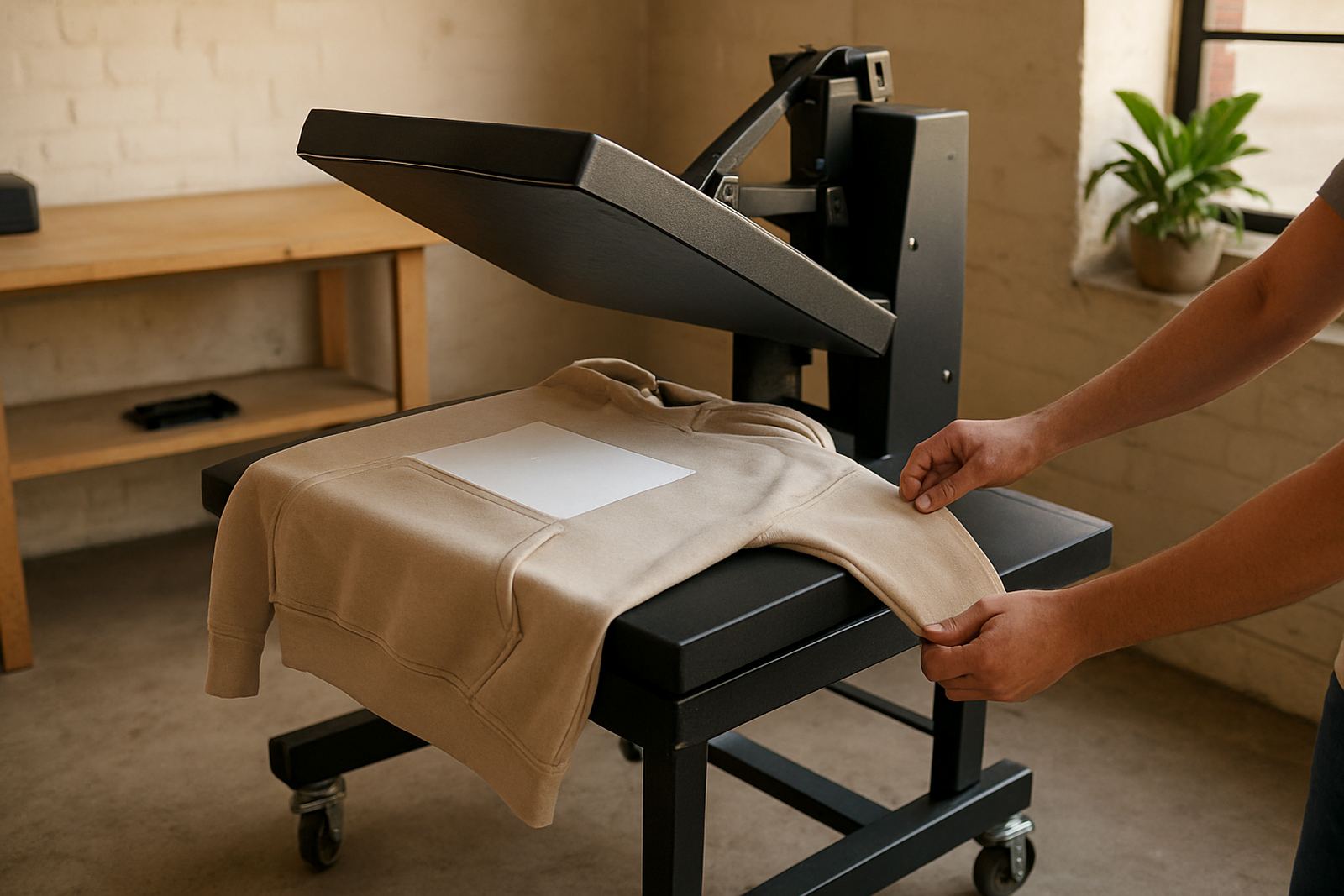
The main difference between a drawer press and a fixed base press is how you load the garment. On a drawer machine, the lower platen comes forward so you can position the item flat without leaning into the heat zone. That helps with accuracy and is easier on the operator during long shifts. It also makes it simpler to position thicker items, because you can check seams, zips and labels before the platen closes.
For shops doing small runs or repeat orders, the drawer action can help keep the work moving steadily. It is especially handy when the press sits in a tighter workshop where space is limited. You still need proper heat resistance around the unit and a firm bench or stand, but the loading process itself is cleaner and more controlled. A lot of users prefer this setup when printing one-offs or mixed sizes, because there is less fumbling around the platen.
- Better visibility when placing transfers
- More room for bulky garments and panels
- Reduced operator contact with hot surfaces
- Useful where workshop space is tight
Typical specifications and available options
The exact specification can vary depending on the build and controller fitted, but most 50x70 drawer presses are supplied with a large platen, digital temperature control and adjustable pressure. Some units are manual closing presses, while others are fitted with a pneumatic system for more even closing force on repeat production. In a busy print shop, the right choice depends on the type of garments you print, the volume you run and how much operator consistency you need.
For transfer work, consistent heat and pressure matter more than anything else. A larger platen has to heat evenly across the full area, so it is worth checking temperature stability before you place an order. If you print in Durban or other coastal towns, ask about corrosion aware care and storing the machine in a dry area because humidity can affect electrical parts and steel surfaces over time. In Johannesburg and Pretoria, dust management is just as important on open workshop floors.
- Platen size: 50 x 70 cm working area
- Temperature range: typically up to 220 C depending on controller
- Pressure: adjustable for light to heavy transfer work
- Control: digital timer and temperature display
- Build choice: manual or pneumatic depending on production needs
Where this press suits best in South African production
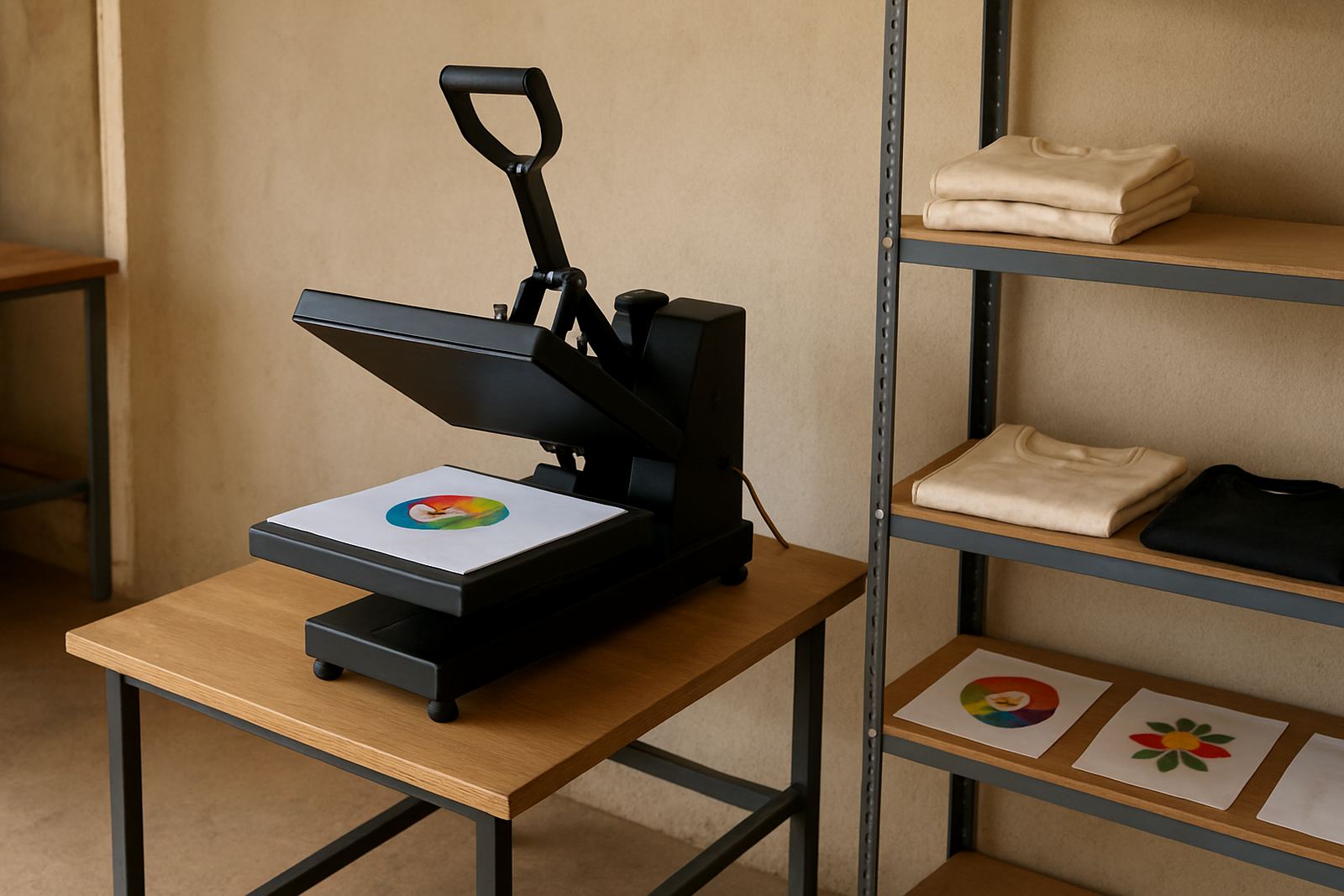
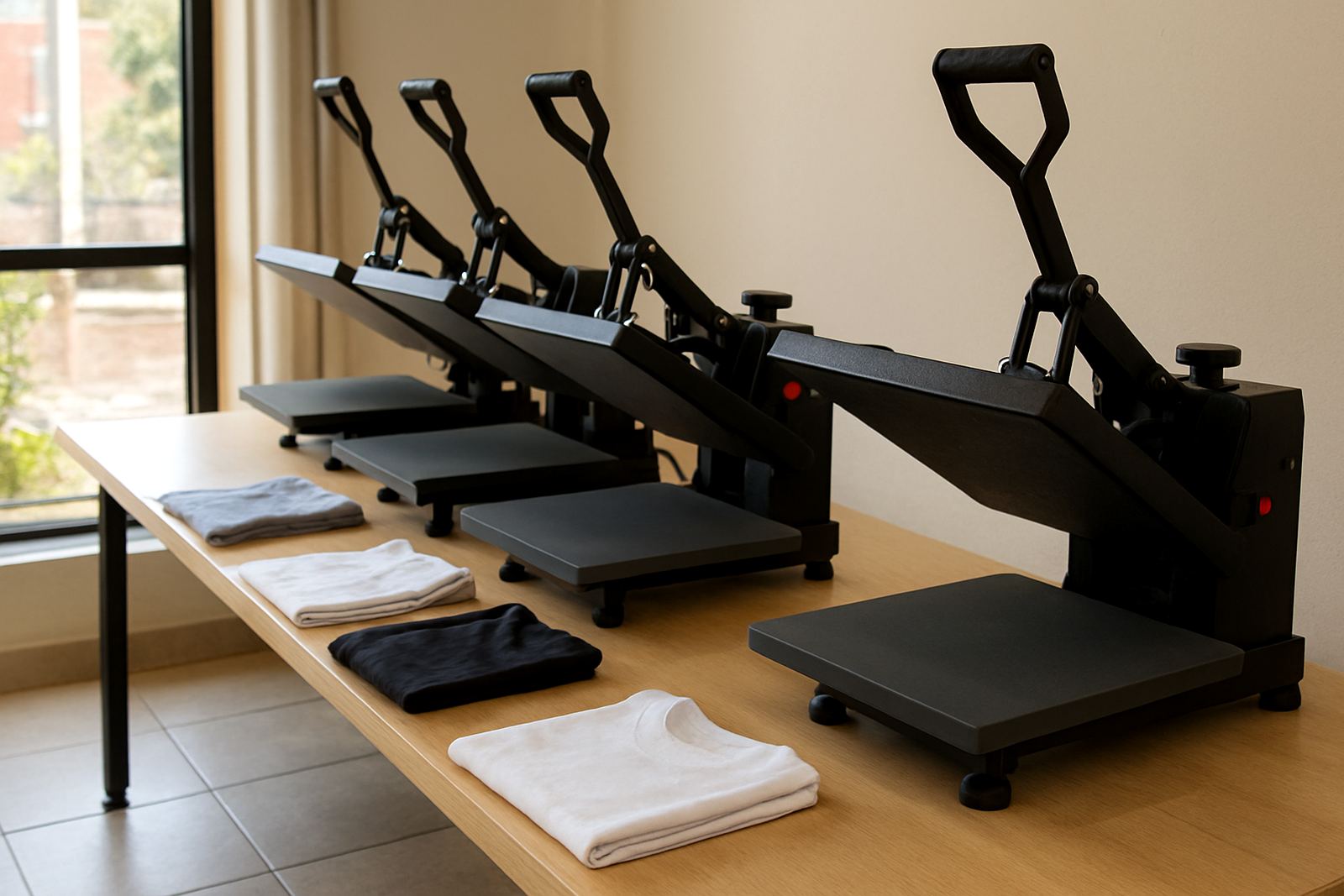
This machine is a good fit for small garment decorators, hobbyists moving into paid work and established print shops that need a larger format without jumping to a full industrial line. It suits schools, sports clubs, promotional printers and workwear suppliers who need oversized prints or recurring transfer jobs. If your output includes teamwear, event branding or larger artwork that must sit squarely across the chest or back, the extra platen size makes life easier.
It also works well where you need to keep different items moving through the same station. One day it may be adult shirts, the next day children’s wear, sleeves or bag panels. Because the press is used on flat items, it is a practical option for many transfer applications, as long as the material can tolerate the required heat. For nationwide customers we often see these machines going to Cape Town, Bloemfontein, East Rand and the West Rand through courier, with setup done on site in Gauteng when required.
- Good for mixed item sizes and repeat orders
- Suitable for shops growing from hobby to paid production
- Handy for schools, clubs, promo work and workwear
- Can be supplied across South Africa by courier
Installation, power and workshop requirements
A 50x70 drawer press needs a stable working base, enough clearance for the drawer travel and a power supply that matches the machine. In many South African workshops a standard 220 V supply is used, but you still need to check the current draw and make sure the circuit can handle the heater and controller. If the press is going into a busy shop, a properly loaded socket and good earthing are important. During load shedding, customers often pair the press with backup power, but the setup must still be suitable for heating appliances.
Before installation, measure the bench height and make sure operators can reach the drawer comfortably without lifting garments awkwardly. Allow space behind and beside the unit for airflow and for safe movement when the platen opens. If you are working in a council controlled premises or a shared building, it is wise to check any local electrical and fire rules that apply to heated equipment. On pneumatic models, a clean compressed air supply is needed and the line should be checked for leaks, moisture and pressure consistency.
- Needs a stable bench or stand with front drawer clearance
- Check power rating before connecting to a circuit
- Allow room for ventilation and safe operator movement
- Pneumatic versions need clean dry compressed air
Cleaning, servicing and what to check before ordering
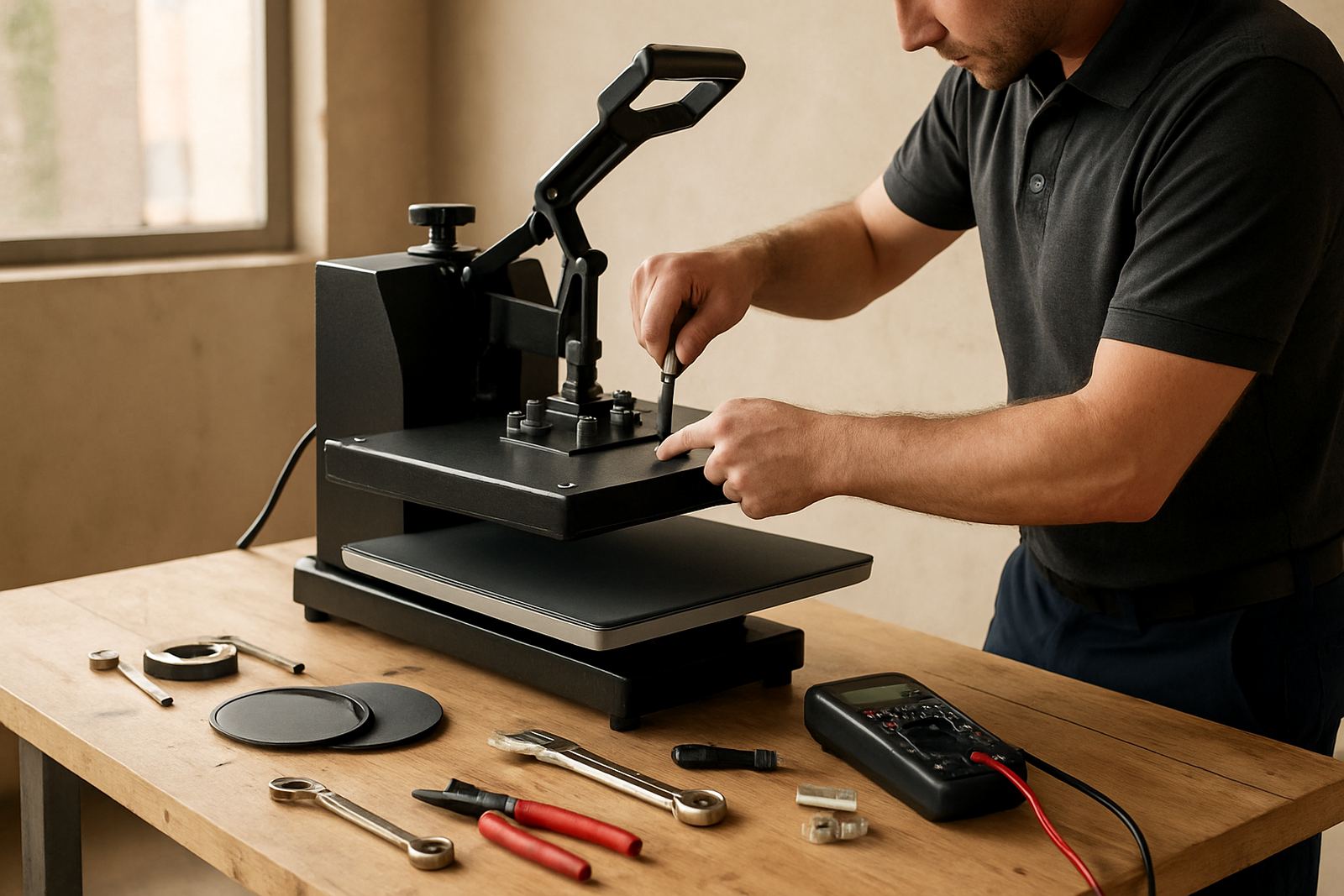
Like any heat press, this machine performs best when it is kept clean, calibrated and checked regularly. Wipe adhesive residue from the platen surface, inspect the pad and covering for wear, and watch for uneven heat or pressure. If the temperature starts drifting, the controller or sensor may need attention. Over time the heat element, wiring, pressure system and release parts all need inspection, especially in a shop that runs daily jobs.
FlatPress supplies setup, training, phone tech support, spares and workshop repair work from Midrand for customers across Gauteng and nationwide. When ordering, check whether you need manual or pneumatic operation, what size work you print most often, and whether your jobs need a fast open or a longer dwell cycle. It also helps to confirm the platen surface condition, the controller type, the available power supply and whether you need loan unit support during a repair. That way there are no surprises once the press reaches your floor.
- Check platen evenness and temperature stability
- Ask about spare elements, controllers and coverings
- Confirm manual or pneumatic operation before ordering
- Plan for training if your team is new to large format pressing
Key facts
| Model | 50x70 Drawer Press |
|---|---|
| Platen size | 500 x 700 mm |
| Operation | Drawer style heat press for flat transfers |
| Power | 220 V supply, current draw to be confirmed on the unit |
| Temperature control | Digital controller with adjustable heat settings |
| Pressure | Adjustable manual or pneumatic depending on model |